

Greater Tokyo

See & Do

reset
Hase-dera Temple

Hase-dera Temple

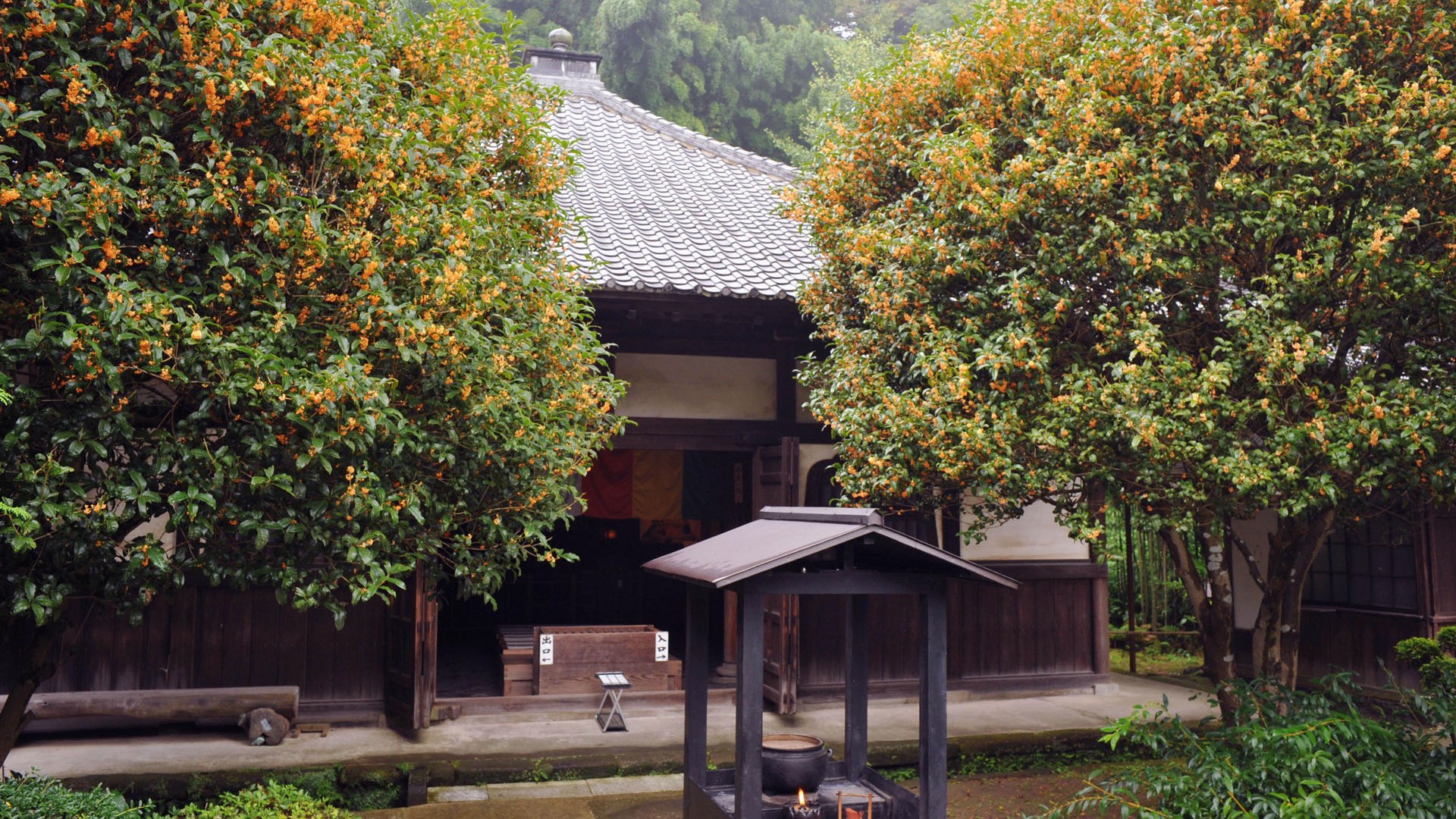
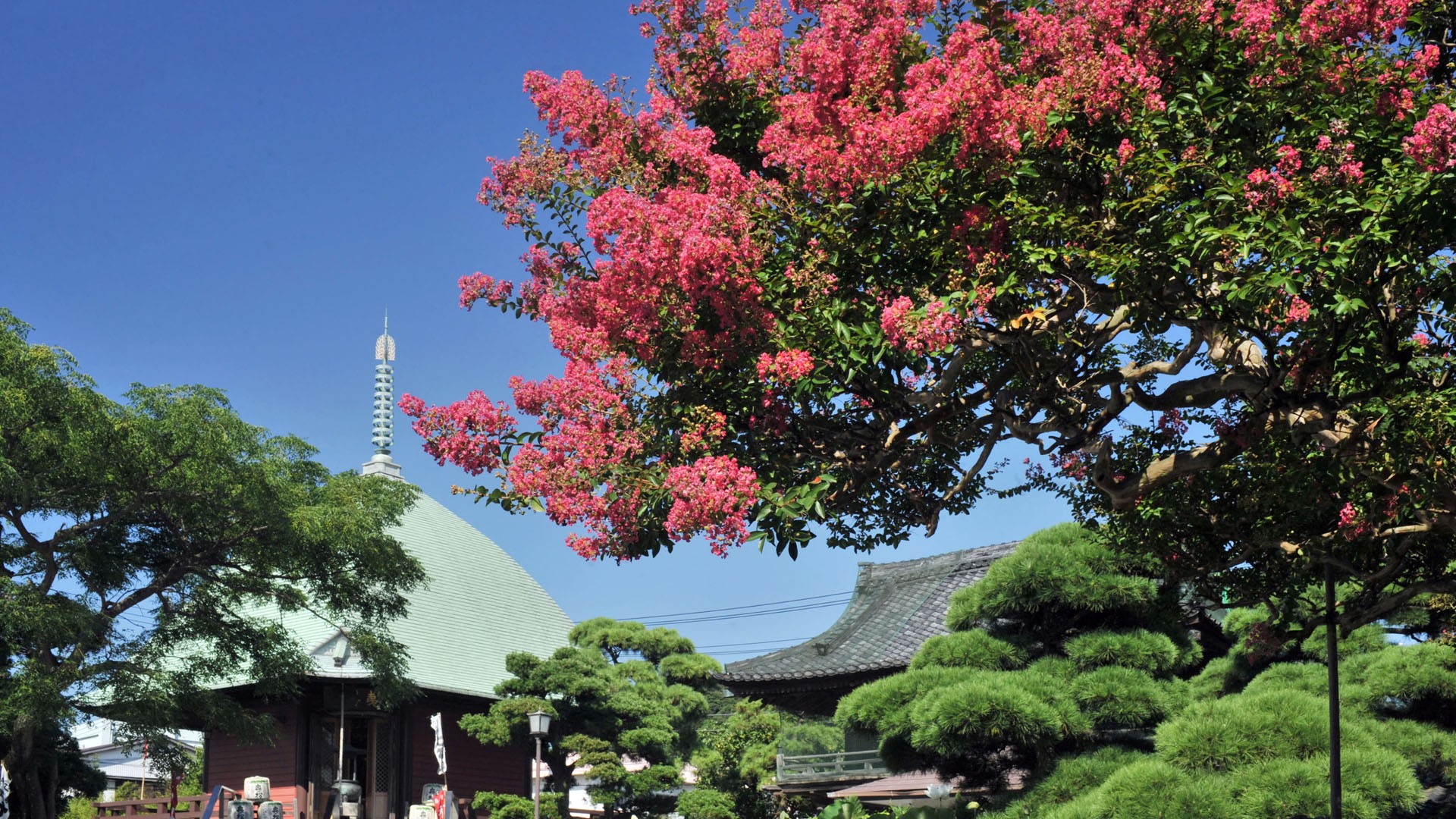
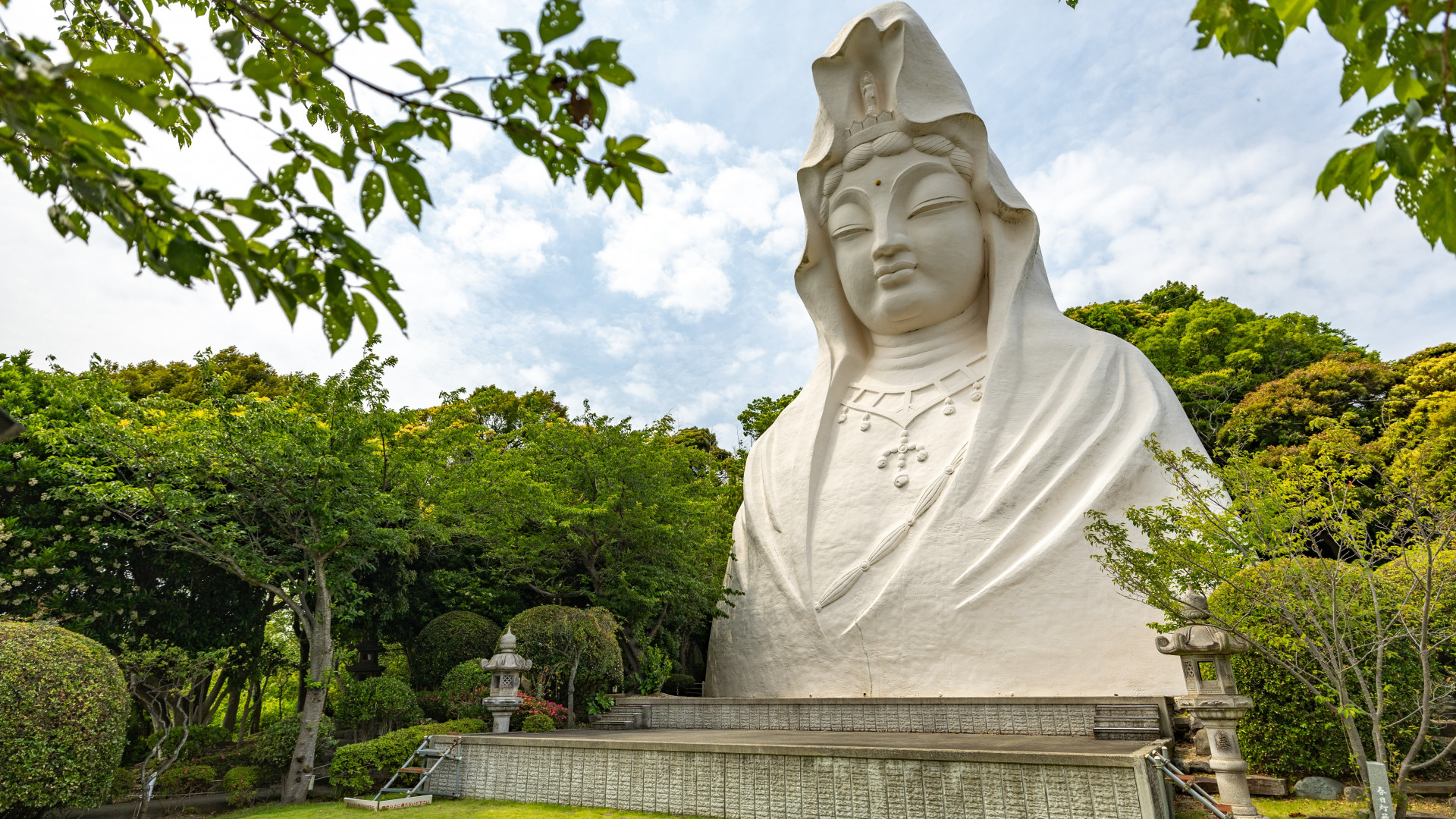
Hasedera Temple is a famous historical temple that enshrines the statue of Hase Kannon as its principal deity. The main temple building houses the Kannon Museum, a garden, and offers visitors a chance to become familiar with the scenic beauty of Kamakura. The solemn "Kannon-do" and the temple grounds surrounded by beautiful trees and ponds, and lanterns distributed to visitors, encase the area in a beautiful lights that offers a sense of connection. A private tour of the temple grounds is also held by the priests of Hasedera Temple. In addition to the guided tours of the Keidai required sites, visitors will be show through the museum and also have the opportunity to visit Kannon in the main hall up close and personal.Originally established in 736 when the Kannon stature was said to have washed ashore, the most recent construction dates back to 1985.Enjoy a panoramic view overlooking Kamakura's coastal city while taking a leisurely break.Opened in 1980, the Kannon Musem exhibits the Kannon Bodhisattva, the principal mage of Hasedera Temple, as well as many other ancient artefacts.According to legend, the nine-meter wooden statue of the Kannon (goddess of mercy) you can see here was carved in 721 CE in Nara, then cast into the sea, washing up in 736. In June and July, colourful hydrangeas bloom around the temple.The precincts with the majestic Kannon-do hall and lovely trees and ponds are enveloped in a light that “connects,” like the lanterns given to those who visit.

Temples & Shrines Tokaido Koshu kaido KANAGAWA
Discover the Zen Spiritual Experience with a Volunteer Guide in Saijoji Temple

Discover the Zen Spiritual Experience with a Volunteer Guide in Saijoji Temple

Welcome to Daiyuzan Saijoji Temple, a sacred Zen sanctuary where tranquility and solemnity reside. Located in Minamiashigara City, Kanagawa Prefecture, Daiyuzan Saijoji Temple stands as an important Zen temple of the Soto sect, preserving its long history and deep faith to this day.The main hall was designed by Ito Chuta, the first Japanese architecture historian, and embodies the traditional Japanese aesthetic of finding the beauty in shadows. The approach leading to it is lined with approximately 20,000 cedar trees, many over hundreds of years old, enveloping visitors in a quiet, mystical atmosphere.A beautifully proportioned pagoda welcomes worshippers, evoking a sense of being transported to ancient Japan. The legendary ascetic Tengu (a type of Shinto spiritual being) stands guard before Kekkai-mon (the sacred barrier gate), and is said to ward off evil spirits and protect worshippers while also guiding the path to enlightenment.Atop 354 stone steps lies the sacred sanctuary Okunoin, quietly standing to offer deep healing and insight to visitors. This space, woven from the natural beauty of the four seasons and the spirit of Zen, is the perfect place for a journey away from daily life to center your mind.We invite you to experience the “authentic Japan” where tranquility and strength coexist at Daiyuzan Saijoji Temple. Zen practice through zazen meditation and sutra copying awaits you.

Temples & Shrines Tokaido Koshu kaido KANAGAWA
Sasuke Inari Shrine

Sasuke Inari Shrine

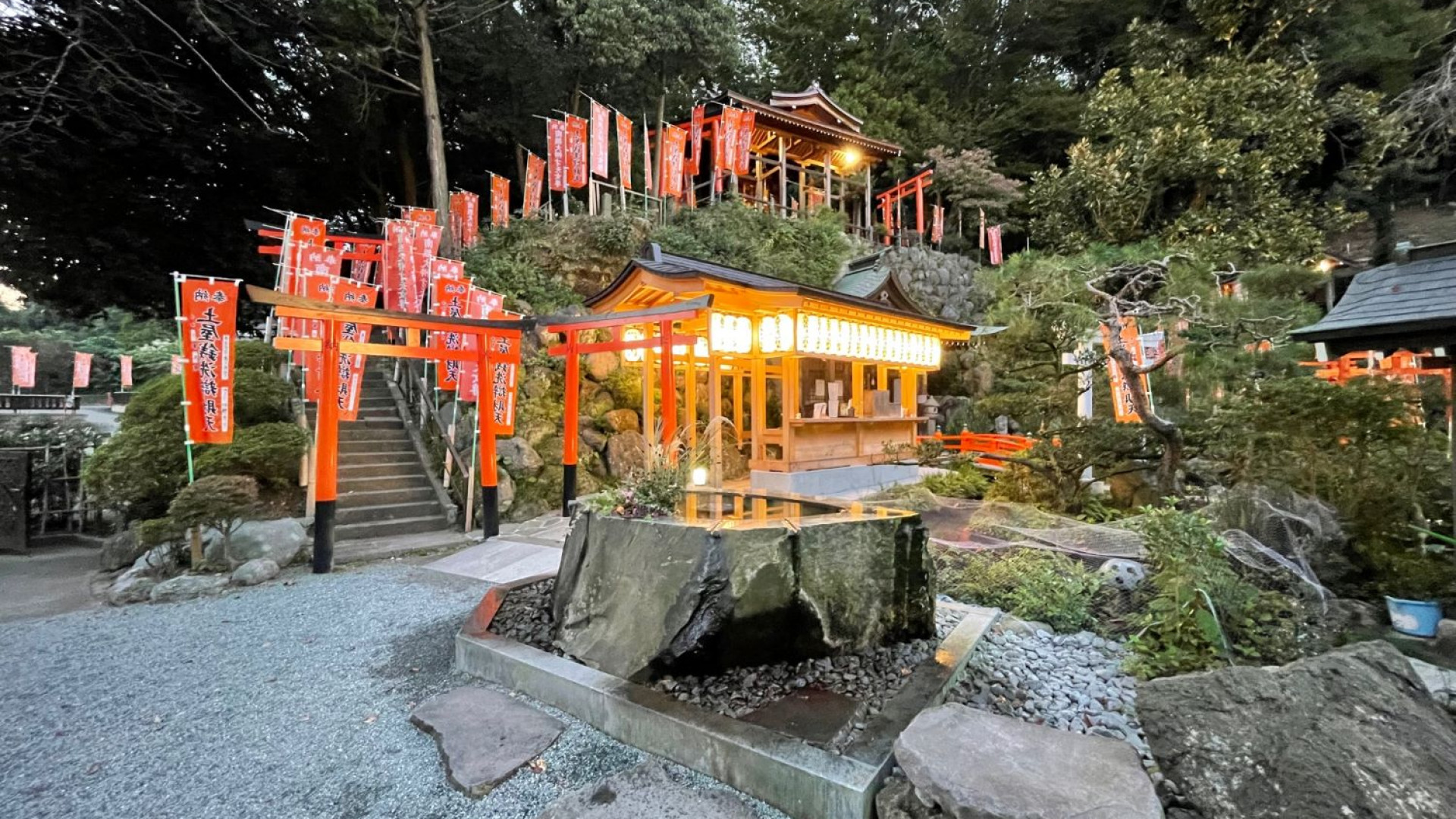
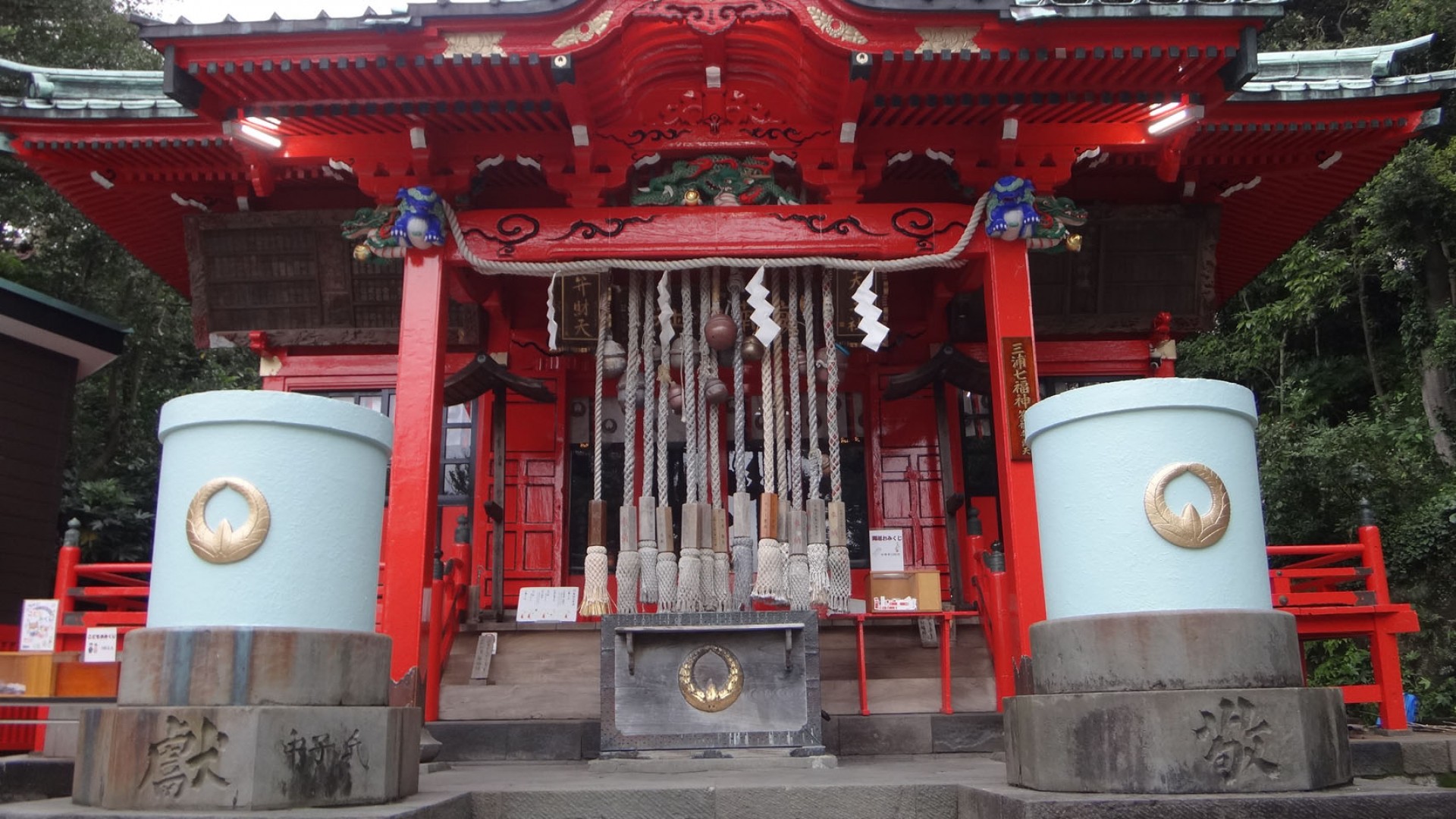
Please make sure you obey the rules and act appropriately when visiting.Located in "Kamakura's hidden village", with red torii gates and white foxes enshrined throughout the grounds, the area is a place filled with a mysterious atmosphere. Also known by the name "Inari of success", it is a famous 'power spot' where many go to wish for promotions and good luck.Torii represent a dividing line (kekkai) between worlds. The entrance to the sacred Sasuke Inari Shrine sees 49 Torii — each step through one represents an individual's growing distance from the secular.

Temples & Shrines Tokaido Koshu kaido KANAGAWA
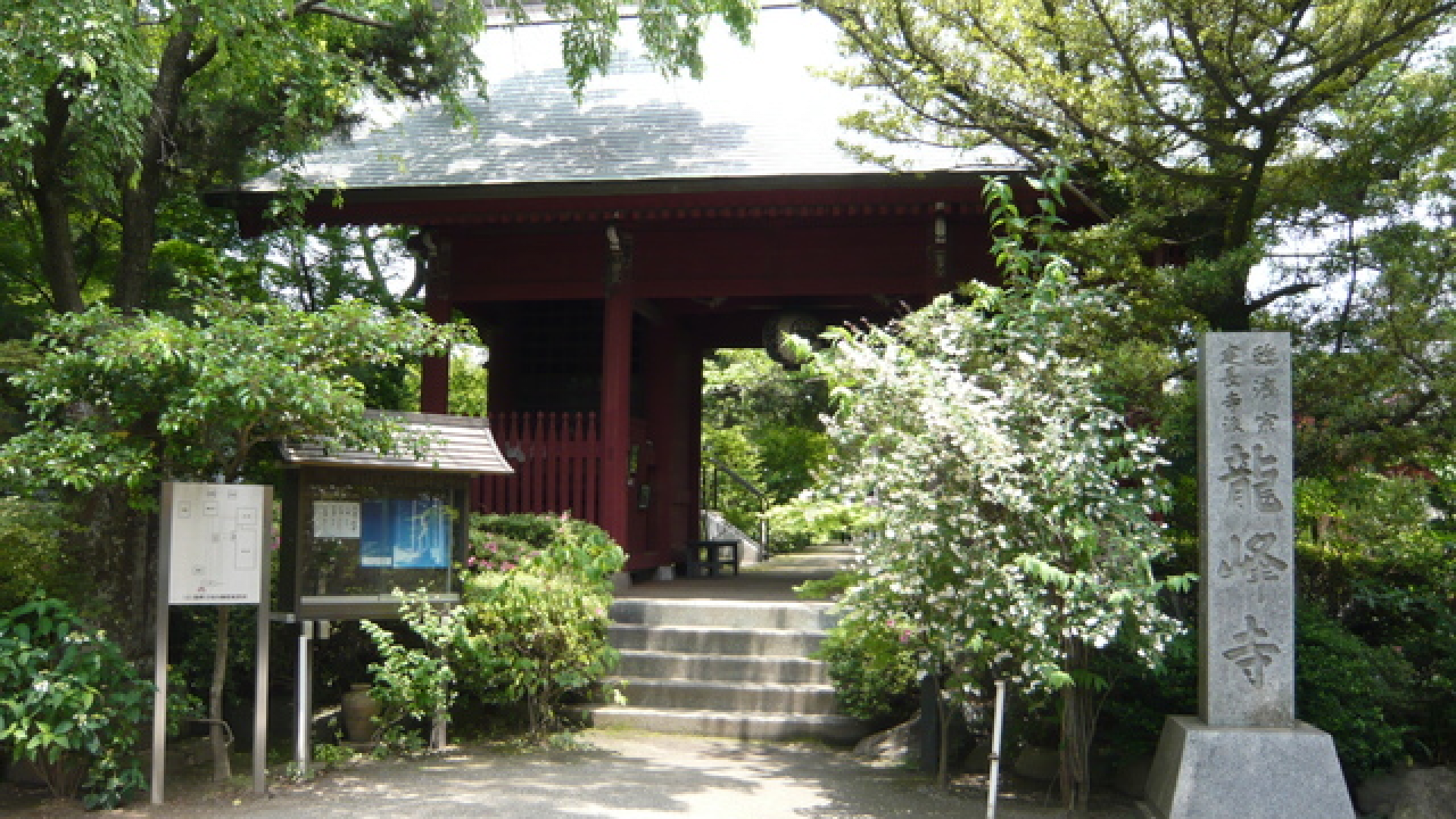
Japan Heritage Certification (Oyama Shrine Visit)

Japan Heritage Certification (Oyama Shrine Visit)

Mount Oyama has long been firmly believed to be a mountain of spirits. During the most prosperous period of Edo, 200,000 people were recorded to visit this mountain every year. Back then, shrine visiting, beginning with the pilgrimages to Ise Shrine, was extremely popular among the people. Among the many travel destinations, Oyama was loved by many for being only two or three days away from the cities of Edo. A popular route was to have fun at Enoshima after visiting Oyama. This sight was portrayed in the classic rakugo, Oyama Mairi. In April 2016, Oyama Mairi qualified as a Japanese heritage.

Temples & Shrines Tokaido Koshu kaido KANAGAWA
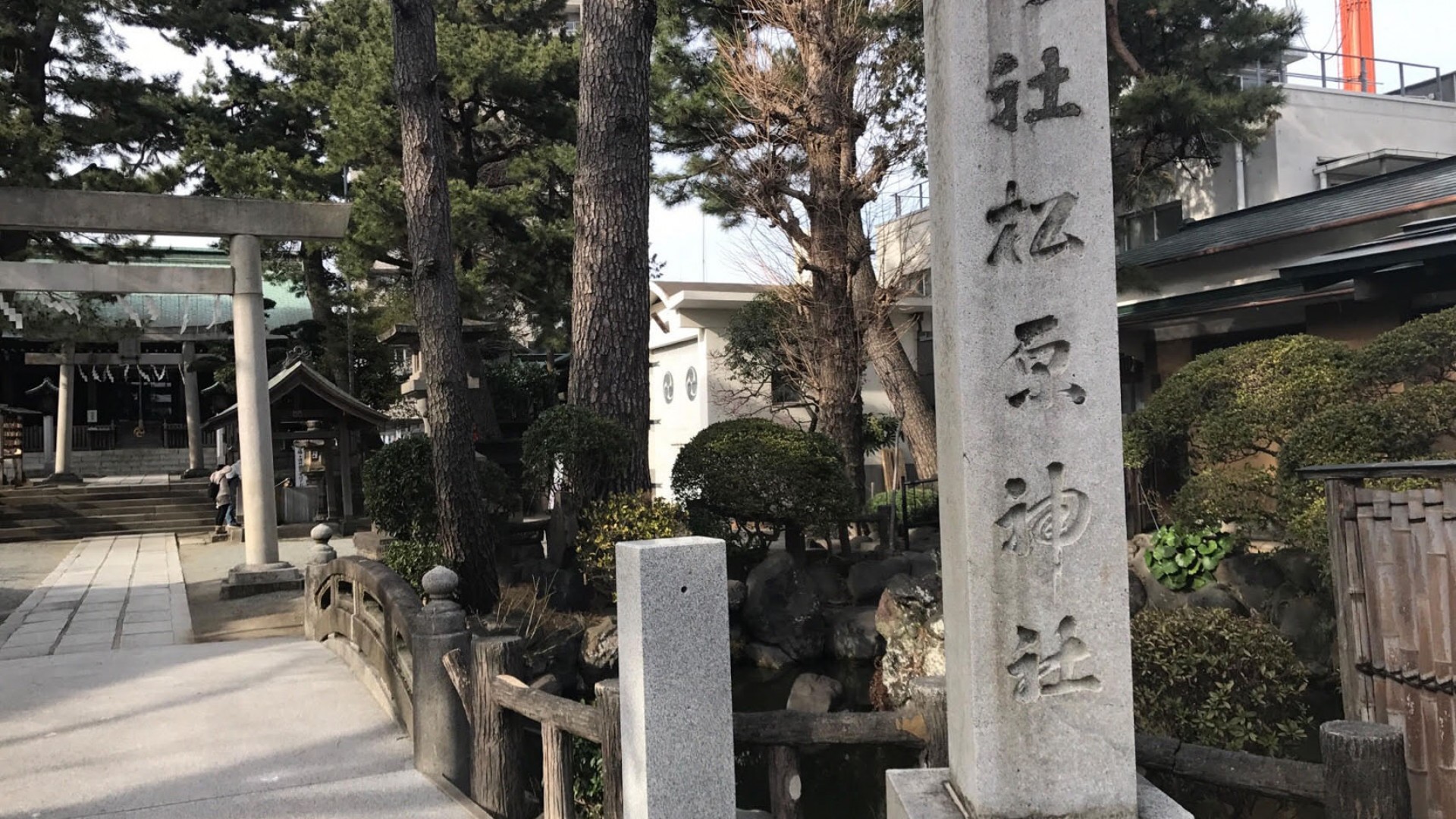
Kenchoji Temple (Main temple of Kenchoji school of Rinzai sect)

Kenchoji Temple (Main temple of Kenchoji school of Rinzai sect)

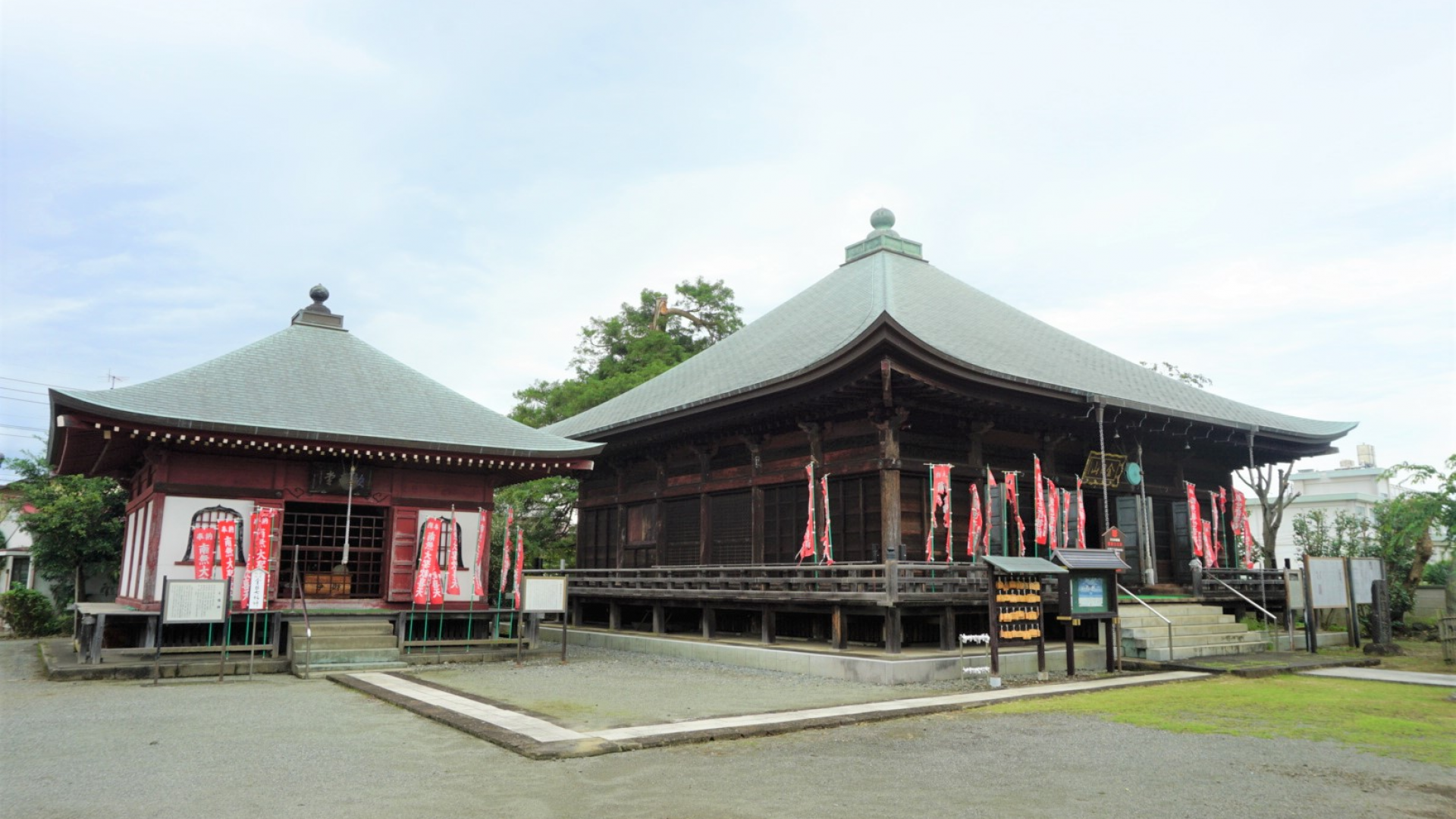
This ancient temple is ranked first among the Kamakura Gozan. It features many old buildings, with a temple bell designated the national treasure. Our zazen experience, which has explanations available in English, is popular with foreign visitors. Enjoy a different travel experience by taking your time to relax and enjoy the clean air.Kamakura's greatest Zen temple. Enjoy the tranquility of the Zen garden, and view of Mt. Fuji from the observation deck up the hill on clear days in winter.How about starting your day with zazen meditation? The cool air will help you feel refreshed, and a leisurely breakfast and sightseeing trip will make for a different kind of travel experience.

Temples & Shrines Tokaido Koshu kaido KANAGAWA
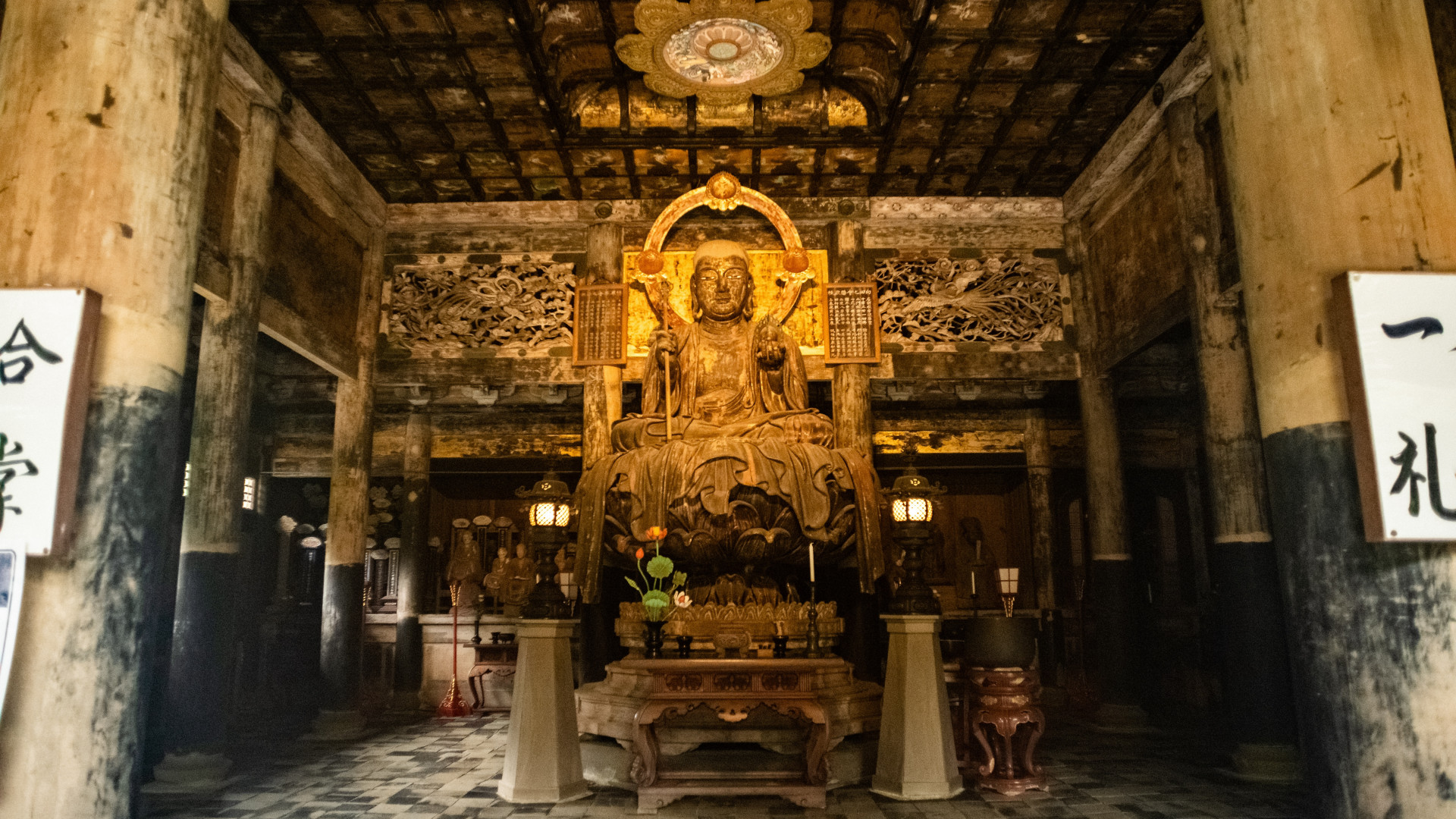
Jochi-ji

Jochi-ji

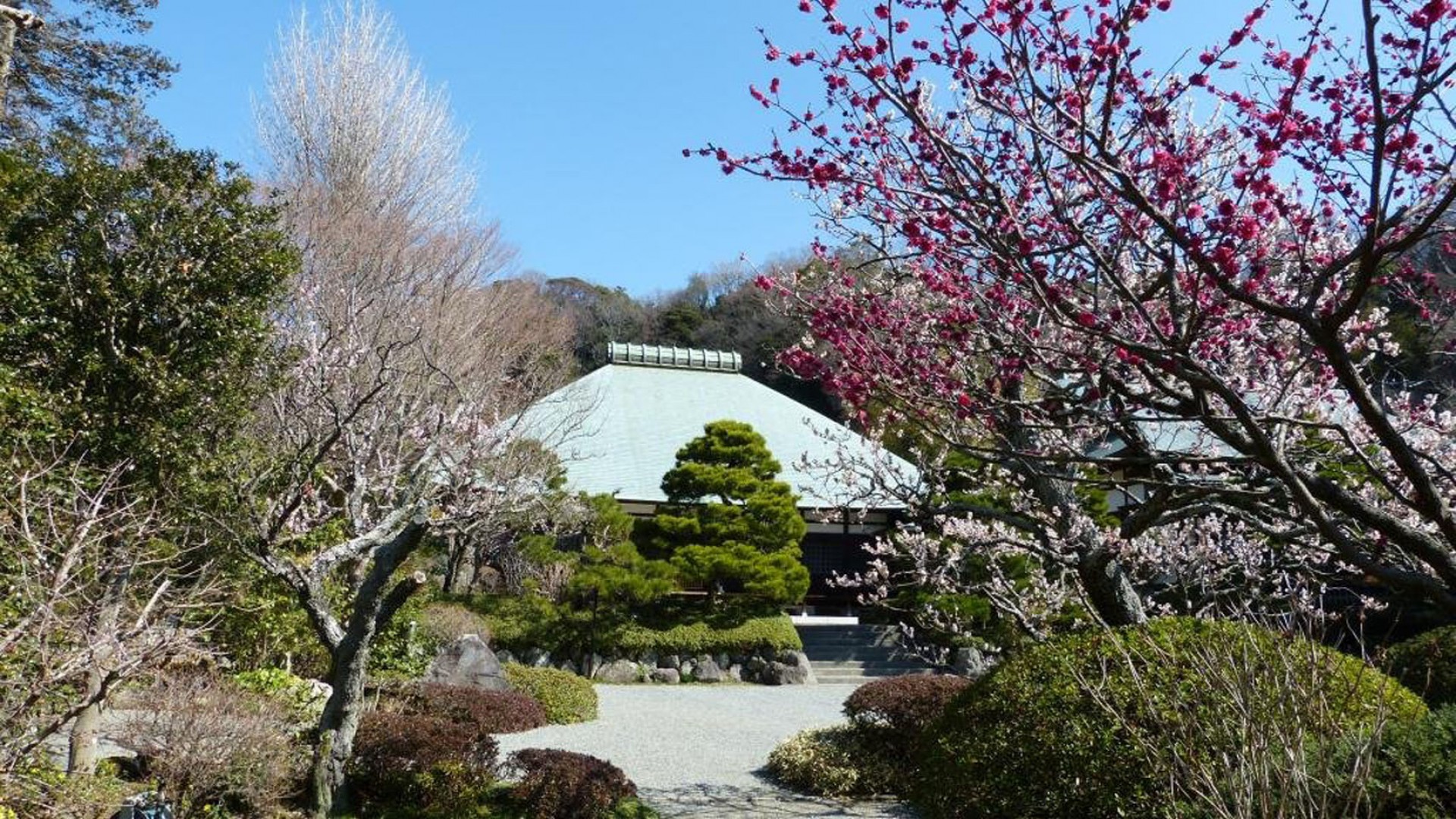
Wife and son, Morotoki, of Shogun Hojo Munemasa built this temple in 1281. In this temple there is a 'Kanro no I (well)' , one of the 10 Kamakura Wells. This temple ground is designated as a historic spot of Japan.The Donge-Den houses the Three Statues of Buddha. The leftmost statue represents the past, the center the present, and the right the future (as seen from the main entrance).Built in 1924, the thatched-roof Shoin offers a beautiful view of the gardens throughout the seasons.

Temples & Shrines Tokaido Koshu kaido KANAGAWA
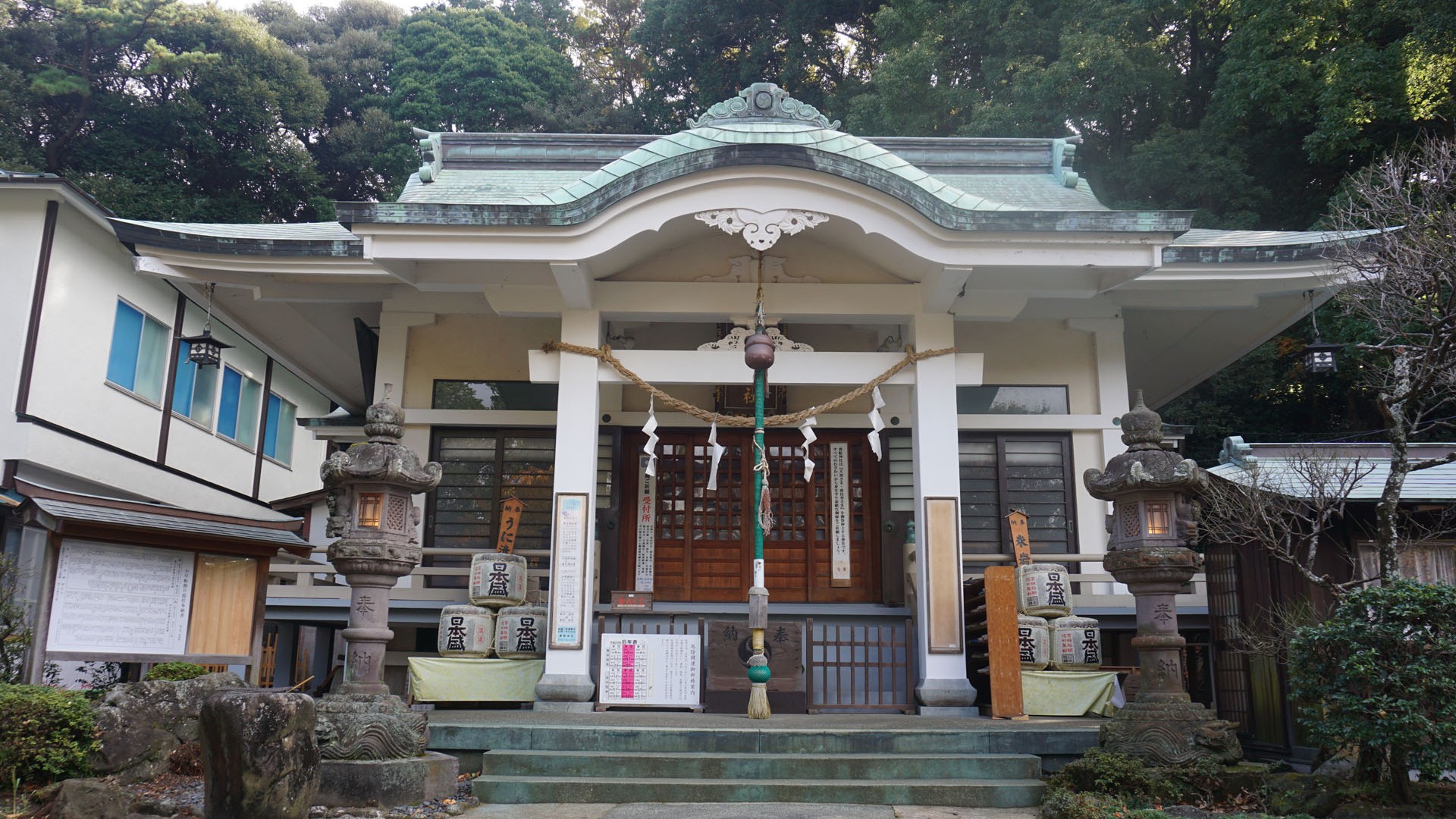
Mizonokuchi Shrine

Mizonokuchi Shrine

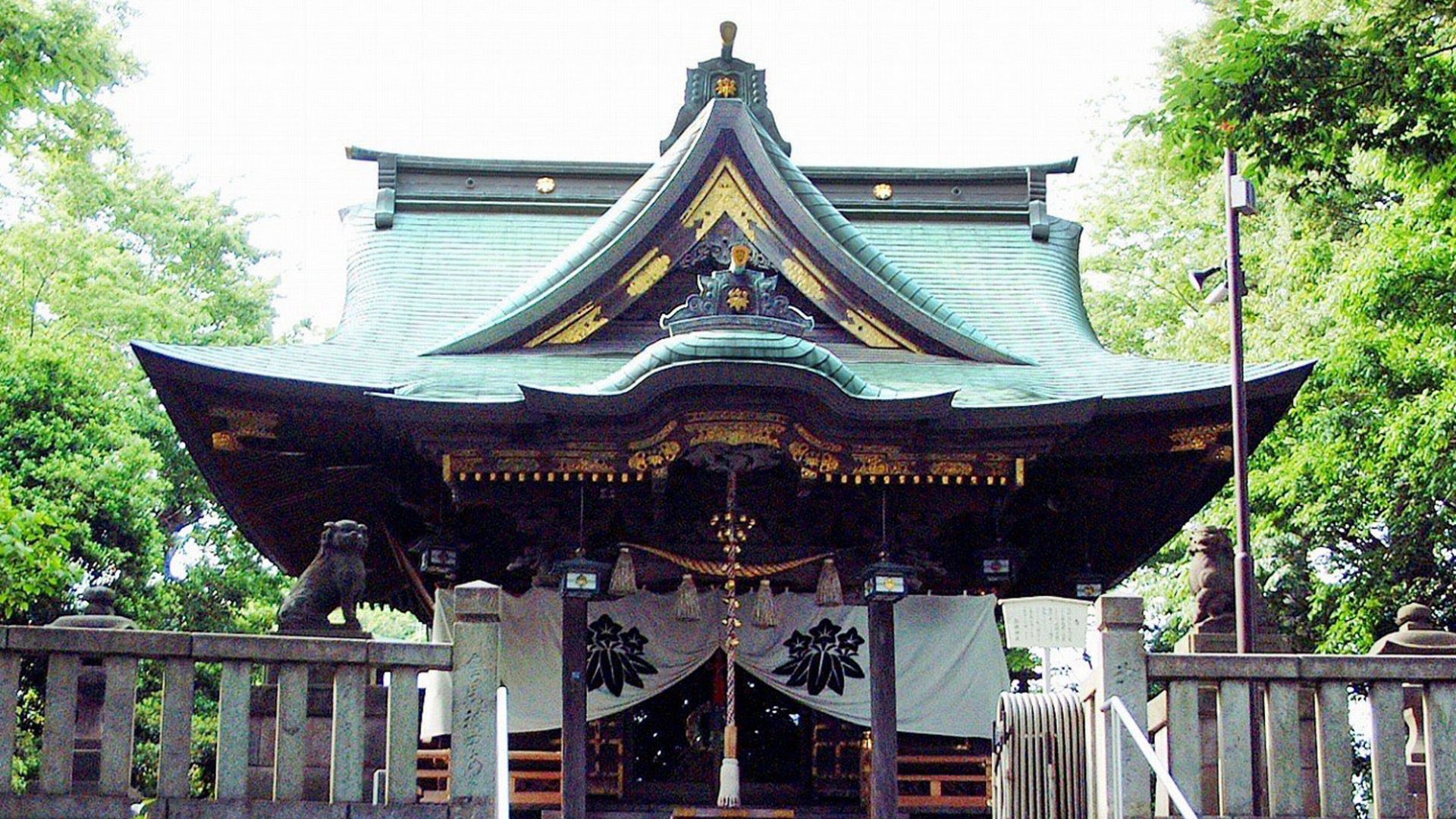
Although the date of Mizoguchi Shrine's founding is unknown, the shrine has a long history and is widely revered as one of the most respected shrines in Kawasaki City, with "Amaterasu," the deity enshrined at the Jingu Shrine in Ise, as its deity. The shrine is known for various benefits such as easy childbirth, child-rearing, match-making, family safety, and protection from bad luck, among others. There are sacred trees related to family in the precincts, including a long-life zelkova tree, a father-and-son camphor tree, and a ginkgo tree with a hanging milk root, which attract many visitors.

Temples & Shrines Tokaido Koshu kaido KANAGAWA