

Kofu Castle Ruins (Maizuru Castle Park)
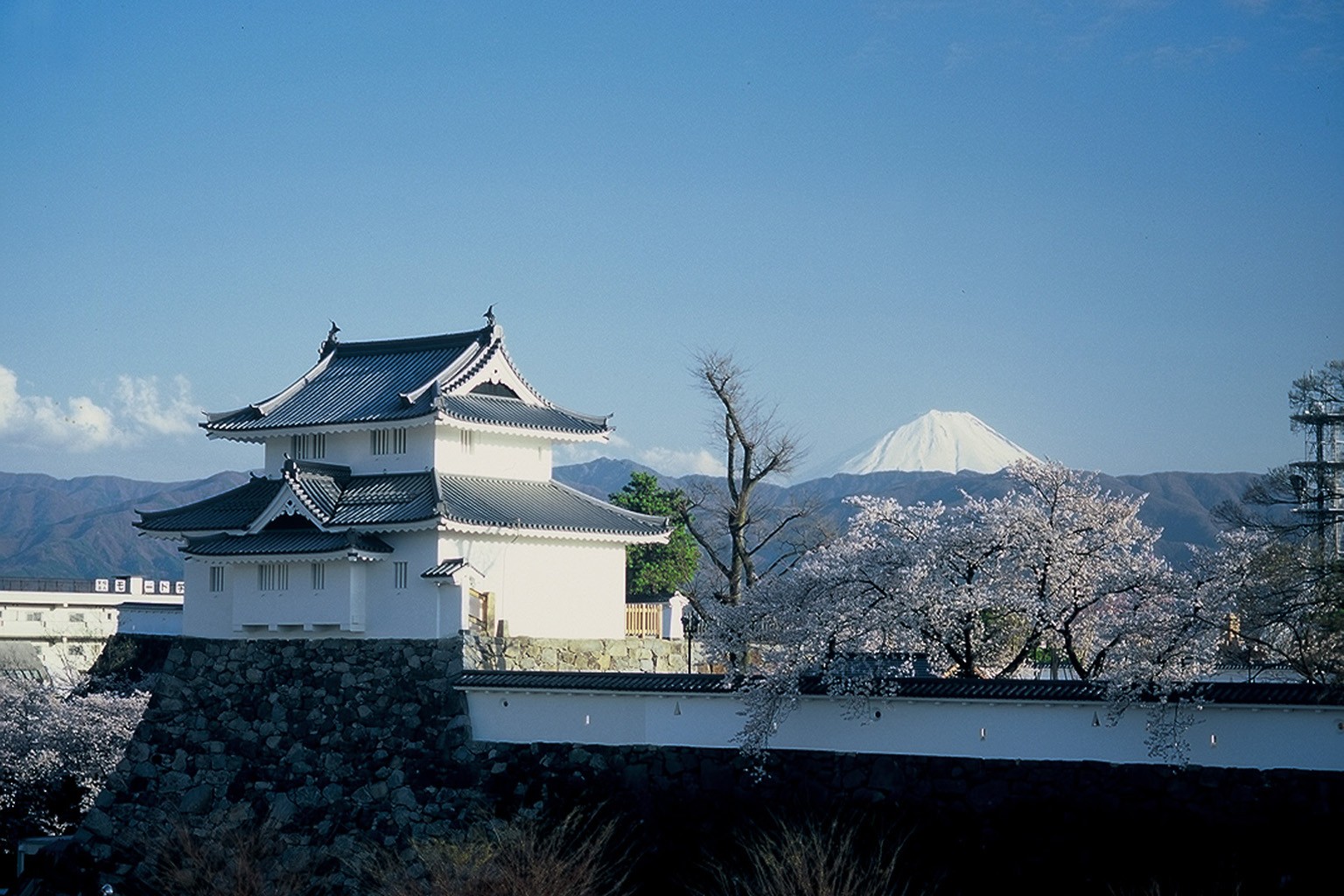
Kofu Castle is a historic site where powerful stone walls and restored structures tell its past. Known as Maizuru Castle, its white walls evoke a crane in flight, blending beauty and warfare.
Total: 1727 items
Kofu Castle is a historic site where powerful stone walls and restored structures tell its past. Known as Maizuru Castle, its white walls evoke a crane in flight, blending beauty and warfare.
A factory with a long history, originating from Spring Valley Brewery (Yokohama Yamate), one of Japan's first breweries. During the hour-long factory tour, you can learn about the process of making beer, including preparation, fermentation, and packaging. At the end of the tour, you can taste freshly brewed beer and experience the mini-seminar on how to fully enjoy Ichiban Shibori. In addition to the tour, you can enjoy seasonal plants in the factory garden. Reservations are required for the tour.Head over to the Kirin Yokohama Beer Village tour and find out what it takes to make a high-quality beer. Enjoy the free beer tasting at the culmination of the tour.
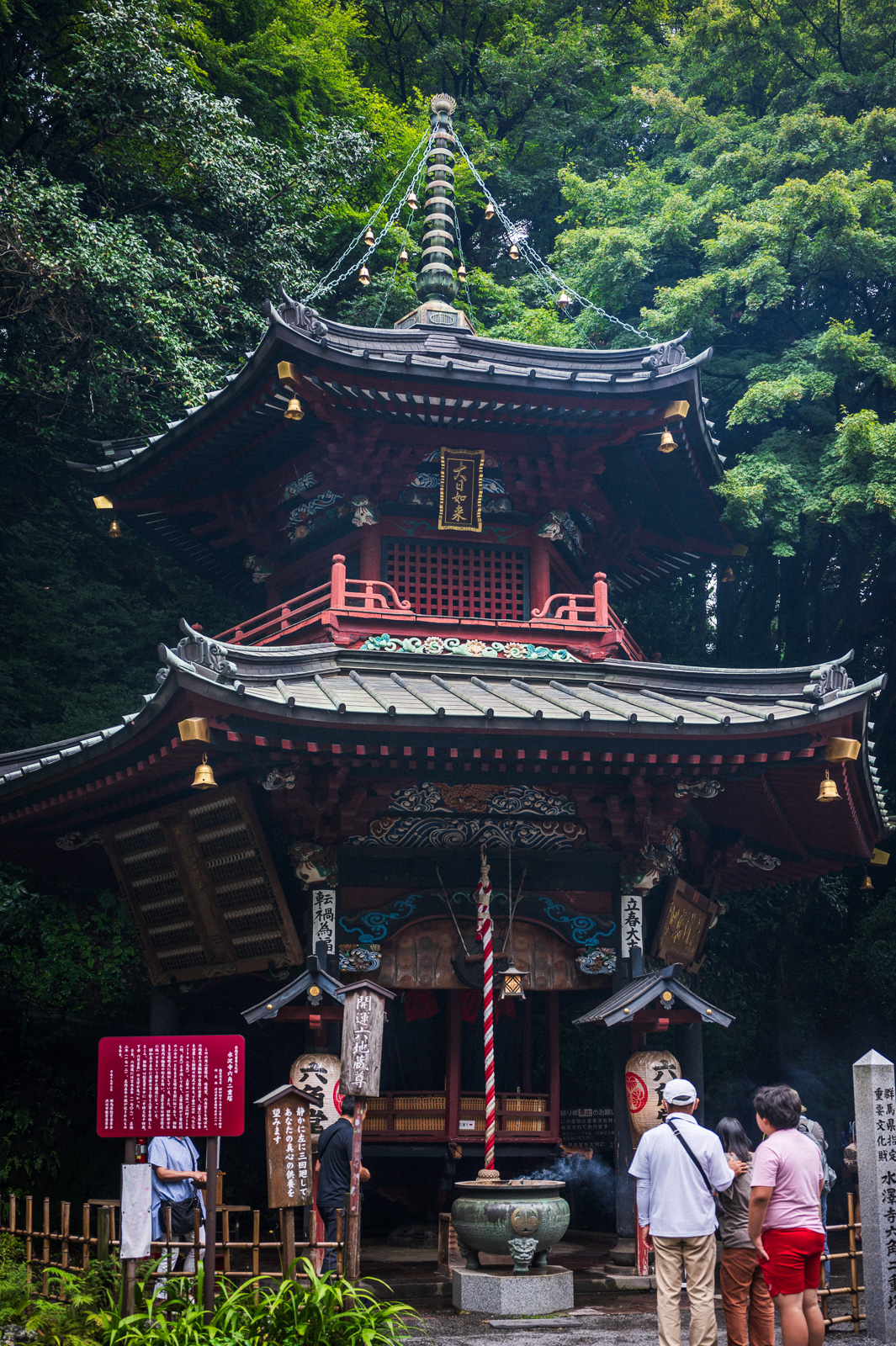
Trace the steps of Tokugawa clan members and countless worshippers to the peaceful and historic grounds of Mizusawa Kannon, a charming temple deep in the forests of Gunma Prefecture.
Discover Urayasu's rich maritime heritage at this immersive community museum, featuring a full-scale recreation of a 1952 fishing town complete with wooden houses, narrow alleys, and authentic cultural exhibits.
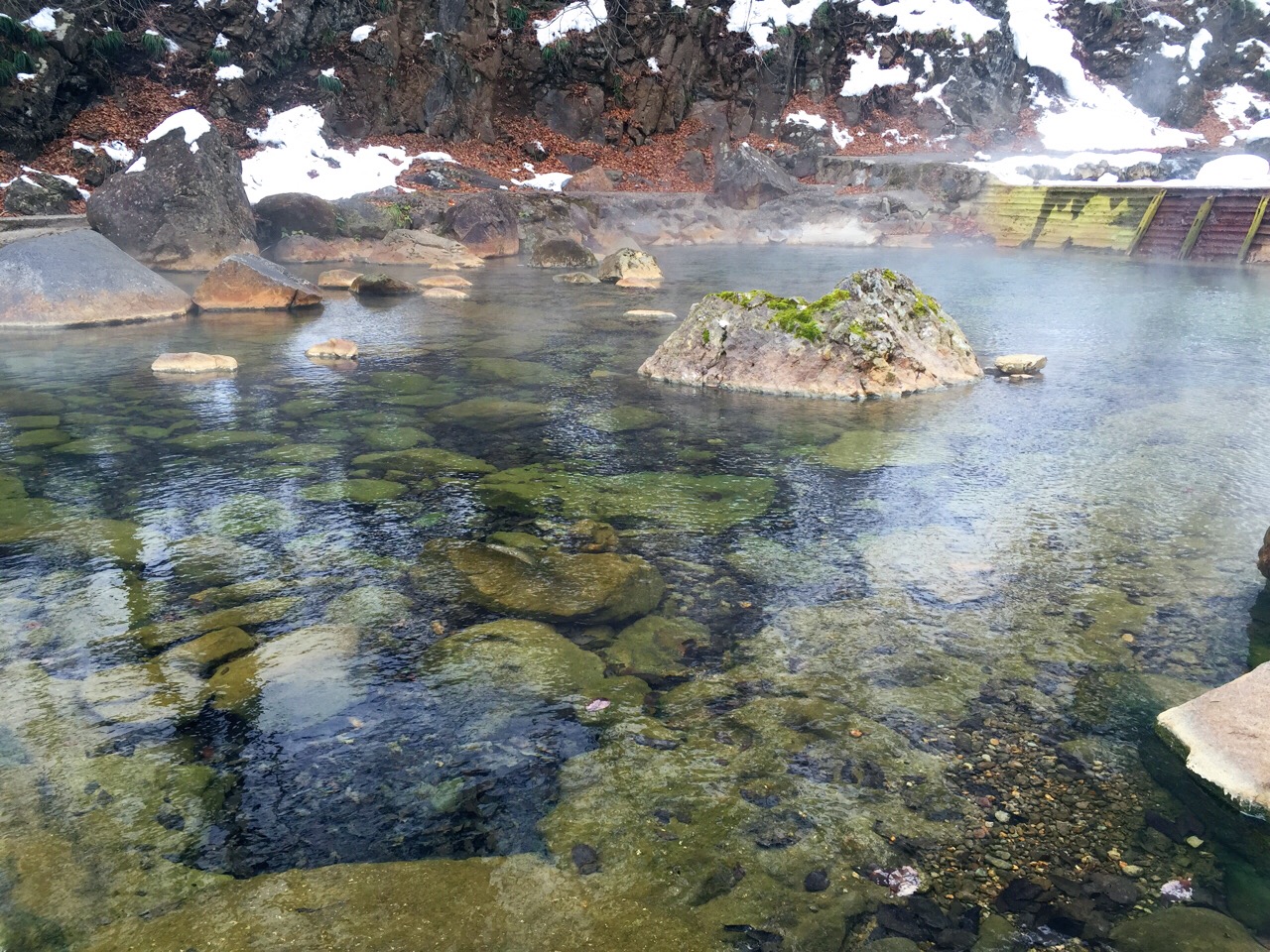
Just outside of Tokyo are countless opportunities to enjoy nature, from hiking and trekking on mountain trails and lush forests to basking in the tranquility of a secluded natural hot spring.
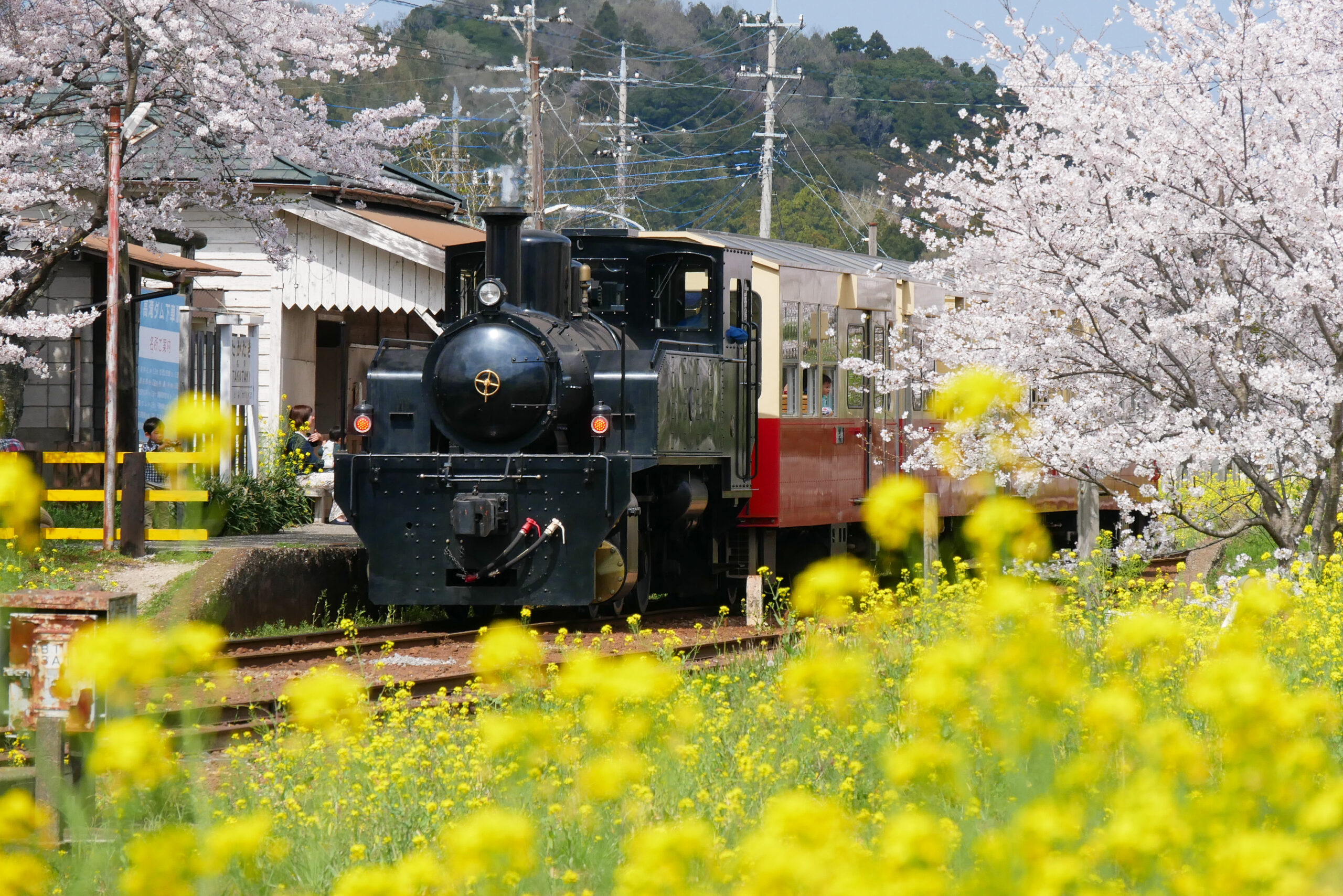
Experience the charm of rural Japan aboard the Satoyama Torocco, an open-air sightseeing train that glides through peaceful countryside and historic stations along the Kominato Railway.
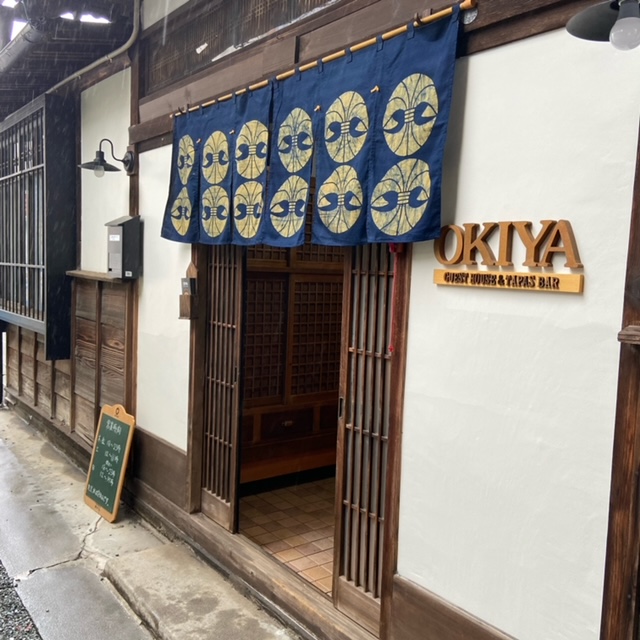
Enjoy spending the night in a traditional Japanese room, once a vibrant home to countless geisha, in historic Gunma Prefecture
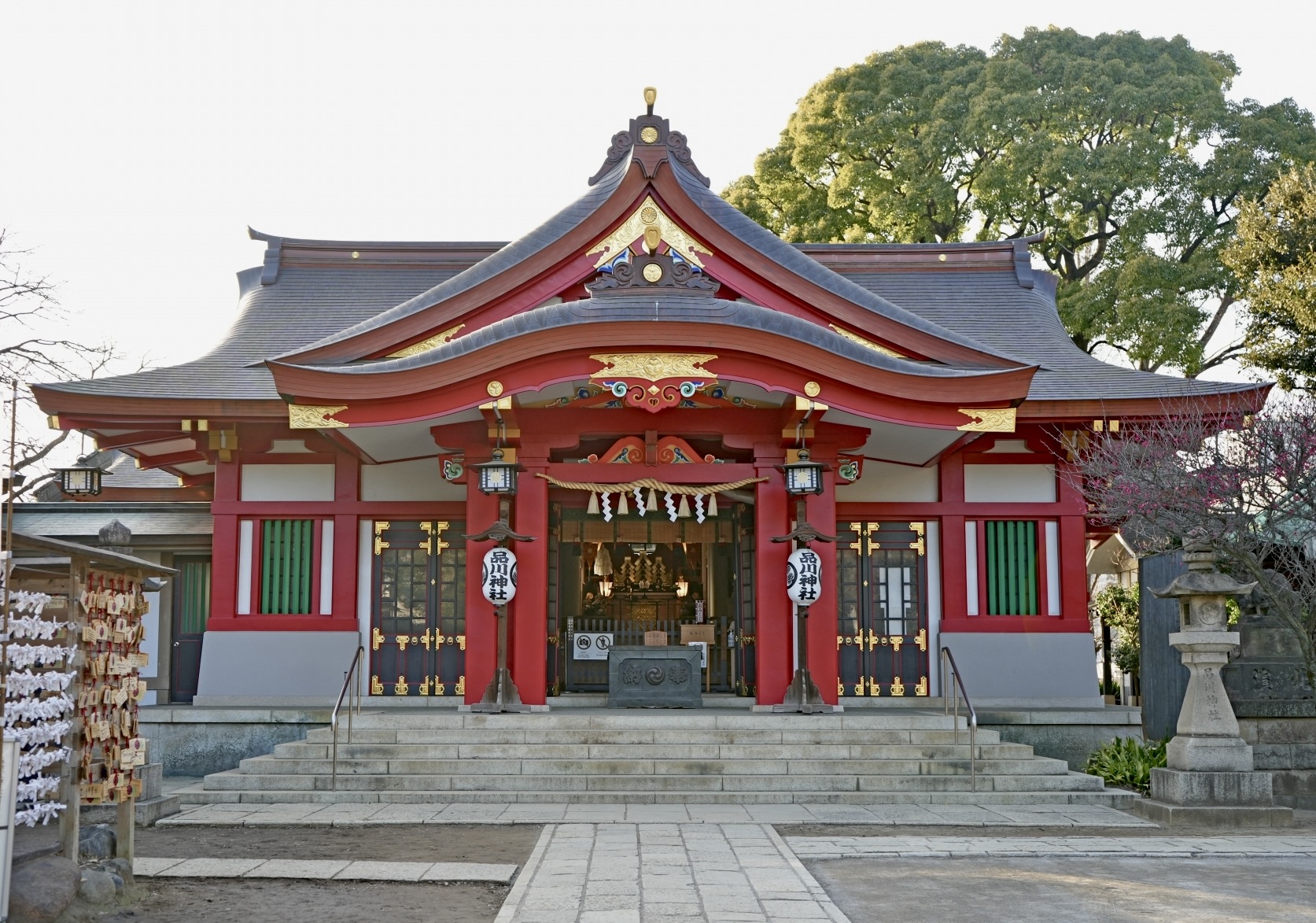
Shinagawa Shrine traces its origins to Tokugawa Ieyasu’s prayers for victory, preserving early Edo offerings. Facing 21st-century Tokyo, it is a rare place where history and the present intersect.
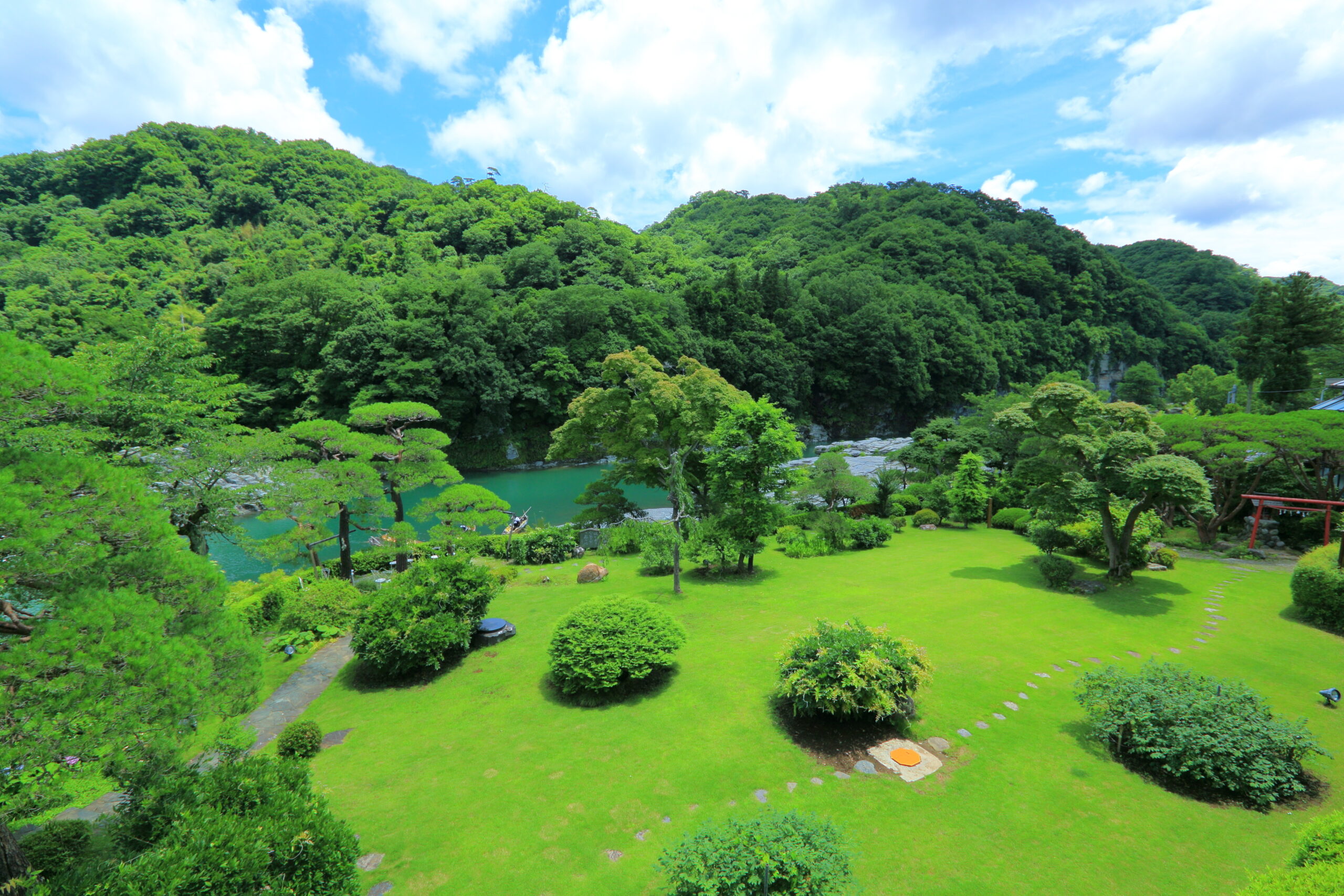
Nagatoro Choseikan Ryokan offers travelers a stay deeply connected to the rhythms of the Arakawa River and its surrounding gorge.
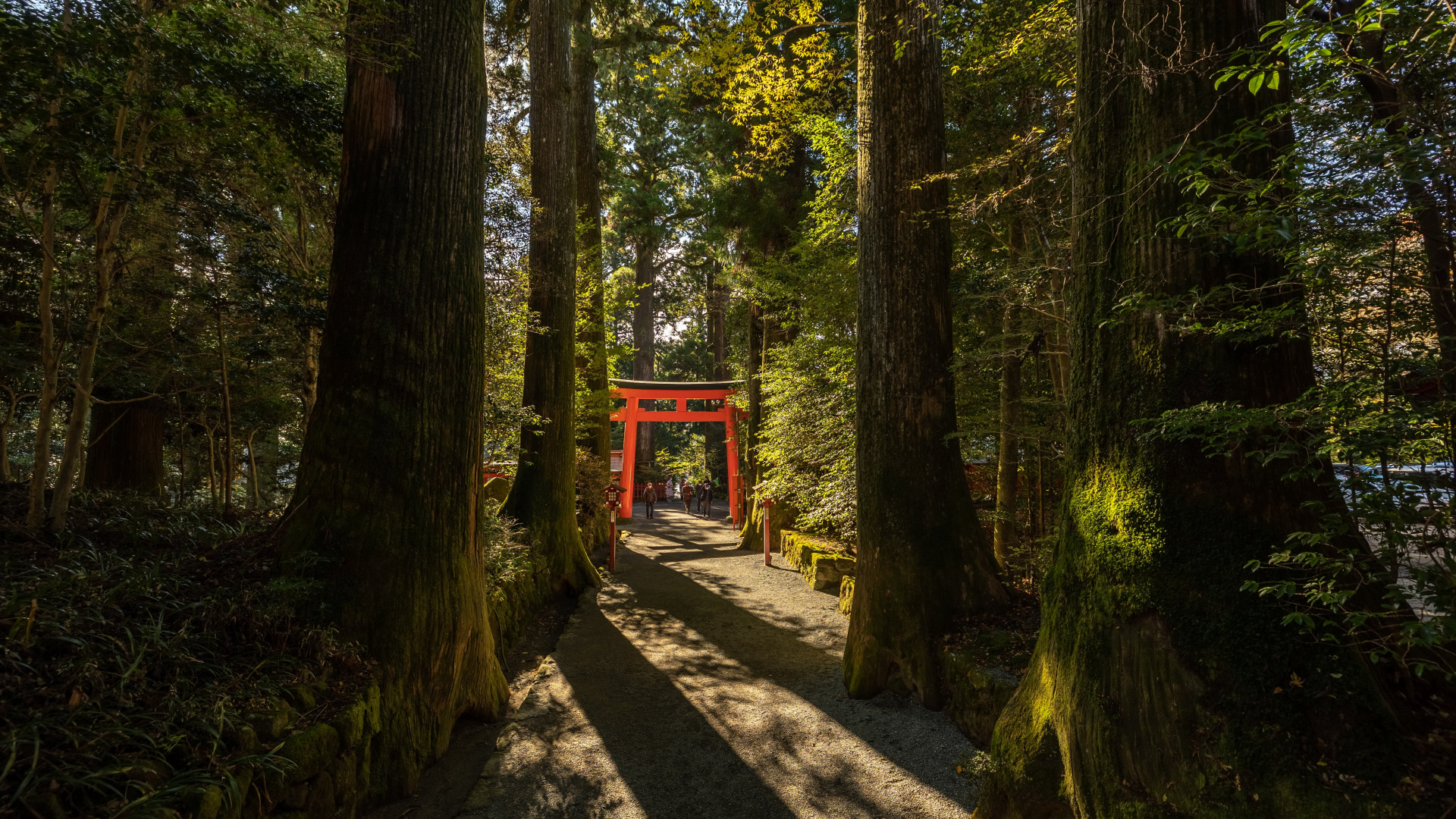
The Kuzuryū Shrine is an outer precinct shrine of the Hakone Shrine, worshipping the guardian deity of Lake Ashinoko and Kuzuryū Shrine. This shrine, located in the forest of Lake Ashinoko, has a small Torii(shrine gate) in the lake and is known for its dragon deity (Ryujin-sama) who is said to have strong powers in bringing fortune, business prosperity and love. During the Tsukinami Festival (festival of the months) held on the 13th of every month, many people come to visit via boats departing from the Moto-Hakone Port. Near the main Kuzuryū Shrine is the Benzaiten Shrine which worships Benzaiten (Goddess of Fortune), one of the Seven Lucky Gods of Japan. Please feel free to also visit the Benzaiten Shrine when visiting the Kuzuryū Shrine.
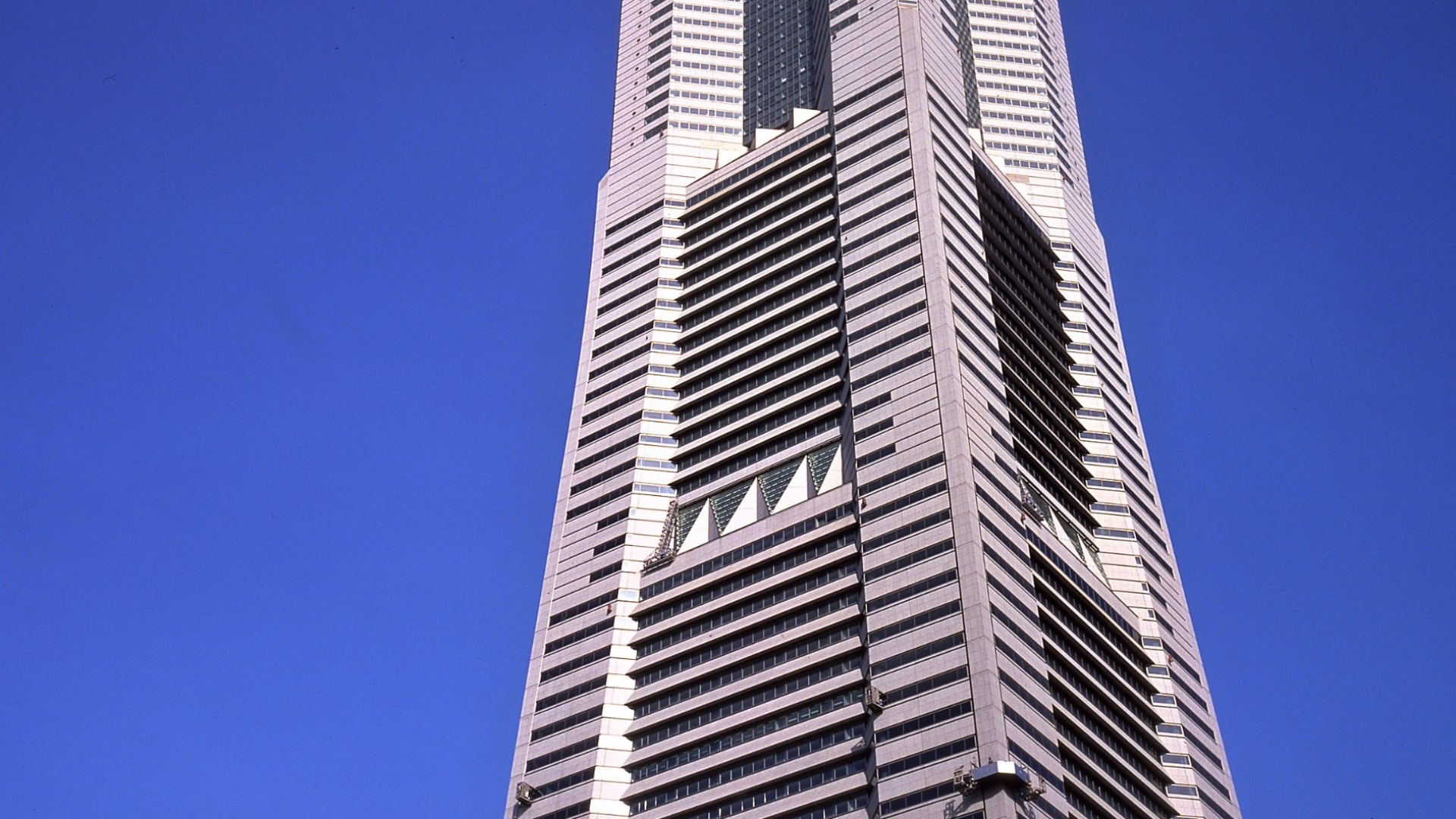
Yokohama Landmark Tower features an array of facilities centered around the tower building, such as offices, a hotel, and a shopping mall. It also houses a variety of other facilities, including the Sky Garden observation deck (schedule to close on December 31, 2025), a multipurpose hall, and the Dock Yard Garden, a plaza that utilizes a restored stone dock.
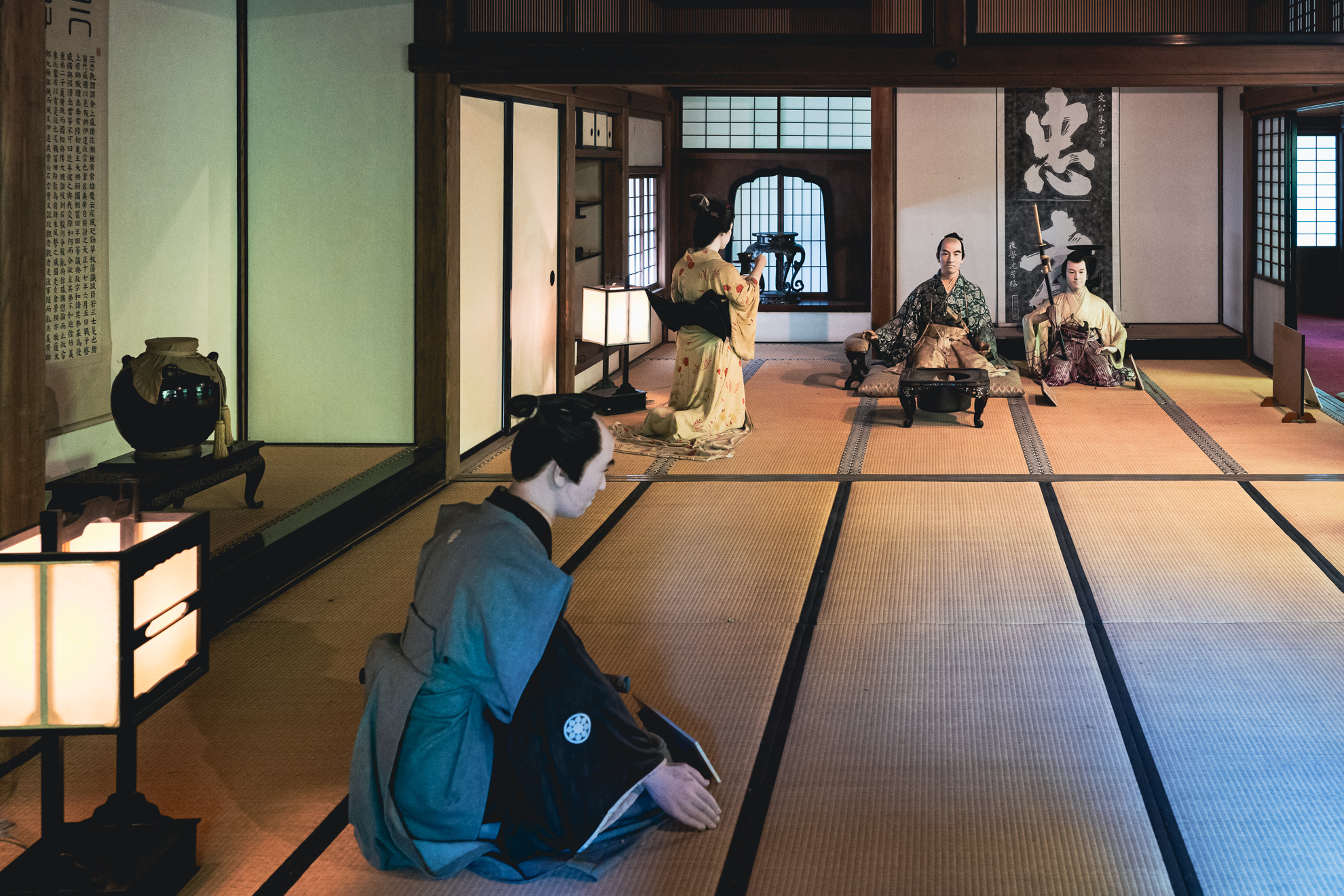
An immersive monument to Japan’s illustrated history, the Aizu Bukeyashiki transports guests back to the Tokugawa shogunate.
On the shores of Lake Ashi, Hakone Sekisho evokes Edo-period travel. Inspired by the relief and awe of travelers who gazed upon Mount Fuji, a single step inside draws visitors into their world.
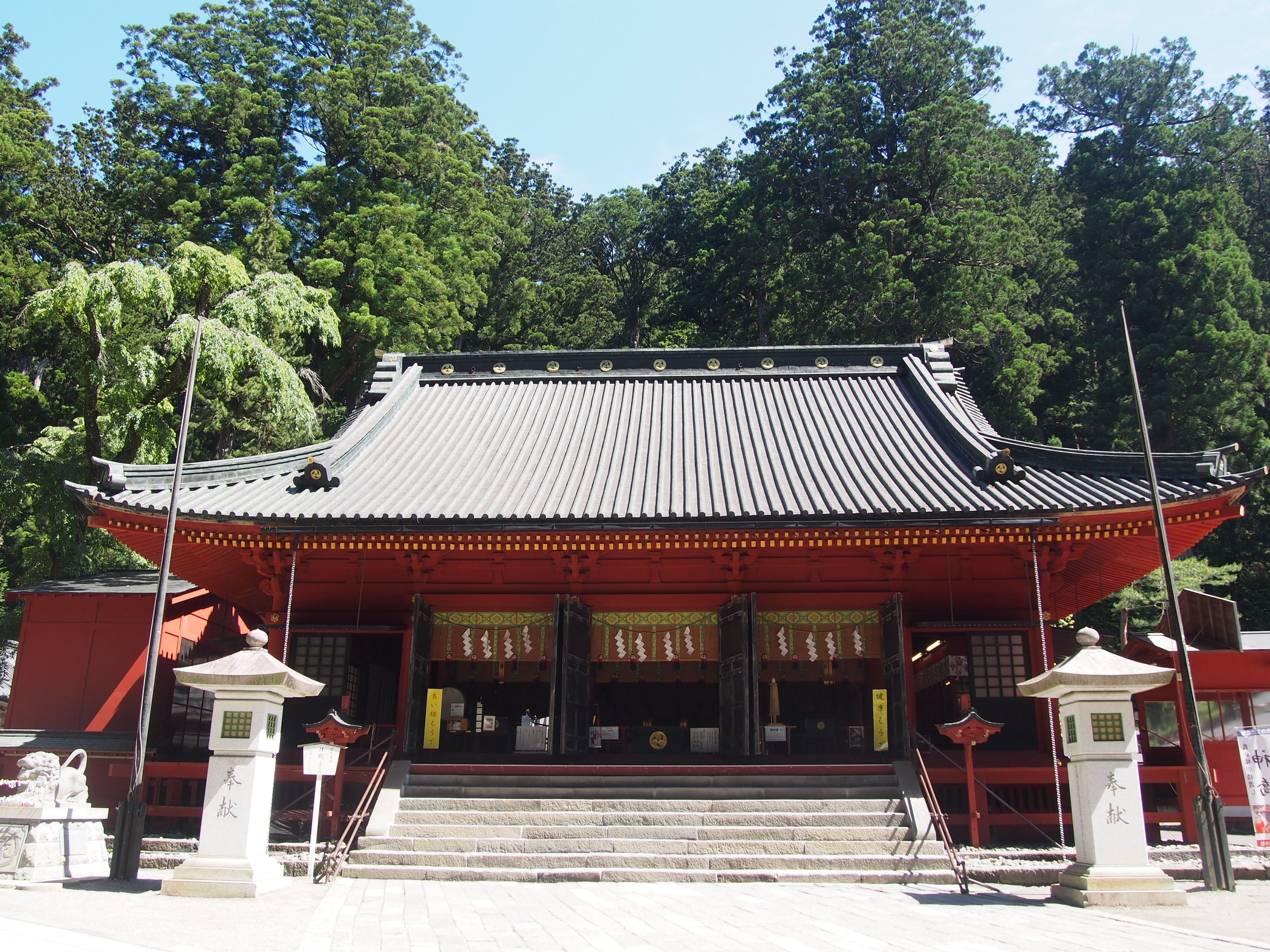
History of Futarasan Shrine About 1,200 years ago, a famous monk Shodo Shonin found Shihonryu-ji Temple (belong to Rinno-ji Temple) and Futarasan Shrine (today’s “Hongu Shrine” belong to Futarasan Shrine). It symbolized the begin of the mountain beliefs of Mount Nantai. Since then, Futarasan Shrine was called “Ichinomiya (first shrine) of Shimotsuke Province” and became the center of faith in Nikko. What makes Futarasan Shrine different? The main deity of Futarasan Shrine is Okuniushi, who is known for good luck and success in love. Many people come here to pray for the success of their interpersonal relationships. The wooden vermillion bridge “Shinkyo” located at the entrance of Mount Nikko is belonging to the shrine, welcomes visitors to the world heritage site “Shrines and Temples of Nikko”. You can also visit the Oku-no-miya located at the summit of Mount Nantai and the Middle Shrine located on the shore of Lake Chuzenji, both are famous power spots in Nikko. The shrine holds famous festival “Yayoi Festival” every April, you can see many beautiful mikoshi and enjoy traditional music during the event. ※World Heritage Site “Shrines and Temples of Nikko” includes Nikko Toshogu Shrine, Nikko Rinno-ji Temple and Nikko Futarasan Shrine.
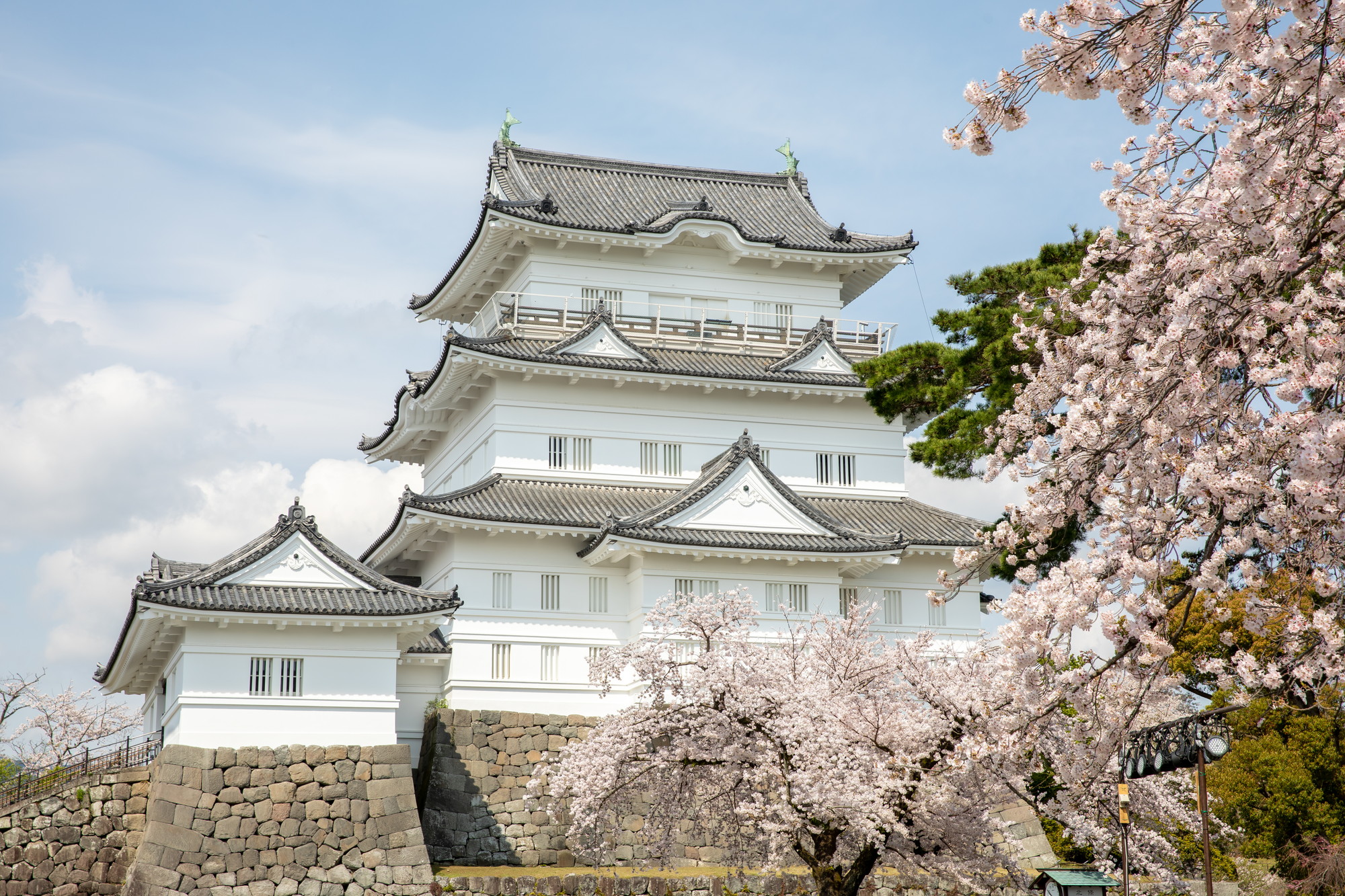
Odawara Castle blends samurai legends, cherry blossoms, and sea-breeze views, where history and nature meet—an easy escape from the Tokyo metropolitan area.
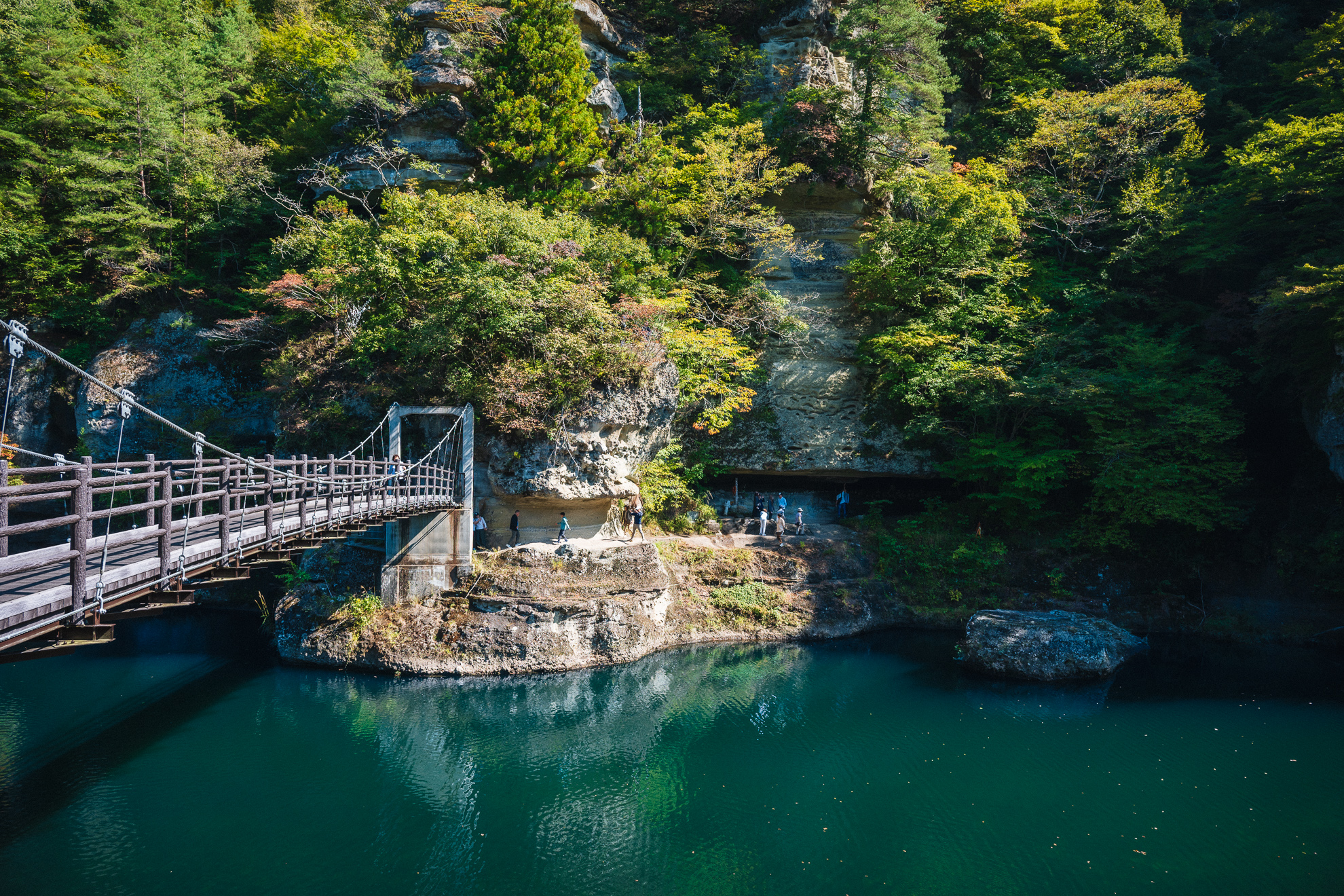
Over one million years, these riveting rock formations have been shaped into a thing of beauty.
Soak in the one-of-a-kind atmosphere of Kasamori-Kannon Temple, founded in the 8th century, where a historic Buddhist sanctuary stands suspended on stilts atop a forested hill in central Chiba.