
Greater Tokyo

See & Do

reset
Japan Open Air Folk House Museum

Japan Open Air Folk House Museum

Located 30 minutes from Tokyo and 40 minutes by car from Haneda Airport, this municipal Japanese folklore park in the northern part of Kawasaki City is an outdoor museum that features 25 structures, including traditional Japanese houses, watermills, and Kabuki stages. The buildings are scattered amongst a lush green environment, and you can enjoy the nature of all four seasons. Popular events are also held at the traditional folk houses. In one of the facilities, the traditional crafts building, you can experience indigo dyeing.A gasshō-zukuri house with tall, steep roof and home to the Yamashita family known for their silkworm cultivation and fire farming on the mountain slopes.Similar to the Yamashita House, there was also space under the floors used for the manufacturer of gunpowder.Silkworms were raised in the large attic and papermaking took place on one of the earthen-floored areas.This house was used as both farmhouse and a dye-house.

Culture & Arts Koshu kaido Tokaido KANAGAWA
Kamakura Museum of Literature

Kamakura Museum of Literature

This place is temporarily closed. Please check the official website on reopening, operational information and more.The Kamakura Museum of Literature was built in 1936 (Showa 11) as the former Kamakura villa of Maeda Marquis family. You can view the rooms reminiscent of the past, with marble fireplaces and stained glass, as well as the important resources inside from related authors such as Yasunari Kawabata. In the garden filled with greenery, some 250 shrubs of roses bloom in Spring and Autumn. This building is the model for the villa in Yukio Mishima’s novel, “Spring Snow”.The grounds and rose garden are quite beautiful, but there is not a lot of English support available inside the museum.

Culture & Arts Tokaido Koshu kaido KANAGAWA
LA CITTADELLA

LA CITTADELLA

LA CITTADELLA is a five minute walk from the east exit of Kawasaki Station. It is modeled on an Italian hillside town. At LA CITTADELLA you can enjoy going to movies, live concerts, shopping, and dining.Modeled on the image of an Italian hilltown, La Cittadella is a one-stop shopping, dining, and entertainment complex. After you've shopped and eaten your fill, catch a movie at 12-screen Cinecitta or dance the night away at Club Citta'.

Experience & Activities Tokaido Koshu kaido KANAGAWA
Yokohama Budokan

Yokohama Budokan

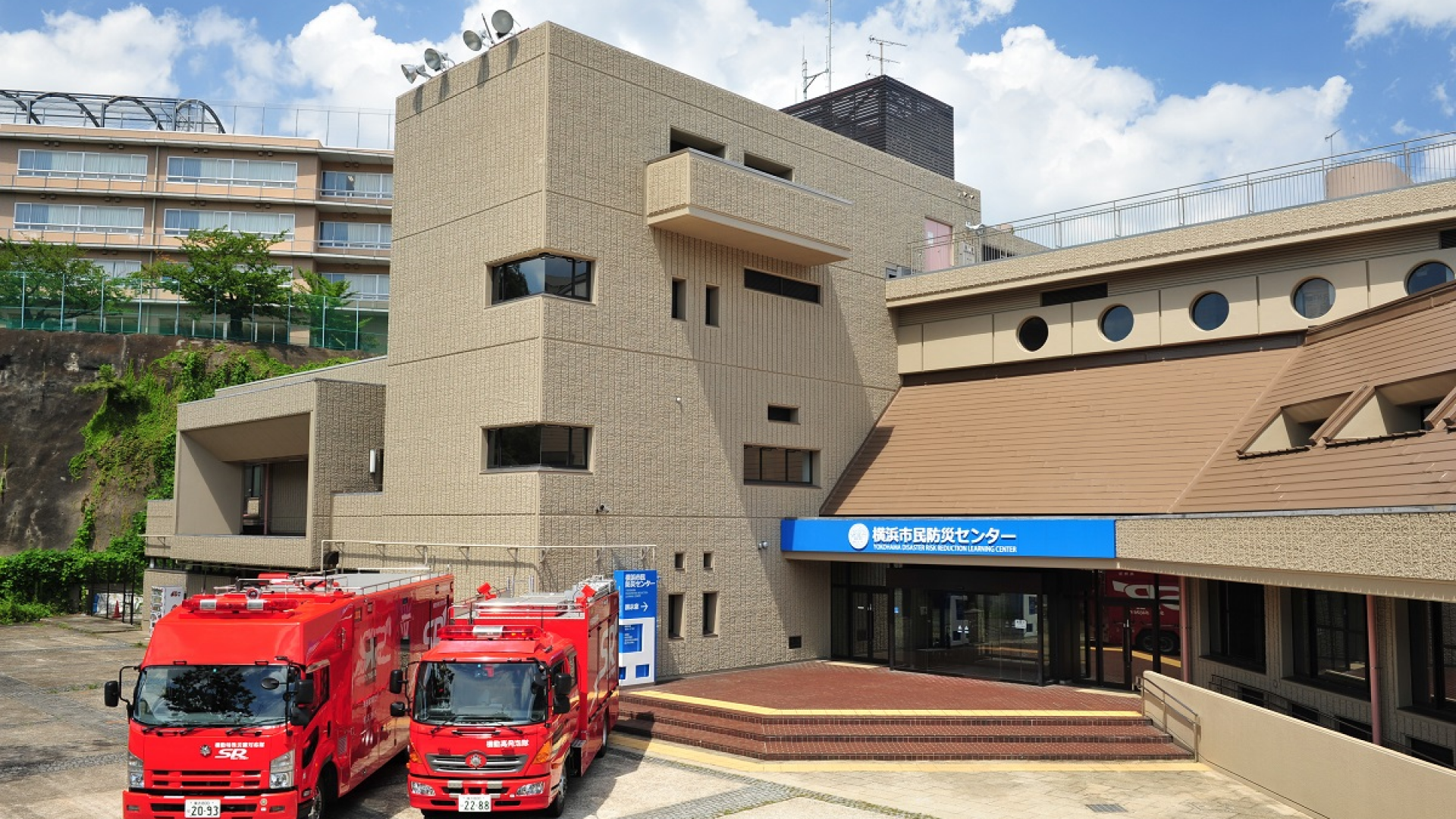
As a center for connecting “people,” “city,” and “culture” through sports and entertainment, this facility was opened on July 24, 2020, complete with a martial arts hall that can accommodate roughly 500 people on the first floor, an arena that can accommodate nearly 3,000 people on the second floor, and a VIP lounge on the fourth floor. It is primarily used for martial arts events, basketball, futsal, gymnastics, table tennis, and professional wrestling. In addition to sports, this facility can also be used to host music events.

Culture & Arts Tokaido Koshu kaido KANAGAWA
Fujiko F. Fujio Museum

Fujiko F. Fujio Museum

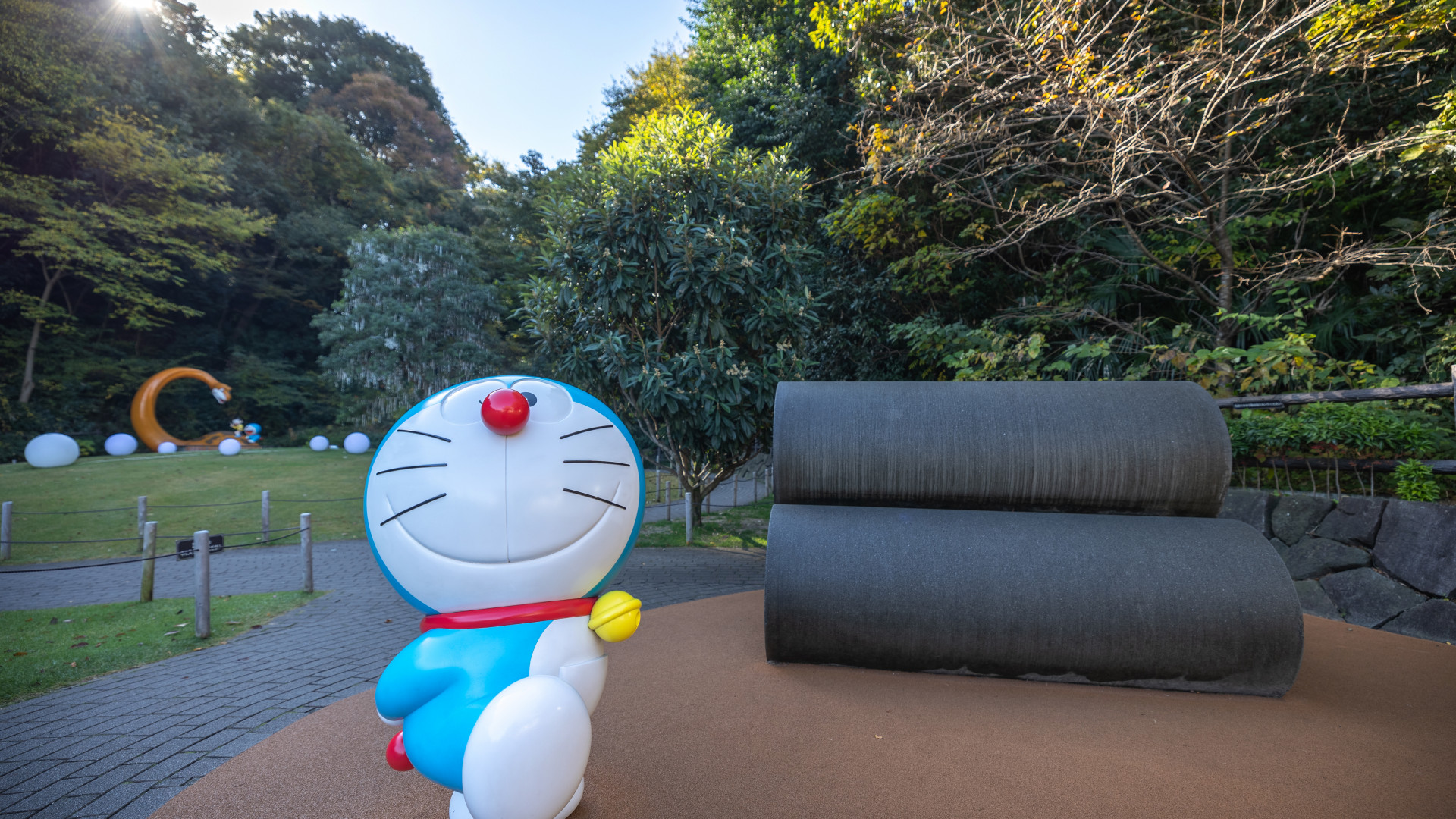
This cultural facility conveys the world of manga artist Fujiko F. Fujio, creator of many works including "Doraemon" and "Perman," and his messages are conveyed to all generations through his original drawings and other works.It is necessary to purchase entry tickets in advance from Lawson. Entry is hours happen 7 times a day, on the hour (10am, 11am, 12pm, 1pm, 2pm, 3pm, and 4pm). As long as you’re within the 60 minutes indicated on your entry ticket, you can enter the building any time.

Culture & Arts Tokaido Koshu kaido KANAGAWA
Shichirigahama Beach

Shichirigahama Beach

Shichirigahama Beach can be found on Kanagawa’s southern Shonan coastline, between the areas of Enoshima and Kamakura.It’s a popular destination with surfers throughout the year and is also known for its views of Mt. Fuji — especially at sunset. Given the beautiful panoramas that can be enjoyed here, it was covered by famous ukiyo-e artists Hokusai and Hiroshige and featured in both their Thirty-six Views of Mount Fuji series. In modern days, the area has even been celebrated in song and film by local music group, Southern All Stars.Enjoy a walk along the beach or gaze out at the sunny beach views from the train window of the coastal Enoden railway, which connects Kamakura to Fujisawa.

Nature & Views Tokaido Koshu kaido KANAGAWA
Omaru Onsen (Omaru Onsen Ryokan)

Omaru Onsen (Omaru Onsen Ryokan)

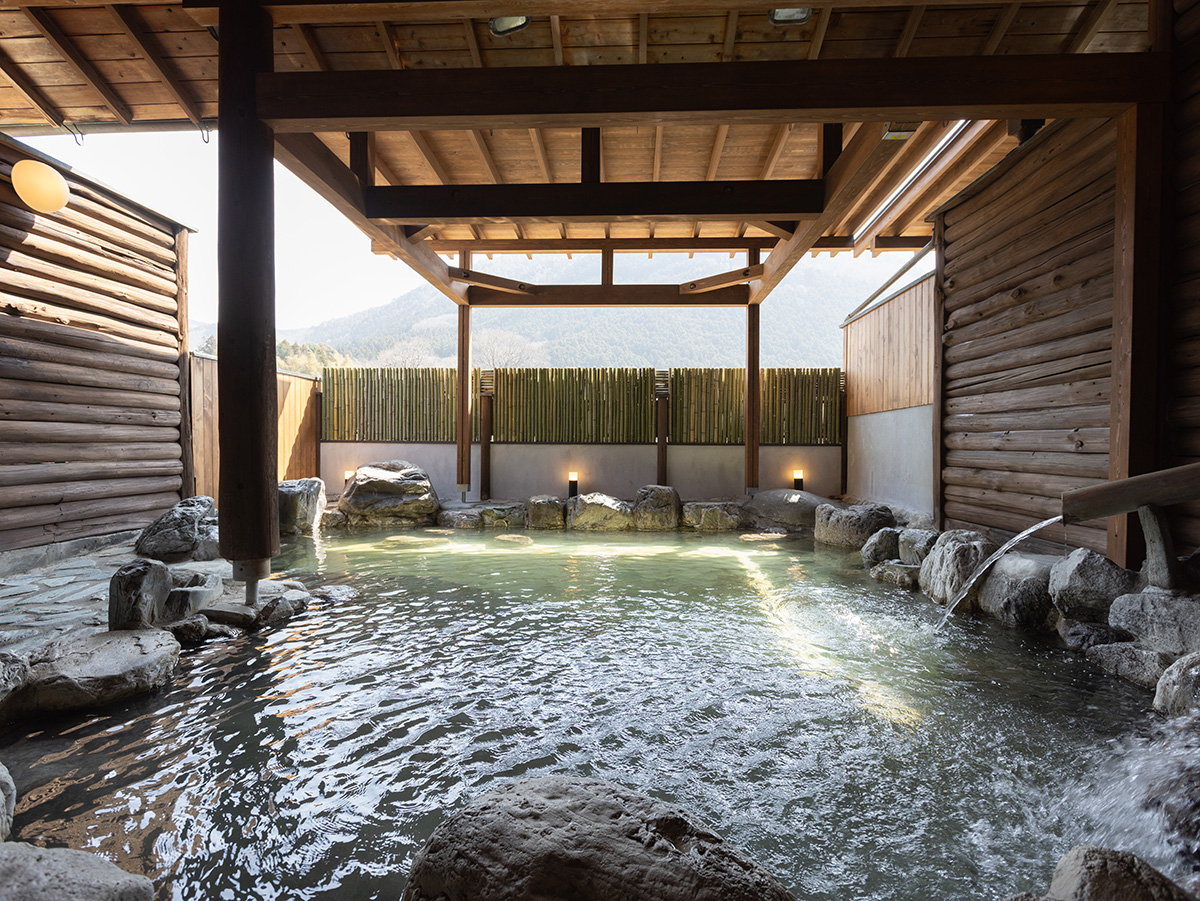
Located at the foot of Mt. Chausu at an altitude of 1,300 meters, Omaru Onsen Ryokan has been preserved by generations of innkeepers for over 200 years. Rich in metasilicic acid, the spring water is known for its moisturizing properties and is often called “Bijin-yu” (Beauty Hot Spring). The historic Kawa-no-Yu bath draws its water directly from the river source, where hot spring water gushes from the mountainside to form an open-air bath along the river. Here, guests can soak while listening to the gentle murmur of the stream, enjoying the secluded charm of this hidden onsen. Omaru Onsen’s water, abundant in metasilicic acid, has long been treasured for its skin-beautifying effects. The ryokan features mixed open-air baths such as Shirakaba-no-Yu, Ajisai-no-Yu, and Azami-no-Yu, making it a great choice for families. The on-site restaurant serves local Nasu vegetables, Tochigi Wagyu beef shabu-shabu, and “Nasuhikari” rice produced in Tochigi. Sake enthusiasts can also try shochu diluted with hot spring water. During the Meiji period, General Nogi Maresuke visited Omaru Onsen every year for convalescence. The ryokan’s lobby still displays valuable artifacts, including his clothing, diaries, and letters.

Nikko kaido Oshu kaido TOCHIGI
Kinu-Tateiwa Otsuribashi (Suspension Bridge)

Kinu-Tateiwa Otsuribashi (Suspension Bridge)

This is a 140-meter-long pedestrian suspension bridge which connects the Kinugawa hot spring resort to the Place of Scenic Beauty, “Tateiwa” (lit. Shield Rock). Below the bridge which has a height of about 40 meters, you can see the Kinugawa River, and you can enjoy the mountains which are dyed crimson and yellow during the season of autumn colors. Standing near to the suspension bridge, “Tateiwa” as its name suggests resembles the shape of a shield. It is also known as the “marriage bridge” as it connects the two, both the manly “Tateiwa” which rises up opposite the bridge and the feminine Kinugawa River which leisurely flows past."

Nikko kaido Oshu kaido TOCHIGI
Kawasaki Factory Night View Cruise

Kawasaki Factory Night View Cruise

Go aboard a Yakata boat from Shiohama, Kawasaki and enjoy the night view of the factory while going around Shiohama Canal, Tanabe Canal, Minami Watarida Canal, Keihin Canal, Daishi Canal, Suehiro Canal, Chidori Canal, and others.There is a pick up service from Shiohama to the dock. A guide from "Kawasaki Factory Night View Navigator" will accompany the tour and explain each spot. (Quoted from Kawasaki City Tourist Association HP).

Experience & Activities Tokaido Koshu kaido KANAGAWA
Yamashita Park

Yamashita Park

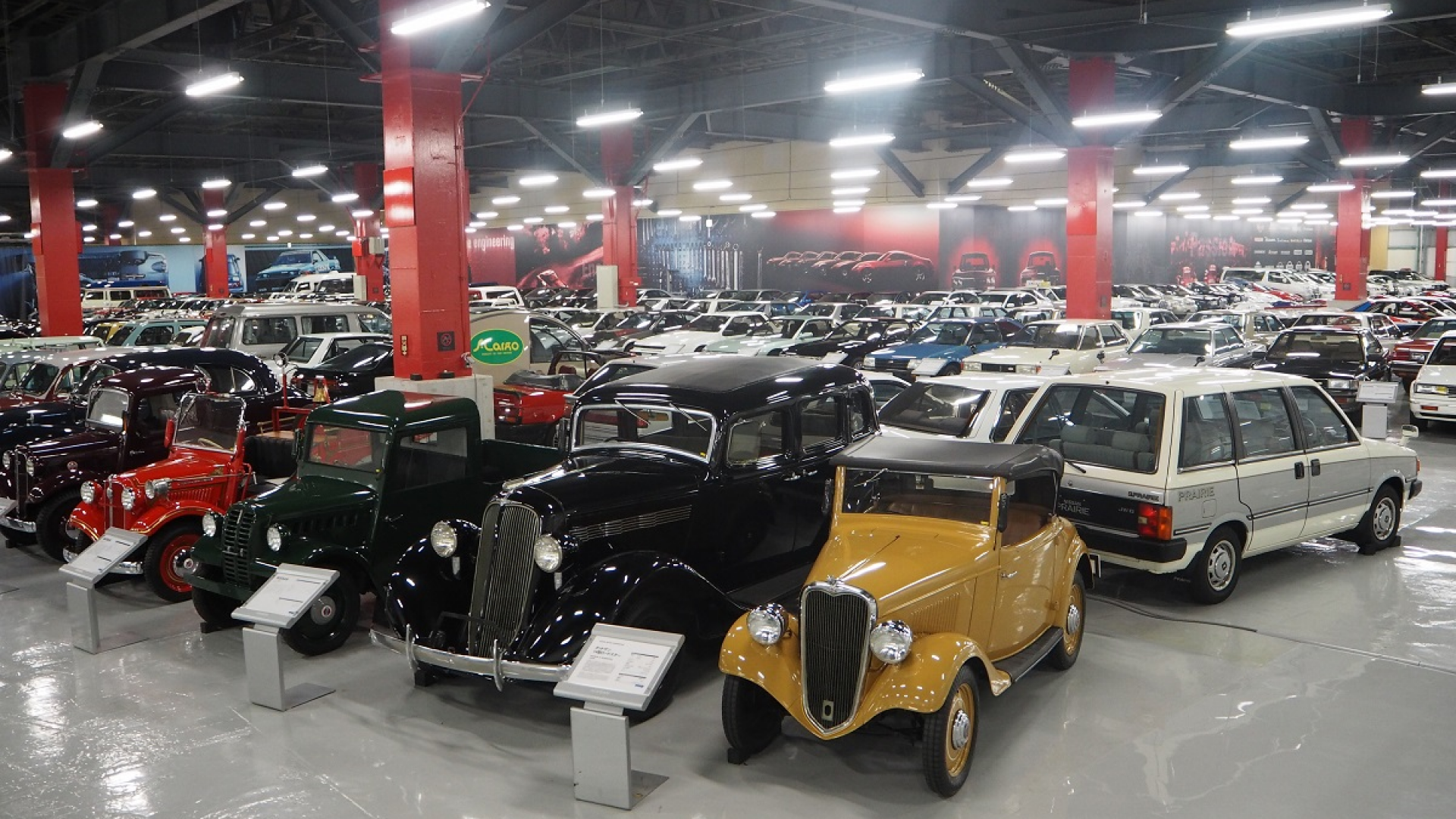
Yamashita Park is a seaside park that was opened in 1930 as a reconstruction project after the Great Kanto Earthquake, using rubble and other materials to reclaim the sea. There are many tourist attractions, such as the Red Brick Warehouse, Osanbashi Bridge, Chinatown, and the harbor sightseeing boat terminal in the vicinity. Inside the park itself is a statue of a girl wearing red shoes, inspired by Ujo Noguchi's nursery rhyme "Akai Kutsu" (Red Shoes), as well as the monuments of "the statue of the guardian god of water", donated by the city of San Diego, USA, the "seagull sailor monument" and the "Indian water tower". The luxury cruise ship "Hikawa Maru," which was called the "Queen of the North Pacific," is moored in the park, and visitors can not only enjoy an overview of the ship but can also tour the interior for a fee during the daytime. The park is also a famous spot for roses, a place to enjoy 1,900 roses of 160 varieties twice a year, both in spring and autumn. It is also a popular spot for sightseeing and date nights, attracting tourists and families during the day and couples at night throughout the year. The sunrise from the sea is the perfect cue for strolling, jogging, exercising, yoga, tai chi, and other activities. The morning view of Yamashita Park with Minato Mirai 21 in the background is one of Yokohama's most famous morning scenes.With the sun rising over the sea as your landscape, experience physical activities in Yamashita Park, which includes walking, jogging, exercising, yoga, Tai Chi, and more. A Yamashita Park morning with Minato Mirai 21 in the background is an iconic morning view of Yokohama.

Nature & Views Tokaido Koshu kaido KANAGAWA
Nikko Futarasan-jinja Shrine / Shinkyo Sacred Bridge

Nikko Futarasan-jinja Shrine / Shinkyo Sacred Bridge

History of Futarasan Shrine About 1,200 years ago, a famous monk Shodo Shonin found Shihonryu-ji Temple (belong to Rinno-ji Temple) and Futarasan Shrine (today’s “Hongu Shrine” belong to Futarasan Shrine). It symbolized the begin of the mountain beliefs of Mount Nantai. Since then, Futarasan Shrine was called “Ichinomiya (first shrine) of Shimotsuke Province” and became the center of faith in Nikko.   What makes Futarasan Shrine different? The main deity of Futarasan Shrine is Okuniushi, who is known for good luck and success in love. Many people come here to pray for the success of their interpersonal relationships.   The wooden vermillion bridge “Shinkyo” located at the entrance of Mount Nikko is belonging to the shrine, welcomes visitors to the world heritage site “Shrines and Temples of Nikko”.   You can also visit the Oku-no-miya located at the summit of Mount Nantai and the Middle Shrine located on the shore of Lake Chuzenji, both are famous power spots in Nikko.   The shrine holds famous festival “Yayoi Festival” every April, you can see many beautiful mikoshi and enjoy traditional music during the event.   ※World Heritage Site “Shrines and Temples of Nikko” includes Nikko Toshogu Shrine, Nikko Rinno-ji Temple and Nikko Futarasan Shrine.

Nikko kaido Oshu kaido TOCHIGI