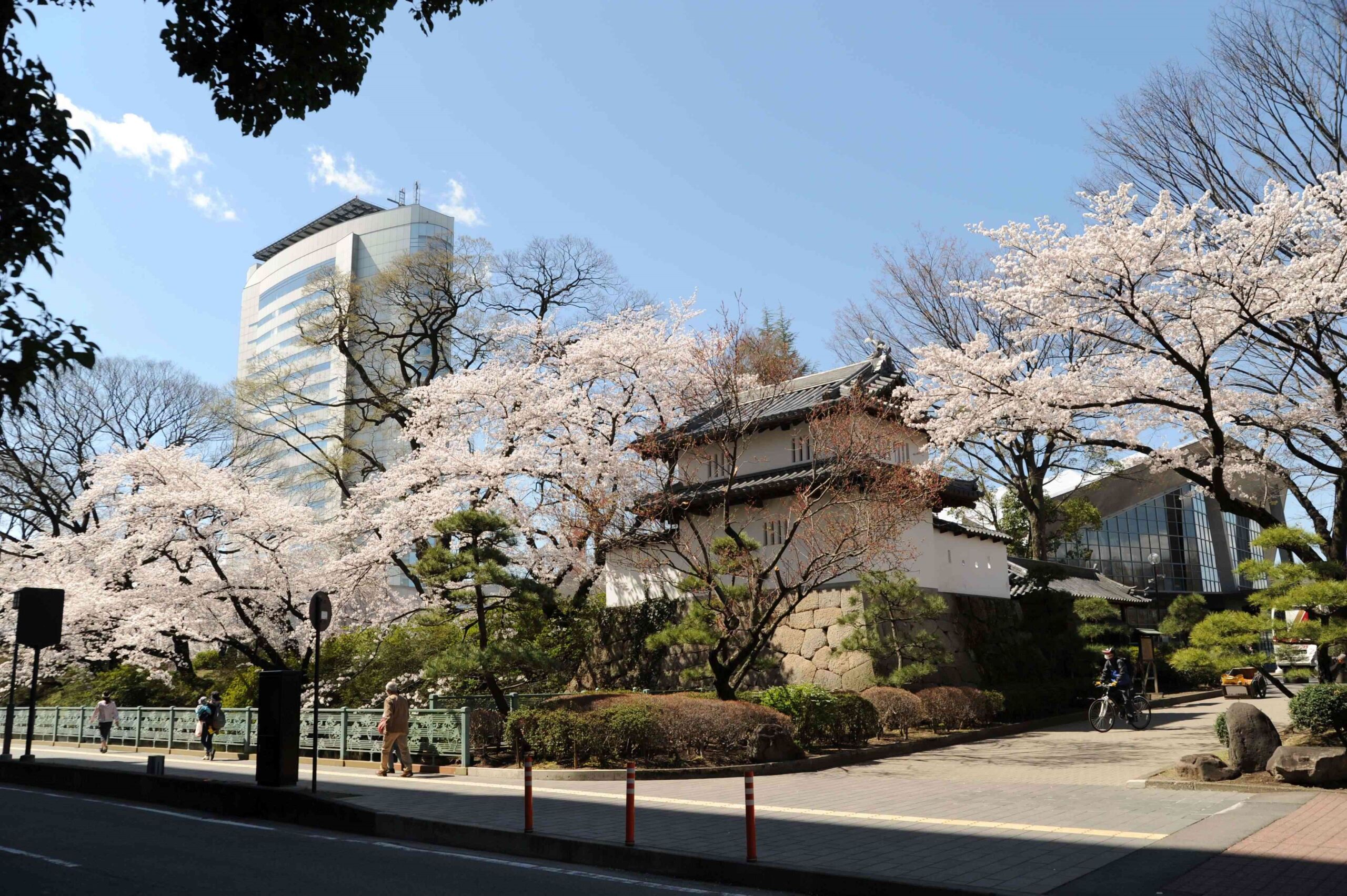
Takasaki Joshi Park
Developed on the site of the former Takasaki Castle, this park is an ode to Sengoku-era Japan.
Total: 1727 items
Developed on the site of the former Takasaki Castle, this park is an ode to Sengoku-era Japan.
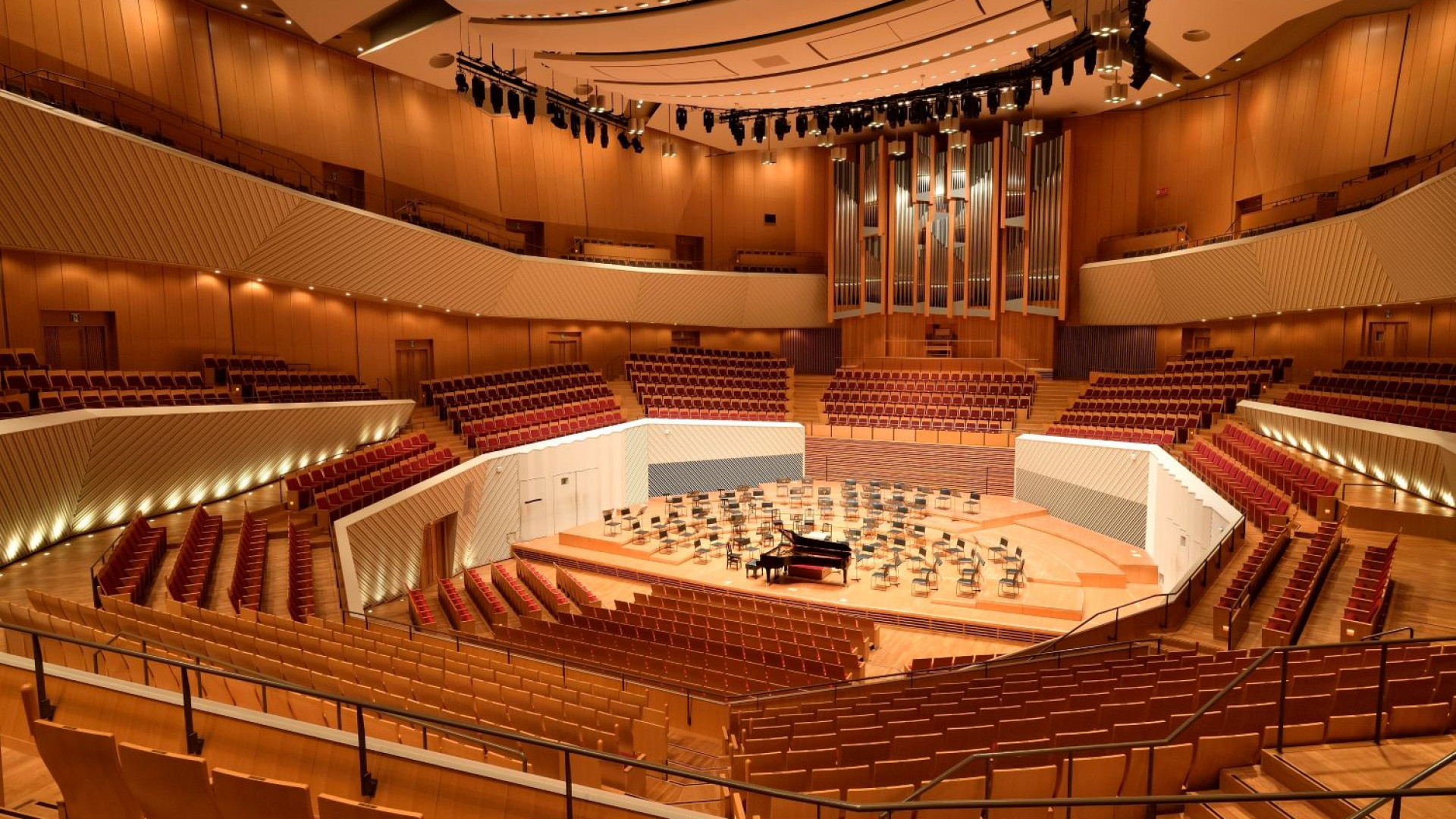
MUZA Kawasaki Symphony Hall opened in 2004 as a symbol of "Kawasaki, the City of Music.” The hall is characterized by its vineyard-shaped seating surrounding the stage. Musicians and orchestras from Japan and abroad have praised its acoustics.
About a 2-minute walk from Minato Mirai Line's Motomachi/ Chukagai Station, exit 5, this shop is open 24 hours a day. Filled with popular products such as sweets, medicines, cosmetics, and even souvenirs. With multilingual staff and a tourism information center, it's easy for foreign customers to feel at home and have a great shopping experience.
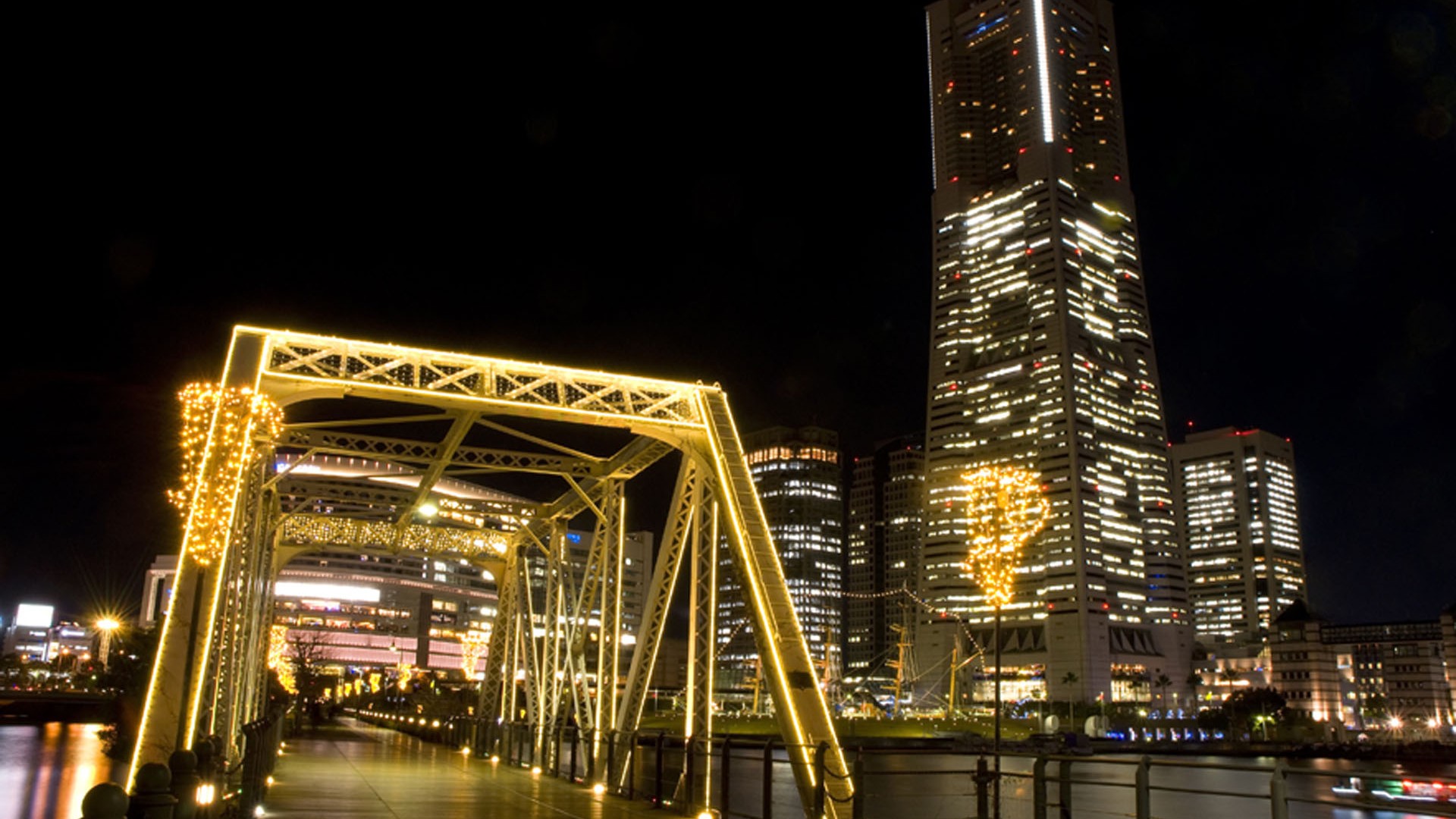
A promenade made by overhauling a dead track used by the former Japan National Railways that opened in 1911. It consists of three bridges connecting the Nihonmaru Memorial Park to the Shinko area. Skyscrapers of the Minatomirai area can be viewed from this 500-meter long boardwalk. Rubblework constructed at the time of the opening of the railways, a US-made railroad bridge and other historical structures are left in their original places. The Unga Park located at the end of Kisha Michi in the Shinko area has a plaza facing the promenade.
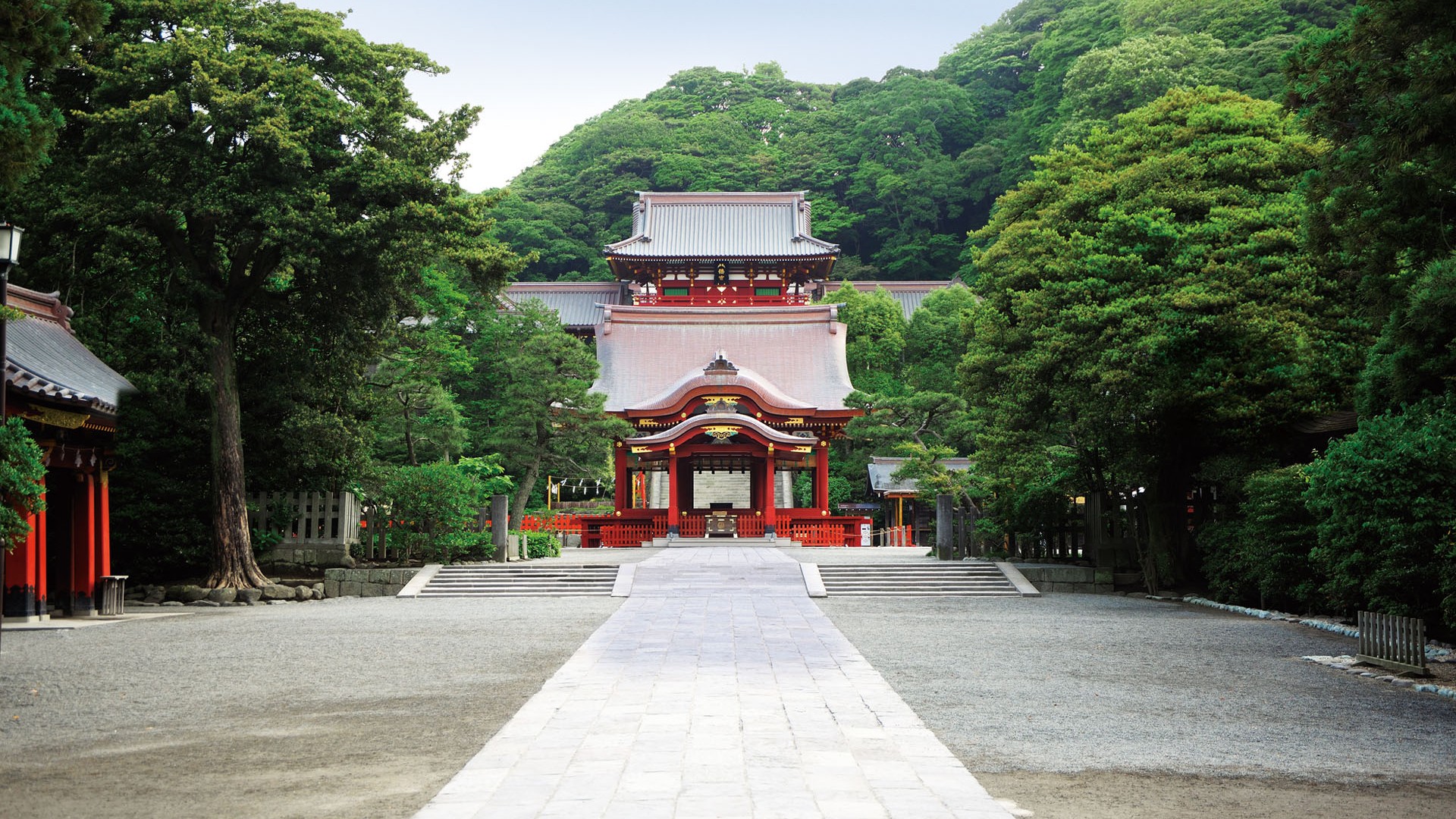
Alongside Usa and Ishimizu, Tsuruoka Hachimangu Shrine is one of the major Hachimangu shrines in Japan. In the 6th year of the Kouhei Era (1063), Minamoto no Yoriyoshi returned after subduing the Oshu region and entered Kamakura, where he secretly transferred Ishimizu Hachimangu Shrine to another shrine in Yui Township Tsuruoka near the coast and called it Tsuruoka Wakamiya Shrine. Later in the 4th year of the Jisho Era (1180), Minamoto no Yoritomo entered Kamakura and relocated the shrine to Kitayama in Kobayashi Township (the current site). In the 2nd year of the Kenkyuu Era (1191), the shrine pavilion was built on the hillside of the Mount Daijinyama, and the current spectacular upper and lower palaces were built. Since then, the shrine has been the head of the Kamakura Shogunate's religious order and has been revered as the deity of the Minamoto clan and the guardian deity of the warrior class. The present main shrine was rebuilt in 1828 by Ienari Tokugawa, the 11th shogun of the Edo Shogunate, and is designated as a National Important Cultural Property along with the regent shrine Wakamiya. Deities: Emperor Ojin, Himejin, and Empress Jingu. Regularly held festival day: September 15. The shrine has a Wakamiya regent shrine, Takeuchi Shrine, Maruyama Inari Shrine, Shirahata Shrine, Soreisha Shrine, Hatagami Benzaiten Shrine, and an Imamiya Shrine and Yui Wakamiya Shrine outside of the shrine grounds.An imposing shinto shrine founded in 1063, Tsurugaoka Hachimangu is the spiritual center of Japan's ancient capital Kamakura, so important that the city was built around it. In spring, the 1.8 km approach from the station is lined with vibrant pink cherry blossoms.The best time to visit a shrine is in the morning, so start your day with a visit and breathe in the crisp morning air.
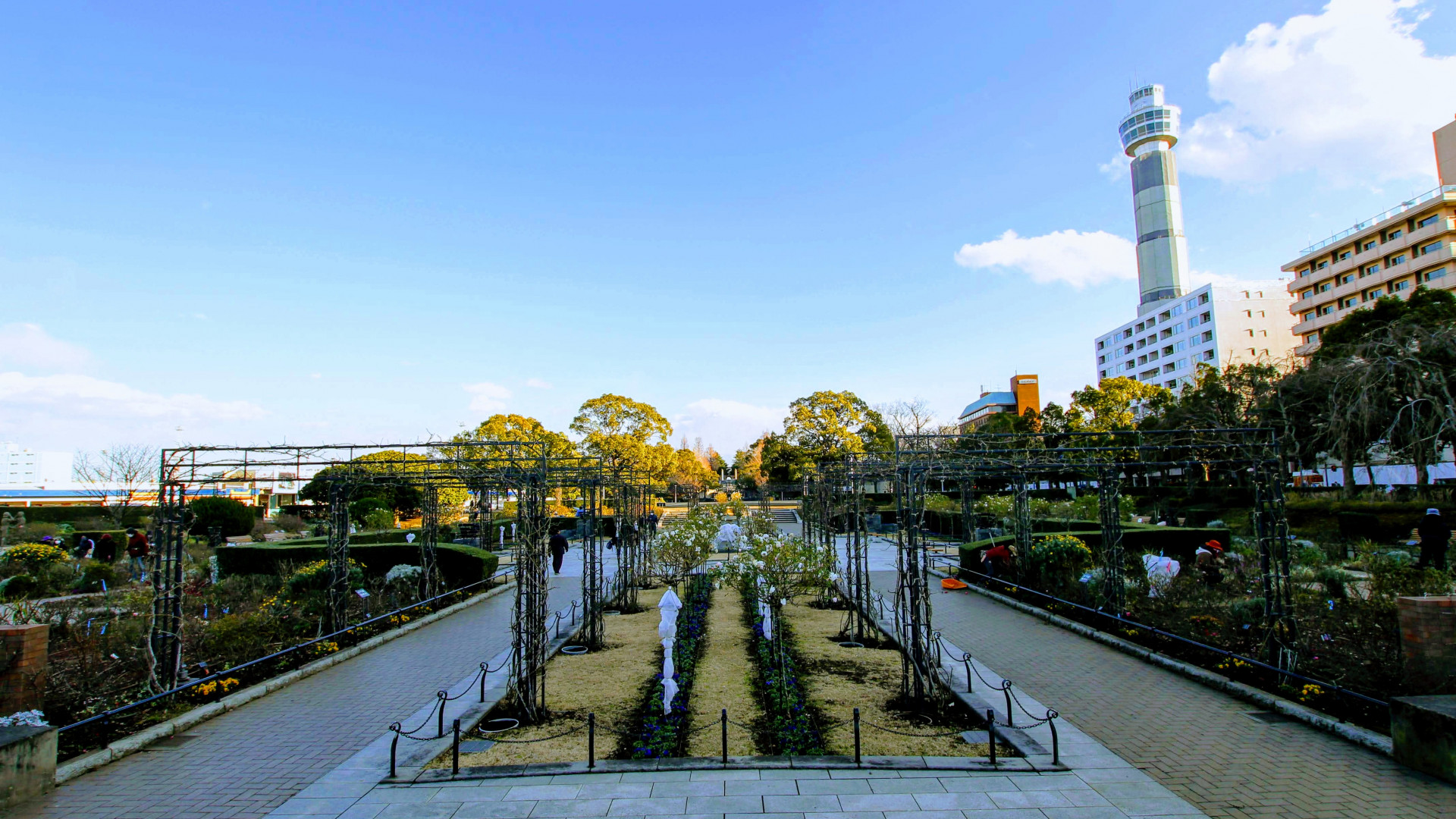
Yamashita Park is a seaside park that was opened in 1930 as a reconstruction project after the Great Kanto Earthquake, using rubble and other materials to reclaim the sea. There are many tourist attractions, such as the Red Brick Warehouse, Osanbashi Bridge, Chinatown, and the harbor sightseeing boat terminal in the vicinity. Inside the park itself is a statue of a girl wearing red shoes, inspired by Ujo Noguchi's nursery rhyme "Akai Kutsu" (Red Shoes), as well as the monuments of "the statue of the guardian god of water", donated by the city of San Diego, USA, the "seagull sailor monument" and the "Indian water tower". The luxury cruise ship "Hikawa Maru," which was called the "Queen of the North Pacific," is moored in the park, and visitors can not only enjoy an overview of the ship but can also tour the interior for a fee during the daytime. The park is also a famous spot for roses, a place to enjoy 1,900 roses of 160 varieties twice a year, both in spring and autumn. It is also a popular spot for sightseeing and date nights, attracting tourists and families during the day and couples at night throughout the year. The sunrise from the sea is the perfect cue for strolling, jogging, exercising, yoga, tai chi, and other activities. The morning view of Yamashita Park with Minato Mirai 21 in the background is one of Yokohama's most famous morning scenes.With the sun rising over the sea as your landscape, experience physical activities in Yamashita Park, which includes walking, jogging, exercising, yoga, Tai Chi, and more. A Yamashita Park morning with Minato Mirai 21 in the background is an iconic morning view of Yokohama.

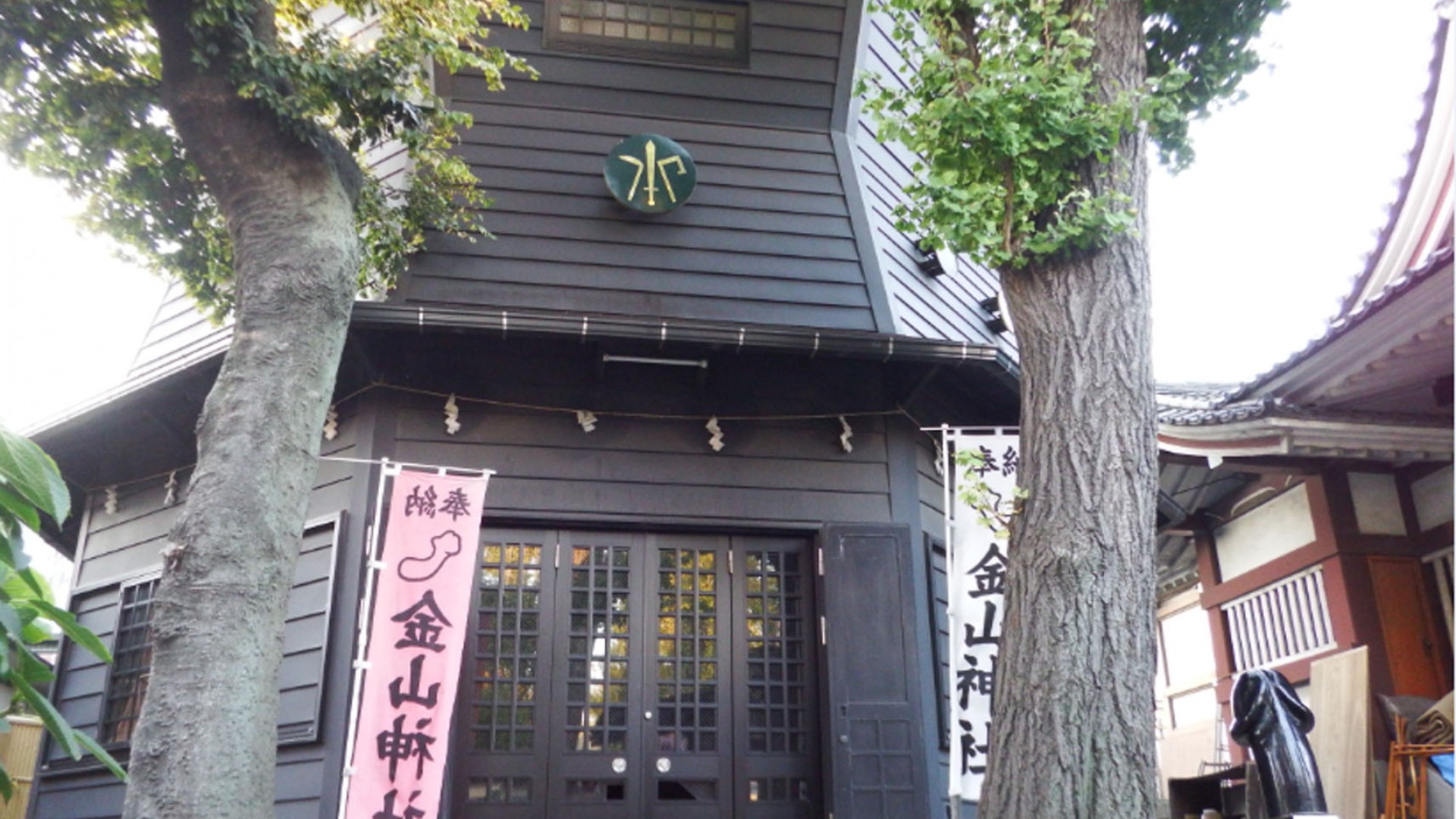
This shrine is located within the grounds of Wakamiya Hachimangu in Kawasaki-ku. The sacred body is a metal phallus, also called “Kanamara-sama” ("god of the devilish metal penis"), and is believed to be a guardian deity for both giving birth and illnesses that affect the lower body. A unique mikoshi is paraded at the Kanamara Festival in spring.
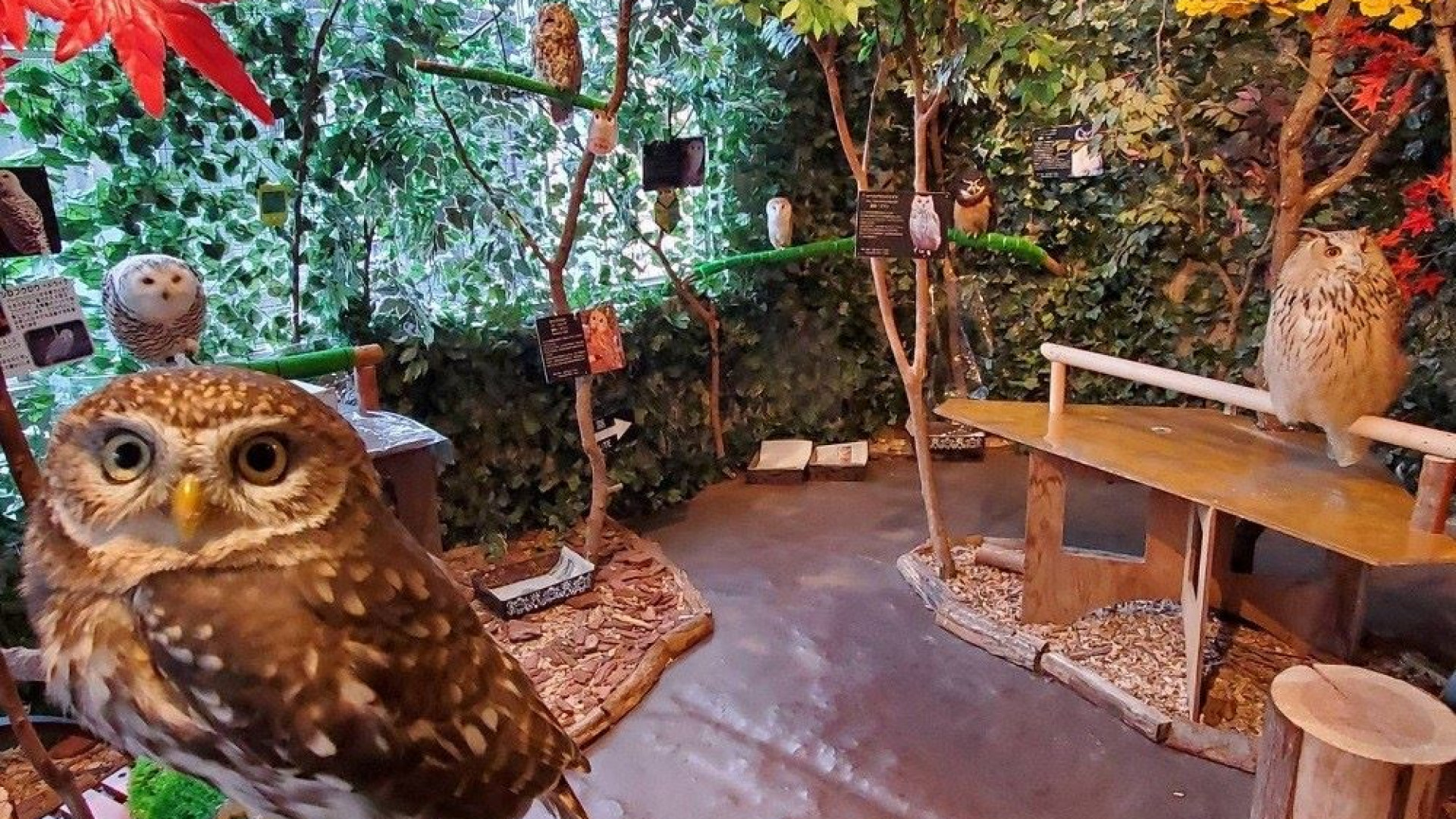
The Kamakura Owl's Forest is accessible from Kamakura Station. Visitors can interact with 20 owls of 14 different species, from the popular Barn Owl to the Great Horned Owl. There is no time limit and reservations are not required, so feel free to drop by.
Hakone-Yumoto Station, the terminal station of the Hakone Romance Car, is the gateway to Hakone. The arcade street in front of the station is lined with many souvenir shops, including specialty traditional sweets, popular confections, and original sundries. WiFi and barrier-free access may vary depending on the store.
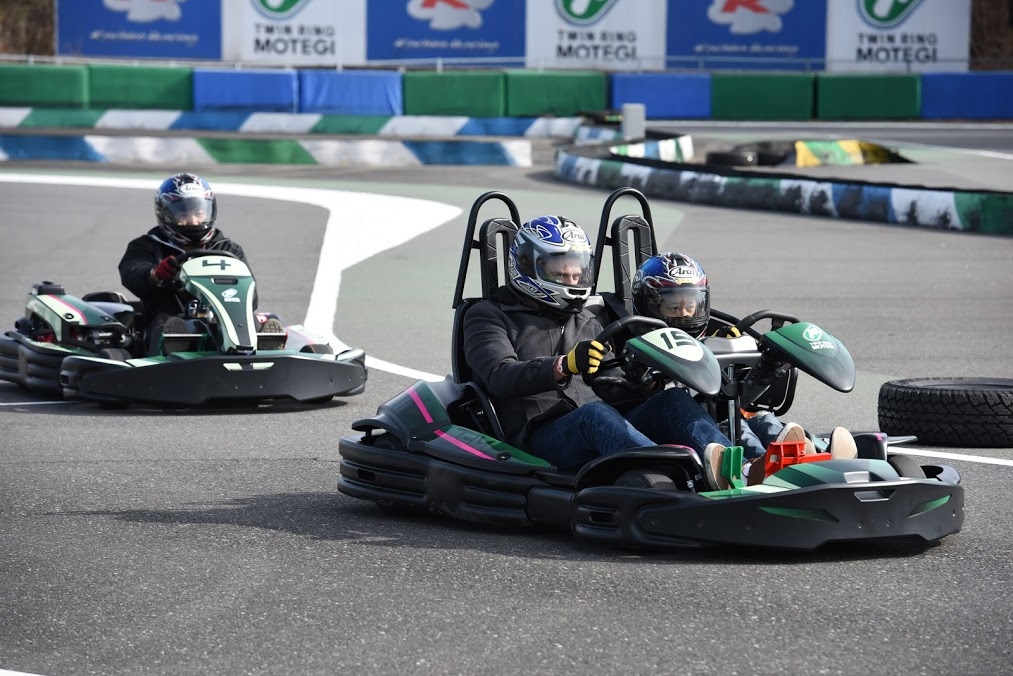
Home to a number of top international races including the Moto GP, Mobility Resort Motegi also offers a year-round automotive theme park. With minibikes for kids and karts for people of all ages, everyone can experience the thrill of motor racing. The complex also has a nature parks, where you can search for local wildlife or zipline (safely clipped in harnesses) through the trees! Camping sites and other accommodation are available nearby.
Located within “Odawara Hayakawa Fishing Village,” a seafood gourmet theme park overlooking Sagami Bay, Ryoushi no Hamayaki Aburiya offers an all-you-can-eat seafood BBQ experience. Enjoy unlimited fresh seafood such as turban shells, scallops, white clams, various Odawara dried fish, seafood skewers, rare cuts of tuna and shrimp, as well as grilled chicken, sausages, vegetables, rice, fish soup, seafood curry, and desserts!
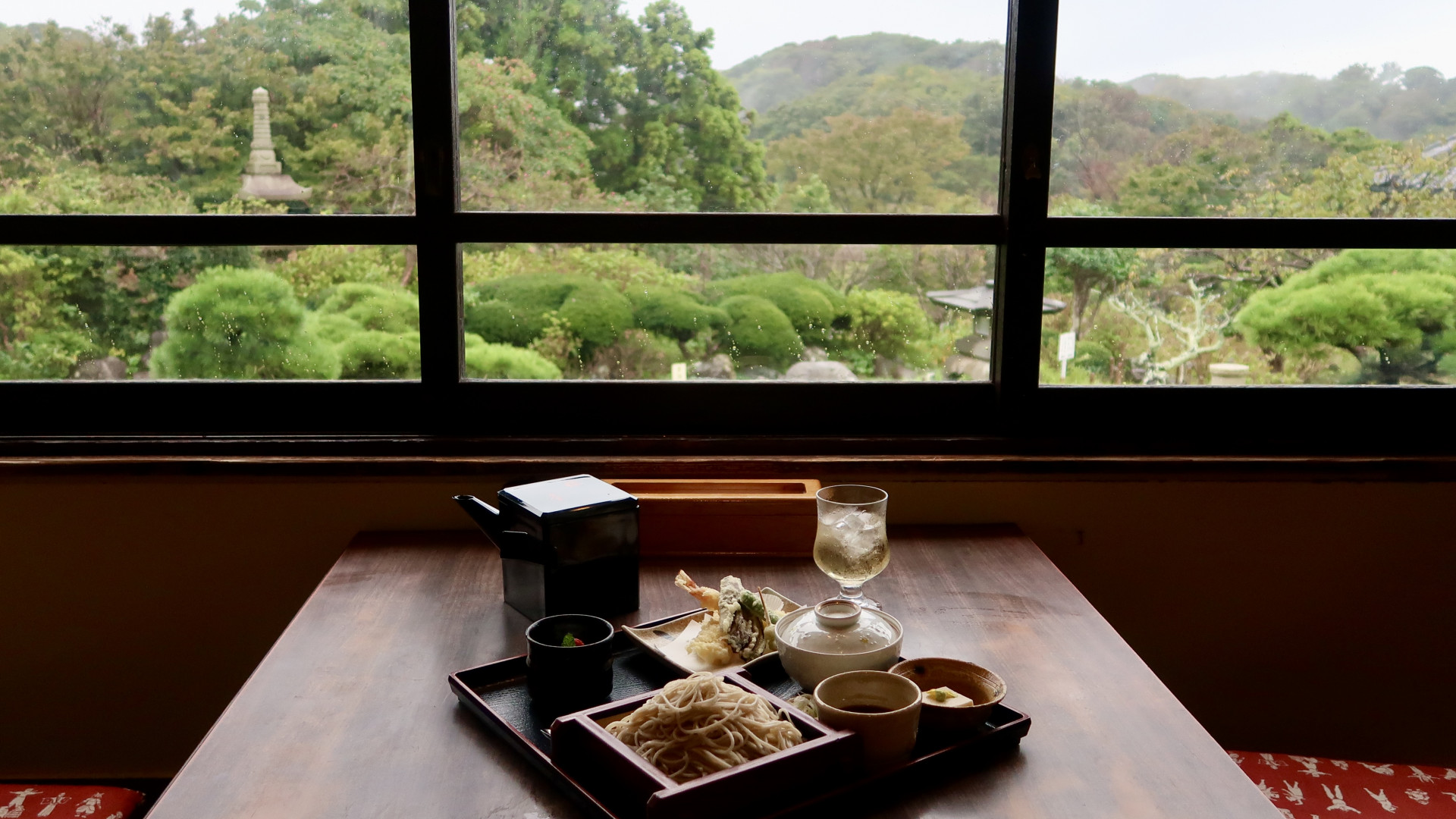
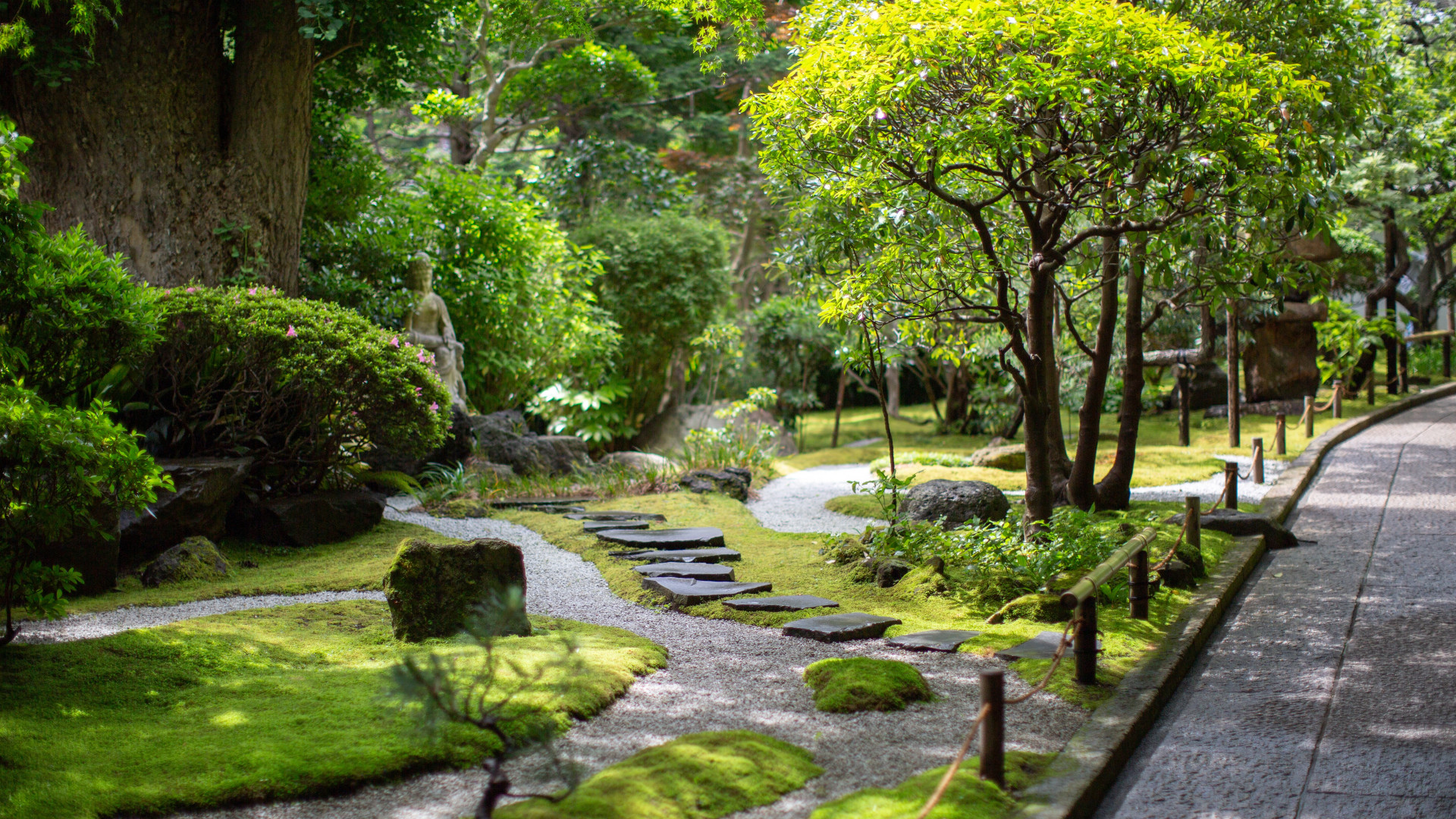
Raitei is a restaurant that serves Japanese buckwheat noodles and kaiseki cuisine, where you can enjoy homemade buckwheat noodles and delicious dishes featuring precise techniques and fresh ingredients in a superb location with a view of the Shonan Sea and Mount Fuji. The restaurant building and the mountain gate was built in the Edo period and are 250 to 300 years old. They are designated as national tangible cultural properties. There is also a beautiful Japanese garden with bamboo and plum trees, cherry blossoms, a stone Buddha, and a tea ceremony room. On weekends and holidays, visitors can enjoy a sweet shop and beer garden.
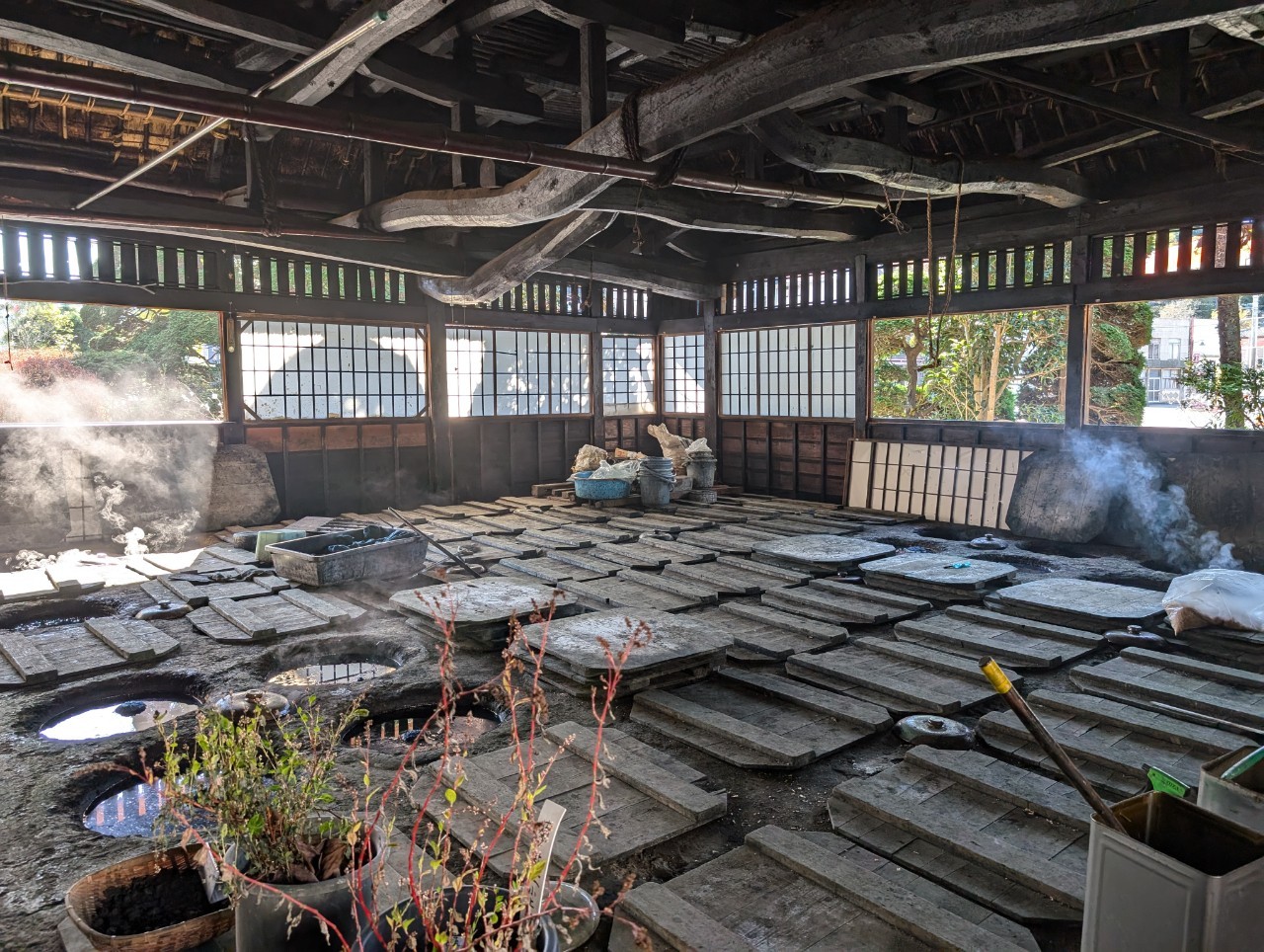
Higeta Indigo Dyeing Workshop, established during the Kansei era (1789–1801), is a fabric-dyeing and weaving workshop. It is a rare workshop in Tochigi that inherited traditional indigo dyeing. It still uses the dyeing area created at the time of its establishment to dye the fabric in the traditional manner. Inside the 200-year-old building with a thatched roof, 72 earthenware indigo vats are neatly arranged. The building and the vat area are Tochigi Prefecture’s tangible cultural assets, and visitors can freely visit and see them. Indigo is a plant dye that has long colored ethnic costumes. Long ago in Japan, 80% of commoners’ cloths were dyed with indigo. The indigo color produced by the traditional Japanese indigo dyeing and plant dyeing methods is called Japan Blue and, together with the dyeing methods, is highly recognized around the world. The workshop engages not only in dyeing but also cotton cultivation, yarn-making, yarn dyeing, and handweaving in order to preserve the cotton tradition essential to the indigo dyeing culture. The workshop sells indigo-dyed cotton fabric, coasters, and tablecloths. Please come and see the traditional techniques and the beauty of indigo.
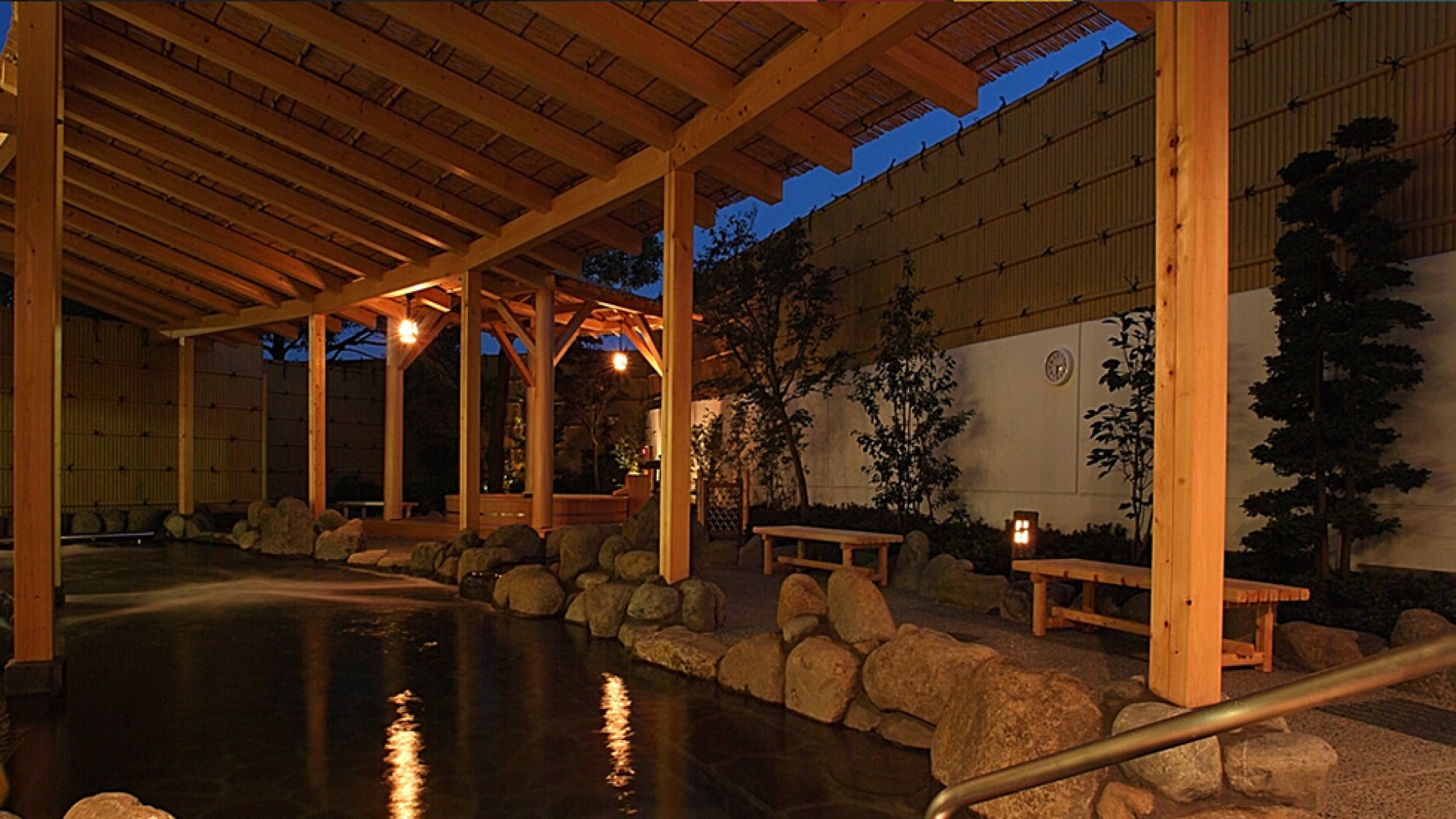
This is a lodging facility where you can enjoy a famous bath, 「Yugawara Onsen」, mentioned in Manyoshu, the oldest existing collection of Japanese poetry, at a reasonable price.
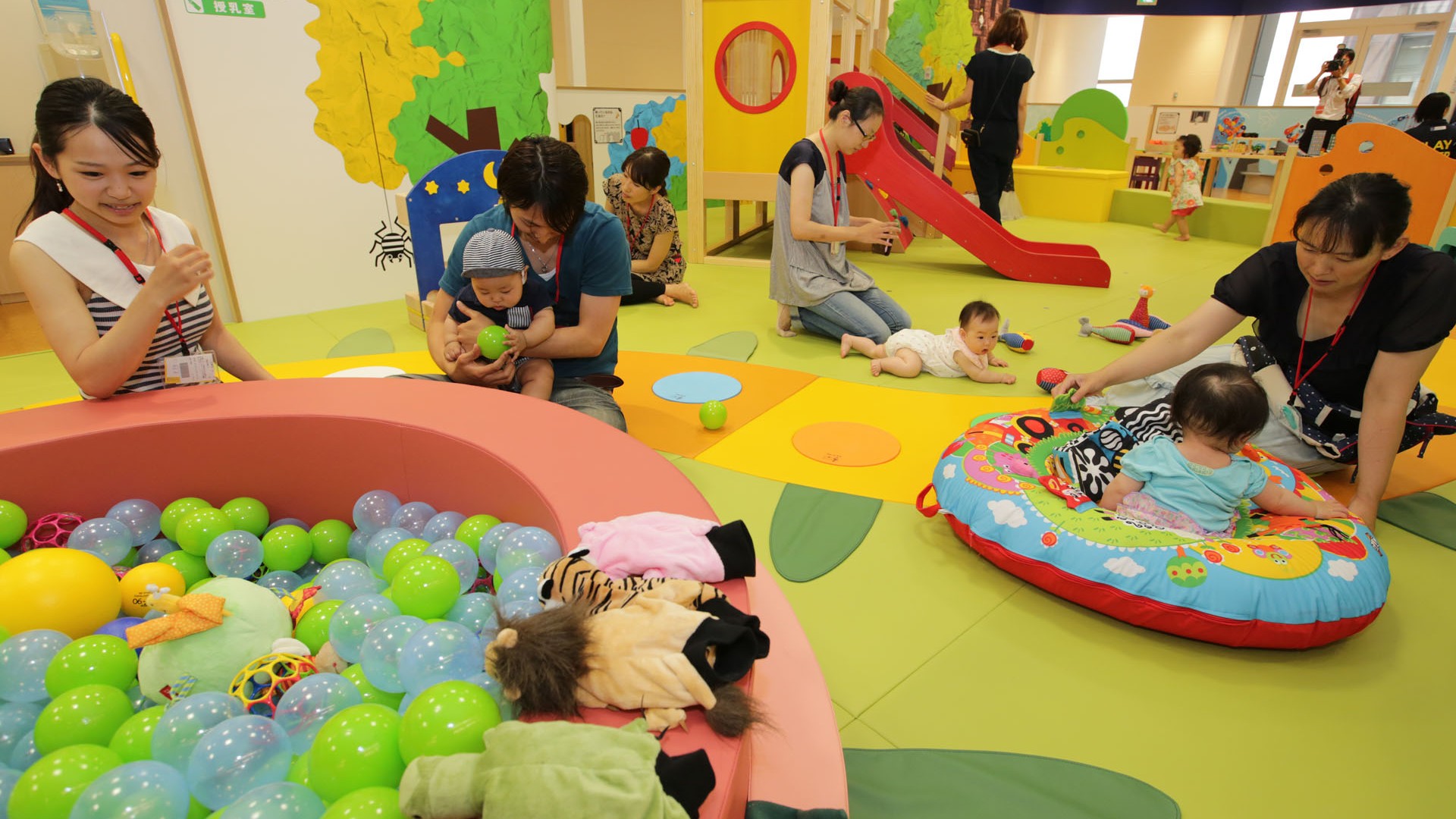
Located on the 4th floor of Grandtree Musashi Kosugi, this indoor playground welcomes parents and children alike. Please find your favorite play place, such as our "Baby Garden," a playground exclusively for babies, or our ball pool with large wooden playsets and slides.
Meigetsu-in Temple in Kita-Kamakura is also known as The Temple of Hydrangeas. For hydrangea season around June, many people flock here to view approximately 2,500 hydrangeas. The hydrangeas planted at Meigetsu-in are all a uniform blue color, dubbed "Meigetsu-in Blue."Visitors can admire the dry zen garden year-round. It is said to represent the mythical Buddhist Mount Shumi.The inner garden hosts a beautiful variety of shrubbery and foliage, and is beautiful all year round. Visitors can only enter the garden twice a year — otherwise, they can only get a peek of the garden through the Main Hall's Window of Enlightenment.The window of enlightenment is a circular window that can be seen when looking into the Main Hall. This window is said to symbolize enlightenment, reality, and the vastness of the universe.Lined with tatami, the minimalistic main hall fills visitors with a sense of calm, and perfectly frames the Window of Enlightenment.
This huge resort complex is on the western coast of Oiso. It has 9 types of pools, including a flowing pool where 1 lap is 500m, a pool with waves like the ocean, a diving pool, a water slide, etc.
The main Yokohama Central Wholesale Market is open to the public on the first and third Saturday of each month from 8:00 a.m. to 10:00 a.m. Visitors can purchase marine products, produce, cooking utensils, and more. Fun events are also held.