See & Do
Total: 1715 items
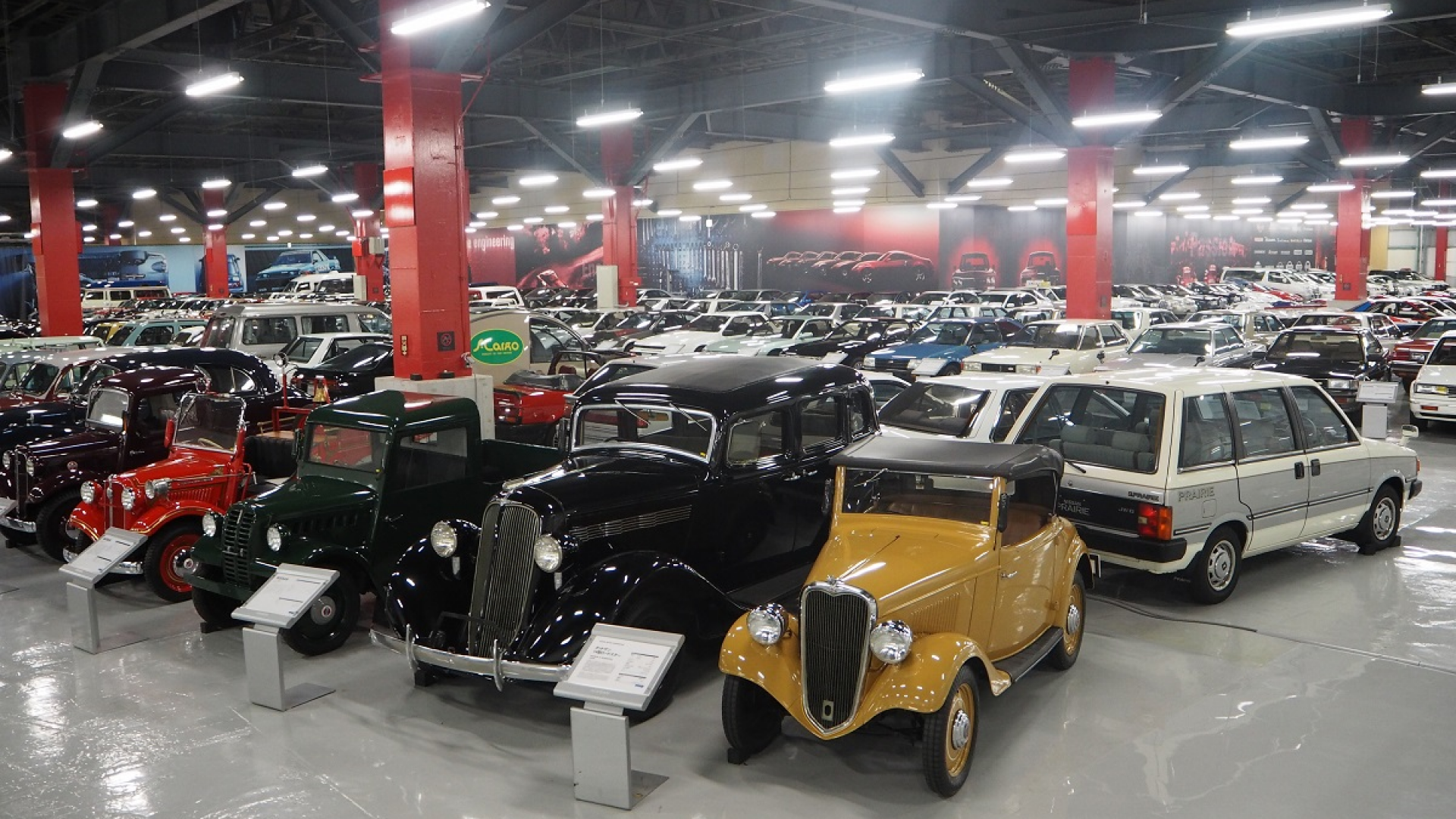
Nissan Heritage Collection
The tour includes the viewing of historic and valuable Nissan cars. There are old cars from the 1930s, like production cars, historic race cars, Nissan street motorcycles, off-road vehicles, and other vintage vehicles. The museum owns around 400 memorial vehicles, with 300 of them on display. ・No smoking in the building ・Do not take photos of the building outside ・Try not to touch the cars. (If you want to touch, please notify a staff) ・Japanese only
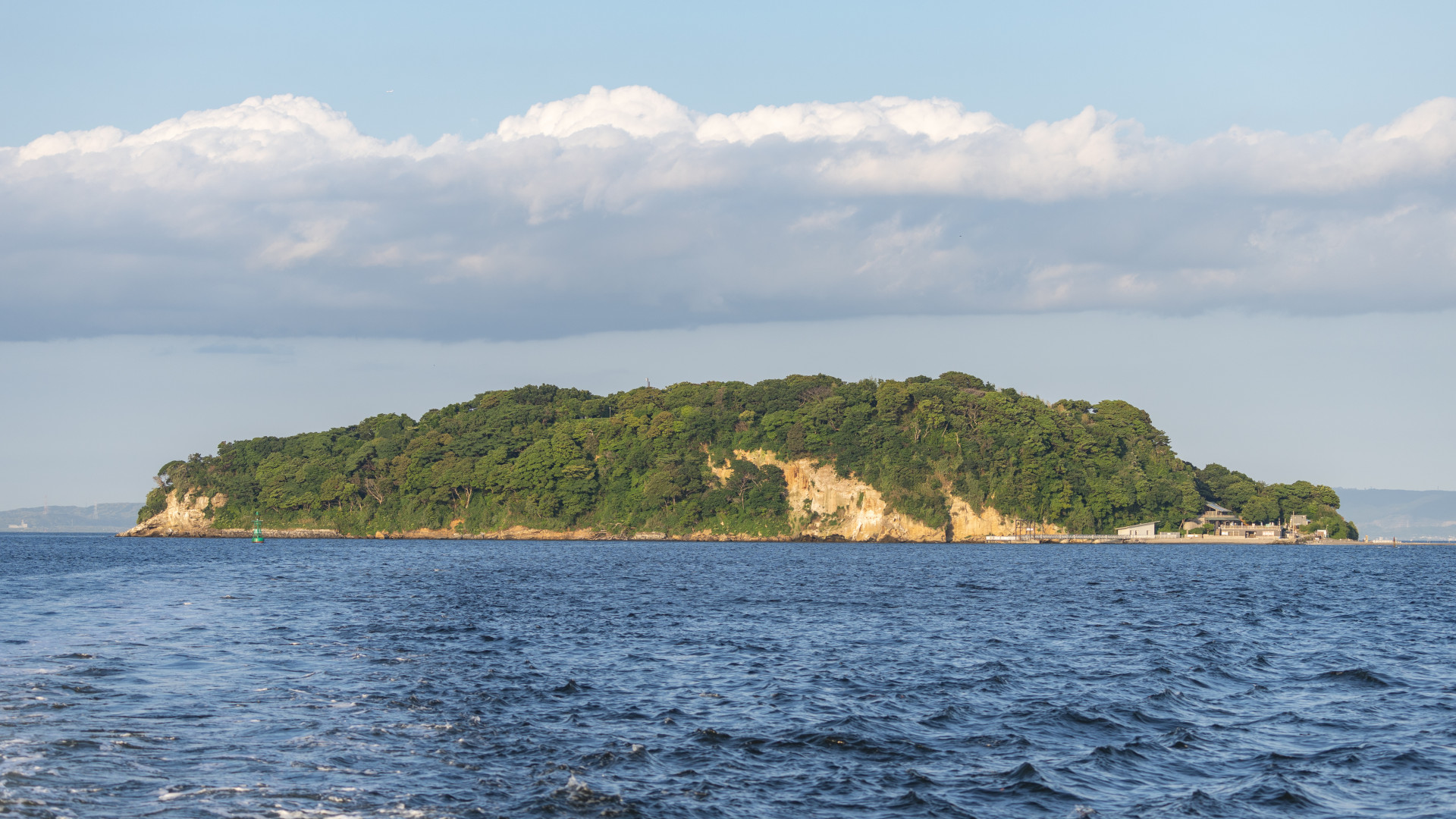
Sarushima
Sarushima is the only deserted island in the Tokyo Bay area and is also the biggest natural island. Here you can enjoy many activities such as barbecue, fishing, and strolling around major historical ruins. It takes approximately 30 minutes to get there by boat from the Keikyu Line Yokosuka Chuo Station. (The boats to Sarushima have different capacities, ranging from 80 people to 200 people maximum depending on the season.) This easily accessible sightseeing spot is designated as a National Historic Site.Sarushima was originally a defensive outpost. These brick tunnels, alongside other abandoned structures, are signs of its military history.Before or after getting the boat to Sarushima, we recommend checking out the memorial warship Mikasa, which is in Mikasa Park adjacent to the pier. Mikasa is the oldest surviving steel battleship in the world and is recognized as a Cultural Property of Japan. On board, you will find a great number of historical exhibits. Additionally, on the first floor of the Mikasa Terminal (opened in July 2020), you can buy tickets for the boat to Sarushima, as well as souvenirs and light meals. There is also a tourist information center. We recommend that you visit the Sarushima Visitor Center on the second floor while you wait for the boat. There is no reservation system for boarding, so please arrive well in advance of your desired departure time. The Mikasa Terminal is also the base for landing tours to Tokyo Bay's No.2 Sea Fort.
The Great Wisteria Festival of Ashikaga Flower Park
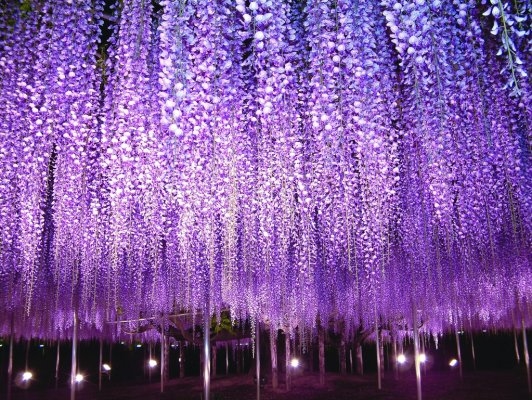
Ashikaga Flower Park was the only spot in Japan that had been selected as “top 10 world Dream destinations” by CNN. The garden holds “The Great Wisteria Festival” from late April to mid-May every year. You can see the Great wisteria over 160 years old which spreads over a 600-tatami trellis area, as well as the 80m-long white wisteria tunnel, the Laburnum tunnel and more than 350 other wisteria trees in full bloom. Various colors of wisteria bloom in order, from pale pink, purple, white, to yellow, which allows you to enjoy all of the wisteria for about one full month. You also can enjoy wisteria in night because the garden would be lighted up during the festival. In 2018, the JR Railway opened JR Ashikaga Flower Park Station, which make visitors to come here easily.
Chogo Fruit Park
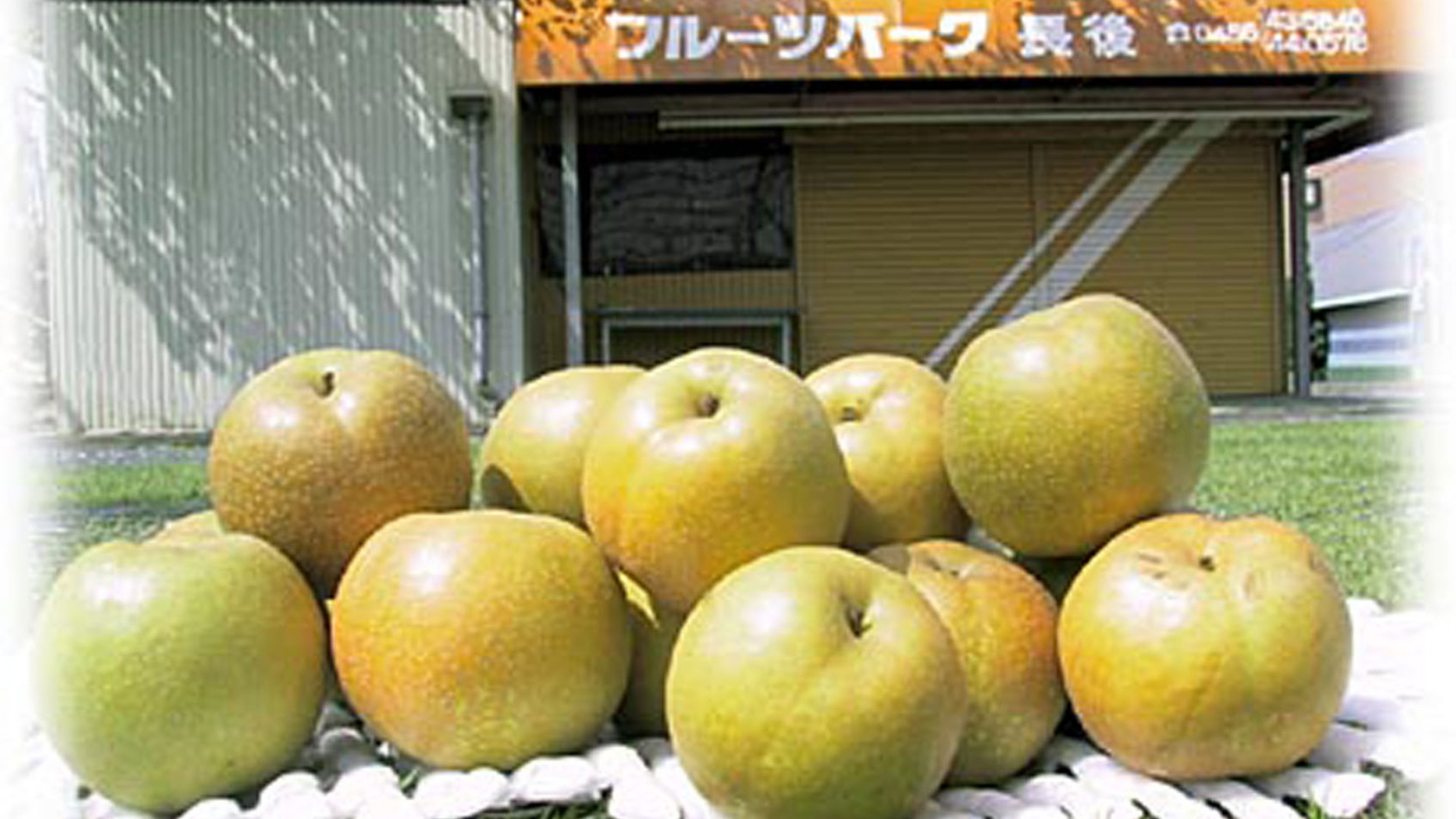
An orchard located within Fujisawa City. We offer fruit-picking experiences, as well as direct sales and home delivery. Plums can be picked in May, whereas pears, grapes, Japanese pears, persimmons, figs, and other fruits can be picked from August to December.
Yamashita Park
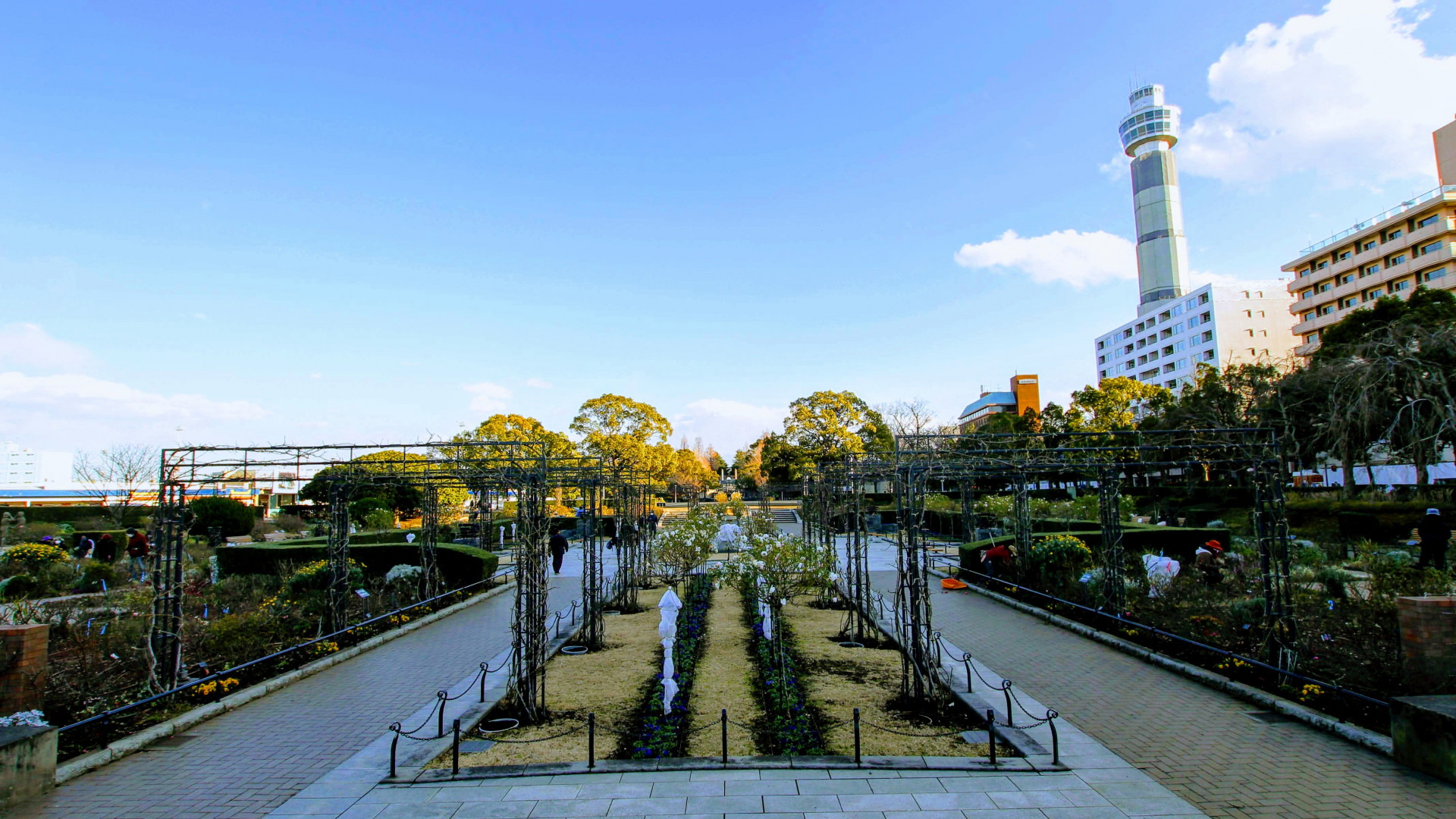
Yamashita Park is a seaside park that was opened in 1930 as a reconstruction project after the Great Kanto Earthquake, using rubble and other materials to reclaim the sea. There are many tourist attractions, such as the Red Brick Warehouse, Osanbashi Bridge, Chinatown, and the harbor sightseeing boat terminal in the vicinity. Inside the park itself is a statue of a girl wearing red shoes, inspired by Ujo Noguchi's nursery rhyme "Akai Kutsu" (Red Shoes), as well as the monuments of "the statue of the guardian god of water", donated by the city of San Diego, USA, the "seagull sailor monument" and the "Indian water tower". The luxury cruise ship "Hikawa Maru," which was called the "Queen of the North Pacific," is moored in the park, and visitors can not only enjoy an overview of the ship but can also tour the interior for a fee during the daytime. The park is also a famous spot for roses, a place to enjoy 1,900 roses of 160 varieties twice a year, both in spring and autumn. It is also a popular spot for sightseeing and date nights, attracting tourists and families during the day and couples at night throughout the year. The sunrise from the sea is the perfect cue for strolling, jogging, exercising, yoga, tai chi, and other activities. The morning view of Yamashita Park with Minato Mirai 21 in the background is one of Yokohama's most famous morning scenes.With the sun rising over the sea as your landscape, experience physical activities in Yamashita Park, which includes walking, jogging, exercising, yoga, Tai Chi, and more. A Yamashita Park morning with Minato Mirai 21 in the background is an iconic morning view of Yokohama.
Yokohama City Disaster Prevention Center (Disaster Theater Experience)
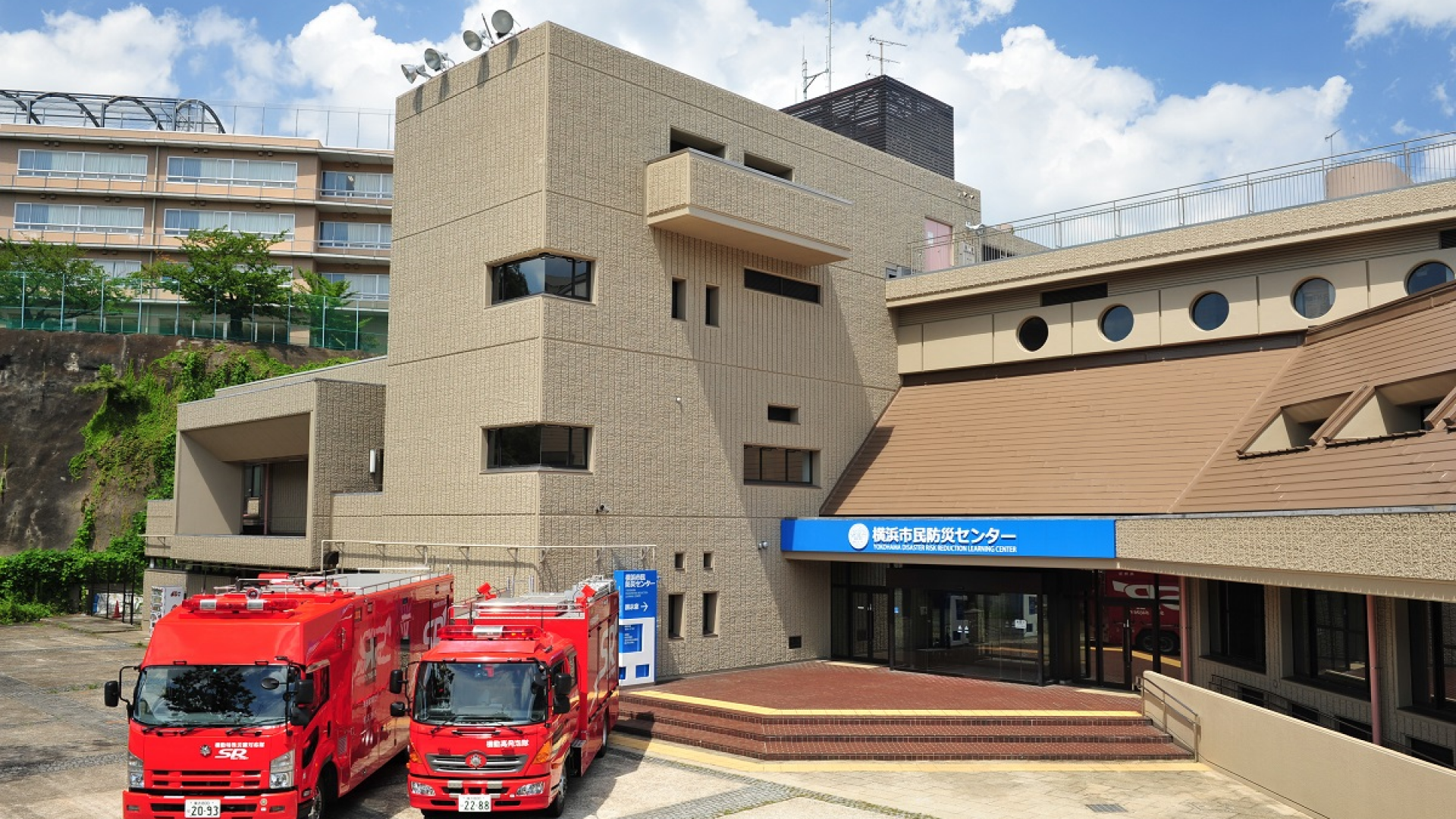
Based on the concept of "enjoying learning and being well prepared", you can learn the importance of helping by experiencing earthquake tremors, firefighting, evacuation from smoke, and other simulated disasters. It is the only disaster prevention experience-based learning facility in Yokohama City.
Mitsubishi Minatomirai Industrial Museum
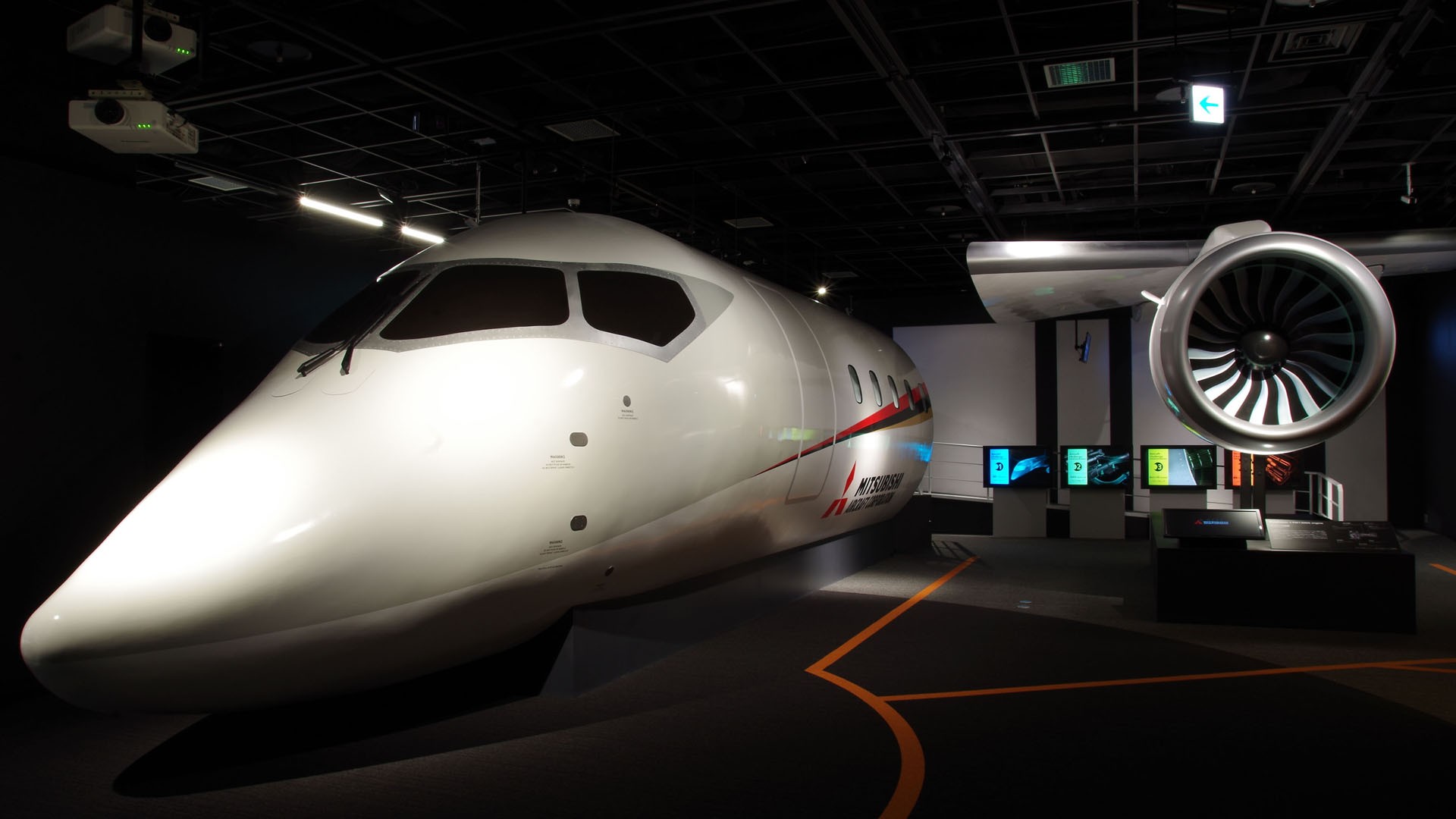
Feel the wonders of leading scientific technology. There are rockets, ships, airplanes, environmental, and energy related technologies on display. You can hop on board a real-size cockpit of the first domestic production regional jet plan “MRJ” and enjoy the “MRJ flight challenge” flight simulator. In the “discoveries of day to day life” zone, you can discover the amazing technologies that surround you in day to day living! Let’s take a look at what the future lifestyle holds for us. Space food, experiment kits, models, and souvenirs are for sale in the museum shop.
Japan Open Air Folk House Museum
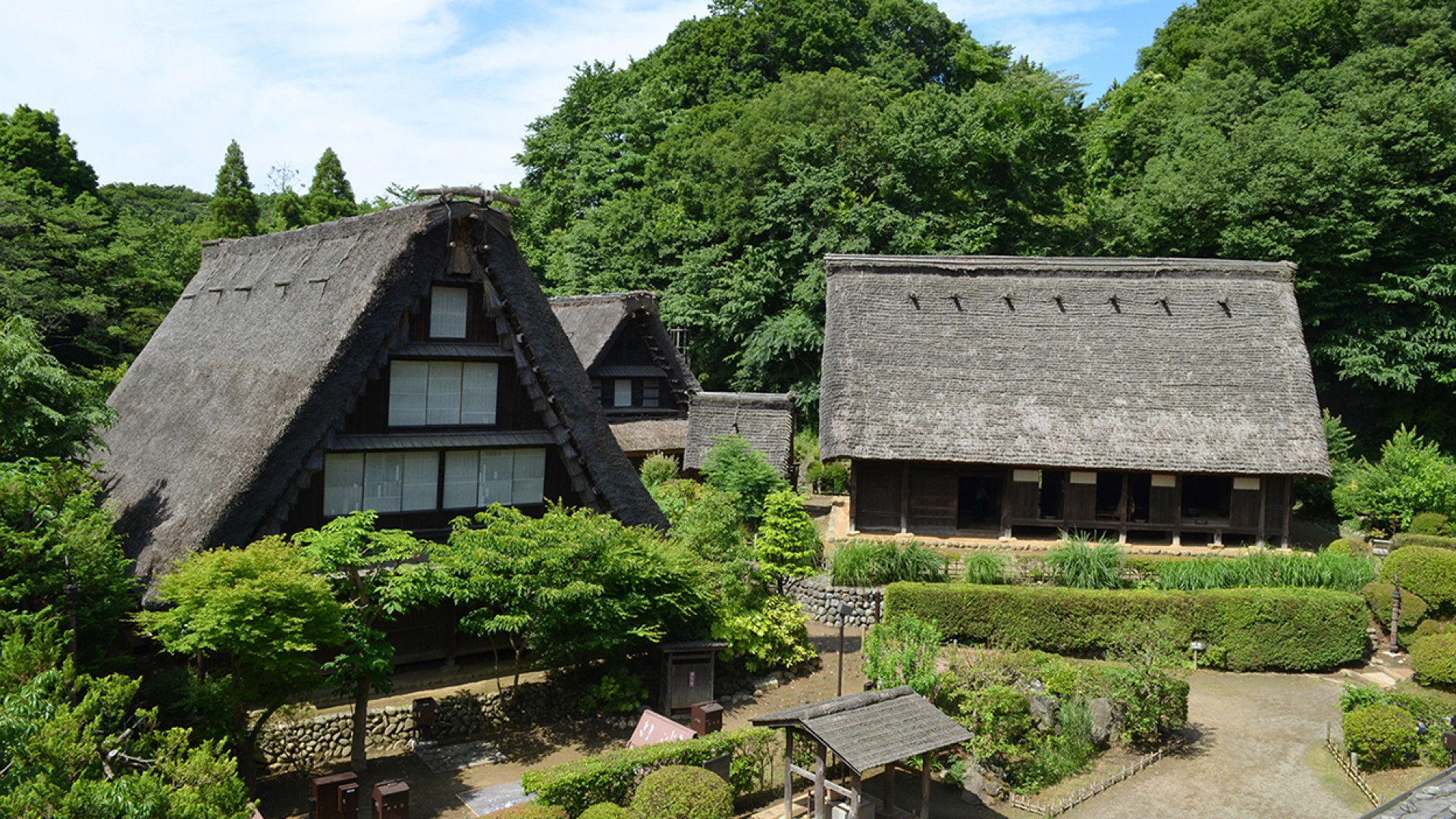
Located 30 minutes from Tokyo and 40 minutes by car from Haneda Airport, this municipal Japanese folklore park in the northern part of Kawasaki City is an outdoor museum that features 25 structures, including traditional Japanese houses, watermills, and Kabuki stages. The buildings are scattered amongst a lush green environment, and you can enjoy the nature of all four seasons. Popular events are also held at the traditional folk houses. In one of the facilities, the traditional crafts building, you can experience indigo dyeing.A gasshō-zukuri house with tall, steep roof and home to the Yamashita family known for their silkworm cultivation and fire farming on the mountain slopes.Similar to the Yamashita House, there was also space under the floors used for the manufacturer of gunpowder.Silkworms were raised in the large attic and papermaking took place on one of the earthen-floored areas.This house was used as both farmhouse and a dye-house.
Nogi Shrine
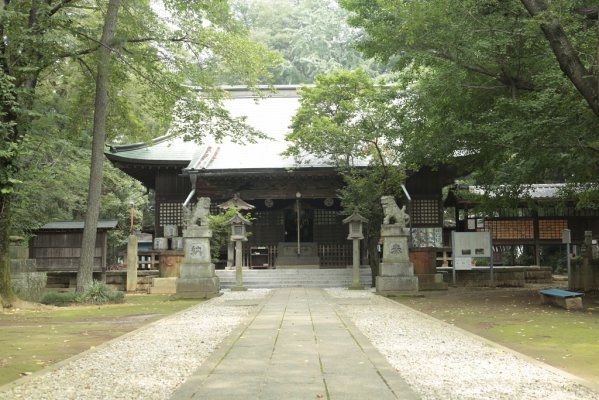
Nogi Jinja Shrine was built approximately 1,600 years ago.The carvings on the side walls of the hall are impressive, and there is a 1200 year old ginkgo tree that towers over the shrine grounds. Women make consecrate model breasts made of rice bran and white cloth and pray at the ginkgo tree to ensure good production of milk and healthy infants."
Miura Beach
The largest and widest beach on the Miura Peninsula is close to the station, and during peak season it is crowded with many beachgoers, including families. In August, the "Miura Kaigan Noryo Matsuri Fireworks Festival" is held, and every year hundreds of thousands of tourists are intoxicated by the large flowers that color the summer night sky. With Tsukui Beach to the north and Kikuna Beach to the south, it is the largest beach on the Tokyo Bay side of the Miura Peninsula.
Tokyo Tower
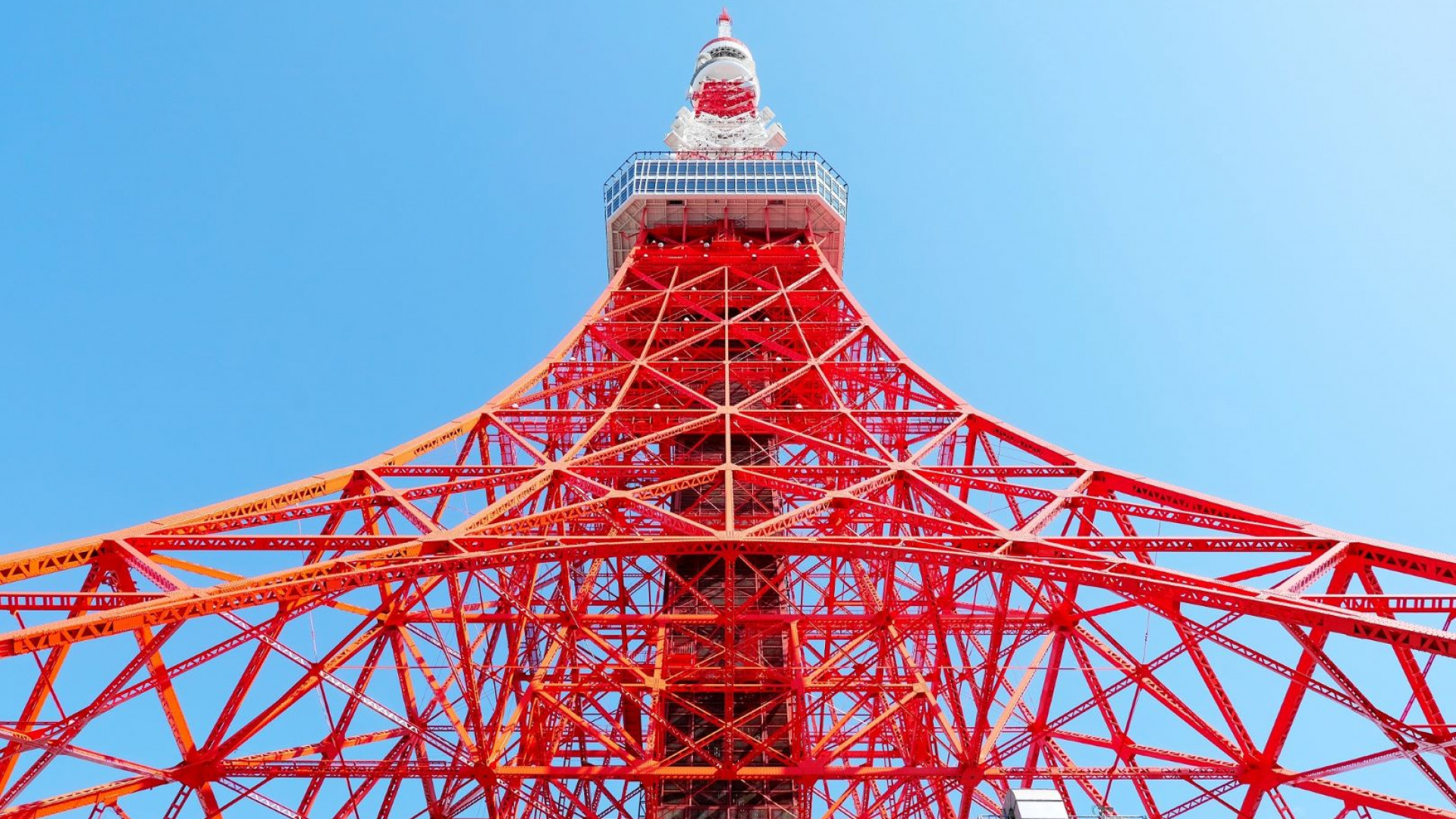
Tokyo Tower has two observatories, with the main deck standing at 150m and the top deck standing at 250m. Get a taste of one of the world’s leading metropolises right from its center and enjoy panoramic views of the whole city. Foot Town is the multipurpose facility at the foot of the tower. Here, you can find souvenir shops, a food court and an event space. Keep your eyes open for the charming spots in the facility.
Cup Noodles Museum, Yokohama
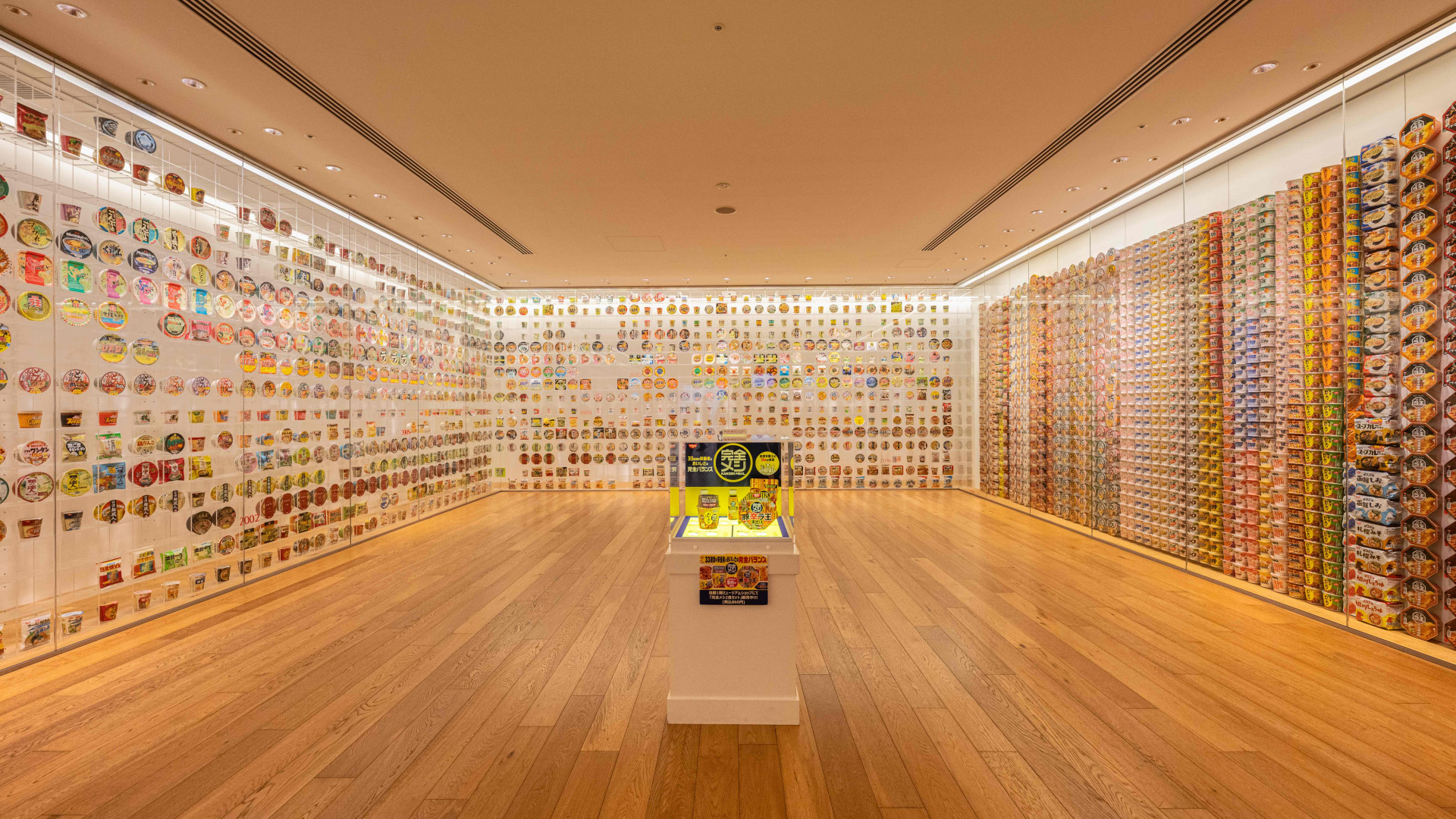
Find out how Momofuku Ando, penniless at the age of 48, made noodles into a global industry. Watch how cup noodles are made, then make your very own cup noodles to take home as a souvenir.
Bornelund Grand Tree Musashi-Kosugi
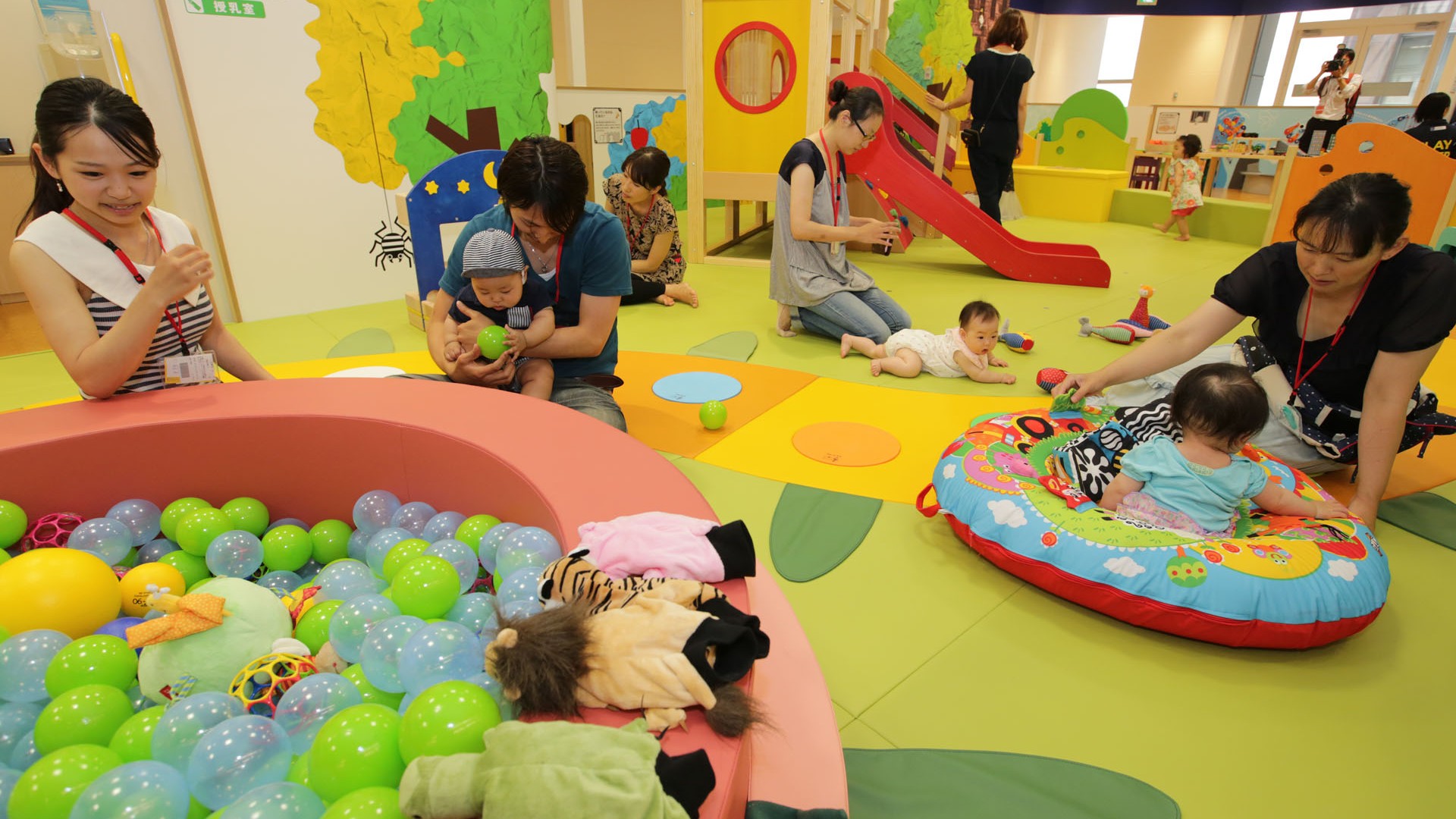
Located on the 4th floor of Grandtree Musashi Kosugi, this indoor playground welcomes parents and children alike. Please find your favorite play place, such as our "Baby Garden," a playground exclusively for babies, or our ball pool with large wooden playsets and slides.
Cafe Hoshimeguri
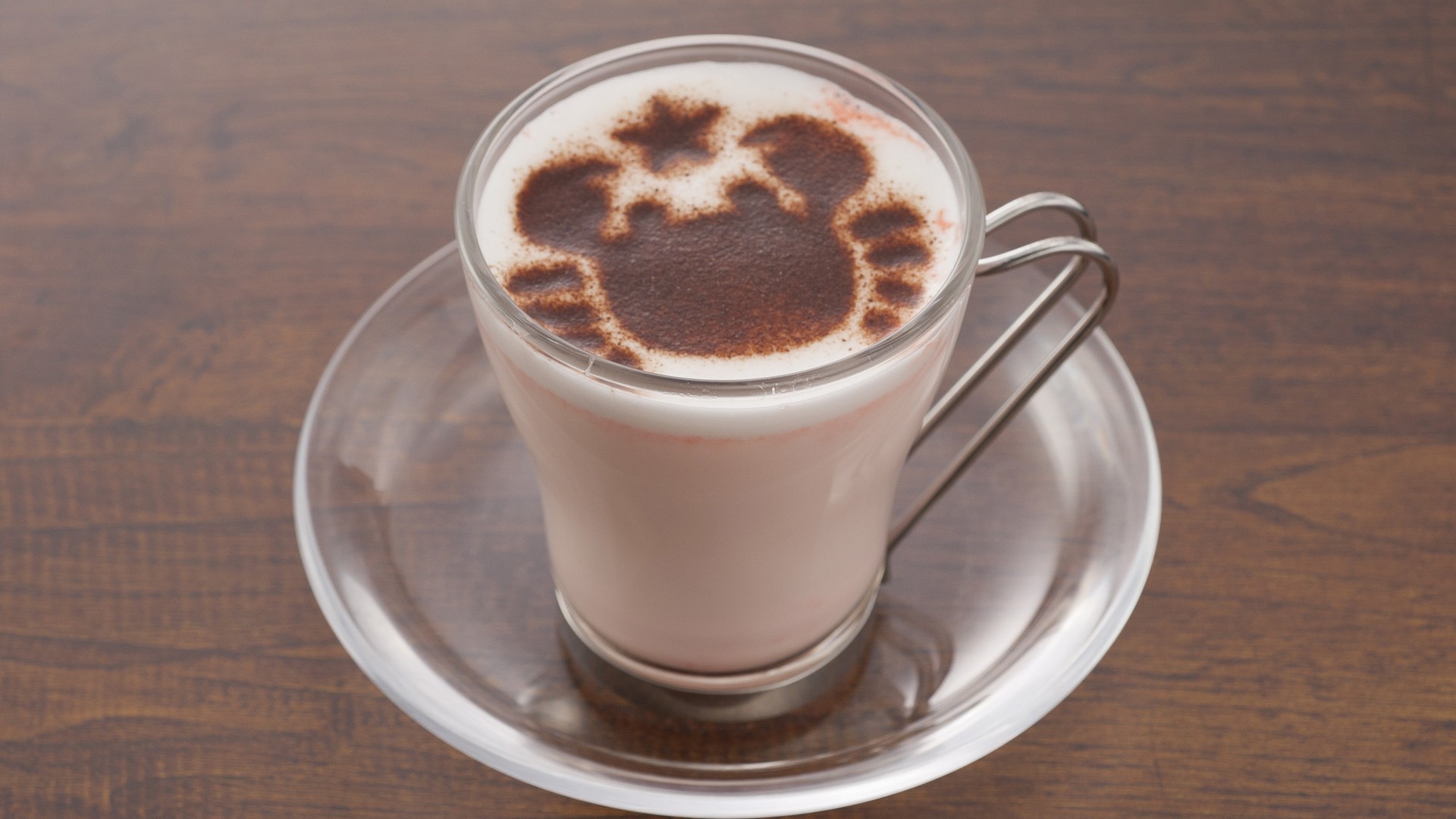
A café located inside the Kawasaki Municipal Science Museum that has an exhibition room about the planetarium and the nature of Ikuta Ryokuchi Park and Kawasaki. Café Hoshimeguri faces the plaza in Ikuta Ryokuchi Park, allowing you to fully enjoy nature. After experiencing space in the planetarium, relax at the café.
Harbor View Park (Minato-no-Mieru Oka Koen)
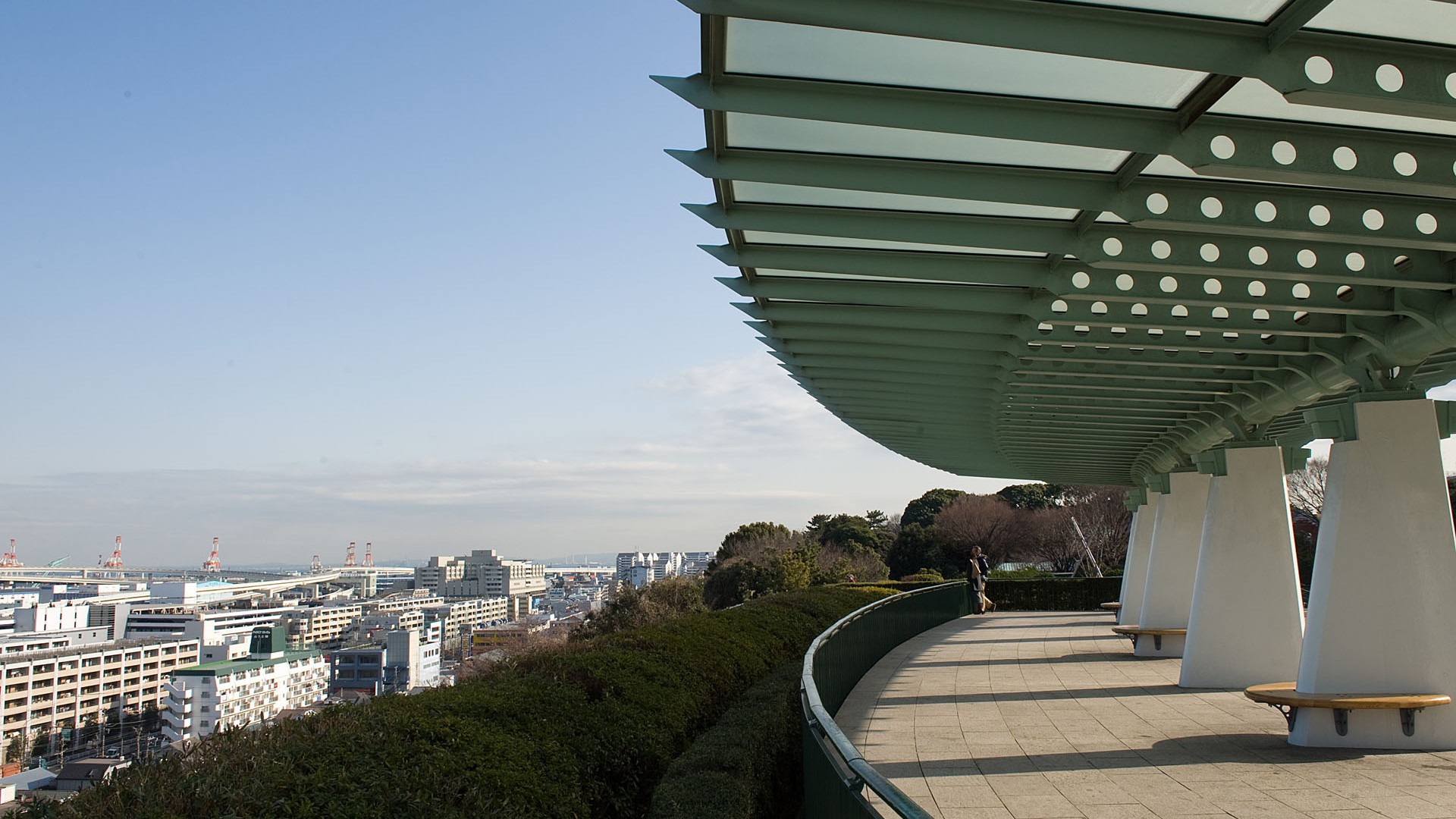
From the observatory, you can enjoy the night view of Yokohama Bay Bridge, Marine Tower, and Honmoku Pier. Bench seating makes it an ideal meeting place.The Yokohama Bay Bridge is lit blue from 40 meters to the top of the main tower for 10 minutes every 20 to 30 minutes and every 50 minutes until midnight.
Fujiko F. Fujio Museum
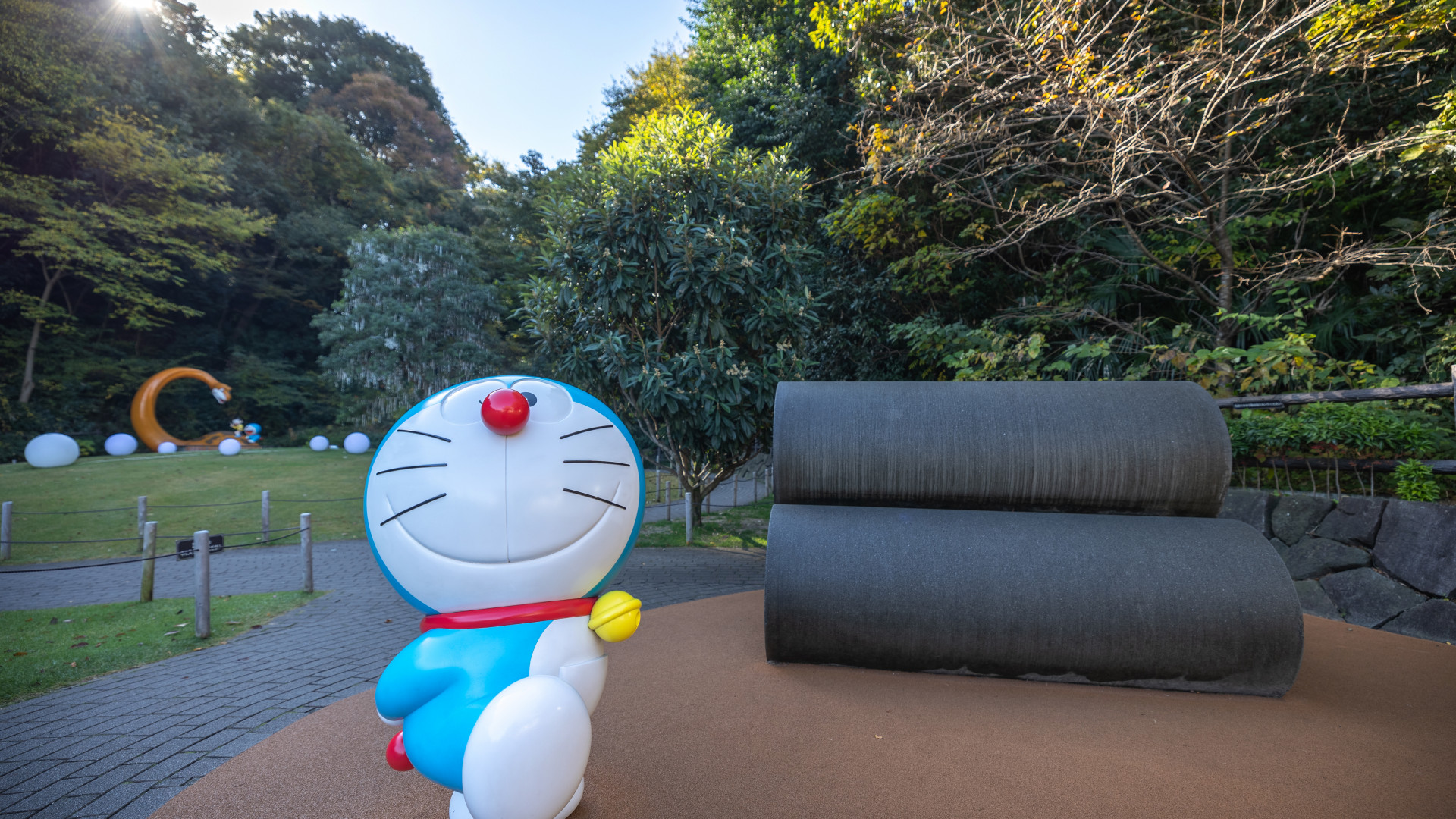
This cultural facility conveys the world of manga artist Fujiko F. Fujio, creator of many works including "Doraemon" and "Perman," and his messages are conveyed to all generations through his original drawings and other works.It is necessary to purchase entry tickets in advance from Lawson. Entry is hours happen 7 times a day, on the hour (10am, 11am, 12pm, 1pm, 2pm, 3pm, and 4pm). As long as you’re within the 60 minutes indicated on your entry ticket, you can enter the building any time.
Kamakura Owl’s Forest
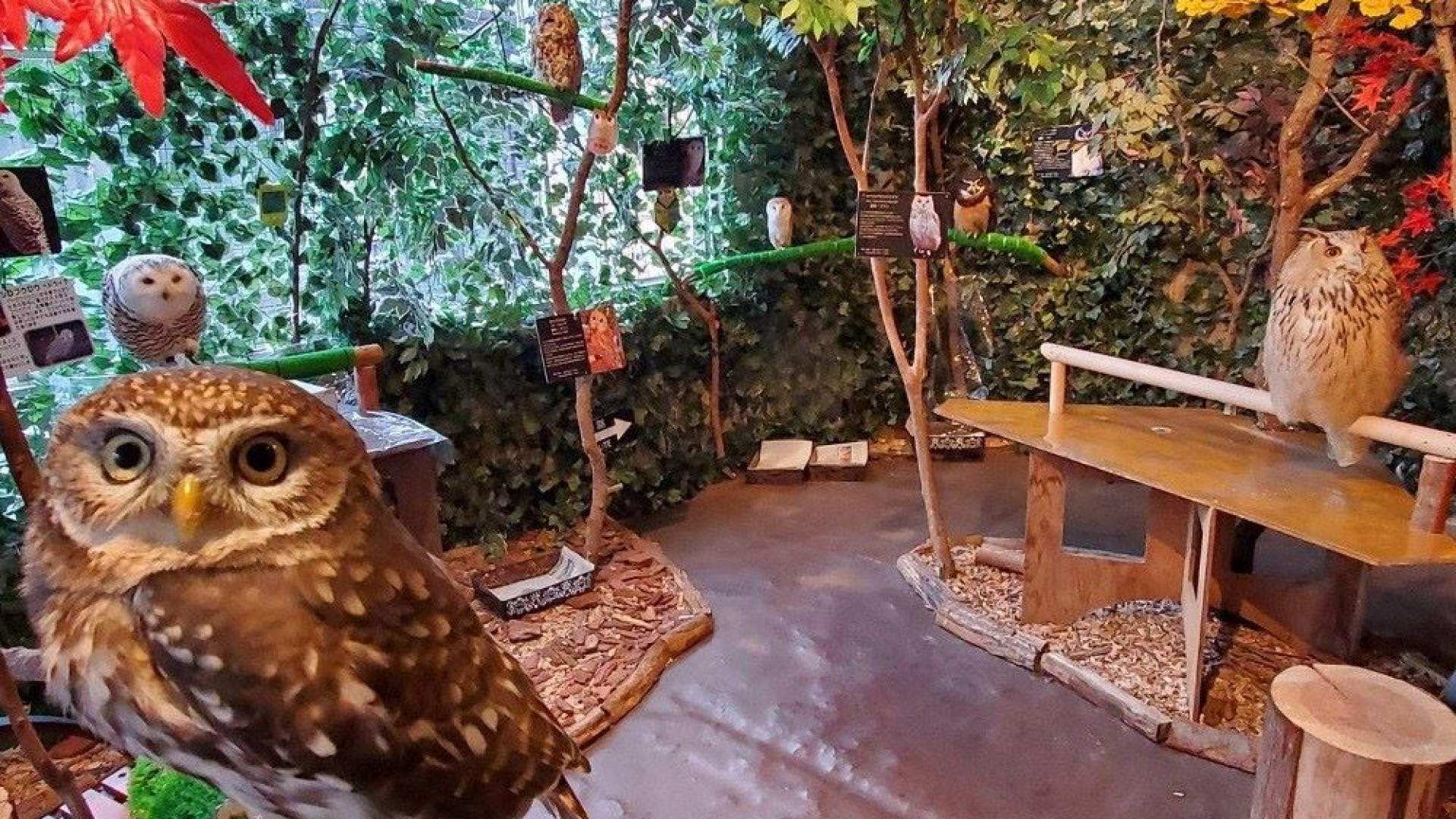
The Kamakura Owl's Forest is accessible from Kamakura Station. Visitors can interact with 20 owls of 14 different species, from the popular Barn Owl to the Great Horned Owl. There is no time limit and reservations are not required, so feel free to drop by.