

Greater Tokyo

See & Do

reset
Yamashita Park

Yamashita Park

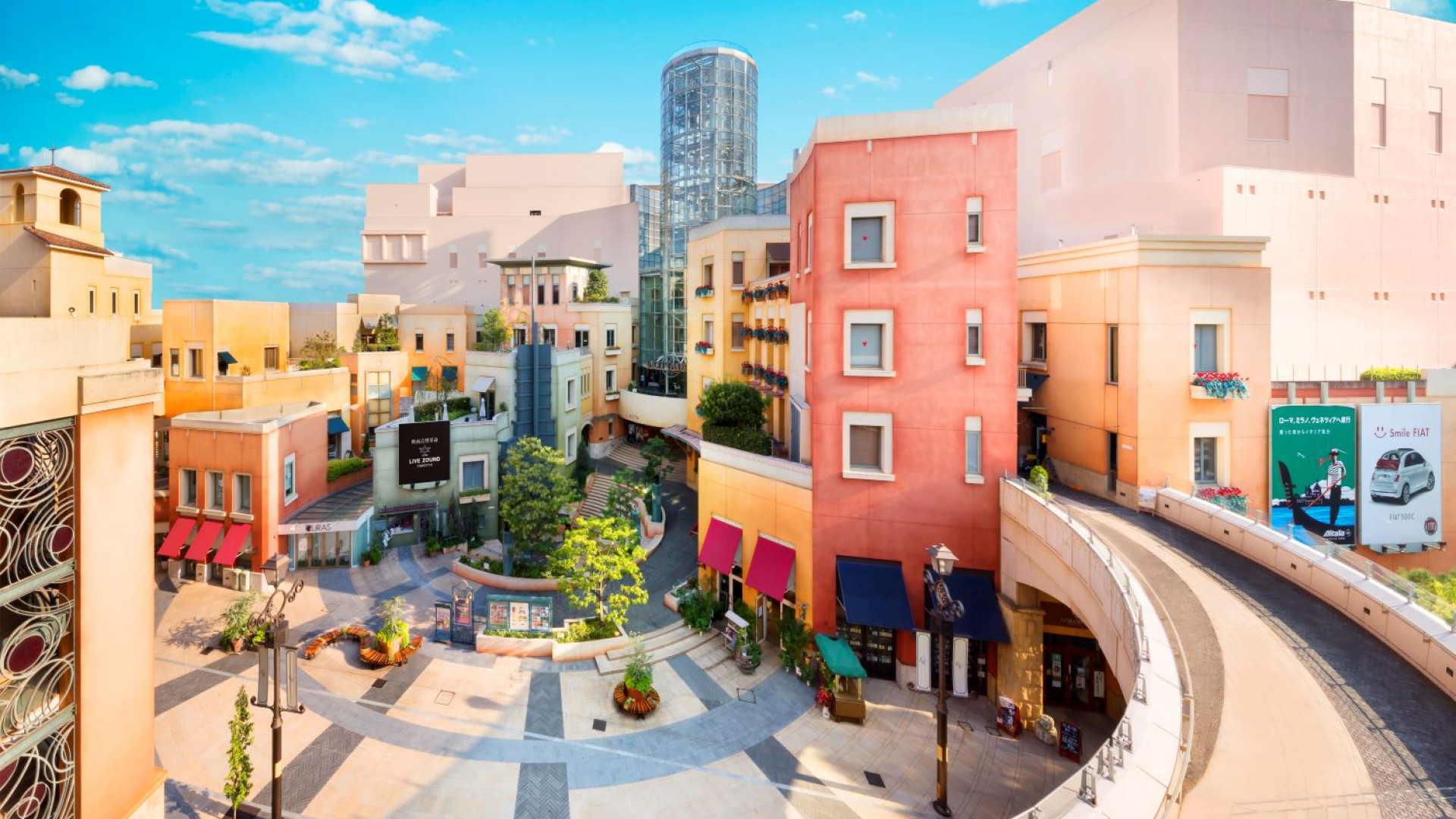
Yamashita Park is a seaside park that was opened in 1930 as a reconstruction project after the Great Kanto Earthquake, using rubble and other materials to reclaim the sea. There are many tourist attractions, such as the Red Brick Warehouse, Osanbashi Bridge, Chinatown, and the harbor sightseeing boat terminal in the vicinity. Inside the park itself is a statue of a girl wearing red shoes, inspired by Ujo Noguchi's nursery rhyme "Akai Kutsu" (Red Shoes), as well as the monuments of "the statue of the guardian god of water", donated by the city of San Diego, USA, the "seagull sailor monument" and the "Indian water tower". The luxury cruise ship "Hikawa Maru," which was called the "Queen of the North Pacific," is moored in the park, and visitors can not only enjoy an overview of the ship but can also tour the interior for a fee during the daytime. The park is also a famous spot for roses, a place to enjoy 1,900 roses of 160 varieties twice a year, both in spring and autumn. It is also a popular spot for sightseeing and date nights, attracting tourists and families during the day and couples at night throughout the year. The sunrise from the sea is the perfect cue for strolling, jogging, exercising, yoga, tai chi, and other activities. The morning view of Yamashita Park with Minato Mirai 21 in the background is one of Yokohama's most famous morning scenes.With the sun rising over the sea as your landscape, experience physical activities in Yamashita Park, which includes walking, jogging, exercising, yoga, Tai Chi, and more. A Yamashita Park morning with Minato Mirai 21 in the background is an iconic morning view of Yokohama.

Nature & Views Tokaido Koshu kaido KANAGAWA
Kamakura Museum of Literature

Kamakura Museum of Literature

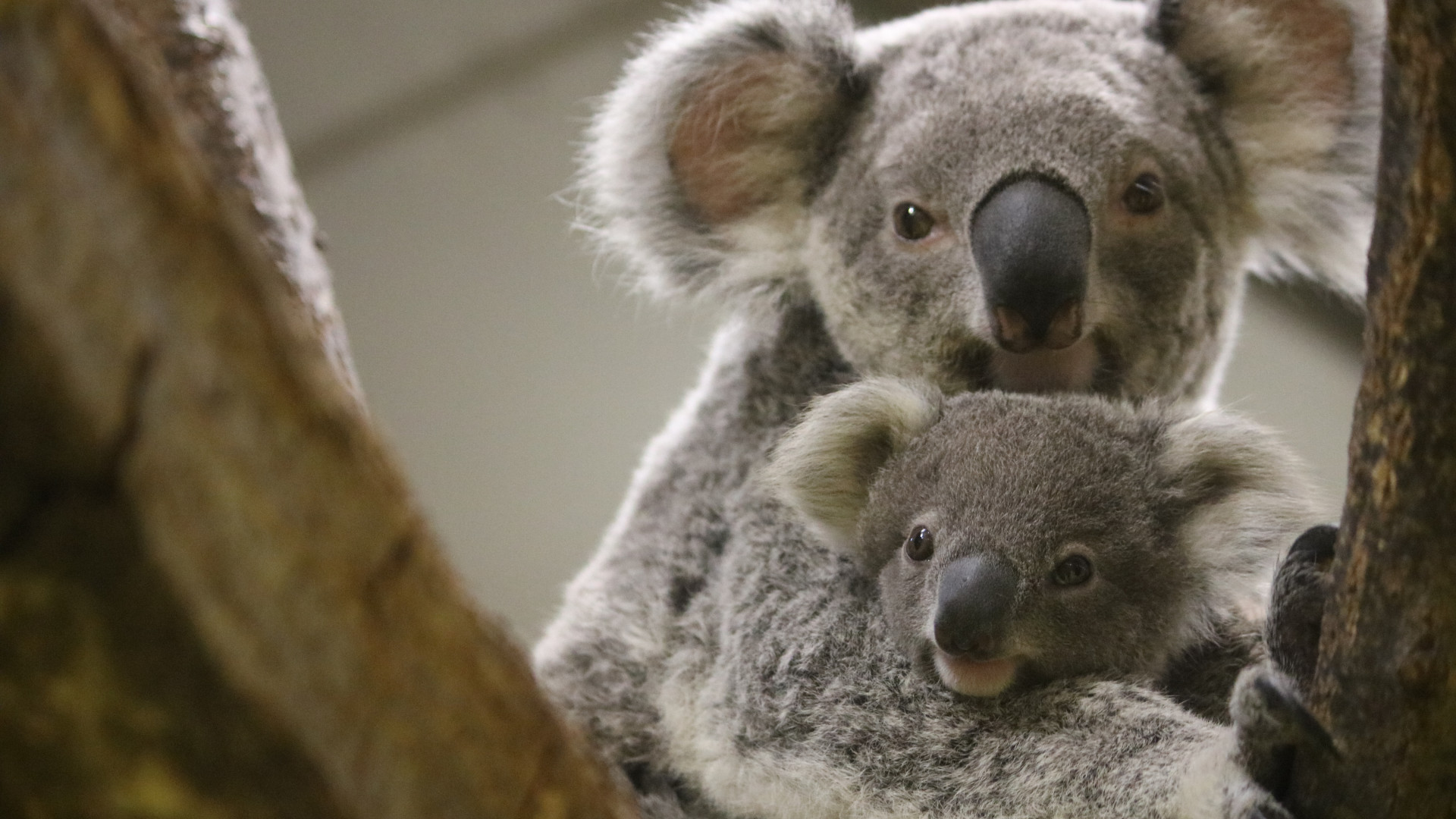
This place is temporarily closed. Please check the official website on reopening, operational information and more.The Kamakura Museum of Literature was built in 1936 (Showa 11) as the former Kamakura villa of Maeda Marquis family. You can view the rooms reminiscent of the past, with marble fireplaces and stained glass, as well as the important resources inside from related authors such as Yasunari Kawabata. In the garden filled with greenery, some 250 shrubs of roses bloom in Spring and Autumn. This building is the model for the villa in Yukio Mishima’s novel, “Spring Snow”.The grounds and rose garden are quite beautiful, but there is not a lot of English support available inside the museum.

Culture & Arts Tokaido Koshu kaido KANAGAWA
Omaru Onsen (Omaru Onsen Ryokan)

Omaru Onsen (Omaru Onsen Ryokan)

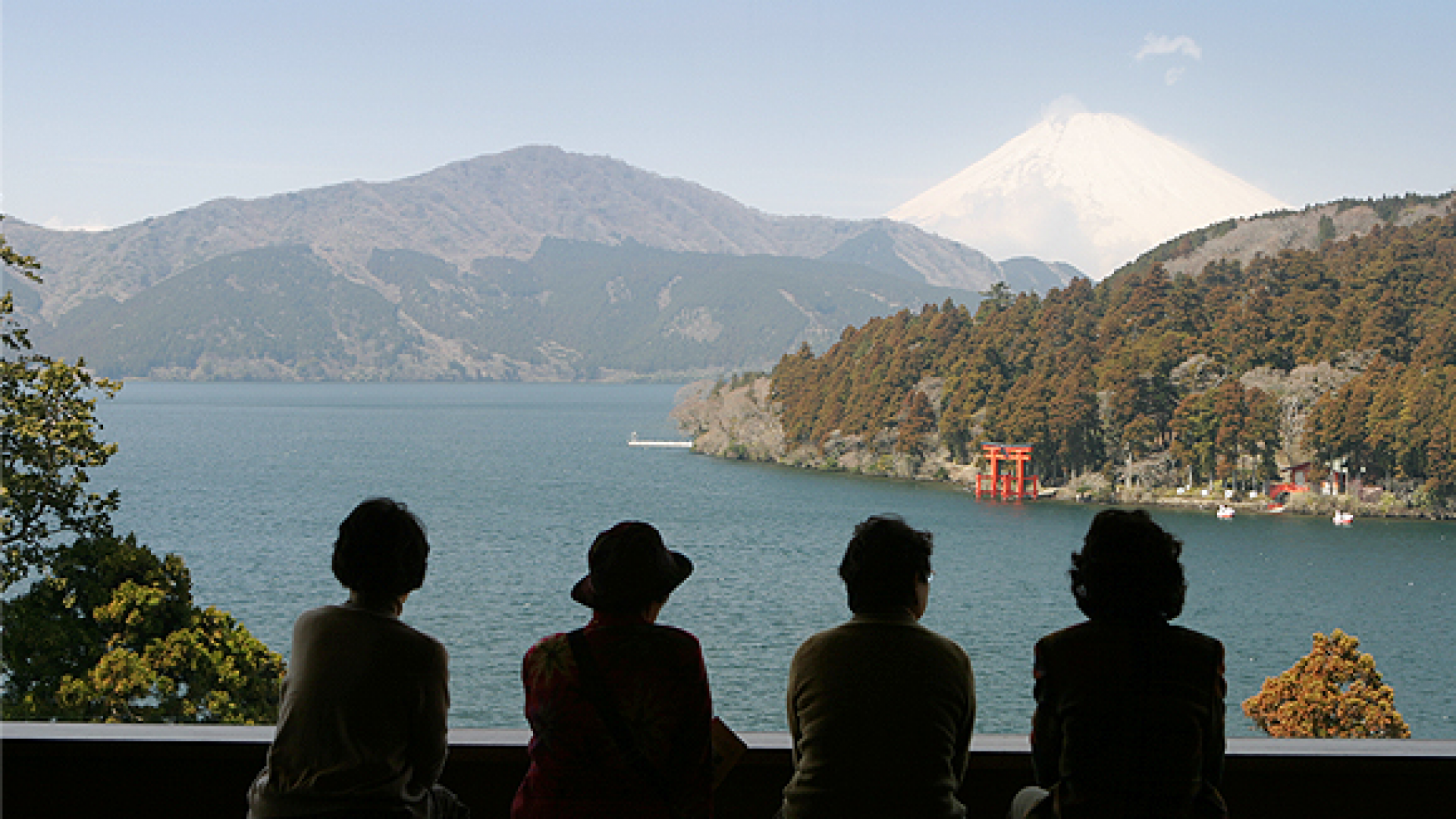
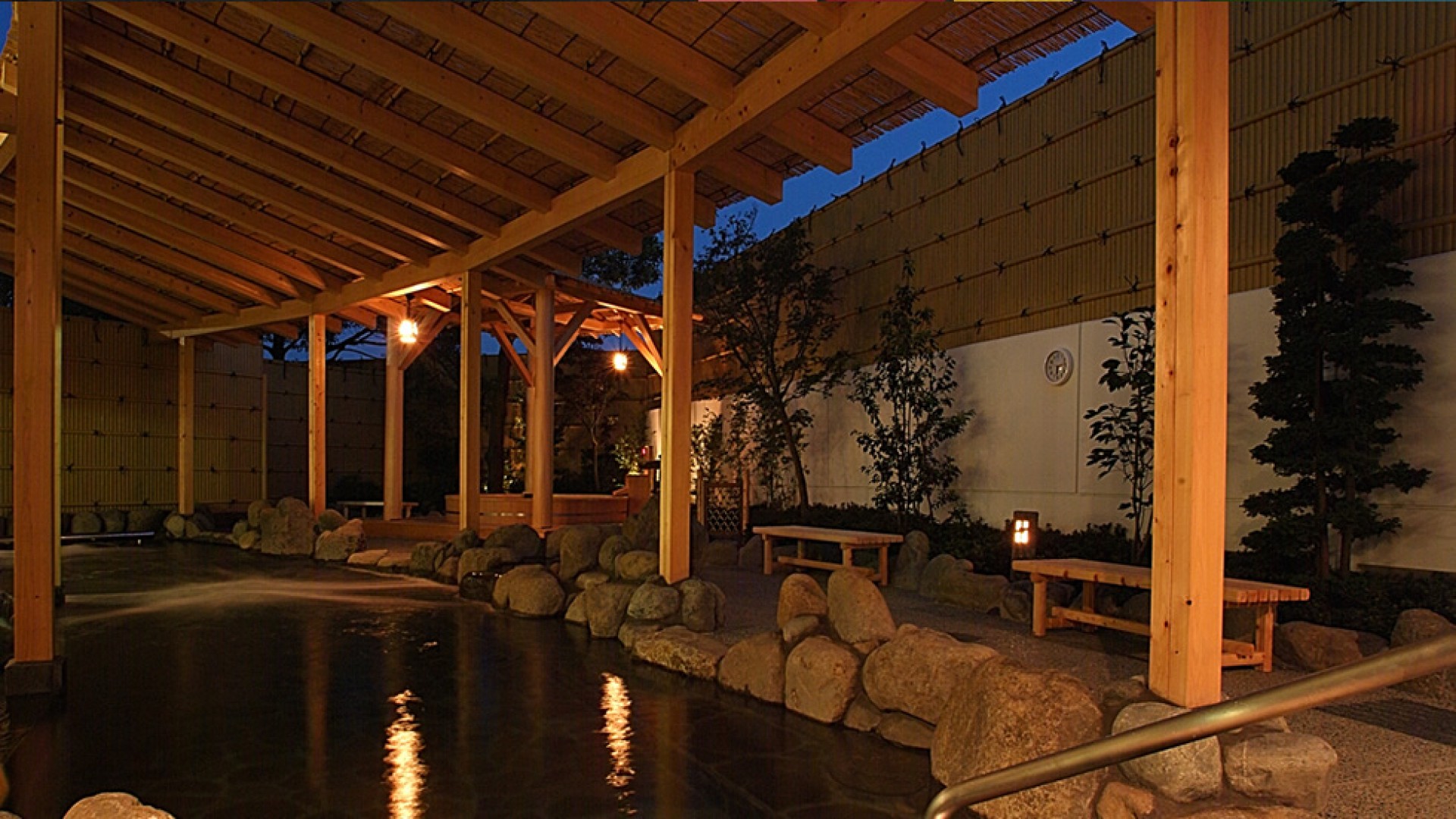
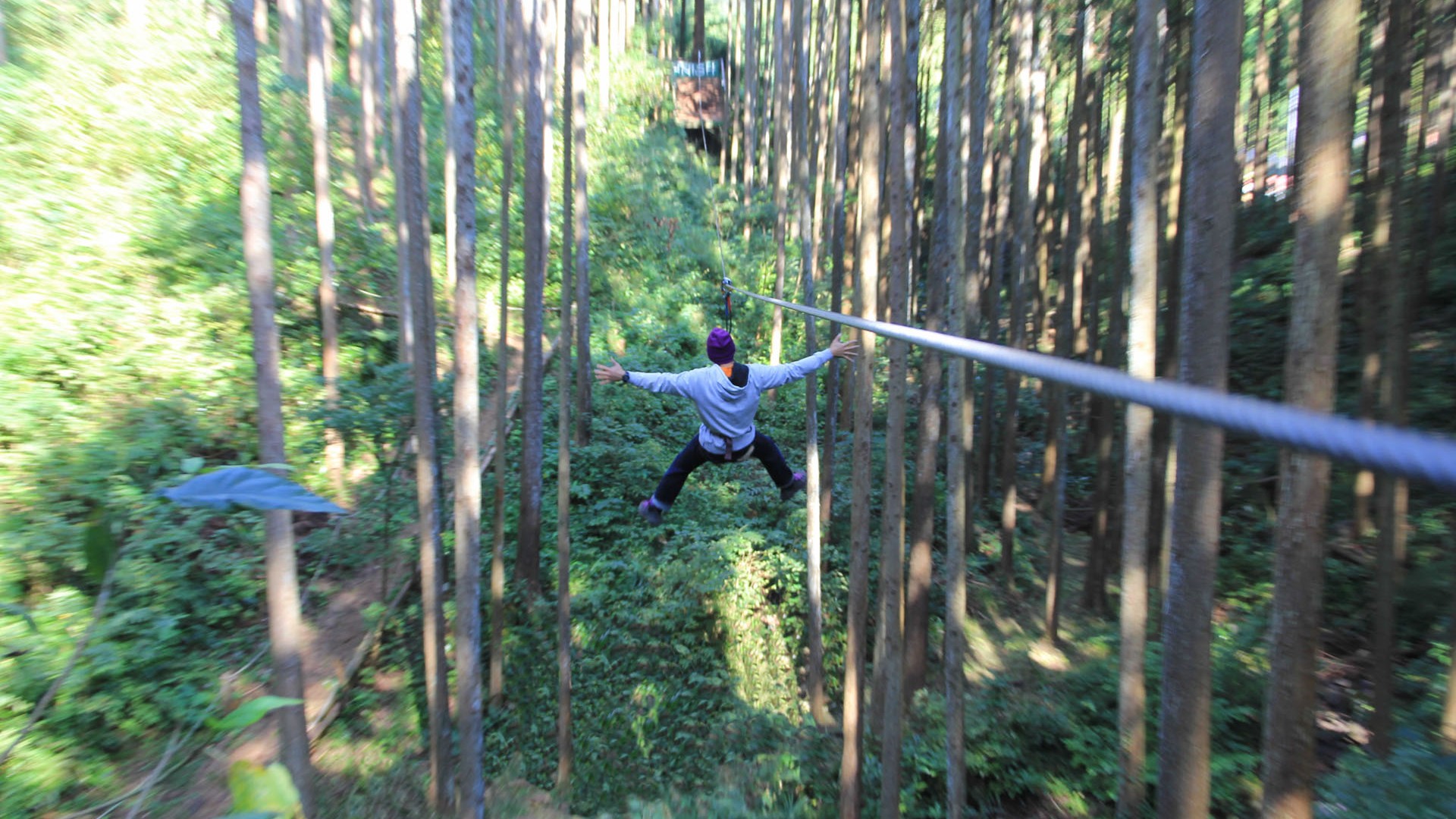
Located at the foot of Mt. Chausu at an altitude of 1,300 meters, Omaru Onsen Ryokan has been preserved by generations of innkeepers for over 200 years. Rich in metasilicic acid, the spring water is known for its moisturizing properties and is often called “Bijin-yu” (Beauty Hot Spring). The historic Kawa-no-Yu bath draws its water directly from the river source, where hot spring water gushes from the mountainside to form an open-air bath along the river. Here, guests can soak while listening to the gentle murmur of the stream, enjoying the secluded charm of this hidden onsen. Omaru Onsen’s water, abundant in metasilicic acid, has long been treasured for its skin-beautifying effects. The ryokan features mixed open-air baths such as Shirakaba-no-Yu, Ajisai-no-Yu, and Azami-no-Yu, making it a great choice for families. The on-site restaurant serves local Nasu vegetables, Tochigi Wagyu beef shabu-shabu, and “Nasuhikari” rice produced in Tochigi. Sake enthusiasts can also try shochu diluted with hot spring water. During the Meiji period, General Nogi Maresuke visited Omaru Onsen every year for convalescence. The ryokan’s lobby still displays valuable artifacts, including his clothing, diaries, and letters.

Nikko kaido Oshu kaido TOCHIGI
Kanuma Country Club

Kanuma Country Club

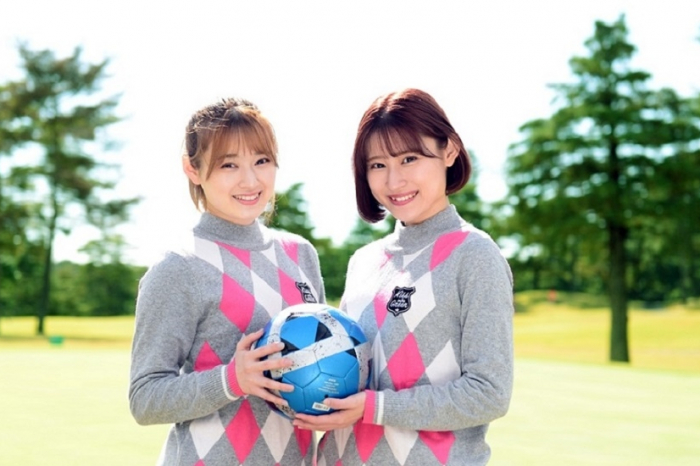
Opened in 1964, Kanuma Country Club (鹿沼カントリー俱楽部) is a golf club featuring a total of 45 holes, the highest number in Tochigi, on vast land surrounded by lush green trees. The highly strategic course layout features very thrilling and challenging greens. Kanuma Country Club (鹿沼カントリー倶楽部) is also recognized for its maintenance quality and is particularly proud of its greens maintenance.   Between rounds, enjoy exquisite yakiniku at the clubhouse yakiniku restaurant Kashoen (鹿翔苑). Or, at the main restaurant, you can try Kanuma Kalbi Ramen, which has been the restaurant’s best-selling dish for over 50 years.   During the summer, Rokumaru Terrace (ろくまるテラス) offers shaved ice made with Nikko natural spring water, which is popular in the local area.   With these features, you are sure to have a fulfilling day.

Nikko kaido Oshu kaido TOCHIGI
Yokohama Night Flowers

Yokohama Night Flowers

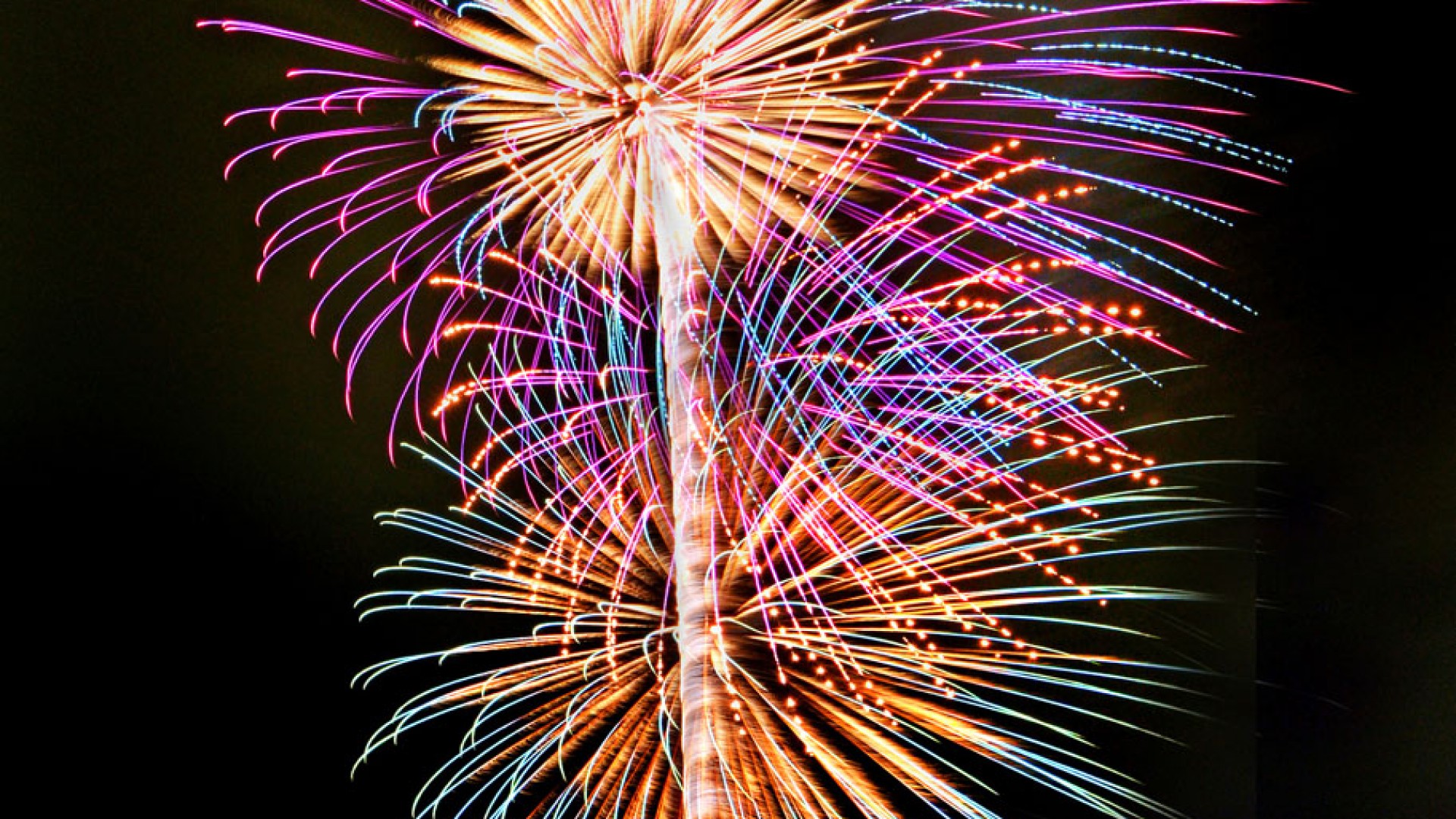
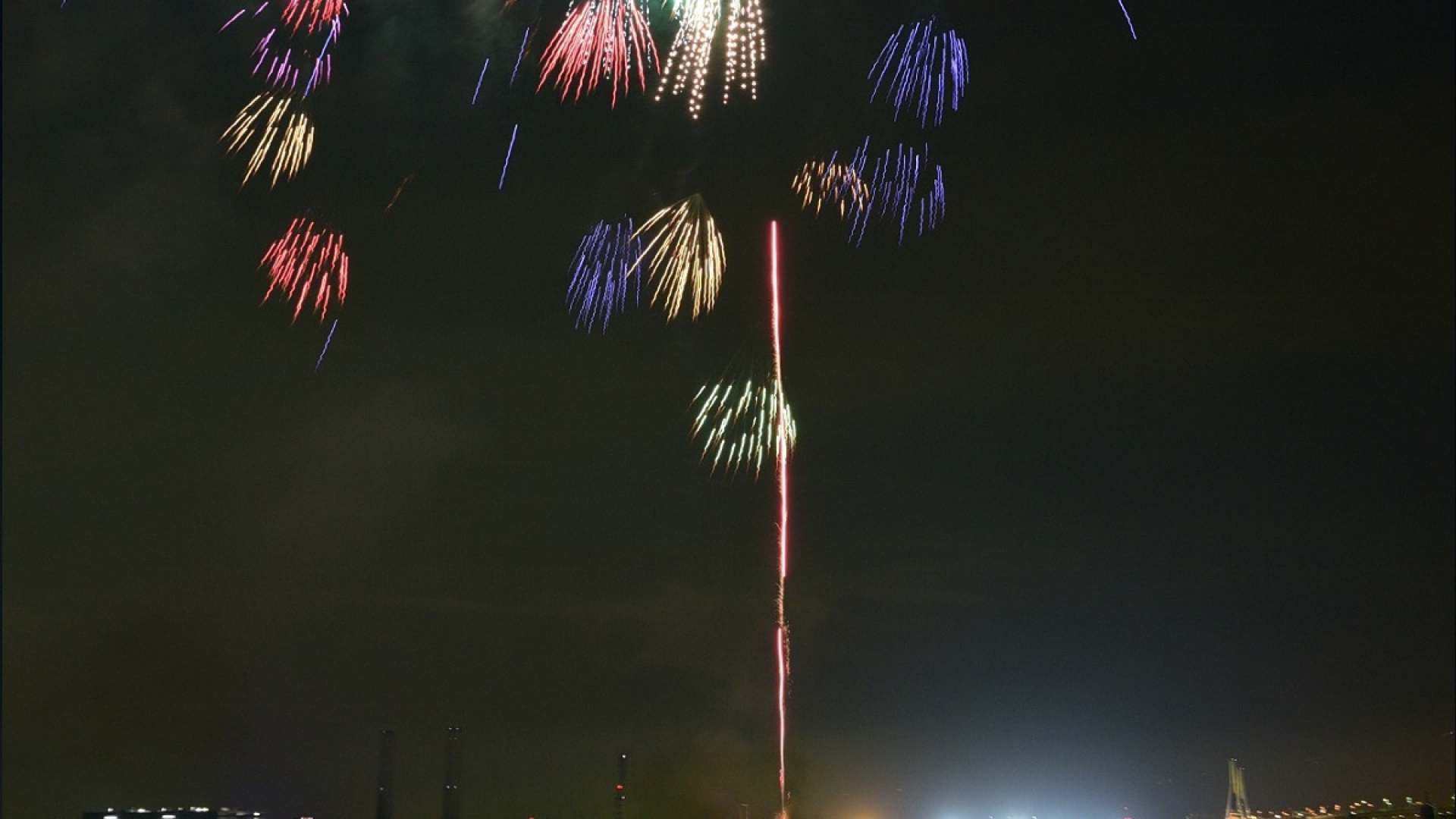
Yokohama Night Flowers is an event that transforms Yokohama’s night sky into an exciting celebration of color. This multi-month event features five-minute fireworks shows one to three times a month at Yokohama Port. The kaleidoscope of colors sparkle on the bay and shine above the cityscape, making for a mesmerizing night out—perfect for couples, friends, and families! As the name suggests, the fireworks bloom before you, like flowers in the sky.The time and launch point of the fireworks (Osanbashi or Shinko Pier) vary depending on the day. So be sure to check the official site for the most up-to-date information.Event dates as of February 25, 2026:

Culture & Arts Tokaido Koshu kaido KANAGAWA
YOKOHAMA MINATO MIRAI HALL

YOKOHAMA MINATO MIRAI HALL

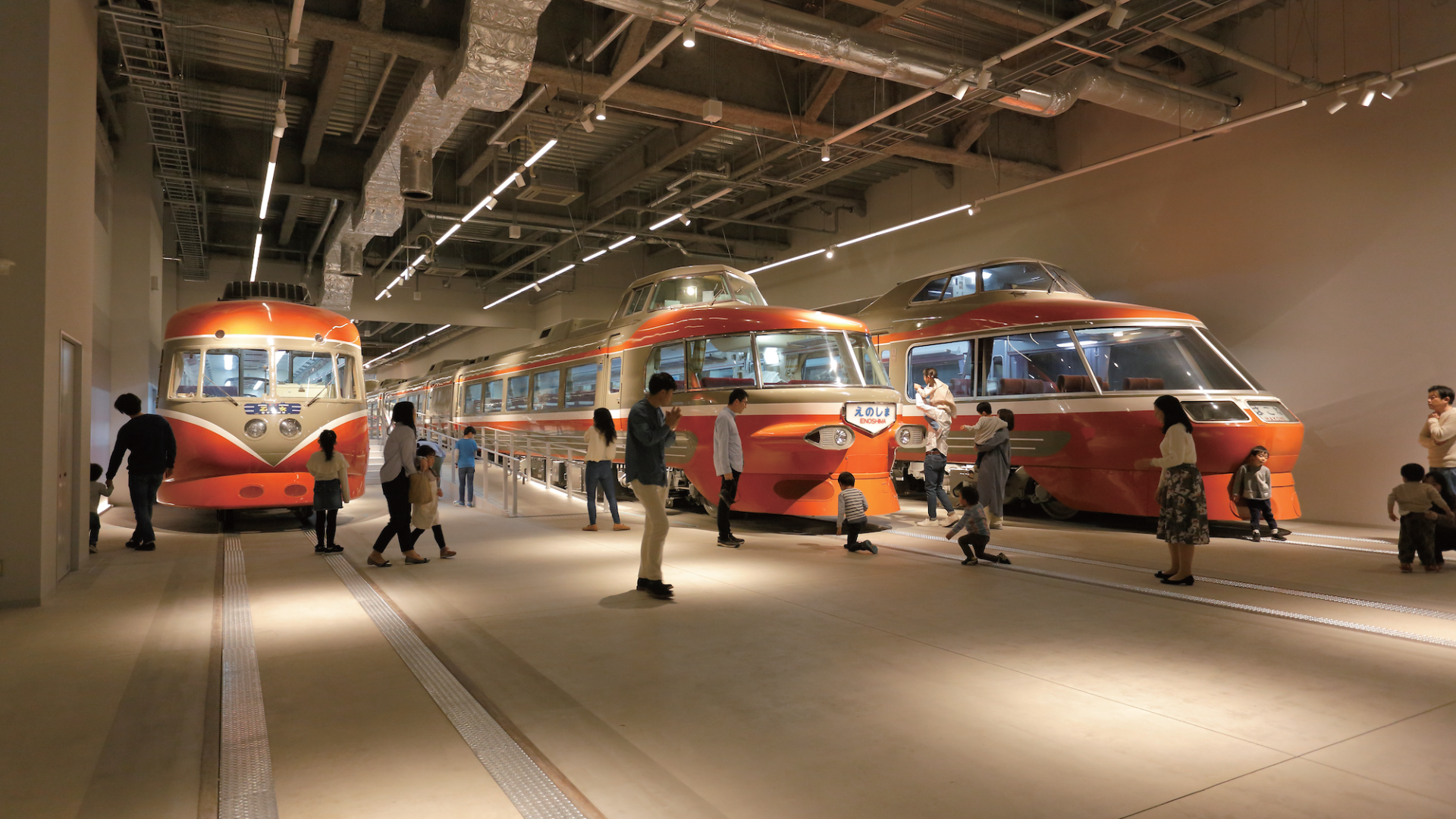
This concert hall is located in the Minatomirai area of the Nishi ward of Yokohama City. Since its opening in 1998, the concert hall has been well known as a "concert hall with a view of the sea" not only to the citizens of Yokohama but also to artists from Japan and abroad. It has a large hall (2020 seats) with a large pipe organ, a small hall (440 seats) suitable for chamber music concerts, and a reception room for parties and small-scale presentations.

Culture & Arts Tokaido Koshu kaido KANAGAWA
Kamakura Museum of History and Culture

Kamakura Museum of History and Culture

The museum opened in May 2017 as a place where children and adults alike can learn about, experience, and interact with Kamakura's historical and cultural heritage. The history of Kamakura, from primitive and ancient to modern times, is displayed, centering on artifacts excavated in Kamakura. The museum utilizes buildings designed by Foster + Partners, represented by the world-famous architect Norman Foster. Even first-time visitors can enjoy learning about Kamakura through diorama projection mapping and the latest video exhibitions, such as VR. From the special building materials to the medieval landscape garden and the sea view, there is plenty for you to enjoy.

Culture & Arts Tokaido Koshu kaido KANAGAWA
Kanagawa Prefectural Kanazawa-Bunko Museum

Kanagawa Prefectural Kanazawa-Bunko Museum

The Kanazawa Bunko was a samurai library built by Hojo Sanetoki, a member of the Hojo clan (Kanazawa Hojo) in the middle of the Kamakura period (1185-1333). The collection covers a wide range of subjects, including politics, literature, and history, and the policy of collecting books was continued by three successive generations of the Hojo family: Akitoki, Sadaaki, and Sadamasa, further enriching the collection. The Kanazawa-Hojo clan shared the same fate with the fall of the Kamakura shogunate, and the collection was administered by the adjacent family temple, Shomyoji Temple, which has continued to manage it into the modern era. The present Kanazawa Bunko was restored as a Kanagawa Prefecture facility in 1930, and since 1990, it has been a museum of history. The Prefectural Kanazawa Bunko is dedicated to preserving for future generations the valuable cultural assets that have handed down the legacy of the Kamakura period, exhibiting the results of its research and studies, and providing public access through lectures and other programs.

Culture & Arts Koshu kaido Tokaido KANAGAWA
Mikasa Historic Memorial Warship

Mikasa Historic Memorial Warship

Memorial Ship MIKASA is a battle ship that was built in England 1902 (Meiji 35). In 1905 (Meiji 38), MIKASA was led by Admiral Heihachiro Togo, Commander-in-Chief of the Combined Fleet, and battled as a Falg ship of the Combined Fleet in the Battle of Tsushima. Japan won an overwhelming victory in the battle against Baltic Fleet of Russia. Japanese are proud of MIKASA's unsurpassed accomplishment, and the ship is the symbol of our pride.Listed as one of the worlds three great memorial ships, Mikasa was used defensively to defeat the Russian Baltic fleet during the Japanese-Russo War. Below deck is a great museum filled with excellent presentations about the ship's history.

Culture & Arts Tokaido Koshu kaido KANAGAWA