
Greater Tokyo

See & Do

reset
Okashi-no-Shiro Nasu Heartland

Okashi-no-Shiro Nasu Heartland

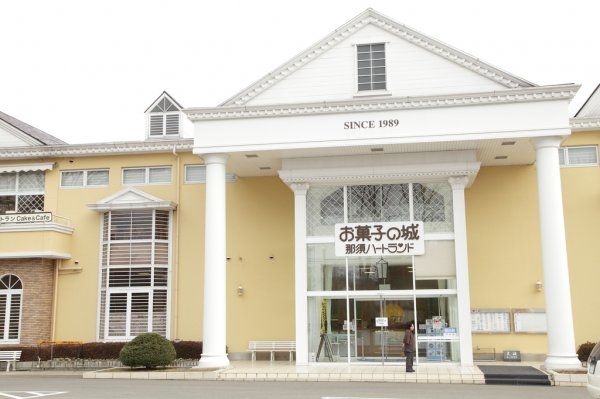
Okashi-no-Shiro Nasu Heartland (Sweets Castle Nasu Heartland) is a confectionery studio that produces baked goods and cakes using the finest ingredients. There is a tour space where visitors can see the confectionery production process up close. There are also other hands-on facilities such as crafts, strawberry picking, and hot spring bathing facilities.   <Nasu Kogen Ichigo no Mori Strawberry Picking Farm> From December to May every year, you can enjoy all-you-can-eat strawberry picking for 30 minutes. The varieties are "Tochiotome" and "Tochiaika". (Selection required) Enjoy the sweet and juicy strawberries that are in season in winter to your heart's content.   <Nasu Hana to Taiken no Mori (Nasu Flower and Experience Forest)> In addition to being able to experience crafts such as making wreaths and herbariums, there are many other experiences available, such as a sweets-making experience that can be enjoyed by children and adults alike, and a walking trail where you can enjoy forest bathing.   <Gensen Nasu Zan Reiwa no Yu (Source Hot Spring)> This is a day-trip bathing facility built in the style of a Japanese house. The spring water is a chloride hot spring, which is gentle on the skin and warms both the body and soul from the core.
Nikko kaido Oshu kaido TOCHIGI
Nogi-machi Brick Kiln

Nogi-machi Brick Kiln

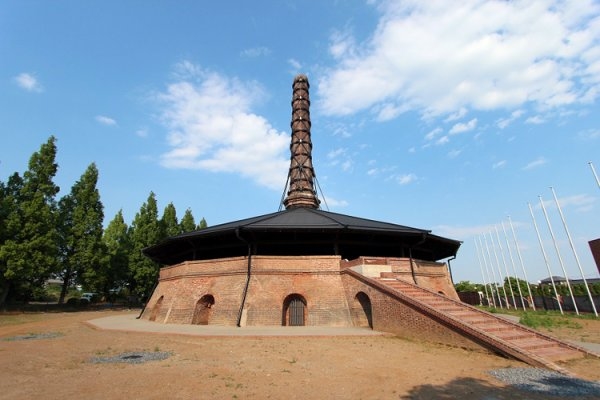
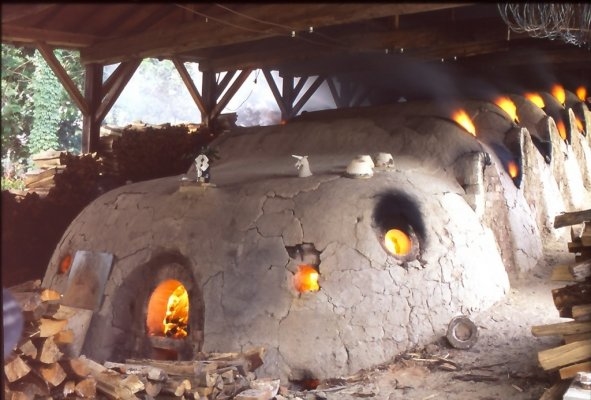
Made in 1890, the Nogi-machi Brick Kiln is a Hoffmann kiln that belonged to the former Shimotsuke brick manufacturer and was a major contributor to Nogi’s industrialisation. This is the only perfectly original Hoffmann kiln in Japan and is designated as an Important Cultural Property. It is in the shape of a hexadecagon (a 16-sided polygon) and is 34 metres in height and 100 metres in circumference. The kiln baked up to 408,000 bricks per year during the 80 years between 1890 and 1971. The conservation and repair work on the kiln was completed in September 2015 and the kiln was open to the public on 10 May 2016. The Nogi Koryu Centre (known as the “Nogi Hoffmann Kan”) was built and opened to the public at the same time. The centre offers activities and workshops as well as original goods and light meals. Come and experience the culture of the Meiji period!

Nikko kaido Oshu kaido TOCHIGI
Mibu Highway Park at Michi-no-Eki Mibu

Mibu Highway Park at Michi-no-Eki Mibu

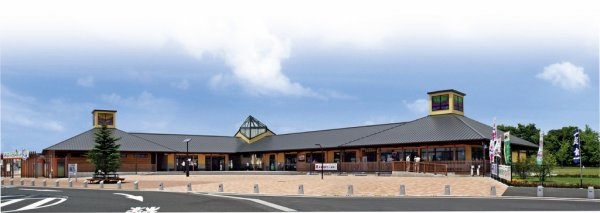
The Mibu Highway Park at Michi-no-Eki Mibu is a roadside station connected to the Mibu PA (motorway rest area) and conveniently located between both the motorway and the local highway (route 71). Located in the centre of the local municipality, the “Mirai-kan” information centre at the Mibu Highway Park is a hub for tourism offering information, local products and fresh local vegetables. Along with the Mibu Highway Park, Michi-no-Eki Mibu has Tochigi Wanpaku Park and Mibu-machi Toy Museum within its vast 52.5-hectare grounds. A great place for a break or a whole family day out.

Nikko kaido Oshu kaido TOCHIGI
Mount Kamakura

Mount Kamakura

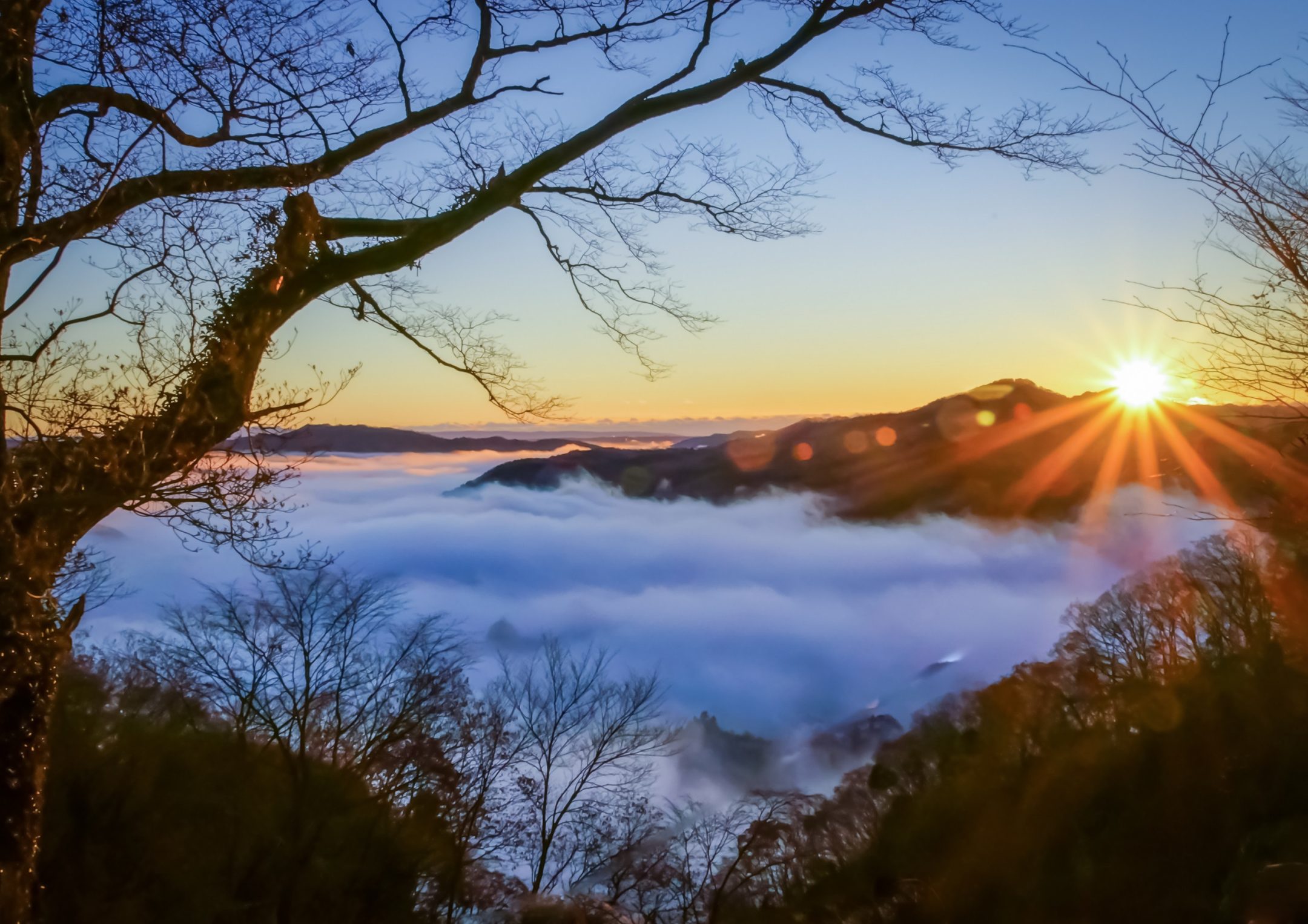
Mount Kamakura towers 100 metres above the Nakagawa River and is 216 metres above sea level. The summit affords the most fantastic views in all of the Nakagawa Prefectural Natural Park.   The best viewing season is from late-October to mid-December when the area is blanketed with a layer of misty clouds, a phenomenon arising from the mixture of the cool mountain air and the warm waters of the Nakagawa River. During early and mid-November, when misty clouds glow in the morning sun, views of the autumn mountain foliage are mesmerising.   Come and see this renowned late-autumn scenery!

Nikko kaido Oshu kaido TOCHIGI
Shimazaki Sake Brewery

Shimazaki Sake Brewery

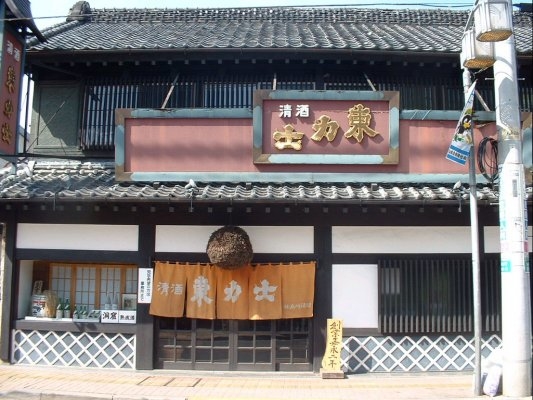
Established in 1849, Shimazaki Sake Brewery is open for tours of the brewery and the history of the brewing process (prior bookings required). Along with a selection of local Sake, you can purchase other liqueurs made from Yuzu, strawberries or Ume plums and Sake ice cream made with Ginjo-shu. The “Sakagura Festival” held at the brewery in March offers sake-tasting, quizzes, prize draws and sales of limited edition Sake bottles.

Oshu kaido Nikko kaido TOCHIGI
Mooka Railway SL Kyuroku (96) Kan

Mooka Railway SL Kyuroku (96) Kan

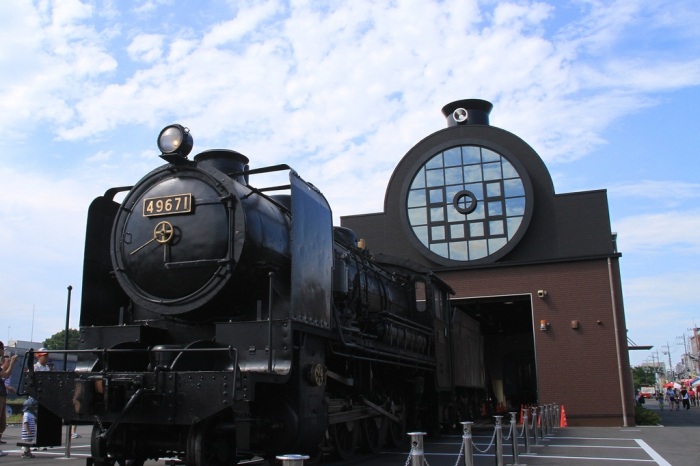
Known as the city of steam locomotives, the railway museum “Mooka Raiway SL Kyuroku (96) Kan” is located here in Mooka. The collection includes Japan’s only self-driving 9600 steam locomotive with a compressed air engine, along with a D51 steam locomotive and the old-style passenger train “Suhafu 4425”. The self-driving 9600 steam locomotive runs three times a day (at 10am, 12pm and 2:30pm) on Saturdays, Sundays and public holidays and visitors can ride in the guard’s van (300 yen per person).

Nikko kaido Oshu kaido TOCHIGI
Ichigo-no-Sato Farm

Ichigo-no-Sato Farm

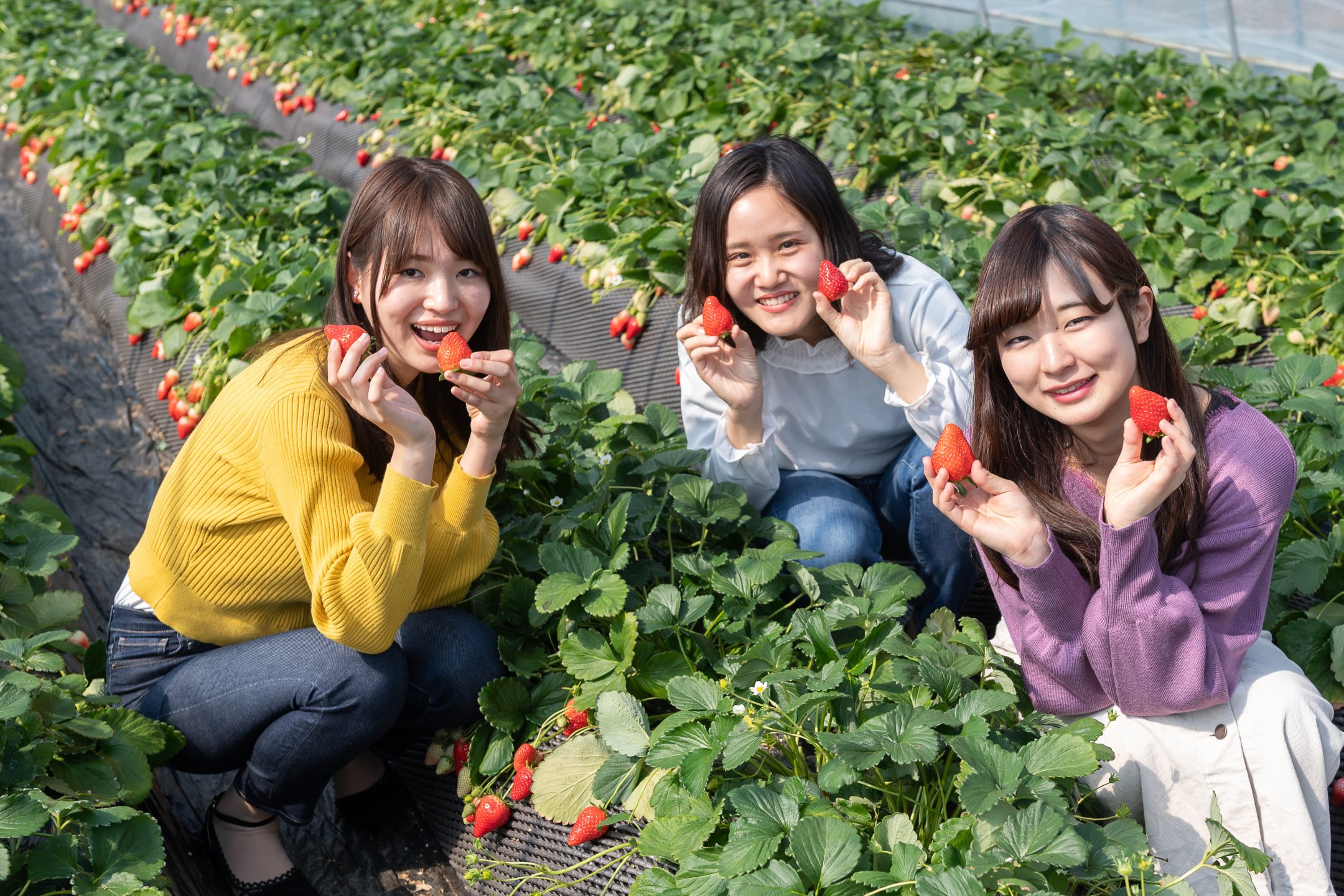
At Ichigo-no-Sato Farm, you can enjoy picking ripe strawberries such as Tochi-Aika and Skyberry from December to May. Besides strawberries, the farm offers a variety of other fruits such as cherries, grapes and blueberries depending on the season. There are cafes, an Italian buffet restaurant and shops providing a wide range of products made with freshly picked fruits. Seasonal events are held at the studio such as cake baking classes and jam making workshops. Ichigo-no-Sato Farm also grows a rare variety of strawberries called "Tochihime," which has soft flesh and is difficult to transport, so can only be eaten at tourist strawberry farms. There are strawberry-picking plans available that allow you to eat Tochihime, so be sure to try the difference in taste.

Nikko kaido Oshu kaido TOCHIGI
Shaved ice made with Nikko’s natural spring water

Shaved ice made with Nikko’s natural spring water

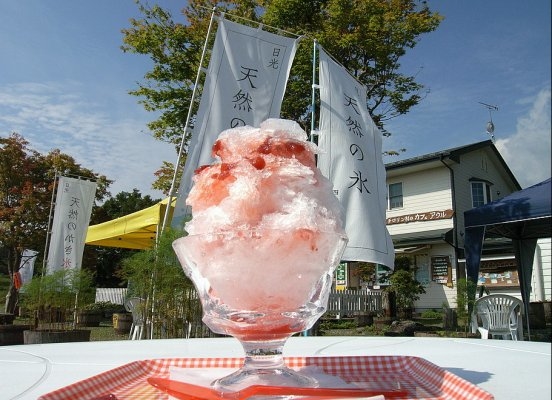
Nikko is home to 3 of the 5 ice houses or "Himuro" that currently exist in all of Japan. ("Hi" means "ice","muro" means "room".) The other ice houses are found in Chichibu and Karuizawa. Nikko’s natural water is frozen for 2 weeks and preserved in an ice room year round. The shaved ice is soft and won’t give you a headache even if you eat it quickly! Each shop in Nikko has its own shaved ice specialty. Try ujikintoki with maccha (powdered green tea),syrup and bean jam on top. Maybe strawberry or melon syrup is more your style? Why not try them all!

Nikko kaido Oshu kaido TOCHIGI
Furumine Shrine

Furumine Shrine

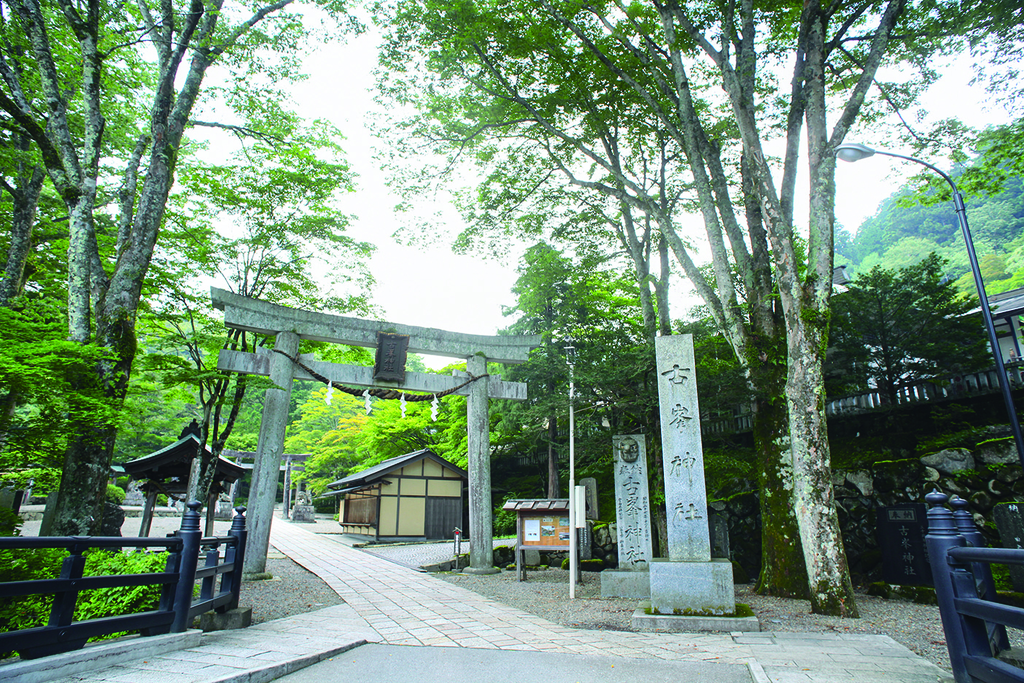
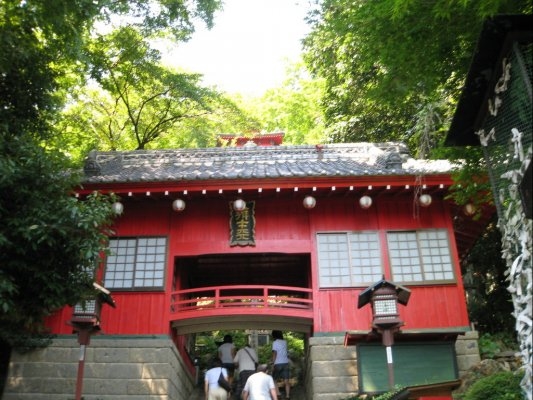
Furumine Shrine was built to worship the legendary hero Yamato Takeru 1,300 years ago. The shrine is where the monk Shodo Shonin, founder of the temples in Nikko, was trained. The shrine is also known for the enshrined Tengu, a messenger from the gods who protects people from bad luck. People come here to pray for good luck, fire protection, safe voyage, rich harvests, traffic safety, business success and family health as the god is believed to make all these wishes come true.

Nikko kaido Oshu kaido TOCHIGI
Yatai-no-Machi Central Park

Yatai-no-Machi Central Park

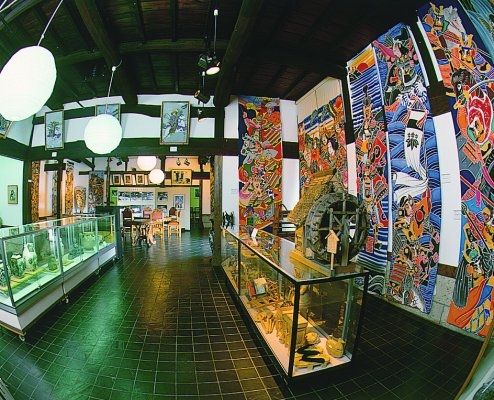
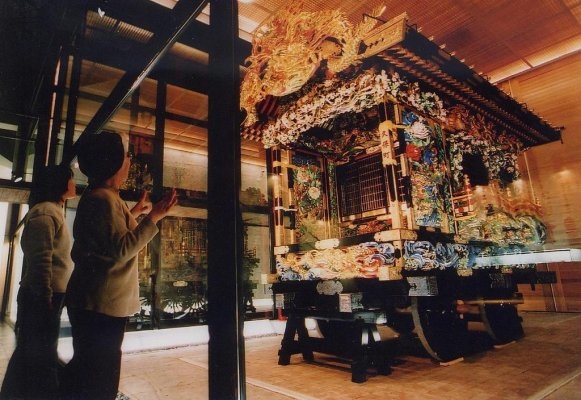
Yatai-no-Machi Central Park is home to the Yatai Museum, Tourism and Local Products Centre and “Kikusuien”, one of three famous gardens in Kanuma. The Yatai Museum’s exhibits include three hand-carved wooden floats – official local cultural properties – and videos on the Kanuma Autumn Festival which is designated an Important Folk Cultural Property. Take a close look at elaborate carvings on the floats and learn about the history of this famous festival. Built in the early 1900s, “Kikusuien” was known as one of three outstanding gardens in Kanuma at that time. Many cultural elites such as Sumio Kawakami (a printmaker) visited and loved this Japanese garden. Nowadays many people come to the restored garden for its fantastic autumn leaves in late November. The Tourism and Local Products Centre is a hub for tourism offering a selection of brochures about destinations in Kanuma in addition to a wide range of local products. At the Konjac café, visitors can enjoy a variety of dishes hand made from the local all-natural Konjac potatoes.

Nikko kaido Oshu kaido TOCHIGI
Isoyama Benzaiten Shrine, Izuruhara Benten Pond (Isoyama Park)

Isoyama Benzaiten Shrine, Izuruhara Benten Pond (Isoyama Park)

Izuruhara Benten Pond, the source of the Izuru River, is designated a Prefectural Natural Treasure and was selected as one of the nation’s clearest water sources by the Ministry of Environment. Take a look down into the transparent water and you will find Koi fish with sparkling scales swimming gracefully over swaying water plants. Samples of the pristine water are available to take home from the neighbouring Ichinokan hotel. Be sure to take a close look at the main building of Isoyama Benzaiten Shrine. Reconstructed in the Kamakura period (1185-1333), this cultural property is constructed without nails and displays the beauty of traditional Japanese architectural methods. Isoyama Benzaiten (nicknamed Fuzai) is a goddess of music, arts and knowledge and is one of seven lucky Sano gods built here in 948. The Benzaiten Shrine was moved here at the request of “Suisha-ko”, a group of devout local worshippers.

Oshu kaido Nikko kaido TOCHIGI