Greater Tokyo

See & Do

reset
Okukinu Onsen

Okukinu Onsen

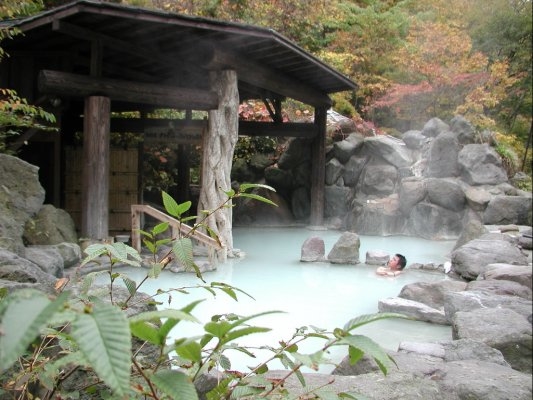
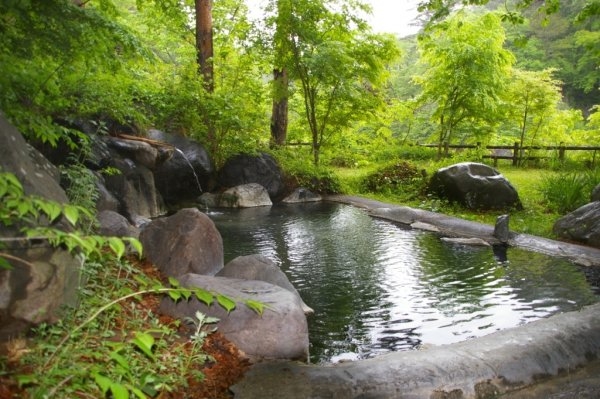
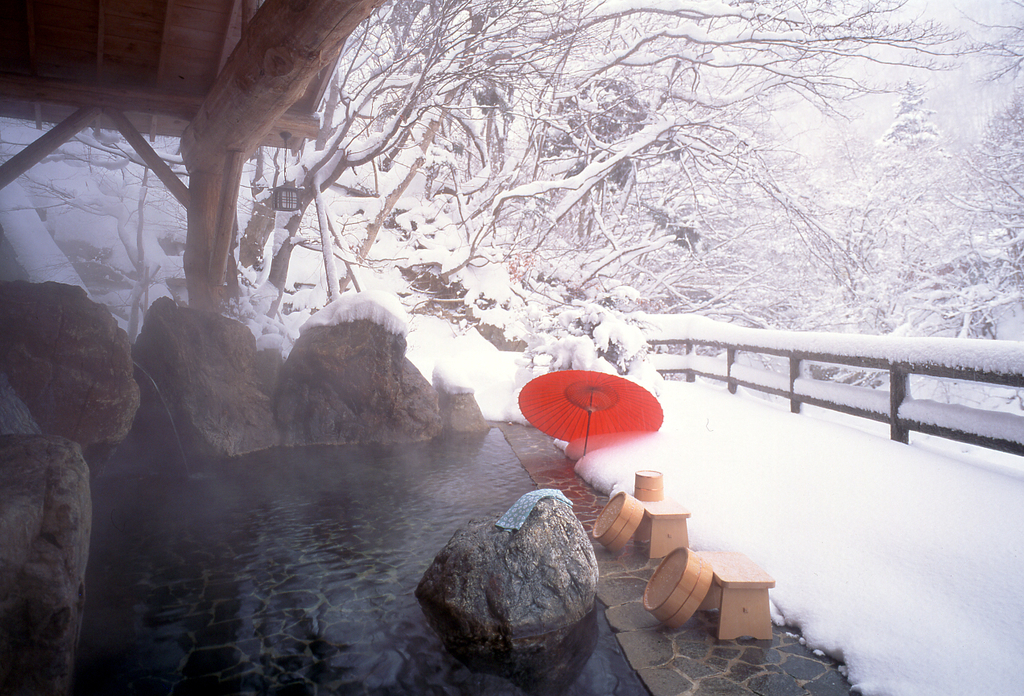
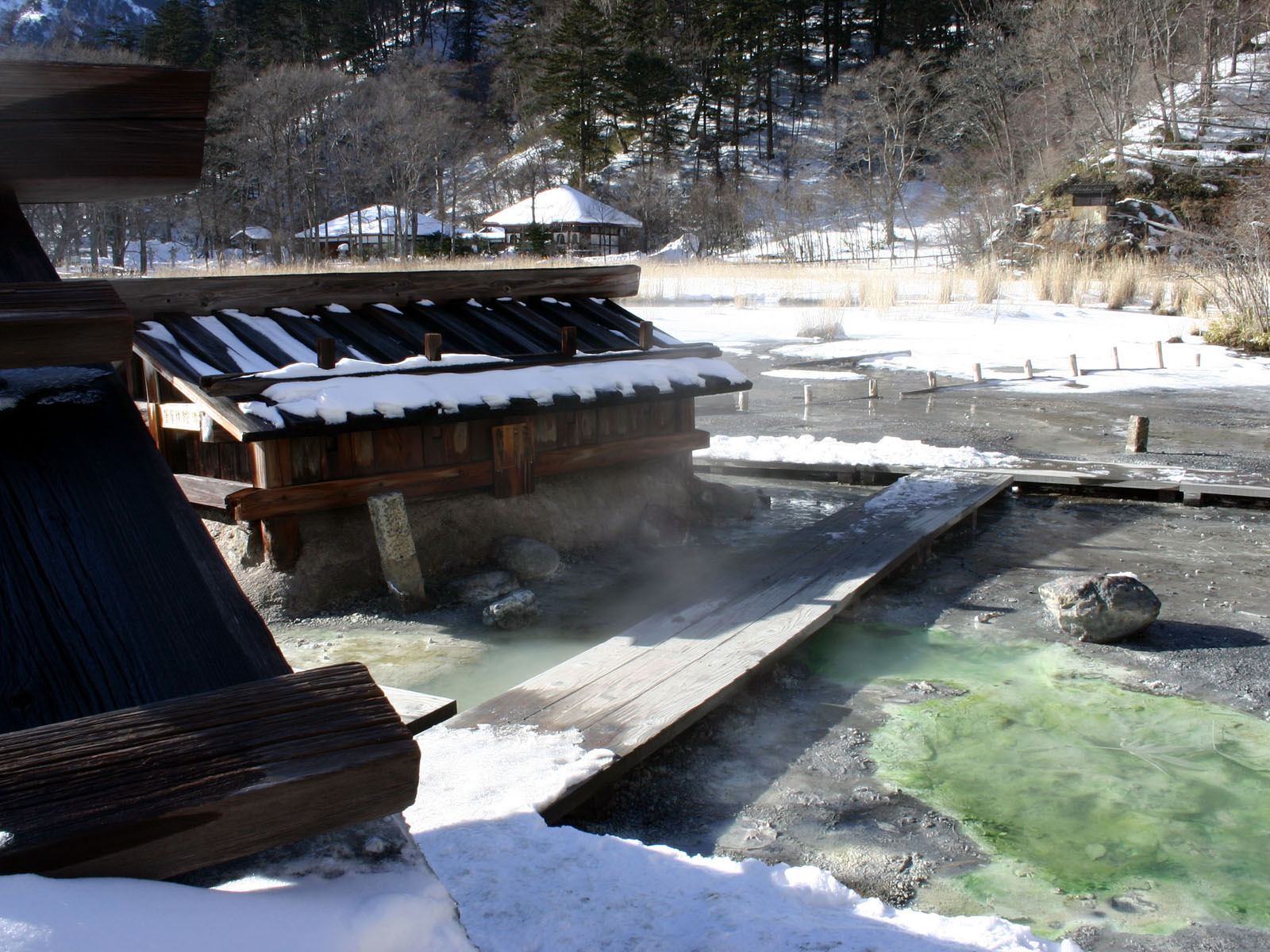
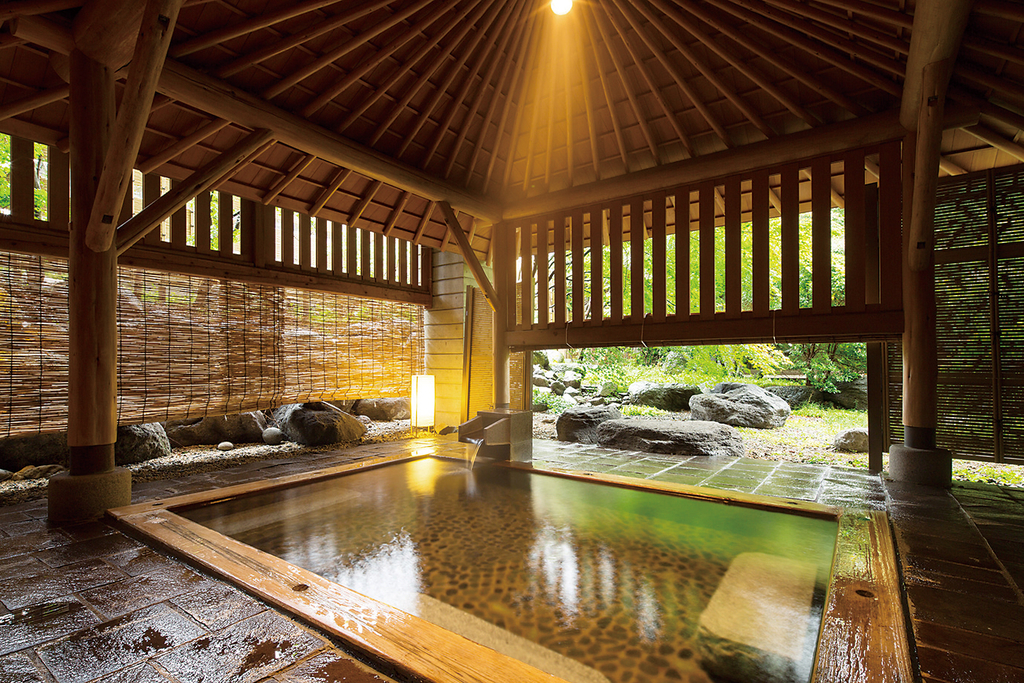
Hidden away in primeval forest, this Onsen is known as the last secret hot spring in the Kanto region. Four hot-spring facilities (Kaniyu, Teshirosawa, Nikkosawa and Haccho-No-Yu,) can be found here. Car traffic is restricted to the Onsen-kyo amidst the ancient beech woodland. Visitors can take pickup services arranged by inns or walk about 90 minutes to get there. At the moment two inns offer pickup services, and three inns (not Teshirosawa Onsen) are open to day visitors. Take your time to relax and unwind in these hidden hot spring villages.

Nikko kaido Oshu kaido TOCHIGI
Kawamata Onsen

Kawamata Onsen

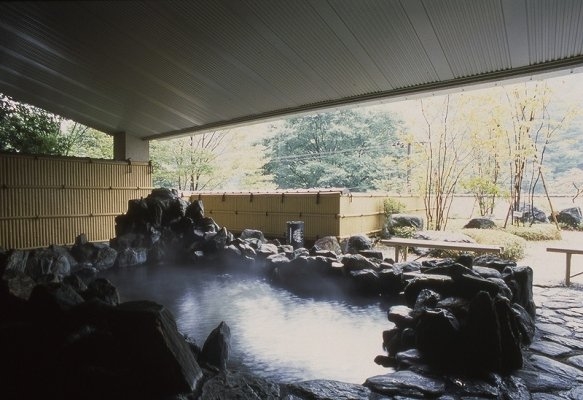
This Onsen rests alongside a verdant gorge carved out of rocks, where the roar of the Kinugawa River cuts through the stillness. Enjoy a splendid view of the gorge, beautiful mountains and great nature! Most of the inns located around the lake and along the valley have open-air baths (roten buro) and there are many scenic sites around the area. The Onsen welcomes many tourists during the seasons of fresh green foliage in mid-May, autumn colours in mid-October and “New Soba Festival” in November.

Oshu kaido Nikko kaido TOCHIGI
Yunishikawa Onsen

Yunishikawa Onsen

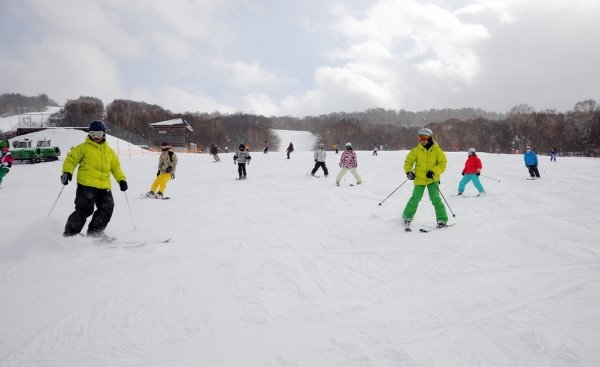
Legend has it that Samurai refugees found these spring waters and settled down in the village to heal their wounds. Today a row of inns and local houses are located along the valley. In addition to the abundant hot spring water, you can also enjoy seasonal local cuisine served around a fireplace (irori), including simply grilled wild ingredients such as freshwater fish, Sansai (wild vegetables), venison, bear and other delicacies. Miso paste grilled on a spatula is also a local specialty. If you visit here in the winter, do not miss the fantastic “Yunishikawa-onsen KAMAKURA Snow House Festival” from late January to early March. About 800 small snow houses are illuminated from inside candles.

Nikko kaido Oshu kaido TOCHIGI
Yumoto Onsen

Yumoto Onsen

A peaceful Onsen town on the northern shore of Lake Yunoko, situated in the heart of Nikko National Park. It is said that the Buddhist monk Shodo Shonin, who first built a temple in Nikko about 1200 years ago to introduce Buddhism to the area discovered the Onsen. The milky-white sulphur-infused water is said to help with neuralgia and rheumatism. You can try it out in the foot bath known as “Anyo-no-yu” available free of charge in the town.(Closed for winter)   Taking in the tranquil landscape of the lake and mountains beyond clouds of steam, the Onsen provides a relaxing soak in the midst of some great nature.

Nikko kaido Oshu kaido TOCHIGI
Chuzenji Onsen

Chuzenji Onsen

This Onsen town on the northern shore of Lake Chuzenji, situated 1,250 metres above sea level.The town is popular as a summer resort and as a place of scenic beauty for autumn leaves. Chuzenji Onsen is drawn from Nikko Yumoto Onsen, 12 kilometers away. At Yumoto Onsen the water is 78° C, but it cools down to a more comfortable temperature by the time it reaches Chuzenji Onsen.The town is close to the Kegon falls and offers beautiful seasonal scenery.

Nikko kaido Oshu kaido TOCHIGI
Nikko Onsen

Nikko Onsen

The Onsen area spreads around two Shinto shrines (the Toshogu and the Futarasan-jinja) and a Buddhist temple (the Rinnoji) of Nikko. The source of hot spring was rediscovered in recent years at the place where Kobo Daishi, a famous Buddhist monk and skilled calligrapher of the 8th century, used to call it a “hot spring of a vision”. The clear hot spring water, which is more comfortable for people who do not like sulphur, helps stiff shoulders and nerve pain and promotes beautiful skin. It is perfectly located to visit the World Heritage sites, stroll around the Monzenmachi Street and take a relaxing soak afterward.

Nikko kaido Oshu kaido TOCHIGI
Ichikai-machi Shibazakura Park

Ichikai-machi Shibazakura Park

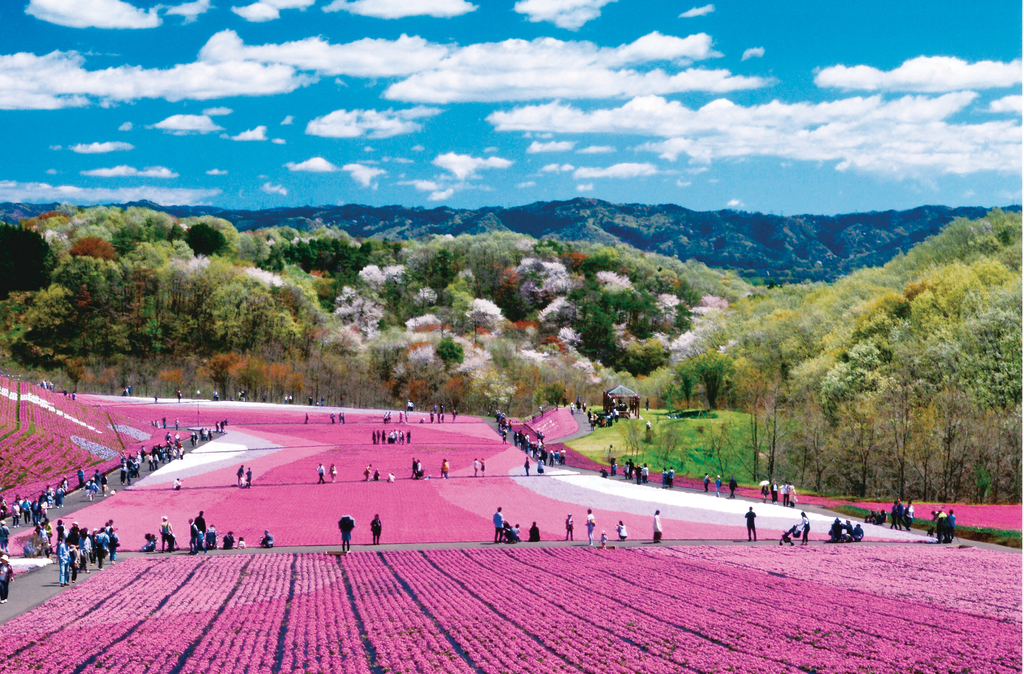
One of the largest in mainland Japan, the park is known for its 280,000 beautiful Shibazakura in bloom from mid-April to May, covering an area of 1.8 hectares. A must-see is the panoramic view of the floral carpet from the observatory, where various shades of red, white, mauve and pink lawn cherry blossoms form beautiful patterns. You can taste handmade soba noodles at the restaurant in the park. Local vegetables and Shibazakura plants are available at the farmer's market.

Nikko kaido Oshu kaido TOCHIGI
Bannaji Temple

Bannaji Temple

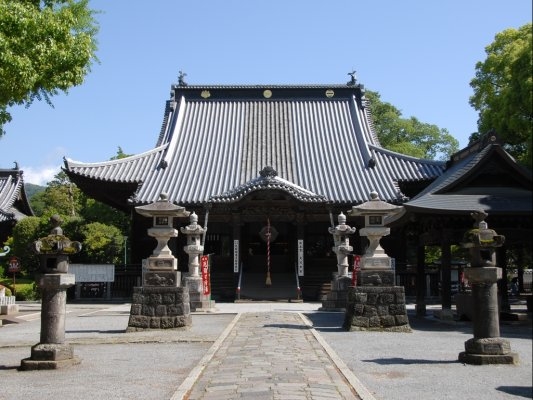
History of Bannaji Temple On the site of the present-day Bannaji Temple, a powerful samurai called Minamoto no Yoshiyasu, who was as famous as Taira no Kiyomori and Minamoto no Yoshitomo (the father of Minamoto no Yoritomo and Minamoto no Yoshitsune) built his castle at the end of Heian period. He is the first generation of Ashikaga family.   In 1196, Ashikaga Yoshikane, the son of Yoshiyasu, built a hall dedicated to Dainichi Nyorai, and the 3rd head of Ashikaga family, Ashikaga Yoshiuji, built a hall tower and other buildings. Since that, the Bannaji Temple bacame the clan temple of Ashikaga family. 150 years later, the 7th head of the family, Ashikaga Takauji, founded the Muromachi Shogunate, which gave the Ashikaga family the reign of Japan. Even in the Edo period, as the temple of the Ashikaga family, the direct descendant of the Minamoto clan, was revered and protected by the Tokugawa Shogun, who claimed to be a member of the Minamoto clan.   Became the National Treasure of Japan In 1923, Bannaji Temple was designated as a National Historic Site as the "Ashikaga Family Residence". The main hall, the bell tower, and the sutra hall were designated as National Important Cultural Properties. It was selected as the one of the 100 most famous castles in Japan. The 40,000-square-meter territory is laid out in a square shape, surrounded by a circular fortress and a moat, and retains the characteristics of the Kamakura period's Buke Yashiki (samurai's house).   Annual Events On February 3, the temple hosts the Ashikaga Setsubun Armor Parade, in which more than 150 participants dressed as samurai and wearing armor parade to Bannaji Temple and then perform the bean-scattering ceremony. In spring, you can enjoy cherry blossoms, and in fall, you can see the leaves of the city's natural monument, the Ginkgo tree (about 600 years old), turn yellow, and the beauty of the tree is breathtaking.      

Nikko kaido Oshu kaido TOCHIGI
The site of Ashikaga School

The site of Ashikaga School

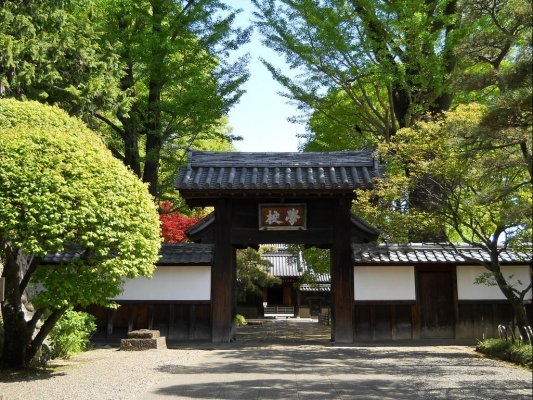
It is said that over 3,000 students studied at the school during the disturbances of the 10-year civil war (Onin War) starting in the 15th century.   When the Catholic missionary Francis Xavier came to the country in 1549, he described it as “Japan’s largest and most famous school” in his correspondence. Ashikaga thus became widely known overseas as well.   Today buildings have been restored,and visitors can view classrooms in their original historic form and join a program reading The Analects of Confucius on Sundays.

Nikko kaido Oshu kaido TOCHIGI
Tochigi Float Festival(Tochigi Autumn Festival)

Tochigi Float Festival(Tochigi Autumn Festival)

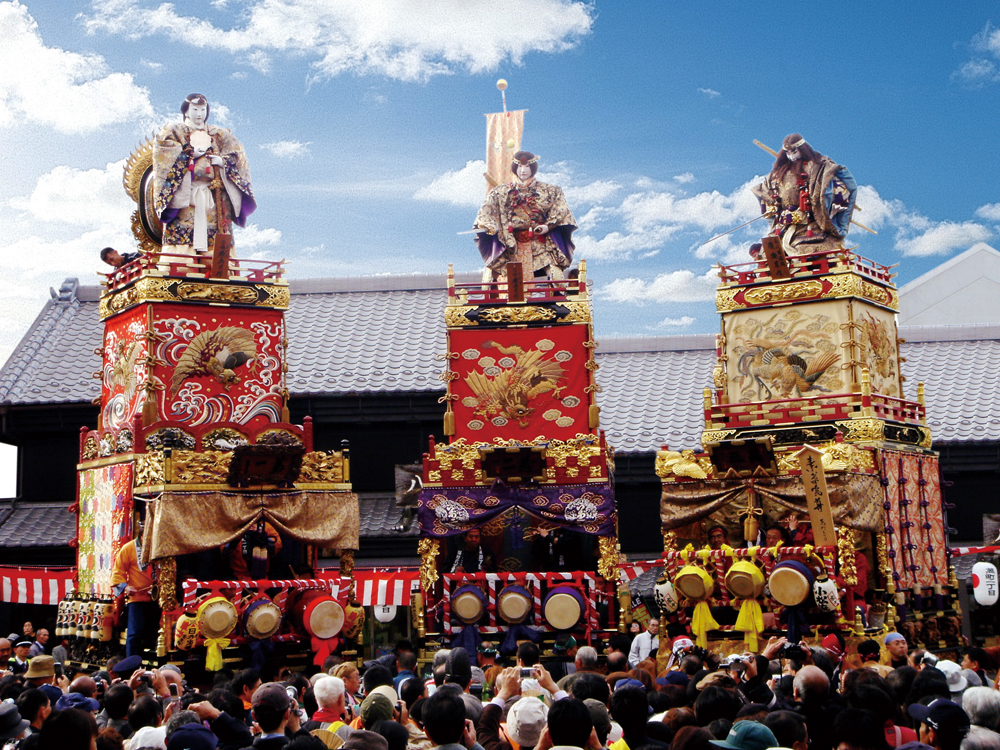
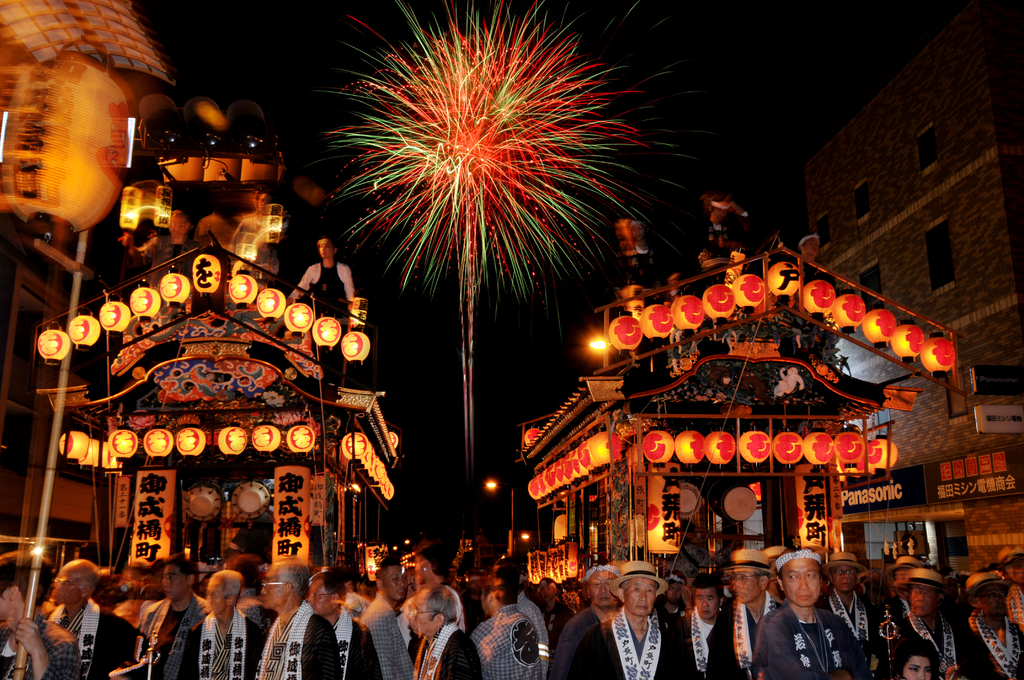
An autumn festival in Tochigi city held biennially. Lavishly decorated in detailed carvings, festive floats carrying figurines of deities and historical heroes are paraded through the streets.   For the many tourists coming from outside the region, special rail services from Tokyo are operated on the day of the festival. You can also visit an exhibition about the festival at the “Dashi Kaikan” (float museum) at any time of the year.

Nikko kaido Oshu kaido TOCHIGI
Yamaage Festival(Yamaage Matsuri)

Yamaage Festival(Yamaage Matsuri)

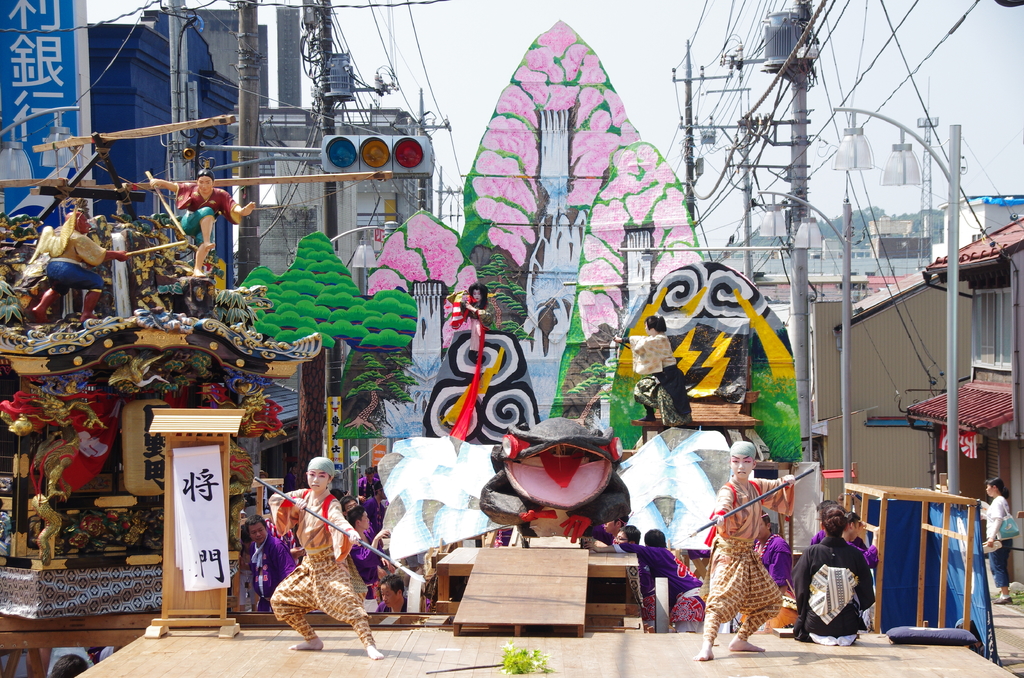
The Yamaage Festival is one of Japan's most unique festivals,a dazzling outdoor kabuki dance performance that has been carried on is the Karasuyama area since olden times.The festival was first held about 460 years ago by the ruler of Karasuyama Castle,Lord Suketane Nasu,to pray for peace over the land and dispel the plague that had been threatening his domain. The yama or "mountain" in the festival's name refers to the backdrops used in the performances.Handmade washi paper,a apecialty of the region,is pasted onto a bamboo frame and painted to look like mountains and waterfalls.Some of these "mountains" even reach 10 meters in height.Not only the dynamic kabuki and dances performed in front of these backdrops,but also the coordination and teamwork of the young male performers that form the heart of the festival are a sight to behold.In addition,it was enrolled in the UNESCO Intangible Cultural Heritage in December,2016.

Nikko kaido Oshu kaido TOCHIGI
Nakagawa-machi Bato Hiroshige Museum of Art (Batoh)

Nakagawa-machi Bato Hiroshige Museum of Art (Batoh)

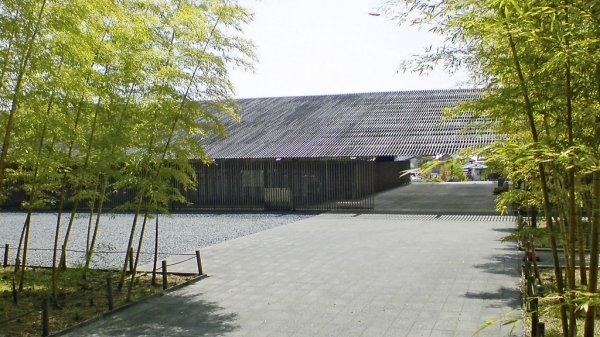
A museum dedicated to the works of Hiroshige Utagawa, an Ukiyo-e artist of the Edo period. You can get a glimpse of Japanese culture of the 19th century through his original drawings and Hanga (woodblock prints). The entire museum is made of local cedar and washi (handcrafted paper) designed by the global architect, Kengo Kuma, with a concept of “the traditional and serene appearance that expresses the artistry and tradition of Hiroshige”. Many visitors also come here to study design.

Nikko kaido Oshu kaido TOCHIGI
Kanuma Autumn Festival

Kanuma Autumn Festival

The Kanuma Autumn Festival, a UNESCO Intangible Cultural Heritage event, will be held in Kanuma, Japan, in grand style, bringing the tradition and elegance of the Edo Period festivals to the present day. The “Yatai Event of Kanuma Imamiya Shrine Festival,” the core of this festival, was designated as a National Important Intangible Folk Cultural Property in February 2003, and was also registered as a UNESCO Intangible Cultural Heritage on December 1, 2016 as one of the “Yama, Hoko, Yatai Event”.   For two days, 26 gorgeous yatai, which are also called “moving Yangmyongmon,” will parade through the streets of Kanuma in a heroic manner.   On the first day of the festival, “Nuriikomi” begins around noon, when 26 yatai pass through the torii gate and enter the precincts of Imamiya Shrine. At around 5:00 p.m., all the yatai will light lanterns and return to their respective neighborhoods with a musical accompaniment.   On the second day, after the “Citizens' Parade” of “marching bands” and “Mikoshi” in the morning, “Yatai Aligned Pulling (Yatai Parade)” will be held around 2:00 p.m., in which 26 yatai will simultaneously drive along the Kominehara Palace Road (commonly called “Festival Road”).   The highlight of the festival is a musical performance called “Buttsuke” in which three to seven yatai perform at a junction. The music of the festival is a spectacular sight to behold, and the sounds of the heroic “Buttsuke” music will echo through the night on both days of the festival.

Nikko kaido Oshu kaido TOCHIGI
Michi-no-Eki(Roadside Rest Stops)  Utsunomiya Romantic Village

Michi-no-Eki(Roadside Rest Stops) Utsunomiya Romantic Village

This Roadside Rest Stops offering a farming and forest experience, dog park, hot spring, pool, and accommodation. Tochigi Prefecture has the largest production of two-rowed barley – an ingredient used to make beer. Romantic village's brewery has a full lineup of beers including staple original beers, the Mugitaro brand, and Gyoza Roman, a beer that pairs well with Gyoza .Be sure to try a freshly brewed one!

Nikko kaido Oshu kaido TOCHIGI