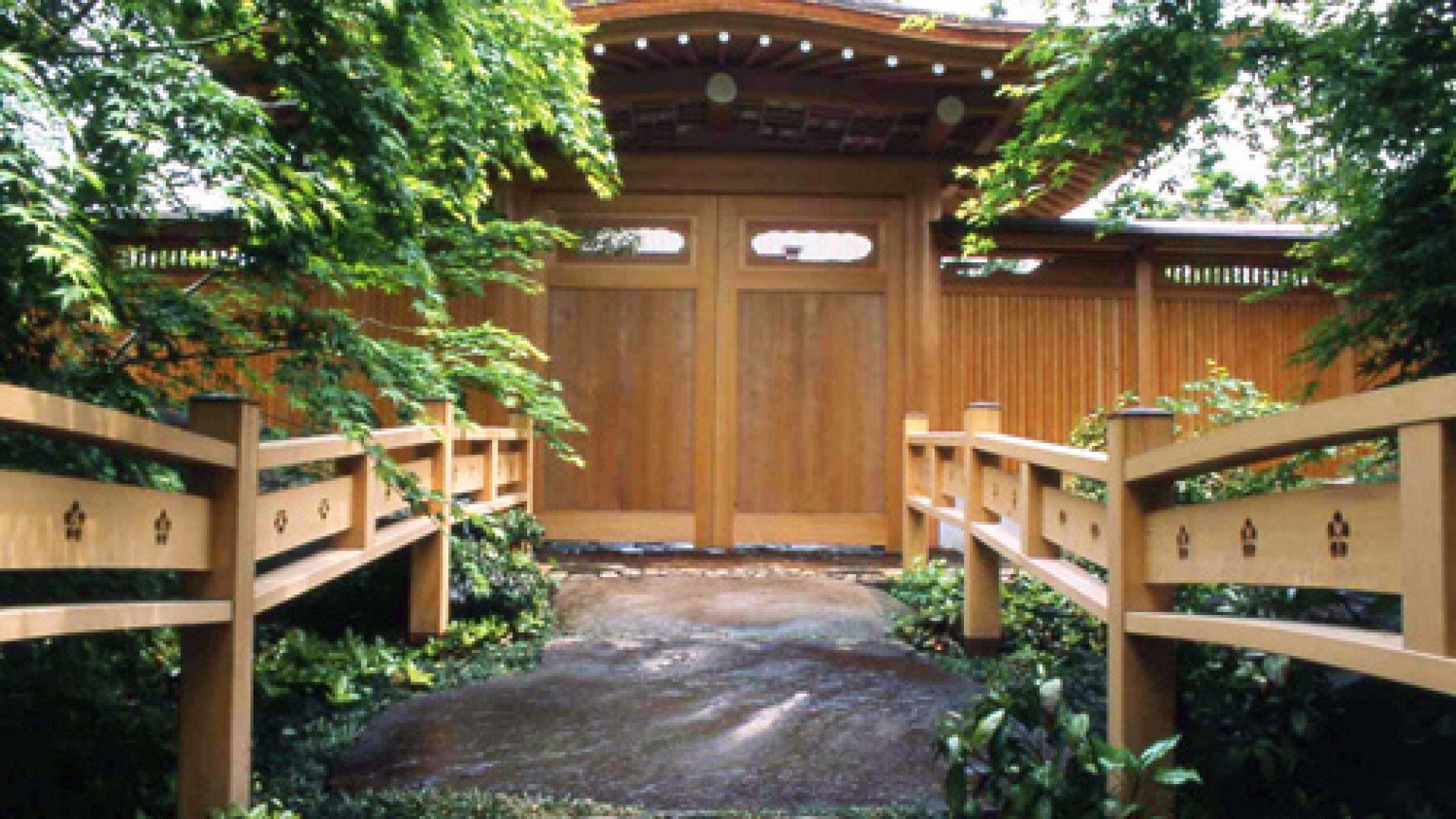

Tachibana Onsen Tachibana-yu
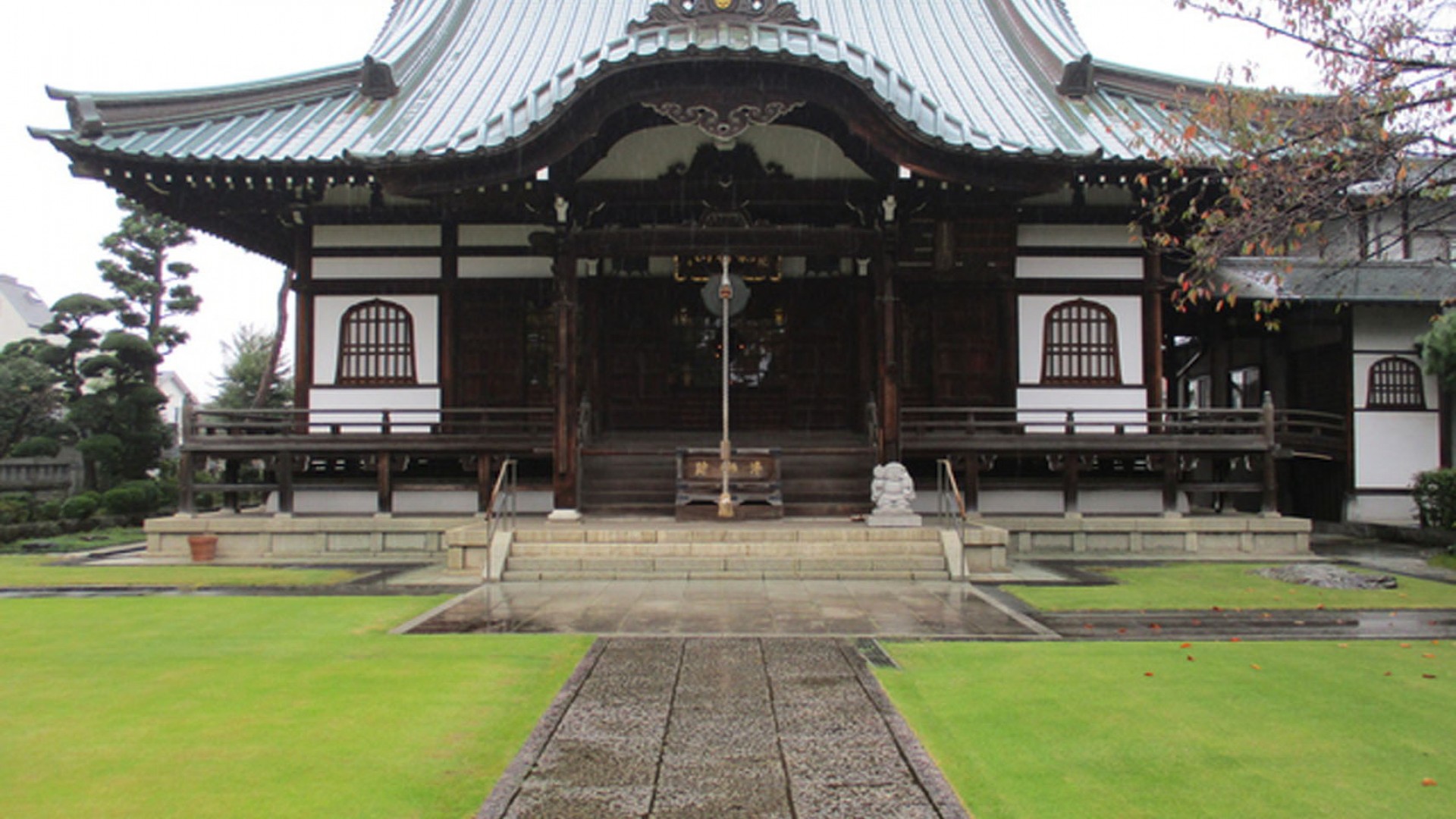
Please enjoy the clean and large community space inside the spa.
Total: 1715 items
Please enjoy the clean and large community space inside the spa.
Check the official website for the latest information.
Located in front of JR Sakuragicho station, it is the best location for business and sightseeing. Access and transportation are also outstanding. There are 24 hours convenience stores and about 15 restaurants and cafes available.
Hop on board the departing boats near the east exit of Yokohama station and enjoy a beautiful night view of the port of Yokohama from the sea. Sights to look out for include Minato Mirai, the Red Brick Warehouse and Osanbashi, The boats operate every weekend.An illumination cruise that takes you around to see the night views of Yokohama’s sights, including Minato Mirai and the Red Brick Warehouse. The boat can accommodate over 80 passengers and operates on rainy days too. A professional voice actor will be your cruise guide, making the experience unique.
The Convention Hall is located on the 4th floor of Minaca Odawara, which opened in December 2020. Conveniently located with just a three-minute walk from Odawara Station, and with easy access from Tokyo, Nagoya, and Osaka, it accommodates a wide range of events, from conferences and meetings for 10 people to seminars and lectures for 300 people, as well as exhibitions and sales meetings, with a flexible layout to suit various group sizes and purposes. A variety of equipment can be rented, and banquet plans with buffets are also available.
An exhibition of Venetian glass masterpieces that fascinated European royal aristocrats during the Renaissance. There are various facilities in the museum, such as a cafe restaurant where you can enjoy Italian cuisine and original sweets made with seasonal ingredients, and a museum shop where you can find glass products directly imported from all over the world.Magical atmosphere for lovers of glass and Venice, but don't expect to see anything Japanese here. Good on both sunny and rainy days.
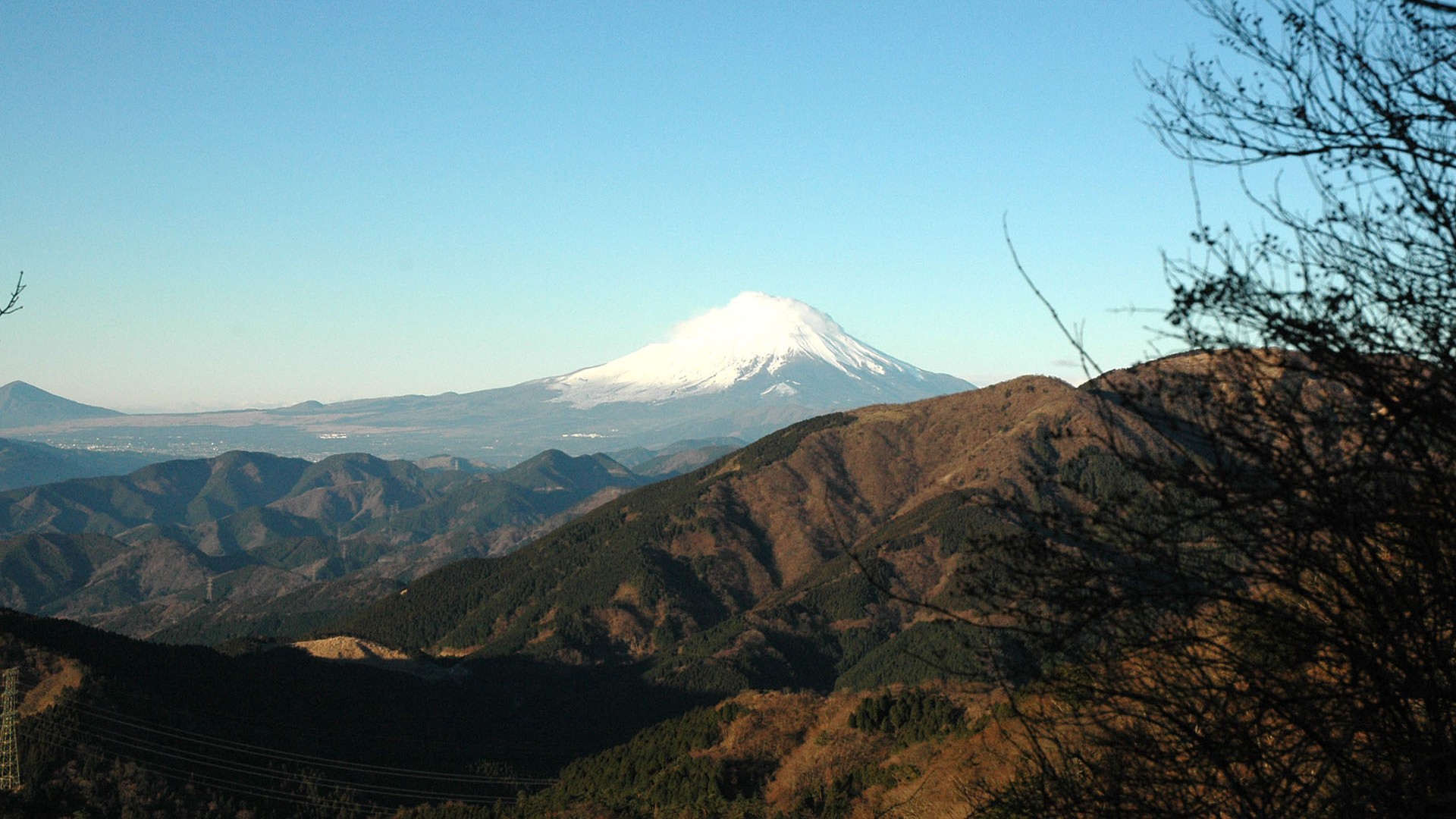
On the way to the summit from the main slope, you are able to view Mount Fuji on a clear day.Early morning trekking allows you to enjoy a special experience with fewer people and clear air.
Mercure Hotel Yokosuka, a member of the Accor hotel group, is located in Bay Square Yokosuka, which includes the Yokosuka Art Theater. The building was designed by Kenzo Tange, one of Japan's leading architects, and stands out in the skyline above Yokosuka. The view from the 19th floor restaurant overlooking the ocean is extraordinary, and tourist attractions such as the Yokosuka Military Port Tour are within walking distance.
TEMPLESTAY ZENSŌ offers you a chance to stay in a traditional Japanese house adjacent to the temple grounds of Horinji Temple in the town of Chiyoda. The temple was founded in the early 14th century and remains a tranquil site of Buddhist devotion. Enjoy the amenities and comforts of a private villa while trying unique Buddhist experiences. Accommodating up to six people, the house comes with modern appliances and conveniences, including wi-fi service. Book activities such as zazen meditation or sutra copying to make the most of your proximity to Horinji Temple. Japanese-speaking visitors can take part in these activities with advance reservation, even if they are not staying at the temple. There are dining plans that can be added to the Onsen & Stay package, including one that provides everything you need a delicious barbecue meal.
The Yayoi Festival is a traditional event in Nikko that marks the arrival of spring. Held annually from April 13 to April 17, this historic festival has been a part of Nikko’s cultural heritage for centuries. The festival is believed to have originated during the Jingokeiun era (767–770) as a grand ritual to celebrate the changing seasons. It was originally held in the third month of the lunar calendar, which is called "Yayoi" in Japan, meaning a time when nature flourishes. After the adoption of the Gregorian calendar in 1873, the festival continued in its current form, maintaining its deep-rooted traditions. Festival Highlights The festival officially begins on April 13 with a procession of beautifully decorated mikoshi (portable shrines) from the Honsha, Takiou, and Hongu Shrines. However, the most spectacular part of the event takes place on the final day, April 17. During the five-day celebration, various rituals are performed to honor the deities, but the most anticipated events are the Grand Festival (April 16) and the Procession of Floats (April 17). On these two days, eleven different neighborhoods from eastern and western Nikko bring out their elaborately adorned azalea floats and lively traditional musical bands, parading through the streets of the city. The highlight occurs when all the floats gather within the shrine grounds. Following an ancient custom, representatives from each town exchange greetings and name cards before the floats, accompanied by traditional hayashi (festival music), circle the shrine. On April 17, the festival reaches its climax when representatives from Ishiya-machi, the town responsible for that year’s festival, lead the crowd with spirited chants as they push the massive floats up the stone steps of the shrine’s sando (approach path) in a dramatic display of strength and unity. A Festival Steeped in Tradition The Yayoi Festival strictly follows ancient traditions, with every step of the ritual conducted as it has been for generations. Locals believe that any deviation from the traditional methods could bring misfortune, adding to the festival’s reputation as a “troublesome” or “chaotic” festival. Because of this, some people even refer to it as the “GOTA Festival”, where "GOTA" symbolizes trouble or disputes. This nickname has also led to the festival being called the “Quarrel Festival”, highlighting the passionate dedication and fiery energy of its participants. Steeped in history and rich cultural significance, the Yayoi Festival is a must-see event for anyone visiting Nikko in spring. It offers a rare opportunity to witness Japan’s traditional rituals, dynamic parades, and the deep community spirit that has kept this festival alive for over a millennium.
This is a joint fireworks display held with the Setagaya Ward Tamagawa Fireworks Festival. You can see two fireworks displays over Tamagawa River at the same time depending on the viewing place. Enjoy one of the best fireworks displays in Kanagawa prefecture.
Ride the park’s Ferris wheel for panoramic views of the mountainous landscape, Lake Sagami, and even Tokyo. The Ferris wheel also has magnificent views of the illuminated displays during the Sagamiko Illumillion.
Pilot Corporation, known today for the pens, created a high-end fountain pen utilizing Maki-e lacquer techniques in 1926 (Taisho 15). Later, the Kokkokai (a group of Maki-e artisans) was founded with living national treasure Maki-e artisan, Gonroku Matsuda, as its center. As a result, the ancient Japanese art of Maki-e has been preserved for over 100 years. Today, the workshop is in a brick building in Hiratsuka, which previously housed the former Second Navy Ammunitions Arsenal. The history of Maki-e-lacquered fountain pens and lacquered pieces are part of the exhibit.
The facility is equipped with a practice studio and live venue studio. A famous band "Ikimono gakari" once had live performances here.
The museum was built on the former site (about 6,300㎡) of the Kaikatei Hotel, a hotel for Westerners of the Meiji period. The total floor space of the 5 story building is about 7,700㎡ and the exhibition area is about 5,000㎡. Ancient and modern art, centered around Japan, China, and Korea, that were collected by Kazuo Okada, honorary director, are on exhibition at the large venue.This 12m-high by 30m-wide mural adorns the museum facade. “Wind/Time” by Fukui Kotaro shows two guardian deities of Hakone soaring through the air in this decorative masterpiece reminiscent of the Rimpa school.Opposite the "Wind/Time" mural, sip while you dip in 100% natural hot spring water at this relaxing footbath cafe.After arriving at the museum, please try the footbath and enjoy a private tour of the back room of Kaikatei, where an overview of the museum and highlights of the special exhibition will be given. After the museum closes, experience a private gallery talk by the curator, followed by free time to view the exhibition on your own.Luxury in Kanagawa
The Oiso Market started in September 2010 with the hope to preserve the currently lively Oiso for the younger generation to enjoy. The Oiso Market has about 190 craft and food shops that congregate in the port (Oiso Port), and is the largest morning market in Kanagawa Prefecture. From July to August it is a night market.Enjoy buying and eating locally caught fish, bread, and sweets. There is also a lively night market in summer.
Displays materials on Yokohama history from the end of the Edo period/Opening up of the port period to the beginning of the Showa period. The building was formerly used as the British consulate until 1972. There is a historical camphor tree in the courtyard. *Includes a cafe.Learn the fascinating history of how a small fishing village became the second largest city in Japan. It starts with the landing of Commodore Perry and his black ships.