

Greater Tokyo

See & Do

reset
Noge Area

Noge Area

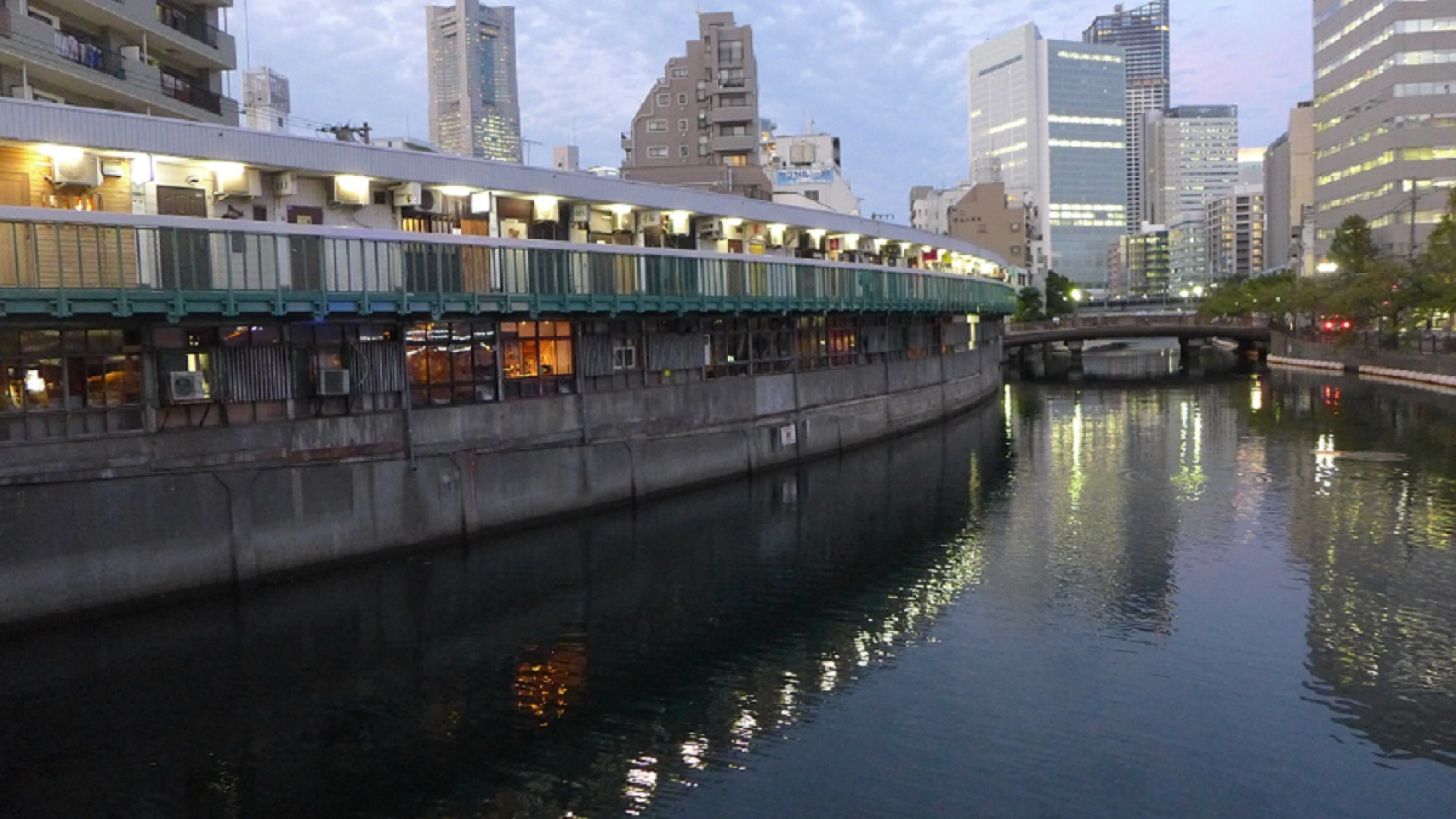
The town had a black market during the postwar period and was crowded with people since it was said they had everything. Now, various bars and restaurants are increasing, like Spanish bars and bistros.This is Yokohama’s most famous and deep-seated drinking district. From working-class taverns to quirky bars, a variety of drinking establishments crowd this small area. These Noge-Tegata (vouchers) can be used at bars and restaurants in the Noge area. A set of two including deals on services costs ¥1,500. Check the official website for purchase locations and service details.

Eat & Drink Tokaido Koshu kaido KANAGAWA
Hakone Tozan Railway

Hakone Tozan Railway

The Hakone Tozan Line connecting Odawara and Gora boasts over 130 years of history, dating back to when the company was known as the Odawara Horse-drawn Railway. As Japan's steepest railway powered solely by wheel traction, it climbs at an 80‰ (per mille) incline by executing three switchbacks, zigzagging while reversing the direction of travel. Enjoy the unique scenery of a mountain railway, including sharp curves with a 30-meter radius, 13 tunnels, and 26 iron bridges, alongside Hakone nature's magnificent and ever-changing seasons.

Experience & Activities Tokaido Koshu kaido KANAGAWA
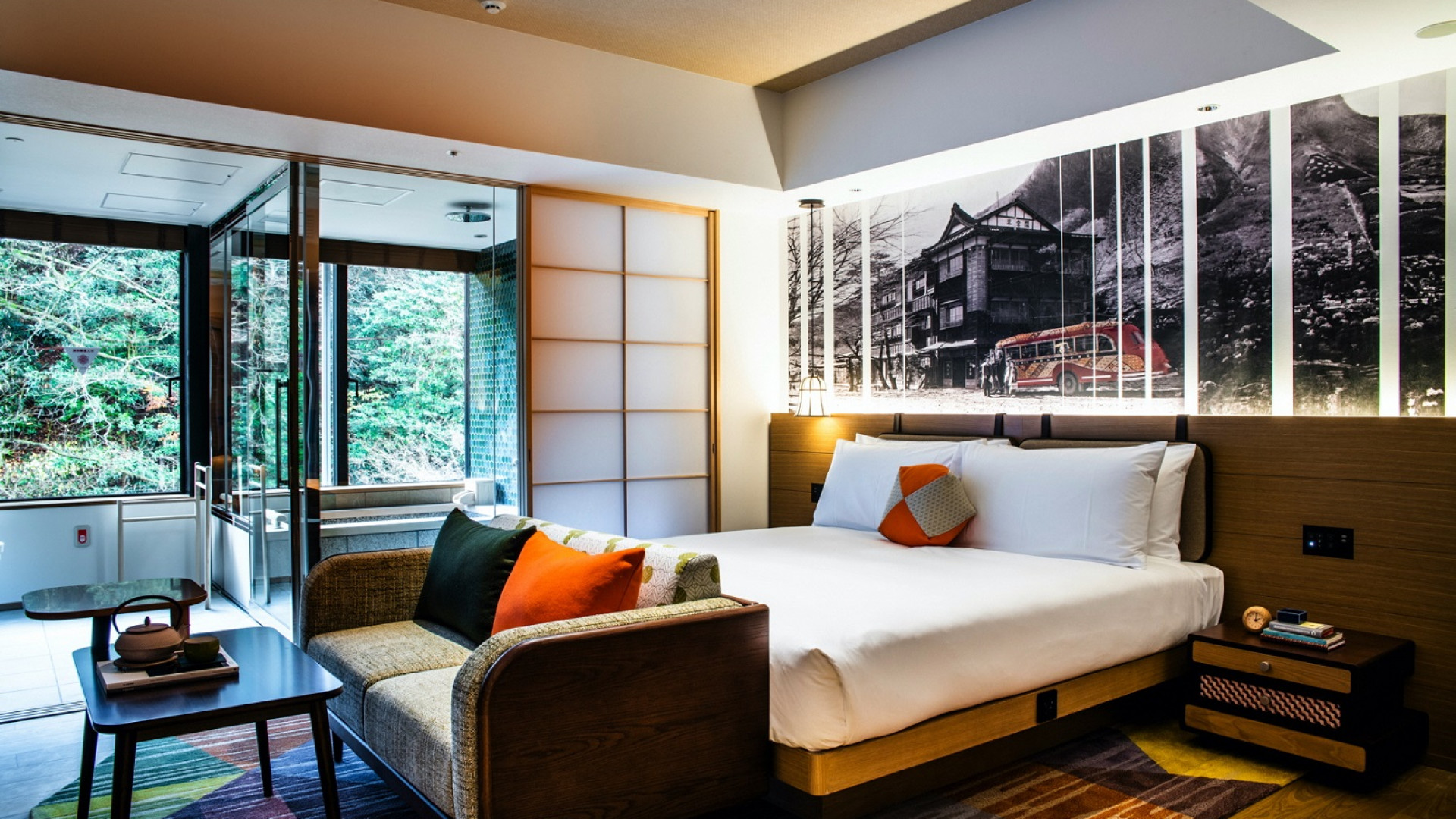
Ikuta Green Space

Ikuta Green Space

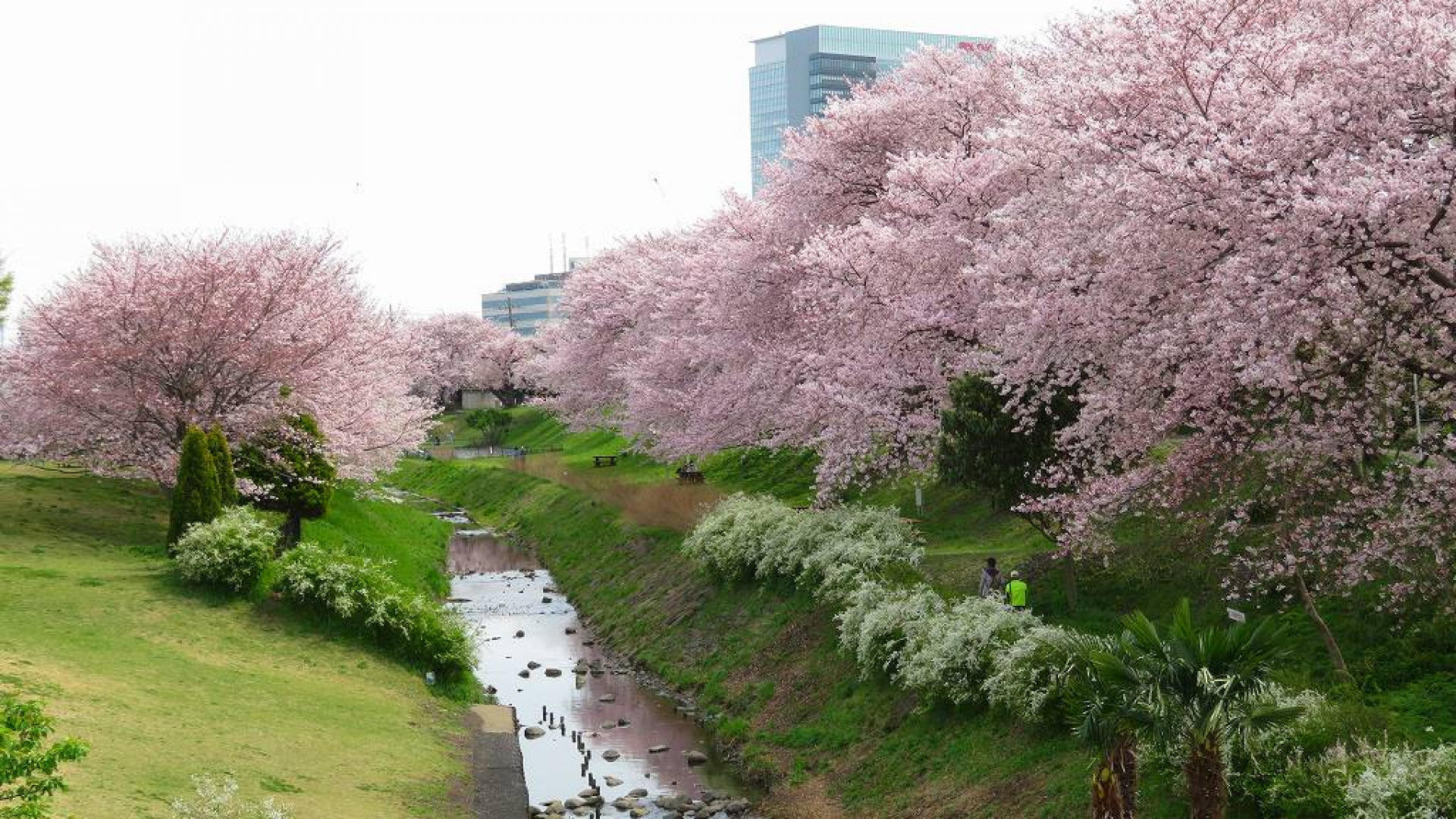
Ikuta Ryokuchi Park is the largest natural environment in the capital. In spring Masugatayama has cherry blossoms, and at the beginning of summer irises are in season. Autumn is a good time to see the maple leaves. Every season has something to enjoy. The Japan Open-air Folk House Museum, the Taro Okamoto Museum of Art, the Kawasaki Municipal Science Museum and many other sites are also located in Ikuta Ryokuchi Park.Visitors can fully enjoy the lush, green nature in the quiet morning air.

Nature & Views Tokaido Koshu kaido KANAGAWA
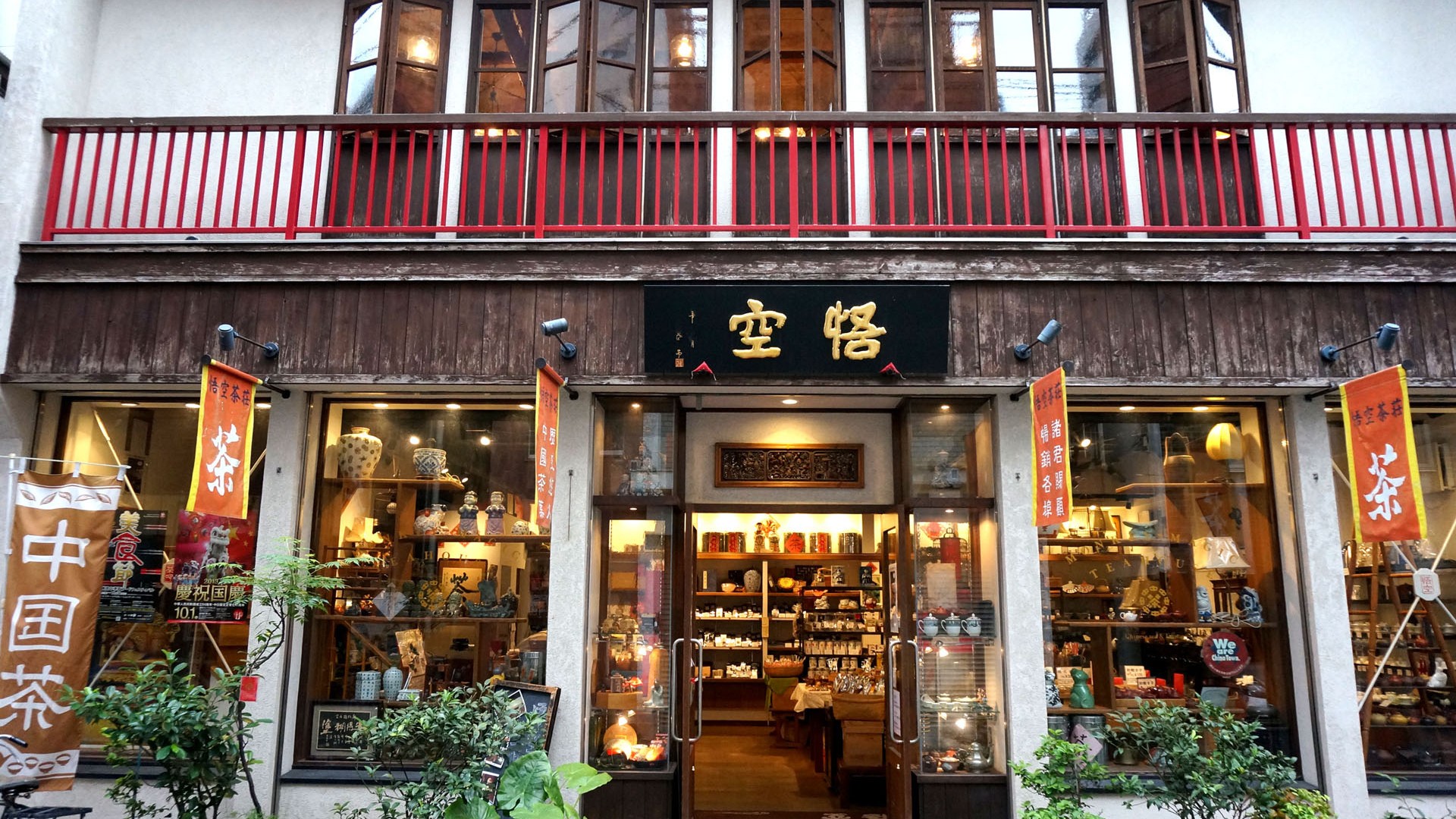
BOULCOM Kawasaki

BOULCOM Kawasaki

The BOULCOM Kawasaki bouldering gym is enjoyable for both small children and beginners. Access: The gym is a mere 5-minute walk from Kawasaki Station, which is easily accessible from Yokohama and Shinagawa Stations. Features: No Reservation Needed: Visitors can come at any time without needing to make a reservation in advance. First-timers Welcome: BOULCOM is designed with the concept that beginners can enjoy bouldering without any worry. For first-timers, the gym provides free training to teach the rules of climbing and offers tips. With over 80% of customers being new to bouldering, first-timers can feel at ease and enjoy themselves. A Gym Aligned with Your Lifestyle: Operating hours are from 10:00 to 23:00, so you can enjoy bouldering before work or after school. Spacious: The gym is about 2.5 times the size of its initial BOULCOM location in Shinjuku and features a wide variety of climbing walls. Price: Starting from a low price of 1,320 yen, you can climb all day without any time restrictions. The gym offers the lowest price in Tokyo! Philosophy: The gym aims to create a place that nurtures "communication" through "bouldering." In fact, these two concepts inspired the name BOULCOM. The facility hopes that everyone will try bouldering, free from fear, in a space where they can feel comfortable. BOULCOM believes in creating a clean environment where pleasant conversations can emerge and is committed to providing everything necessary for that purpose.

Experience & Activities Koshu kaido Tokaido KANAGAWA
The Sumida Hokusai Museum

The Sumida Hokusai Museum

Katsushika Hokusai, a world-renowned ukiyo-e artist, was born in Honjo-Wari-Gesui (presently the Kamezawa area in Sumida Ward, Tokyo) in 1760 and spent almost his entire 90 years of life in Sumida Ward where he created a large number of masterpieces. In honor of this outstanding artist whom many local citizens are truly proud of, the Sumida Ward opened the Sumida Hokusai Museum as a base to invigorate the local community and contribute to the region’s industry and tourism. The collection features an exhibit of Hokusai and his disciples. Exhibitions of research and many other activities of relationships between Hokusai and Sumida are held. 

Culture & Arts Tokaido Koshu kaido KANAGAWA
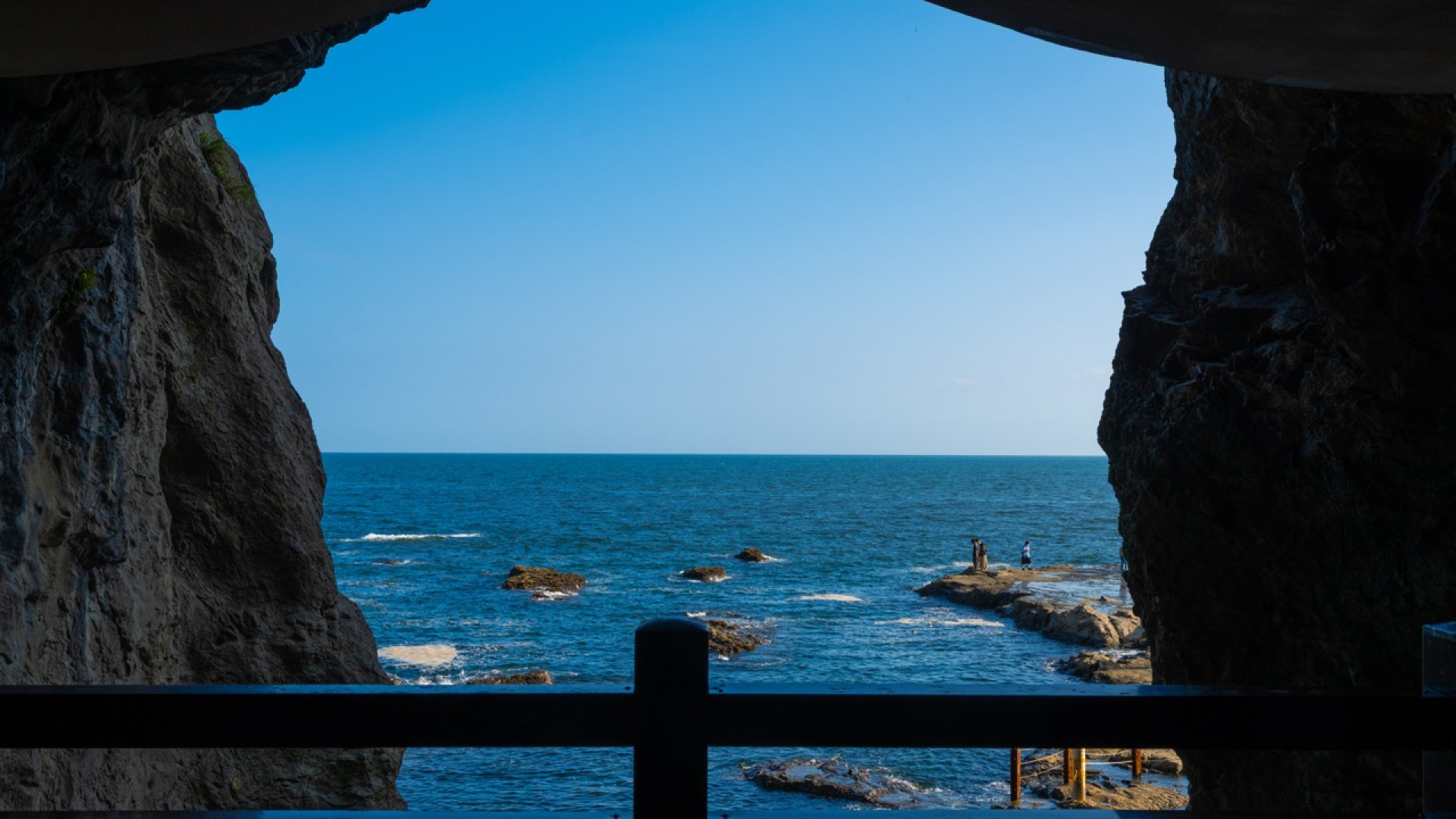
Ashinoko Club: Kayaking at Lake Ashi

Ashinoko Club: Kayaking at Lake Ashi

Lake Ashi, called Ashinoko in Japanese, is one of Hakone’s most scenic natural retreats. Resting at the base of Mt. Hakone, this largely undeveloped lake is lined with lush seasonal foliage and even offers views of Mt. Fuji on clear days. This enchanting scenery has made Lake Ashi a popular destination for cruises and watersports, including kayaking! Ashinoko Club, located on Lake Ashi’s southern end, is an excellent base for all your watersports needs. The rental facility offers three kayaking experiences that are suitable for visitors of all ages—a morning tour, an afternoon tour, and the Kuzuryu Shrine course. These guided kayaking experiences take between 60 and 90 minutes, depending on the course, and offer unique perspectives of the renowned lake and encircling scenery. One of the area’s most prominent photo spots is Hakone Shrine with its partially submerged torii (gate). This brilliant vermilion structure seemingly glows against the deeper tones of the forest beyond, making for an enchanting visual. If you are lucky, you may even be granted a view that encompasses both Hakone Shrine and Mt. Fuji! If you plan on visiting Lake Ashi, a kayaking tour is guaranteed to make your experience a memorable one.

Experience & Activities Tokaido Koshu kaido KANAGAWA
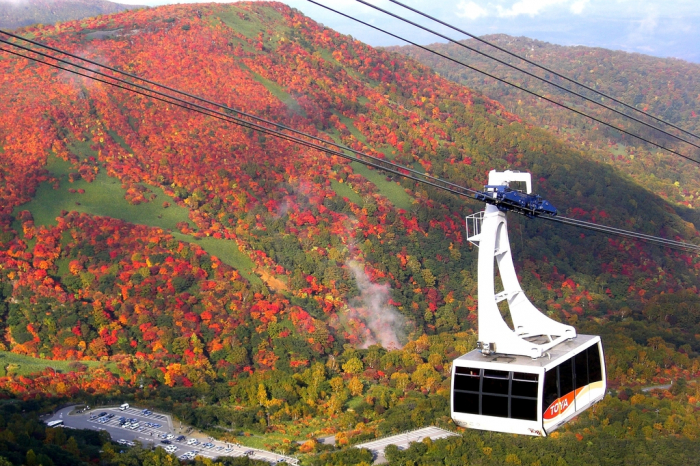
Enoshima Iwaya Cavern

Enoshima Iwaya Cavern

These Enoshima caves were formed within the island by wave erosion. The complex consists of two caves: the First Cave (with a depth of 152m) and the Second Cave (with a dept of 56m). It is said that Kobo Daishi and Minamoto no Yorimoto once visited the caves as to pray to the Goddess Benzaiten as they are considered the origin of Benzaiten worship. There is also a gallery introducing Enoshima history and culture inside the caves, allowing visitors to explore history with a sense of thrill.

Nature & Views Tokaido Koshu kaido KANAGAWA
Hakone Old Highway

Hakone Old Highway

The Hakone Old Highway is a part of the Tōkaidō Highway established by the Edo Shogunal government, and the sloping road extends for 32 km from the Mishima post station via the Hakone-toge pass to the Odawara post station. The part between the Mishima post station and the Hakone check station through the Hakone-toge pass at an elevation of 846 m had been considered the most grueling part in the Tōkaidō Highway, as in addition to the steep ascent at high elevation, travelers had to walk through knee-deep mud if it snowed or rained. The Edo Shogunal government spent 1,400 ryo to pave the road with stone for 10 km of the road. According to records, it was originally paved with local Hakone-dake bamboo, however, it needed to be regularly repaved as the bamboo would rot, costing a great deal of money every year. Now only 2 km of the original stone pavement remains. Enjoy imagining travel in the old days while walking along the original paved segment of the old highway.The mountain road is overgrown with trees, so an early morning start is recommended. When the weather is nice, the sunlight through the trees feels refreshing. Be careful as the stone pavement is slippery after it rains.

Culture & Arts Tokaido Koshu kaido KANAGAWA
Sagamihara City Museum

Sagamihara City Museum

Since its opening in 1995, the Sagamihara City Museum has been a beloved community institution serving as a comprehensive museum dedicated to the history and nature of Sagamihara City. By 2024, its total number of visitors topped 3.5 million. Through its collaboration with the adjacent JAXA Sagamihara Campus, the museum has hosted a number of world-first exhibitions, including the return capsule of asteroid probe "Hayabusa" in July 2010 and "Hayabusa 2" in March 2021. Futhermore, the July 2025 reopening unveiled the renovated planetarium, offering the world's first experience of viewing one billion stars simultaneously, in 8K video.

Culture & Arts Tokaido Koshu kaido KANAGAWA