Hadano Yugawara Onsen Manyo-no-Yu
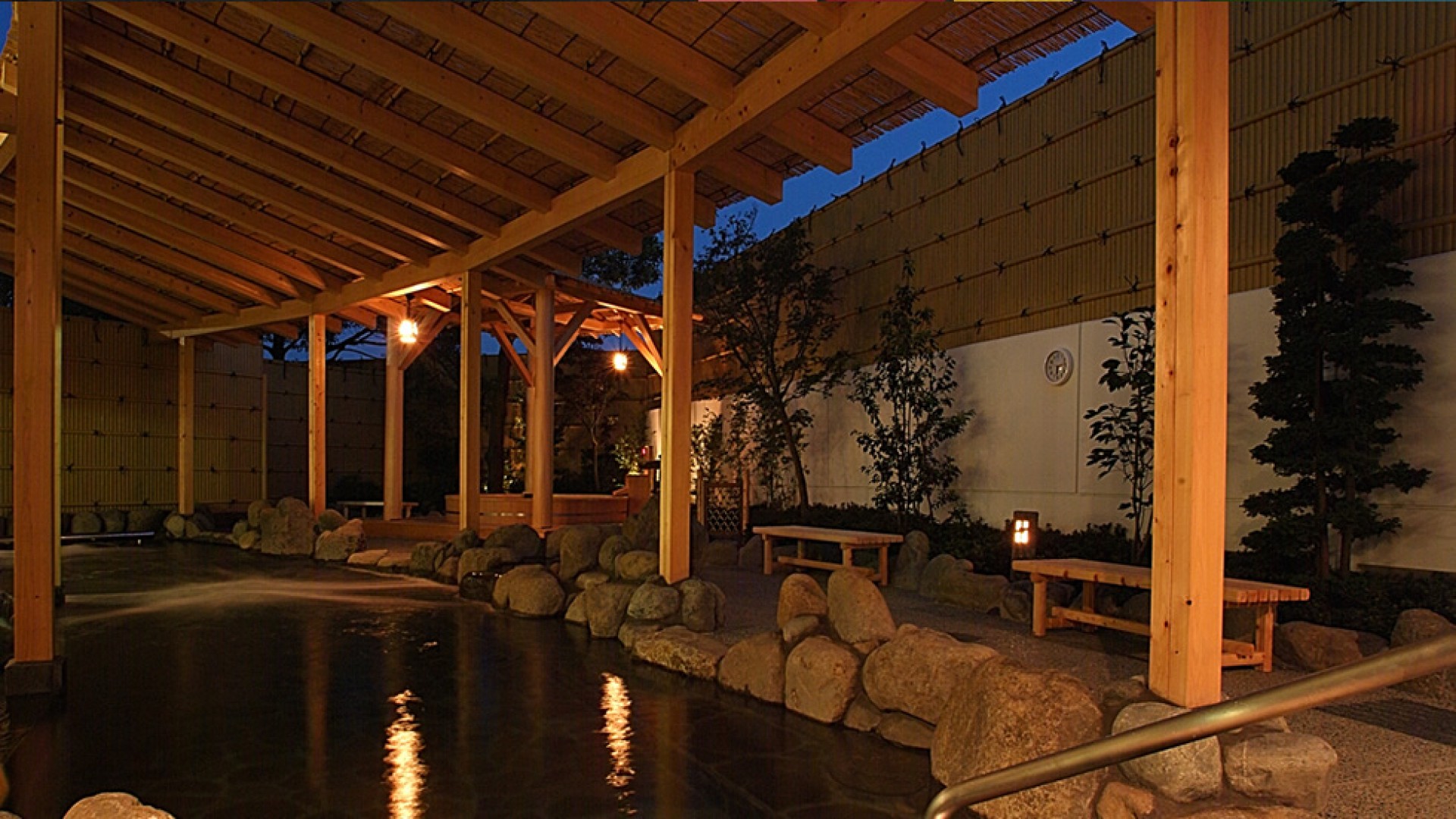
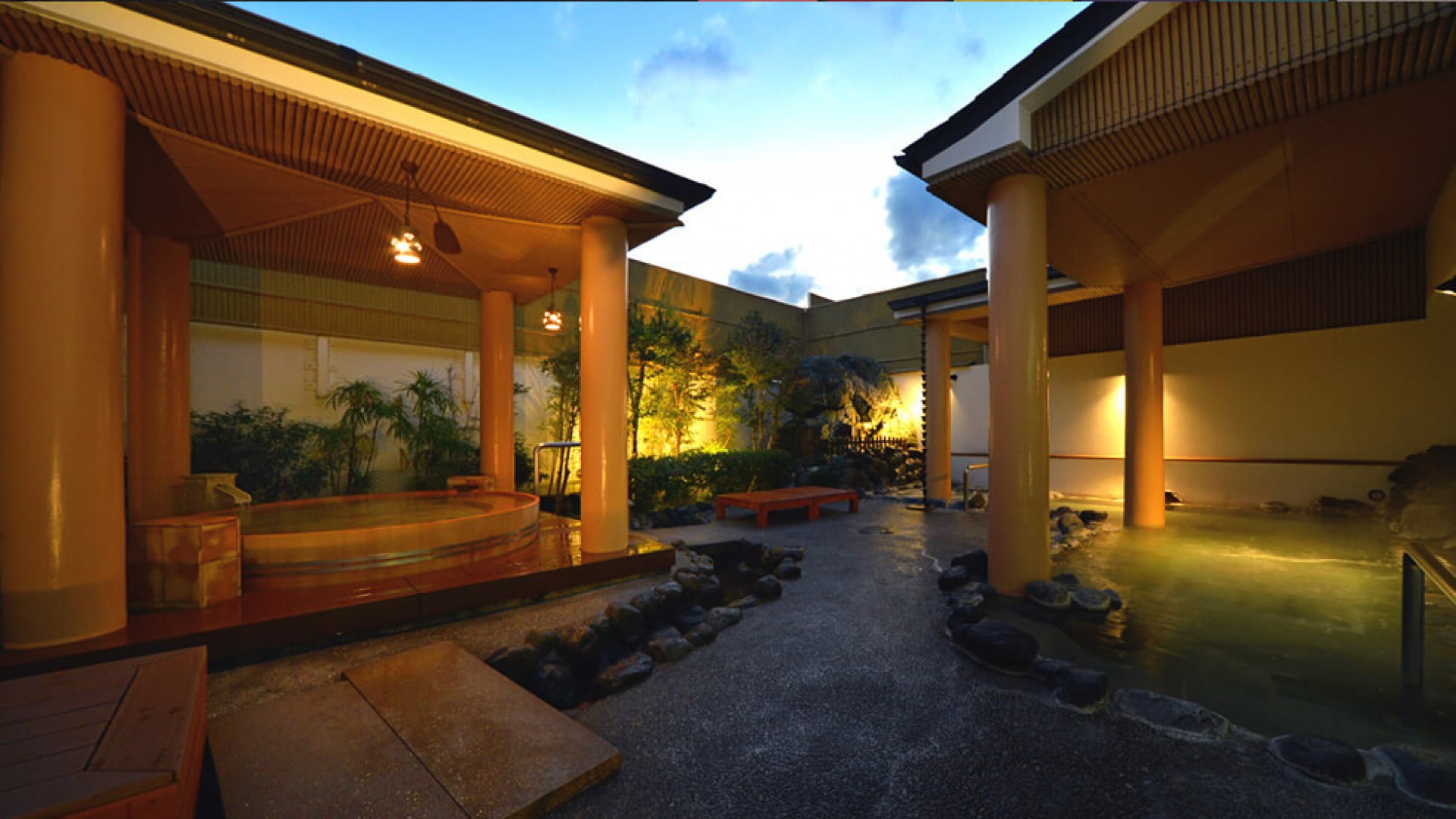
This is a lodging facility where you can enjoy a famous bath, 「Yugawara Onsen」, mentioned in Manyoshu, the oldest existing collection of Japanese poetry, at a reasonable price.
Total: 1715 items
This is a lodging facility where you can enjoy a famous bath, 「Yugawara Onsen」, mentioned in Manyoshu, the oldest existing collection of Japanese poetry, at a reasonable price.
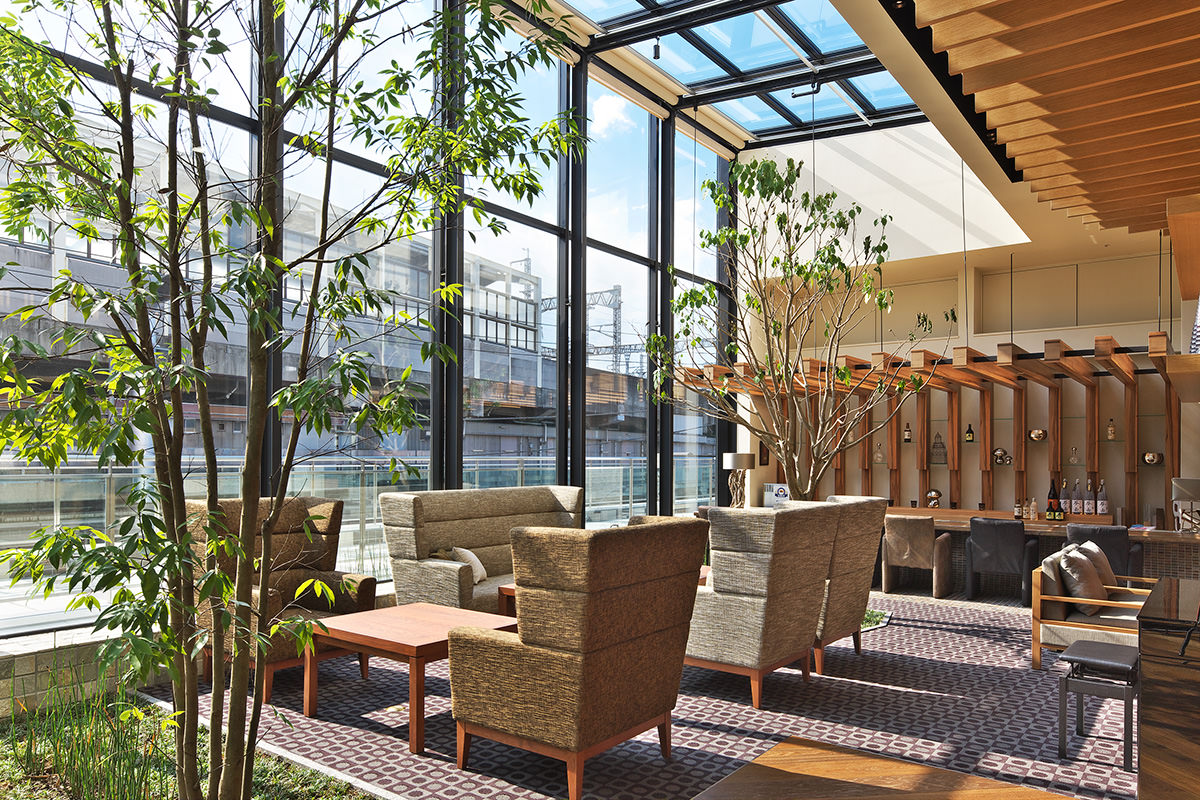
Odawara became a castle town of the Hojo clan from the Muromachi period and has welcomed many people as one of the leading lodging towns in Tokaido. Odawara Manyo-no-Yu is located in front of the station that is surrounded by beautiful mountains and ocean. We provide hospitality in the relaxing spaces of the six-story building.
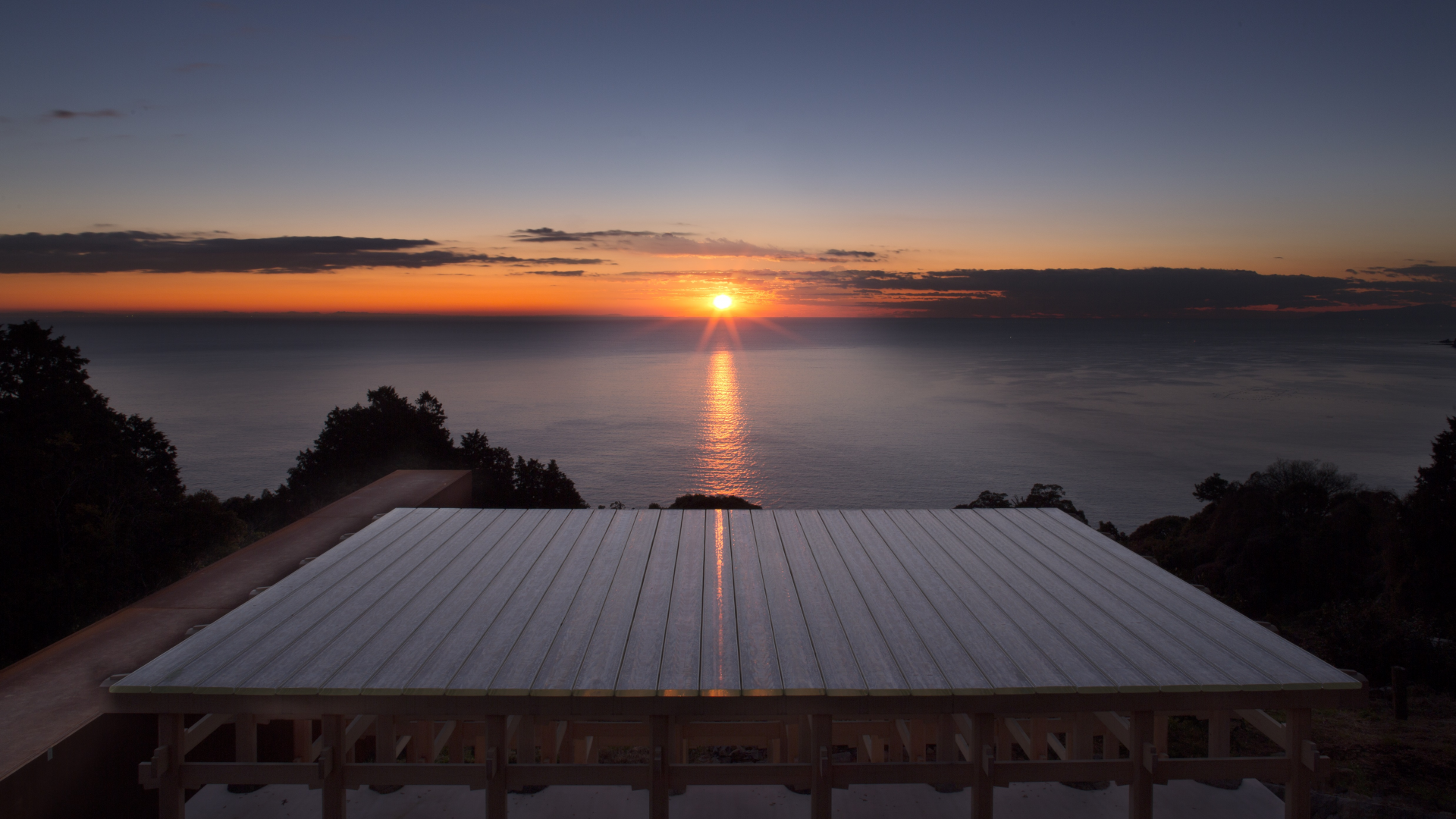
The Enoura site, situated on a hilly citrus grove in the Kataura district of Odawara, offers breathtaking panoramic views of the Bay of Sagami. The facility was envisioned by contemporary artist Hiroshi Sugimoto as a forum for disseminating art and culture both within Japan and to the world and comprises a gallery space, two stages, a tea house, and other features that make the entire premise into a truly magnificent landscape.A guide familiar with the Enoura Weather Station will give you a special tour of each building and explain the various garden themes to you.Luxury in KanagawaIn August, enjoy the evening view of Enoura on Saturdays, Sundays, and Mondays. During the “Full Moon Party,” which the observatory holds several times a year, you can admire the moon on the horizon as it casts a silvery glow on the tide. During the event, knowledgeable guides will give special tours of the Enoura Weather Station, including each building, garden theme, etc.
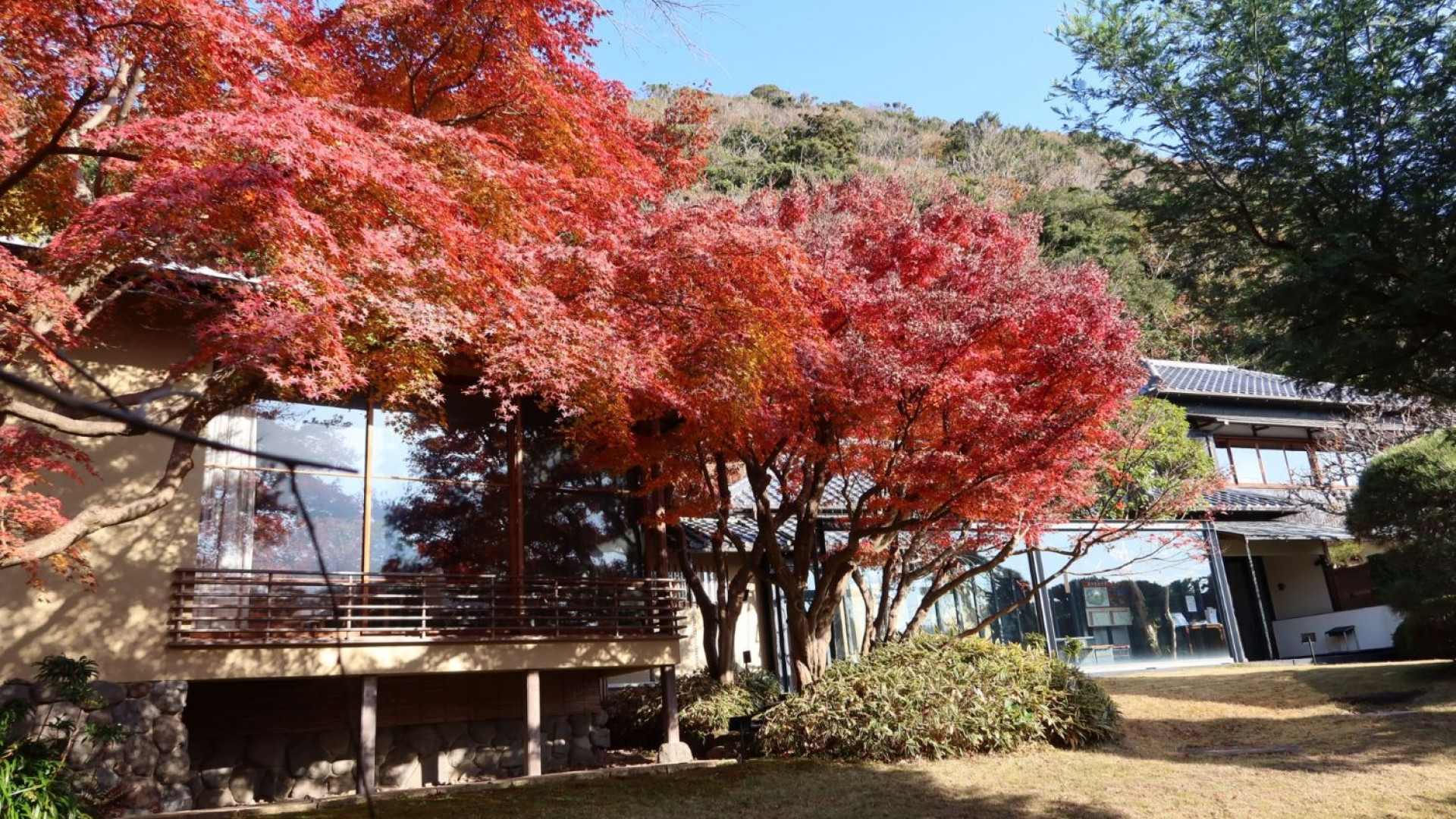
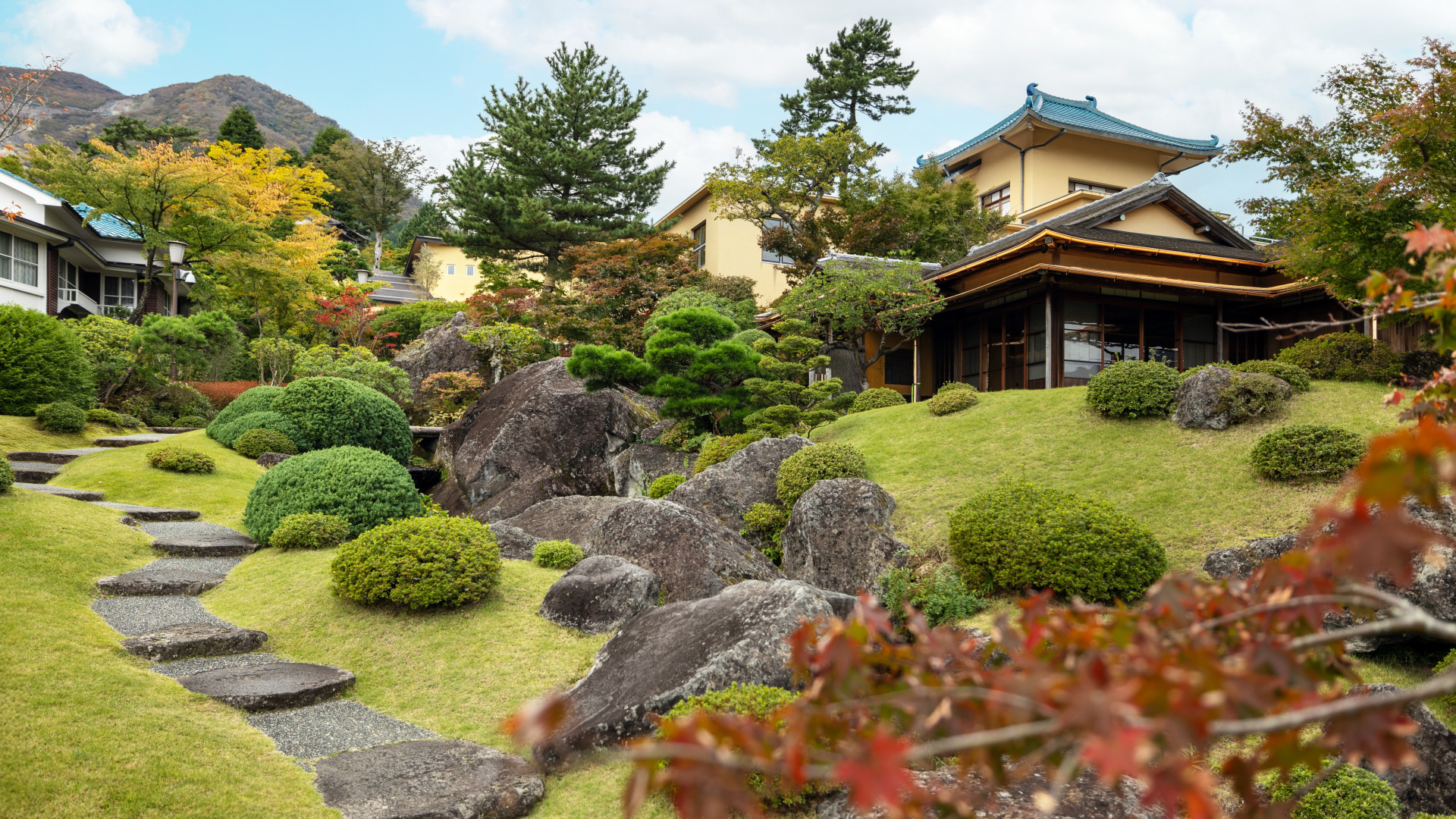
Previously home to the Japanese painter Hoshun Yamaguchi, this mansion is open to the public as an art museum and boasts of being the place where he produced many masterpieces. Come and peruse his paintings and antique collection in our exhibit! The studio was designed by Isohachi Yoshida, a master of modern sukiya architecture, and the garden contains seasonal plants, a must-see if you're in the area. The main building and studio were registered as a national cultural property in 2023.
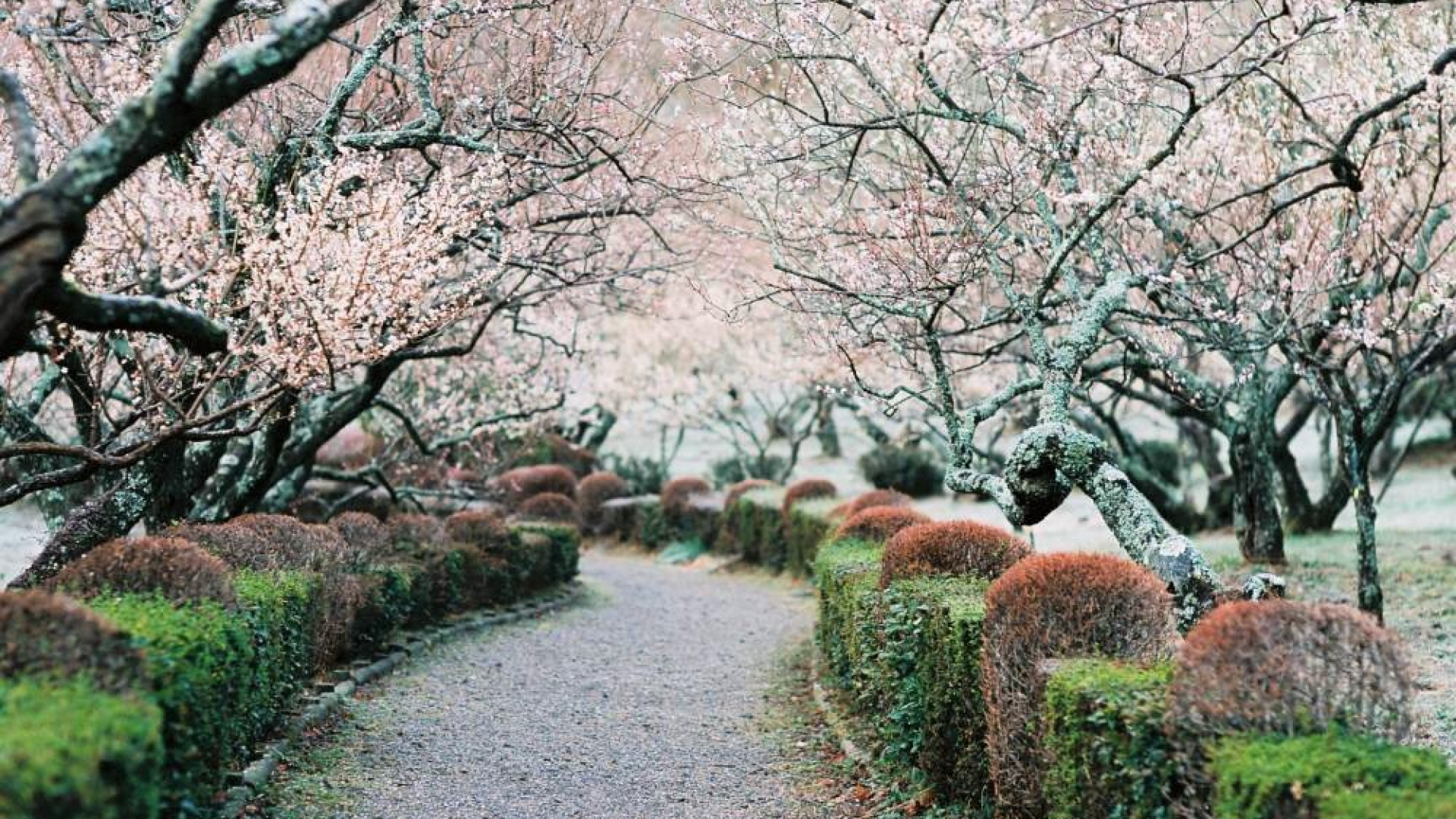
Tsujimura Botanical Park is an expansive botanical garden that is around 4.7 hectares in size. The park has an area for trees and shrubs from abroad, giving it an exotic feel. The plum grove takes up the majority of the space in the park. In spring, approximately 350 trees that make up the plum grove come into full bloom and many sightseers come to visit. You can also have picnics on the hills in the higher areas of the park and enjoy fantastic views. The adjacent Wanpaku Land offers playground equipment that you can enjoy with your children.
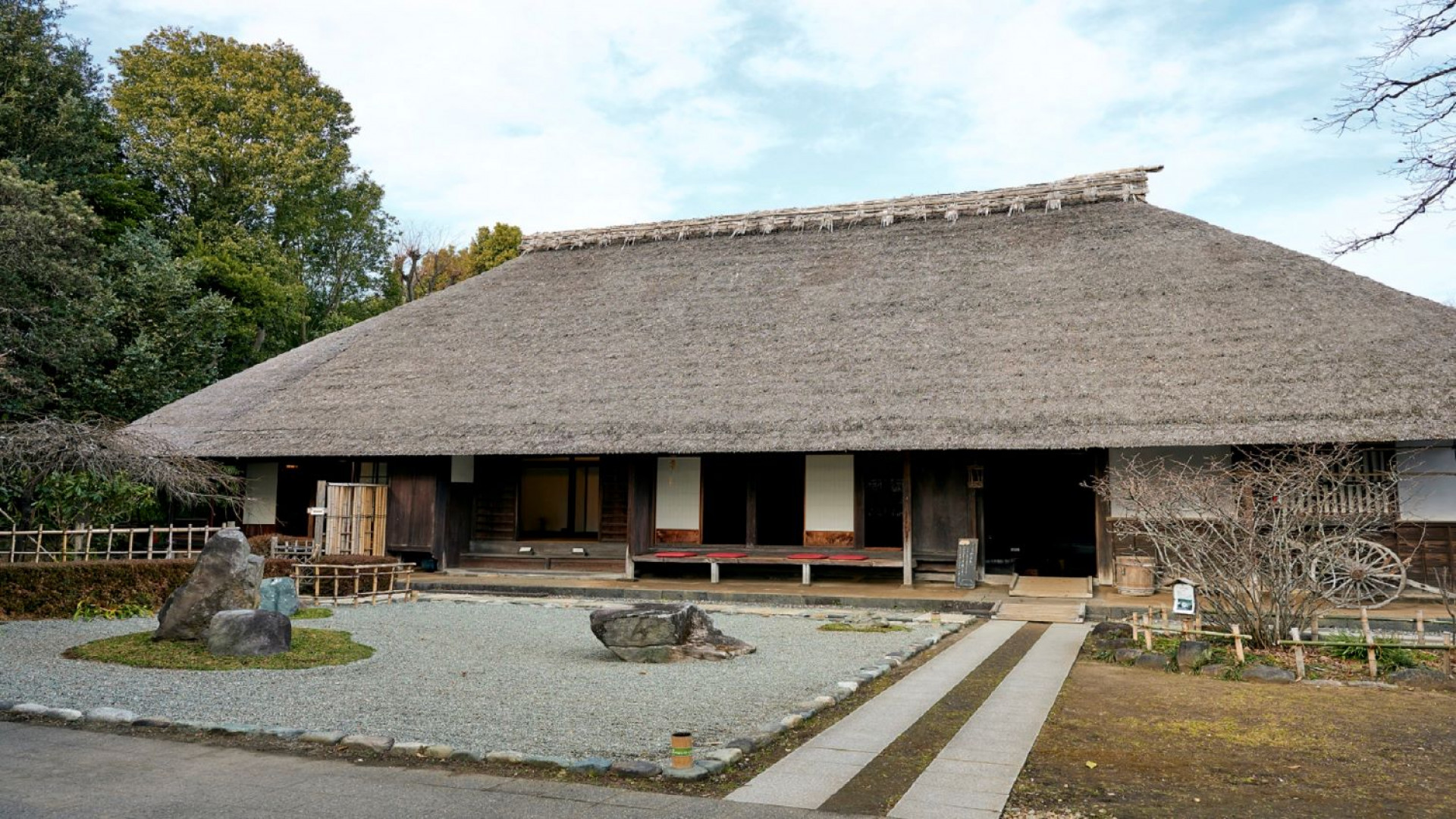
Located in Kanaijima, in the northern part of Kaisei Town, this old private house has a history spanning over 300 years. It was built by the Seto family, a family who served as the head of Kanaijima for generations during the Edo period. You can experience using a kamado (a traditional Japanese stove) and hearth here. We also have a fermentation-themed cafe, a shop selling local vegetables, and a shop selling ice cream made with local specialties.
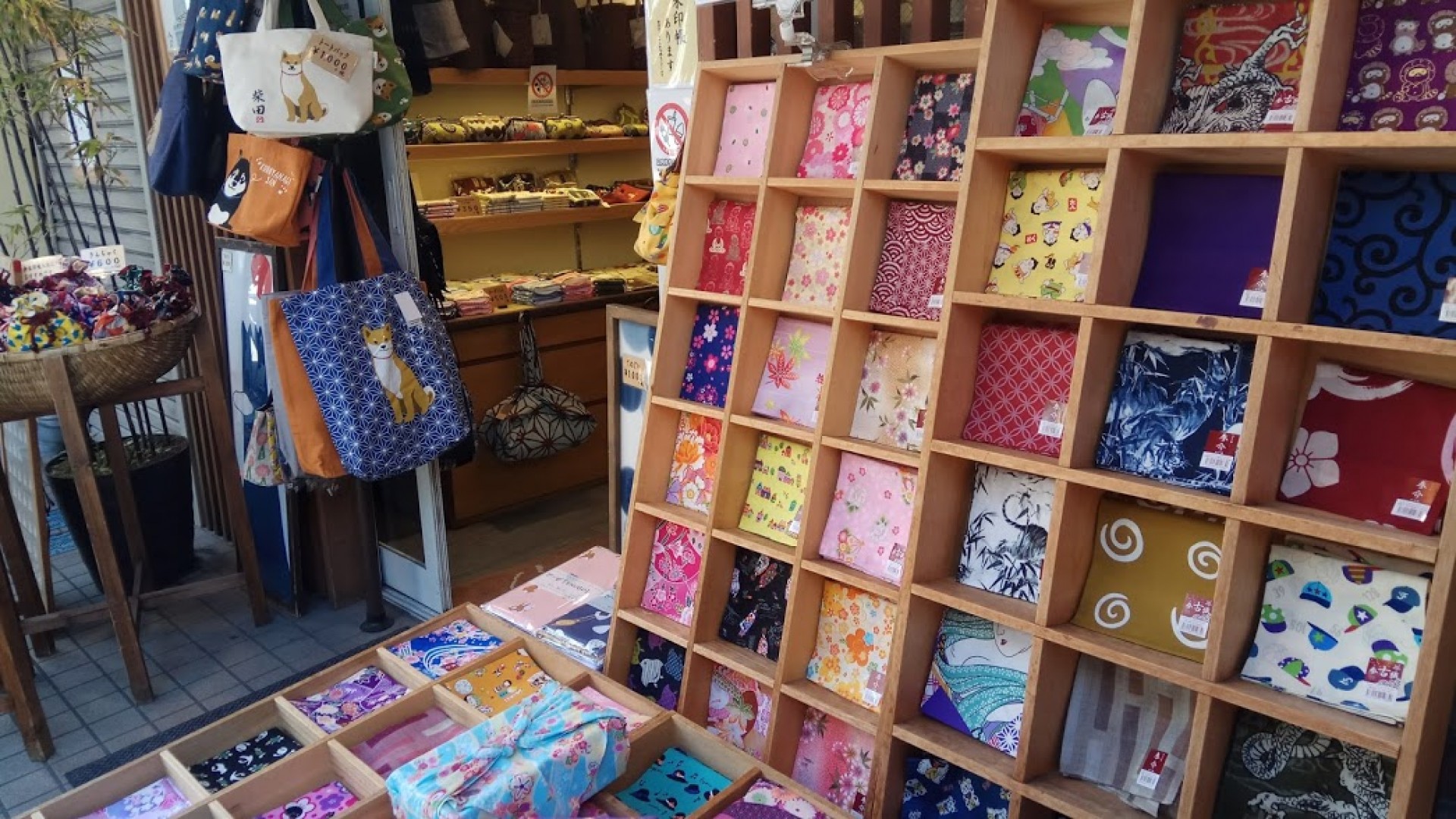
Shop selling a variety of Japanese towels. When travelling to Kamakura, we recommend them for souvenirs.
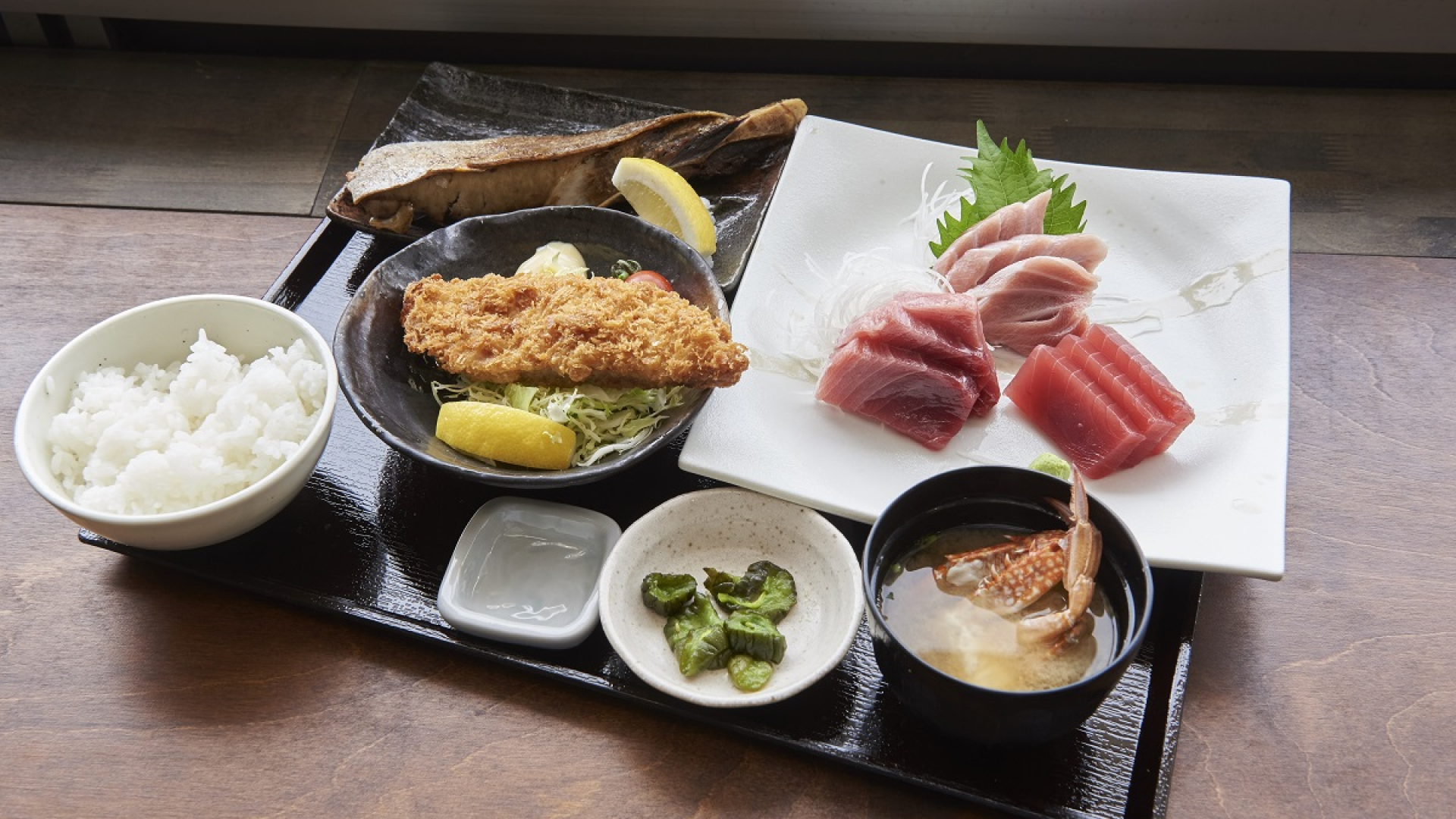
This is a cafeteria located on the 2nd floor of the Misaki Seafood Local Wholesale Market. You’ll be able to taste several types of cuisine with a menu of set meals and rice bowls, from things like Misaki tuna to sashimi made from fish purchased the same day in the market to fried locally caught fish.
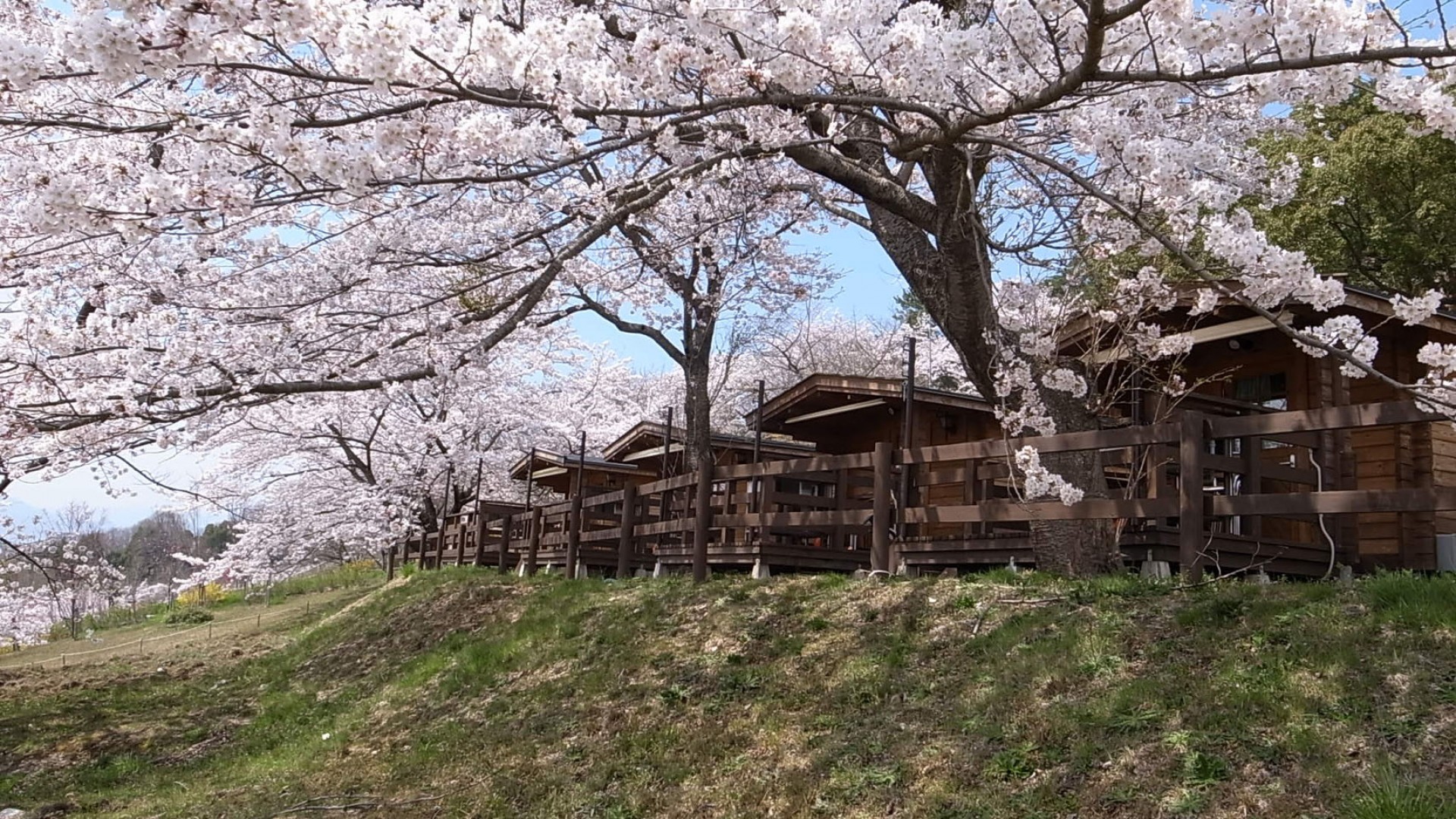
This is a camping ground located in the wholistic leasure land, Lake Sagami Pleasure Forest, in Sagami shi, Kanagawa. After enjoying many kinds of attractions, you can camp in this park. There are enough facilities such as setting up tent area, trailor area, log cabins and automobile camping site.(Opening hours: Follow the opening hours of the amusement park (Pleasure Forest))
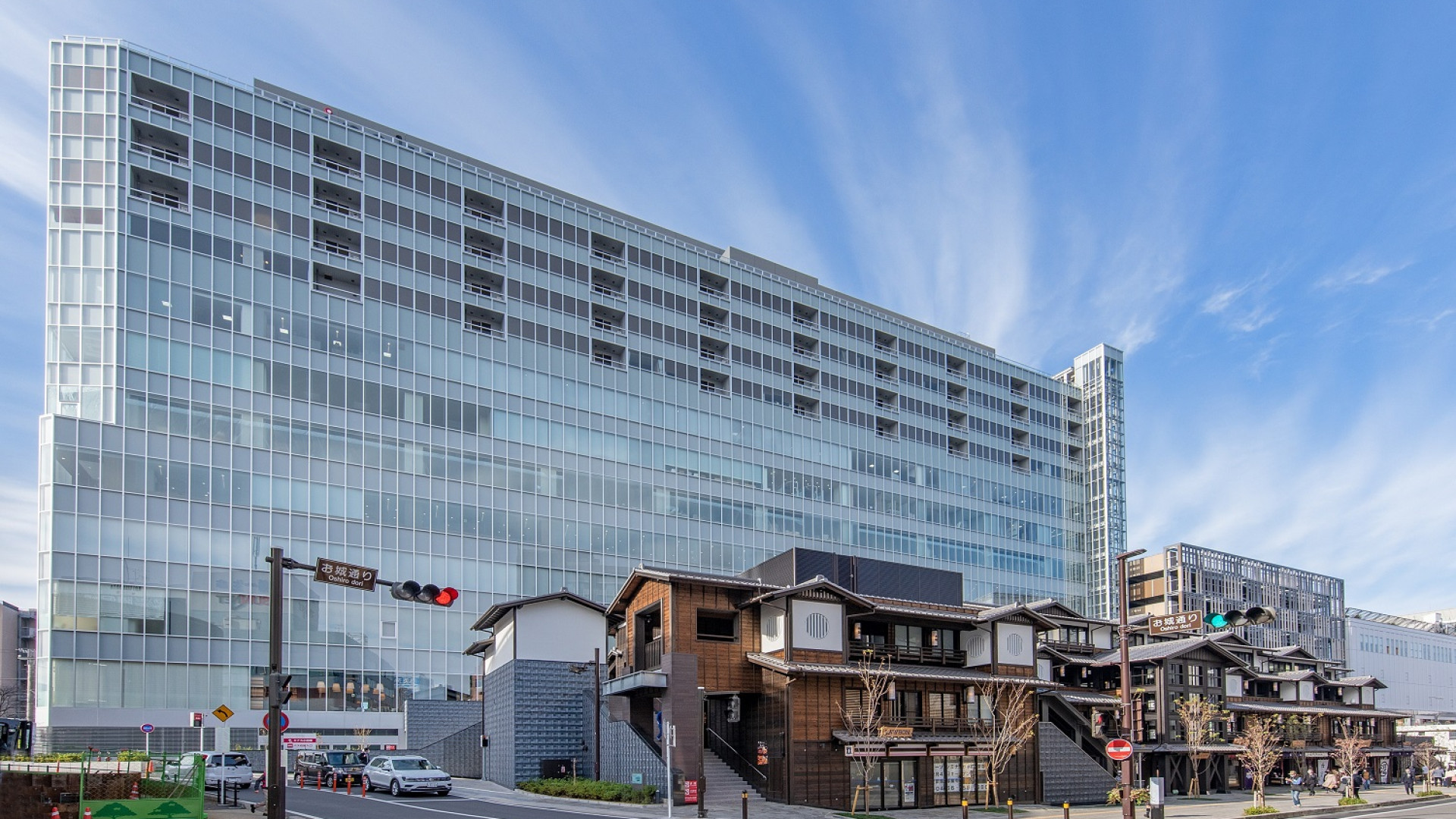
The Convention Hall is located on the 4th floor of Minaca Odawara, which opened in December 2020. Conveniently located with just a three-minute walk from Odawara Station, and with easy access from Tokyo, Nagoya, and Osaka, it accommodates a wide range of events, from conferences and meetings for 10 people to seminars and lectures for 300 people, as well as exhibitions and sales meetings, with a flexible layout to suit various group sizes and purposes. A variety of equipment can be rented, and banquet plans with buffets are also available.
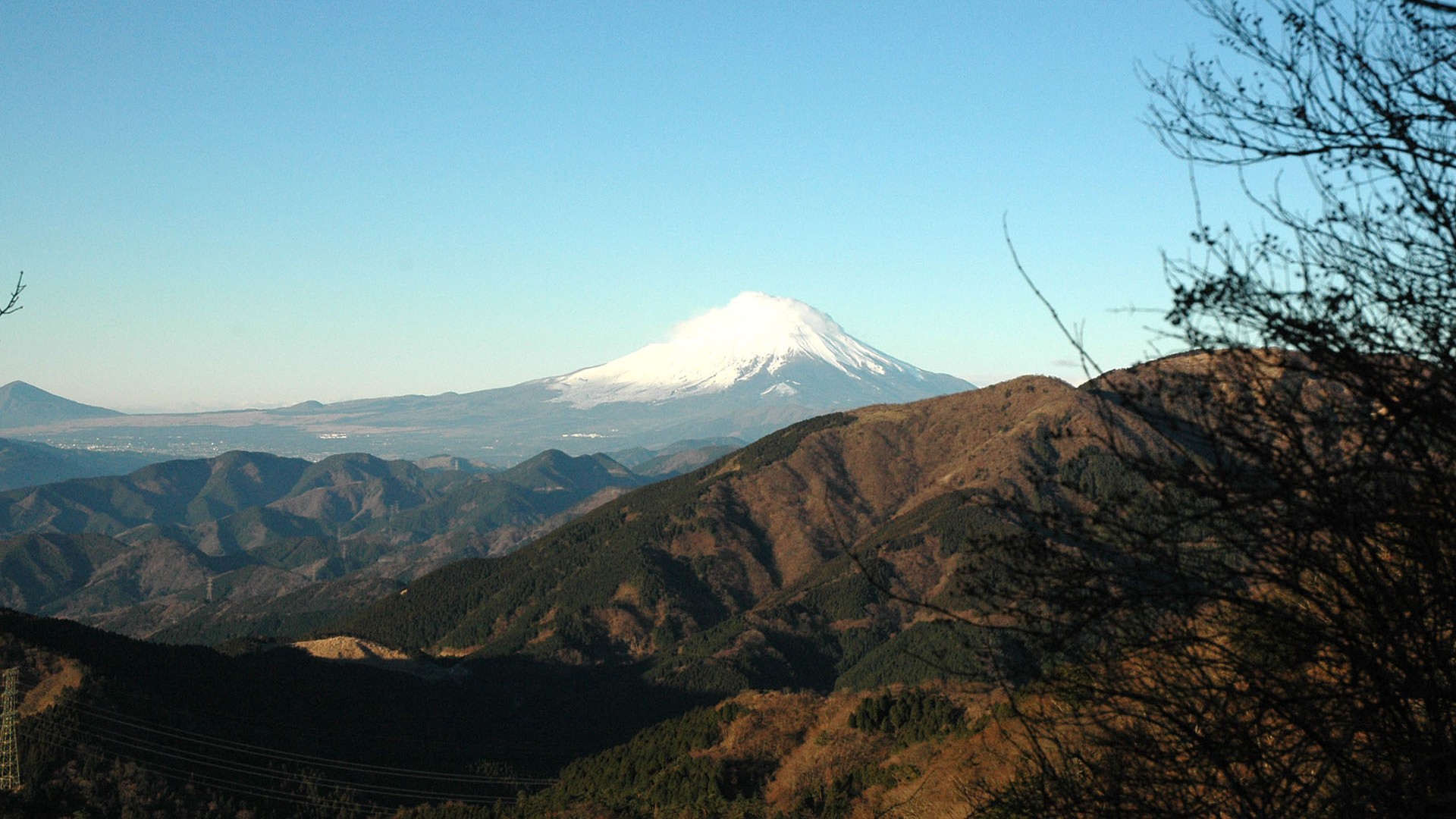
On the way to the summit from the main slope, you are able to view Mount Fuji on a clear day.Early morning trekking allows you to enjoy a special experience with fewer people and clear air.
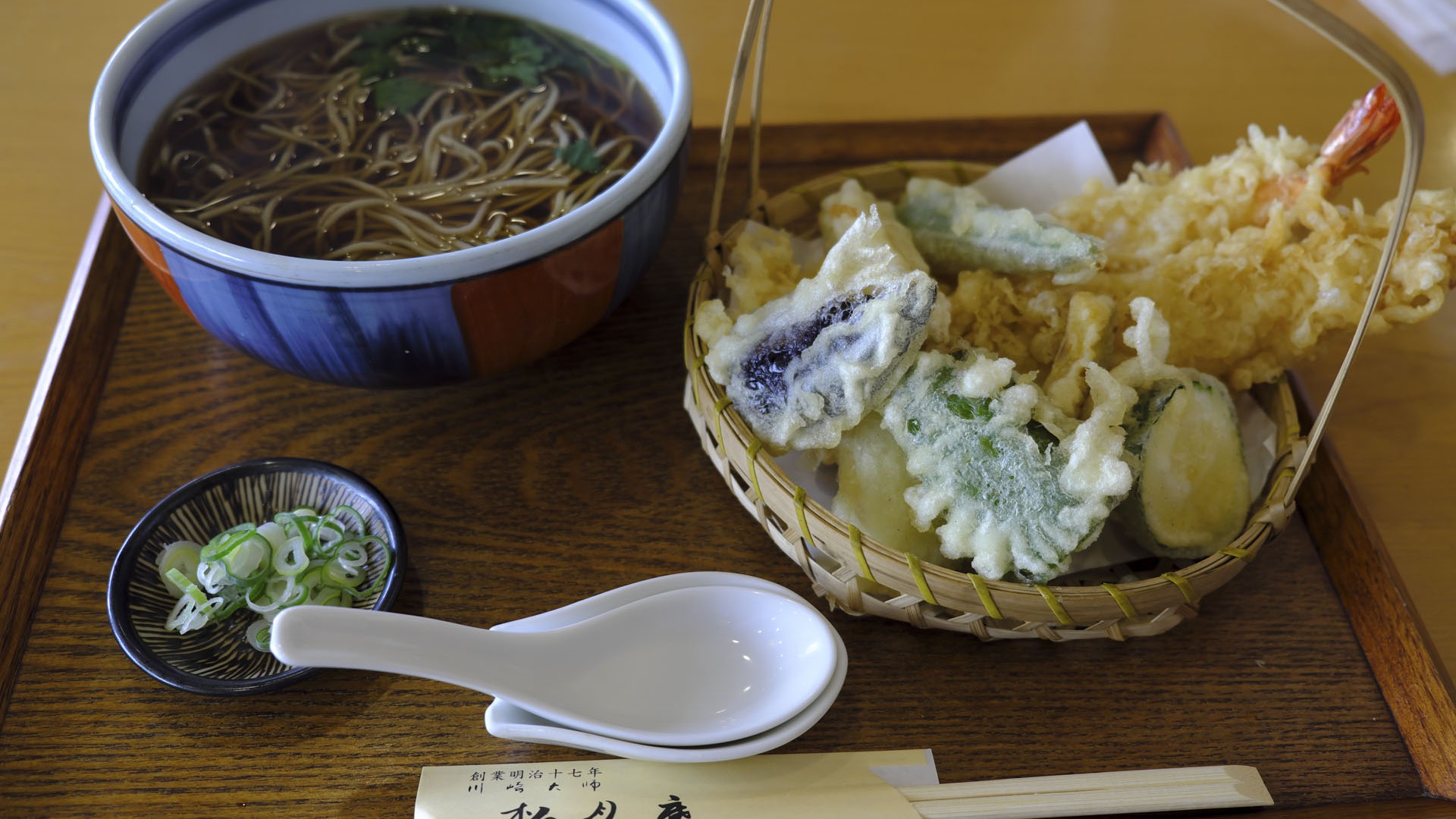
The natural fragrance, springiness and texture of soba noodles come from two masterful hands working in a kibachi kneading bowl. The crisp clearness of the dipping sauce is a product of upholding traditional methods. This natural culture of taste has been passed from generation to generation. The restaurant aspires to bring a modern sensibility to soba, all while paying respects to memories of the past. It is a small-scale store built on Kawasaki Daishi land in 1884, and they have protected the tradition of Edo noodles ever since.
Hakone museum of art is the oldest museum in Hakone. The museum opened in Hakone-cho Gora in 1952. The museum displays Asian and Japanese ceramics that have been collected by the founder of the museum Mokichi Okada before his death. The exhibition mainly consists of “Japanese Yakimono (ceramics)”.Collections are: Mino wares such as Shino, Oribe, and Kiseto from Momoyama to Edo era, pots and jars of Six Old Kilns of Japan (Tokoname, Seto, Shigaraki, Tanba, Bizen, and Echizen) from Kamakura to Muromachi era, and earthenware and haniwa (a hollow clay) from Jomon era.There is Japanese garden with “Koke Niwa”, “Hagi no michi”, “Take Niwa”. There are over 130 kinds of mosses and 200 Japanese maples, which create beautiful scene in all four seasons. Any visitors are welcomed to view the garden.It is rare to see the place like Hakone museum since they have great ceramics and Japanese gardens at the same time. People who are interested in traditional culture of Japan must visit here.Admire this spacious garden known for its grassy area, large rocks and stream that cuts through the middle. Take in the panoramic view of Mt Myōjō and Mt Asama.Designed by Okada Mokichi and completed in 1952, explore collections of ancient Asian earthenware, porcelains and ceramics.The museum displays are interesting, but its beautiful Japanese garden and wonderful moss garden are what most people come to see!

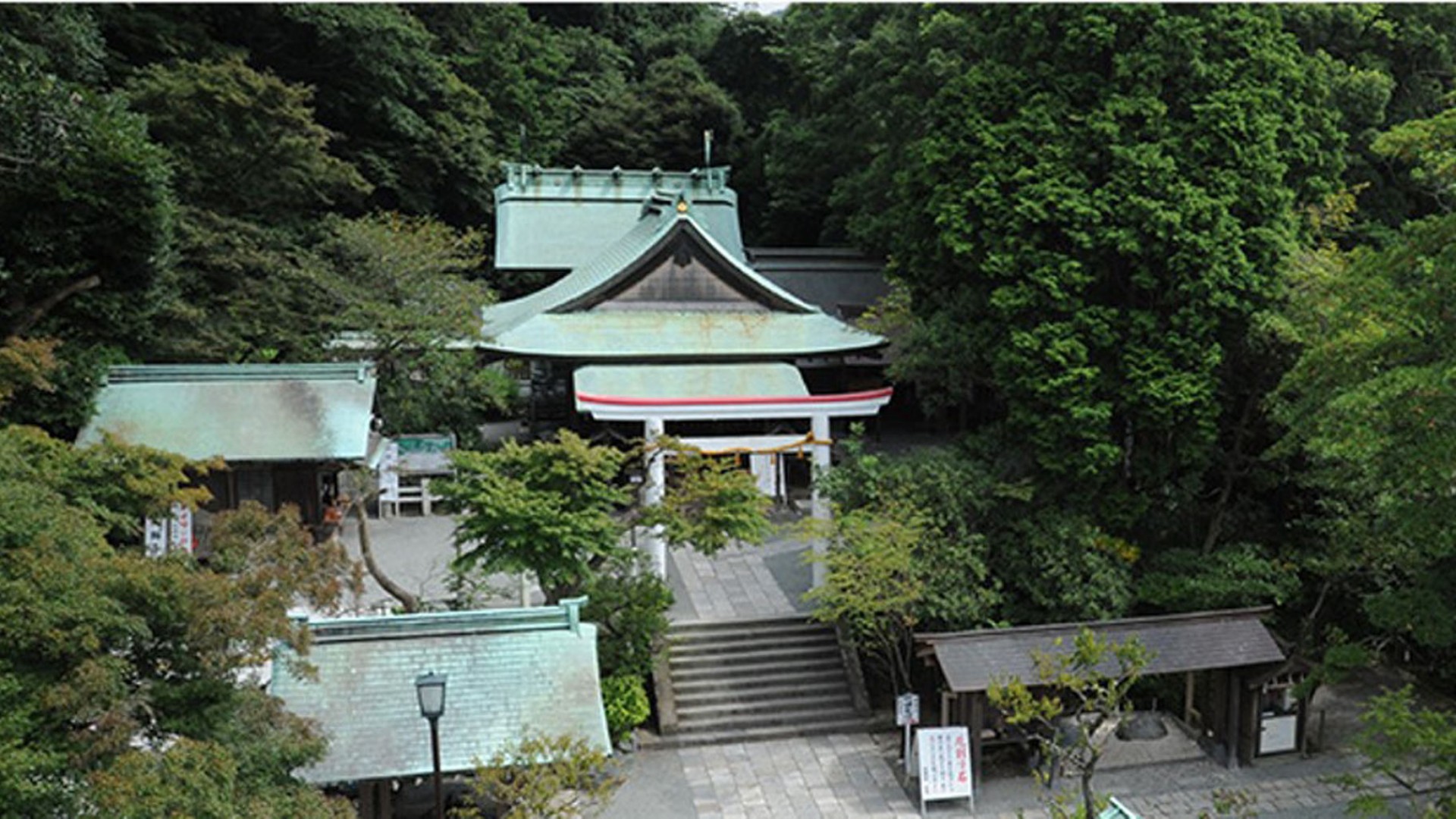
This shrine is dedicated to Prince Shinno Morinaga, the son of Emperor Godaigo, who devoted himself to overthrowing the Kamakura Shogunate. In 1869, Emperor Meiji built a shrine at the place where Prince Morinaga passed away and named it "Kamakura Shrine" in honor of him.
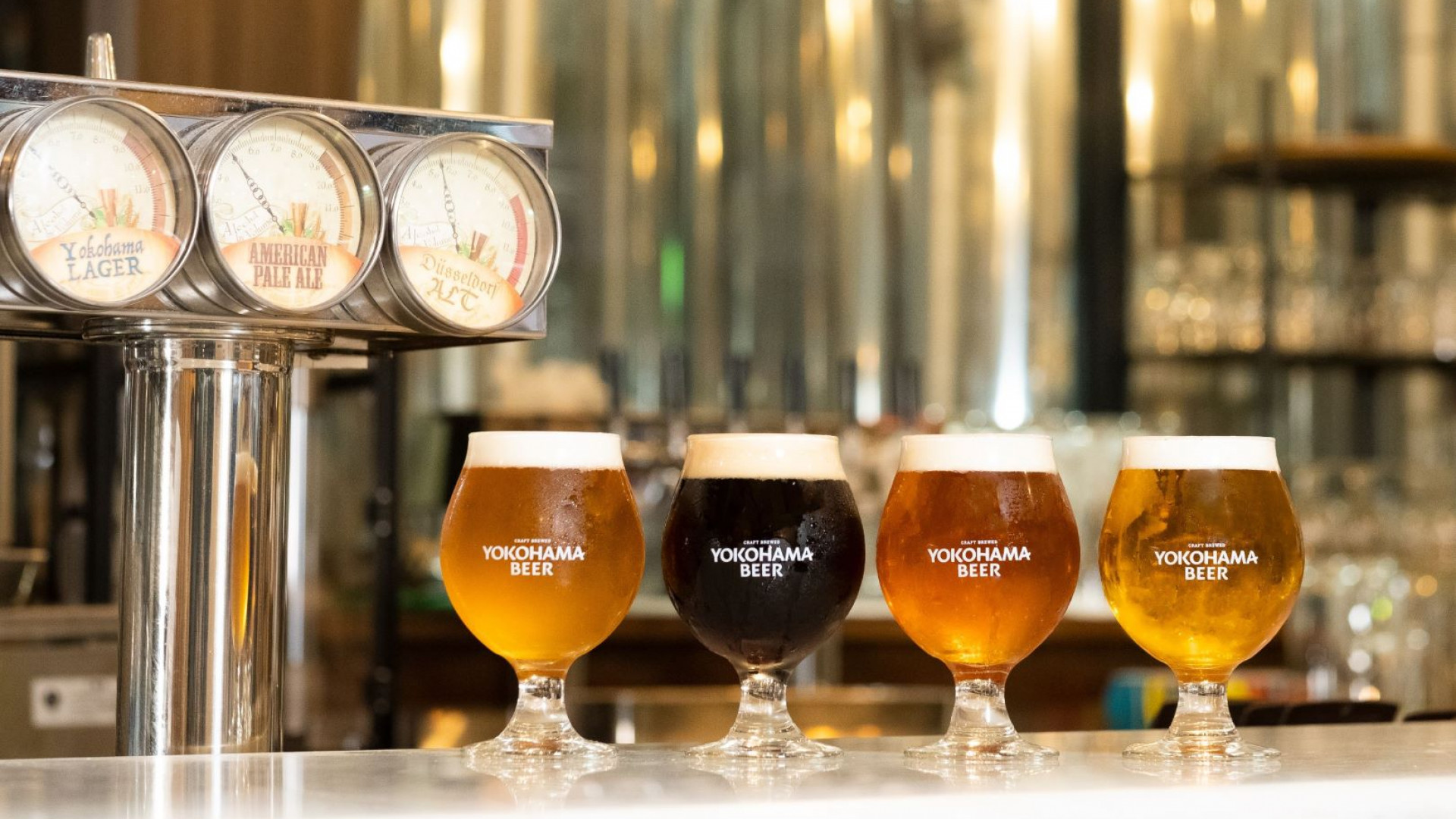
A beer hall dining restaurant where visitors can enjoy ingredients and dishes that envoke the history and stories of Kanagawa and Yokohama, coupled with beer fresh from the on-site factory. Here you can enjoy all of our original Kanagawa cuisine, made with ingredients obtained directly from local producers. We have a number of private rooms which can accommodate a variety of groups and parties, as well as a full lineup of all-you-can-drink plans featuring delicious Yokohama beer and food. We are a restaurant where you can always find new dishes and different ways to enjoy beer.Come and visit us to find your favorite beer! There are five types of beer brewed in-store: pilsner, alto, Weizen, pale ale, and Yokohama lager. Enjoy the crisp, fresh taste.
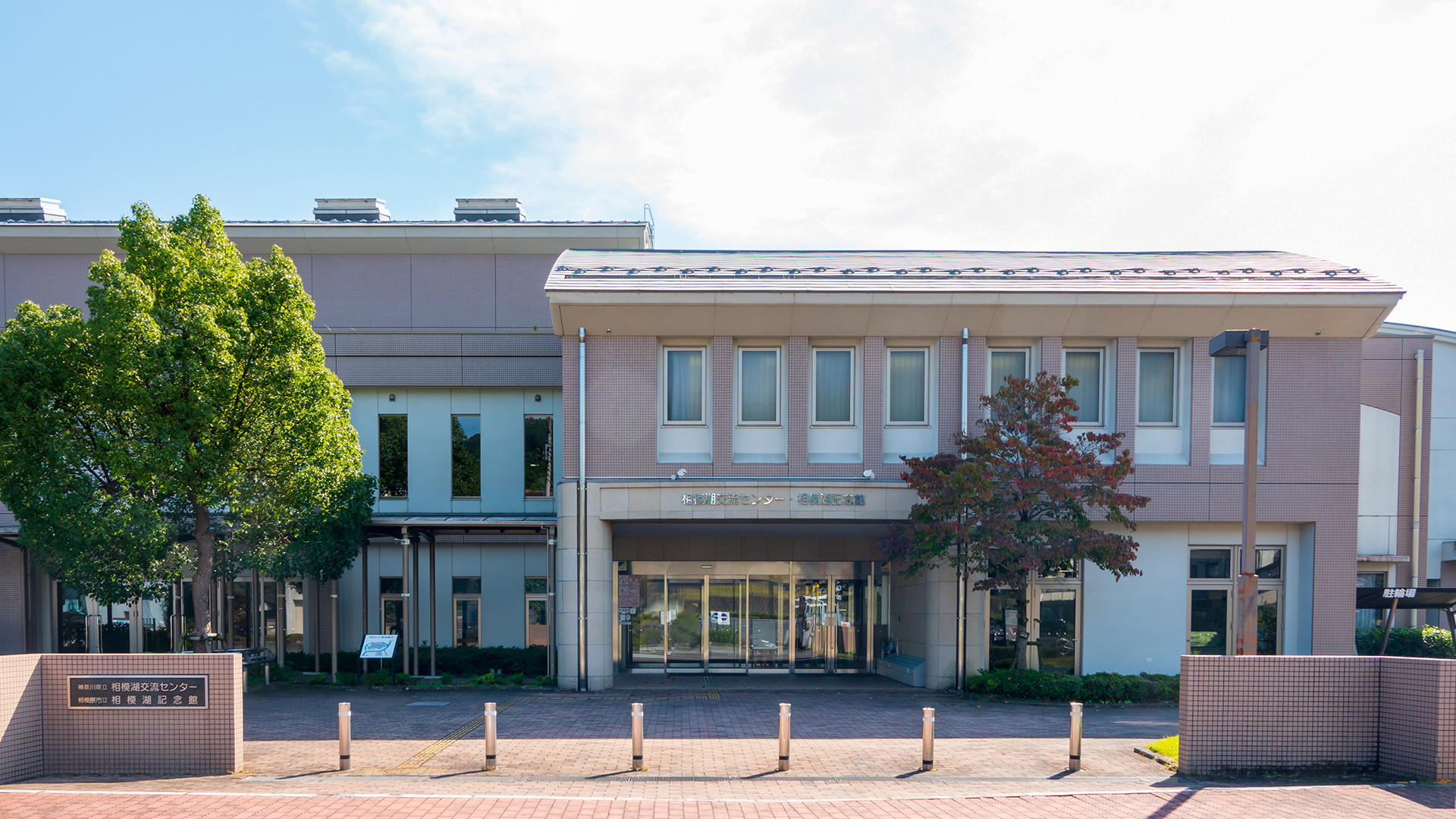
A 10-minute walk from Sagamiko Station. It is a cultural facility where various exchange activities can be held while experiencing the magnificent nature of Lake Sagami. It has a multipurpose hall, art gallery, training rooms, coffee shop, etc., and is equipped with a parking lot. For details, please visit the official website.
Park where you can see Mount Fuji and Sagami Bay. On a sunny day, you can see the castle tower of Odawara Castle and Toshima.(Quoted from the official website)