
Shinyurigaoka Illumination Kirara @ Art Shinyuri
Illumination event that started in 2007 and is opened from November until February.
Total: 1715 items
Illumination event that started in 2007 and is opened from November until February.
Ride the park’s Ferris wheel for panoramic views of the mountainous landscape, Lake Sagami, and even Tokyo. The Ferris wheel also has magnificent views of the illuminated displays during the Sagamiko Illumillion.
It is a river park built upstream where the three rivers, the Sagami River, the Nakatsu River, and the Koayu River meet. Enjoy the views of the slow-flowing river against the wide, unobstructed sky. On sunny days it is possible to see views of the beautiful mountains of Tanzawa and Daizan.
While the Enoden railway boasts a mere 10km track length, it runs through a richly varied and captivating landscape. It threads its way through residential neighborhoods, skimming past rooftops, traversing iron bridges and tunnels, and weaving along the coastline and through mountain valleys. On clear days, passengers can glimpse Enoshima Island and Mount Fuji from the train windows, evoking a sense of adventure. Popular tourist spots dot along the train line, including Enoshima, Shichirigahama Beach, and the ancient city of Kamakura, allowing you to savor scenery where history, nature, and townscapes harmonize. We invite you to ride the Enoden and enjoy a moment of true relaxation.
In 2026, there will be a tour bus that operates between Minamiashigara's popular cherry blossom spots, including Haruki Path and Happiness Road (Harukimichi and Shiawasemichi). The bus will operate on March 14 (Sat), 15 (Sun), 20 (Fri), 21 (Sat), and 22 (Sun), 2026.Harukimichi Happy Sakura Festival is a spring festival that takes place on the riverside walk along the Kari River in Minami Ashigara City. When spring comes, the 171 or so cherry trees on the riverbank bloom in unison. Visitors can enjoy strolling along the riverside walk admiring the wonderful view of cherry trees, field mustard flowers and the blue sky with the magnificent Mt. Fuji in the background. There are food stalls lined up along the riverside walk and visitors can enjoy shopping for local farm products and more. Many people also enjoy the bustling fleamarket.
The water here is from one of the Five Notable Springs in Kamakura. It is said that if you wash your money in this water, your finances will increase.An unusual fusion of religions, Zeniarai Benzaiten is a shinto shrine with numerous Buddhist statues. Rent a sieve to wash your money in the spring waters, then the traditional water spirit Ugafukujin will reward you by multiplying your money.
With the motto "Sake brewing starts with rice brewing", this restaurant is directly managed by Izumibashi, a cultivated brewery that directly handles rice as a raw material. You can enjoy meals made with local ingredients paired with sake from Izumibashi. The restaurant was started with the desire to be involved in the promotion of the local region by incorporating various local blessings.A restaurant where you can enjoy seasonal vegetables from local farmers, fresh seafood from Sagami Bay, and beef from local livestock farmers, along with Japanese sake.
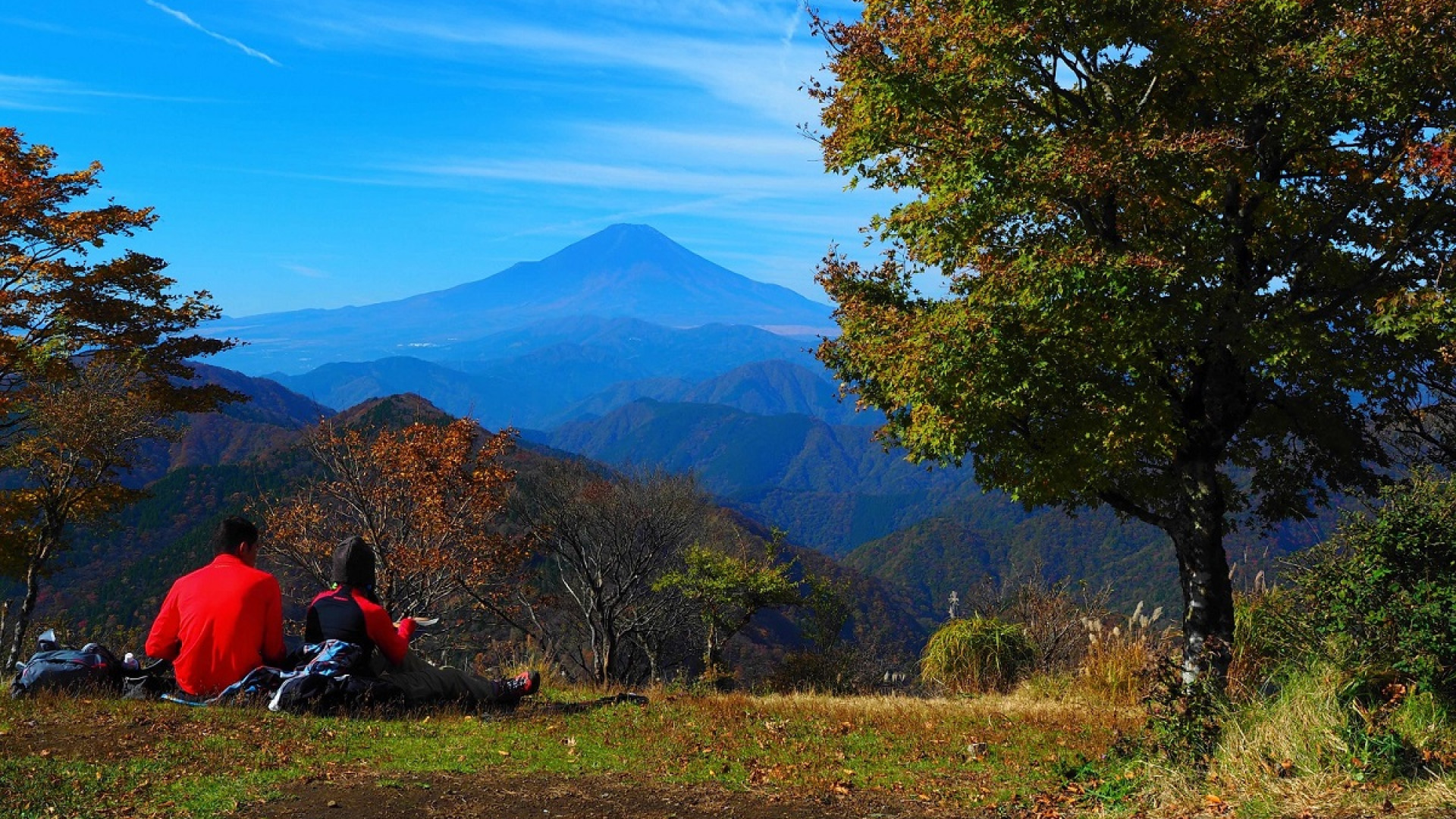
The best Mt. Fuji viewing spot in Kisawa Hakkei. Sometimes you can watch Diamond Fuji (sun shines brightly like a diamond when it comes on top of Mt. Fuji.) In spring along the bank is the best cherry blossom viewing spot.
In the evening, approximately 2,500 lanterns brilliantly illuminate the 3.5km-long Ookagawa promenade lined with fully-blooming cherry trees.
The approach from the bus terminus to the cable station is lined on both sides with inns and souvenir shops.
Located on the top of Enoshima, this garden is a place where you can enjoy various flowers and plants during all four seasons. There are various facilities, such as Enoshima Sea Candle, the symbol of Enoshima, a cafe, and a souvenir shop. Views of Mount Fuji from the Sunset Terrace are particularly spectacular.
Hakone Gora Park was opened at 1914 and you can see seasonal flowers such as cherry blossoms, azaleas, hydrangeas, autumn leaves and roses. It offers various activities and facilities including tea ceremony experience, pottery, glass blowing and botanical garden. This park is an excellent choice for enjoying the Hakone trip.
Based on the concept of seeing, touching, and enjoying the "real thing," the Keikyu Museum has prepared various exhibits and experiences, such as the historic "Keikyu Deha 230 Series" train on display, the "Keikyu Line Diorama" that faithfully recreates the real line, and the "Railway Simulation." Important: Some experiences require advance reservations made online.
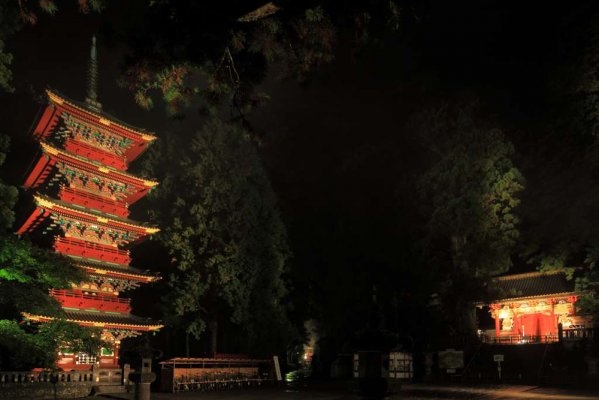
Founded in 1394 by Soto Zen monk Ryoan Emyo Zenji, this ancient temple is a Soto sect training center renowned as one of the sect's three major prayer temples. Its natural beauty changes with the seasons, with its autumn foliage illuminated at night for seasonal viewing. Prayer services, zazen meditation experiences, and shojin-ryori vegetarian cuisine are available (reservation required). Temple legends feature tengu (mountain bird-like goblins), and the main hall enshrines the world's largest iron geta (wooden clogs).A unique aspect of this temple is its larger than life geta. These wooden sandals are left out for the tengu, winged spirits, that guard the temple grounds. The shoes vary in size, and some are even as tall as humans. Be sure not to miss this popular photography spot!One of the most sacred places in the Kanto region. Zen meditation sessions are held every second and fourth Sunday and Buddhist statue carving lessons every second and fourth Saturday of the month. There are spiritual spot tours around the grounds and other events as well.
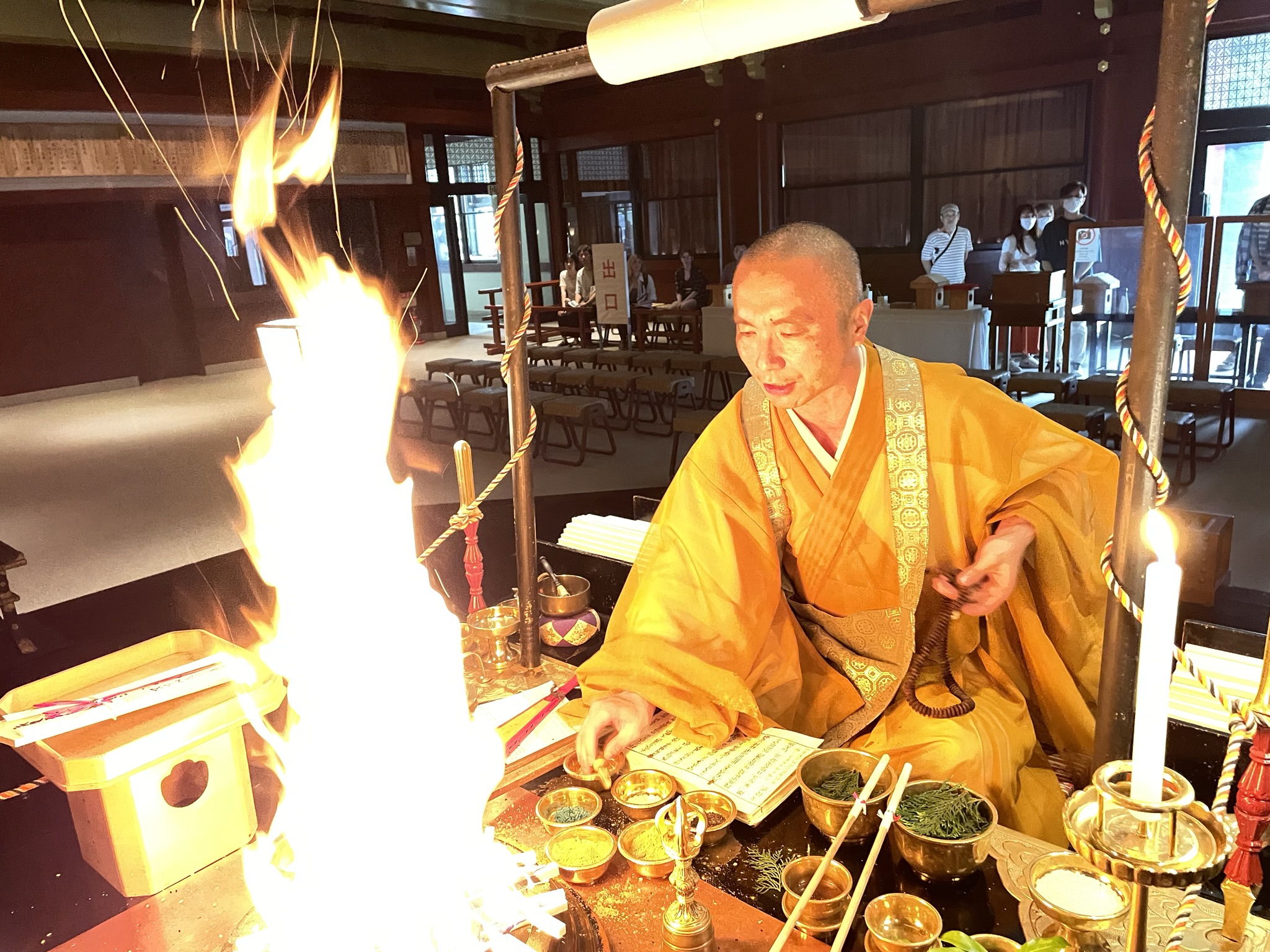
Yudate Kagura is a traditional event was handed down in 1776. While the Shinto ritual of yudate exists throughout Japan, it is not so common for it be carried out by a lion. Praying for sound health, peace and prosperity in the household, and bumper crops, the lion stirs boiling water with bamboo grass, and purifies the worshippers by sprinkling them with the water, warding off pestilence. While being selected as a national Intangible Folk Cultural Property, it is also designated as Yudate Shishimai, an Important Intangible Cultural Property of Kanagawa Prefecture.
These remains consist of three empty moats: the east moat, the west moat, and the middle moat, which is now a road. The east moat, which is the best preserved of the period, is approximately 20 to 30m wide and 12m deep from the top of the earthen mound, and the slope of the moat is as steep as 50 degrees, making it one of the largest empty moats in Japan.
The shrine is located on a small hill to the west of the main Tsurugaoka Hachiman Shrine. The oldest shrine pavilion on the grounds dates from the Muromachi period, and is surrounded by red flags dedicated by many people wishing for prosperous business.
Located in Kanazawa Ward, this fireworks festival is organized for civilians of the ward and is held on the last Saturday of August. Every year 3000 fireworks are set off offshore from Umino Park. The festival has a history of over forty years, and the fireworks can be enjoyed all across the area. Everybody waits eagerly for the giant "Starmine" fireworks to be set off at the end of the night.