Greater Tokyo

See & Do

reset
Kitakamakura Houan (tea room)

Kitakamakura Houan (tea room)

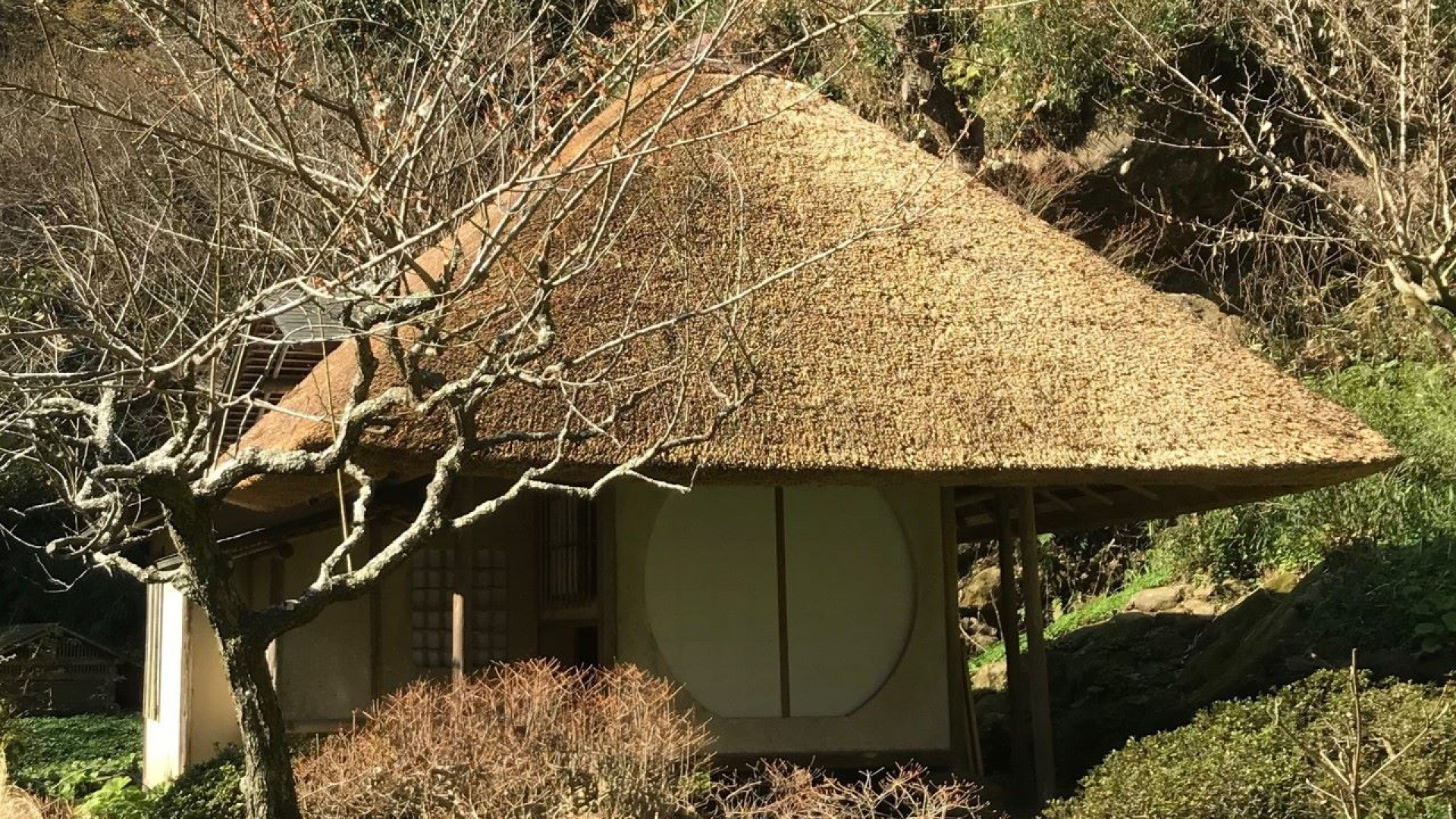
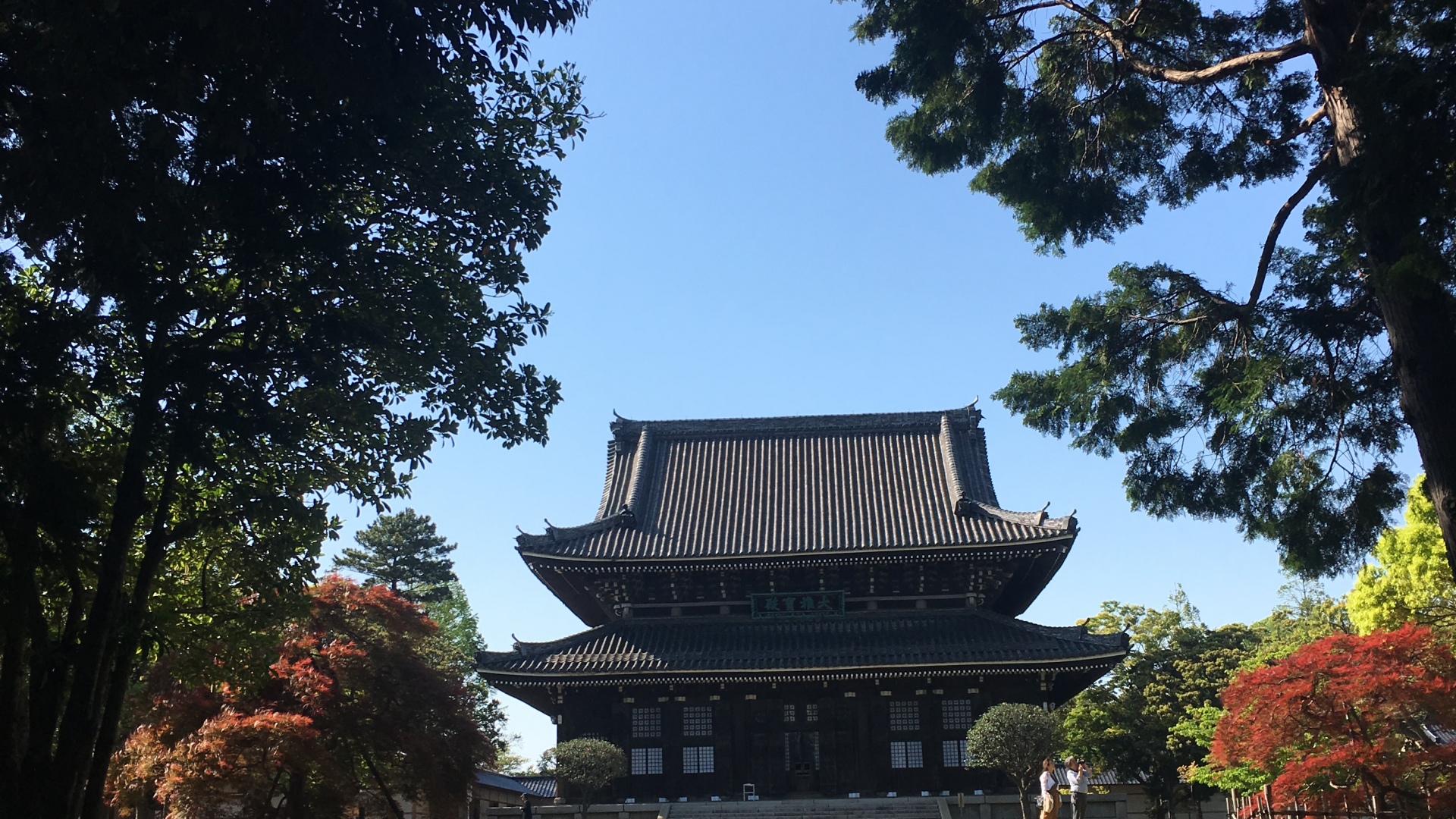
Houan is a traditional tea house built in 1934 in the forested valley behind Jochiji Temple in Kita-Kamakura. It features a building with two tea rooms (Jouan-ken)—one 8-mat and one 4-mat room, and the world's smallest tea house, the thatched-roof Musouan, measuring just under 2 mats. It is normally closed to the public, but just once a month, a tea house opens its doors to serve matcha and high-grade sweets to visitors freely touring the premises (reservation required). Information about various tea gatherings, introductory sessions for beginners, and traditional Japanese arts classes is posted on the official website and social media. They also accommodate inquiries for small-group tea ceremony experiences and tea gatherings for international visitors.

Eat & Drink Tokaido Koshu kaido KANAGAWA
Hakone-jinja Shrine

Hakone-jinja Shrine

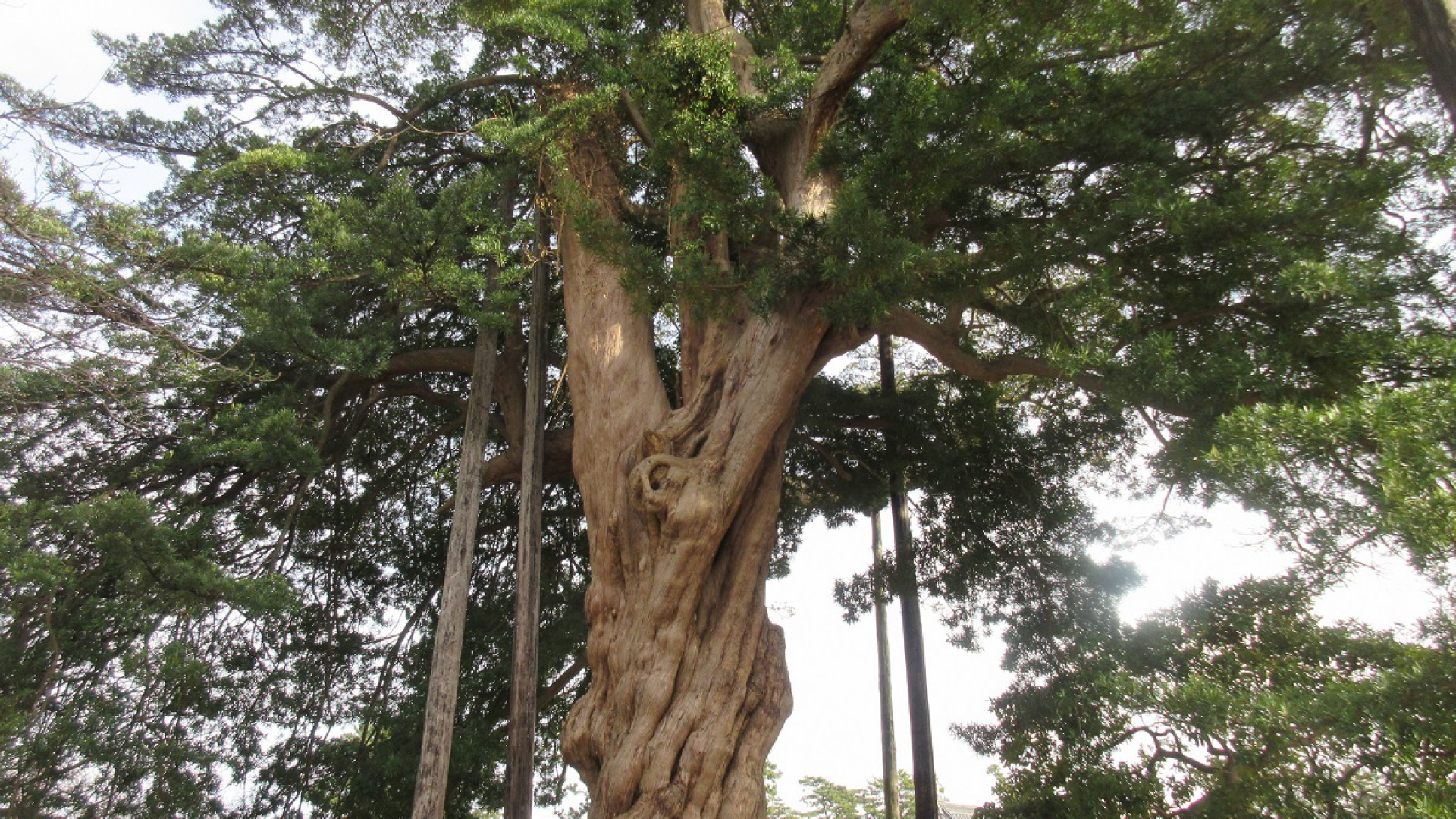
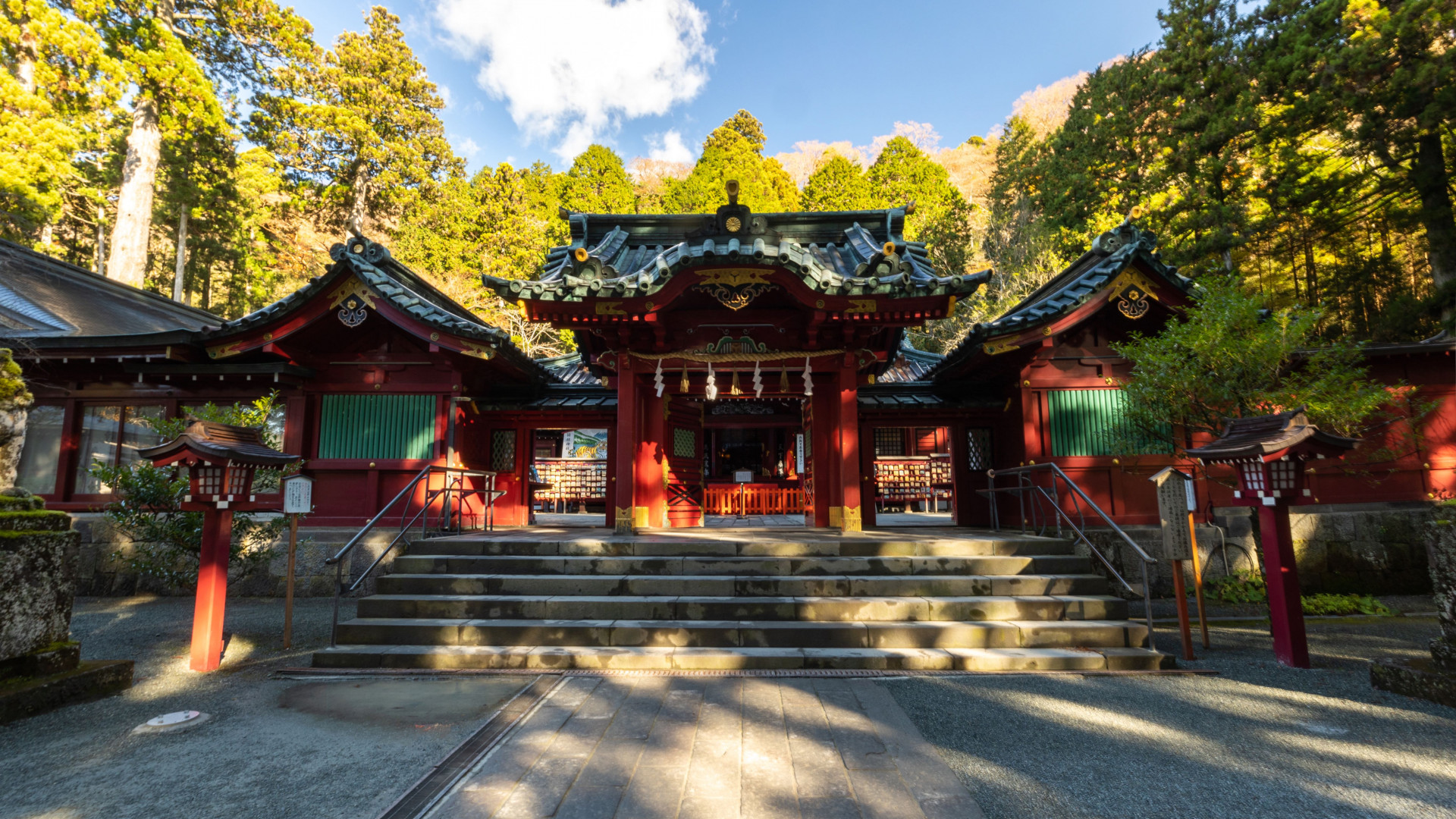
Hakone Shrine is an ancient shrine celebrating its 1266th anniversary. Founded in 757, the first year of the Tenpyo-Hoji Era, at the beginning of the Nara Period (710-794), when Mamaki Shonin, who was in ascetic training on Mount Hakone, was entrusted by the Great God of Hakone to the shrine at its current location by Lake Ashi. During the Kamakura period, Minamoto no Yoritomo deeply worshipped Hakone Shrine, giving birth to the custom of nishomode (pilgrimage to two shrines). Since then, the shrine has flourished as a place of reverence for warriors such as the regent Hojo and the warlord Tokugawa Ieyasu, as well as a sacred place for Shugen (Japanese mountain asceticism). In modern times, with the construction of the Hakone Road, Hakone became a sacred place of worship for the common people, and belief in Mount Hakone as a deity highly virtuous for protecting against bad luck, fulfilling one's desire, and ensuring traffic safety became even more popular. The approach from the Heiwa-no-torii (peaceful gateway) by Lake Ashinoko to the main shrine is flanked by rows of cedar trees more than 600 years old, giving the shrine a majestic appearance, behind the vermilion-lacquered Gongen-zukuri main shrine building is a pure forest of himeshara, a natural treasure of Kanagawa Prefecture, and the Gongen Mitarashi pond and Lake Ashi below reflect the vermilion Peace Gate and the sacred Mount Fuji, surrounding the shrine with beautiful nature. Many visitors from around the world come to pay their respects at the Kuzuryu Shrine (Shingu and Hongu), which is a shrine revered not only for its good fortune and prosperity, but also for its protection of money, prosperity in business, and match-making, particularly during the Tsukinamisai held at the main shrine on the 13th of each month. [Divine virtues] Good luck repelling of bad luck, fulfillment of one’s desires (protection against bad luck), traffic safety, match-making, family safety, and business prosperity On July 31st, the shrine organizes the Ashinoko Kosui Matsuri Festival to celebrate a legendary dragon. Monks sail the lake on pirate ships offering red rice to the depths below. Floating lanterns illuminate the lake waters while fireworks light the skies above.Lake Ashinoko Summer Festival Week: Hakone Summer Festival offers a variety of events such as the biggest annual festival of Hakone Shrine with Shinto celebrations and rituals, fireworks, and more. Many fireworks will be launched at a total of six fireworks festivals, adding color to the summer Hakone sky.


Temples & Shrines Tokaido Koshu kaido KANAGAWA
Shogetsuan Kawasaki (Soba)

Shogetsuan Kawasaki (Soba)

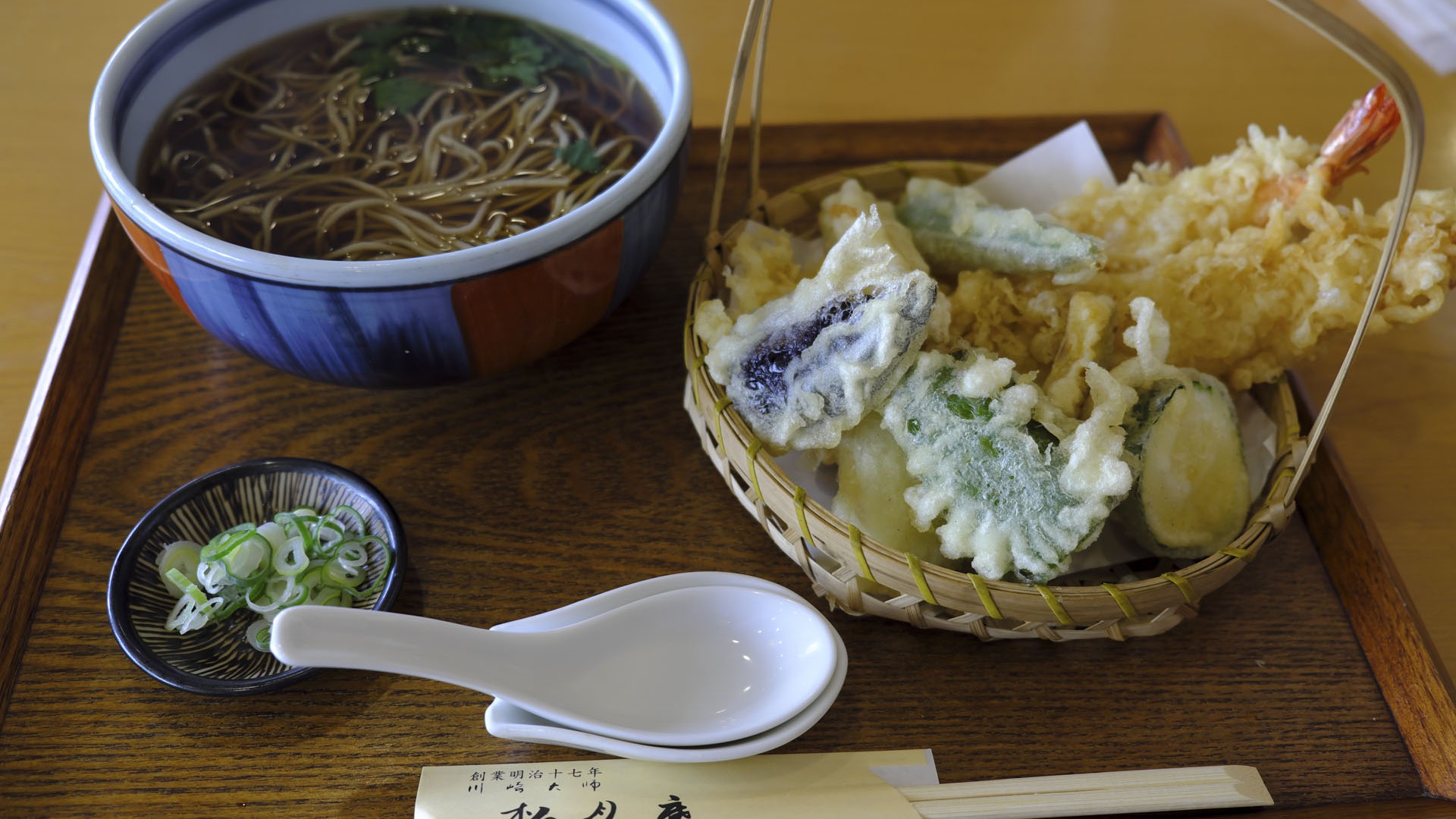
The natural fragrance, springiness and texture of soba noodles come from two masterful hands working in a kibachi kneading bowl. The crisp clearness of the dipping sauce is a product of upholding traditional methods. This natural culture of taste has been passed from generation to generation. The restaurant aspires to bring a modern sensibility to soba, all while paying respects to memories of the past. It is a small-scale store built on Kawasaki Daishi land in 1884, and they have protected the tradition of Edo noodles ever since.

Eat & Drink Koshu kaido Tokaido KANAGAWA
N’s YARD

N’s YARD

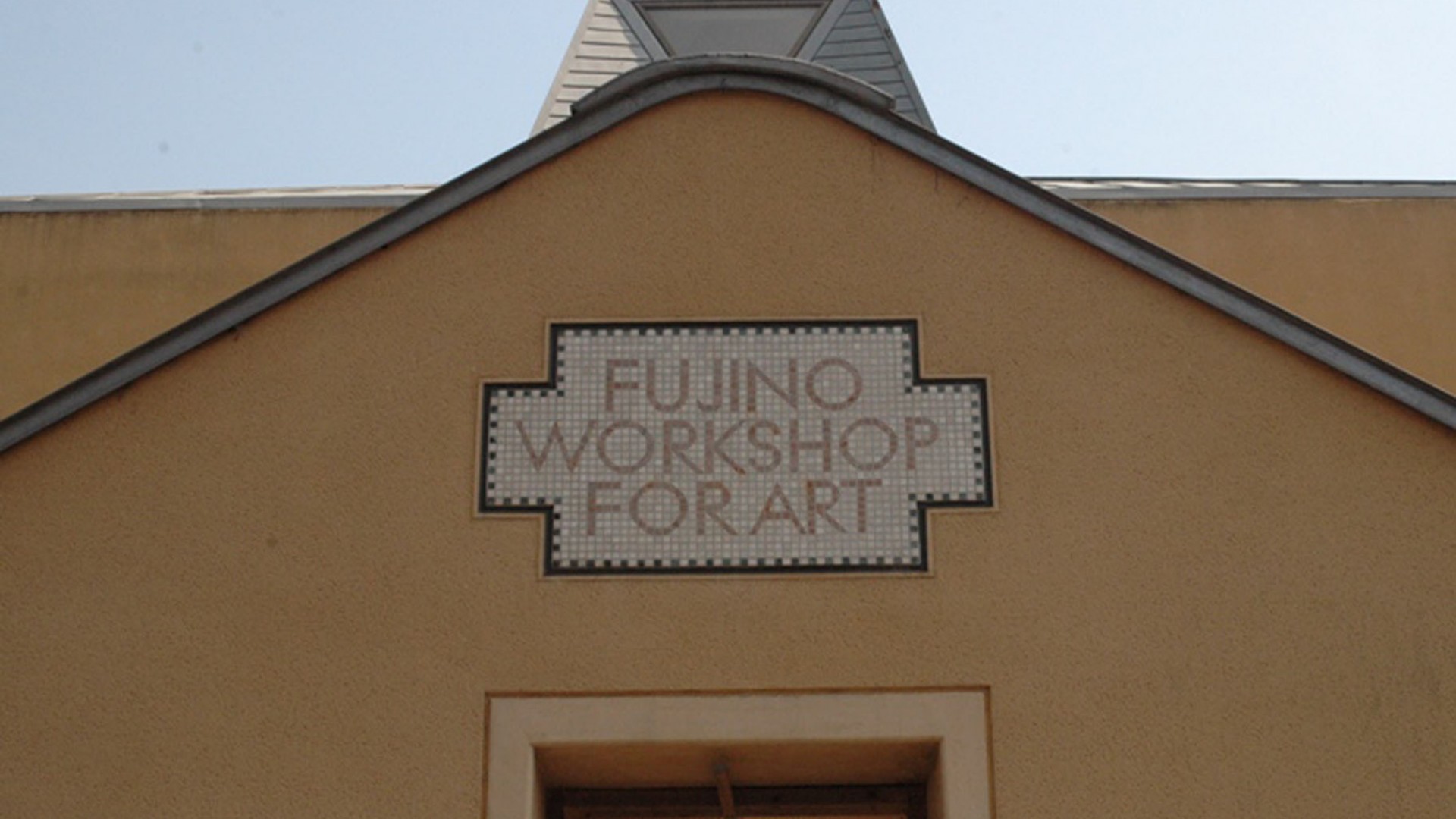
N's YARD is a private modern art space displaying the works of modern artists and was created with the intention of making a space available for visitors to casually see the works of the artist and sculptor, Yoshitomo Nara. The museum has a café and a museum shop, too. Five exhibition rooms showcase not only Nara’s works including paintings, drawings, and 3D art pieces, but also Nara’s collections of other artists’ works, records, and dolls. Exhibitions are planned and designed by Nara. Besides the exhibition rooms, there is also a café, which offers light meals, drinks, and desserts, made with carefully selected ingredients, and a museum shop that sells items produced exclusively for this museum. Photo: Mie Morimoto ※The images may differ from the current facility appearance.

Nikko kaido Oshu kaido TOCHIGI
Nasu Stained Glass Museum

Nasu Stained Glass Museum

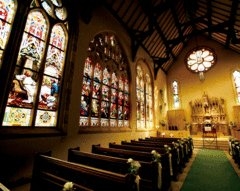
Made in the motif of the UK's Cotswolds aristocracy manor house, this small museum shaped like a castle was painstakingly constructed using only the finest materials.  The exhibits include antique stained glass from the 1800s. Particularly popular are, the stained glass produced by the glass studio artist Tiffany, and the glass that is inspired by the Biblical wall decorations of St. Raphael Chapel. Inside the building antique pipe organ music is played live for your enjoyment during the stained glass viewing, every day. Additionally the St. Gabriel Chapel has a concert weekly (on weekends) with a variety of musical instruments, so weekend visits are recommended. This building also has a café where you can enjoy a meal and traditional British tea."

Nikko kaido Oshu kaido TOCHIGI
Kuramoto Kakou Izumibashi

Kuramoto Kakou Izumibashi

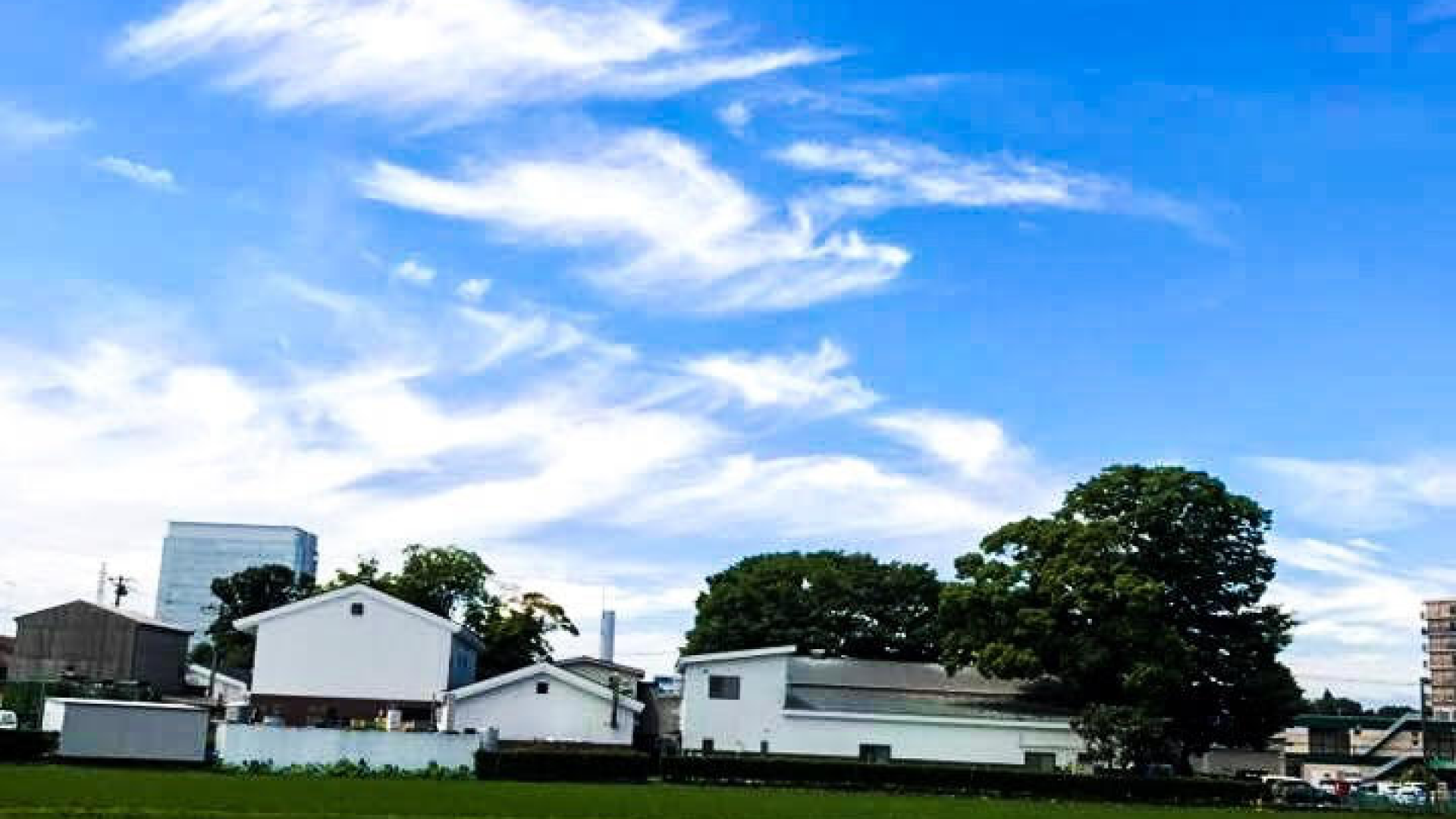
With the motto "Sake brewing starts with rice brewing", this restaurant is directly managed by Izumibashi, a cultivated brewery that directly handles rice as a raw material. You can enjoy meals made with local ingredients paired with sake from Izumibashi. The restaurant was started with the desire to be involved in the promotion of the local region by incorporating various local blessings.A restaurant where you can enjoy seasonal vegetables from local farmers, fresh seafood from Sagami Bay, and beef from local livestock farmers, along with Japanese sake.

Sake & Breweries Tokaido Koshu kaido KANAGAWA
Manazuru Port

Manazuru Port

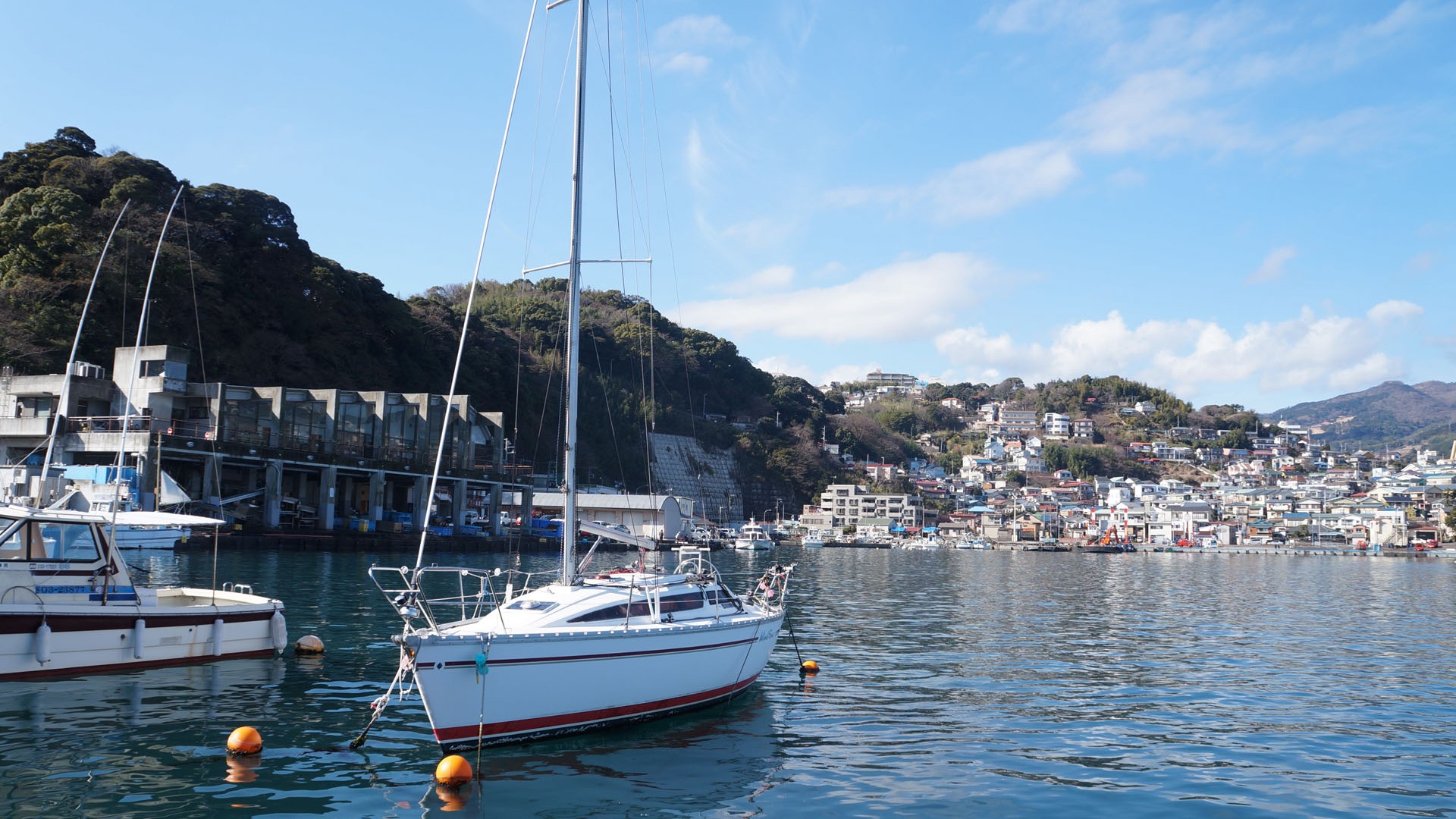
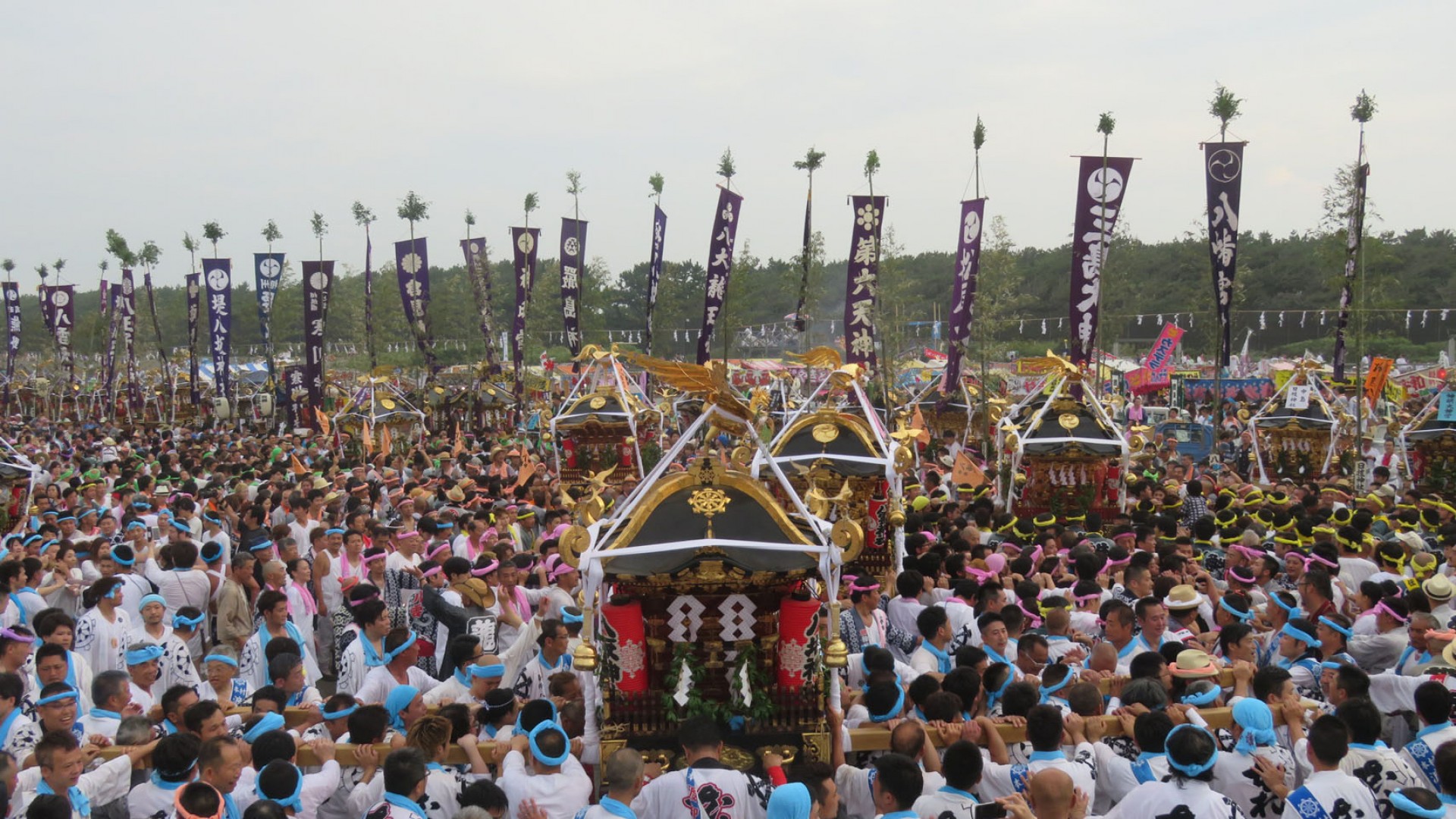
This port is a base for the local industries in Manazuru, fishing boats, cargo ships carrying stone materials, and so on. Besides that, there is a fish market nearby where the catch of the day is sold. The Kaijo Togyo (shrine procession in the sea) of the Kibune Festival, an important intangible folk cultural property of Japan, is also held here at the Manazuru Port.There is a fish market nearby that sells the fresh catch of the day. Sales end as soon as the fish is sold out, so going early in the morning is recommended.

Nature & Views Tokaido Koshu kaido KANAGAWA