

Greater Tokyo

See & Do

reset
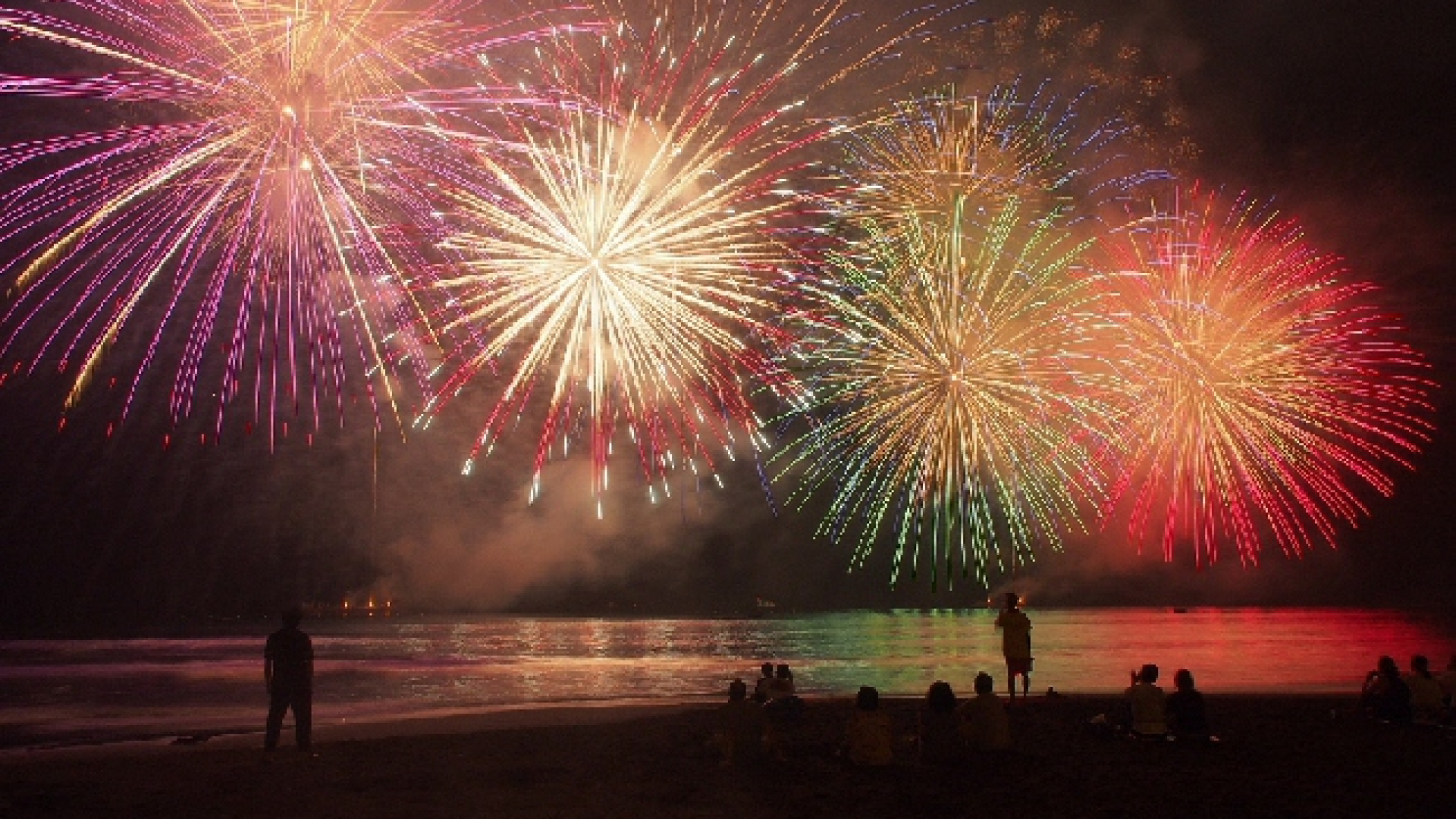
Miyagase Furusato Festival Fireworks Display

Miyagase Furusato Festival Fireworks Display

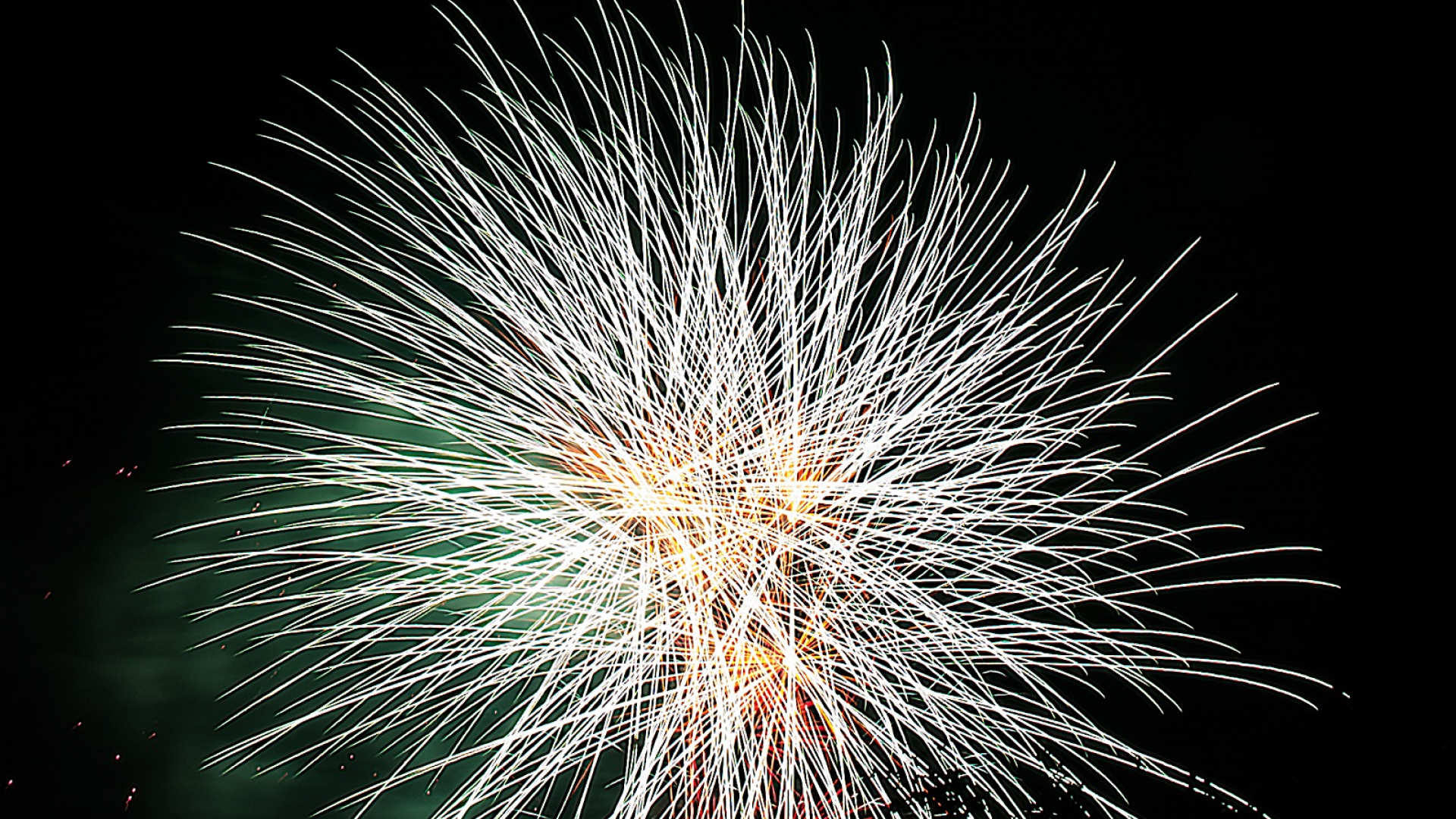
This fireworks display is held at Miyagase Lake, located amid rich natural surroundings. The inspiration for this event was to create a way for residents who moved to Miyagase and those who remained in Miyagase to get together and remember their hometowns following the construction of the Miyagase Dam. On the day of the festival, approximately 2,000 fireworks are shot off.The Miyagase Furusato Fireworks Festival is a great opportunity to enjoy the loud sounds echoing off the mountains and the vivid contrast between the fireworks and the night sky, which is unique to Miyagase's rich natural environment. *Please check the official website for the latest information.

Culture & Arts Tokaido Koshu kaido KANAGAWA
Tezutsu Hanabi(Hand-held fireworks)

Tezutsu Hanabi(Hand-held fireworks)

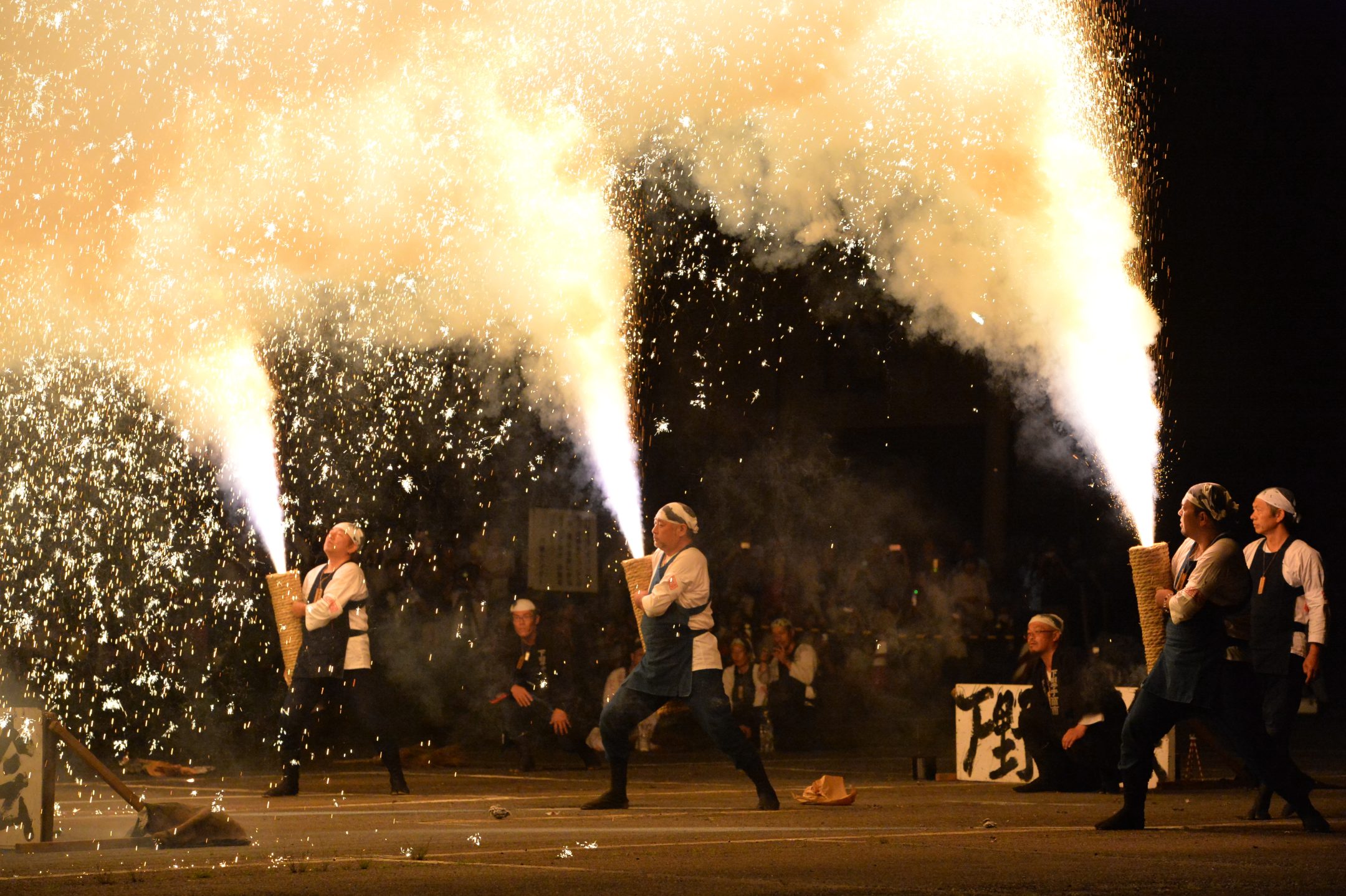
The "Mashiko Gion Festival" held at Kashima-jinja Shrine every July 23, 24, and 25. Kicking off the first night of the festival, an impressive rain of sparks falls from tezutsu fireworks shot up to 8 meters into the night sky from a combination of large and small cylindrical tubes. The handheld fireworks(Tezutsu Hanabi) are said to have originated in Toyohashi city. Tokugawa Ieyasu, who became the first Shogun of the Edo Period, brought that technology to his home in Mikawa province (current Aichi Prefecture). At the time gunpowder was strictly forbidden throughout Japan, but the villagers of this region were allowed to use Tezutsu Hanabi as a part of Shinto rituals offering to the gods in exchange for rich harvests, good health, family fortune and prosperity, and good luck in battle.

Nikko kaido Oshu kaido TOCHIGI
Nasu Kogen Visitor Center

Nasu Kogen Visitor Center

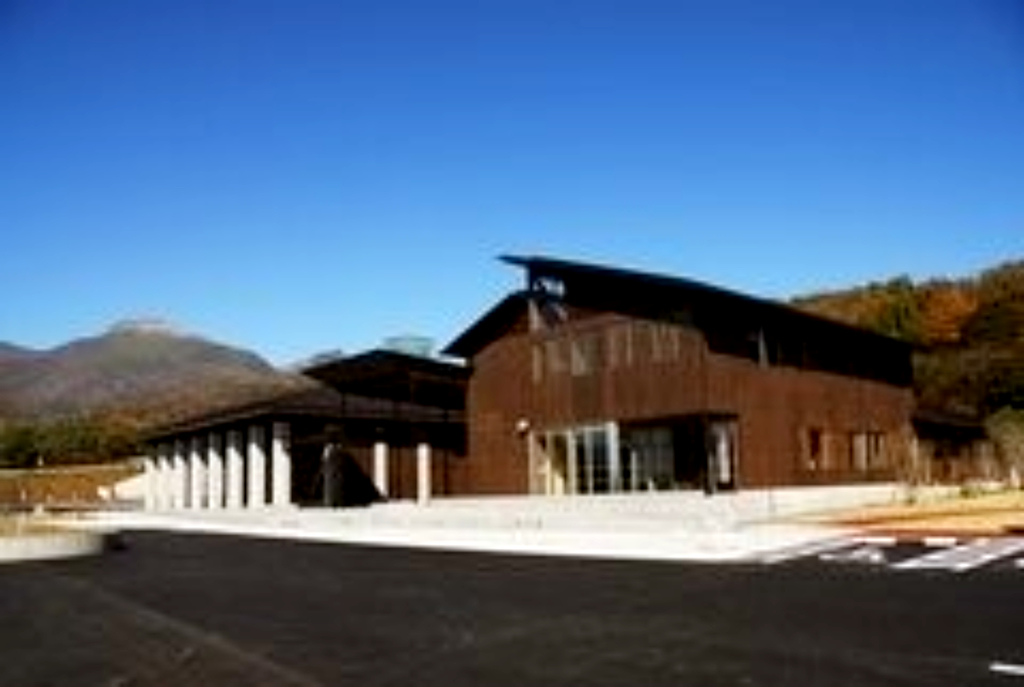
This information center is located in Nikko National Park. The center features videos, pictures, and other information exhibits about the history, nature, and other aspects of the Nasu Kashi region. Head to the exhibition room and experience the interactive exhibits to find out more about flora and fauna of the Nasukashi area, or enter the special exhibition room to learn about the center’s connection to Japan’s royal family and the nearby Nasu Imperial Villa. The lecture hall and conference room regularly host nature appreciation activities. Join these free activities and interact with local volunteers for a deeper understanding of the Nasu area's offerings."

Nikko kaido Oshu kaido TOCHIGI
Hokoku-ji Temple

Hokoku-ji Temple

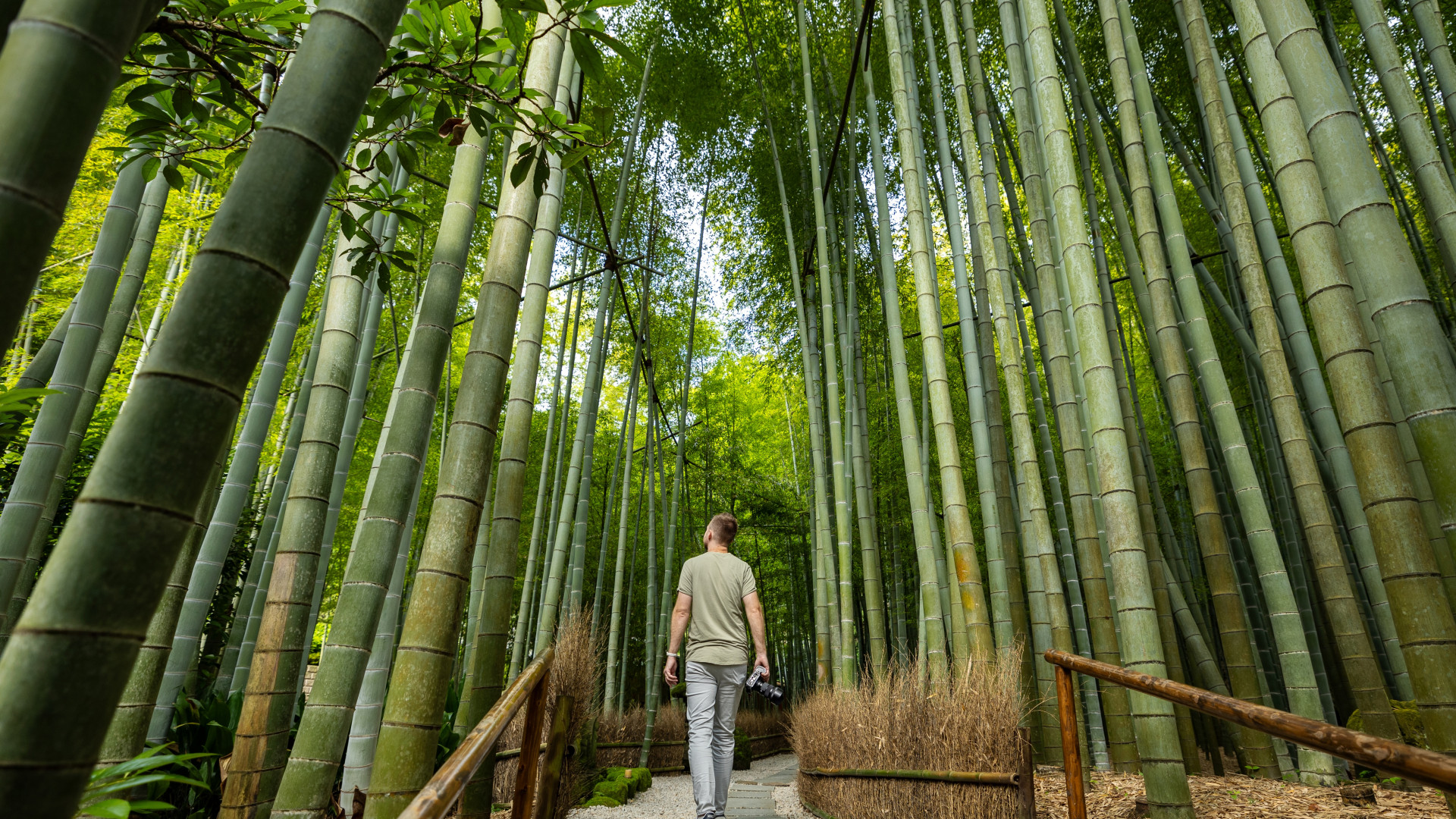
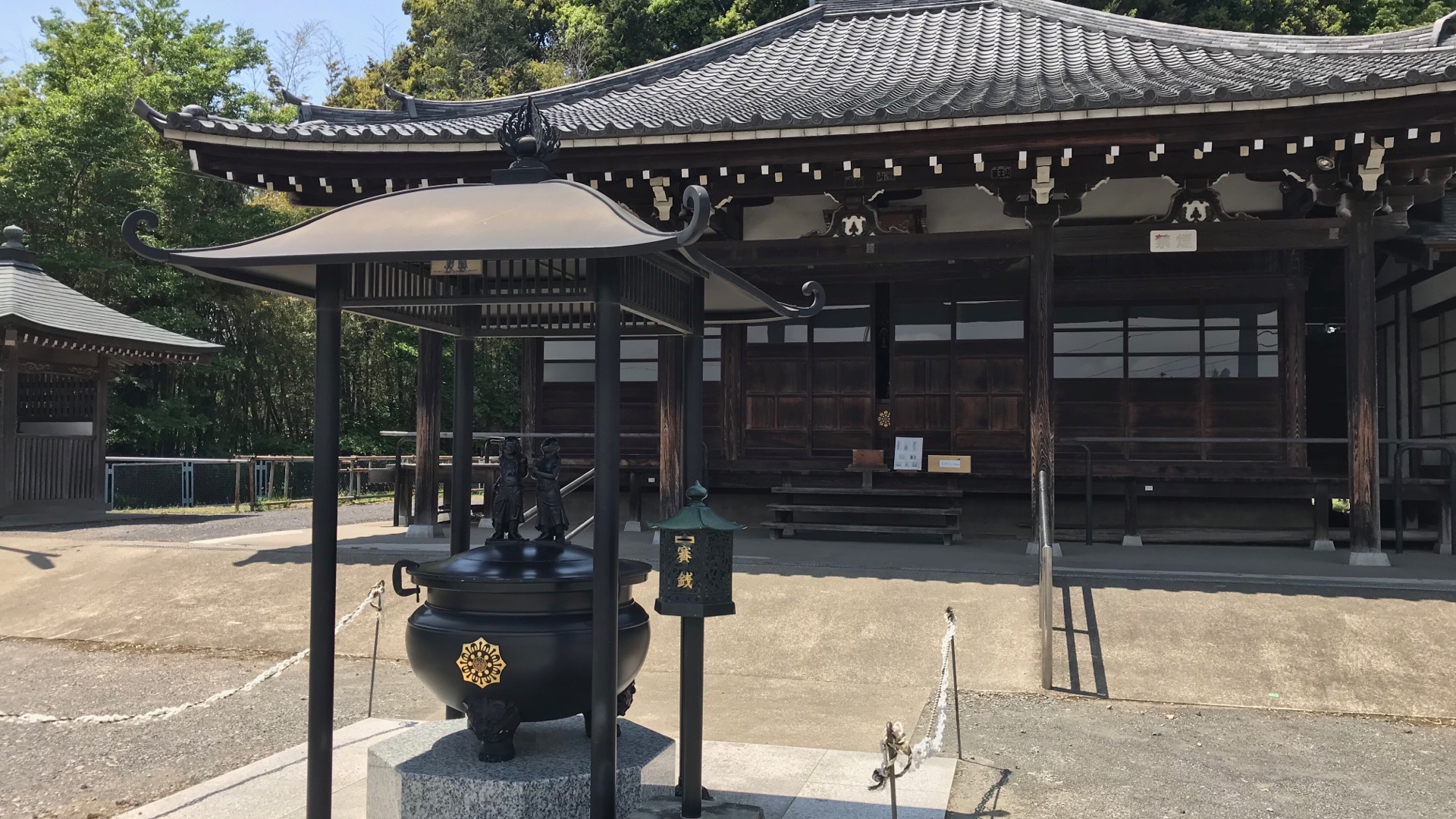
This ancient temple in Kamakura is known for the 1,000 moso bamboo trees on its grounds. Even in the present day, the solemn atmosphere of the temple conveys the tragedy of the Ashikaga clan. It also features a beautiful bamboo grove and garden. The “Sunday Zazen-kai” (Zen meditation), which has a reputation for being strict, is held every Sunday morning at 7:30 a.m. and is open to everyone. Please wear comfortable clothes to participate.This is probably the most impressive bamboo grove you will ever see. Be sure to get tickets for the temple's tranquil teahouse experience before entering.A temple in Kamakura with a beautiful garden and bamboo grove. A Sunday Zen meditation session is held at 7:30 in the morning every Sunday and is open to everyone. The session is reputed to be very strict, and be sure to wear comfortable clothing if you would like to participate.

Temples & Shrines Tokaido Koshu kaido KANAGAWA
Nihon Odori

Nihon Odori

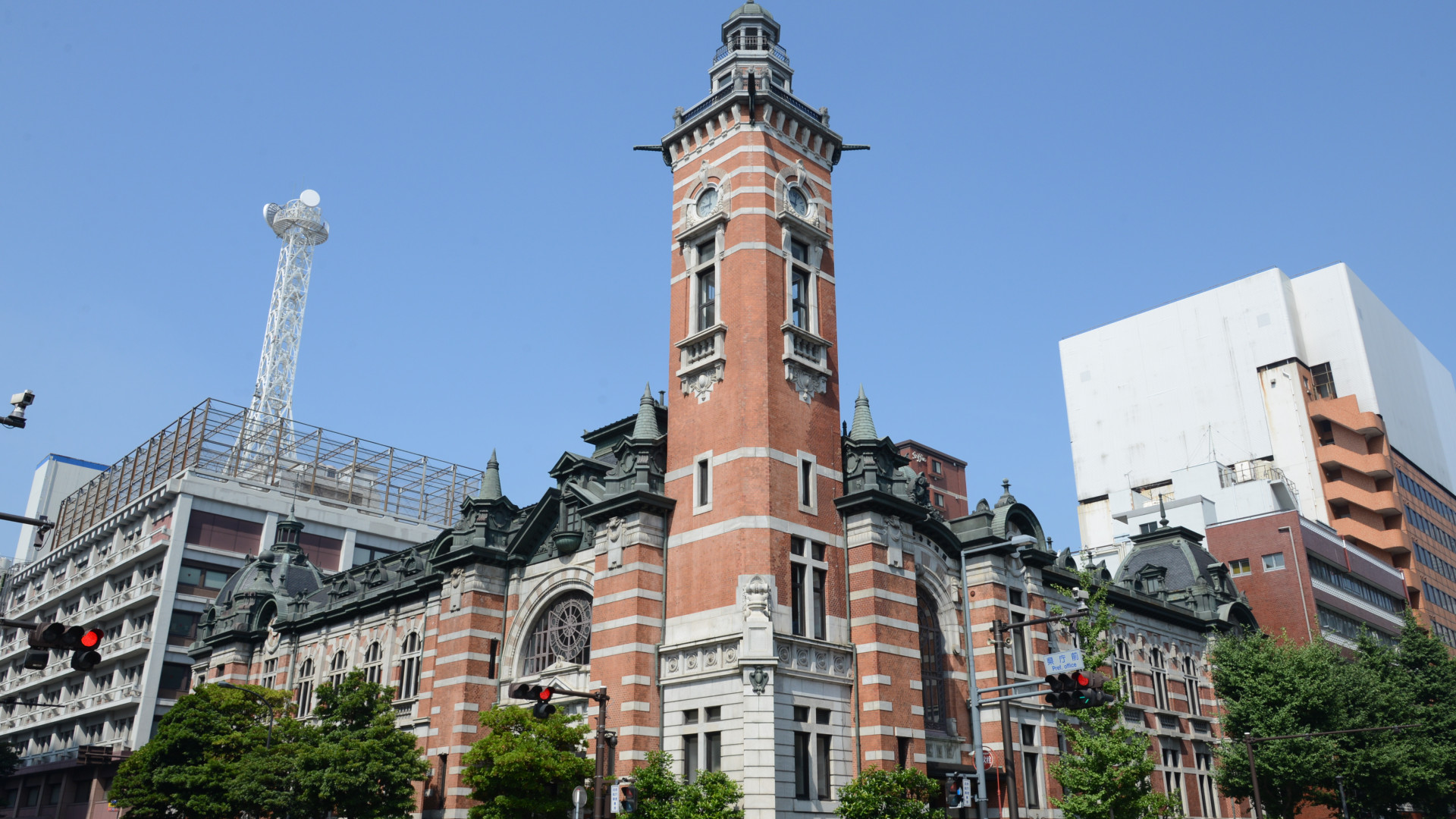
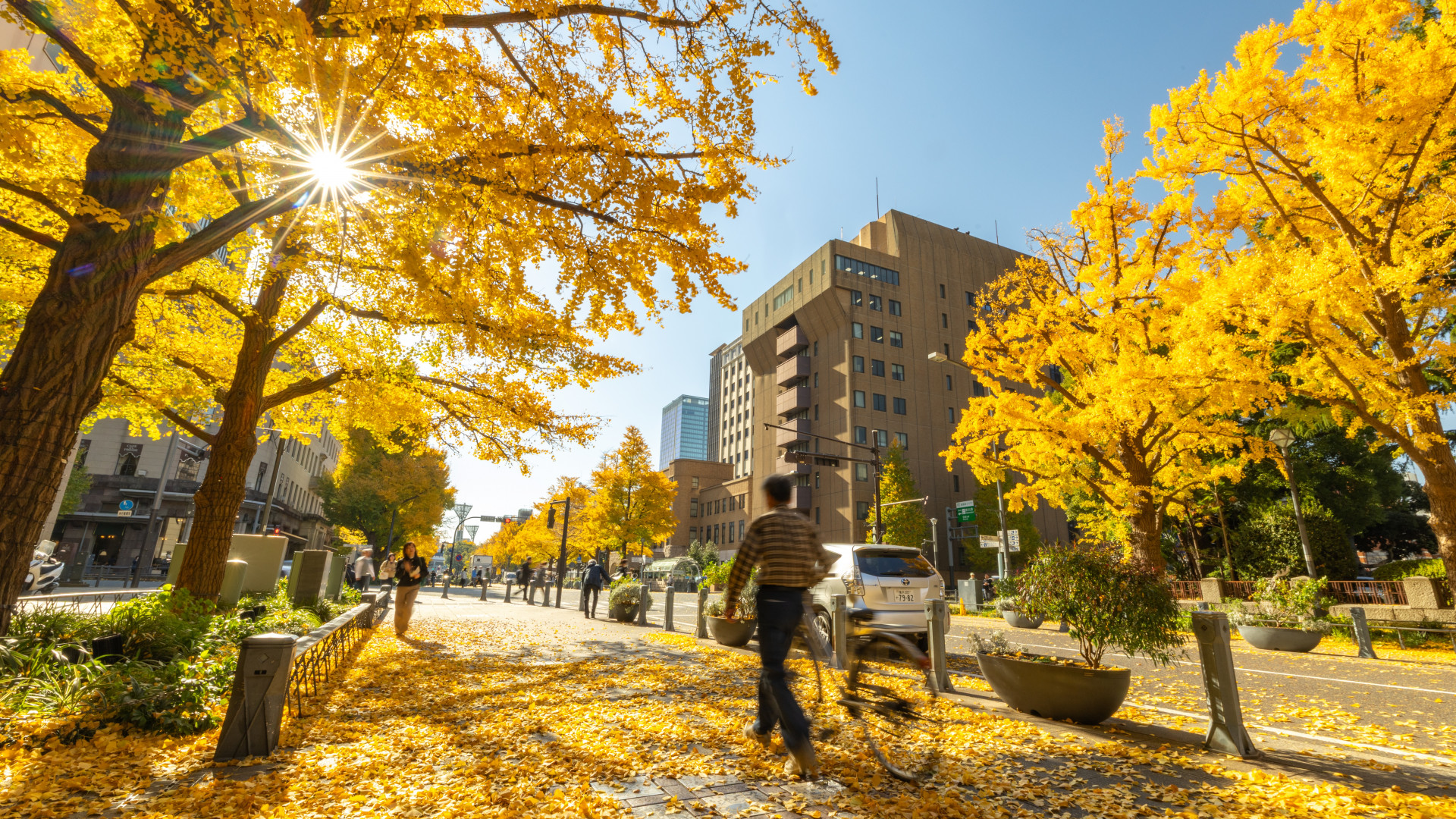
Nihon Odori is the first western style street in Japan. It was completed in 1870 and designed by R.H. Blanton. The stately historic buildings such as Kanagawa Prefectural Government, the Yokohama Archives of History, Yokohama District Court, Mitsui & Co.,Ltd. Yokohama building and the old Kanto Local Finance Bureau etc. line the Nihon Odori. In autumn, open cafes along the road are a popular resting spot with a view of beautifully colored ginkgo.Known for its gorgeous ginko trees, the street is most beautiful in autumn when the leaves are golden and the air is crystal clear.

Nature & Views Tokaido Koshu kaido KANAGAWA
Kitakamakura Houan (tea room)

Kitakamakura Houan (tea room)

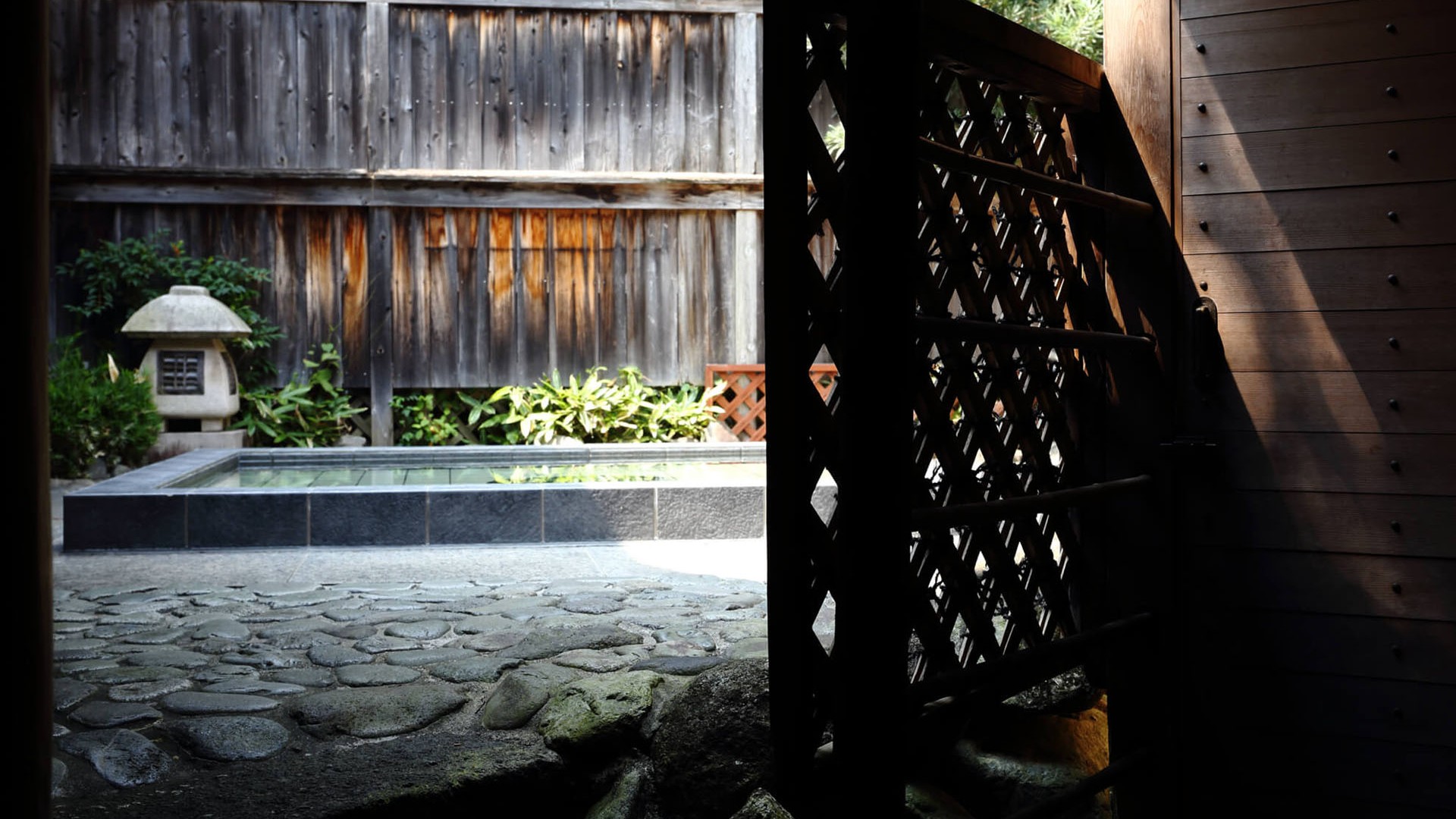
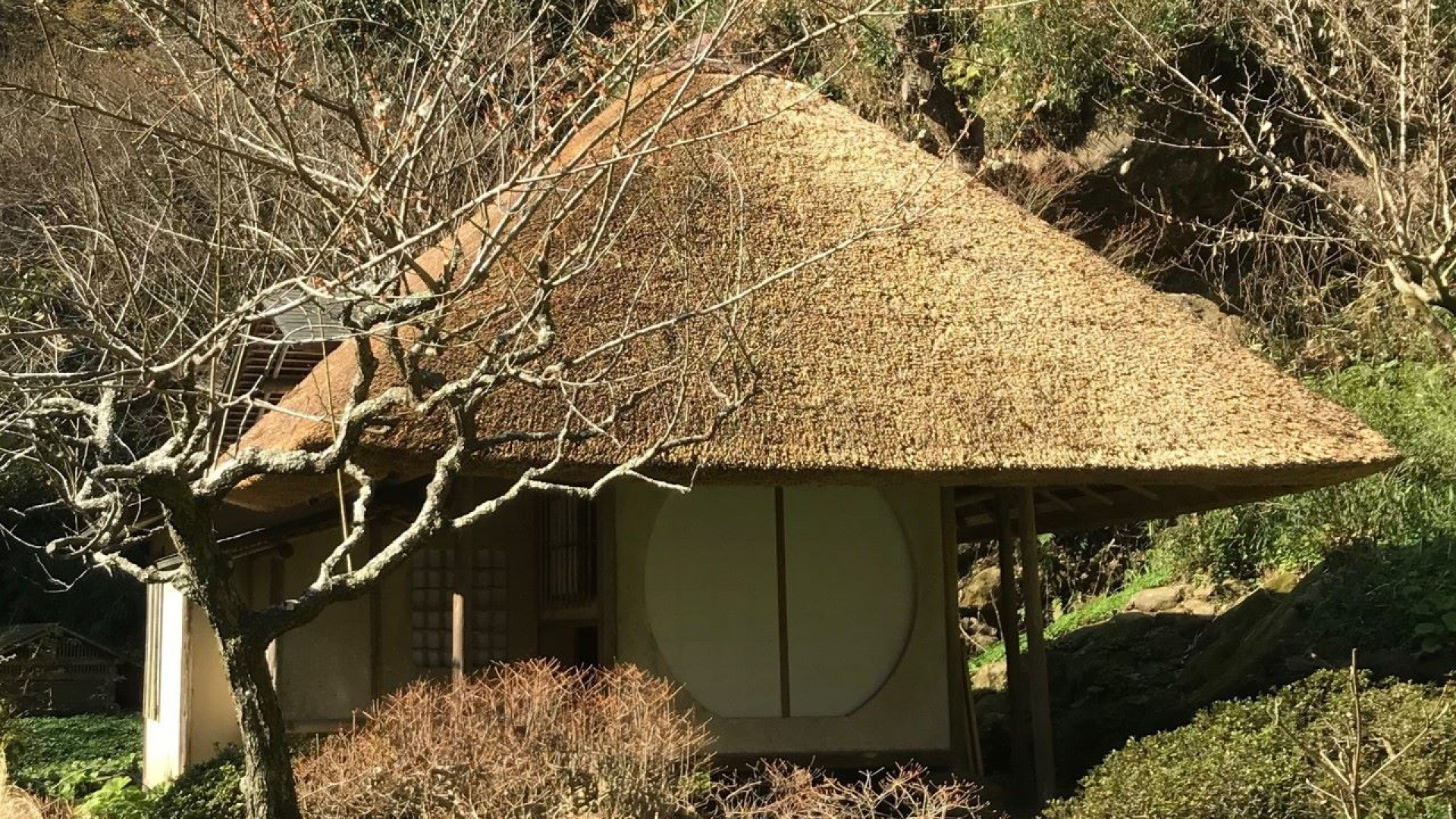
Houan is a traditional tea house built in 1934 in the forested valley behind Jochiji Temple in Kita-Kamakura. It features a building with two tea rooms (Jouan-ken)—one 8-mat and one 4-mat room, and the world's smallest tea house, the thatched-roof Musouan, measuring just under 2 mats. It is normally closed to the public, but just once a month, a tea house opens its doors to serve matcha and high-grade sweets to visitors freely touring the premises (reservation required). Information about various tea gatherings, introductory sessions for beginners, and traditional Japanese arts classes is posted on the official website and social media. They also accommodate inquiries for small-group tea ceremony experiences and tea gatherings for international visitors.

Eat & Drink Tokaido Koshu kaido KANAGAWA
Kamakurabori Assembly Hall

Kamakurabori Assembly Hall

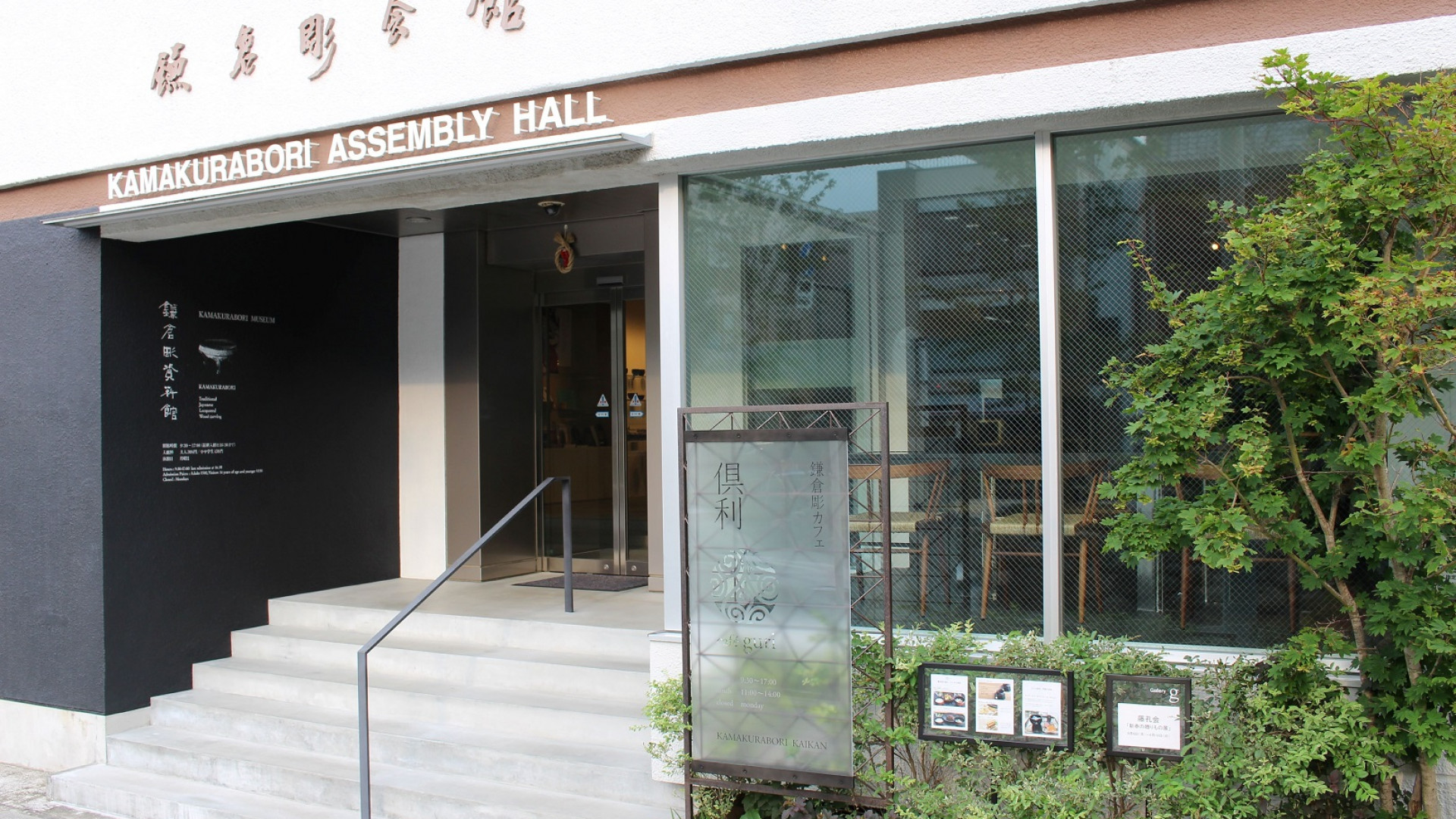
A cultural complex offering a place to experience history, culture, and exchange, with a café and store on the first floor and a gallery in the back, as well as a museum of Kamakura carvings on the third floor, and "Kamakura Sculpture Hall Cultural Workshops" on the second and fourth floors. In the Premium Workshop, visitors can experience making trays, plates, and other items under the direct guidance of Kamakura carving craftsmen to create one-of-a-kind works of art.

Culture & Arts Tokaido Koshu kaido KANAGAWA