
Greater Tokyo

See & Do

reset
Yokohama DASKA

Yokohama DASKA

Located in the center of Yokohama’s Chinatown, in front of the Tencho-mon gate, stands the eight-story entertainment unit Yokohama Daisekai. Based on Shanghai Daska, it was created as part of the 30th anniversary of friendship between the two cities, recreating the entertainment zone of China’s pulsating metropolis in the bayside city of Yokohama.Filled with souvenirs from Chinatown and the wider city of Yokohama, Daska Market hosts a bunch of thrilling goodies on the first and second floors, including a Hello Kitty store.On the third floor is a food court where you can feast on an array of delicious Chinese dishes, while a section of beauty and health services is found on the fourth. There are also restaurants such as Kaikarou on the first floor that specializes in gigantic dumpling dishes and soups. To enter a mysterious world of mirrors and fun, head up to the fourth through eighth floors for the Trick Art Museum, which costs 1,300 yen for adults, 1,000 yen for high-school or junior-high students, 600 yen for children, and is free for under-threes.For families or groups of friends, as well as for tourists and travelers passing through, Yokohama Daisekai is a taste of the real China in the middle of Chinatown, and its eight fun-packed floors have something for everyone to get excited about. 

Experience & Activities Tokaido Koshu kaido KANAGAWA
Ryuhoji (Wooden Senju-kannon)

Ryuhoji (Wooden Senju-kannon)

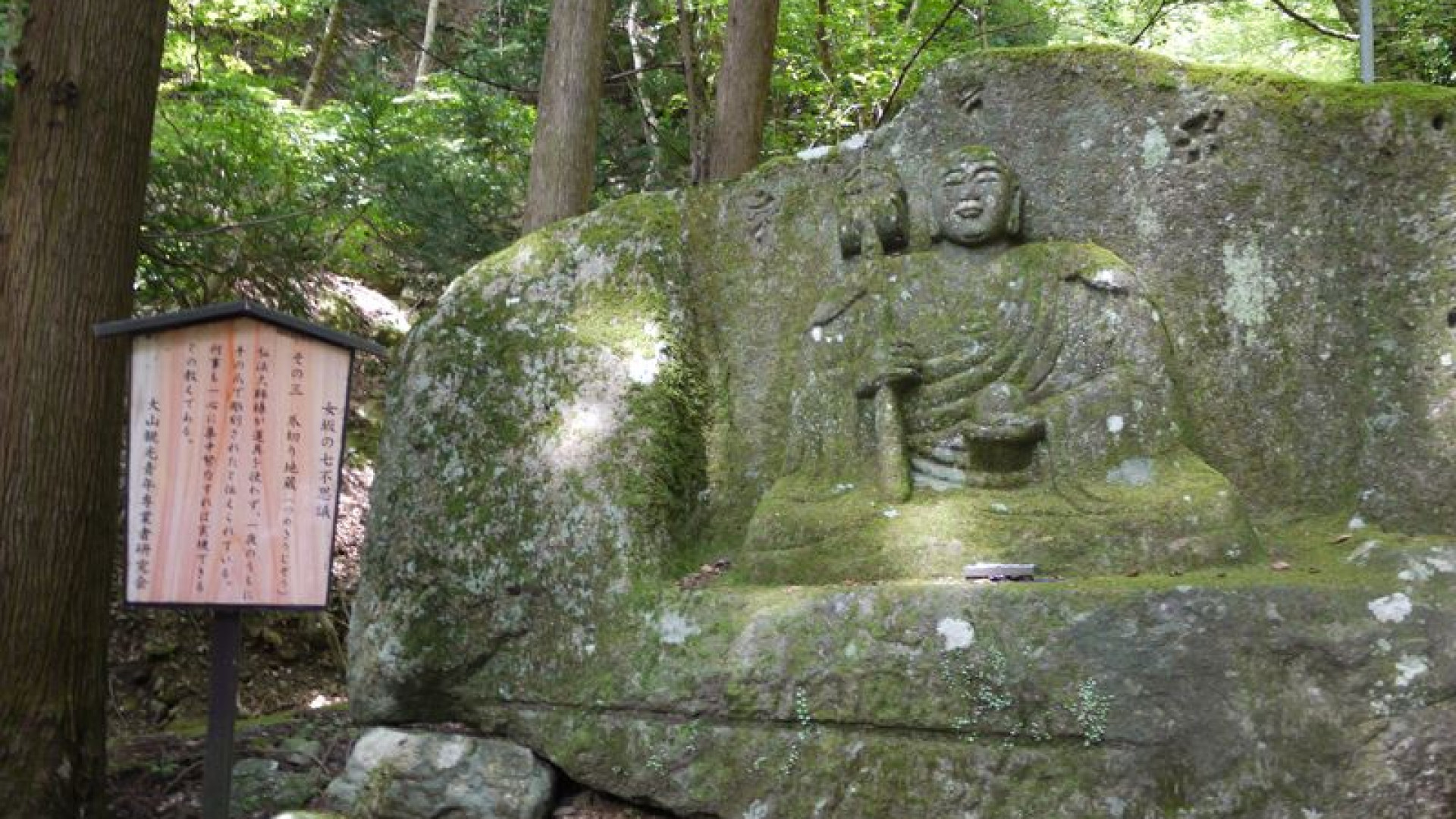
It was founded in the early Muromachi period as a branch temple of Kencho-ji Temple in Kamakura, inheriting the remains of Kannondo and Kiyomizu-dera. The Kannondo, the Nio-mon Gate, the Nio Guardians and the ema plates are tangible cultural properties designated by Ebina City. Since it is on a hill, it has a nice view, you can have a nice view of Oyama if the weather is sunny. There are various plants in the precincts, which you can enjoy all year.

Temples & Shrines Tokaido Koshu kaido KANAGAWA
Oi Agricultural Experience Facility Shiki no Sato

Oi Agricultural Experience Facility Shiki no Sato

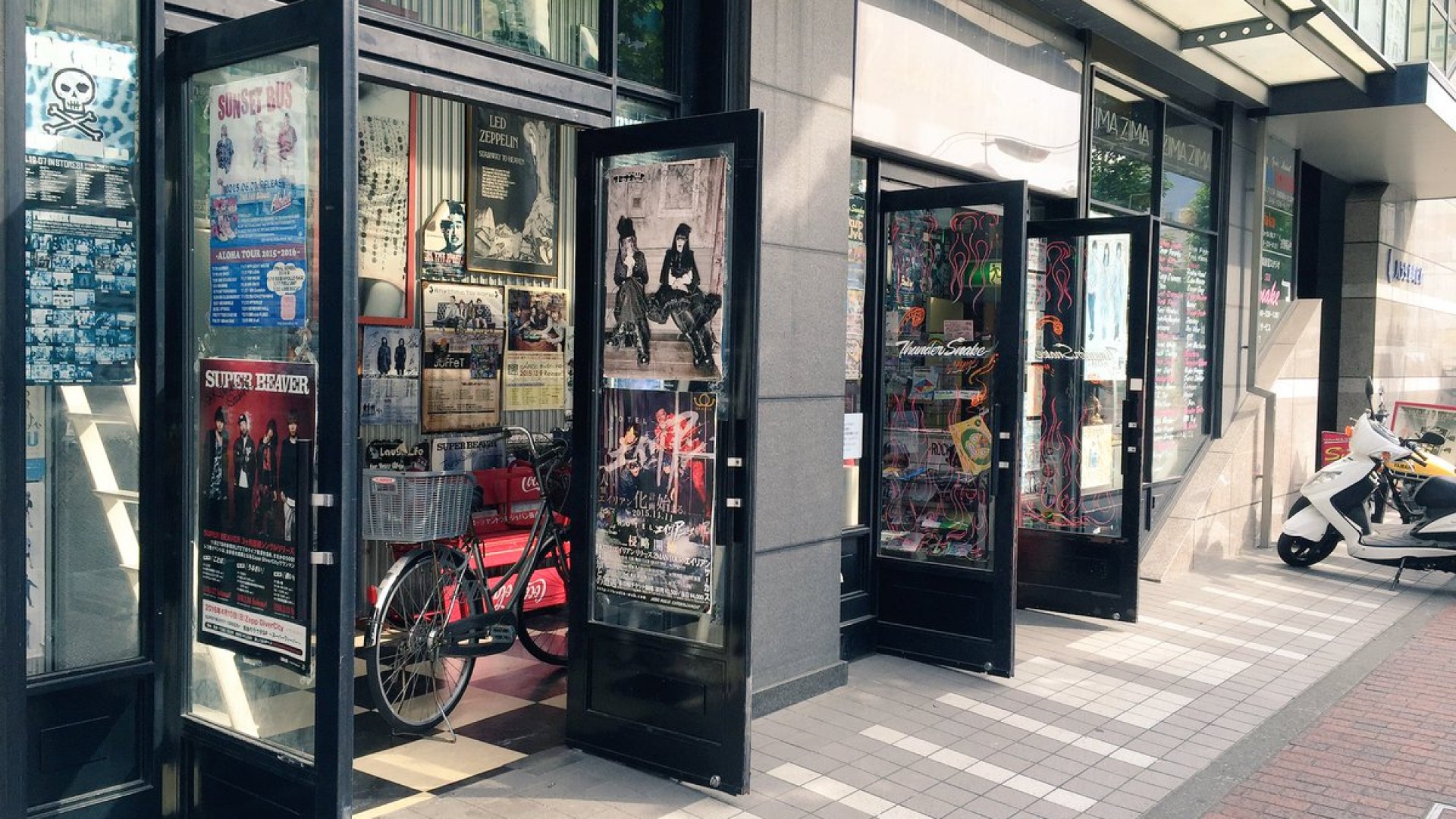
Shiki no Sato (Village of Four Seasons) is a facility surrounded by nature where you can have first-hand agricultural experiences. It is a place where urban residents and locals can mingle and use it as a base facility for experiencing work by hand, such as rice planting, rice harvesting, making pizza from scratch, etc. You can purchase freshly picked local fresh vegetables and special products at the Shiki no Sato shop on grounds of the facility.

Experience & Activities Tokaido Koshu kaido KANAGAWA
Sagamiko ILLUMILLION

Sagamiko ILLUMILLION

Sagamiko Illumillion is Kanto's largest illumination event with 6 million shining orbs. It is also certified as one of the three major illuminations in the Kanto region.For a memorable and less rushed experience stay overnight at PICA Sagami Lake (formerly known as the Paddington Bear Campground), which is located on Sagamiko Resort MORIMORI grounds. This facility is filled with quaint cabins and a nearby barbeque area where you can cook and purchase ingredients on-site.An illumination event at the Sagamiko Resort MORIMORI outdoor complex. It is certified as one of Kanto’s top three illumination events.

Culture & Arts Koshu kaido Tokaido KANAGAWA
Kenchoji Temple (Main temple of Kenchoji school of Rinzai sect)

Kenchoji Temple (Main temple of Kenchoji school of Rinzai sect)

This ancient temple is ranked first among the Kamakura Gozan. It features many old buildings, with a temple bell designated the national treasure. Our zazen experience, which has explanations available in English, is popular with foreign visitors. Enjoy a different travel experience by taking your time to relax and enjoy the clean air.Kamakura's greatest Zen temple. Enjoy the tranquility of the Zen garden, and view of Mt. Fuji from the observation deck up the hill on clear days in winter.How about starting your day with zazen meditation? The cool air will help you feel refreshed, and a leisurely breakfast and sightseeing trip will make for a different kind of travel experience.

Temples & Shrines Tokaido Koshu kaido KANAGAWA
Sengokuhara Susuki Grass Fields

Sengokuhara Susuki Grass Fields

The Sengokuhara Silver Grass Plains is prided as one of the best in the Kanto Region. Stretching until the vicinity of the southern foot of Mount Kintoki and the northwestern foot of Mount Daigatake, the glimmering Silver Grass Plant Community is one of the sceneries representing Hakone in autumn. It is listed as one of the “Top 50 Scenic Spots in Kanagawa” and “Top 100 Flower Places in Kanagawa” and attracts many tourists every year.During the afternoon hours, when the sun is hidden behind the mountains, the silver grass is illuminated by the sun, creating a golden meadow. There is also a light up event for a limited time. For more information, please check the Hakone Town website.

Nature & Views Tokaido Koshu kaido KANAGAWA
Yokohama Zoological Gardens Zoorasia

Yokohama Zoological Gardens Zoorasia

Yokohama Zoological Gardens "ZOORASIA" is a zoo themed around “coexistence and harmony of life and nature.” It is divided into 8 zones according to the world's climatic regions, with 570 animals of around 100 species (as of the end of March 2025), including rare animals like okapi and proboscis monkeys. Feel like you've taken a trip around the world at this zoo, and enjoy the special menu at the dining area.The zoo will extend its opening hours on Saturdays, Sundays, and holidays in August, and will hold a special summer evening event where the zoo will open to the public at night, an experience otherwise unavailable to the public. Visitors can enjoy a different view of the zoo at night when the zoo is decorated with illuminations and the animals are more active!

Nature & Views Koshu kaido Tokaido KANAGAWA
Tsurugaoka Hachimangu

Tsurugaoka Hachimangu

Alongside Usa and Ishimizu, Tsuruoka Hachimangu Shrine is one of the major Hachimangu shrines in Japan. In the 6th year of the Kouhei Era (1063), Minamoto no Yoriyoshi returned after subduing the Oshu region and entered Kamakura, where he secretly transferred Ishimizu Hachimangu Shrine to another shrine in Yui Township Tsuruoka near the coast and called it Tsuruoka Wakamiya Shrine. Later in the 4th year of the Jisho Era (1180), Minamoto no Yoritomo entered Kamakura and relocated the shrine to Kitayama in Kobayashi Township (the current site). In the 2nd year of the Kenkyuu Era (1191), the shrine pavilion was built on the hillside of the Mount Daijinyama, and the current spectacular upper and lower palaces were built. Since then, the shrine has been the head of the Kamakura Shogunate's religious order and has been revered as the deity of the Minamoto clan and the guardian deity of the warrior class. The present main shrine was rebuilt in 1828 by Ienari Tokugawa, the 11th shogun of the Edo Shogunate, and is designated as a National Important Cultural Property along with the regent shrine Wakamiya. Deities: Emperor Ojin, Himejin, and Empress Jingu. Regularly held festival day: September 15. The shrine has a Wakamiya regent shrine, Takeuchi Shrine, Maruyama Inari Shrine, Shirahata Shrine, Soreisha Shrine, Hatagami Benzaiten Shrine, and an Imamiya Shrine and Yui Wakamiya Shrine outside of the shrine grounds.An imposing shinto shrine founded in 1063, Tsurugaoka Hachimangu is the spiritual center of Japan's ancient capital Kamakura, so important that the city was built around it. In spring, the 1.8 km approach from the station is lined with vibrant pink cherry blossoms.The best time to visit a shrine is in the morning, so start your day with a visit and breathe in the crisp morning air.

Temples & Shrines Tokaido Koshu kaido KANAGAWA