
Mashiko Café Stroll
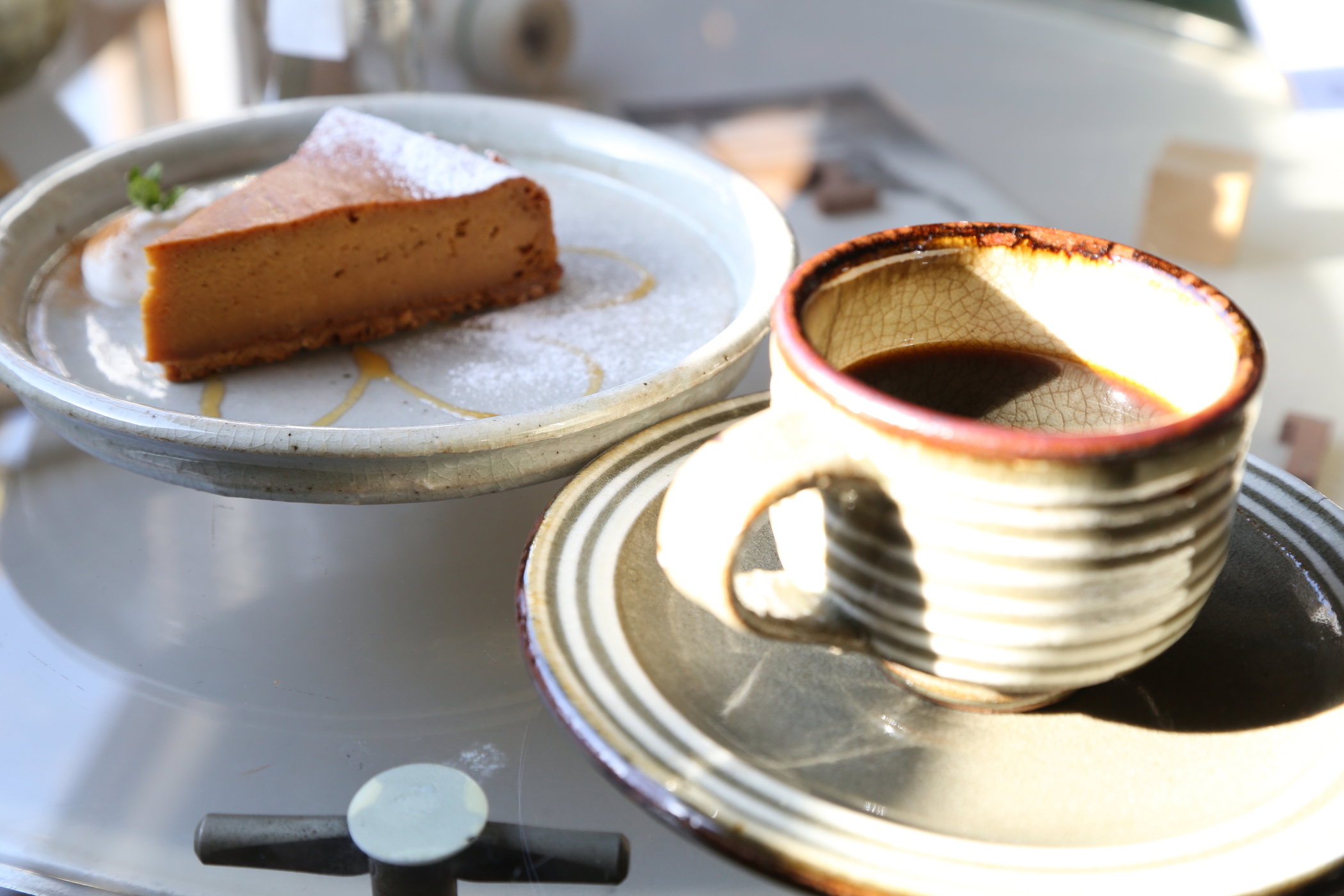
Mashiko is dotted with a number of relaxing cafés serving treats and drinks in Mashiko-ware. Many of these cafés are off the beaten path, so they often go unnoticed by those who haven’t done their research.
Total: 1715 items
Mashiko is dotted with a number of relaxing cafés serving treats and drinks in Mashiko-ware. Many of these cafés are off the beaten path, so they often go unnoticed by those who haven’t done their research.
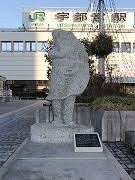
The Venus of Gyoza is located on the pedway of Utsunomiya Station.Made from the locally produced green tuff known as Oya stone."
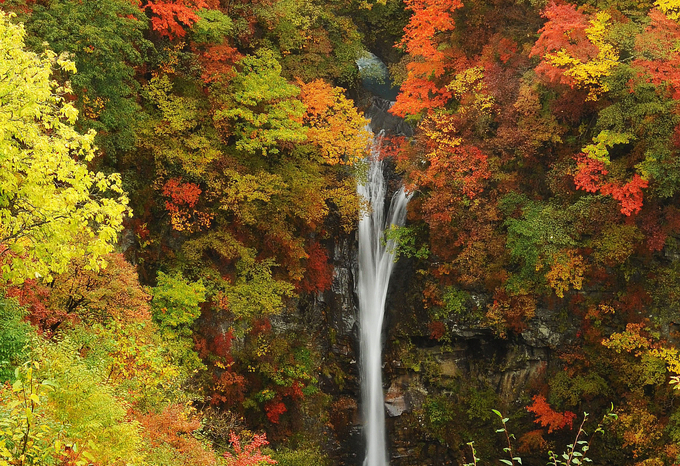
Considered Nasu's foremost waterfall, Komadome Falls is three meters wide and falls approximately twenty meters from a cliff on the Yosasa River. Once, it was a waterfall that can only be seen after the leaves have fallen, but along with the establishment of Nasu Heisei no Mori Forest in 2011, as well as a falls observatory, it became possible to catch a glimpse of Komagome Falls throught the seasons (closed during winter). The observation deck allows you to see a full view of the waterfall from above, which is surrounded by emerald green trees in the early summer and a rainbow of colorful leaves in the fall. Around the end of October, when the autumn leaves are at their peak, the contrast of red and yellow in the valleys together with the clear blue of the waterfalls is a spectacular sight for visitors."
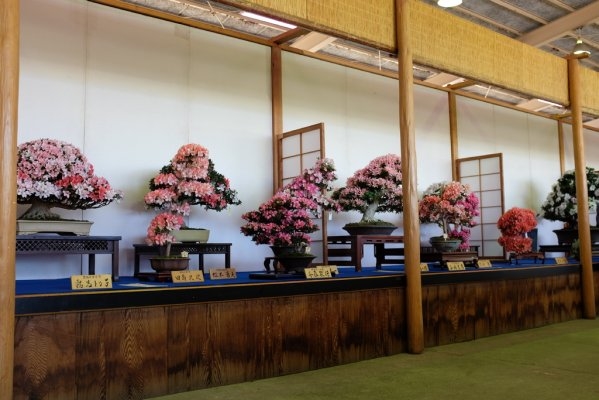
One of the biggest Satsuki Bonsai Festivals in Japan is held from the end of May to the beginning of June. Kanuma is Japan's ultimate source of Kanuma soil, and Bonsai made with Kanuma soil are famous. Among many kinds of Bonsai, be sure to see the Satsuki Azaleas. They are a single tree whose blossoms are mysterious and beautiful and whose flowers have various colors and shapes. During the festival is being held, there are numerous events, such as Satsuki workshop and present of Satsuki saplings, a music concert, and a folk entertainment.
The Miya Cycle Station is a cycling terminal under the management of the city of Utsunomiya. The terminal offers rental cycles including hybrid bikes, road bikes and Mini Velo (small wheeled) bikes as well as information for tourists. The facilities include free toilets in the rest area and shower rooms and lockers (subject to reasonable charges). The terminal also holds a variety of events for cyclists such as seminars on sports cycling.
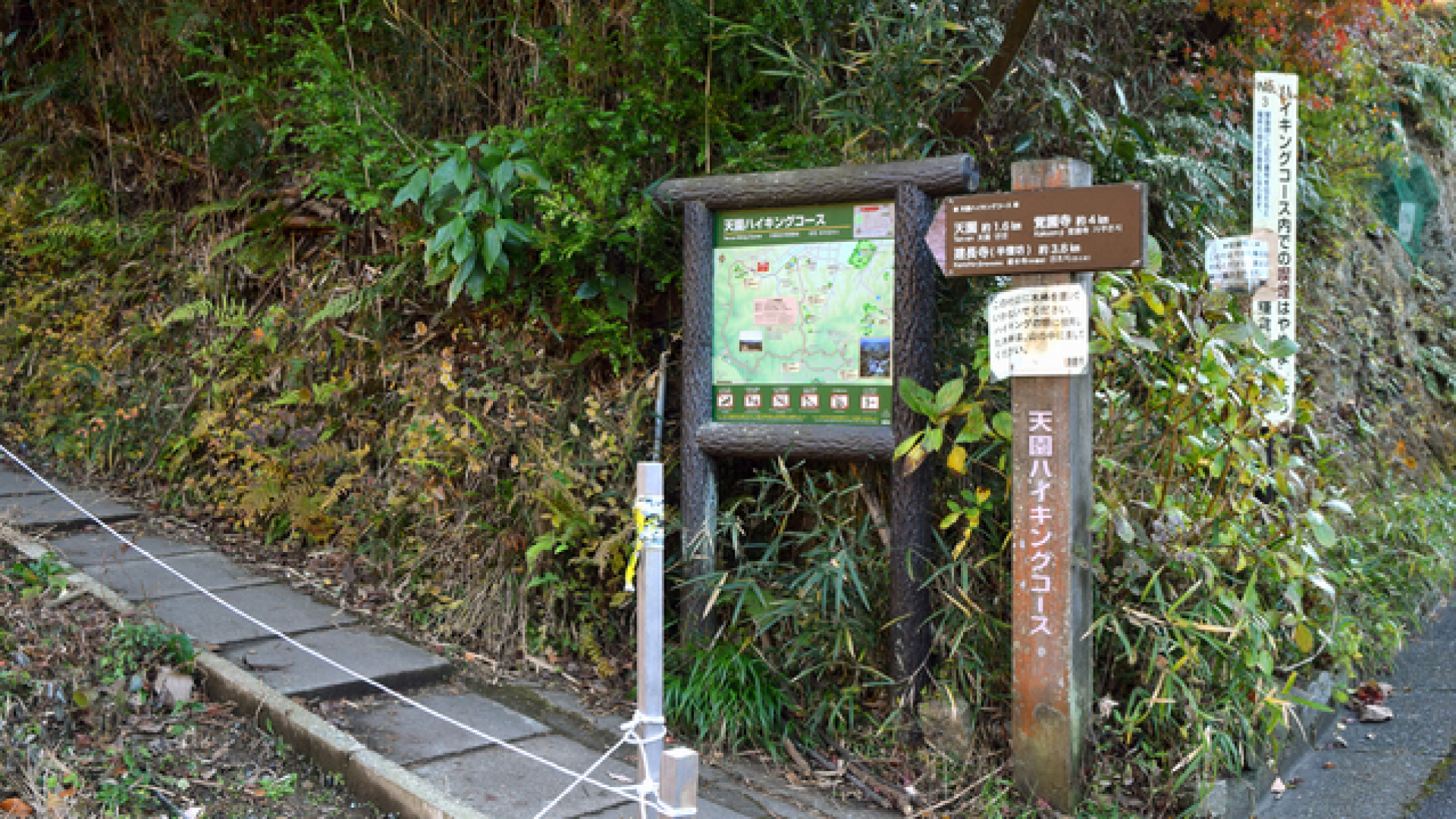
Also known as the Kamakura Alps, this hiking course covers steep areas and ridges with great views. Recommended for experienced walkers.
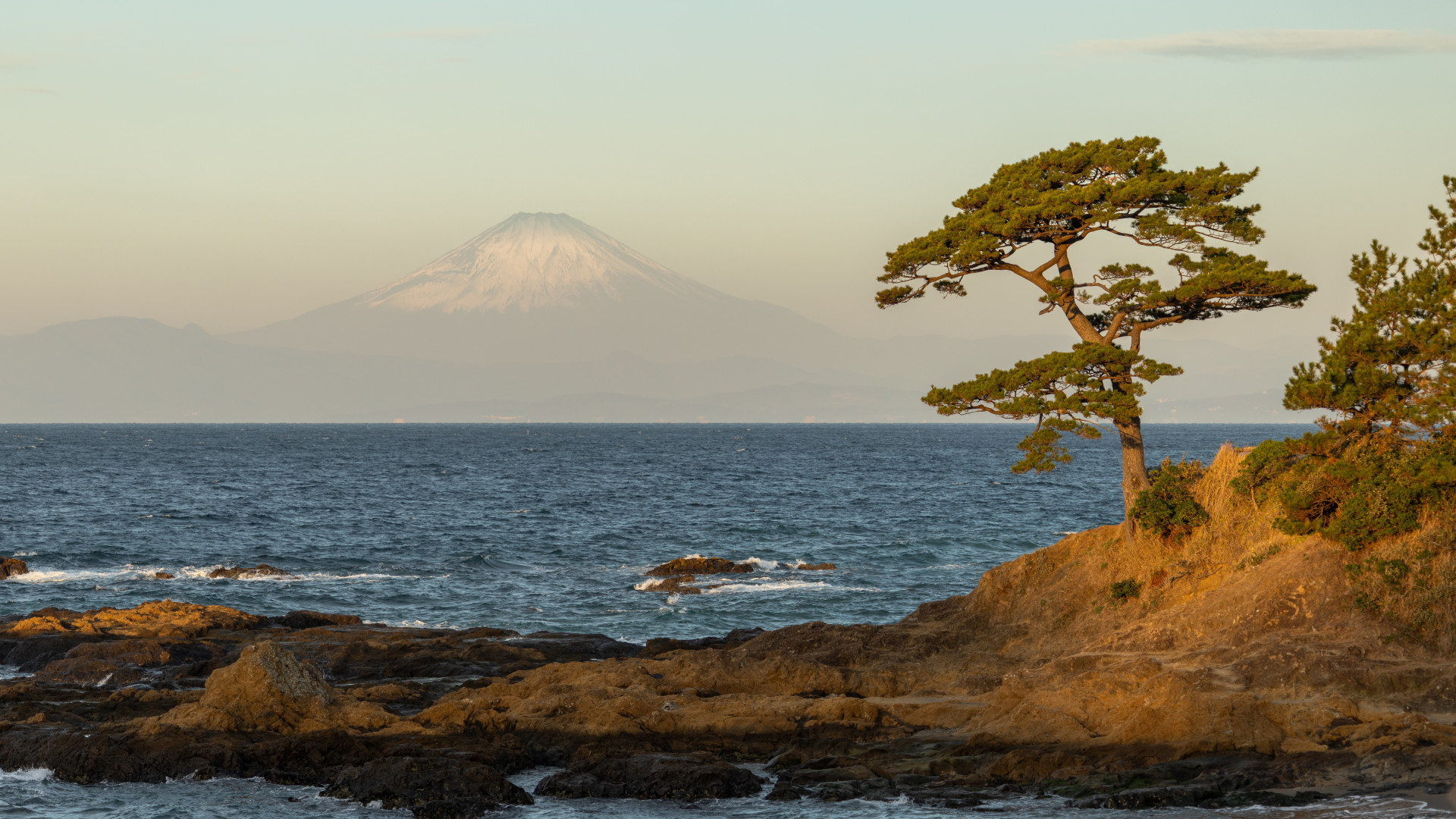
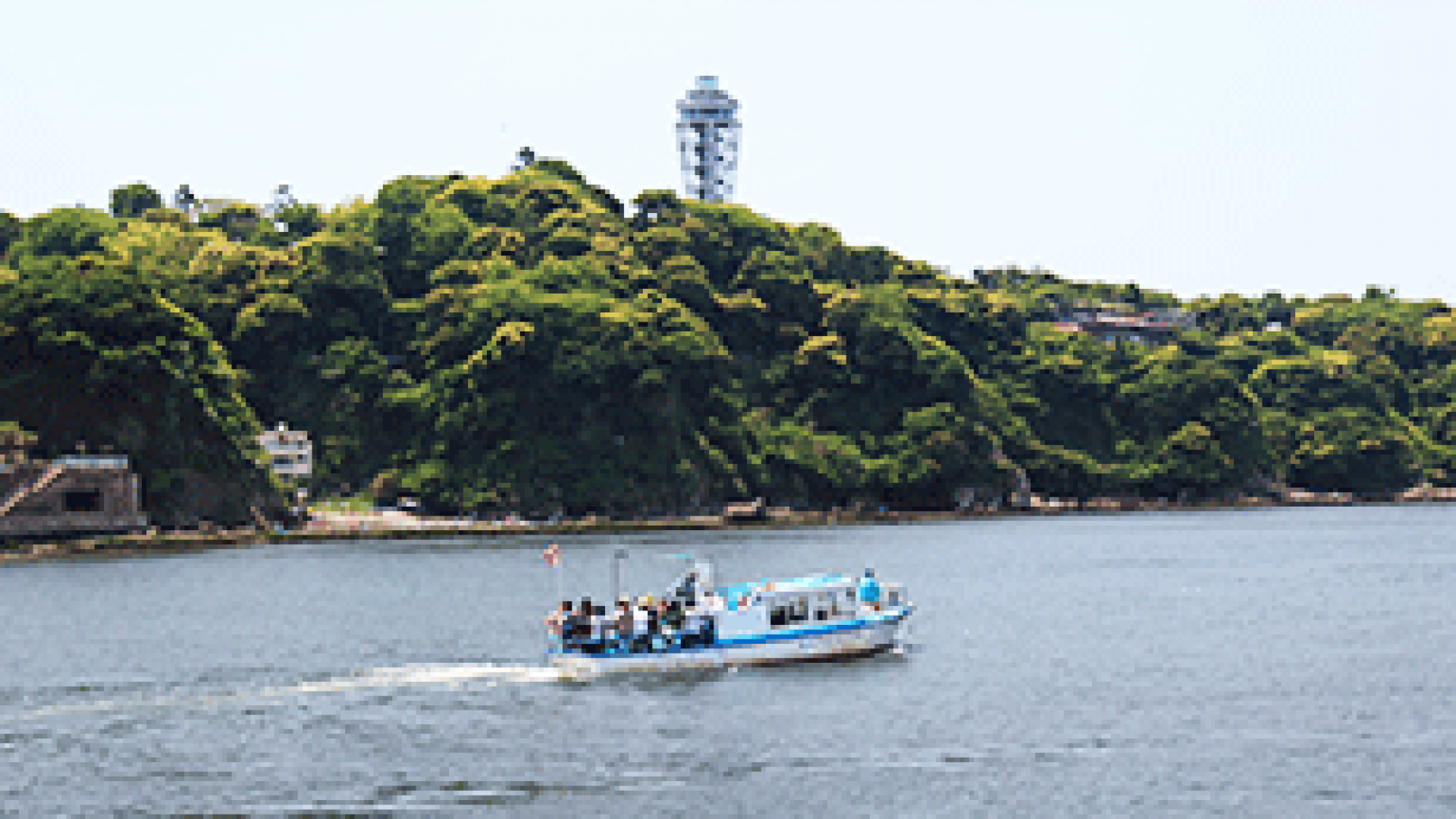
A ship that connects Eshima Ohashi Bridge and Chigogafuchi Abyss, turning a usually 40 minute walk into a 10 minute journey. The cliffs of Enoshima and the dark green landscape of the trees are charming, and in good weather, you can see Mount Fuji.
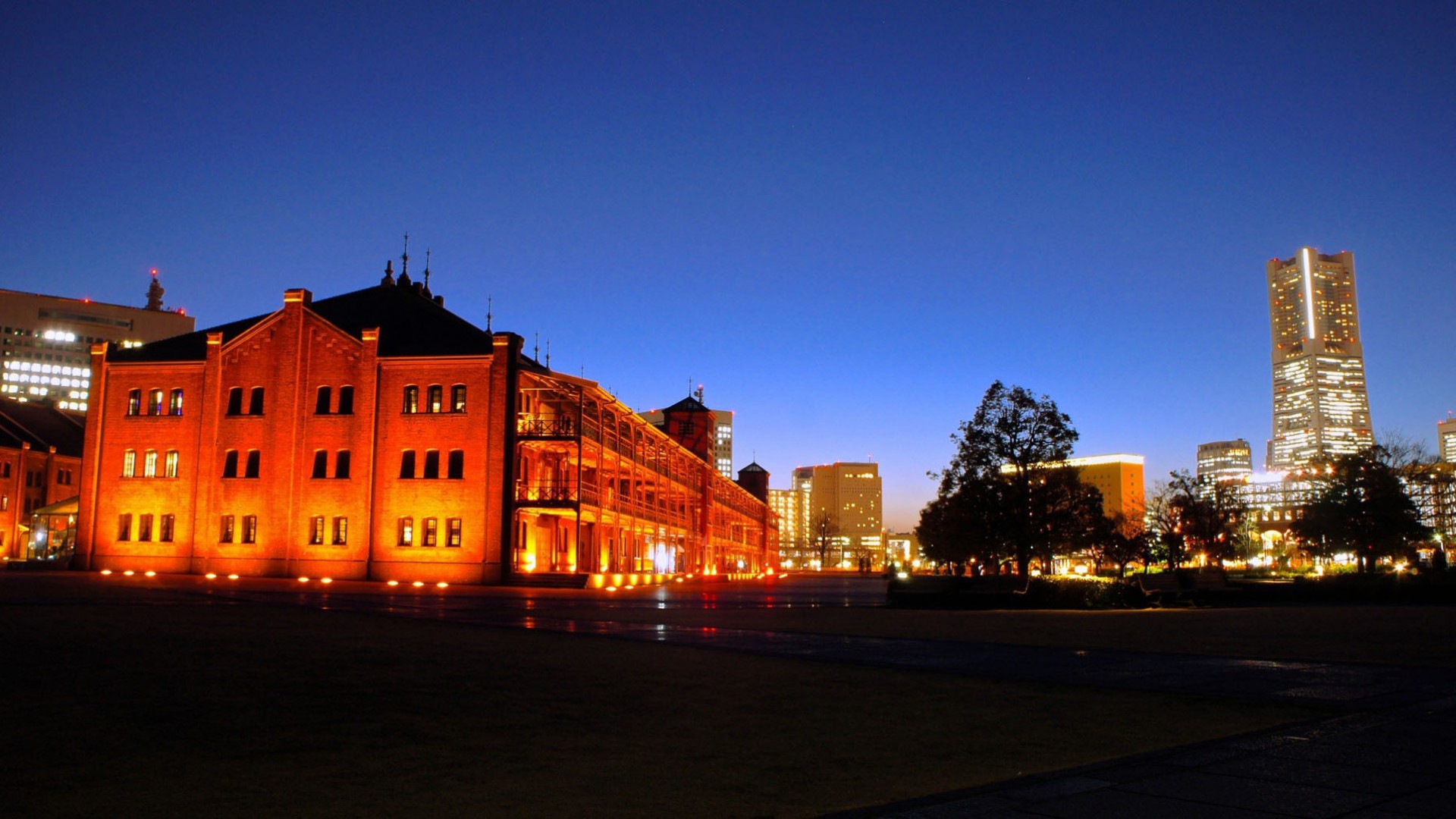
Centered around the Red Brick Warehouse, this green space both preserves and utilizes historical features such as the Remains of Yokohama Custom House and the Former Yokohama Minato Station Platform, creating a site that highlights both history and scenery.
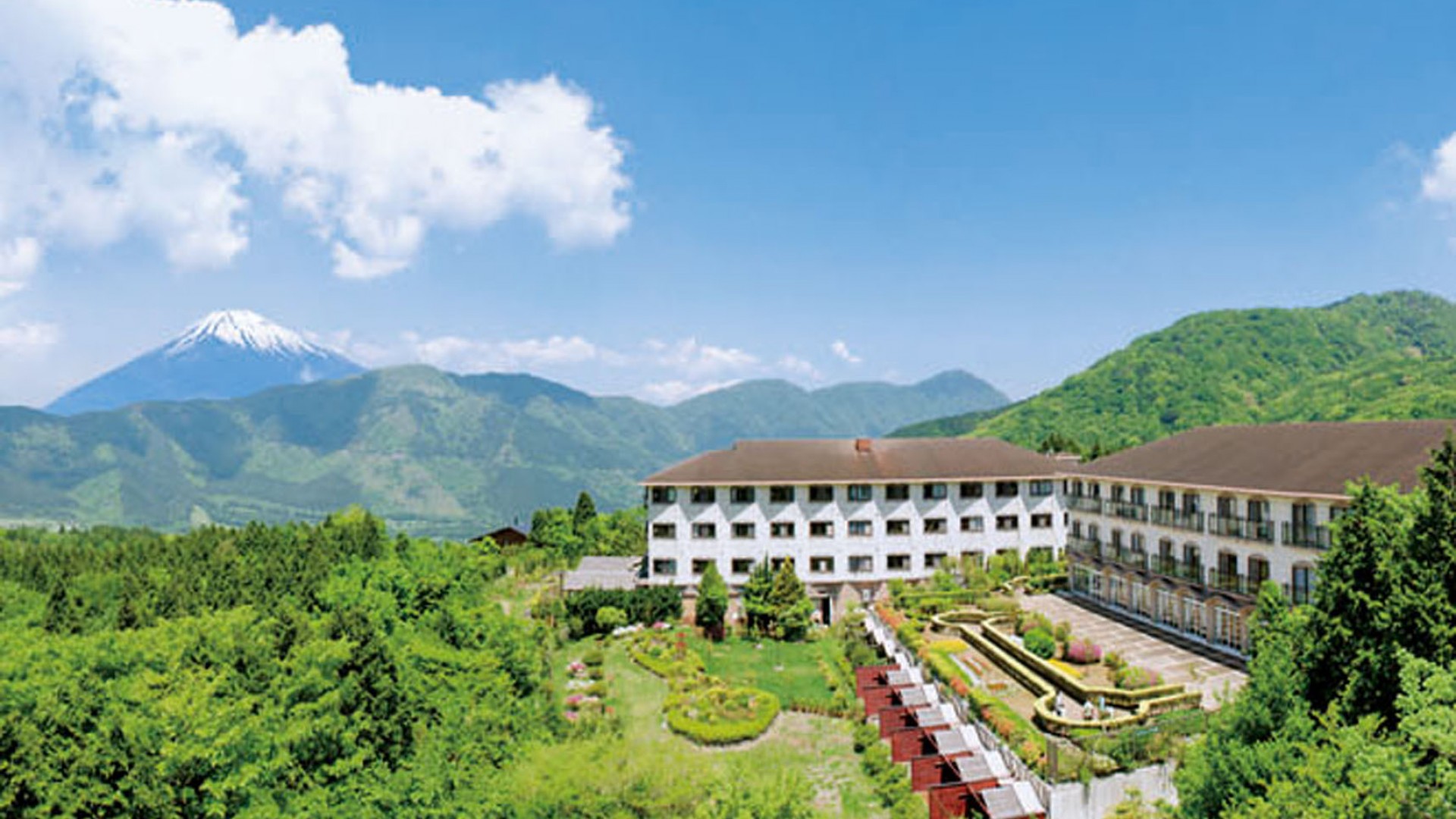
It is a hotel with an open-air bath where you can overlook Mount Fuji. With a convenient location, it is a good place to stay when traveling in Hakone. Events where you can experience ceramic art are held.
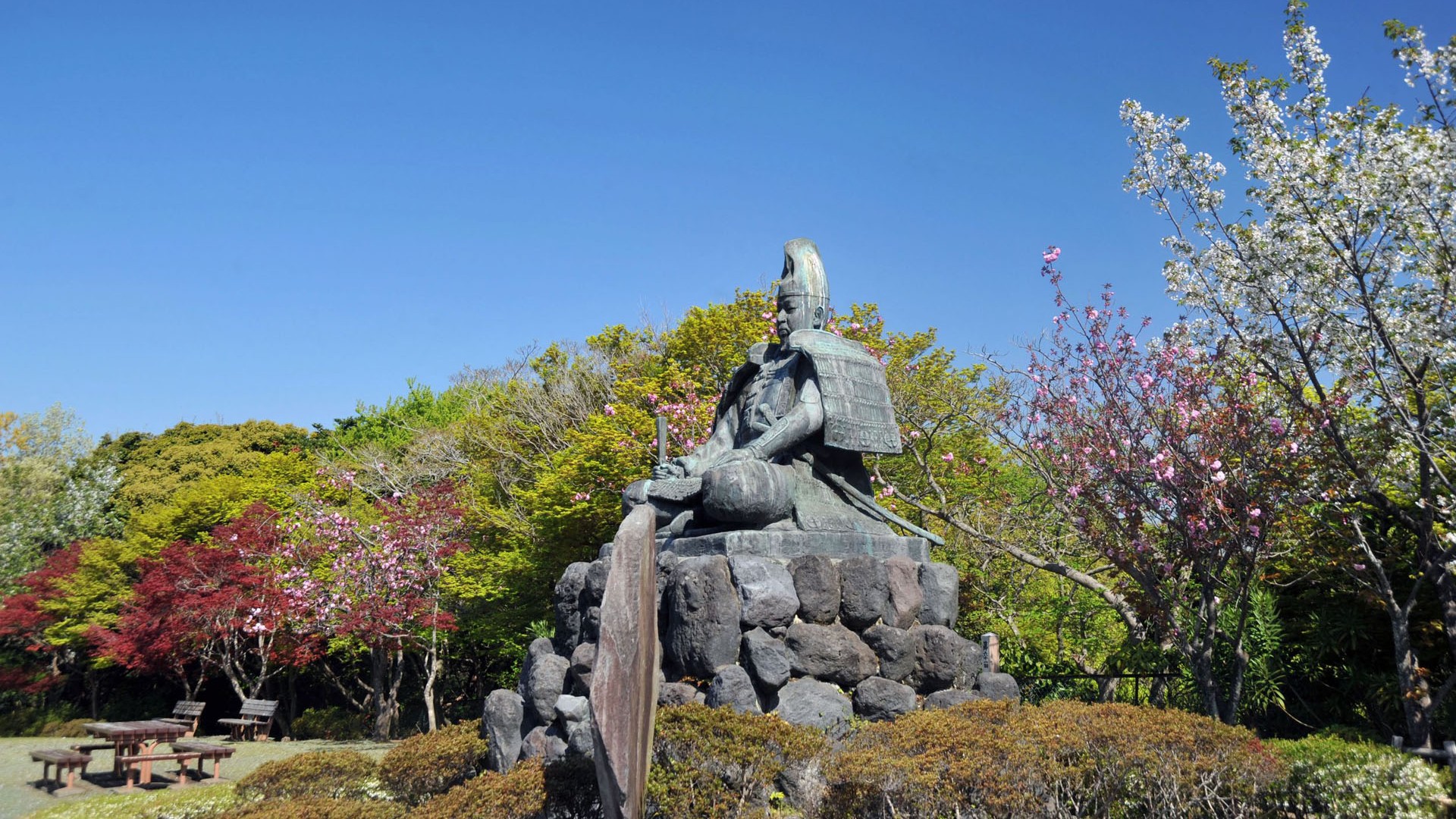
The path leading down to Keshozaka is a historically dangerous path where the statue of Minamoto no Yoritomo stands.
It has been chosen "Conservation areas of green in Kawasaki. It is located on the top of Joukei temple.
With Mt. Oyama as a backdrop, the characteristic terraced fields and farmhouses with traditional residential forests are in perfect harmony, creating a view of livelihood and business that makes the most of the hilly terrain.
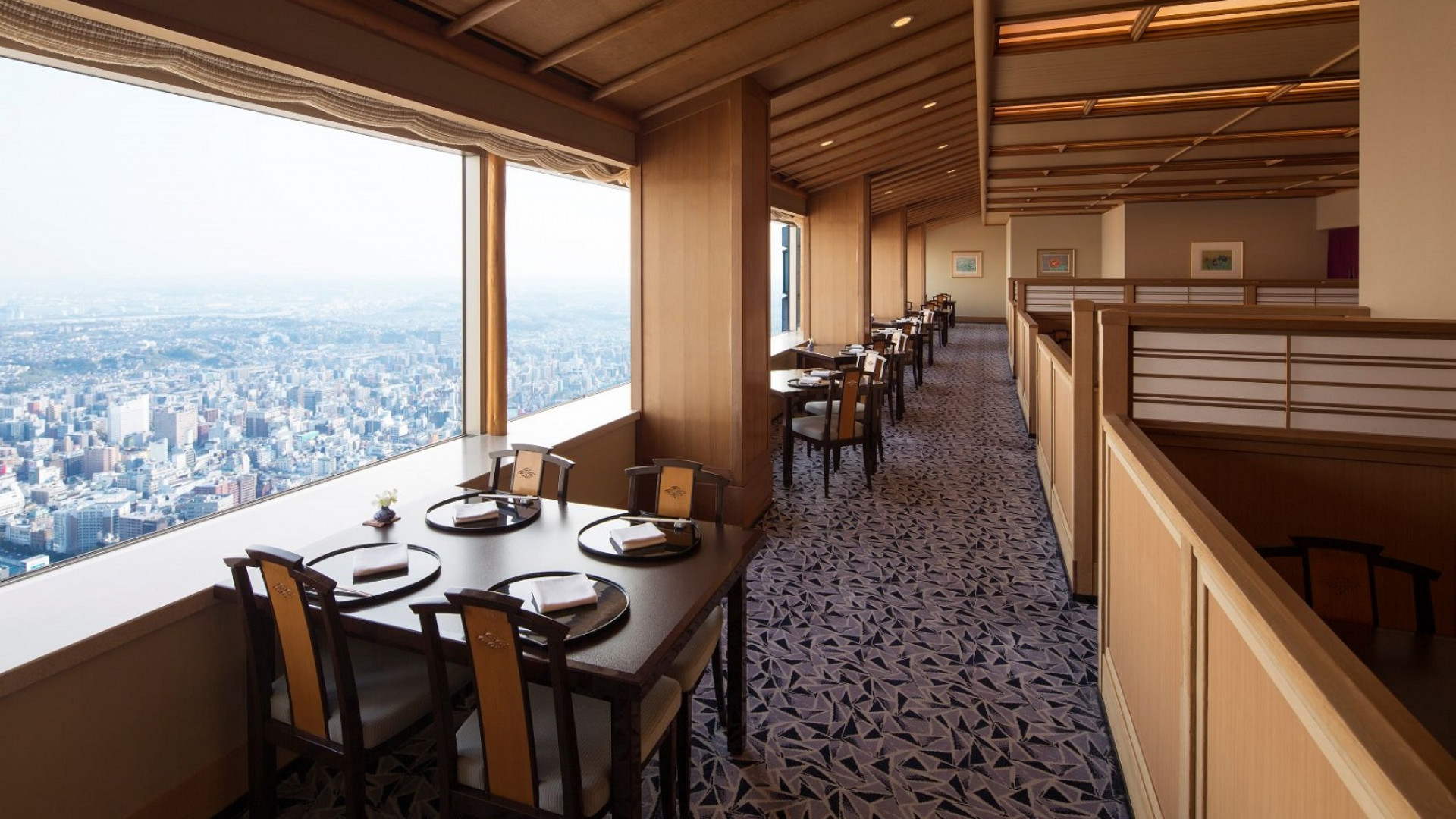
Enjoy the Japanese tea-ceremony style dishes with the seasonal fresh ingredients in a Japanese tea-ceremony style room. You can also enjoy the view below. They specialize the soup stocks. They choose special plates for each season. There are also bar seats and private rooms that can allow you great overview of Yokohama city.
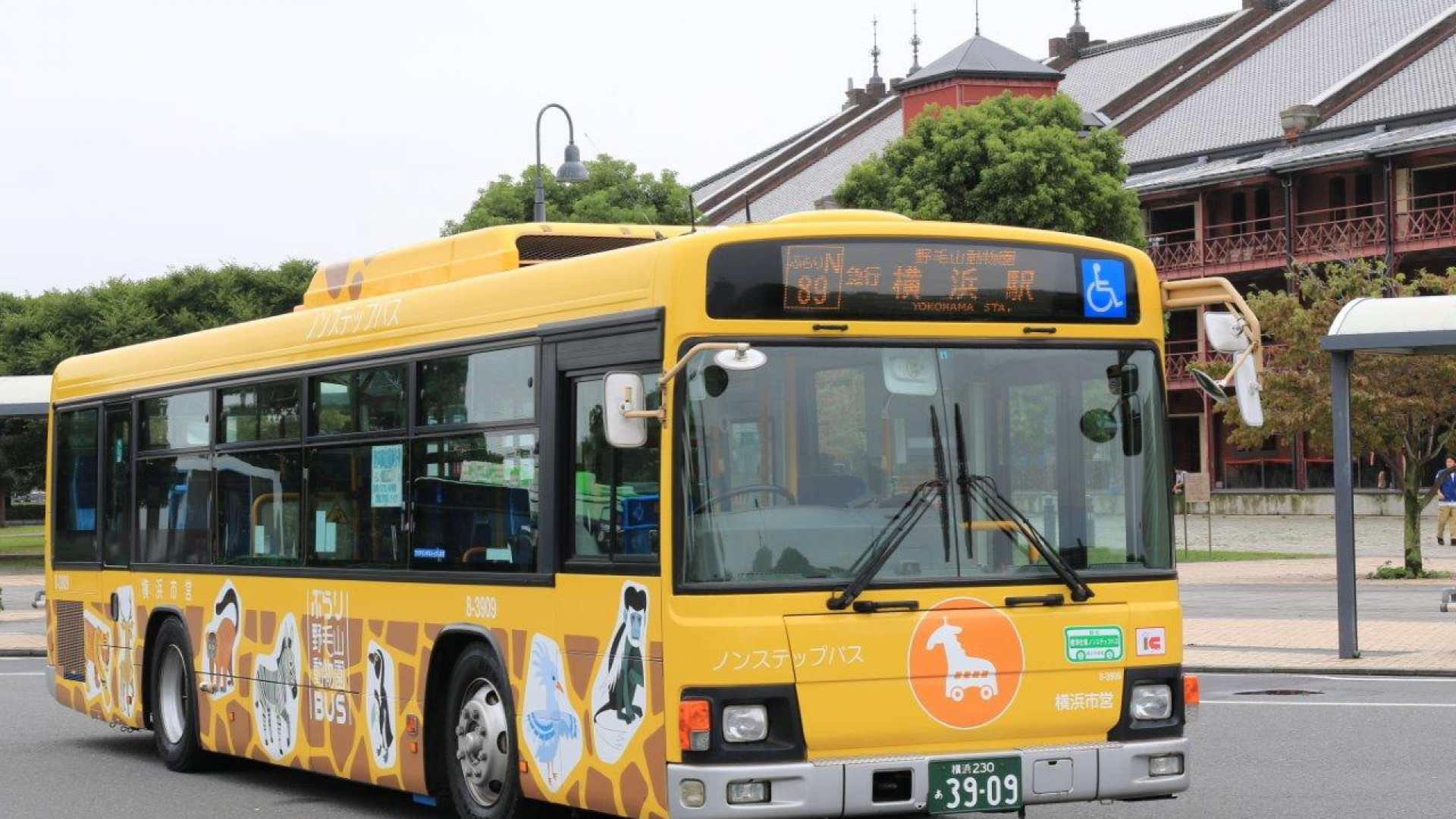
This bus carries you from Yokohama Station to Nogeyama Zoo, a free zoo which is rare nowadays, in about 20 minutes. The bus runs between Yokohama Station/Sakuragi-cho Station and Nogeyama Zoo.
This shop is the pride of Kanagawa prefecture, gathering specially selected products from all over Kanagawa.
Kujientobunsui was registered tangible cultural property in 1998 (Heisei 10). It regulates the quantity of the water diversion utilizing principle of siphon. It is a great agricultural water supply facility built in 1941, using the leading edge of technology at the time. Photos Provided by photolibery