
Greater Tokyo

See & Do

reset
Harukimichi and Shiawasemichi

Harukimichi and Shiawasemichi

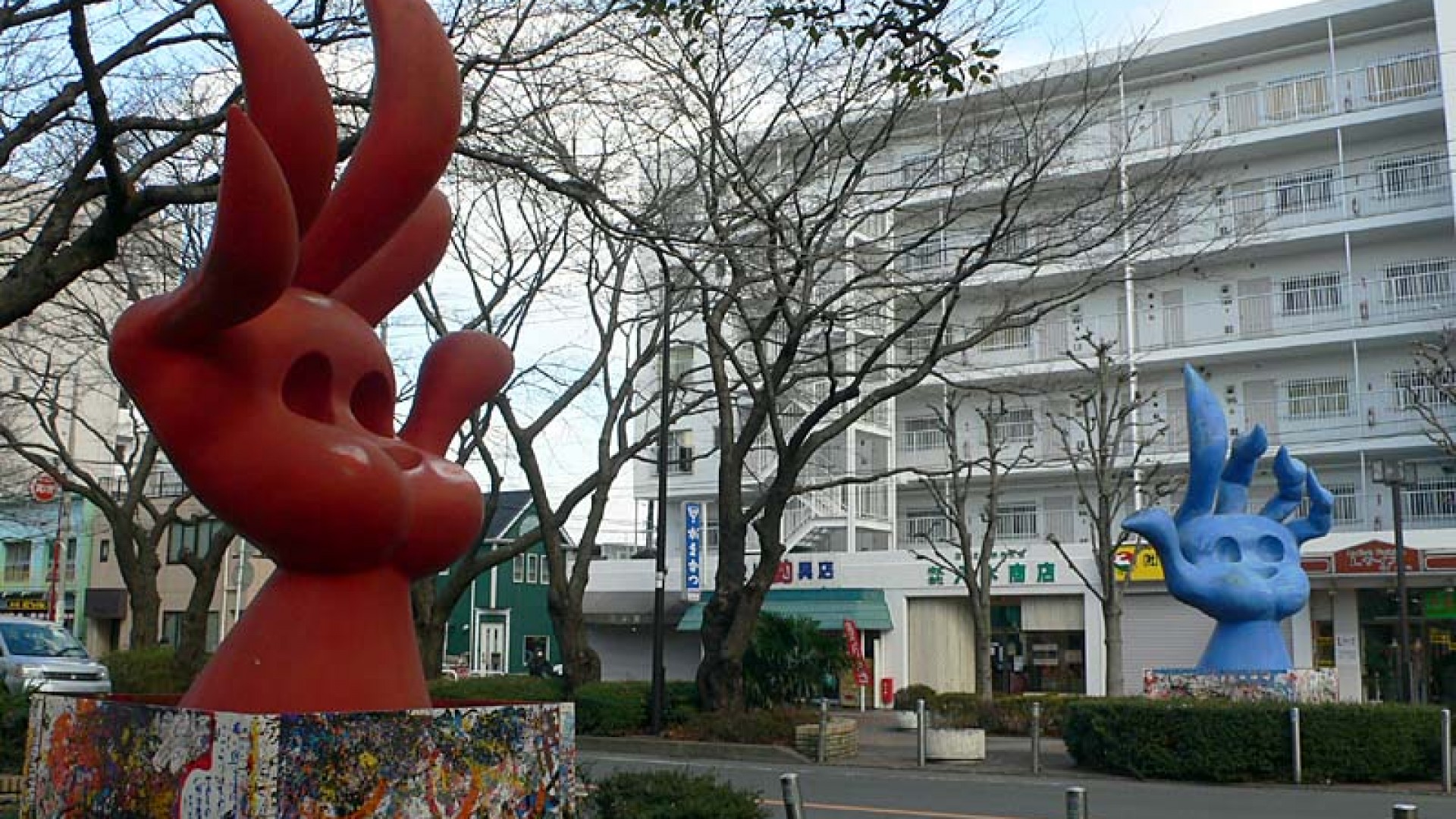
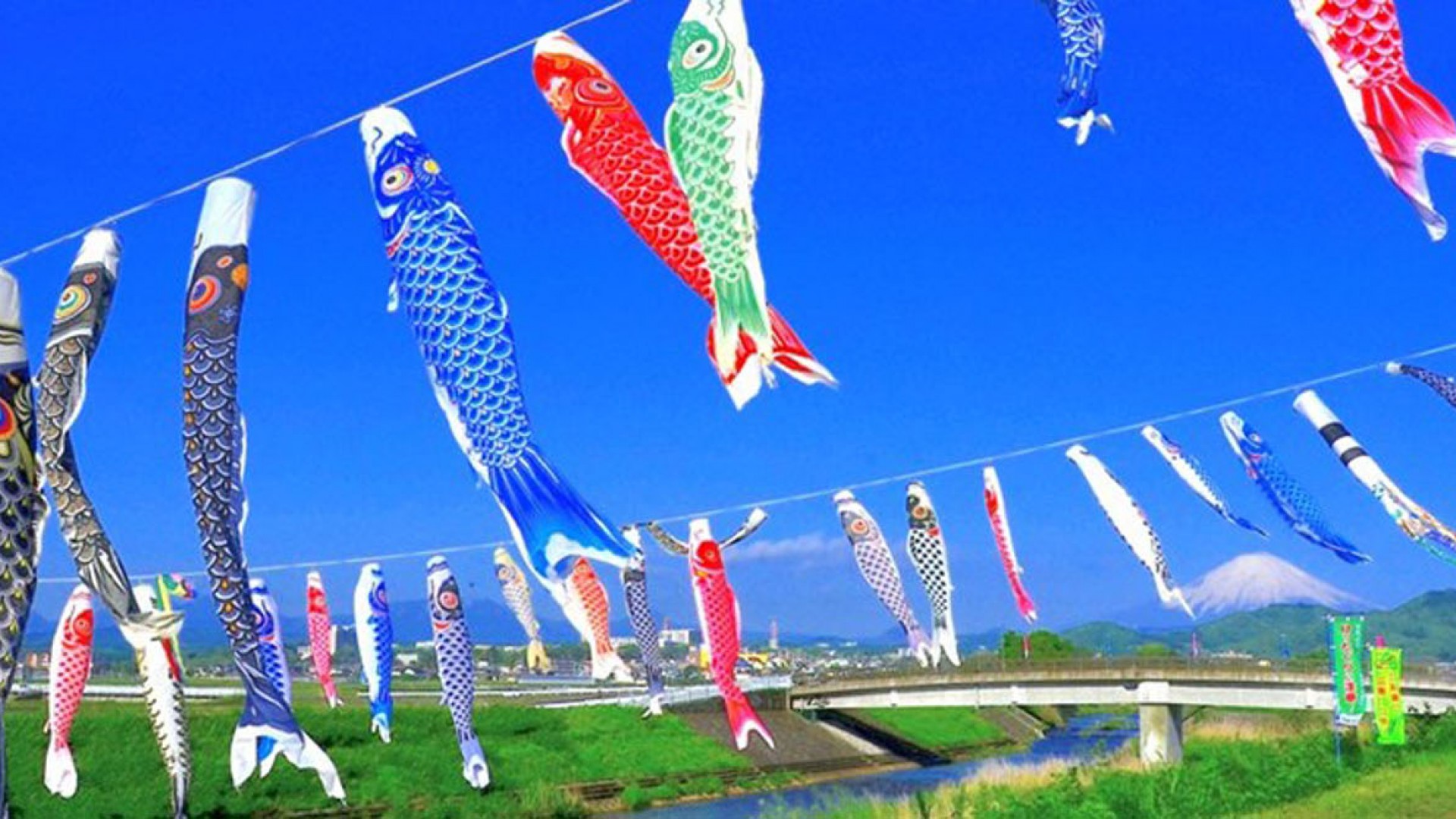
In 2026, there will be a tour bus that operates between Minamiashigara's popular cherry blossom spots, including Haruki Path and Happiness Road (Harukimichi and Shiawasemichi). The bus will operate on March 14 (Sat), 15 (Sun), 20 (Fri), 21 (Sat), and 22 (Sun), 2026.Harukimichi Happy Sakura Festival is a spring festival that takes place on the riverside walk along the Kari River in Minami Ashigara City. When spring comes, the 171 or so cherry trees on the riverbank bloom in unison. Visitors can enjoy strolling along the riverside walk admiring the wonderful view of cherry trees, field mustard flowers and the blue sky with the magnificent Mt. Fuji in the background. There are food stalls lined up along the riverside walk and visitors can enjoy shopping for local farm products and more. Many people also enjoy the bustling fleamarket.

Nature & Views Tokaido Koshu kaido KANAGAWA
Uirou

Uirou

The Uiro family has been making medicine and sweets for over 650 years, so they are both named "uiro" after the family. Uiro is a steamed rice flour confectionery that was invented during the Muromachi period (1336-1573) for entertaining foreign envoys and is characterized by its springy texture and subtle sweetness. It is loved by people of all ages and was selected as one of Kanagawa's top 100 specialties. Due to its wide range of medicinal effects, many anecdotes have been spread about the medicinal uiro, including the "Kabuki Uirouri.” The traditional eight-building structure is worth seeing. The museum is in an old storehouse and exhibits different craft items (admission is free and includes a guide). You can also enjoy handmade seasonal Japanese sweets in the sweets shop.

Shopping Tokaido Koshu kaido KANAGAWA
Kamakura Ham Tomioka Co.

Kamakura Ham Tomioka Co.

Since its founding in 1900, Kamakura Ham Tomioka Co. has continued to maintain its painstaking manufacturing techniques for over a century. Their headquarters factory has an archive where you can learn about the story and history behind the creation of the brand, and in the factory itself, you can view the treasured traditional manufacturing techniques they use. You can also experience those techniques with your own hands. There is also a shop where you can purchase souvenirs before you head home.

Shopping Tokaido Koshu kaido KANAGAWA
Okawa Mokkoujo (Japanese lacquer)

Okawa Mokkoujo (Japanese lacquer)

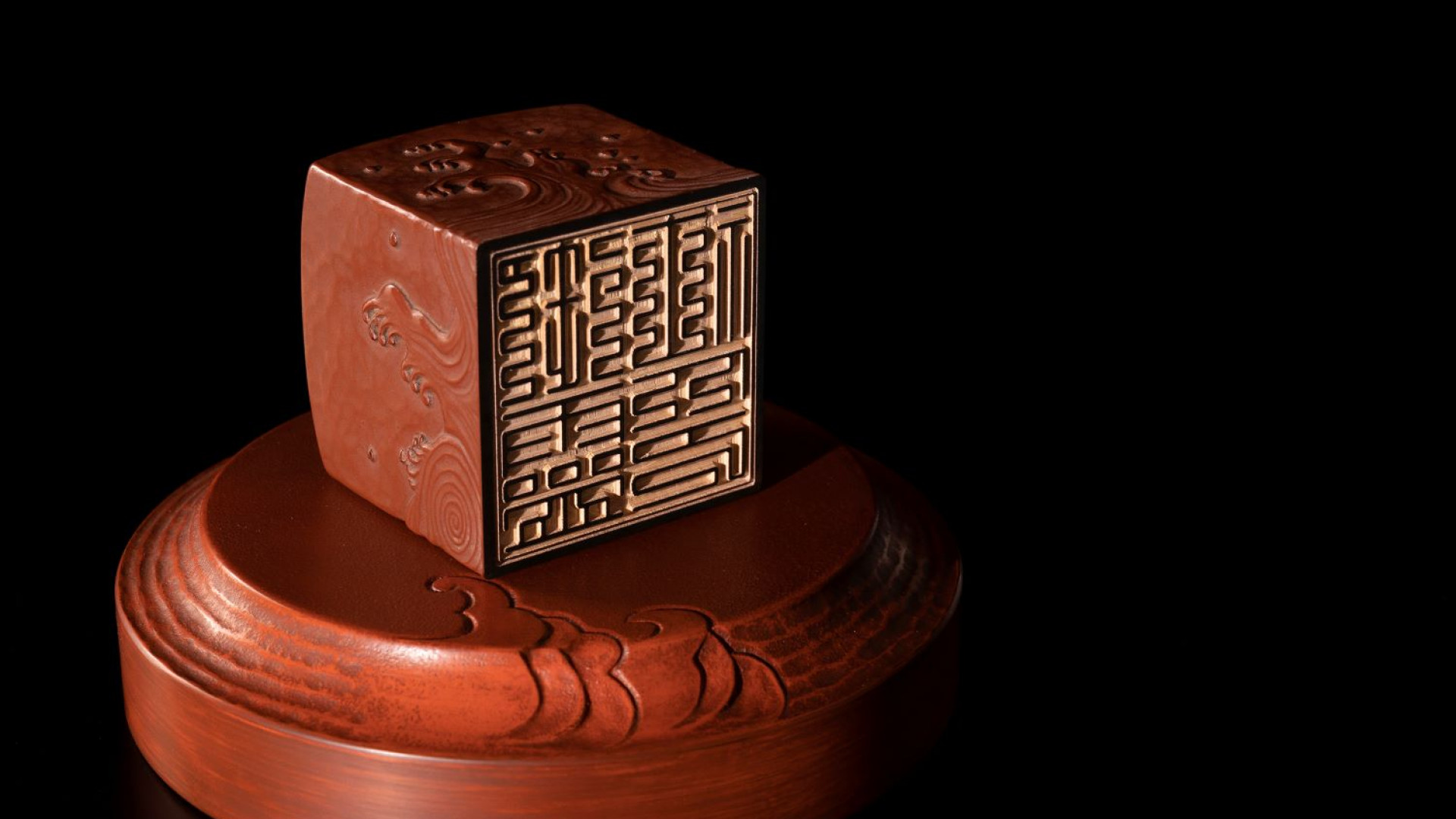
Odawara lacquerware is created using a technique passed down since the Muromachi period (1336-1573). The artist repeatedly rubs unrefined lacquer using a potter's wheel and combines the “kijironuri” and “irourushinuri” techniques, blending together to create handmade lacquerware which accentuates the beautiful wood grain of the natural materials. At Okawa Mokkoujo (wood turning and potter's workshop) we create various types of lacquerware, including trays and bowls, as well as polishing experiences for soup bowls, dish boxes, and balls. We also create one-of-a-kind patterns using water paper. Any items made can be taken home the same day and used at home. (Optional: apply lacquer to the item for a glossy finish. This takes around three weeks to complete and costs 1,500 yen, including shipping).

Experience & Activities Tokaido Koshu kaido KANAGAWA
Odawara Plum Blossom Festival

Odawara Plum Blossom Festival

It is said that the ume (plum) groves were first planted by the Hojo clan during the Warring States period to provide food for the troops (some theories exist). Among the three plum groves: Bessho, Hara and Nakagawara, around 35,000 plum trees are in full bloom during the correct season and are framed by Mt. Fuji and Hakone. During the Ume Festival from early February to early March, events such as Odawara Chochin Odori, a local performing art, and lion dances are held. (Photo by photolibrary)

Culture & Arts Tokaido Koshu kaido KANAGAWA
Osanbashi Pier

Osanbashi Pier

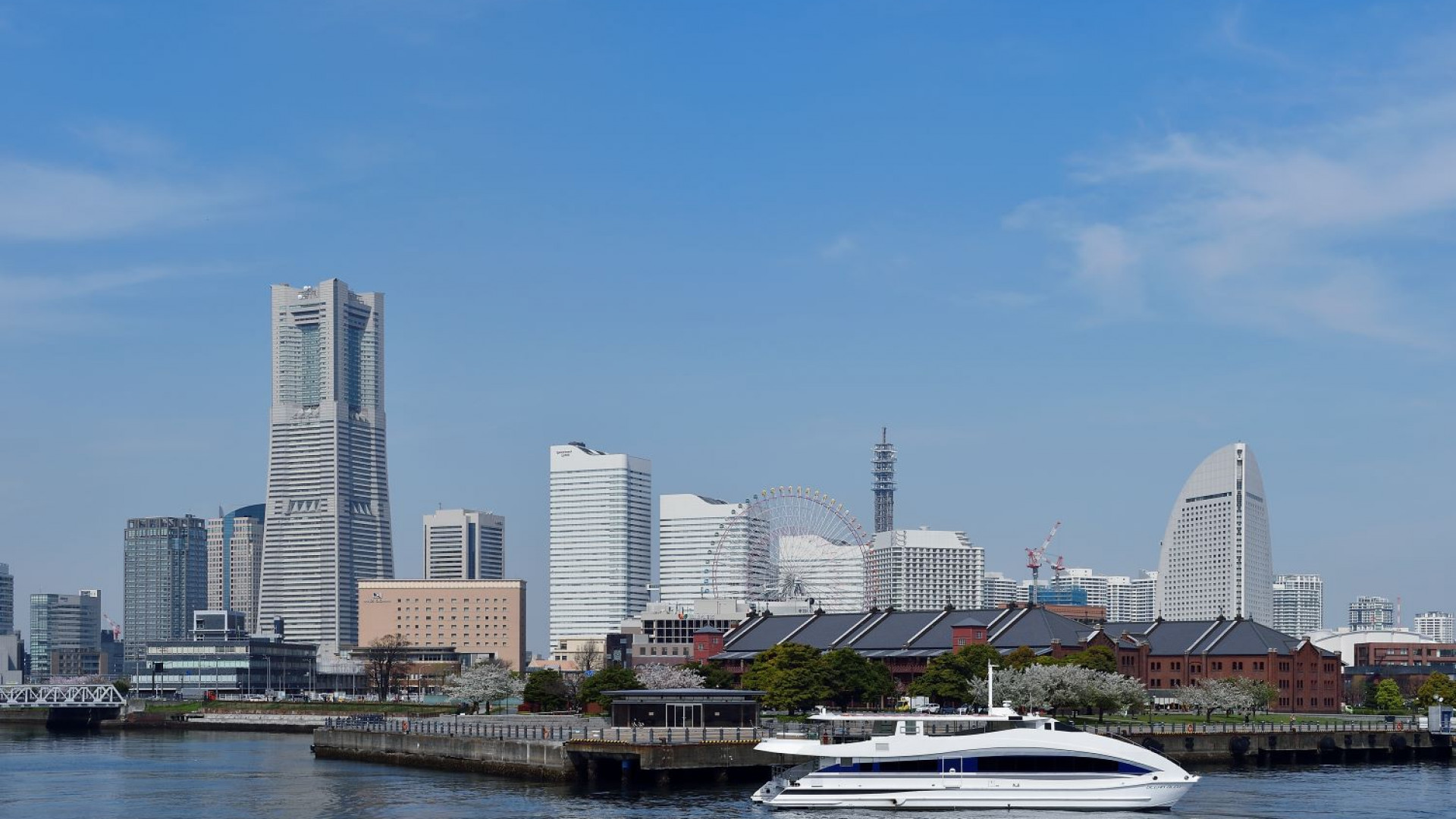
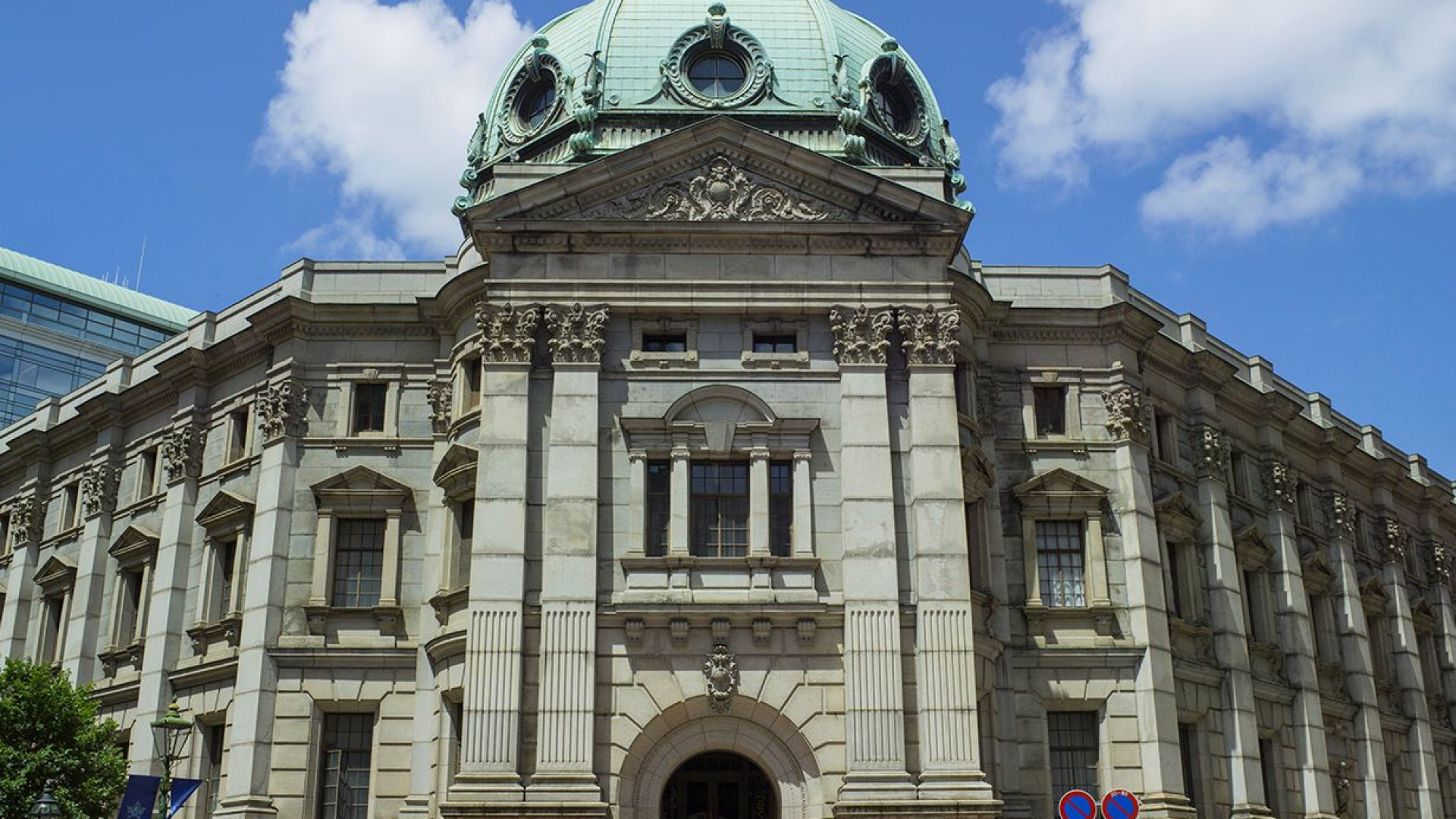
The Osanbashi Yokohama International Passenger Terminal is a major port where foreign cruise ships dock during international cruises. With a maximum height of 70m and width of 15m, the steel construction was designed by Alejandro Zaera Polo and Farshid Moussavi (a UK-based architect). The rooftop plaza provides beautiful scenery of Yamashita Park, the Yokohama Red Brick Warehouse district, and the landscape of Minato Yokohama.Standing at 296.3 metres tall, the Yokohama Landmark Tower houses an observatory that offers a 360-degree view of the city, a five-star hotel and 48 floors worth of shops, restaurants, and offices.Purposefully shaped like a sleek, sailing yacht, the InterContinental Yokohama Grand Hotel is an iconic structure in Yokohama's Bay Area.The NYK Hikawa Maru is a cargo-passenger liner turned museum ship. Built in Japan before World War II, the ship is extremely well preserved and offers a unique perspective into the cruise ships of history.Located near Yokohama Chinatown, the Yokohama Marine Tower is a perfect post-meal spot to take in 360-degree views of the city.Osambashi Hall is found on the first floor of Osanbashi Pier. It is a 2,000-square meter hall that can house up to 1,100 people. It is commonly used for large meetings and exhibitions.Cosmo World is a theme park located along the Yokohama Bay area. It is home to the Cosmo Clock 21, one of the tallest Ferris wheels in the world.The Yokohama Red Brick Warehouse houses a multitude of unique shops based on Yokohama's charms. It also opens an illuminated skating rink in winter.It is dusk and you are standing on top of the Osanbashi Pier when the lights of Yokohama come on. No matter which direction you stand there is a spectacular view.

Nature & Views Tokaido Koshu kaido KANAGAWA
Aka-Renga Soko (Yokohama Red Brick Warehouse)

Aka-Renga Soko (Yokohama Red Brick Warehouse)

A cultural and commercial facility that utilizes a historic building built over 100 years ago. Various shops and restaurants line the halls, which still retain the features of the original warehouse. In addition, there are also spaces for exhibits and dance and theatre performances, where the fascinating art and culture is showcased to both locals and visitors.At the facility's outdoor event plaza, various seasonal events, such as Yokohama Oktoberfest and Christmas Market at Yokohama Red Brick Warehouse, are held and visited by many people.Another attractive feature is the facility's sea-facing location, where you can have the opportunity to relax on the lawn and enjoy views of boats passing through the harbour, Minatomirai, and cruise ship trips from the pier opposite. At night, the building's red bricks are lit up in orange, creating a fantastic atmosphere that contrasts to the daytime.A pair of handsome restored former warehouses in an attractive waterfront location, Akarenga Sogo is now an elegant, enjoyable place to shop and dine. Look out for seasonal events such as a Christmas market and outdoor skating rink, and Oktoberfest beer festival.

Shopping Koshu kaido Tokaido KANAGAWA
Yokosuka Museum of Art

Yokosuka Museum of Art

This place is temporarily closed. Please check the official website on reopening, operational information and more.The museum is located in Kannonzaki, an area rich in nature and on the eastern side of Miura Peninsula. Around 5000 contemporary Japanese artwork is kept here. In addition to a variety of exhibitions, the unique architecture that harmonizes with its surroundings as well as the outstanding view is appealing. The Italian restaurant with a famous chef is also popular.A striking modern building in an attractive seaside location, this museum showcases a diverse range of Japanese and international art. After exploring the galleries, you can enjoy Italian food at the restaurant while admiring the stunning view across Tokyo Bay.

Culture & Arts Tokaido Koshu kaido KANAGAWA
Japan Heritage Certification (Oyama Shrine Visit)

Japan Heritage Certification (Oyama Shrine Visit)

Mount Oyama has long been firmly believed to be a mountain of spirits. During the most prosperous period of Edo, 200,000 people were recorded to visit this mountain every year. Back then, shrine visiting, beginning with the pilgrimages to Ise Shrine, was extremely popular among the people. Among the many travel destinations, Oyama was loved by many for being only two or three days away from the cities of Edo. A popular route was to have fun at Enoshima after visiting Oyama. This sight was portrayed in the classic rakugo, Oyama Mairi. In April 2016, Oyama Mairi qualified as a Japanese heritage.

Temples & Shrines Tokaido Koshu kaido KANAGAWA