Greater Tokyo

See & Do

reset
BOULCOM Kawasaki

BOULCOM Kawasaki

The BOULCOM Kawasaki bouldering gym is enjoyable for both small children and beginners. Access: The gym is a mere 5-minute walk from Kawasaki Station, which is easily accessible from Yokohama and Shinagawa Stations. Features: No Reservation Needed: Visitors can come at any time without needing to make a reservation in advance. First-timers Welcome: BOULCOM is designed with the concept that beginners can enjoy bouldering without any worry. For first-timers, the gym provides free training to teach the rules of climbing and offers tips. With over 80% of customers being new to bouldering, first-timers can feel at ease and enjoy themselves. A Gym Aligned with Your Lifestyle: Operating hours are from 10:00 to 23:00, so you can enjoy bouldering before work or after school. Spacious: The gym is about 2.5 times the size of its initial BOULCOM location in Shinjuku and features a wide variety of climbing walls. Price: Starting from a low price of 1,320 yen, you can climb all day without any time restrictions. The gym offers the lowest price in Tokyo! Philosophy: The gym aims to create a place that nurtures "communication" through "bouldering." In fact, these two concepts inspired the name BOULCOM. The facility hopes that everyone will try bouldering, free from fear, in a space where they can feel comfortable. BOULCOM believes in creating a clean environment where pleasant conversations can emerge and is committed to providing everything necessary for that purpose.

Experience & Activities Tokaido Koshu kaido KANAGAWA
Hakone-jinja Shrine

Hakone-jinja Shrine

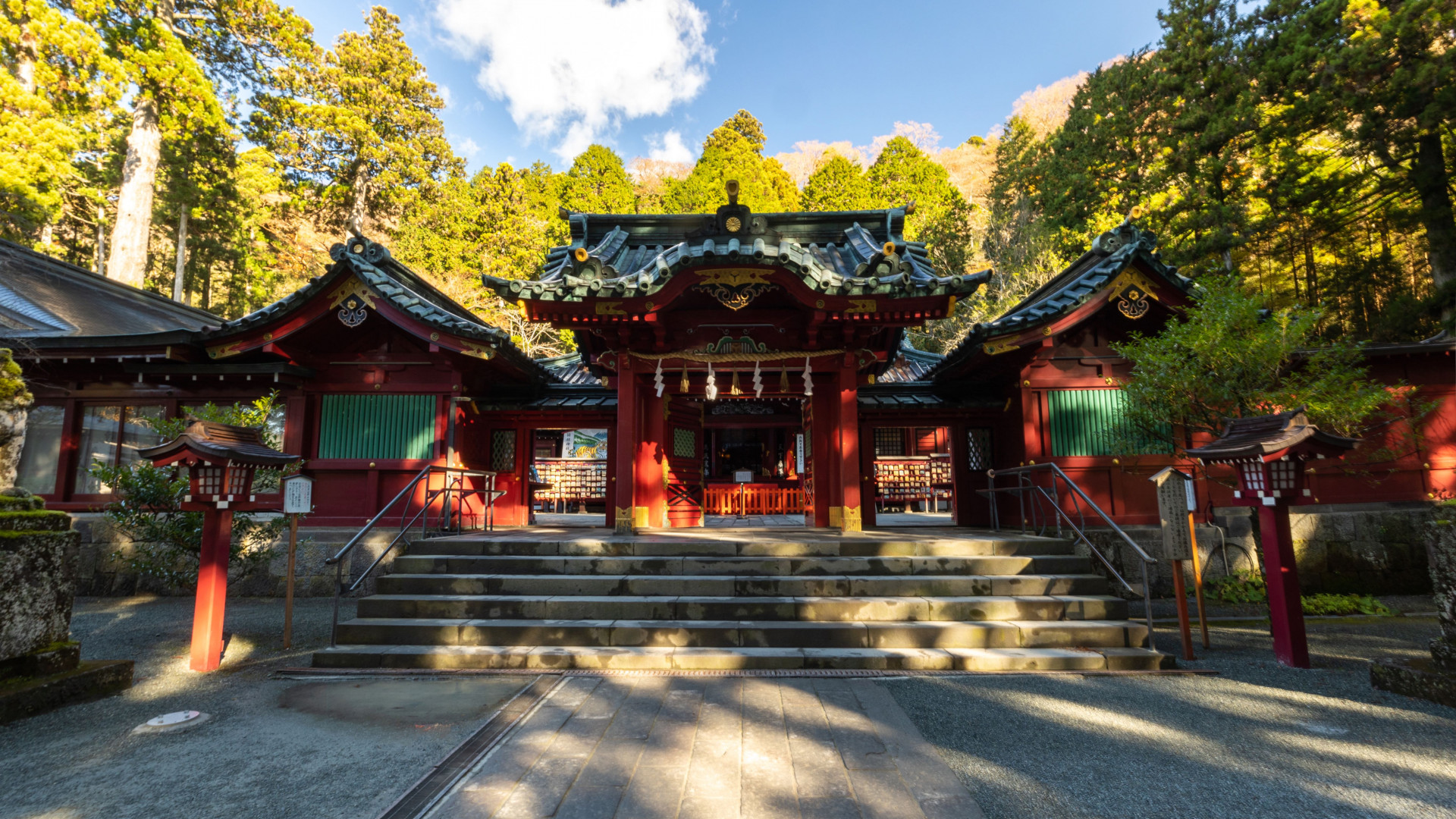
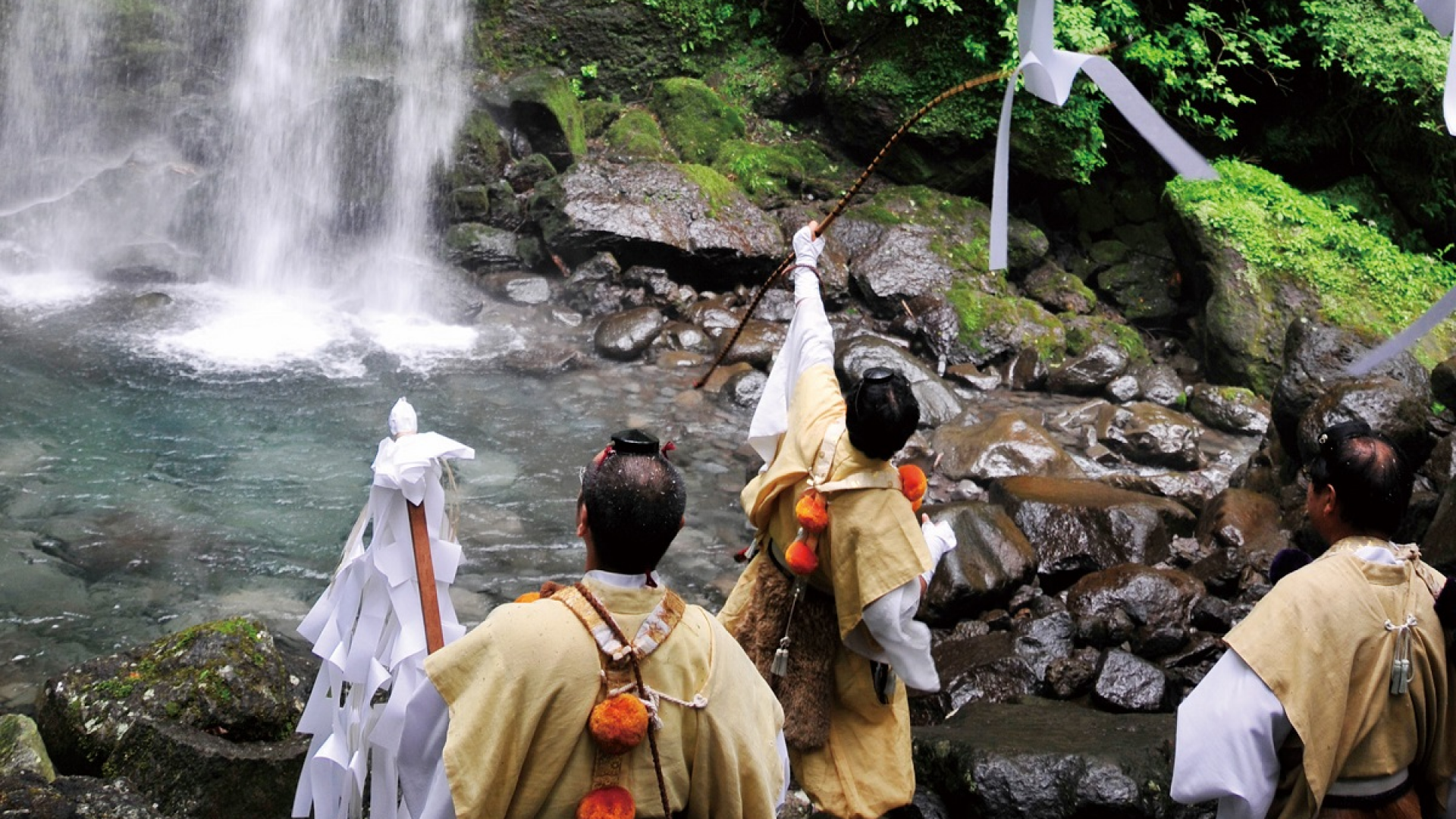
Hakone Shrine is an ancient shrine celebrating its 1266th anniversary. Founded in 757, the first year of the Tenpyo-Hoji Era, at the beginning of the Nara Period (710-794), when Mamaki Shonin, who was in ascetic training on Mount Hakone, was entrusted by the Great God of Hakone to the shrine at its current location by Lake Ashi. During the Kamakura period, Minamoto no Yoritomo deeply worshipped Hakone Shrine, giving birth to the custom of nishomode (pilgrimage to two shrines). Since then, the shrine has flourished as a place of reverence for warriors such as the regent Hojo and the warlord Tokugawa Ieyasu, as well as a sacred place for Shugen (Japanese mountain asceticism). In modern times, with the construction of the Hakone Road, Hakone became a sacred place of worship for the common people, and belief in Mount Hakone as a deity highly virtuous for protecting against bad luck, fulfilling one's desire, and ensuring traffic safety became even more popular. The approach from the Heiwa-no-torii (peaceful gateway) by Lake Ashinoko to the main shrine is flanked by rows of cedar trees more than 600 years old, giving the shrine a majestic appearance, behind the vermilion-lacquered Gongen-zukuri main shrine building is a pure forest of himeshara, a natural treasure of Kanagawa Prefecture, and the Gongen Mitarashi pond and Lake Ashi below reflect the vermilion Peace Gate and the sacred Mount Fuji, surrounding the shrine with beautiful nature. Many visitors from around the world come to pay their respects at the Kuzuryu Shrine (Shingu and Hongu), which is a shrine revered not only for its good fortune and prosperity, but also for its protection of money, prosperity in business, and match-making, particularly during the Tsukinamisai held at the main shrine on the 13th of each month. [Divine virtues] Good luck repelling of bad luck, fulfillment of one’s desires (protection against bad luck), traffic safety, match-making, family safety, and business prosperity On July 31st, the shrine organizes the Ashinoko Kosui Matsuri Festival to celebrate a legendary dragon. Monks sail the lake on pirate ships offering red rice to the depths below. Floating lanterns illuminate the lake waters while fireworks light the skies above.Lake Ashinoko Summer Festival Week: Hakone Summer Festival offers a variety of events such as the biggest annual festival of Hakone Shrine with Shinto celebrations and rituals, fireworks, and more. Many fireworks will be launched at a total of six fireworks festivals, adding color to the summer Hakone sky.


Temples & Shrines Tokaido Koshu kaido KANAGAWA
Haga Onsen Roman no Yu

Haga Onsen Roman no Yu

Haga Hot Spring and Roman Baths is a place where groups and individual visitors can casually enjoy a day at a hot spring.The color of the water that gushes forth from 1,500 meters below ground is a surprisingly gold hue.Another attractive feature is that there are two different hot springs to be enjoyed in one location. The first is good at keeping skin beautiful, making it soft and smooth. It is also known as a bijin no yu (Japanese for "beautiful person's hot spring"). The other spring has heat-retaining properties that help remove the cold within your body. It is also called an atatamari no yu ("warming hot spring"). The spa features open air baths, large public baths, massaging aerated baths, flowing water baths, and saunas. Other facilities include a lounge area, small Japanese-style rooms that can be used to host banquets, and more. The spa also holds beer gardens in the summer."

Nikko kaido Oshu kaido TOCHIGI
Fishermen’s dish (Minshuku Hara (inn))

Fishermen’s dish (Minshuku Hara (inn))

"Minshuku Hara (inn)" is a Japanese style inn that evokes an old-style Japanese house and is located in a quiet fishing village. They provide fresh and seasonal seafood, such as a striped beak-perch, in a style of ikezukuri (seafood are arranged on a platter that look lifelike). This is the service unique to fishermen's house. Guests can experience making fishermen-style pot meal, tokoroten (jellied agar), and dried seafood. Okami (the proprietress of the inn) was selected as one of the "100 Best Mothers of Farmers, Fisheries, and Inns". It is a one minute walk to get to Mitohama coast.About 1 minute from Mitohama Beach, this is an inn where you can enjoy home-cooked meals made with homegrown vegetables and fresh seafood caught that day by the owner-fisherman. The inn is run by a well-known Okami (landlady) who was the only one in Kanagawa Prefecture to be ranked as one of the Best 100 Okami. Stay at an inn with a homey atmosphere and dine on delicious Japanese home cooking.

Onsen & Stay Tokaido Koshu kaido KANAGAWA
Koboyama Park

Koboyama Park

This prefectural nature park consists of three low mountains, and hiking can be enjoyed throughout the four seasons. The view from the observatory extends from Sagami Bay to Mt. Fuji, and has been selected by the Kanto Regional Development Bureau of the Ministry of Land, Infrastructure, Transport and Tourism as one of the "100 Best Views of Fujimi in Kanto". In spring, the park is famous for its cherry blossoms, with over 1,400 cherry trees in bloom, and in 1994 it was selected as one of the "100 Best Places for Flowers in Kanagawa".

Nature & Views Tokaido Koshu kaido KANAGAWA
Yoshiike Ryokan (Japanese-style inn)

Yoshiike Ryokan (Japanese-style inn)

Yoshiike is proud of its hot springs, boasting 6 in-house sources and an abundant flow of hot water of up to 720 liters per minute. The elaborately designed large public bath, the garden-like open-air bath, and the relaxing private bath are all filled with 100% private hot spring water. On the ryokan's premises, there is a 10,000 tsubo (about 355,800 square feet) pond garden, "Sangetsu-en," a cherry blossom light-up event, "Light Garden," as well as firefly and autumn leaf seasonal events. We highly recommend taking a stroll in the garden at night!*For non-overnight guests, facilities are available from 1pm.

Onsen & Stay Tokaido Koshu kaido KANAGAWA
Kuramoto Kakou Izumibashi

Kuramoto Kakou Izumibashi

With the motto "Sake brewing starts with rice brewing", this restaurant is directly managed by Izumibashi, a cultivated brewery that directly handles rice as a raw material. You can enjoy meals made with local ingredients paired with sake from Izumibashi. The restaurant was started with the desire to be involved in the promotion of the local region by incorporating various local blessings.A restaurant where you can enjoy seasonal vegetables from local farmers, fresh seafood from Sagami Bay, and beef from local livestock farmers, along with Japanese sake.

Sake & Breweries Tokaido Koshu kaido KANAGAWA
Mizonokuchi Shrine

Mizonokuchi Shrine

Although the date of Mizoguchi Shrine's founding is unknown, the shrine has a long history and is widely revered as one of the most respected shrines in Kawasaki City, with "Amaterasu," the deity enshrined at the Jingu Shrine in Ise, as its deity. The shrine is known for various benefits such as easy childbirth, child-rearing, match-making, family safety, and protection from bad luck, among others. There are sacred trees related to family in the precincts, including a long-life zelkova tree, a father-and-son camphor tree, and a ginkgo tree with a hanging milk root, which attract many visitors.

Temples & Shrines Tokaido Koshu kaido KANAGAWA
Terugasaki Coast

Terugasaki Coast

Terugasaki Coast is designated as a natural monument of Kanagawa Prefecture as the "Aobato (white-bellied green pigeon) Group Flyover Site in Oiso Terugasaki”. When the Oiso Hills are covered in green, they can also be observed at Mount Koraizan and Shonandaira. Early in the morning around May to November, you can view the aobato that fly in from the mountains and forests to drink seawater. Drinking seawater is said to provide salt and minerals. It is worth seeing the aobato risking their lives to come and drink seawater while avoiding the waves crashing onto the reefs.From May to November, admire the green pigeons that fly in from the mountains and forests to drink seawater during the early morning. It is said that they drink seawater to replenish salt and minerals. Avoiding the waves breaking on the reefs, the green pigeons risk their lives to come here. It is well worth watching.

Nature & Views Tokaido Koshu kaido KANAGAWA
Daigomado, Hall for the Goma Fire Ritual (Nikko-zan Rinno-ji Temple)

Daigomado, Hall for the Goma Fire Ritual (Nikko-zan Rinno-ji Temple)

This dedicated hall for prayer was constructed in 1998 to fulfill the wishes of many worshippers, making it the foremost Goma prayer hall in Nikko. In this esoteric Buddhist ritual, your prayers are conveyed to the Buddha through sacred fire. Goma prayers are performed daily and are open to all. They offer various benefits such as domestic tranquility, physical health, and prosperity in business. In the inner sanctuary of the Great Goma Hall, the principal image is the "Five Great Kings", surrounded by 30 statues of Buddhas and ancestral masters, including the "Seven Lucky Gods" and the "Twelve Heavenly Generals." Additionally, on the ceiling, you can find a magnificent painting of a "Great Ascending Dragon" that took two and a half years to complete. Why not make a wish and participate in this sacred ritual as a memorable part of your journey?

Nikko kaido Oshu kaido TOCHIGI
Yumemigasaki Zoo

Yumemigasaki Zoo

Atop a small hill, this Kawasaki City-operated zoo is free to enter and open year-round. Visitors can observe roughly 50 species of animals up close, including red pandas, lemurs, and even animals rarely see in Japan, such as Hartmann's mountain zebras and the large-horned markhor! Aquatic creatures are also a big hit, like Humboldt penguins and Chilean flamingos. Inside the zoo there are open spaces and playground equipment, making it the perfect spot to relax and spend time with young children.

Experience & Activities Koshu kaido Tokaido KANAGAWA