Greater Tokyo

See & Do

reset
Hokoku-ji Temple

Hokoku-ji Temple

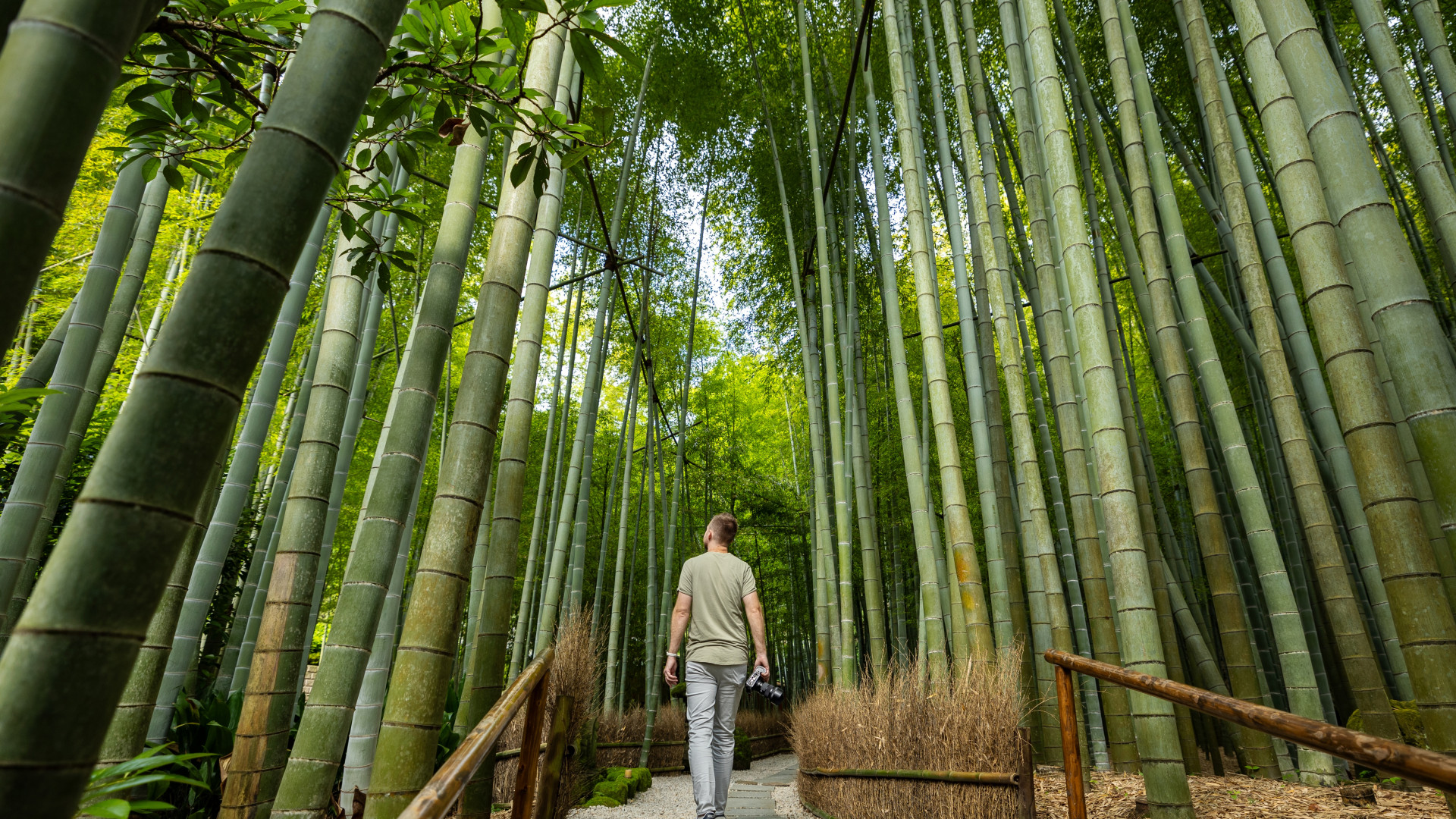
This ancient temple in Kamakura is known for the 1,000 moso bamboo trees on its grounds. Even in the present day, the solemn atmosphere of the temple conveys the tragedy of the Ashikaga clan. It also features a beautiful bamboo grove and garden. The “Sunday Zazen-kai” (Zen meditation), which has a reputation for being strict, is held every Sunday morning at 7:30 a.m. and is open to everyone. Please wear comfortable clothes to participate.This is probably the most impressive bamboo grove you will ever see. Be sure to get tickets for the temple's tranquil teahouse experience before entering.A temple in Kamakura with a beautiful garden and bamboo grove. A Sunday Zen meditation session is held at 7:30 in the morning every Sunday and is open to everyone. The session is reputed to be very strict, and be sure to wear comfortable clothing if you would like to participate.

Temples & Shrines Tokaido Koshu kaido KANAGAWA
Sagamihara City Museum

Sagamihara City Museum

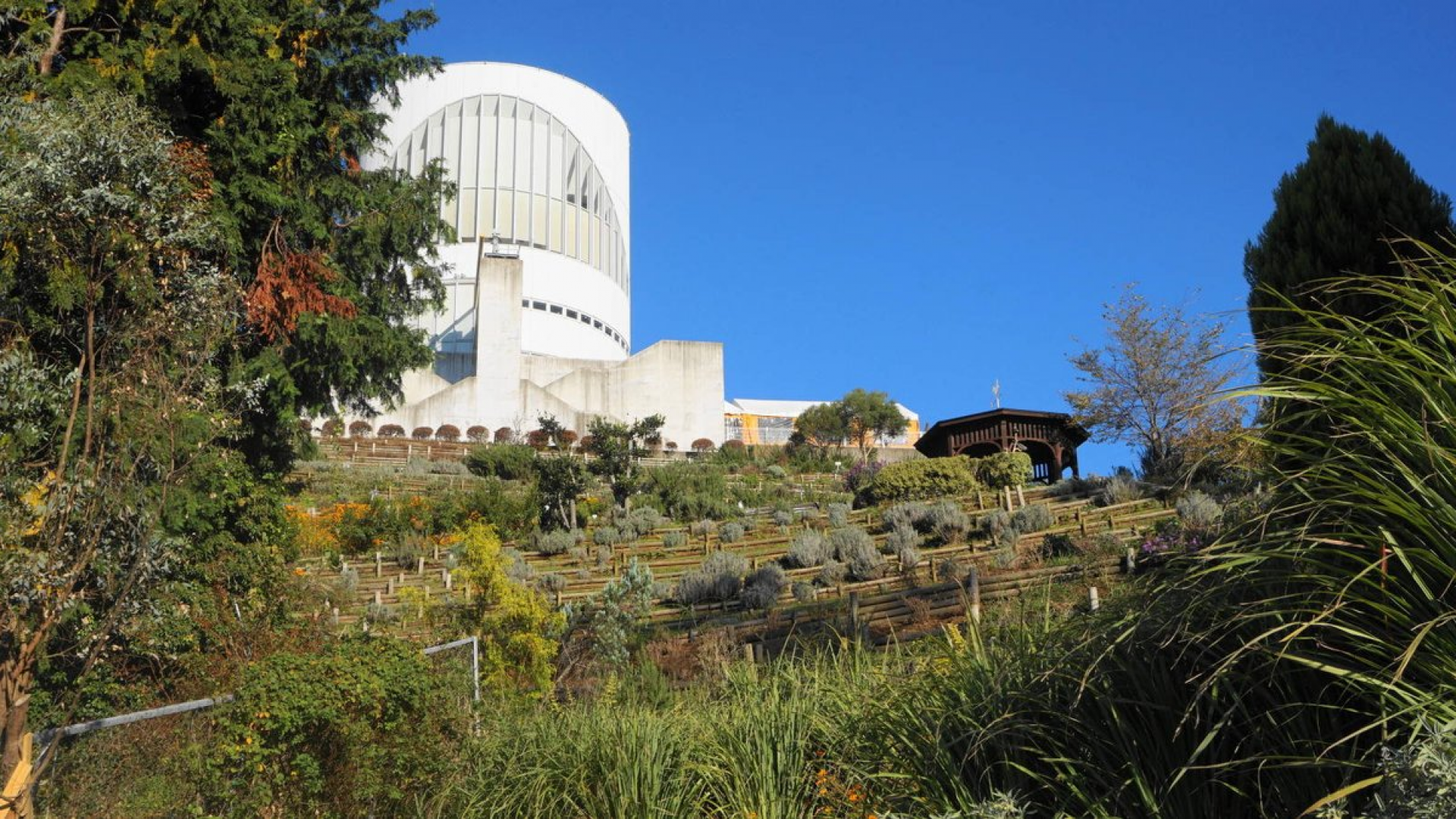
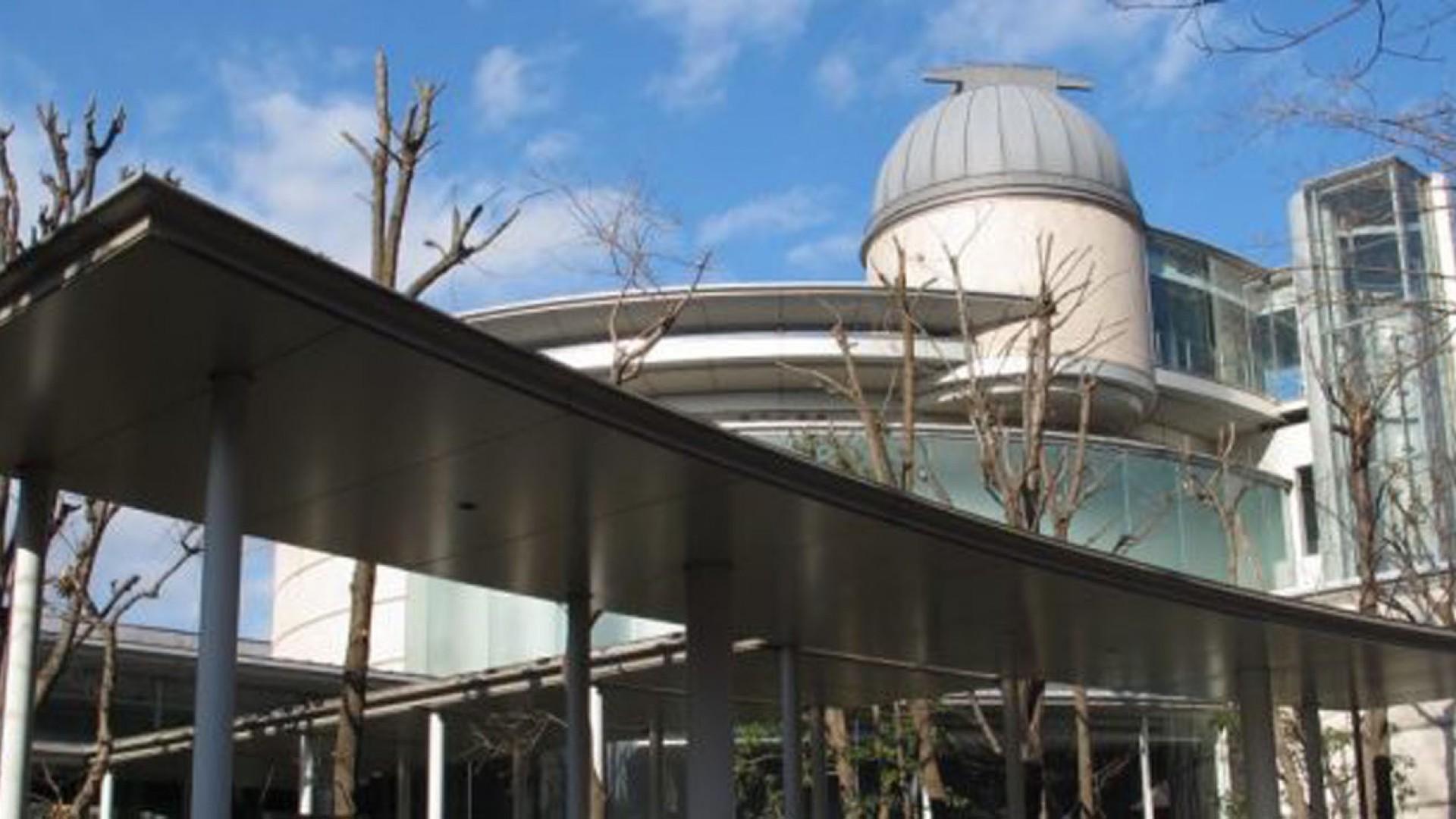
Since its opening in 1995, the Sagamihara City Museum has been a beloved community institution serving as a comprehensive museum dedicated to the history and nature of Sagamihara City. By 2024, its total number of visitors topped 3.5 million. Through its collaboration with the adjacent JAXA Sagamihara Campus, the museum has hosted a number of world-first exhibitions, including the return capsule of asteroid probe "Hayabusa" in July 2010 and "Hayabusa 2" in March 2021. Futhermore, the July 2025 reopening unveiled the renovated planetarium, offering the world's first experience of viewing one billion stars simultaneously, in 8K video.

Culture & Arts Tokaido Koshu kaido KANAGAWA
Zou-no-Hana Park

Zou-no-Hana Park

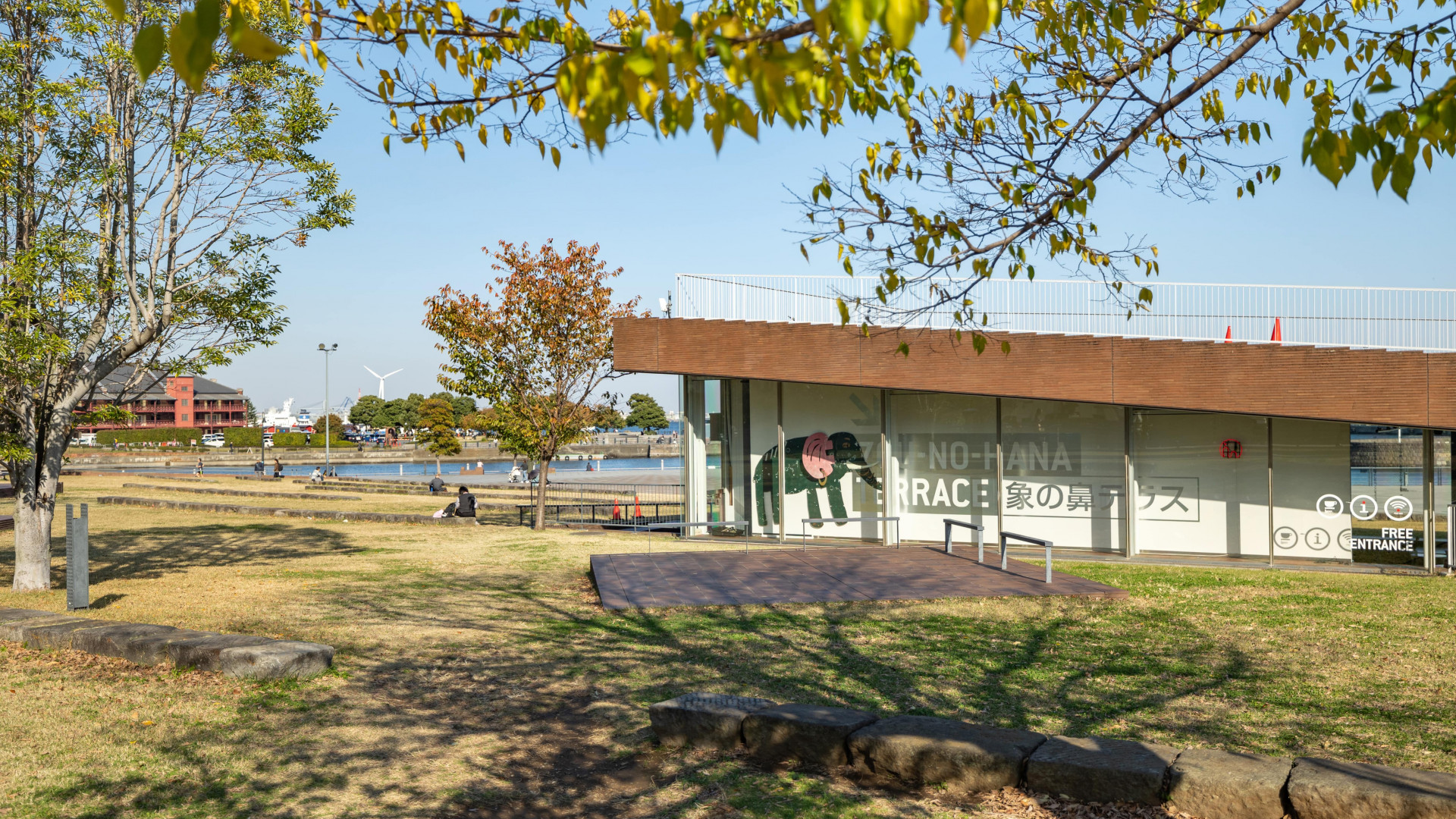
ZOU-NO-HANA Park, located in Kaigan-dori 1-chome, Naka-ku, was opened on June 2, 2009, and is the birthplace of the Port of Yokohama. On the 150th anniversary of the opening of the Port of Yokohama, the ZOU-NO-HANA breakwater was restored to its mid-Meiji Period shape. ZOU-NO-HANA Terrace, one of the many facilities established within the park, is a combined rest area and art space that hosts a wide variety of cultural programs including traditional arts, performing arts, music, and other genres, aiming to become a space where various people and cultures meet, connect, and create new culture. In keeping with this concept, the ZOU-NO-HANA Café strives to spread art through regularly scheduled events and offers a visually pleasing and creative menu devised by artists and creators alike. Dining overlooking the Port of Yokohama's Osanbashi International Passenger Boat Terminal and other harbor scenery from inside the restaurant is one of the unmatched pleasures of the ZOU-NO-HANA Café experience.

Nature & Views Tokaido Koshu kaido KANAGAWA
Yokohama English Garden

Yokohama English Garden

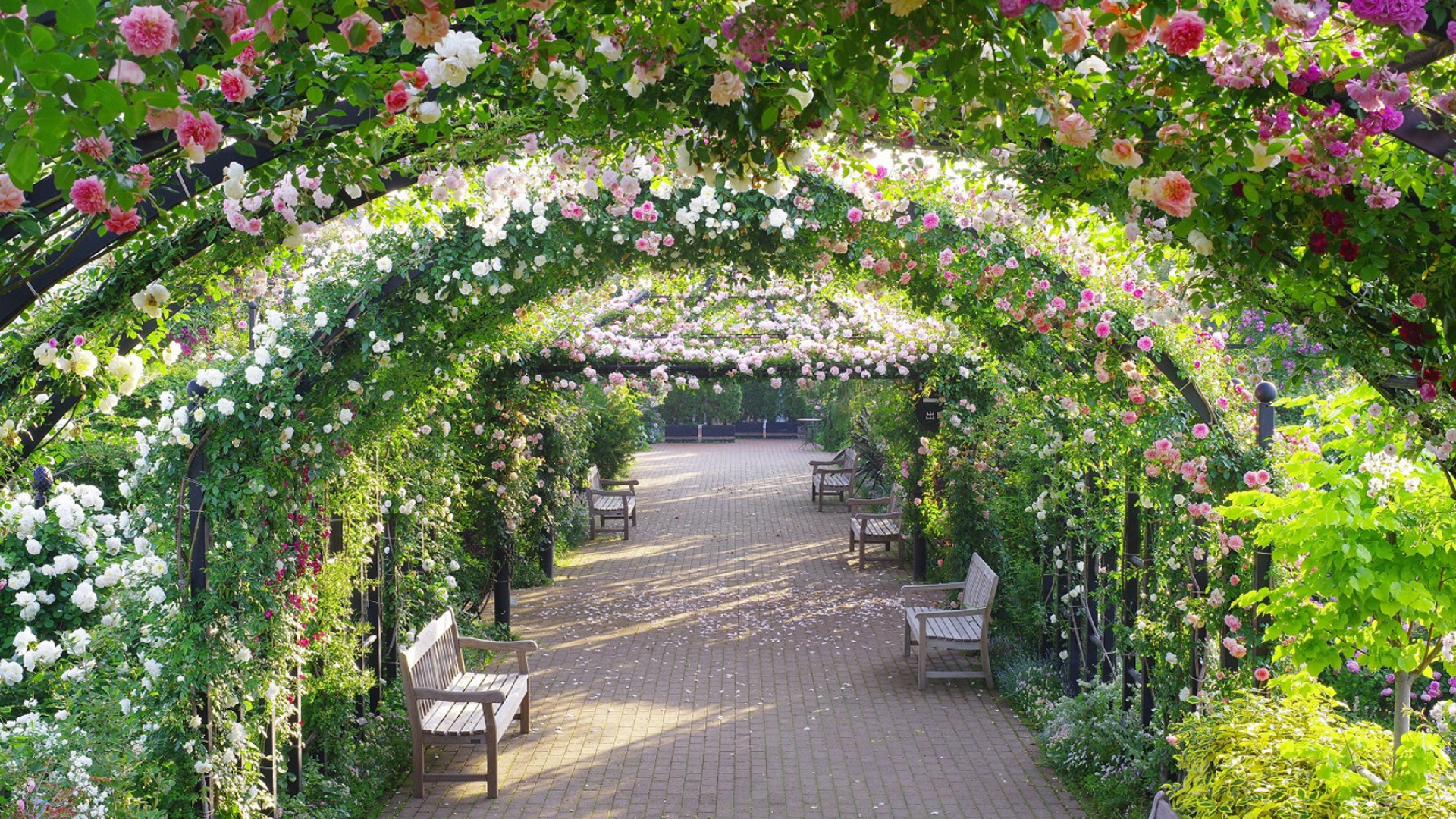
The Yokohama English Garden is an English-style garden decorated with a variety of flowers, trees, and plants, with roses, the flower of Yokohama City, as a main motif. From late April to May, 2,800 roses of around 2,200 varieties bloom, with the 50m-long rose tunnel being a sight to behold. Come enjoy near 300 varieties of hydrangeas bloom in June, more than 30 varieties of cherry blossoms in spring, and the garden's signature roses in autumn.

Nature & Views Koshu kaido Tokaido KANAGAWA
Hakone-jinja Shrine

Hakone-jinja Shrine

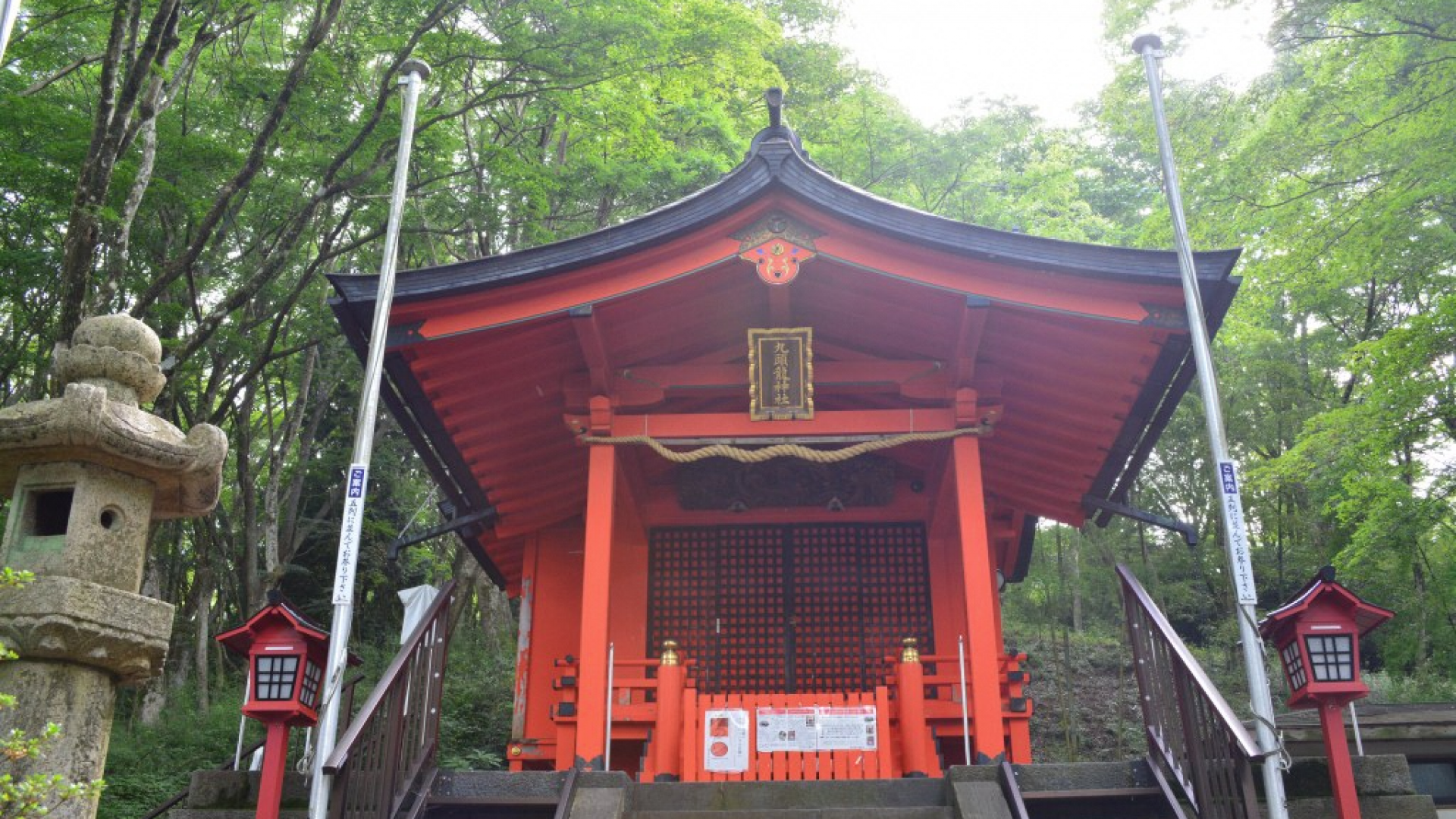
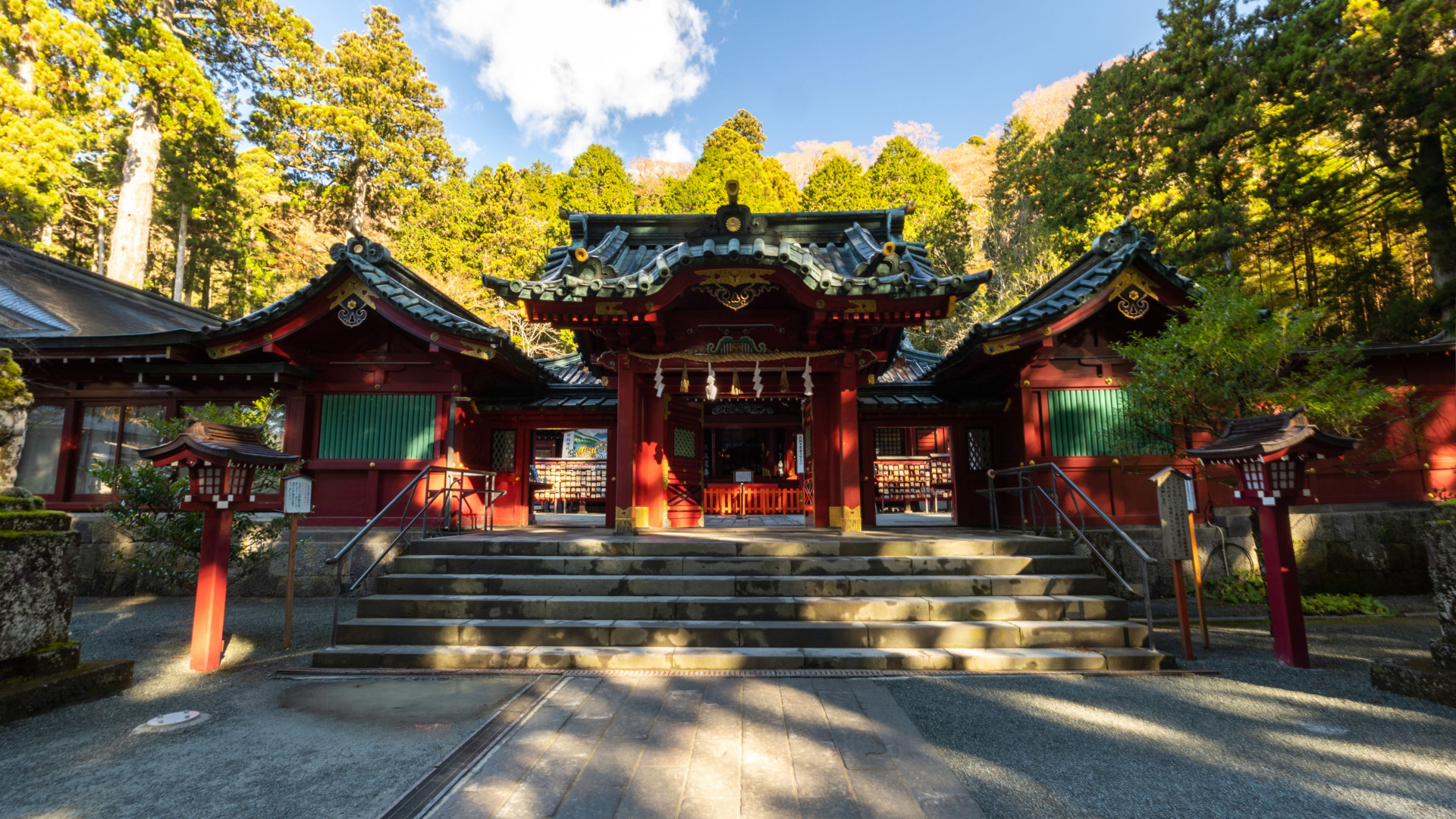
Hakone Shrine is an ancient shrine celebrating its 1266th anniversary. Founded in 757, the first year of the Tenpyo-Hoji Era, at the beginning of the Nara Period (710-794), when Mamaki Shonin, who was in ascetic training on Mount Hakone, was entrusted by the Great God of Hakone to the shrine at its current location by Lake Ashi. During the Kamakura period, Minamoto no Yoritomo deeply worshipped Hakone Shrine, giving birth to the custom of nishomode (pilgrimage to two shrines). Since then, the shrine has flourished as a place of reverence for warriors such as the regent Hojo and the warlord Tokugawa Ieyasu, as well as a sacred place for Shugen (Japanese mountain asceticism). In modern times, with the construction of the Hakone Road, Hakone became a sacred place of worship for the common people, and belief in Mount Hakone as a deity highly virtuous for protecting against bad luck, fulfilling one's desire, and ensuring traffic safety became even more popular. The approach from the Heiwa-no-torii (peaceful gateway) by Lake Ashinoko to the main shrine is flanked by rows of cedar trees more than 600 years old, giving the shrine a majestic appearance, behind the vermilion-lacquered Gongen-zukuri main shrine building is a pure forest of himeshara, a natural treasure of Kanagawa Prefecture, and the Gongen Mitarashi pond and Lake Ashi below reflect the vermilion Peace Gate and the sacred Mount Fuji, surrounding the shrine with beautiful nature. Many visitors from around the world come to pay their respects at the Kuzuryu Shrine (Shingu and Hongu), which is a shrine revered not only for its good fortune and prosperity, but also for its protection of money, prosperity in business, and match-making, particularly during the Tsukinamisai held at the main shrine on the 13th of each month. [Divine virtues] Good luck repelling of bad luck, fulfillment of one’s desires (protection against bad luck), traffic safety, match-making, family safety, and business prosperity On July 31st, the shrine organizes the Ashinoko Kosui Matsuri Festival to celebrate a legendary dragon. Monks sail the lake on pirate ships offering red rice to the depths below. Floating lanterns illuminate the lake waters while fireworks light the skies above.Lake Ashinoko Summer Festival Week: Hakone Summer Festival offers a variety of events such as the biggest annual festival of Hakone Shrine with Shinto celebrations and rituals, fireworks, and more. Many fireworks will be launched at a total of six fireworks festivals, adding color to the summer Hakone sky.


Temples & Shrines Tokaido Koshu kaido KANAGAWA
Discover the Zen Spiritual Experience with a Volunteer Guide in Saijoji Temple

Discover the Zen Spiritual Experience with a Volunteer Guide in Saijoji Temple

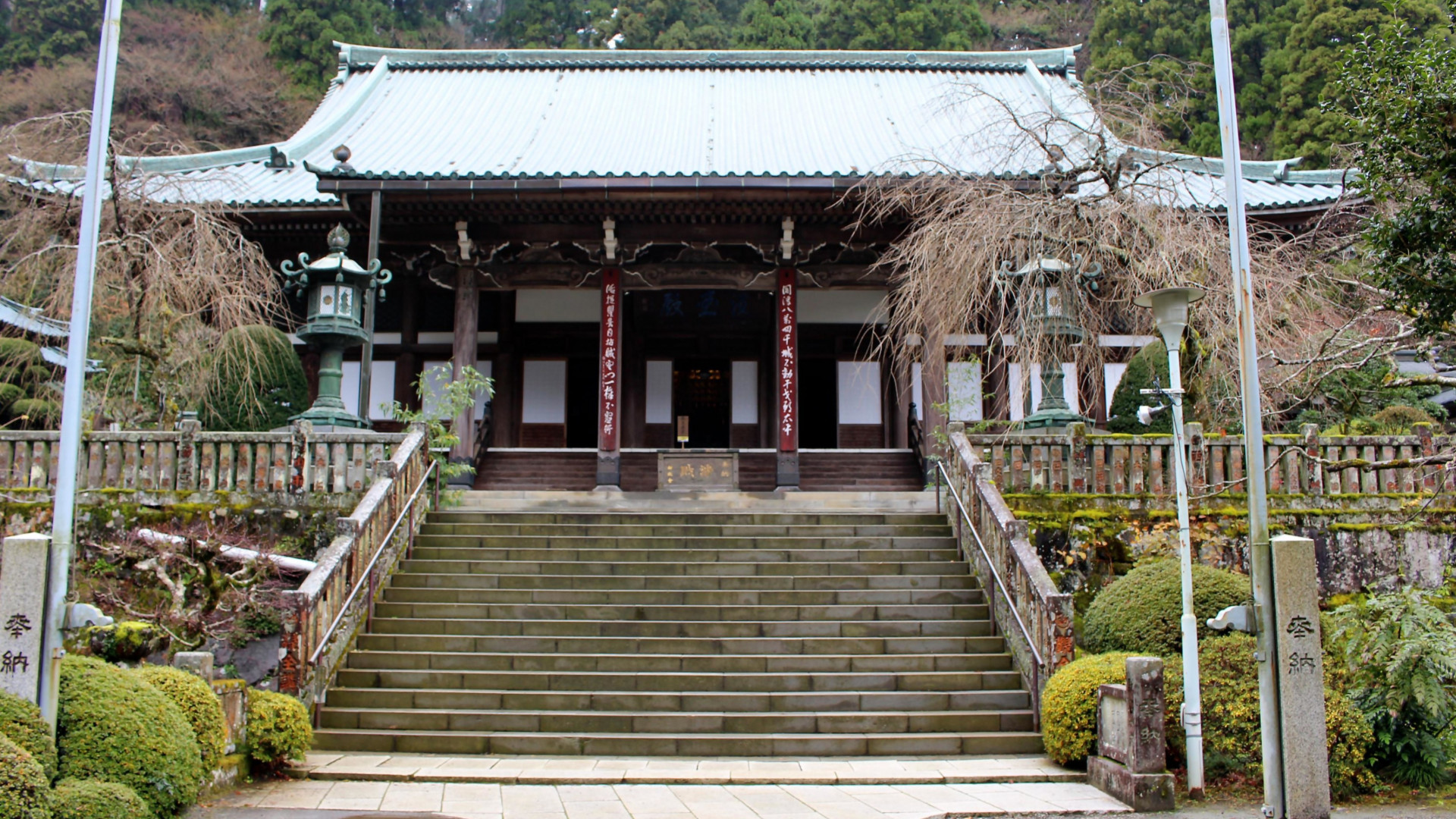
Welcome to Daiyuzan Saijoji Temple, a sacred Zen sanctuary where tranquility and solemnity reside. Located in Minamiashigara City, Kanagawa Prefecture, Daiyuzan Saijoji Temple stands as an important Zen temple of the Soto sect, preserving its long history and deep faith to this day.The main hall was designed by Ito Chuta, the first Japanese architecture historian, and embodies the traditional Japanese aesthetic of finding the beauty in shadows. The approach leading to it is lined with approximately 20,000 cedar trees, many over hundreds of years old, enveloping visitors in a quiet, mystical atmosphere.A beautifully proportioned pagoda welcomes worshippers, evoking a sense of being transported to ancient Japan. The legendary ascetic Tengu (a type of Shinto spiritual being) stands guard before Kekkai-mon (the sacred barrier gate), and is said to ward off evil spirits and protect worshippers while also guiding the path to enlightenment.Atop 354 stone steps lies the sacred sanctuary Okunoin, quietly standing to offer deep healing and insight to visitors. This space, woven from the natural beauty of the four seasons and the spirit of Zen, is the perfect place for a journey away from daily life to center your mind.We invite you to experience the “authentic Japan” where tranquility and strength coexist at Daiyuzan Saijoji Temple. Zen practice through zazen meditation and sutra copying awaits you.

Temples & Shrines Tokaido Koshu kaido KANAGAWA
Okada Museum of Art

Okada Museum of Art

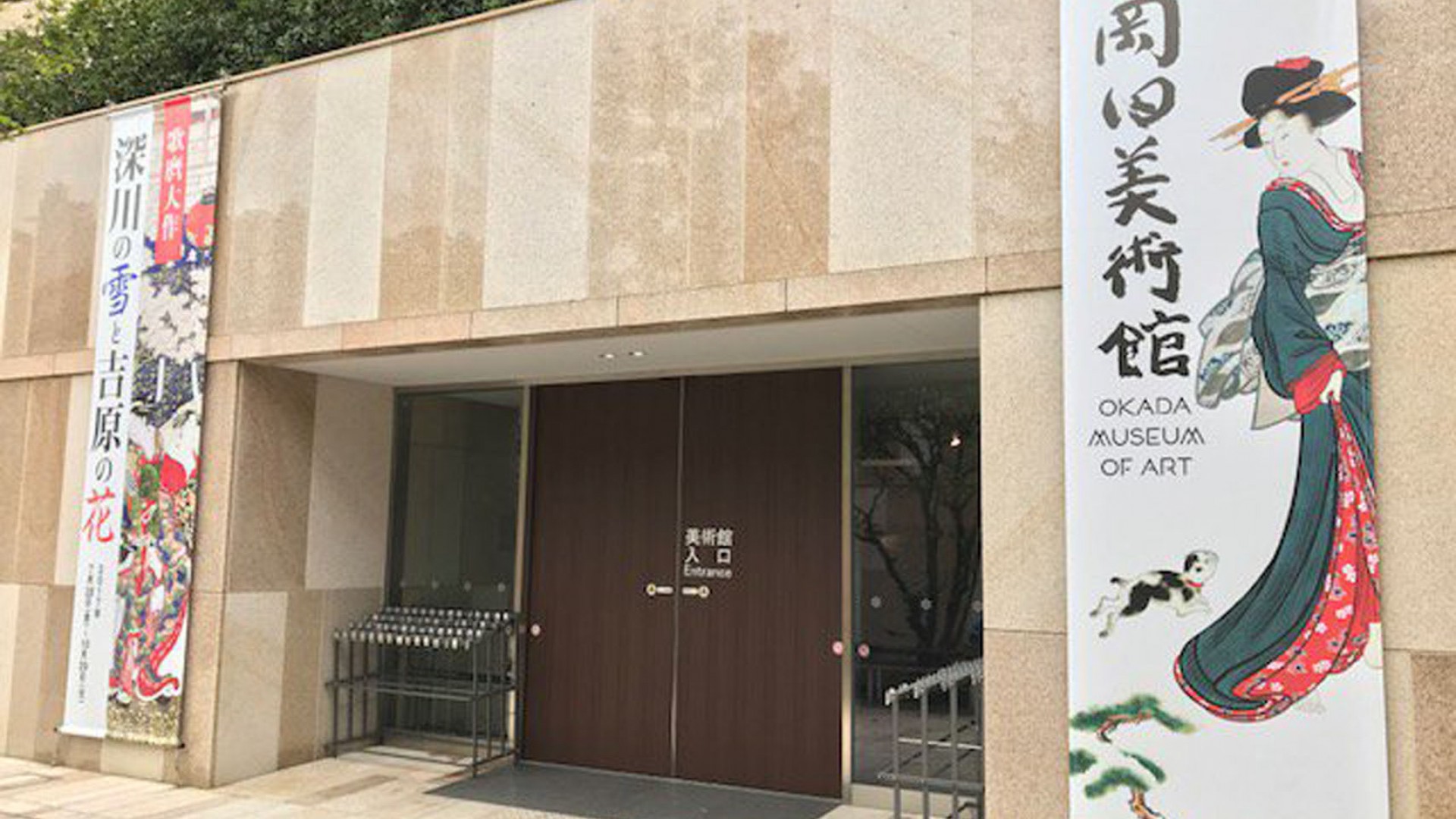
The museum was built on the former site (about 6,300㎡) of the Kaikatei Hotel, a hotel for Westerners of the Meiji period. The total floor space of the 5 story building is about 7,700㎡ and the exhibition area is about 5,000㎡. Ancient and modern art, centered around Japan, China, and Korea, that were collected by Kazuo Okada, honorary director, are on exhibition at the large venue.This 12m-high by 30m-wide mural adorns the museum facade. “Wind/Time” by Fukui Kotaro shows two guardian deities of Hakone soaring through the air in this decorative masterpiece reminiscent of the Rimpa school.Opposite the "Wind/Time" mural, sip while you dip in 100% natural hot spring water at this relaxing footbath cafe.After arriving at the museum, please try the footbath and enjoy a private tour of the back room of Kaikatei, where an overview of the museum and highlights of the special exhibition will be given. After the museum closes, experience a private gallery talk by the curator, followed by free time to view the exhibition on your own.Luxury in Kanagawa

Culture & Arts Tokaido Koshu kaido KANAGAWA