

Greater Tokyo

See & Do

reset
Relax FUJINO

Relax FUJINO

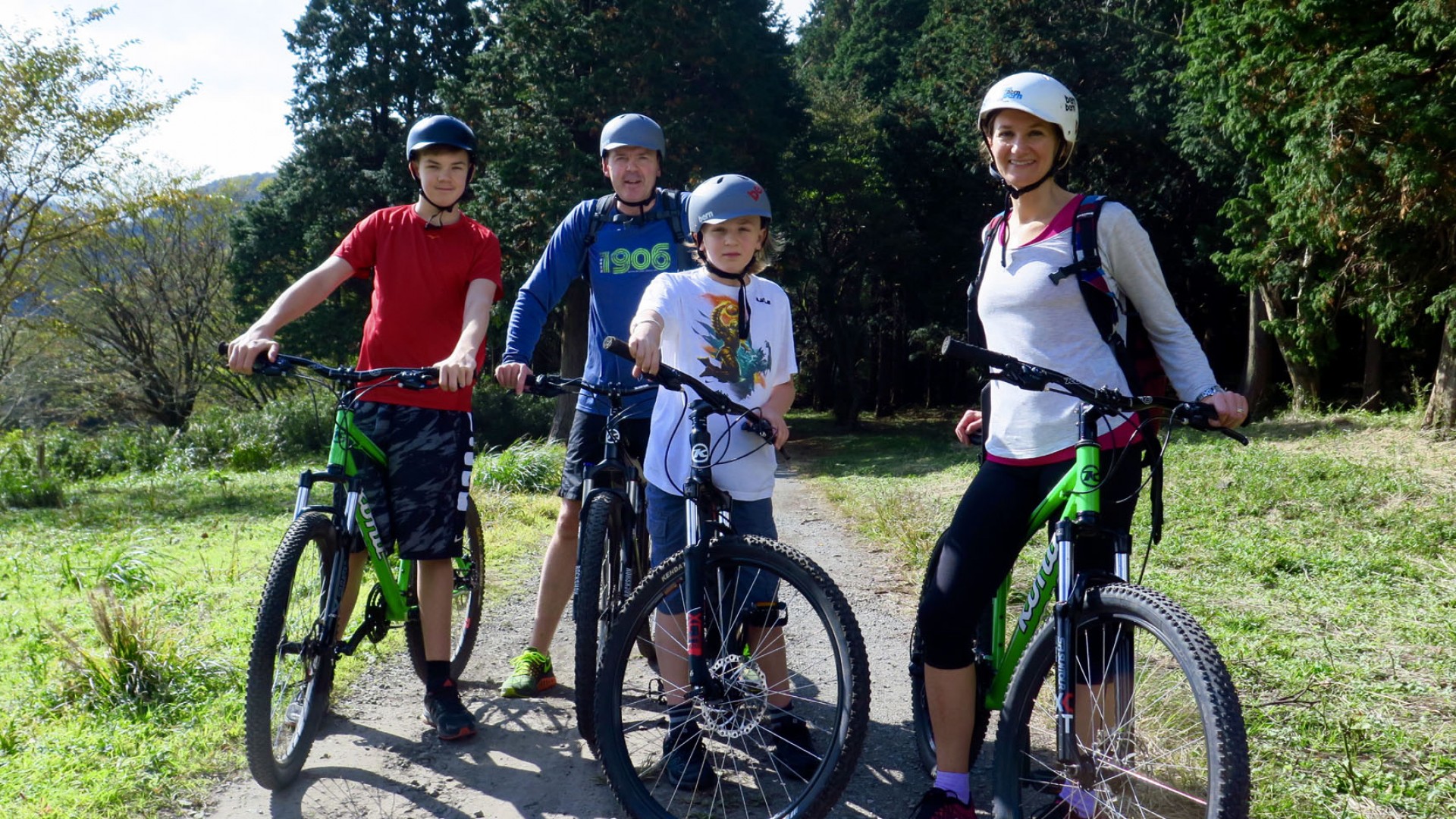
This is Hibiya Kadan's, a long-established florist, first glamping facility. Here, visitors can enjoy a high-quality relaxing time. Located only an hour and a half from central Tokyo, in the rich natural setting of Fujino, Sagamihara City, visitors can indulge in the ultimate in relaxation, made possible by Hibiya Kadan's meticulous attention to detail. In addition to Western-style rooms where you can relax and unwind as if you were in your own living room, there are also Japanese-style rooms with tatami mats, a rarity in campgrounds. In addition to glamping, you can also experience activities such as barbecue, farming, flower arrangement, coffee roasting, yoga, and blueberry picking in the outdoor recreation area.
Onsen & Stay Tokaido Koshu kaido KANAGAWA
Michi-no-Eki Nikko Kaido Nikoniko Honjin

Michi-no-Eki Nikko Kaido Nikoniko Honjin

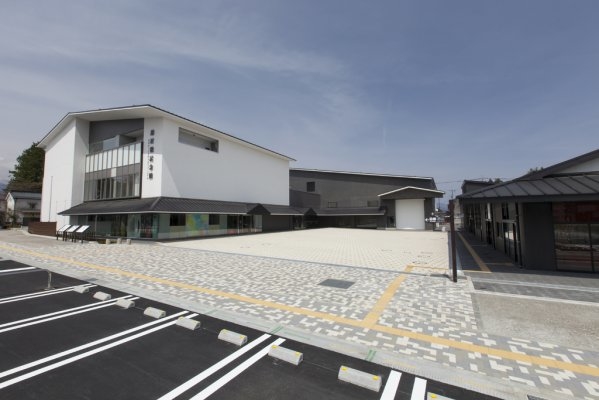
The roadside station “Michi-no-Eki Nikko Kaido Nikoniko Honjin” held a grand opening to the public on 27 April 2015. It is located at the junction of three highways known as the Nikko Cedar Avenue (Nikko-Kaido, Aizunishi-Kaido and Reiheishi-Kaido), in the city centre of Nikko. The roadside station is a hub for tourism and transportation that leads visitors to sights such as the UNESCO World Heritage “Shrines and Temples of Nikko” and one of Japan’s most popular hot spring towns, “Kinugawa and Kawaji Onsen”. Nikko’s official “Michi-no-Eki” is home to a commemorative museum to the famous local composer Toru Funamura as well as restaurants and shops offering original local products, locally produced vegetable and fruits. A wide range of events take place in the performance hall and open space throughout the year.

Nikko kaido Oshu kaido TOCHIGI
Hinata Yakushi Treasure Hall (Yakushi Nyorai, Japan’s Three Yakushi)

Hinata Yakushi Treasure Hall (Yakushi Nyorai, Japan’s Three Yakushi)

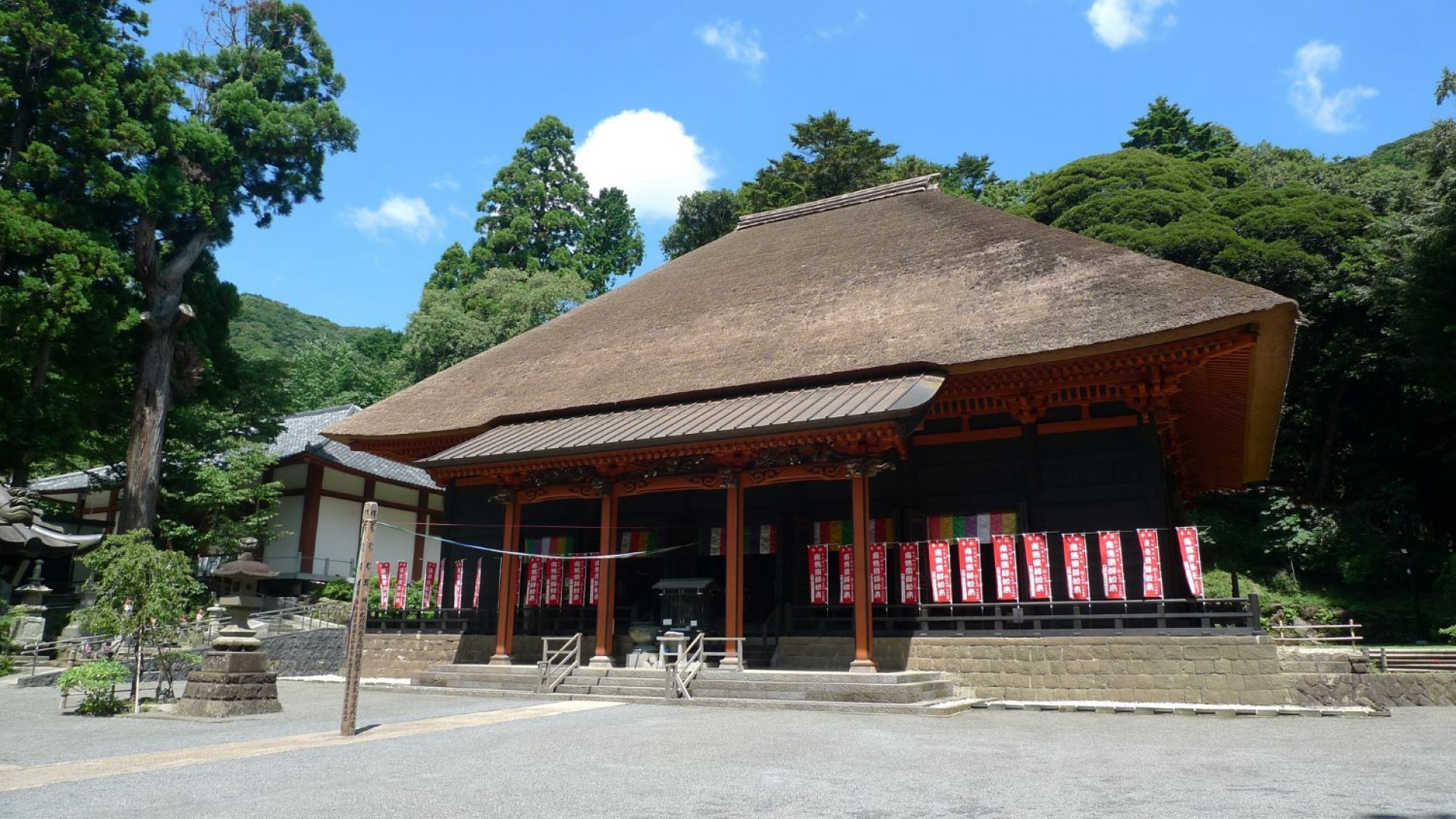
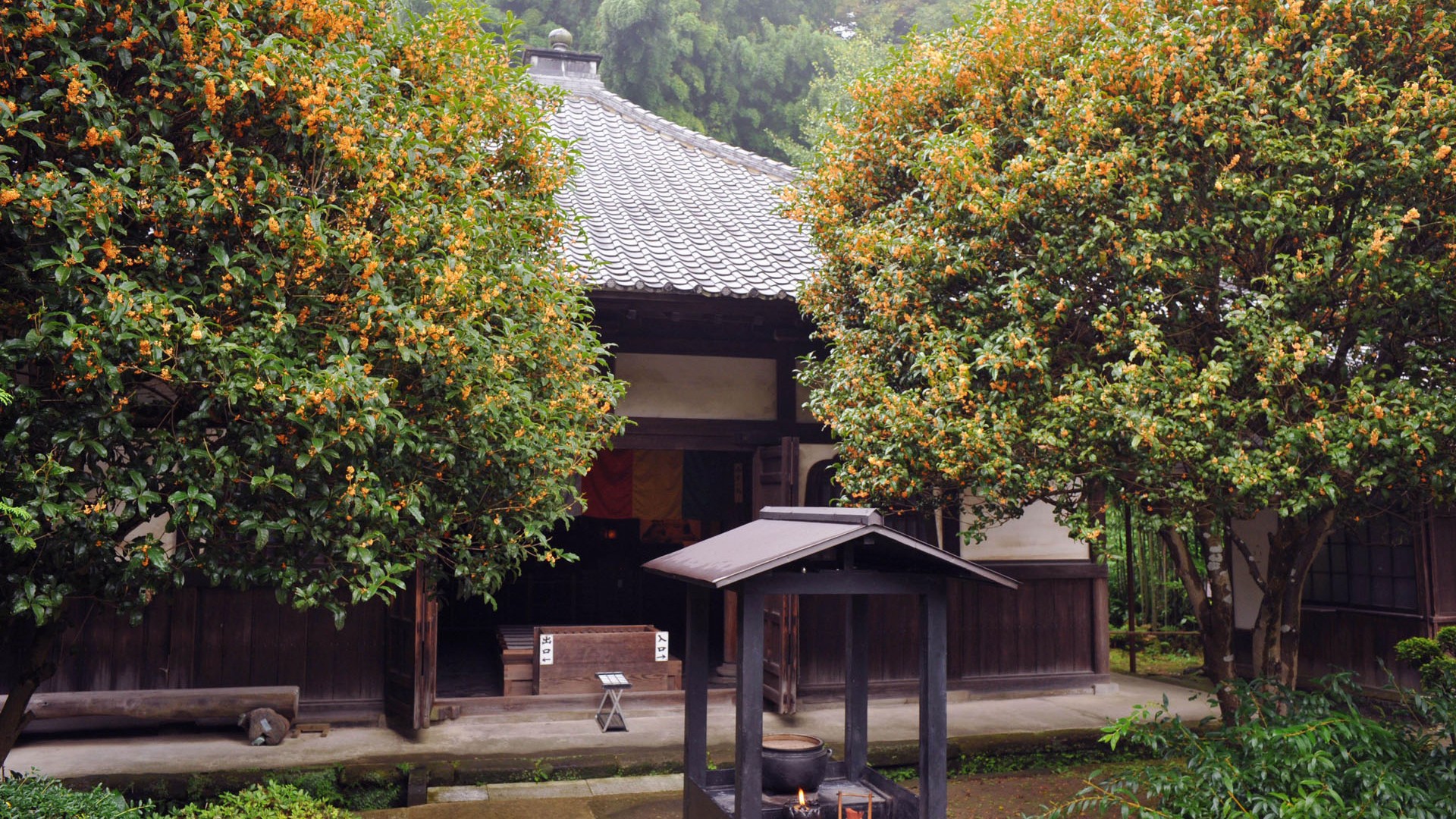
Founded by Gyoki in 716, this temple has a history of 1,300 years. Since the Middle Ages, it has been a sacred place for medicinal practitioners, and is known as Hinata Yakushi, one of the three most famous Yakushi in Japan. The temple also holds one of Japan's greatest treasure houses, with numerous statues of Buddha designated as nationally important cultural properties that bear witness to its history. It is also famous for higanbana (cluster amaryllis), which grows in clusters around Hinata Yakushi from mid-September to early October, making it a popular tourist attraction. Please come and visit Hinata Yakushi, a place rich in nature and full of attractions.

Temples & Shrines Tokaido Koshu kaido KANAGAWA
Nature Observation Facility Kuzuha House

Nature Observation Facility Kuzuha House

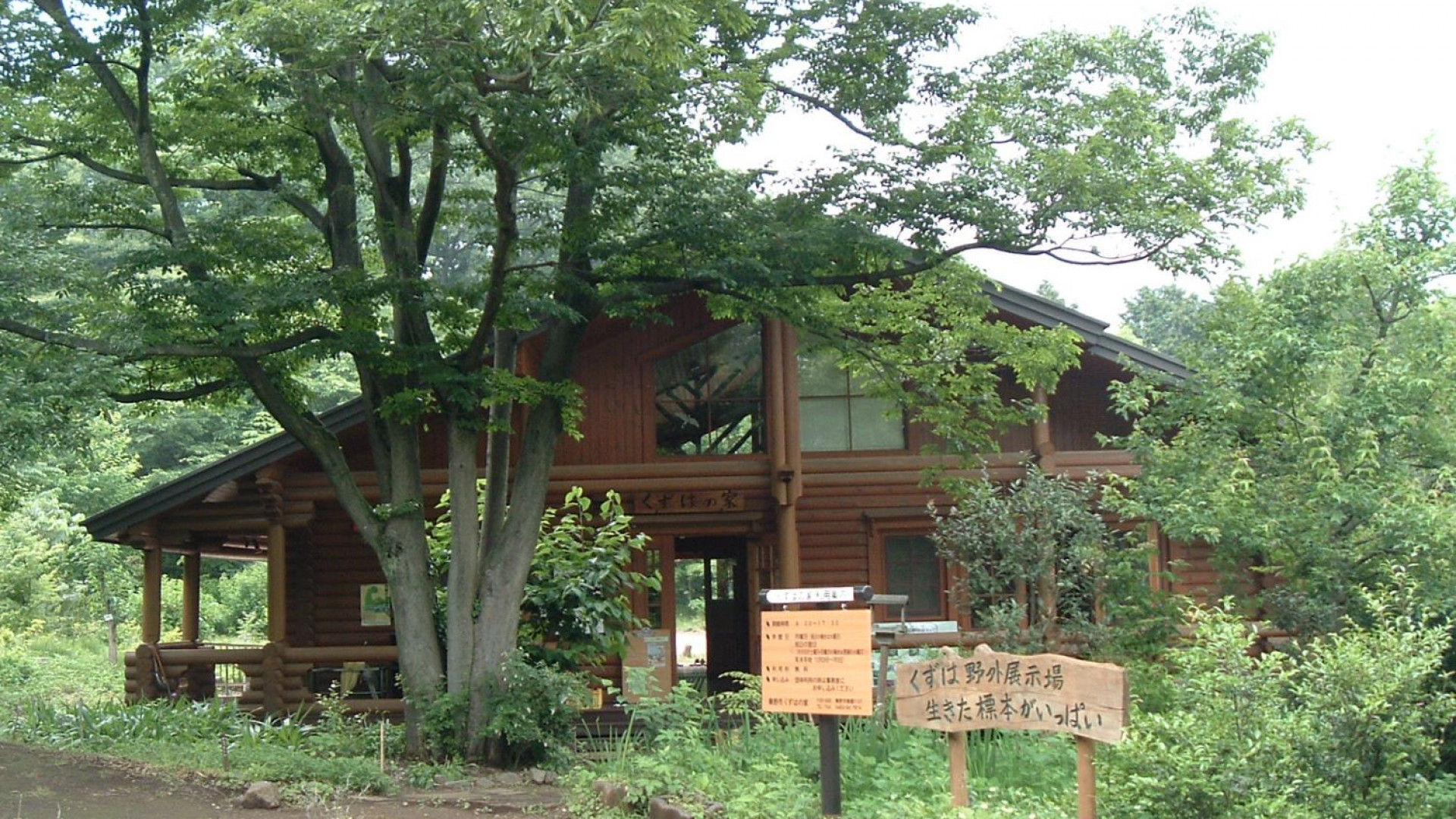
The Kuzuha Green Space, which consists of the Kuzuha River, which runs almost in the centre of the Hadano Basin, and a canyon surrounded by abundant greenery, was designated as" Kanagawa's National Trust No. 1 Green Space" in 1987. "Kuzuha no Ie", which is a base for nature observation, was opened in 1998, and visitors can get close to nature and also holds nature observation meetings, seasonal gatherings and nature observation instructor training courses, and various other activities to encourage nature protection. In addition, we are engaged in work to pass on the conservation of the space to future generations through appropriate management such as nature surveys, tree pruning, and mowing.

Nature & Views Tokaido Koshu kaido KANAGAWA
Grand Mall Park

Grand Mall Park

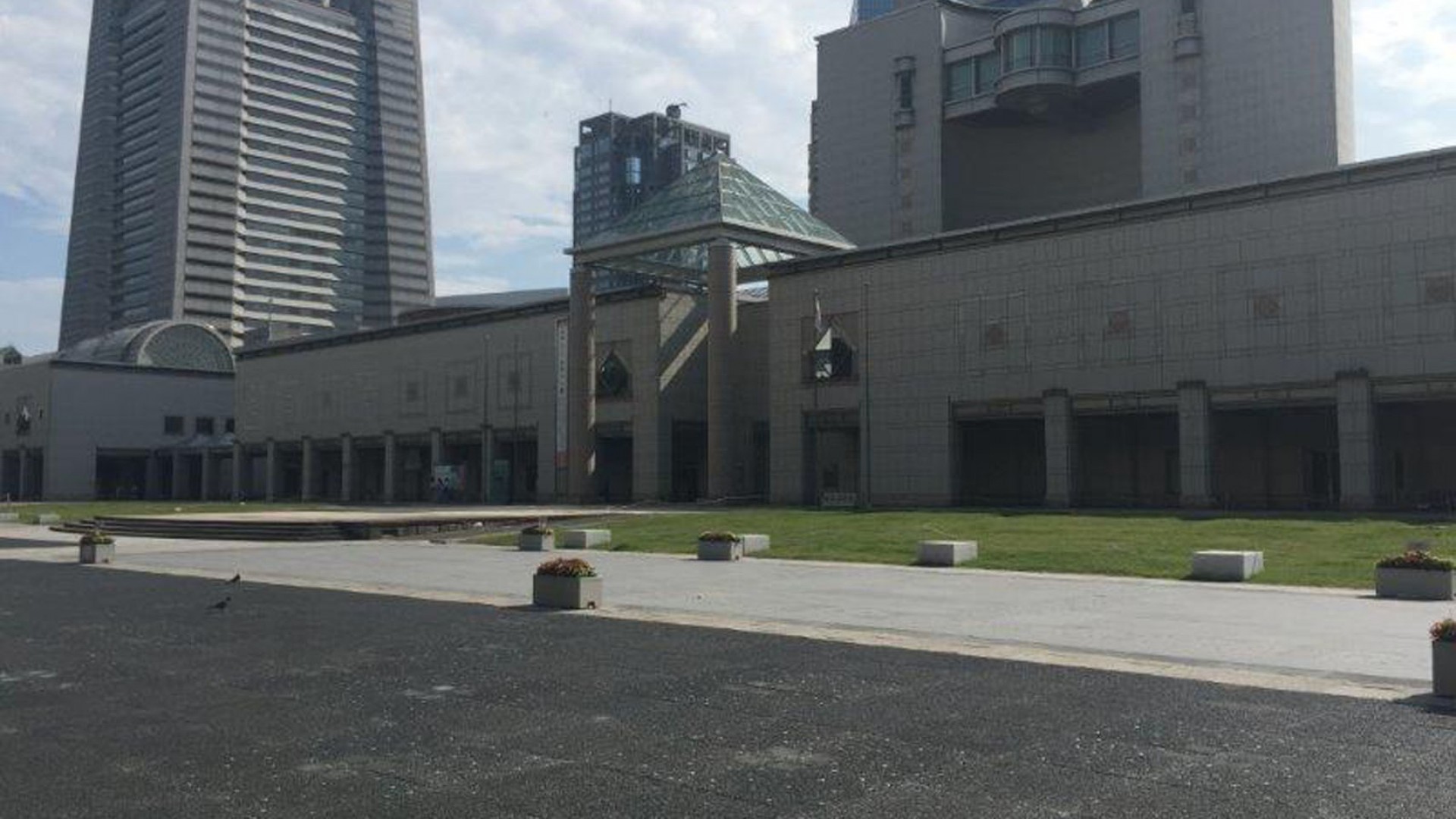
As a park located on the waterfront, we developed a design based on the theme of "the sea" to create a facility that enhances the appeal of the Minato Mirai 21 district. Art furniture (benches) with a nautical motif were installed under a row of zelkova trees, where the sun shines through the trees. At night, a luminous sea pavement in front of the art square creates a new nightscape of Minato Mirai with illusory light reminiscent of luminous insects drifting among the waves of the sea.

Nature & Views Tokaido Koshu kaido KANAGAWA
Tea Room Minami Yonban Classic (British embassy villa memorial park)

Tea Room Minami Yonban Classic (British embassy villa memorial park)

"South No. 4 Classic" café is located on the second floor of the former British Embassy Villa in the British Embassy Villa Memorial Park. From its spacious veranda, you can enjoy a panoramic view of Lake Chuzenji while savoring scones and tea sets supervised by the British Embassy Tokyo's chef. Limited-time and quantity events are held monthly.   〈Menu〉 British Cultural Experience Mini Afternoon Tea A set featuring British Embassy Tokyo's original scones, sandwiches, and tea. Plain and nut (walnut and almond) scones are served with generous portions of locally crafted jam from Tochigi Prefecture and clotted cream. Enjoy this one-plate set of sandwiches and seasonal fruits with premium British tea.   〈About the British Embassy Villa Memorial Park〉 Originally built in 1896 as the private villa of British diplomat Ernest Satow (1843-1929), this facility has been restored after serving as the British Embassy villa for many years. The facility features exhibits about its history as an international summer resort and British culture of the time. From the second-floor veranda,visitors can enjoy the "picture-perfect scenery" of Lake Chuzenji that Satow loved.

Nikko kaido Oshu kaido TOCHIGI
Italian Embassy Villa Memorial Park

Italian Embassy Villa Memorial Park

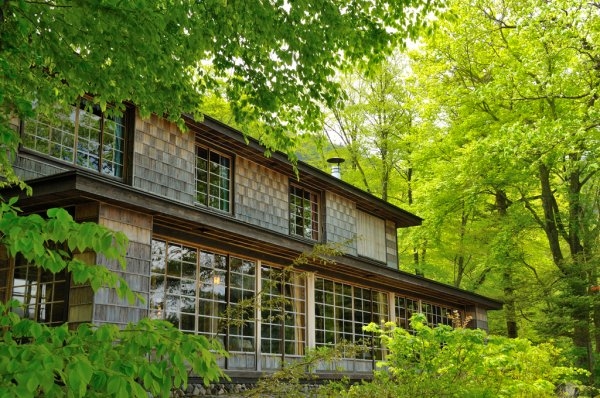
From the mid Meiji to the early Showa periods, the area around Lake Chuzenji was home to foreign embassies and villas and flourished as summer resorts. The villa was built as a summer house for the Italian ambassador in 1928 and used by successive ambassadors until 1997. Along with the main building reconstructed with the original floor, fittings and furniture, the cottage is now open to the public as a history museum of the local international summer resorts. In addition to the buildings, the park pleases the eye with a lovely view of Lake Chuzenji.   The villa was designed by Czech architect Antonin Raymond (1888-1976). Raymond moved to the United States when he was 22 years old where he took up architecture. His first visit to Japan was during the New Year’s period in 1919-20 to work on the project of the Imperial Hotel with his mentor Frank Lloyd Wright. Raymond was advised by local craftsmen on traditional architectural materials. He made a good use of the local Nikko cedar on the walls and his chequered design creates a beautifully modern exterior to the two-storey wooden villa. The whole ceiling of the ground floor was made with cedar bark by wickerwork, a popular technique in the traditional Japanese Sukiya style of architecture. The space of the living room and study is skilfully divided by wickerwork patterns.

Nikko kaido Oshu kaido TOCHIGI
Enoshima Electric Railway

Enoshima Electric Railway

While the Enoden railway boasts a mere 10km track length, it runs through a richly varied and captivating landscape. It threads its way through residential neighborhoods, skimming past rooftops, traversing iron bridges and tunnels, and weaving along the coastline and through mountain valleys. On clear days, passengers can glimpse Enoshima Island and Mount Fuji from the train windows, evoking a sense of adventure. Popular tourist spots dot along the train line, including Enoshima, Shichirigahama Beach, and the ancient city of Kamakura, allowing you to savor scenery where history, nature, and townscapes harmonize. We invite you to ride the Enoden and enjoy a moment of true relaxation.

Experience & Activities Tokaido Koshu kaido KANAGAWA
En’no-ji Temple

En’no-ji Temple

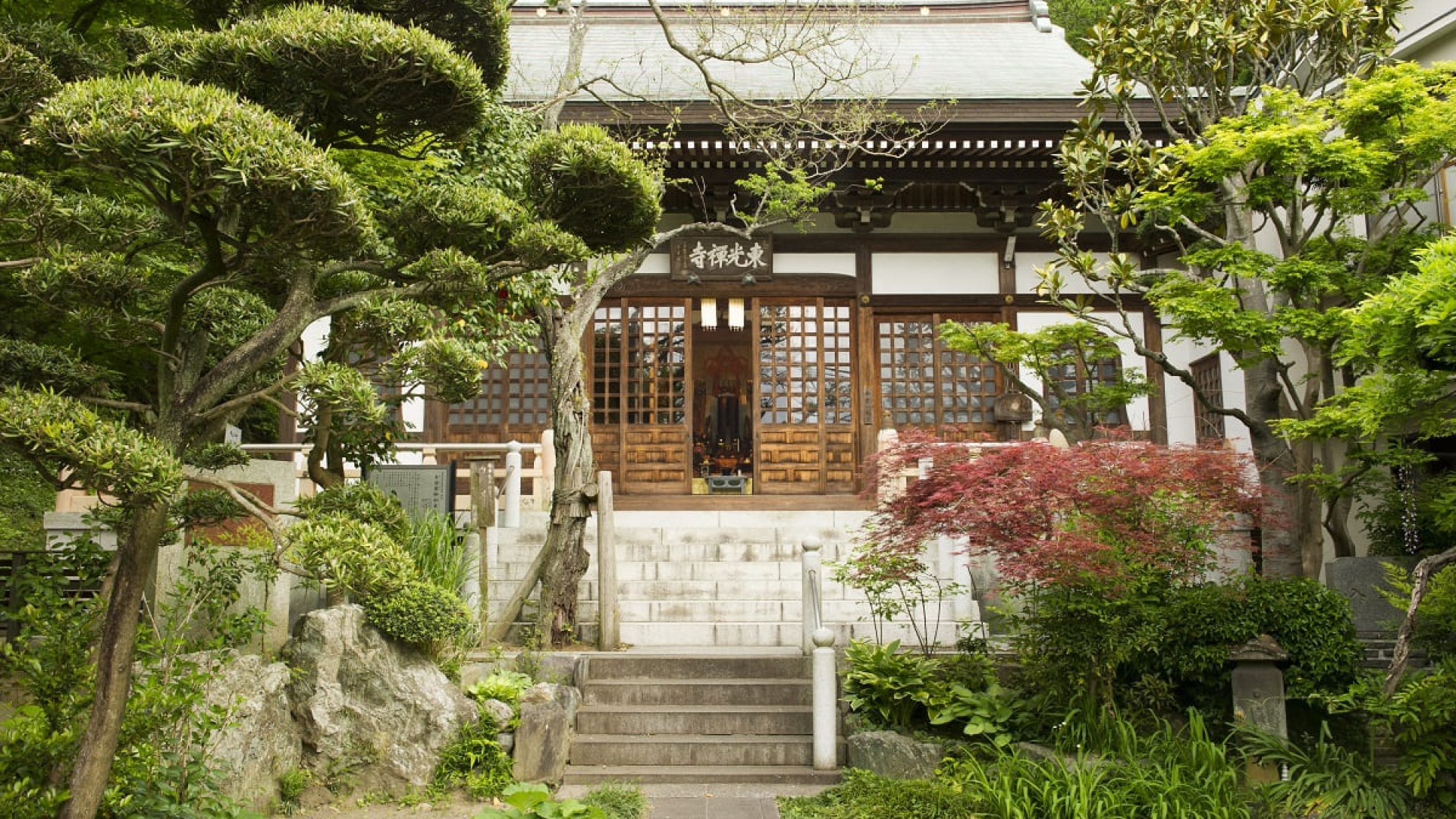
This statue of King Enma was carved in 1250 and was initially situated on a mountain in front of the Hase Kannon. After the fated downfall of the Kamakura Shogunate, Ashikaga Takauji moved it to the left, facing the sea at the Ichino-torii gate, to mourn the departed souls of Yuhigahama, the site of the decisive battle. The temple was again damaged by a major earthquake during the Genroku era (1688-1704), and was moved to its present location. The Ten Kings of Ennoji Temple, centering on King Yama, depict the judgment of those who were condemned to hell for their sins during their lifetime. The temple is still widely worshipped as a Jizo temple.

Temples & Shrines Koshu kaido Tokaido KANAGAWA