
Greater Tokyo

See & Do

reset
Matsuda Cherry Blossom Festival

Matsuda Cherry Blossom Festival

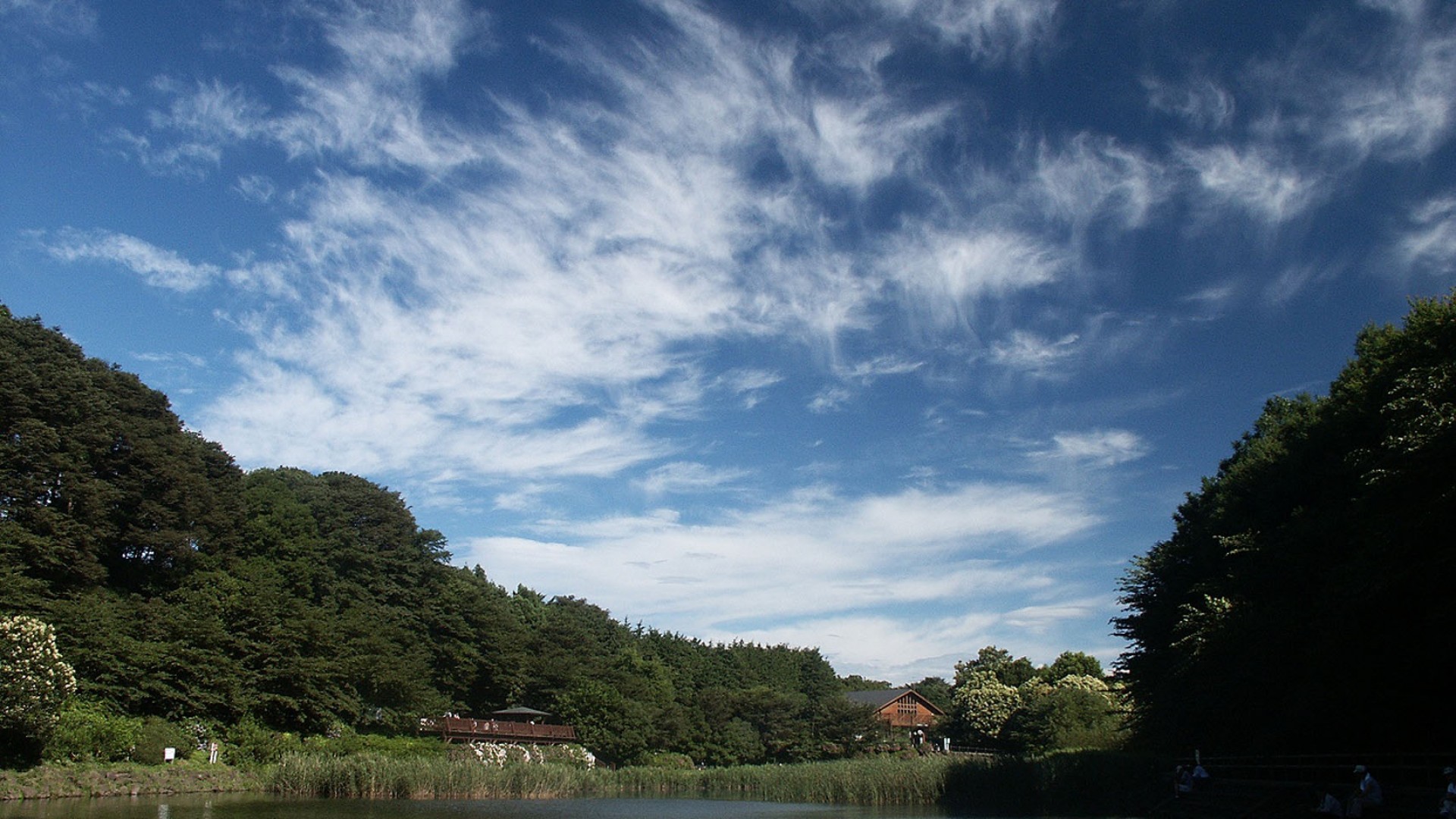
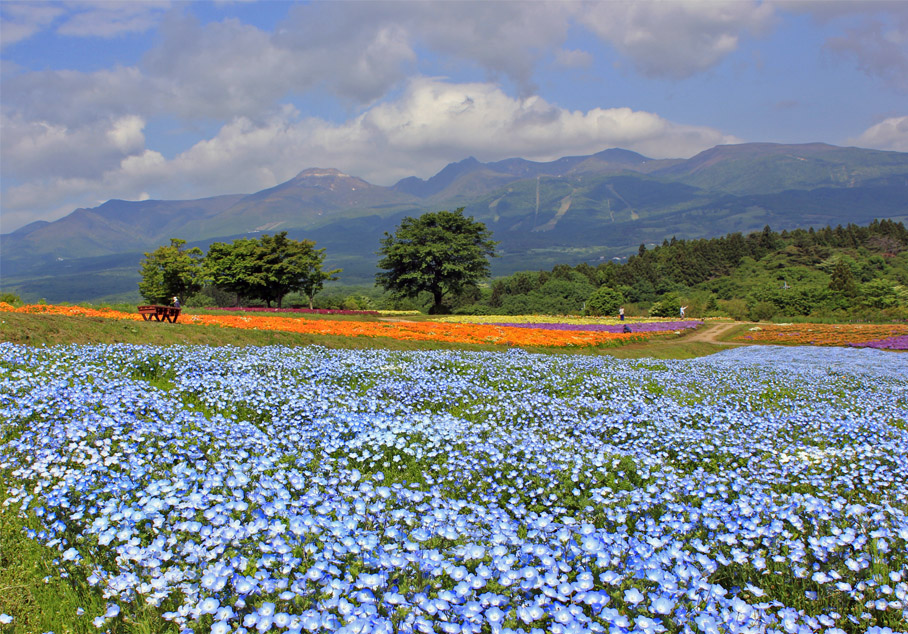
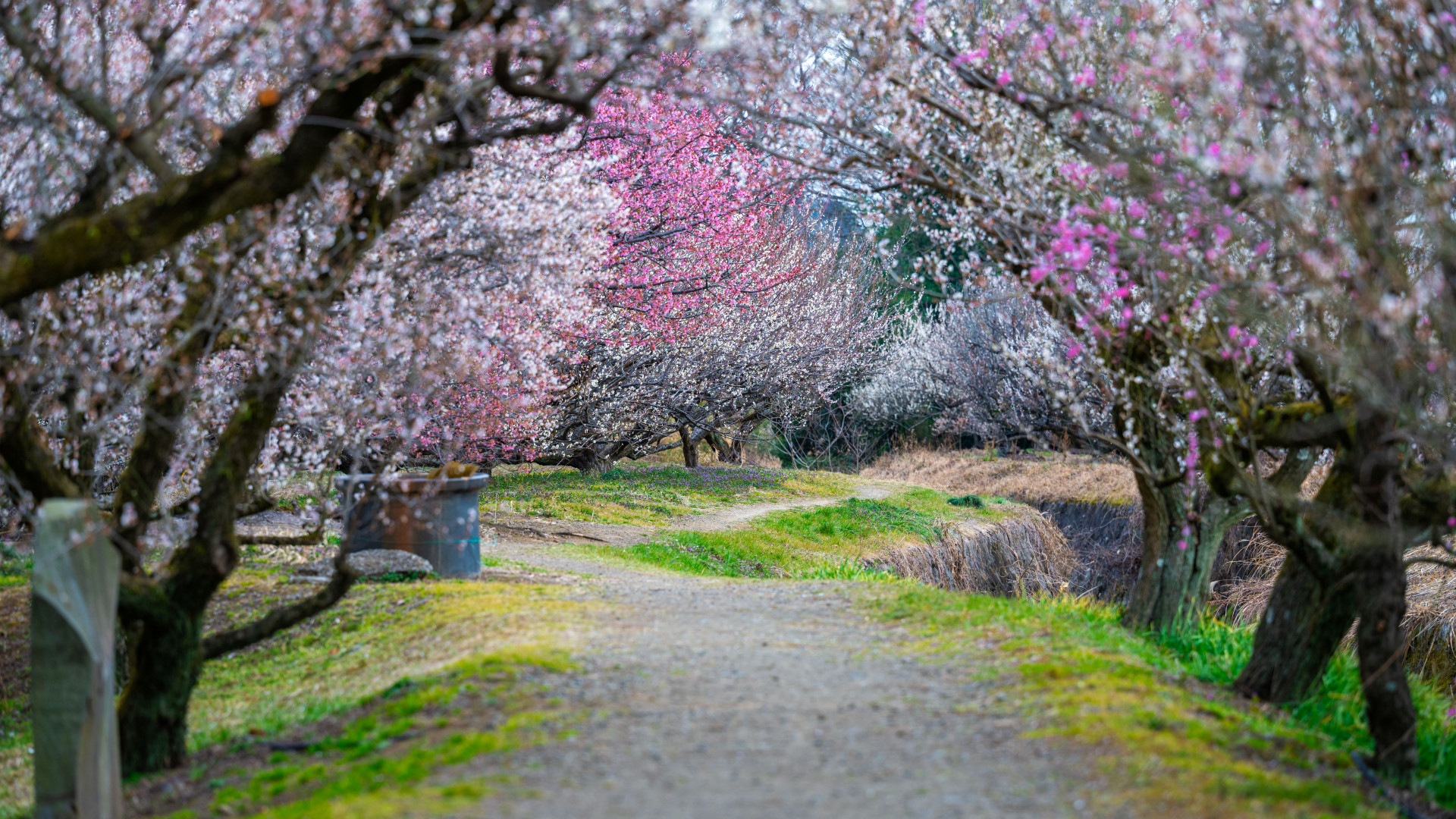
From Nishihirabatake Park you can see an astounding view of Mount Fuji, which is even recognized by the Ministry of Land, Infrastructure, Transport and Tourism as being one of the best as it made it onto their Fujimi-byakkei List.Visit Matsudayama Herb Garden, located in Nishihirabatake Park, for a spectacular view of nature as the garden’s seasonal herbs bloom alongside the cherry blossoms.The evening illumination allows you to enjoy both the night view and the cherry blossoms. The illumination seen from the bottom of the mountain is also fantastic, with the area around the park being painted in pink. Kawazu cherry blossoms bloom in February. For details, please visit the Matsuda Town website.

Culture & Arts Tokaido Koshu kaido KANAGAWA
Taya Cave, Josenji Temple

Taya Cave, Josenji Temple

Taya-no-dokutsu (Taya Caves), located within the precincts of Josen-ji Temple on Mount Taya in the Daikaku-ji School of Shingon Buddhism, is officially called Yugado, a man-made cave dug by Buddhist ascetic monks for pilgrimages to sacred sites in Shikoku, Saigoku, Bando, and Chichibu. Josenji Temple was built in the first year of the natural calendar (1532) by high monk Takatsugu, a pupil of the highest ranking priest, Kaigen, a monk of Soshoin, a 25-bo temple in Tsurugaoka. But the cave in Taya is said to have been opened even earlier, in the Kamakura period, as a place for practicing esoteric Shingon Buddhism. Since then, from time to time the cave has been expanded and now measures 570m in actual size. The cave has three levels, upper, middle, and lower, with 17 large and small spaces connected by passageways, with walls and ceilings carved with mandalas, eighteen arhats, and Buddhist stories by Doshin Karukaya.Experience a historic Buddhist meditation cave with many beautiful wall carvings and murals. Explore the cave with a candle in hand, while entering different chambers including the meditation hall for a true spiritual experience.

Temples & Shrines Tokaido Koshu kaido KANAGAWA
Shonandai Cultural Center Children’s Museum

Shonandai Cultural Center Children’s Museum

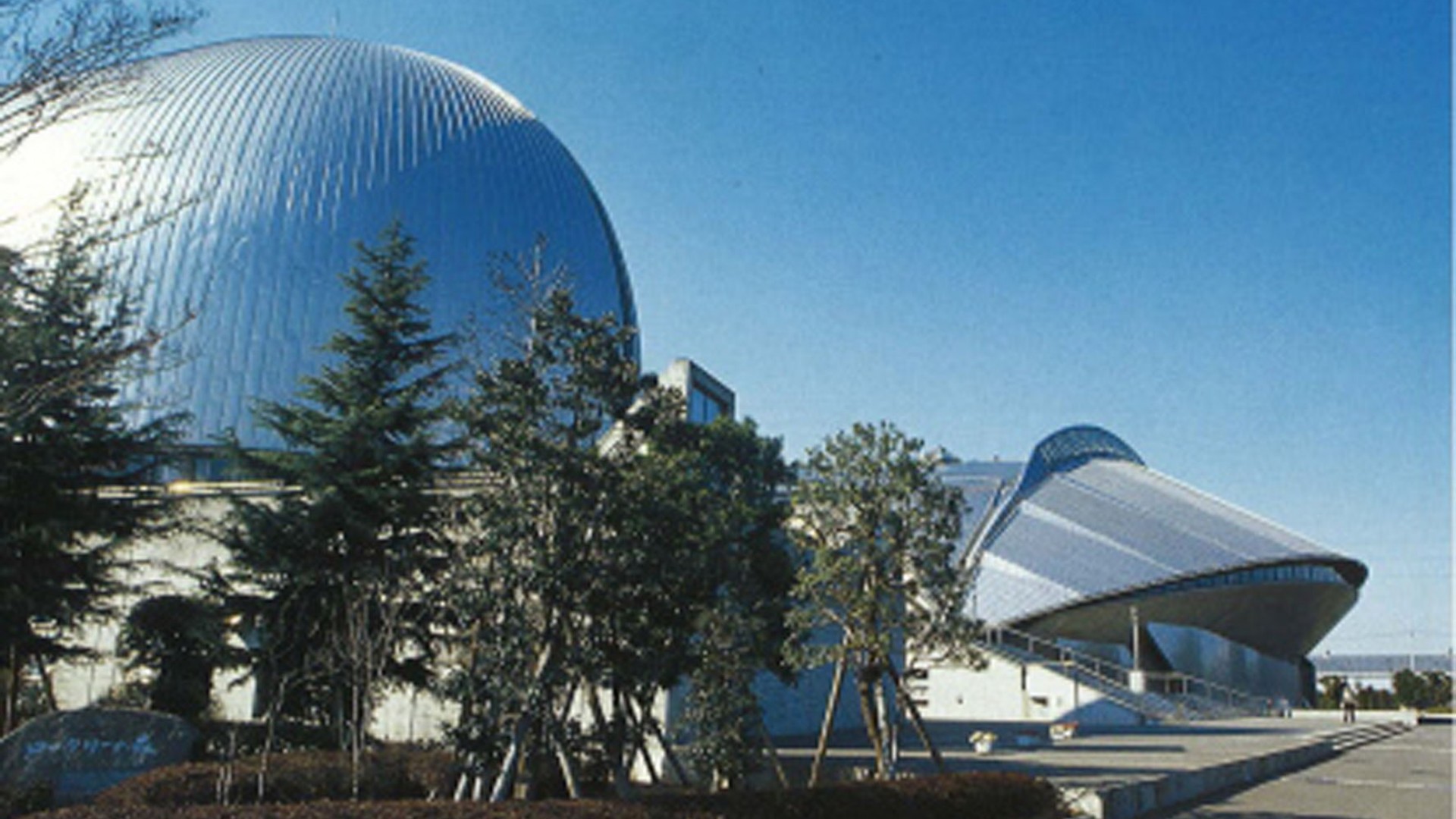
The Shonandai Cultural Center is a large facility with unique buildings such as a large globe, a civic theater and children's hall, and a community center. The children's museum has an exhibition hall where children can learn hands-on while having fun playing with toys from around the world and ethnic musical instruments. We also offer a planetarium with live commentary, a “space theater” with realistic full-dome movies, and a workshop room where many workshops are held.

Culture & Arts Tokaido Koshu kaido KANAGAWA
Lake Ashi

Lake Ashi

Lake Ashi, also known as Ashinoko, was created by a steam explosion of Mount Kamiyama about 3000 years ago. This caused a river to be dammed, which formed the lake. The majority of the lake’s water comes from a spring at the bottom of the lake. The area is often bustling with hikers along the shore, picnickers, and people fishing.The Hakone Sightseeing Cruise Pirate Ship is one of Ashinoko's most famous experiences. Pirate ships come in three different designs, but all cruises offer the same, smooth journeys across Ashinoko, promising a beautiful view of Mt. Fuji on clear days.Togendai Port is one of the three ports where the Hakone Sightseeing Cruise docks. It is also directly connected to the Hakone Ropeway.The Hakone Ropeway connects visitors from Togendai Port to the Owakudani observation platform, Hakone's most famous tourist spot. While the view of Mt. Fuji from the observatory is stunning on its own, the view from taking the ropeway alone will take your breath away.A 15-minute walk from Togendai pier, this small observation square is a lesser-known observatory that also provides beautiful views of Mt. Fuji and Ashinoko. If you feel like skipping Owakudani and taking a shortcut, this observatory is for you.Enjoy a magnificent view of Mt. Fuji, Lake Ashi, and the red torii gate, in the morning or evening at Motohakone Port. Depending on your luck, you can see the reflection of Mt. Fuji on the clear lake surface in the early morning if weather conditions permit.

Nature & Views Tokaido Koshu kaido KANAGAWA
Amanawa Shinmei Shrine

Amanawa Shinmei Shrine

This shrine was founded in 710 (Wado 3) by famous priest Gyoki and constructed by Tokitada Someya, a powerful and rich man. It is dedicated to the sun goddess Amaterasu. Minamoto no Yoriyoshi prayed to this shrine and his son, Minamoto no Yoshiie was born here. Founder and the first shogun of the Kamakura Shogunate, Minamoto no Yoritomo, his wife, Masako, a political leader, and their son, Minamoto no Sanetomo also worships this shrine. Here, you can find the well used for Tokimune Hojo’s (regent of the shogun) first bath and said to be Marquis Nijo’s favourite well. There is also an Man’yōshū (collection of Japanese poetry) inscription originating from the rear mountain named Mikoshiyama Mountain. This place also appears in the novel “The Sound of the Mountain” by Yasunari Kawabata.The greenery enveloping the worship hall and the straight, symbolic shrine path is lit up, creating a mystic and sublime atmosphere that beckons visitors.

Temples & Shrines Tokaido Koshu kaido KANAGAWA
Roadside Station Domannaka Tanuma

Roadside Station Domannaka Tanuma

“Domannaka” means “the center,” and the name Domannaka Tanuma comes from the fact that it is located roughly at the center of Japan. In the farmer’s market, fresh vegetables from local producers fill the shelf every morning. You can buy vegetables that are fresh, safe, and reliable. The rice shop offers carefully selected rice such as Koshihikari. There are also an authentic Chinese restaurant and a self-service Japanese and Western food restaurant. The self-service restaurant has a rich lineup of menu items including Sano Ramen noodles and deep-fried potatoes, which are both local foods of Sano City, and Yamizo soba made with water from the Yamizo Mountains in Tochigi Prefecture. Both restaurants are spacious and have over 100 seats so that you can relax and enjoy your meal. There are also shops offering a wide variety of sweets: a gelato stand offering products made with the blessings of nature, a pancake café featuring original pancakes, and a fruit sandwich stand. You can also buy custard pudding to take home with you. On the premises, there is a foot bath filled with onsen water that leaves your skin silky smooth and massage chairs that make you feel you are receiving a massage in zero gravity.

Nikko kaido Oshu kaido TOCHIGI
Shinrinno Bokujo

Shinrinno Bokujo

This ranch is located in Toyoharaotsu, Nasu Town. Their cow’s milk comes from jersey cows, rare in Japan, and the milk is pasteurized after being squeezed and processed in a way that keeps the fat globules from shrinking and preserves the natural non-homogenized taste. They sell milk, ice cream, “squeezable yogurt” in a tube, and other processed goods, and the cafe offers drinks and sweets made with the milk they produce and lunch sets that use locally grown vegetables and other options."

Nikko kaido Oshu kaido TOCHIGI
Hangetsusan Observation Deck

Hangetsusan Observation Deck

Hangetsusan is a mountain at the southeastern corner of Lake Chuzenji. Hiking trails lead up to the top of the mountain. Near the summit there is an observation deck with great views of the Okunikko region including Lake Chuzenji and Mount Nantai. From about mid October to early November each year, autumn colors add to the scenery viewed from here, making this a popular autumn leaf viewing spot. From there it takes approximately 30 minutes to ascend to the observation deck near the summit along a steep nature trail."

Nikko kaido Oshu kaido TOCHIGI