

Greater Tokyo

See & Do

reset
Ninoya (in Shonan Ninomiya Town Tourist Association, local products and souvenir store)

Ninoya (in Shonan Ninomiya Town Tourist Association, local products and souvenir store)

At Ninomiya (a shop inside the Ninomiya Town Tourism Association) we have local products and foods made from olives, peanuts, onions, and shiitake mushrooms, which are specialities of Ninomiya Town. We also offer small souvenirs for visitors and local people, and we have tourist posters and postcards, Azumayama badges, original products from the Tourism Association, and goods from the town's official characters Nino and Miya.

Shopping Koshu kaido Tokaido KANAGAWA
THE BBQ GARDEN in Yokohama Joinus

THE BBQ GARDEN in Yokohama Joinus

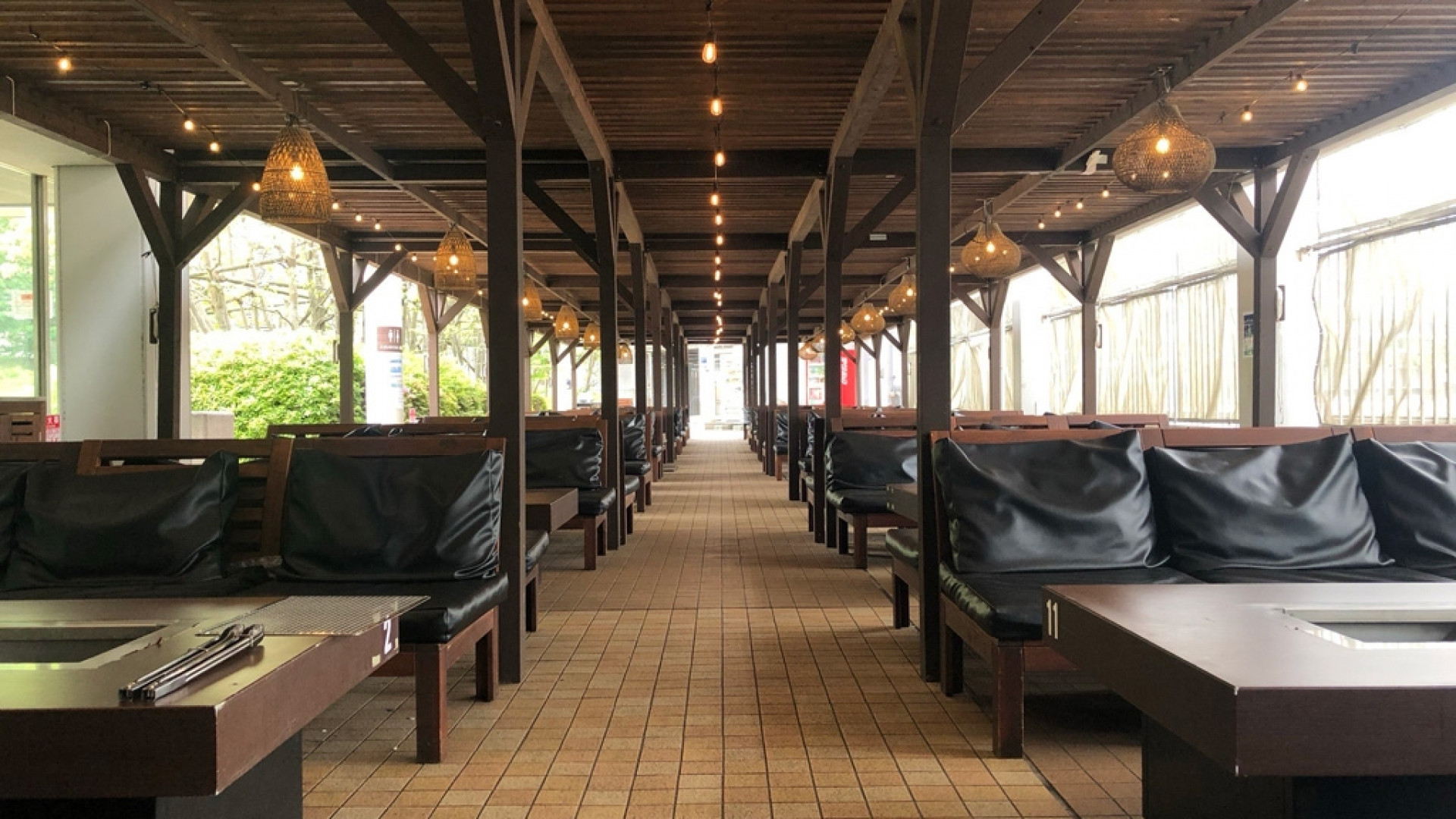
Directly connected to Yokohama Station! Garden BBQ on the sofa. The rooftop of the station building, which has excellent access, is a rooftop garden with a great view and lush greenery. The Scandinavian style sofa seats are comfortable and even small children can enjoy the barbecue next to you. You can bring your own food and drinks, or come empty-handed by ordering a set menu or all-you-can-drink service! The fresh food market on the first basement floor (Uoriki, Sawako Grocery, and Takagi Meat Market) offers a wide variety of fresh foods such as meat, seafood, vegetables, and more. Meat, seafood, and vegetables are all conveniently available. Enjoy a BBQ on your way home from shopping or work.You can enjoy a BBQ with a view of Yokohama at night.

Eat & Drink Tokaido Koshu kaido KANAGAWA
Hakone Yunohana Prince Hotel

Hakone Yunohana Prince Hotel

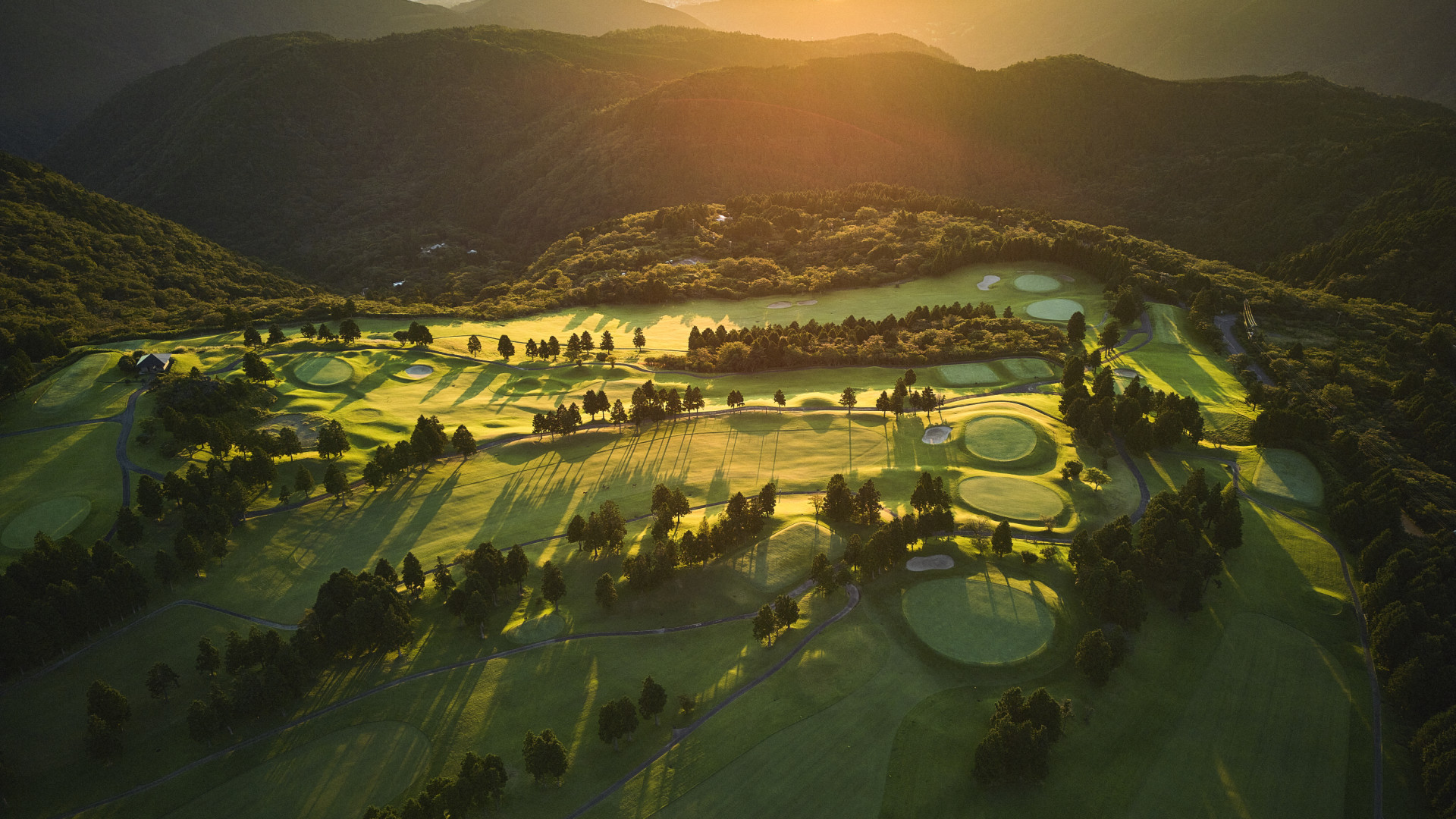
Hakone Yunohana Prince Hotel, situated at the highest point in Hakone (935m above sea level), is a heavenly inn encircled by nature. Surrounded by stars and hot springs, from the hotel’s penthouse rooms, you can admire views of the distant Sagami Bay, Miura Peninsula, and Boso Peninsula, as well as a dreamy nighttime scene of the city. The secluded inn is the perfect place to escape the hustle and bustle of downtown. Immerse yourself in a romantic experience enriched by stars and the tranquil mountaintop air. The facility’s milky-white, open-air hot spring bath, nestled closest to the Hakone sky, serves as a gateway to a mountain oasis, a haven of tranquility and relaxation.

Onsen & Stay Tokaido Koshu kaido KANAGAWA
Oyama Gion Festival

Oyama Gion Festival

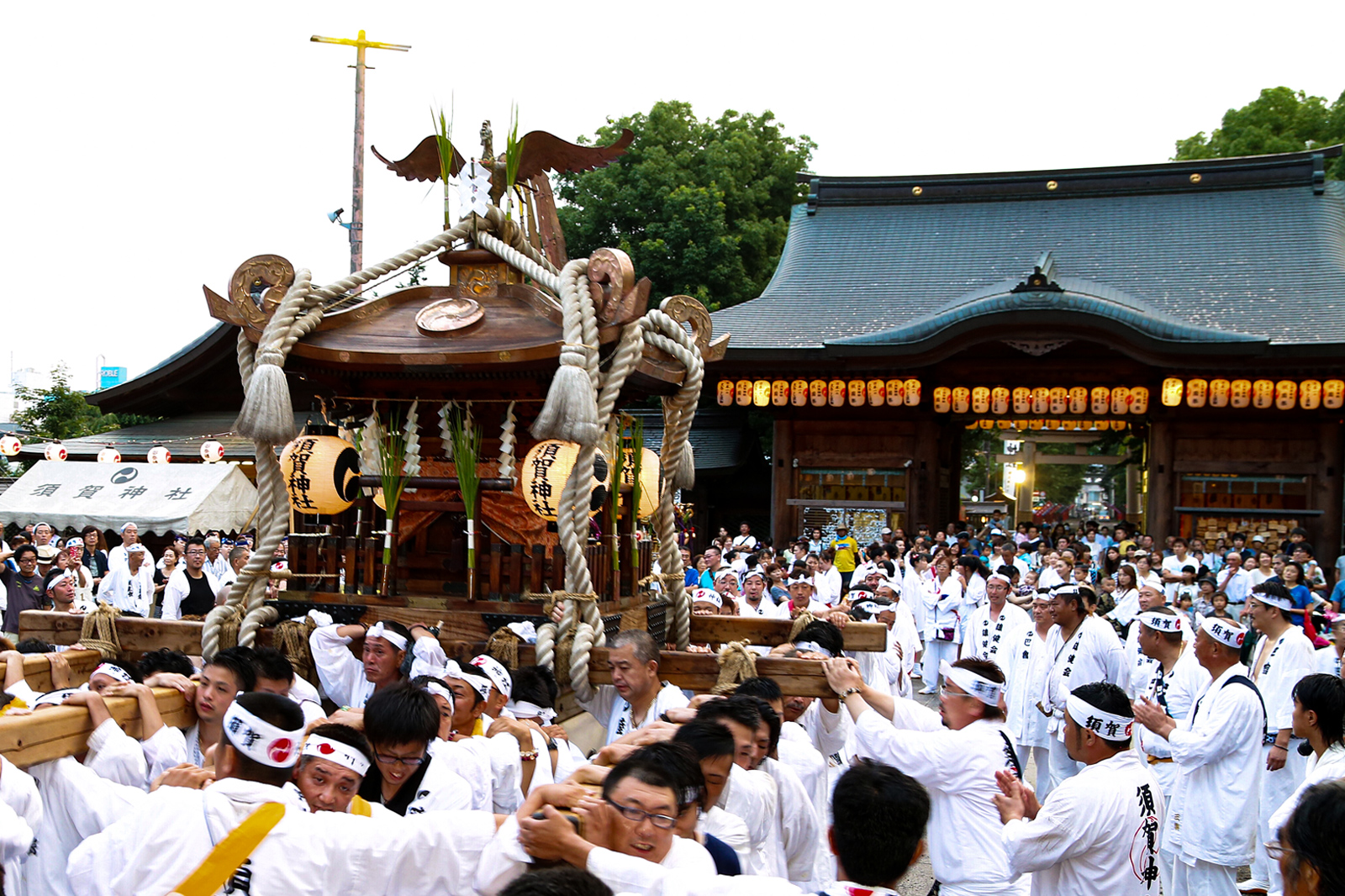
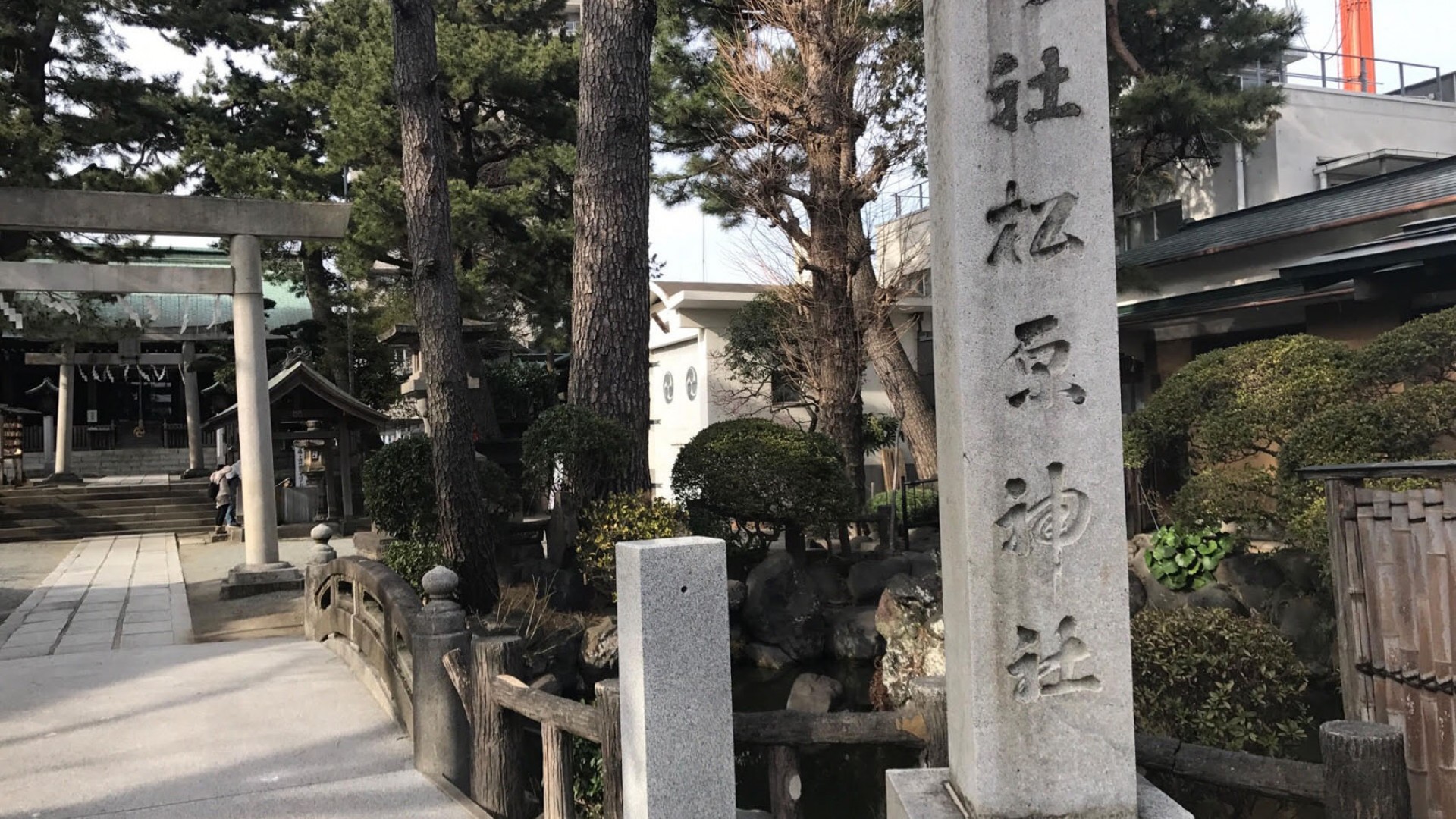
It is said that Suga Shrine was built by a legendary samurai Fujiwara no Hidesato in A.D. 940, and moved to its present location during 1159~1160. The whole shrine is filled with a solemn and serene atmosphere.   In A.D. 1600, before the Battle of Sekigahara, Tokugawa Ieyasu held the famous “Oyama Council” at Suga Shrine and prayed for the victory of the battle. After his victory and the establishment of the Edo Shogunate, Suga Shrine was greatly honored by the Shogunate. In 1658, staff members who had participated in the construction of Nikko Toshogu Shrine, created a miniature version of the Akamikoshi in Toshogu Shrine, which became the pressure of Suga Shrine.   The most important festival of Suga Shrine is "Oyama Gion Festival", on July 14 to 21 every year, 25 mikoshi including one massive one that weighs in at 2 tons are carried through the city.   According to “Shimotsuke Province Choreography(下野国誌)” written in Edo period, Suga Shrine’s “Gion Festival” is the “best Gion Festival in Shimotsuke Province.”   "

Nikko kaido Oshu kaido TOCHIGI
Nasu Yuzen Shrine

Nasu Yuzen Shrine

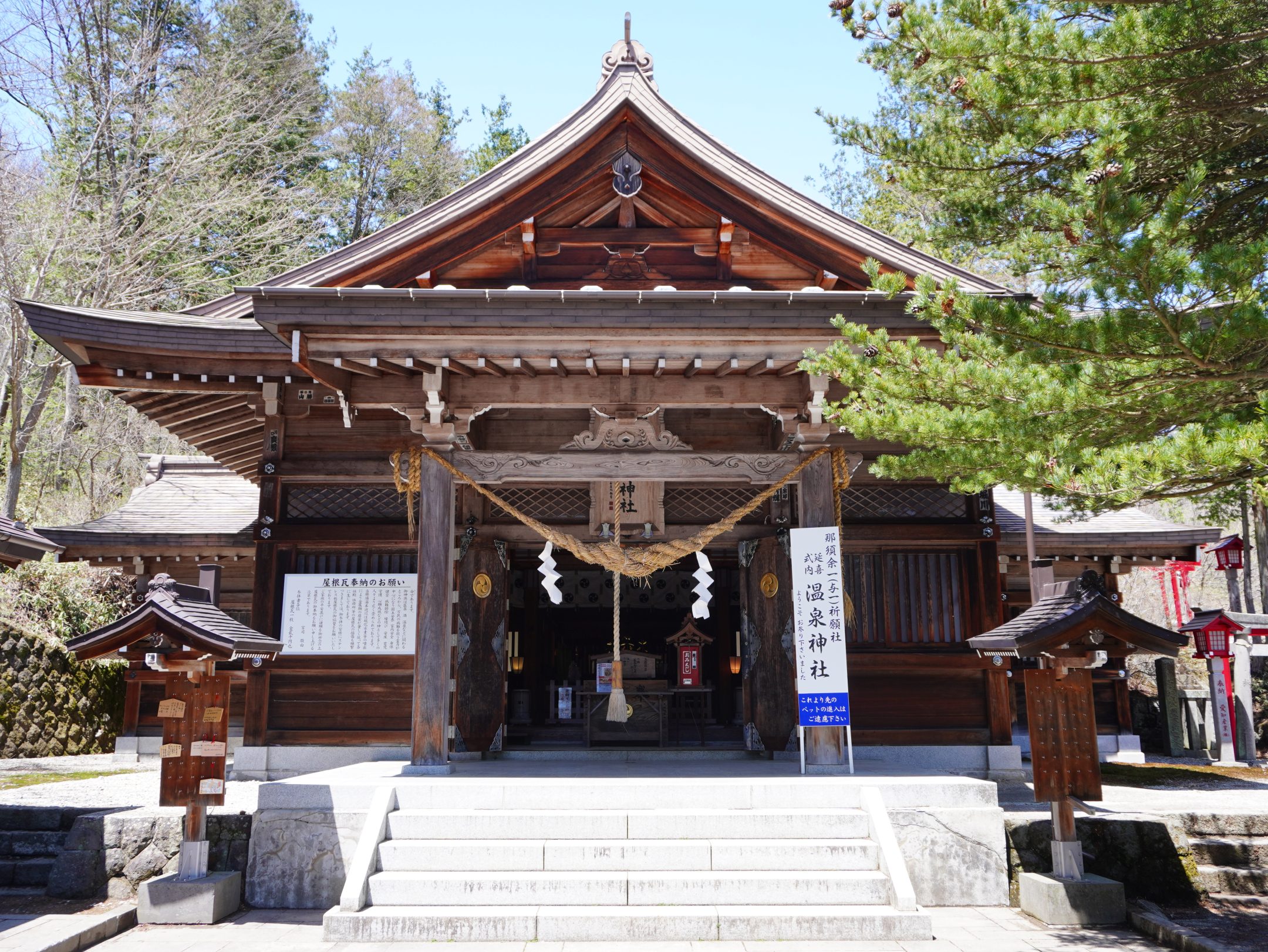
History of Nasu Yuzen Shrine It is said that a hunter named Kano found onsen here when he was trying to hunt a white deer. He built this shrine for thanksgiving. According to an article written in Nara period (A.D 710~794), we can confirm that the shrine already existed during that time.   During the Genpei War in 12th century, an archer called Nasu Yoichi came here to pray for victory over Taira family’s army. He shot down a fan by one arrow that enemy put on the front of their boat when he stood on the ground. It made him became legend and the shrine became very famous for blessing Yoichi. Yoichi donated his bow and arrow to the shrine, which became shrine’s tressure later.   Shrine’s famous festival The most important event of the shrine is the “Dai Festival”, which is held on October 8 and 9 every year. They dedicate onsen to the God, and perform a traditional dance called “Urayasu Dance”.   Then on October 9, people perform another traditional dance called “Ozawa’s Lion Dance,” which is designated as the “Intangible Cultural Property of Nasu Machi” to pray for prosperity.   There is also a famous festival be held on the last weekend of May, the “Nasu Seshosseki Gojinka Festival”. The highlight of the festival is a parade from Yuzen Shrine to Sesshoseki by participants attired in white clothing with torches.

Nikko kaido Oshu kaido TOCHIGI
Nikko-zan Rinno-ji Temple

Nikko-zan Rinno-ji Temple

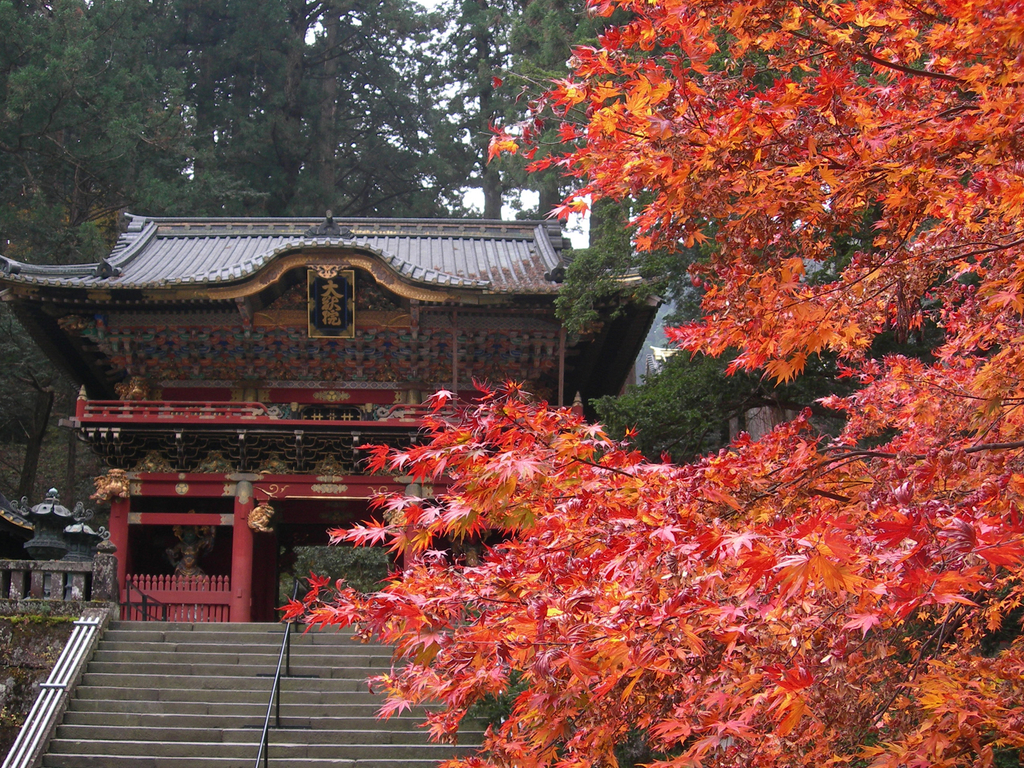
The history of the Nikko-zan Rinno-Ji Temple started over 1250 years ago, when Shodo Shonin (Saint Shodo), who firstly served as the head priest of Nikko, founded the Shihonryuji Temple. Sanbutsudo Hall is one of the largest wooden architectures in Nikkosan, and houses Buddhist statues respectively symbolizing honchibutsu (original Buddhist divinity), of the holy three mountains in Nikko, such as Senju-Kannon (Kannon with a thousand arms: honchibutsu of Mt. Nantai), Amidanyorai (Amitabha Tathagata: honchibutsu of Mt. Nyoho), and Bato-Kannon (Kannon with a horse head: honchibutsu of Mt. Taro), are 8m tall.

Oshu kaido Nikko kaido TOCHIGI
Kita-kamakura Takaranoniwa

Kita-kamakura Takaranoniwa

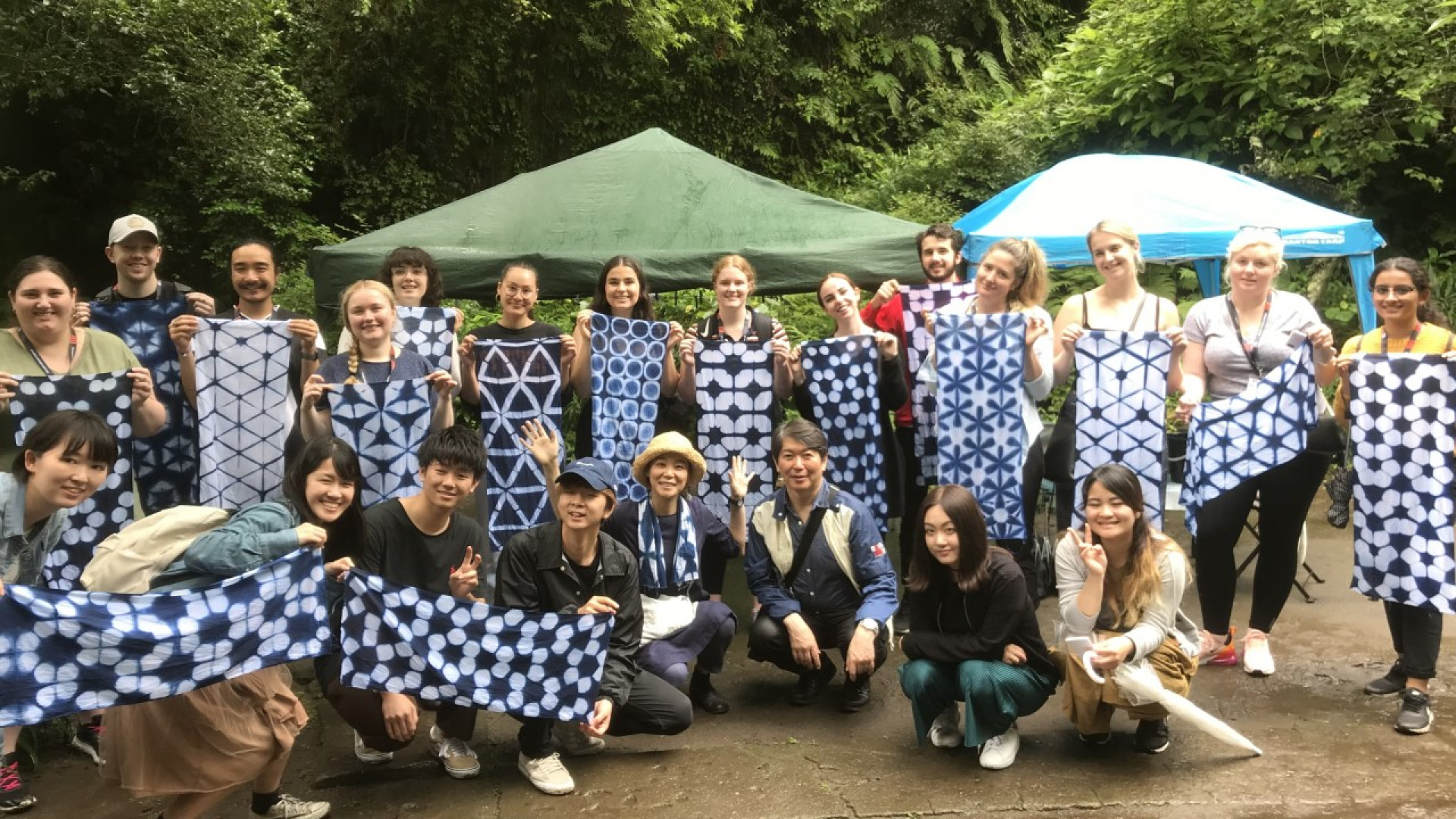
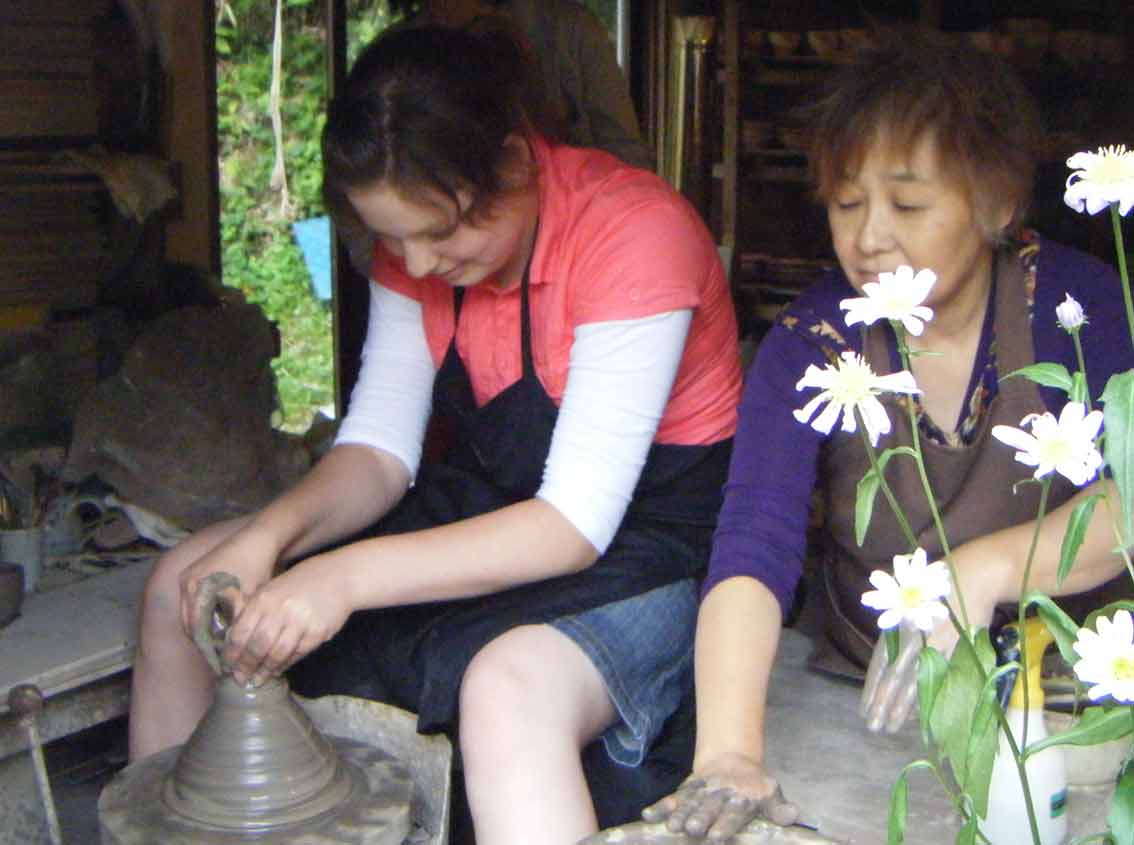
Roughly a 10 minute walk from Kita-Kamakura Station, this 85-year-old traditional Japanese house is surrounded by a spacious garden and lush greenery and offers reservation-based workshops, such as pottery experiences, cooking classes, dyeing workshops, and yoga. Pottery experiences are held daily. Experience fees are as follows: Leaf plate making: 3,400 yen, bowl making: 5,000 yen and up (shipping seperate). Private rentals are available depending on group size. Lunch boxes or meals can be provided alongside workshops. The attached gallery is open Fridays, Saturdays, and Sundays, as well as holidays, from 11AM to 4PM (no reservation required). You can also enjoy drinks in the garden on sunny days. Check the website calendar for events, such as the monthly Handmade Market and Weekend Cafe.

Experience & Activities Tokaido Koshu kaido KANAGAWA
Oi Agricultural Experience Facility Shiki no Sato

Oi Agricultural Experience Facility Shiki no Sato

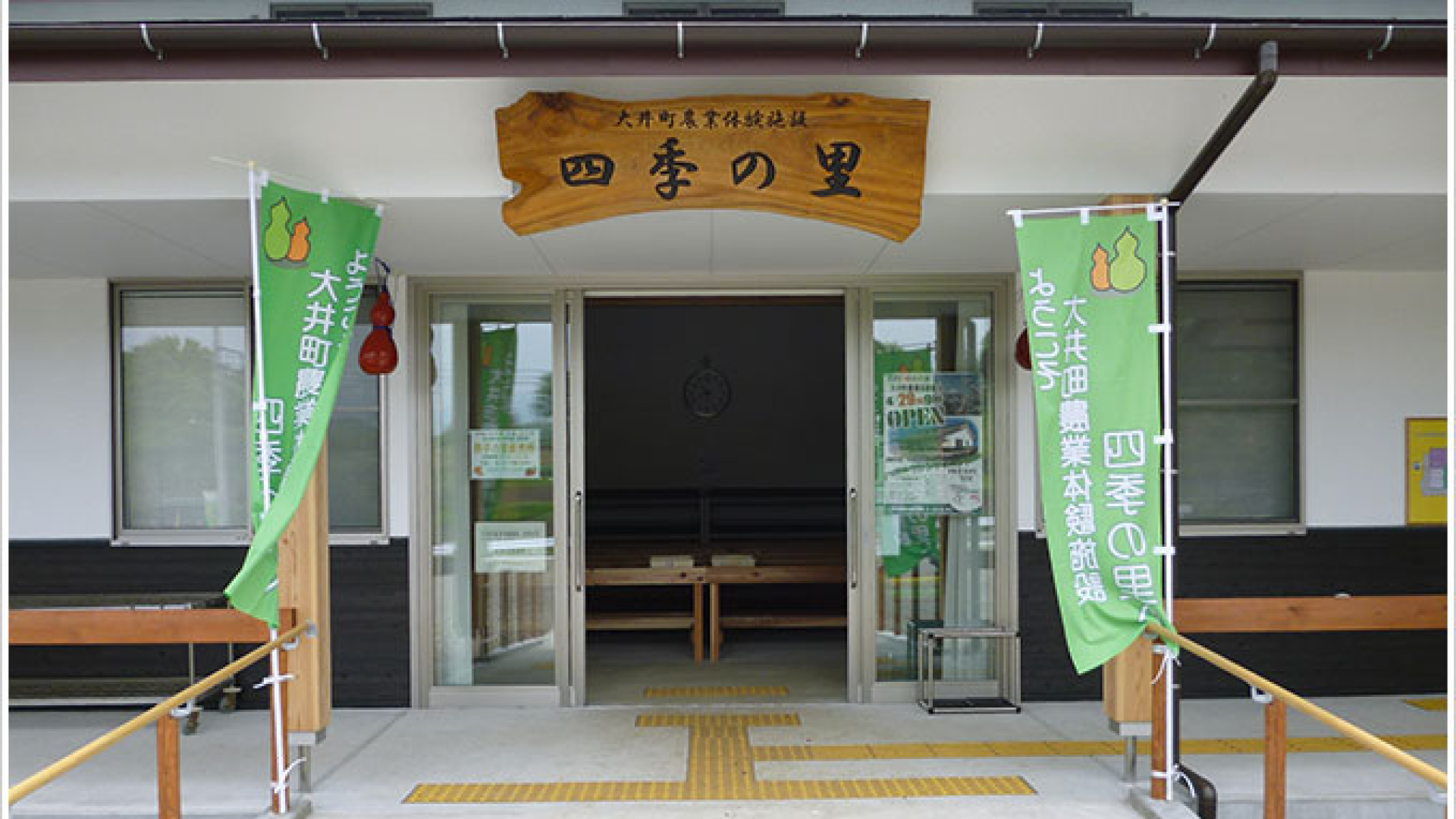
Shiki no Sato (Village of Four Seasons) is a facility surrounded by nature where you can have first-hand agricultural experiences. It is a place where urban residents and locals can mingle and use it as a base facility for experiencing work by hand, such as rice planting, rice harvesting, making pizza from scratch, etc. You can purchase freshly picked local fresh vegetables and special products at the Shiki no Sato shop on grounds of the facility.

Experience & Activities Tokaido Koshu kaido KANAGAWA
SCAPES THE SUITE

SCAPES THE SUITE

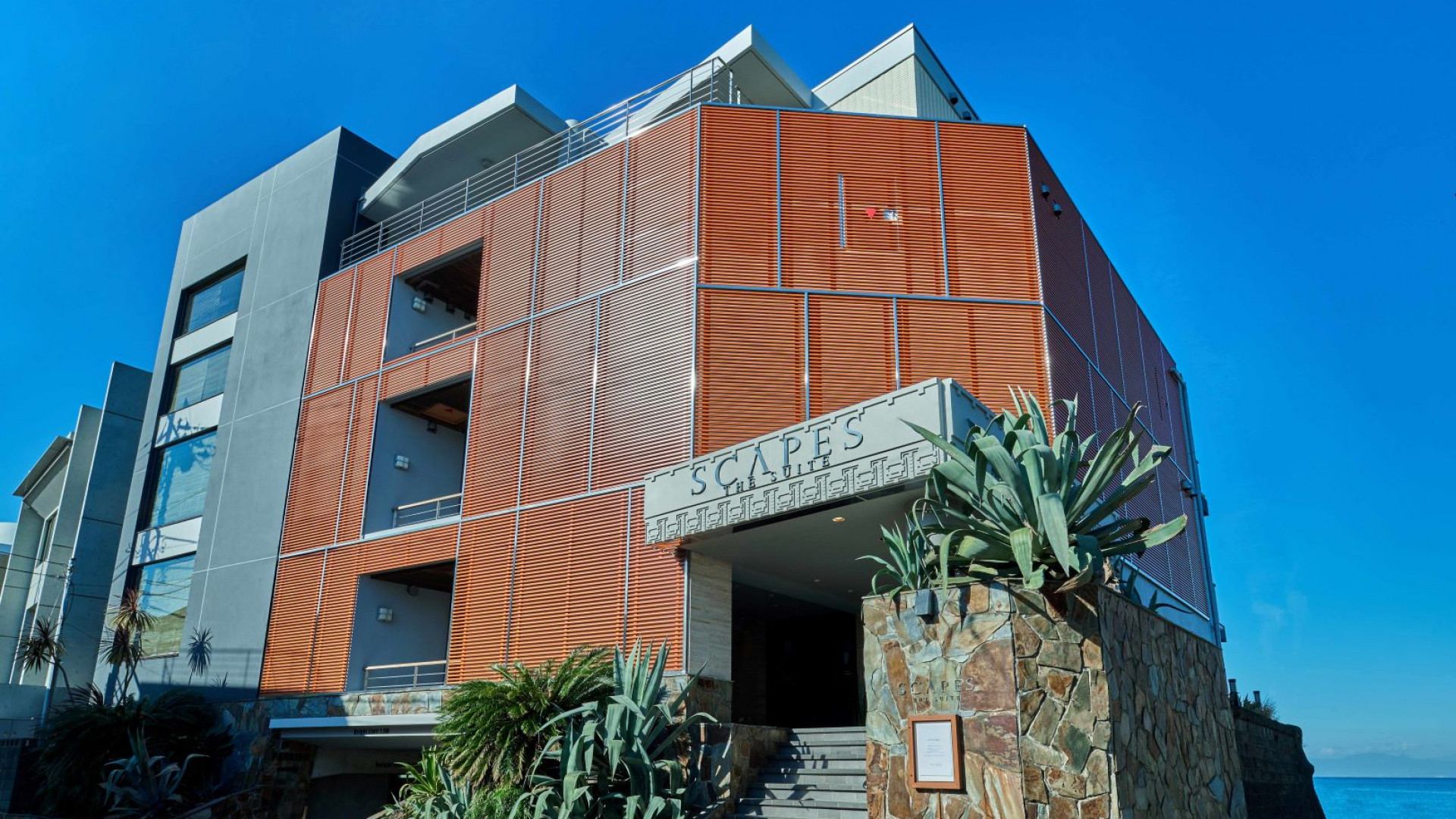
SCAPES THE SUITE is a compact design hotel located on the Morito-kaigan in Hayama, a quiet stretch of sandy beach only an hour from central Tokyo. With a front view of Mt. Fuji and Enoshima, SCAPES THE SUITE offers a space and service that will "color the sensibility of adults" by addressing the time that guests truly want to spend. There are only four guest rooms. Sound, light, sea, and sky unique to Hayama are expressed in four color themes. Please enjoy the time spent here with your loved ones, the beautiful landscape, and the luxurious blessings of Hayama in Morito's vast sea and sky, a location with a spectacular view.

Onsen & Stay Tokaido Koshu kaido KANAGAWA