
Kanagawaya
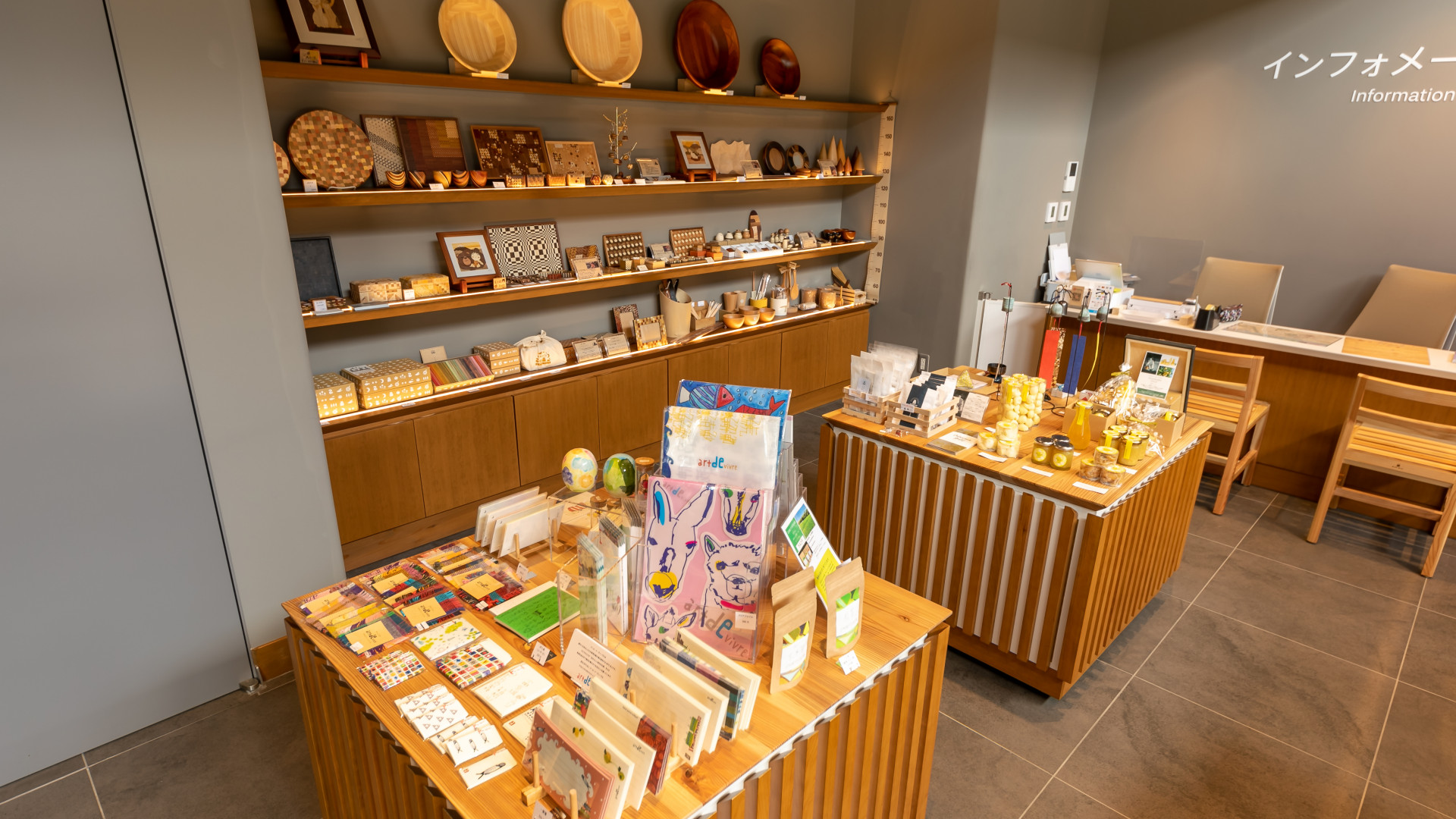
This shop is the pride of Kanagawa prefecture, gathering specially selected products from all over Kanagawa.
Total: 1715 items
This shop is the pride of Kanagawa prefecture, gathering specially selected products from all over Kanagawa.
Visitors can learn about the structure of kimonos, see firsthand how kimonos are washed, and experience a portion of the "washing and stretching" process.
Chigasaki Southern C is the symbol of Southern Beach Chigasaki and has even fronted the Southern All Stars CD cover. This place is famous as a matchmaking (En-musubi) spot as when one stands at the right of the C, filling the gap in “C”, a circle (“En” in Japanese) will be formed, essentially tying fates (also “En” in Japanese) together. It is also famous for being a photo spot in Chigasaki where you can snap a shot with the Eboshi Rock in the middle of the C.
Unlike modern flood control methods that build high, sturdy levees, these double levees make good use of nature and allow water to flow outward from them. It is said that this was invented by Shingen Takeda, also known as Shingen Tsutsumi, a general in the Warring States period.
[Tradition × Innovation] Japanese cuisine originating in Yokohama. Enjoy the perfect Japanese cuisine of the best local Yokohama ingredients in the luxurious private space with a spectacular view and service. The blessings of nature and product of human endeavor are plentiful here. This space of refined aesthetic is decorated around the theme of [Rinpa / Sakura]. Enjoy the magnificent view of the contrasting ocean and city lights of the port city of Yokohama from 100 m above ground on the 28th floor of the Sky Building.
Located around Yokohama Station, ramen is very popular.
Eria YOH is a healing space surrounded by olive trees in the Yamate area of Yokohama. The Chinese cooking world champion displays the traditional skills of Chinese cooking to deliver numerous wondrous and delicious foods comprising new sensations. Please enjoy a gorgeous time that features cuisine accompanied by Japanese seasonal vegetables together with Eria YOH’s hospitality in a superlative space with sunshine filtering through the foliage of a garden with around 50 fully grown olive trees.
This Tourist Boat Terminal serves as the departure and arrival point for cruises such as the "Red Brick Café Cruise" and the "Night Factory Jungle Cruise". It is approximately a 15-minute walk from Bashamichi Station or Nihon-Odori Station.
Olympic fountain pond and Morse monument are in this park. At Tennou Festival, portable shrines called Mikoshi will walk into the sea from this shore.
This Spanish-style (western style) building is located at the southern end of Harbor View Park (Minato-no-Mieru Oka Koen), from where you can see the harbor. The coffee room on the first floor is an open space where you can overlook the rose garden. The rose flavor tea is a popular souvenir.
The fifth of the Five Great Mountains(temples) of Kamakura, Jpmyoji temple is a Buddhism temple belonging to the Kenchoji school of Rinzai Zen. There is a beautiful rock garden with a Japanese atmosphere. At the Kama Garden Terrace, you can enjoy the view of the garden while enjoying a cup of tea.
We have been farming in Yokohama for over 500 years.After cultivating rice and vegetables, raising pigs and chickens, and growing flowers, we began producing “Ohisama Shiitake” in 2012 and “Ohisama Kikurage” in 2014. In addition to prioritizing safety and quality, we aim to share the deliciousness of food, as well as the enjoyment and importance of agriculture. To this end, we offer experiences such as mushroom picking, BBQ, and at-home shiitake growing kits.We are also committed to environmentally friendly, sustainable farming. Electricity generated by solar panels and other renewable energy sources is used in our mushroom cultivation. Spent mushroom beds are not discarded but returned to the fields as compost, creating a sustainable cycle for growing delicious vegetables.At the farm, you can also try experiences such as using a hand-pumped well and entering an air-raid shelter. At our farm stand, in addition to fresh shiitake and kikurage mushrooms, we offer a variety of processed products, including tsukudani, caramel popcorn, and potato chips made with dried shiitake powder, and pasta kits packaged in collaboration with welfare facilities.
Given Kamakura’s beauty, tranquil atmosphere and relative size, getting around by bicycle is a recommended way to see the best of Japan’s ancient capital.At this bicycle rental shop, which has been in operation since 1974, choose between standard-, multi-speed- and electric-assist bicycles. Prices start at 600 yen (standard bike / 1 hour). For an additional 300 yen, you can also choose to drop off your bike at Enoshima Station (by 4pm) but advance registration is required. After exploring Kamakura’s leafy side streets and stopping off at some of its Buddhist temples, ride along the coast towards Enoshima, enjoying the views of the ocean and Mt. Fuji along the way.
This resort hotel is located on the Kamakura oceanfront. It has 46 guestrooms and two restaurants. Its basement has banquet rooms that can be adjusted according to numbers of people. Situated close to the Great Buddha and other tourist spots, it offers excellent access for conducting tourism.
You can enjoy eating a large amount of soba (buckwheat noodles) in the shape of Mount Fuji at a reasonable price. There are 17 stores in Yokohama.
This statue of King Enma was carved in 1250 and was initially situated on a mountain in front of the Hase Kannon. After the fated downfall of the Kamakura Shogunate, Ashikaga Takauji moved it to the left, facing the sea at the Ichino-torii gate, to mourn the departed souls of Yuhigahama, the site of the decisive battle. The temple was again damaged by a major earthquake during the Genroku era (1688-1704), and was moved to its present location. The Ten Kings of Ennoji Temple, centering on King Yama, depict the judgment of those who were condemned to hell for their sins during their lifetime. The temple is still widely worshipped as a Jizo temple.
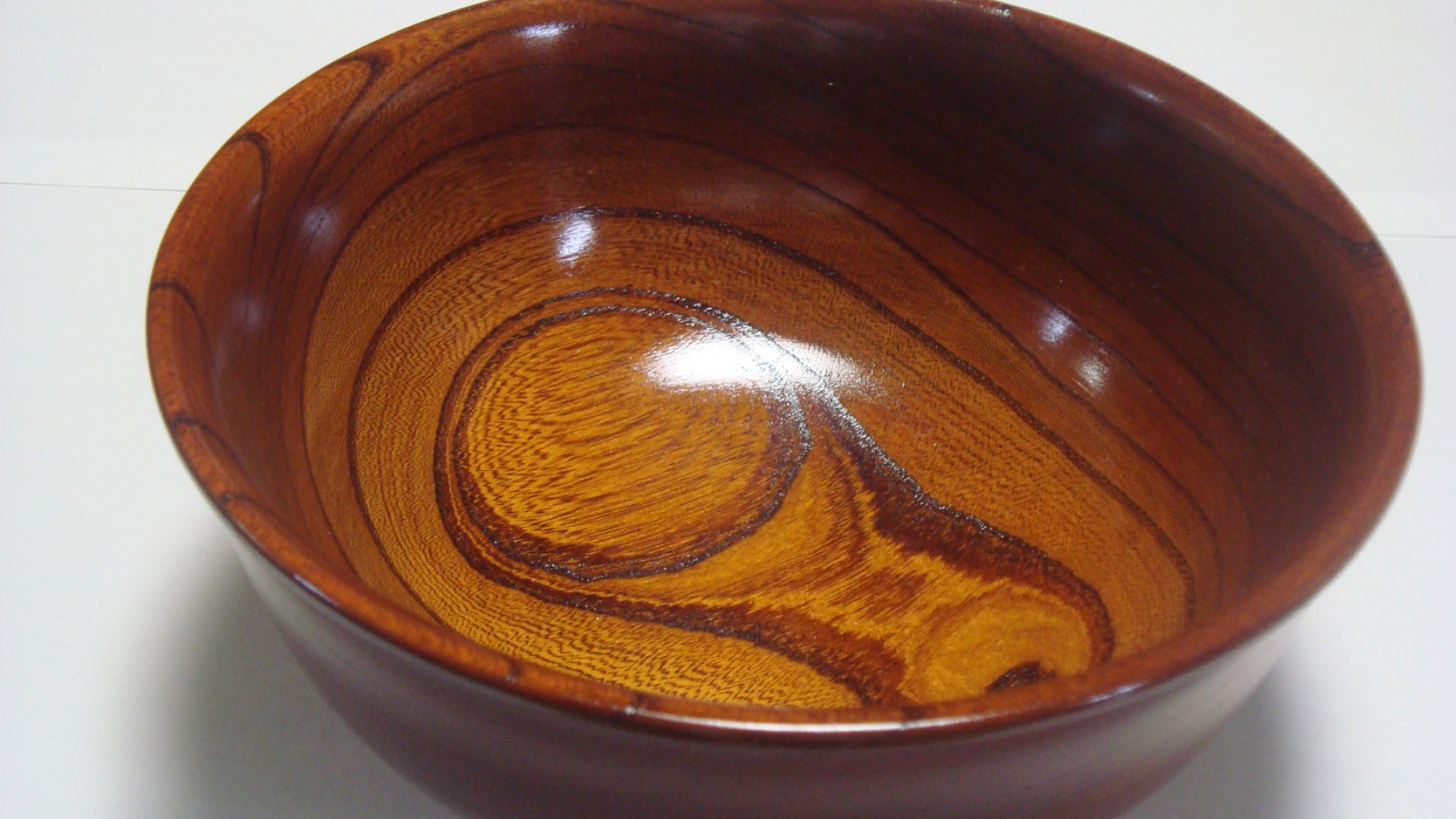
Odawara lacquerware is created using a technique passed down since the Muromachi period (1336-1573). The artist repeatedly rubs unrefined lacquer using a potter's wheel and combines the “kijironuri” and “irourushinuri” techniques, blending together to create handmade lacquerware which accentuates the beautiful wood grain of the natural materials. At Okawa Mokkoujo (wood turning and potter's workshop) we create various types of lacquerware, including trays and bowls, as well as polishing experiences for soup bowls, dish boxes, and balls. We also create one-of-a-kind patterns using water paper. Any items made can be taken home the same day and used at home. (Optional: apply lacquer to the item for a glossy finish. This takes around three weeks to complete and costs 1,500 yen, including shipping).
Founded by Gyoki in 716, this temple has a history of 1,300 years. Since the Middle Ages, it has been a sacred place for medicinal practitioners, and is known as Hinata Yakushi, one of the three most famous Yakushi in Japan. The temple also holds one of Japan's greatest treasure houses, with numerous statues of Buddha designated as nationally important cultural properties that bear witness to its history. It is also famous for higanbana (cluster amaryllis), which grows in clusters around Hinata Yakushi from mid-September to early October, making it a popular tourist attraction. Please come and visit Hinata Yakushi, a place rich in nature and full of attractions.