

Myohon-ji temple
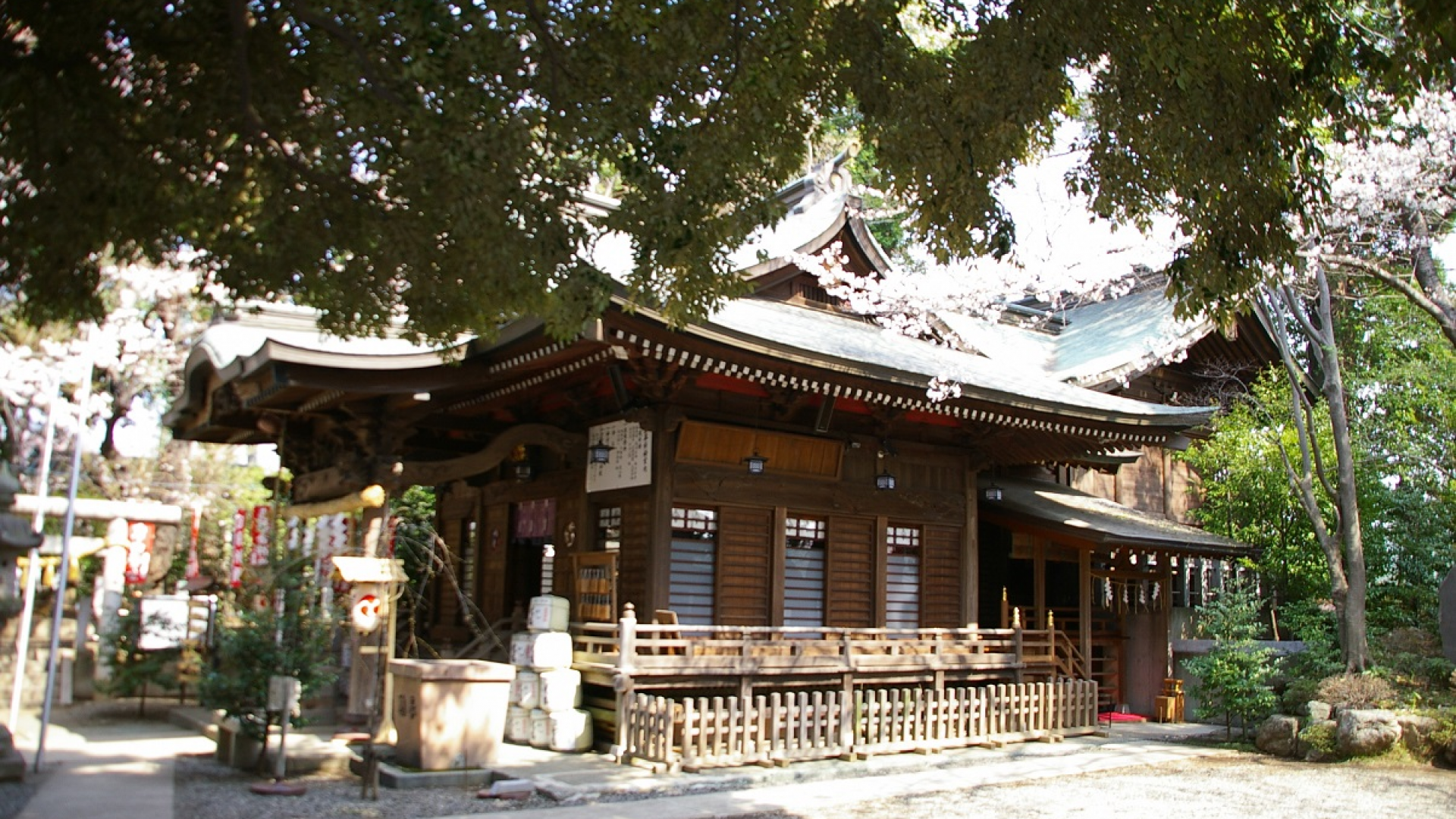
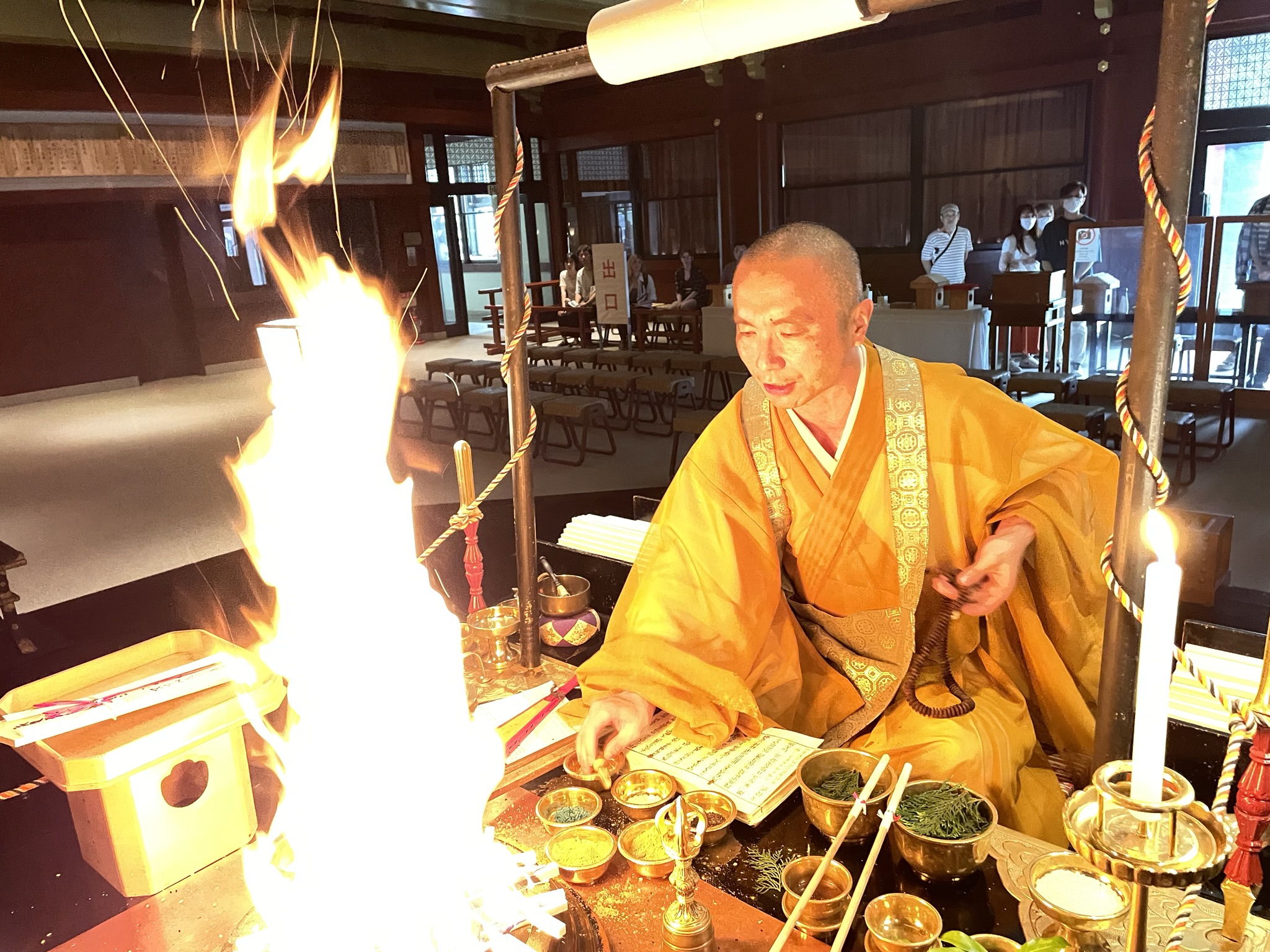
This is the oldest temple opened by Nichiren Shonin who started Nichiren sect. The dragon sculpture at Nitenmon gate is famous for the legend that roars when you clap the hands in front of the gate.
Total: 1140 items
This is the oldest temple opened by Nichiren Shonin who started Nichiren sect. The dragon sculpture at Nitenmon gate is famous for the legend that roars when you clap the hands in front of the gate.
It is a privately owned forest, and is open to the public only in spring, when the dogtooth violet blooms. The well-groomed violets gently color the early spring after winter ceases with a subtle glow. The rare yellow violet and the white violet can also be seen. It is a famous place, which a lot of people visit during flowering season, with a camera in one hand. It has been selected as one of the “100 best places for flowers in Kanagawa”.
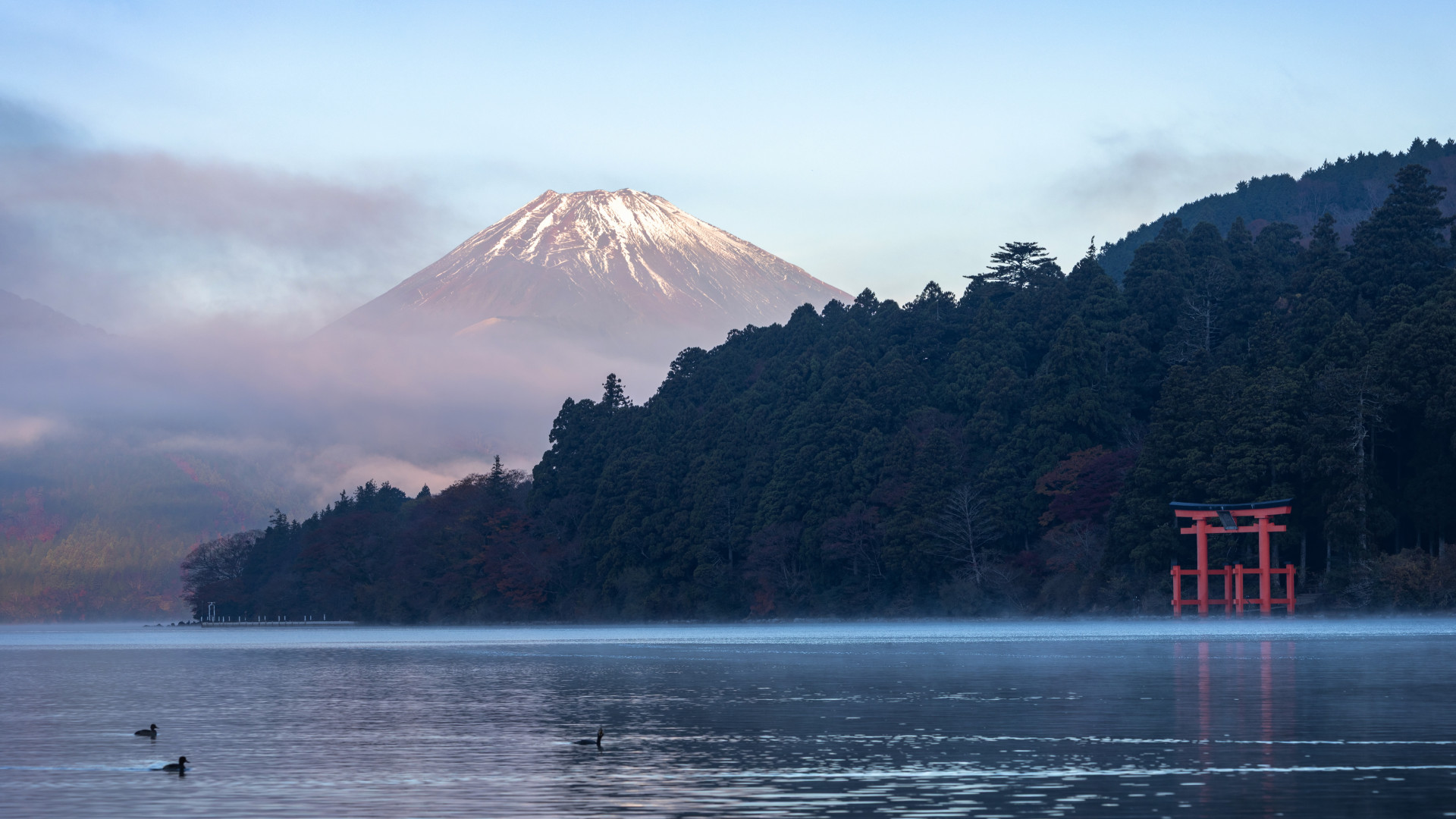
This park is famous for its beautiful view of the Tateishi coastline, where Mt. Fuji can also be seen in the distance. This scenery was captured by the famous Edo period artist Ando Hiroshige. Today, visitors enjoy walking along the shore, and admiring the view from the park.
The Kamimizo Summer Festival has been held in Sagamihara since the end of the Edo period (1603-1868). The festival is said to be dedicated to Emperor Ushira, who prays for a good harvest and safety of the family, and is said to have been inspired by the Yasaka Shrine in Kyoto. On Sunday evenings, the local portable shrines (Mikoshi) and floats (Dashi) gather from each town and start a grand procession. Once the evening sun goes down, the lanterns of the portable shrines are lit, creating a fantastic spectacle that is not to be missed.
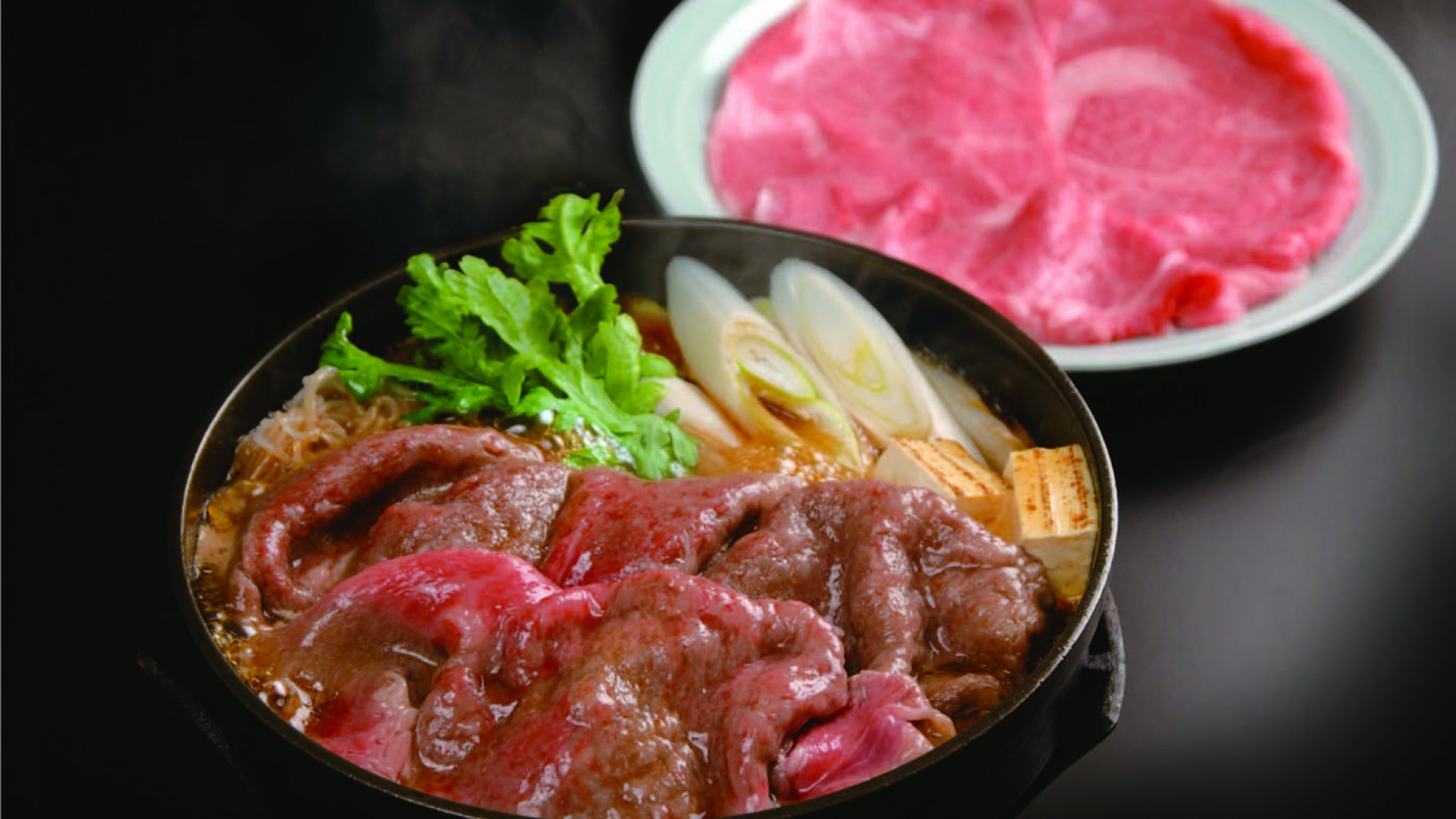
Araiya's signature dish "Gyu-nabe (beef pot)" has been loved by customers through years ever since we opened the restaurant 120 years ago. Our Gyu-nabe is a fruit of tradition and ingenious attempts. It is simmered with our secret stock made of sugar, soy sauce, mirin (sweet rice wine), sake and more.
The main steamed fish paste store has been set up in the eaves, and you can walk around freely without walls or fences. The street used to be a fish market, and it features rows of more than 30 stores, which are not limited to steamed fish paste stores but also include dried fish stores, dried bonito flake stores, restaurants, shops serving food and drink, and Japanese confectionary stores.
This hall was built in 1932 as the main building of Okura Mental and Cultural Laboratory, by a business-man Okura Kunihiko, who bacame the dean of Toyo University. The hall was donated to Yokohama City in 1981, and after a major renovation to preserve the building, the hall was transformed into Okurayama Memorial Hall in 1984.The hall was designated as a tangible cultural property of Yokohama City in 1991, as the hall occupies an important place in the modern architechtural market. You cannot view the hall and the meeting room as the building is usually used as a local facility, but you can see the common space such as the entrance. The building is famous for being the site of filming, and over 30 films are shot in a year.
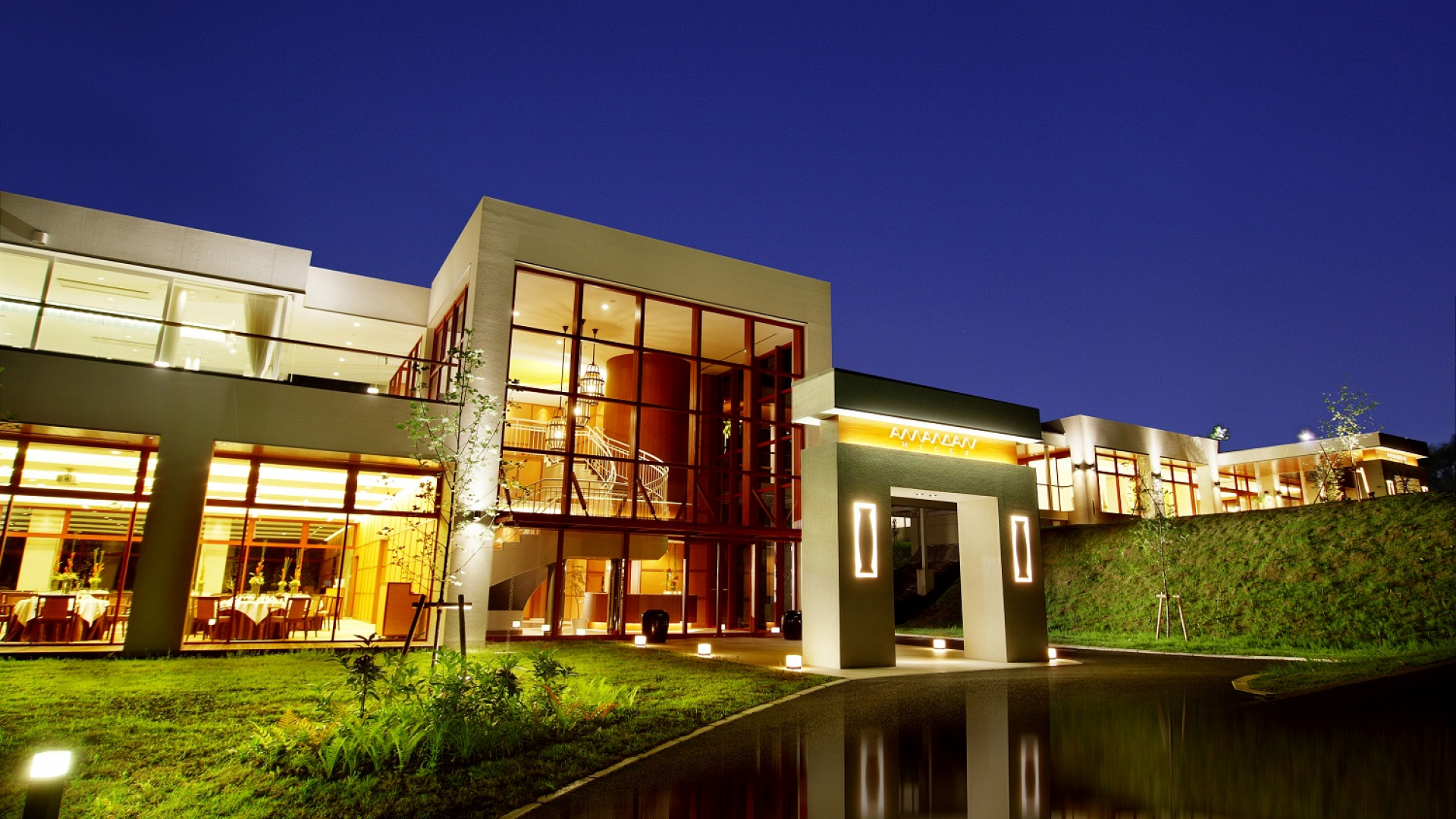
The hotel is located above Sagami-Ono station by Odakyu Line. It takes approximately 40mins from Shinjuku station and directly from Odawara and Enoshima. Limousine buses from Narita Airport and Haneda Airport will bring you directly to Sagami-Ono station.
Tomoshibi Shop Sakura is a shop where people with disabilities and local people work together. In addition to providing meals, light meals, and tea/coffee, the shop also sells handmade works by KOMNY, a non-profit consisting of five towns in the Ashigarakami district, products from local collaborators, local specialties, and old-fashioned sweets.
It’s known that these falls were the birthplace of Kintaro (a folk hero). It has a height of 23 meters and a width of 5 meters. It is said that the name, “yuhi” or “evening sun”, comes from the beauty of how the sunset would catch the falls. It prospers from the beautiful in the new leaves of spring and autumn colors as well as from the cool water during summer camping getaways.
The Prefectural Sagamihara Park is made up of a spacious lawn plaza, a French garden surrounded by redwood trees, a Japanese iris garden, a greenhouse, a grove of various trees and so on. Enjoy a relaxing and cooling time here at this grand park.
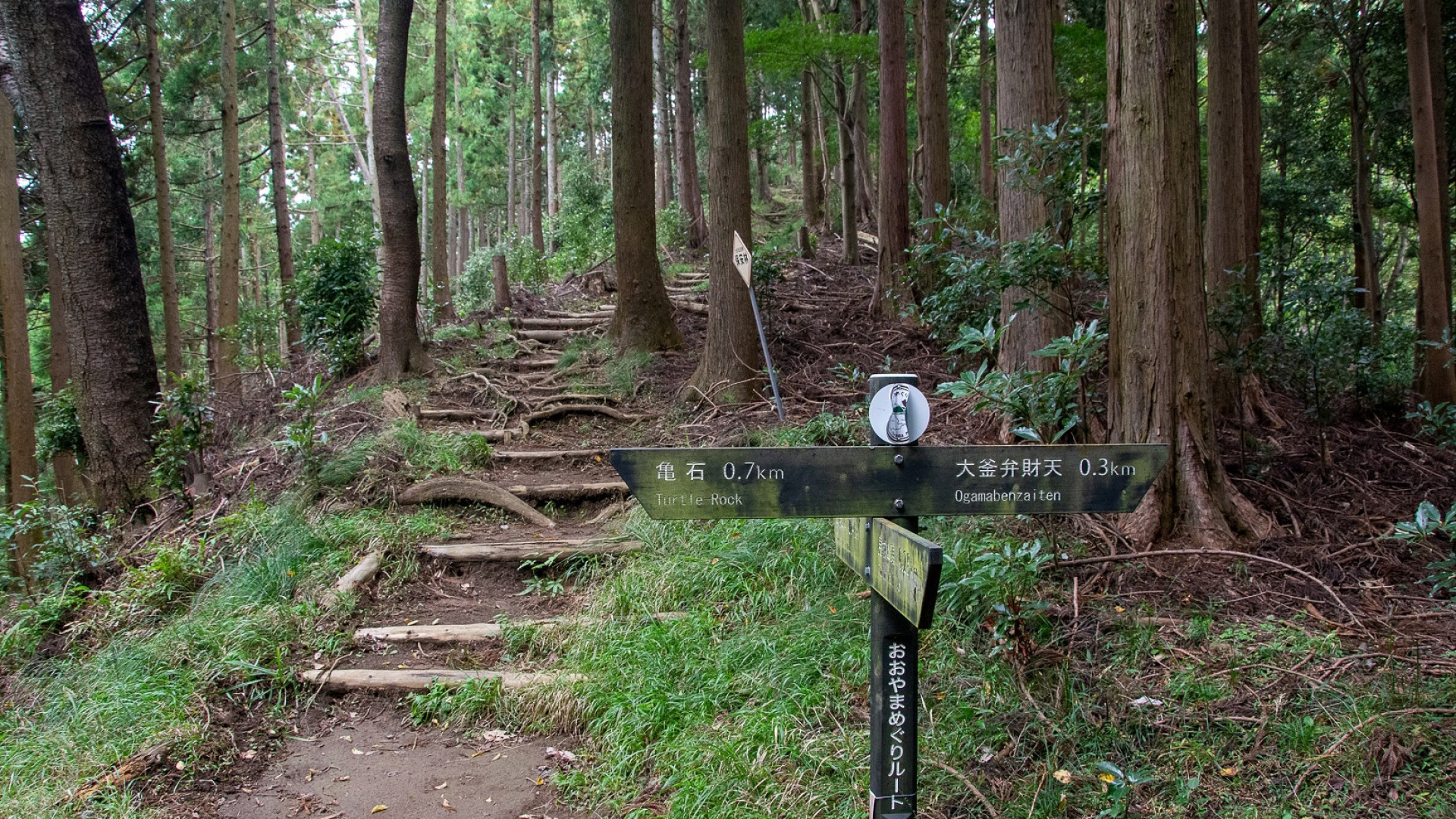
This hiking course travels around a waterfall that is reminiscent of spilling marbles and a standing stone that Prince Yamato Takeru is said to have visited. The course gets its name from looking like a fog at times when the Miyashita River which sources its waters at Mt. Hinomiya is running high. Beside it is the Fudodo, which is also known by the name Devil’s Waterfall.
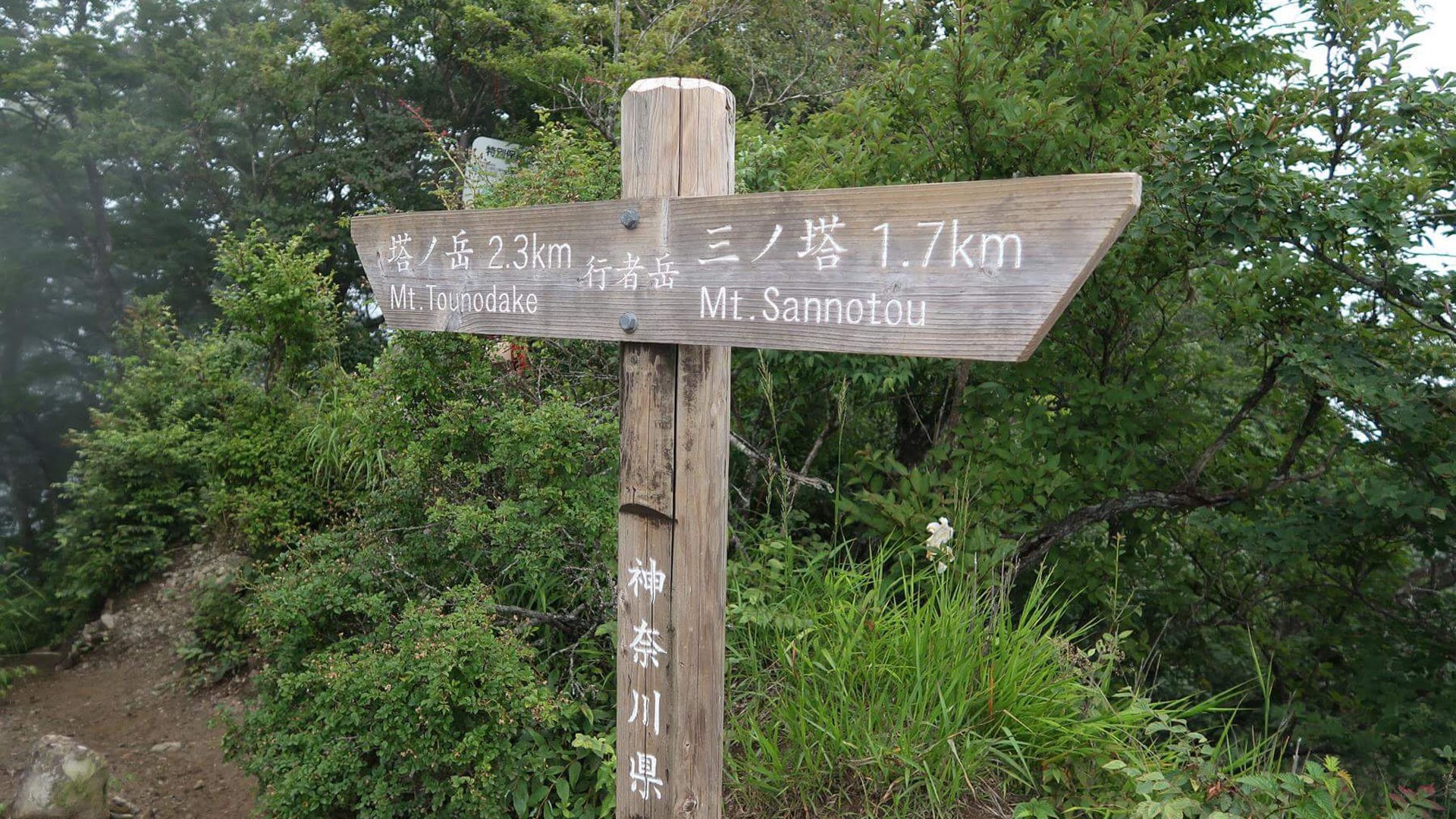
The ascent to the summit of Gyojadake is a series of small ascents and descents. The summit of Mt. Gyoja is narrow and not suitable for groups resting. A stone statue of En no Gyoja (En no Gyoja) used to be placed on the summit, but it has been damaged by the wind and rain. There are several places where you have to climb up from Gyoja-dake to Shindaihi, so please be careful.Please use the "Tanzawa Omote Ridge Traverse Course" as a reference and plan your hike accordingly.Early morning trekking allows you to enjoy a special experience with fewer people and clear air.
The world biggest Japanese drum "Takio" school. You can learn playing the taiko from the very basics. They colaborated aerobic movement with the great sound and air waves of Wadaiko, Japanese taiko. This is a new fitness style created by TAIKO-LAB. Punching the Wadaiko with the drumsticks and you step to the music. You can have an easy and effective aerobic exercise.
Located in one of Yokohama City's largest green areas, this facility allows visitors to experience nature while walking through a rich forest. Visitors are able to become familiar with insects and wild birds. Admission is free.
A long standing dye shop established in 1833, where craftsmen of the Edo Bakufu worked. The Tairyo-bata of Misaki is one of the Top 100 Picks of Kanagawa’s Local Specialties. Each and every one of the flags are handmade with traditional techniques passed down from the Edo Period and is used not only to celebrate a new ship, but other happy events such as marriage, childbirth, children’s festivals, and one’s 60th birthday. How about making your very own?
This is the largest wintersweet (robai) garden in Japan. You can enjoy the pretty flowers and sweet scent of about 3000 plants with about 20,000 branches of wintersweet (robai), even in the cold of early spring.
At the NISSAN STAR SUITES, enjoy the thril of the game right in front of you in a luxurious space, to your heart's content. These rooms can be used before the start of the game, making them ideal for business meetings and other important business occasions. After a business meeting, connect with your customers by enjoying the excitement of the game in a private space. It can also be used for various occasions such as company get-togethers, welfare programs, and VIP celebrations.