
Greater Tokyo

See & Do

reset
Ninoya (in Shonan Ninomiya Town Tourist Association, local products and souvenir store)

Ninoya (in Shonan Ninomiya Town Tourist Association, local products and souvenir store)

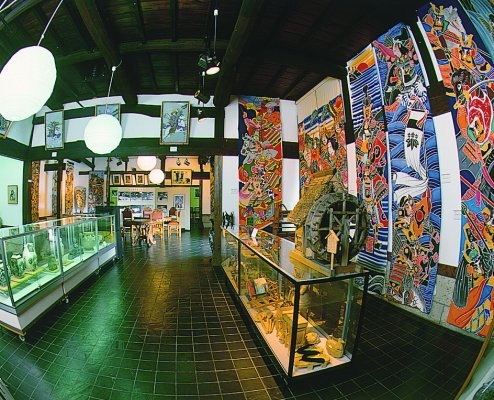
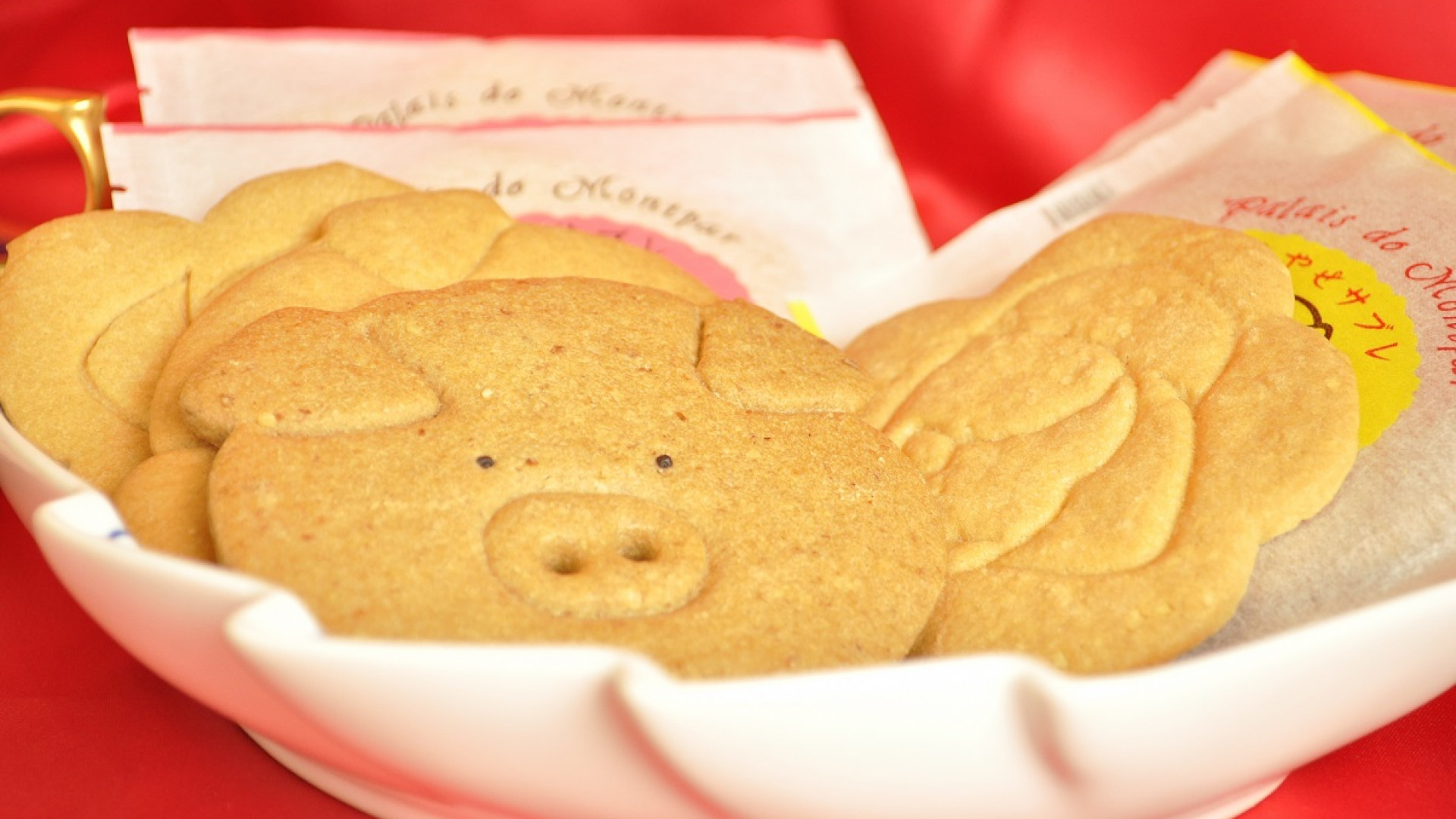
At Ninomiya (a shop inside the Ninomiya Town Tourism Association) we have local products and foods made from olives, peanuts, onions, and shiitake mushrooms, which are specialities of Ninomiya Town. We also offer small souvenirs for visitors and local people, and we have tourist posters and postcards, Azumayama badges, original products from the Tourism Association, and goods from the town's official characters Nino and Miya.

Shopping Tokaido Koshu kaido KANAGAWA
Pottery Making Experience (Mashiko)

Pottery Making Experience (Mashiko)

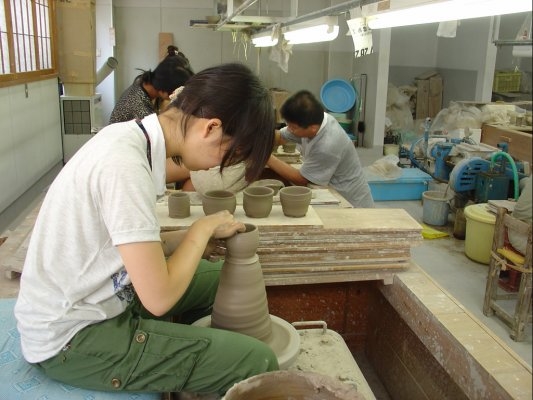
Developed since the19th century for its fine quality and proximity to the big market Tokyo, Masiko-yaki pottery has long been liked for its daily use items such as pots, water jars and teapots. There are nearly 260 kilns, 50 shops and potters of youth and experience who create works of great variety. Pottery markets held in spring and autumn attract hundreds of thousands of Mashiko-yaki lovers. Even beginners can join workshops to learn how to decorate, hand-form or use a potter’s wheel, and enjoy authentic ceramic art.

Nikko kaido Oshu kaido TOCHIGI
Hakone Old Highway

Hakone Old Highway

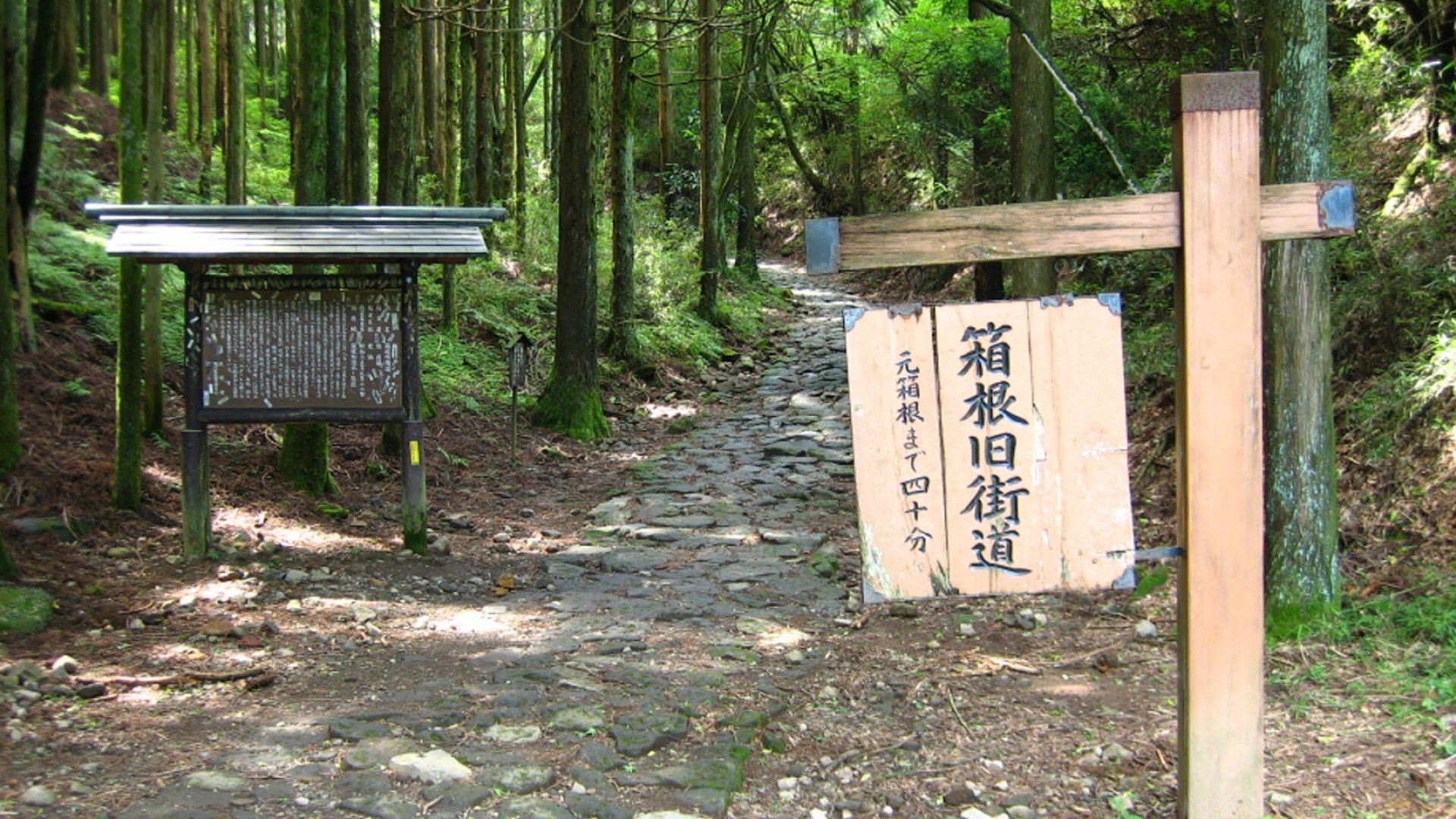
The Hakone Old Highway is a part of the Tōkaidō Highway established by the Edo Shogunal government, and the sloping road extends for 32 km from the Mishima post station via the Hakone-toge pass to the Odawara post station. The part between the Mishima post station and the Hakone check station through the Hakone-toge pass at an elevation of 846 m had been considered the most grueling part in the Tōkaidō Highway, as in addition to the steep ascent at high elevation, travelers had to walk through knee-deep mud if it snowed or rained. The Edo Shogunal government spent 1,400 ryo to pave the road with stone for 10 km of the road. According to records, it was originally paved with local Hakone-dake bamboo, however, it needed to be regularly repaved as the bamboo would rot, costing a great deal of money every year. Now only 2 km of the original stone pavement remains. Enjoy imagining travel in the old days while walking along the original paved segment of the old highway.The mountain road is overgrown with trees, so an early morning start is recommended. When the weather is nice, the sunlight through the trees feels refreshing. Be careful as the stone pavement is slippery after it rains.

Culture & Arts Tokaido Koshu kaido KANAGAWA
En’no-ji Temple

En’no-ji Temple

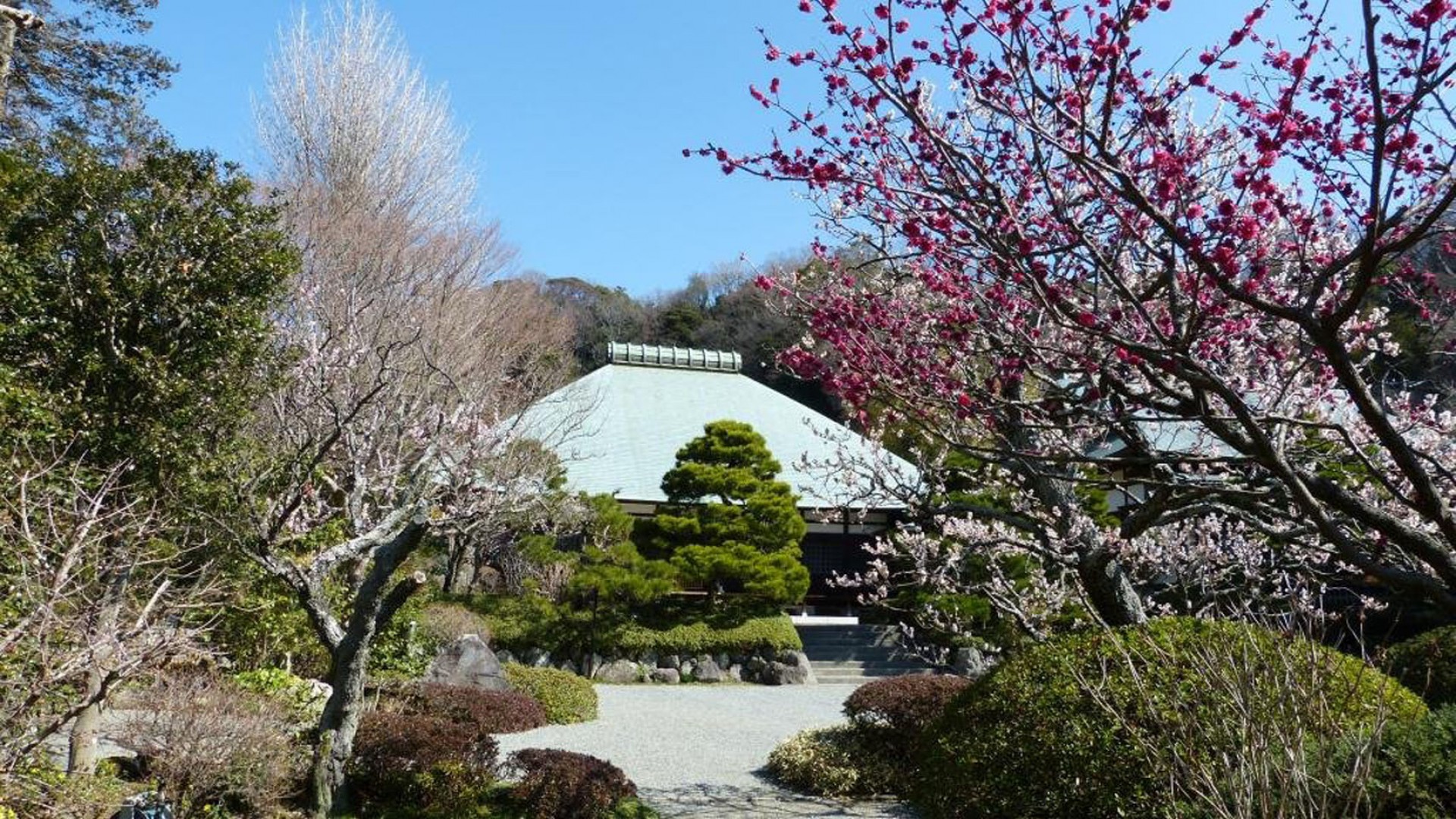
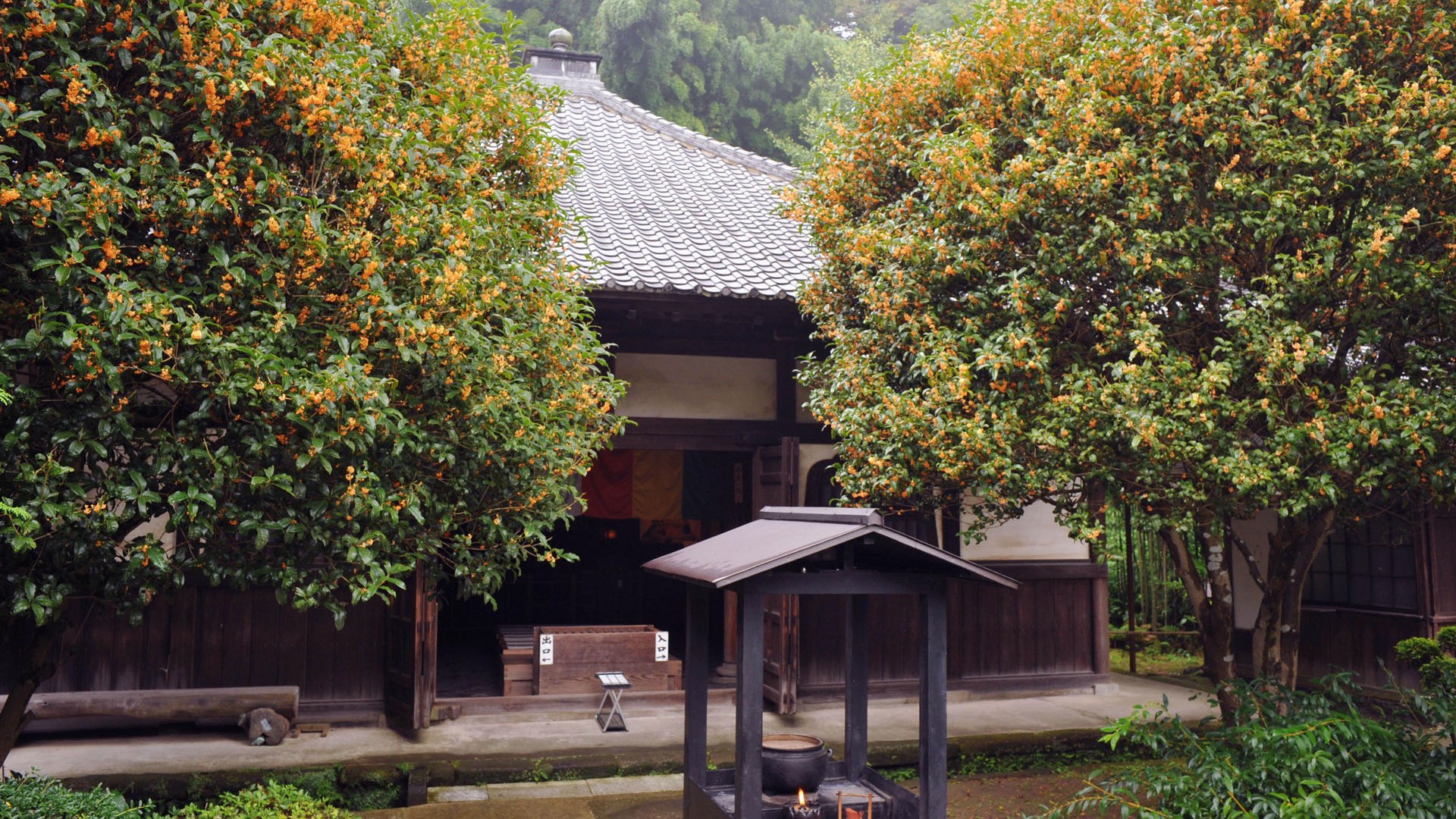
This statue of King Enma was carved in 1250 and was initially situated on a mountain in front of the Hase Kannon. After the fated downfall of the Kamakura Shogunate, Ashikaga Takauji moved it to the left, facing the sea at the Ichino-torii gate, to mourn the departed souls of Yuhigahama, the site of the decisive battle. The temple was again damaged by a major earthquake during the Genroku era (1688-1704), and was moved to its present location. The Ten Kings of Ennoji Temple, centering on King Yama, depict the judgment of those who were condemned to hell for their sins during their lifetime. The temple is still widely worshipped as a Jizo temple.

Temples & Shrines Tokaido Koshu kaido KANAGAWA
Yokohama Noh Theater

Yokohama Noh Theater

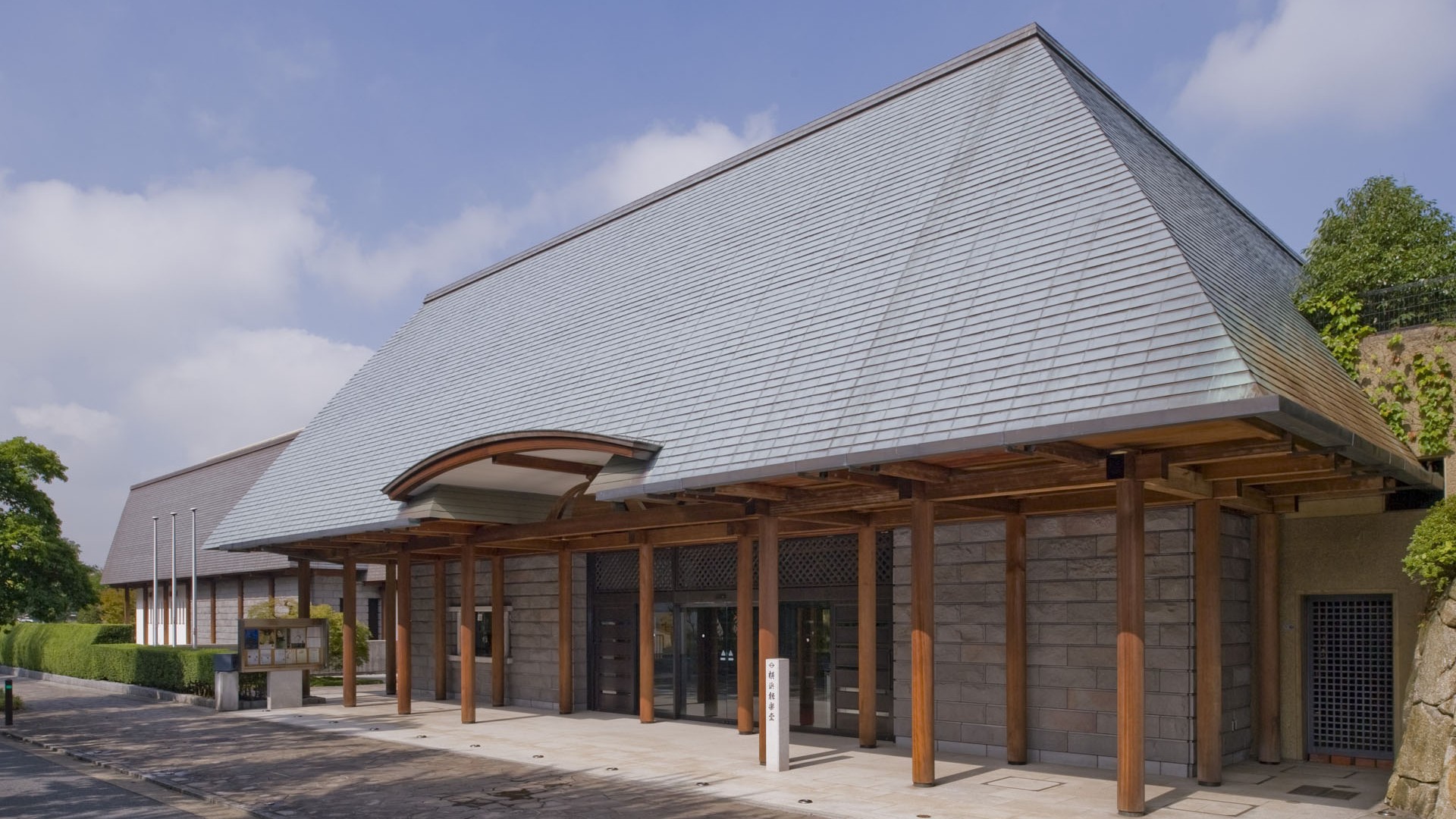
The Somei Noh Stage, the oldest Noh stage in the Kanto region, was built in 1873 by the Maeda family, the former lord of the Kaga Domain, and opened in 1996. Various events are held with explanations to help beginners understand and unique planned performances and workshops, earning the stage the slogan “a Noh theater with a low threshold.” Once a month, we hold tours (advance reservation required) where the staff guides visitors through exhibits related to the history of the Nohgaku and the Noh stage, as well as private dressing rooms not normally accessible to the public. ※ Closed from January 2024 to June 2026 due to renovation work.

Culture & Arts Tokaido Koshu kaido KANAGAWA
Okurayama Memorial Hall

Okurayama Memorial Hall

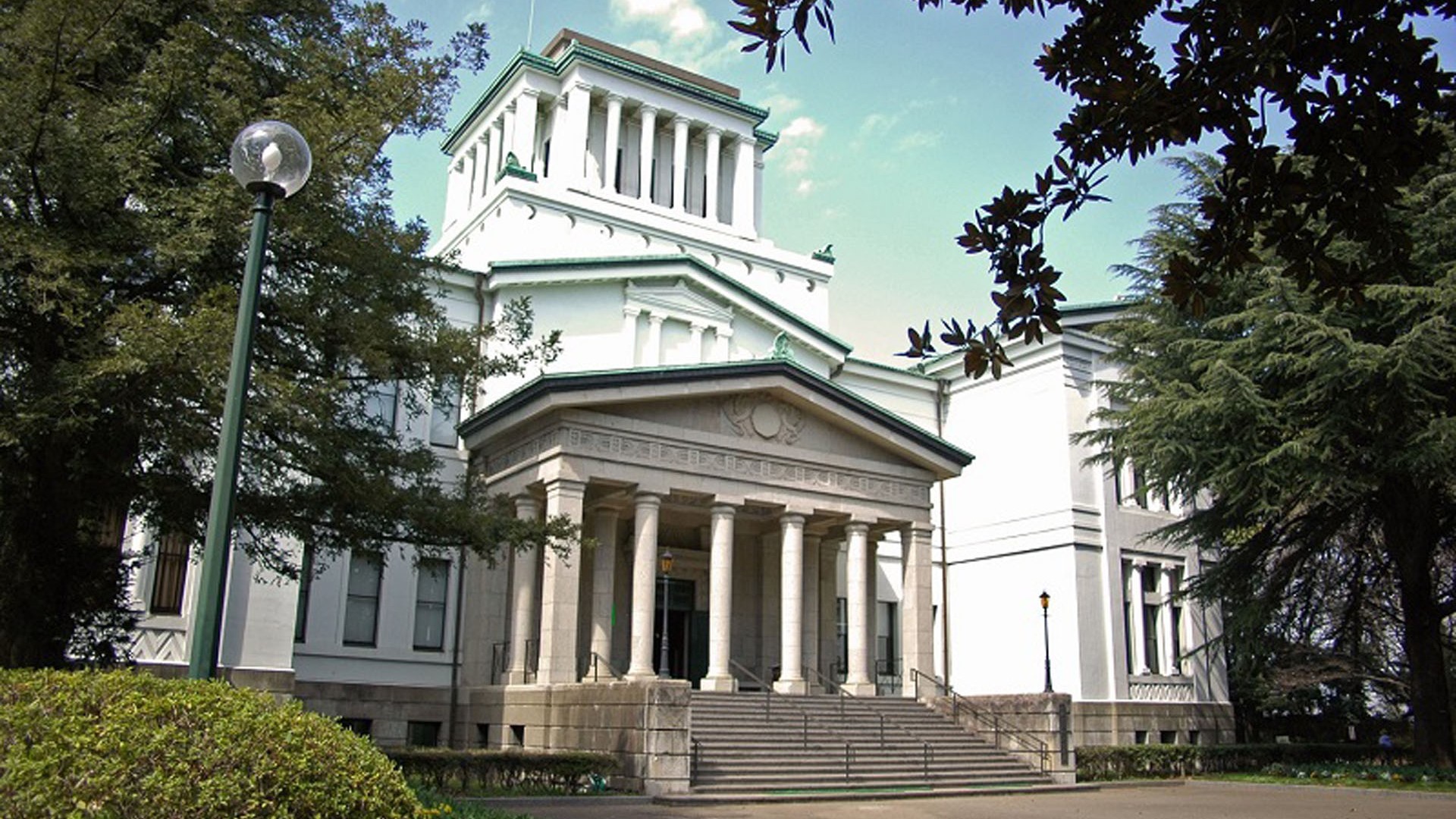
This hall was built in 1932 as the main building of Okura Mental and Cultural Laboratory, by a business-man Okura Kunihiko, who bacame the dean of Toyo University. The hall was donated to Yokohama City in 1981, and after a major renovation to preserve the building, the hall was transformed into Okurayama Memorial Hall in 1984.The hall was designated as a tangible cultural property of Yokohama City in 1991, as the hall occupies an important place in the modern architechtural market. You cannot view the hall and the meeting room as the building is usually used as a local facility, but you can see the common space such as the entrance. The building is famous for being the site of filming, and over 30 films are shot in a year.

Culture & Arts Tokaido Koshu kaido KANAGAWA
Nojima Park

Nojima Park

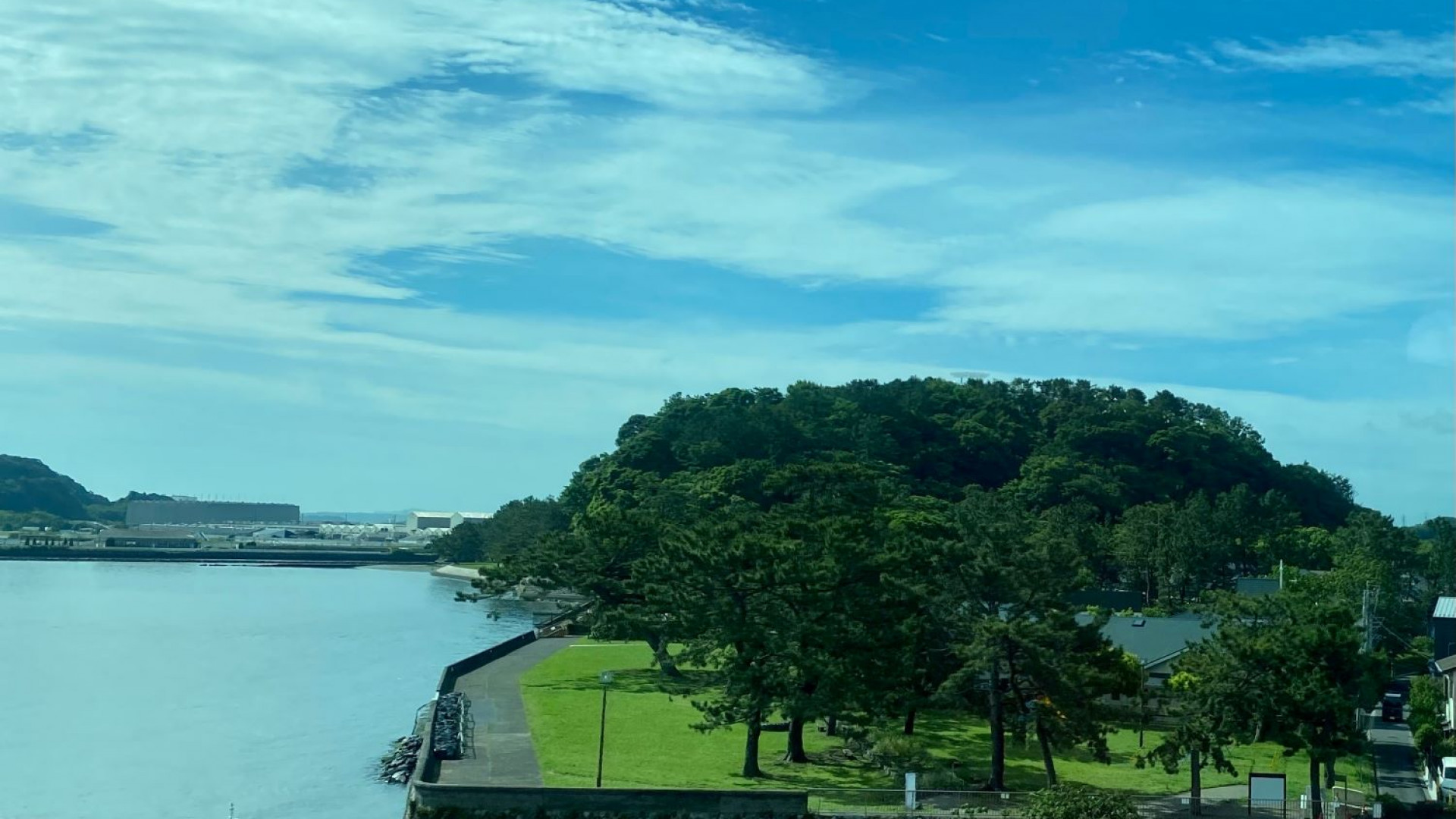
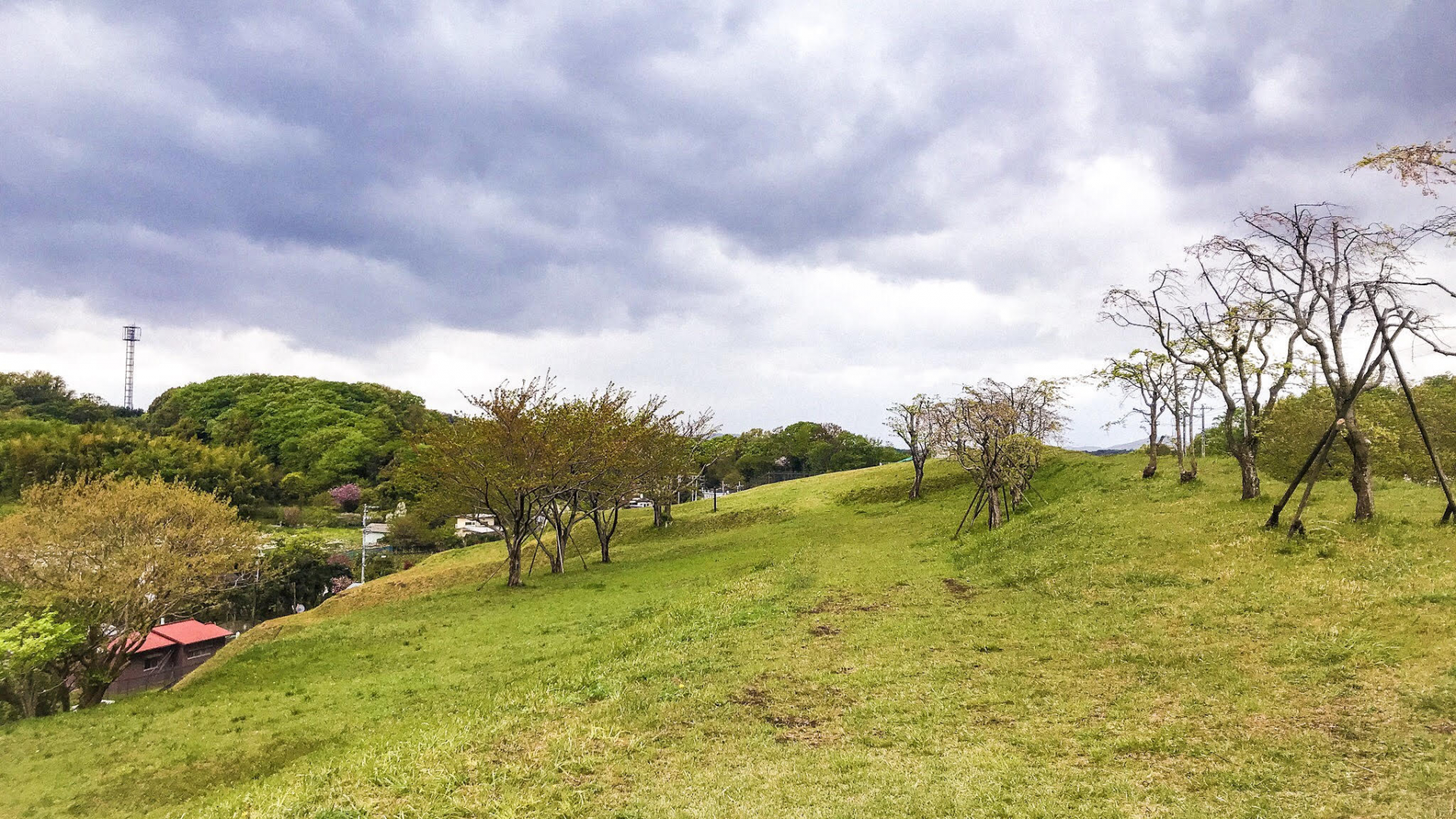
The park is located on an island called Nojima at the entrance to Hirakata Bay in the southernmost part of Yokohama City. The area is famous for "Nojima no Sekisho" (a brocade picture depicting a sunset over the fishing village of Nojima)—part of the "Kanazawa Hakkei" (Eight Famous Views of Kanazawa) collection painted by Hiroshige Utagawa, an ukiyoe artist active in the late Edo period. Centered on Mount Nojima, 57m above sea level, the park features a number of facilities such as an observatory, barbecue area, campground, and baseball field, and from the observatory, you can see the sea of Yokohama, Boso Peninsula, and Mount Fuji. Other historical spots include the former Kanazawa residence of Ito Hirobumi, a Yokohama City-designated Tangible Cultural Property, and the Nojima Shell Mound.

Nature & Views Tokaido Koshu kaido KANAGAWA