Kanagawaya
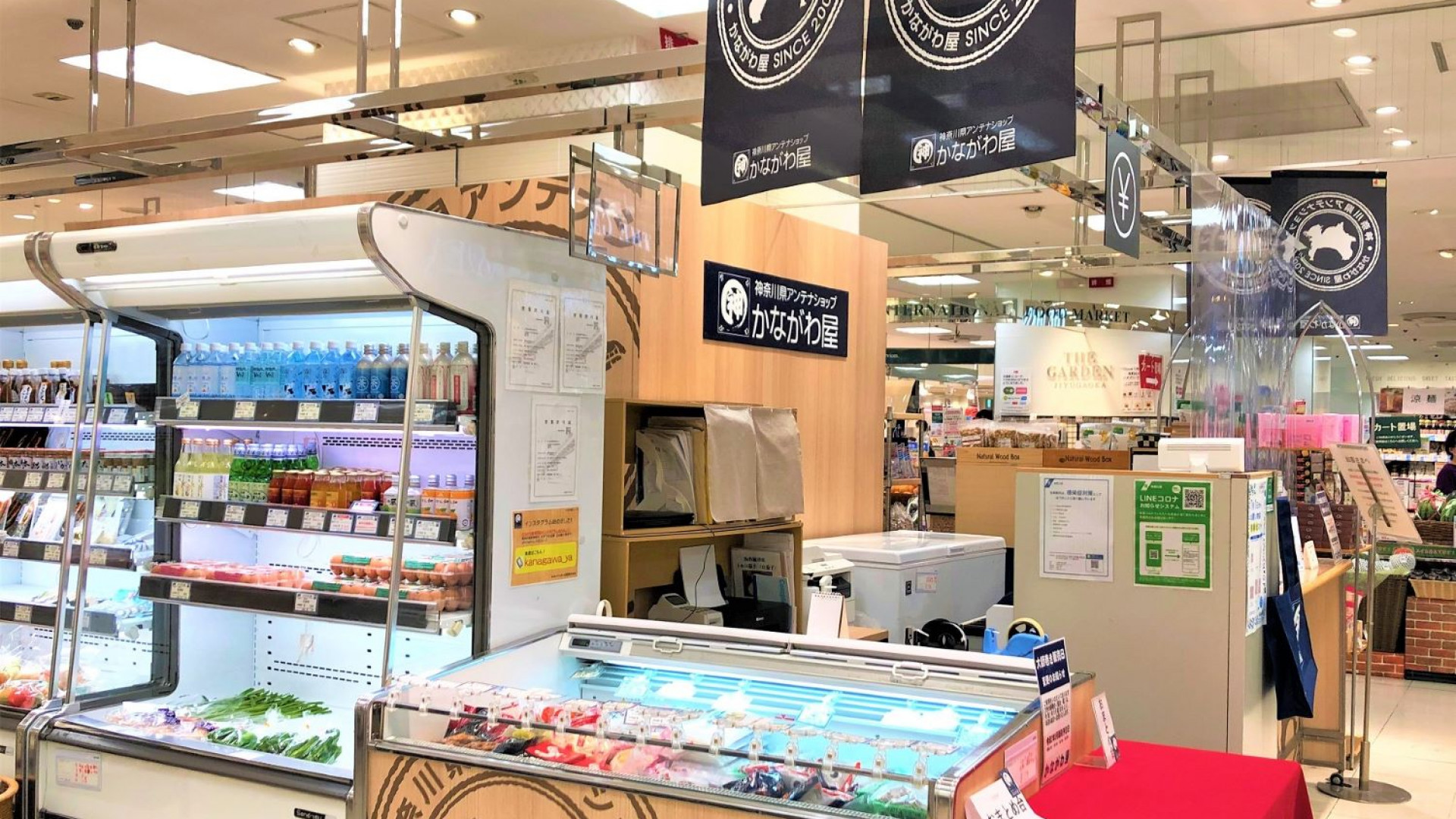
This shop is the pride of Kanagawa prefecture, gathering specially selected products from all over Kanagawa.
Total: 1727 items
This shop is the pride of Kanagawa prefecture, gathering specially selected products from all over Kanagawa.
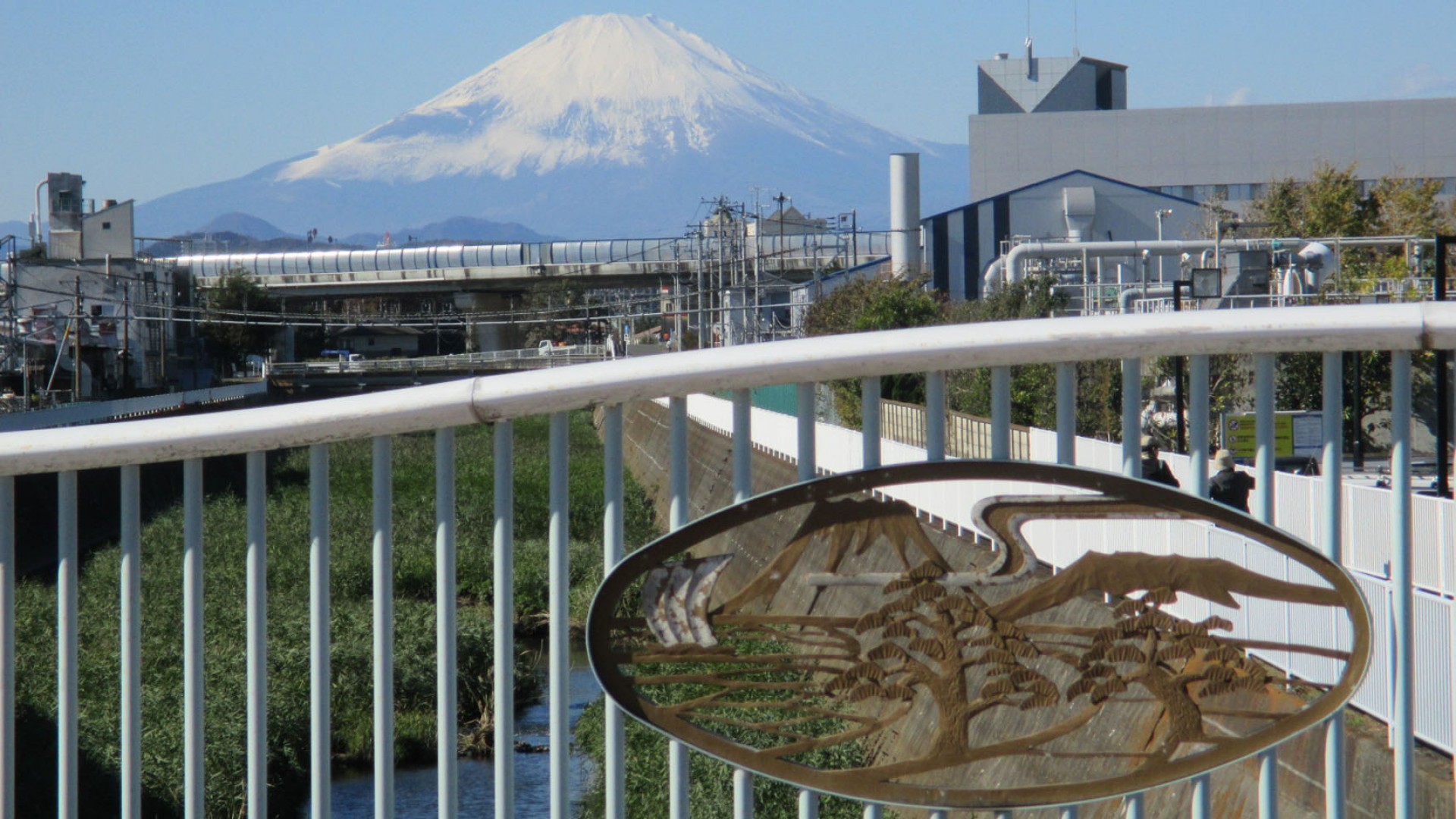
Along the Tokaido route from Nihonbashi to Kyoto, Mount Fuji is usually seen on the right when heading to Kyoto. However, you can see Mount Fuji on the left at this rare spot, upon the Toriidobashi Bridge located along National Route 1. The scenery of the past is captured in Hiroshige Utagawa’s (Hiroshige Ando) ukiyo-e painting “The Nango Pine Grove with Mount Fuji to the Left” (Nango no matsubara hidari fuji). Pine trees line the avenues of the path leading to the Tsurumine Hachimangu Shrine, leaving some traces of the past.
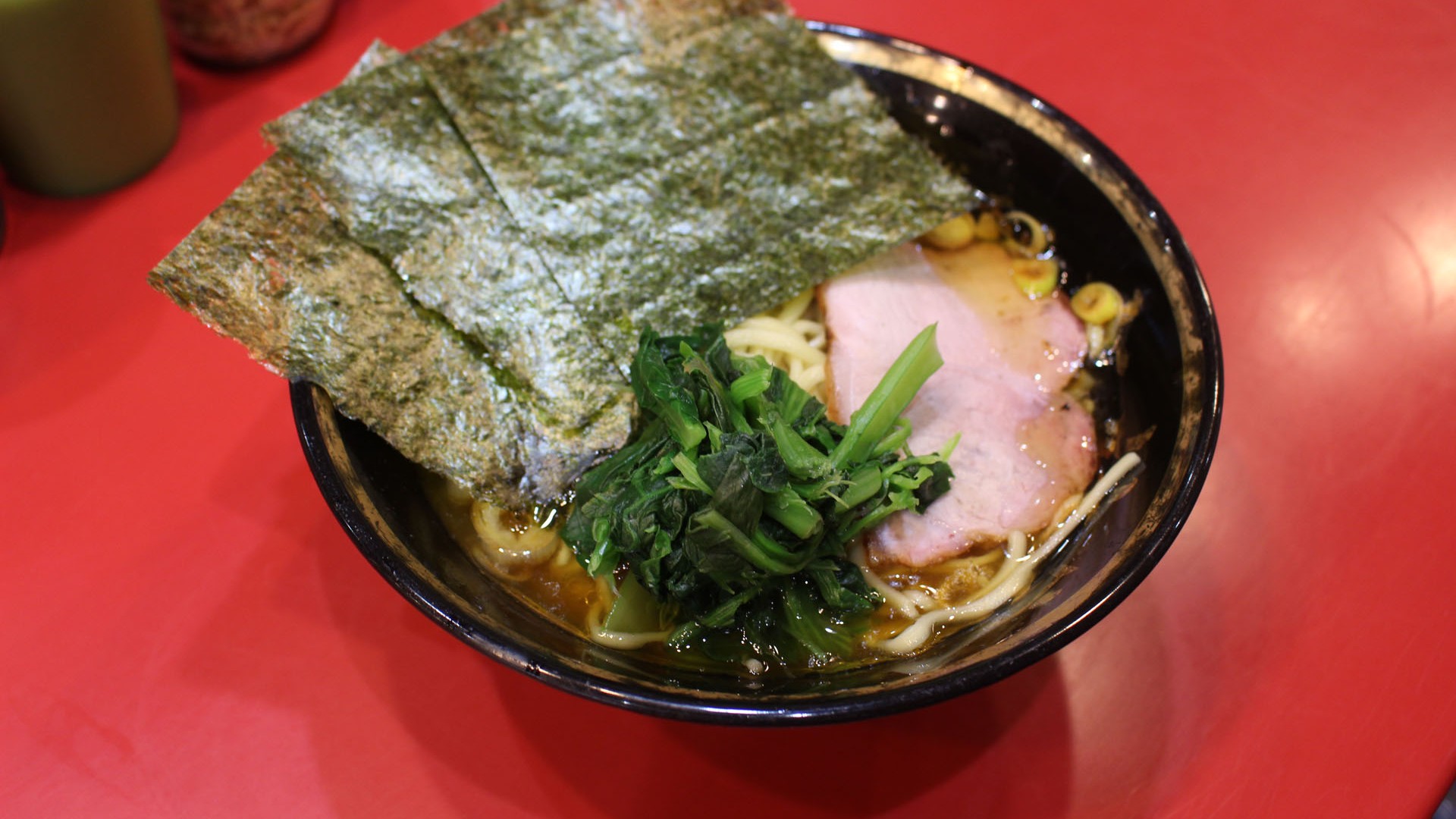
Located around Yokohama Station, ramen is very popular.
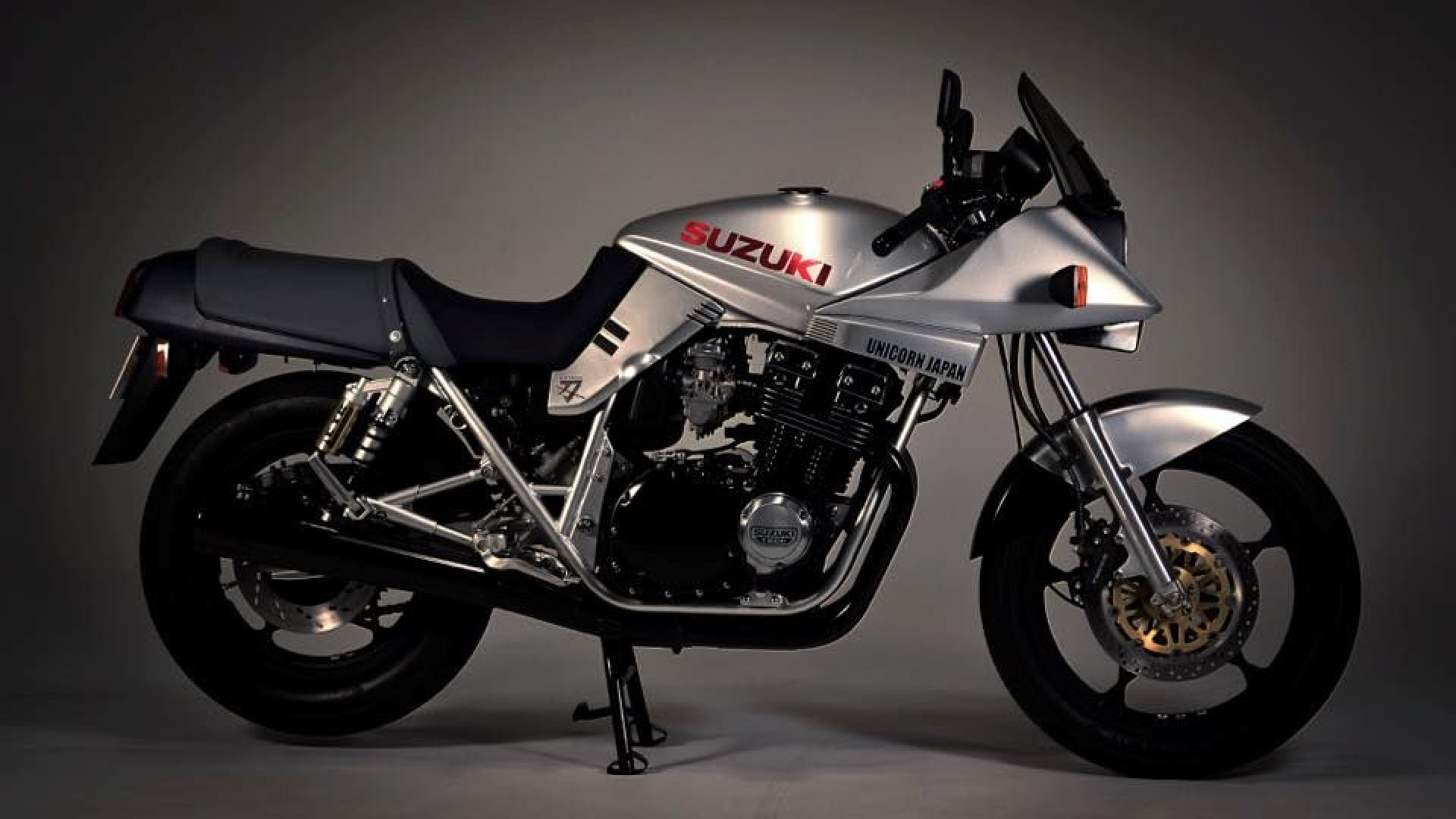
Unicorn Japan is the world's only comprehensive specialty store of the "KATANA" car, the certified historical heritage car. It handles everything related to the car, including vehicle sales, maintenance, customization, and parts sales.
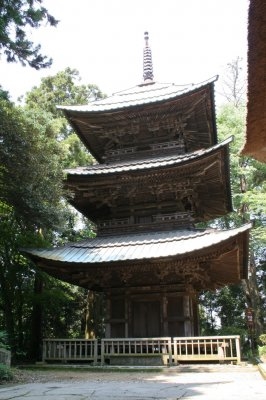
This Shingon Buddhist Sect Buzan School Temple in Mashiko City, Tochigi Prefecture is dedicated to the 11-headed Kanzeon Bodhisattva. Saimyoji temple is the twentieth temple in the Bando (33 Kannon temples of kanto region) pilgrimage circuit. The gabled thatched two-story gate and three-story pagoda constructed in 1492 and the miniature shine in the main temple hall that is said to be created during the Muromachi period have all been designated Important Cultural Properties of Japan. A statue of a laughing Yama (king of Hell) next to the Bodhisattva Jizo who protects those who have fallen to hell is also found here at the temple. The laughing Yama (king of Hell) is said to be the incarnation of the jizo."
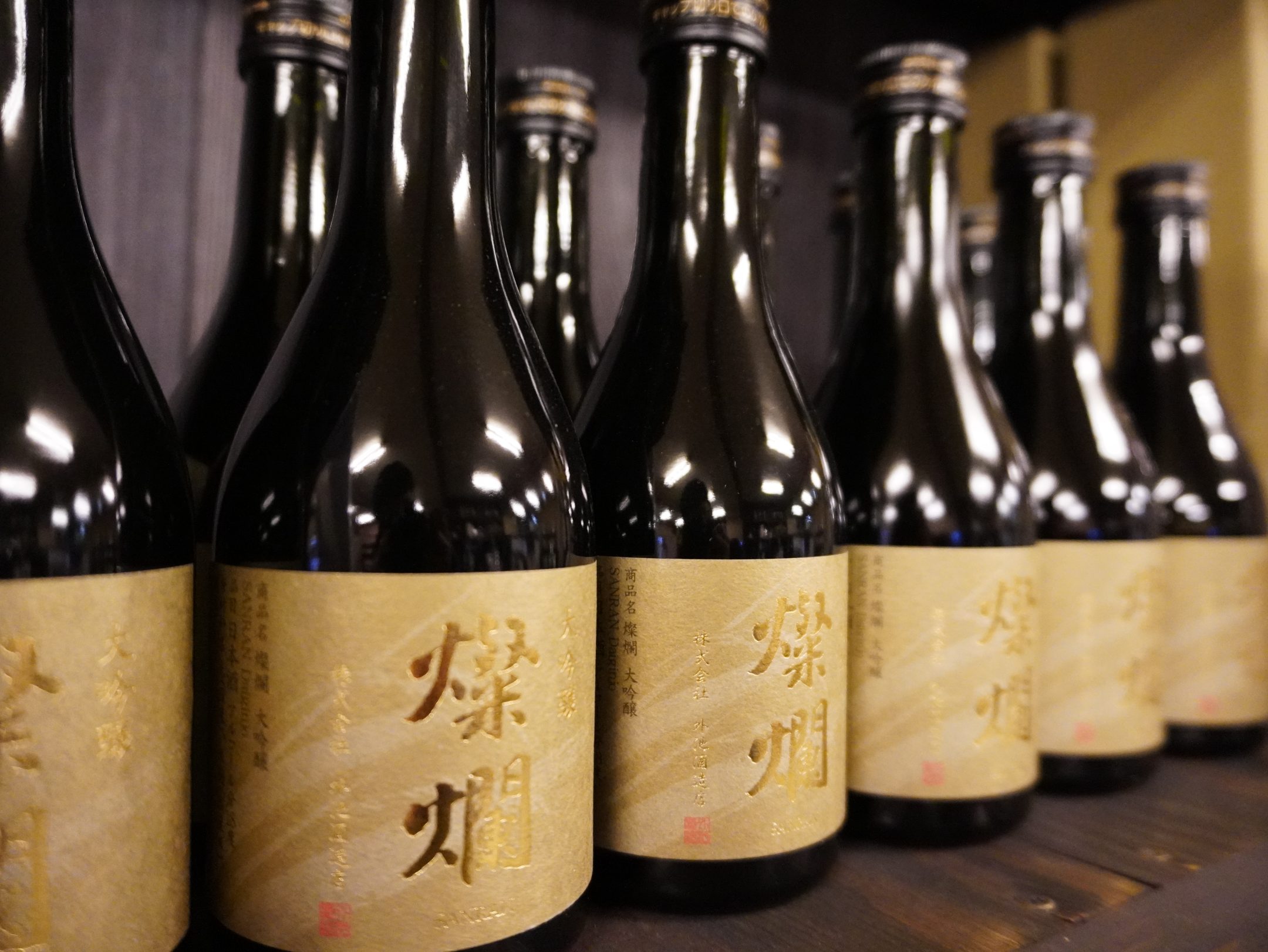
This brewery produces an array of choice sake and received a gold medal at the Annual Japan Sake Awards for its Sanran-daiginjo brew. Their facility tour is popular with tourists, where the brewer explains its history in detail. Come learn about the tradition and techniques of sake production. A gift shop on the grounds sells choice brews and cosmetics made with sake. Enjoy coffee brewed with the same water used for the sake, sweets with sake lees, a sake tasting set, and more at their café."
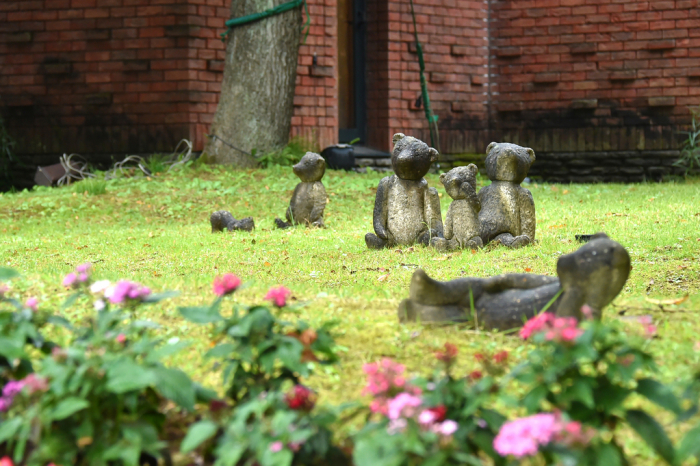
The Nasu Teddy Bear Museum exhibits teddy bears created by 100 artists from all over the world in order to further cultivate teddy bear culture. The museum building is modeled after a British manor house. You’ll find a collection that includes “artist bears” based on artists from around the world, as well as antique bears and Teddy Edward, the teddy bear that has traveled the most around the world. There are also planned exhibitions. The teddy bear museum features the works of Studio Ghibli into the museum as well as famous teddy bears. One of the museum highlights is the full-sized Cat Bus from My Neighbor Totoro. Unlike the Ghibli Museum that can only accommodate small children on the cat bus, even adult tourists can hop on and take pictures of this iconic bus. In addition, there’s a museum shop with a variety of teddy bear goods, as well as a tea room with teddy bear-themed menu items."
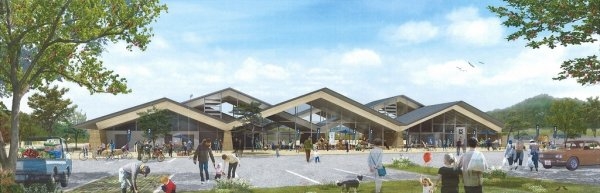
Roadside Station Mashiko(Michi-no-Eki Mashiko) is a roadside station offering fresh local produce and local products and crafts at the “Mashiko-no-Marche” as well as reasonably-priced lunches with freshly picked vegetables at the “Mashiko-no-Gohan” restaurant. The information centre “Concierge” provides information on tourism, special exhibitions and workshops, along with advice on moving to the town and booking rental space. Please find more information on their website.
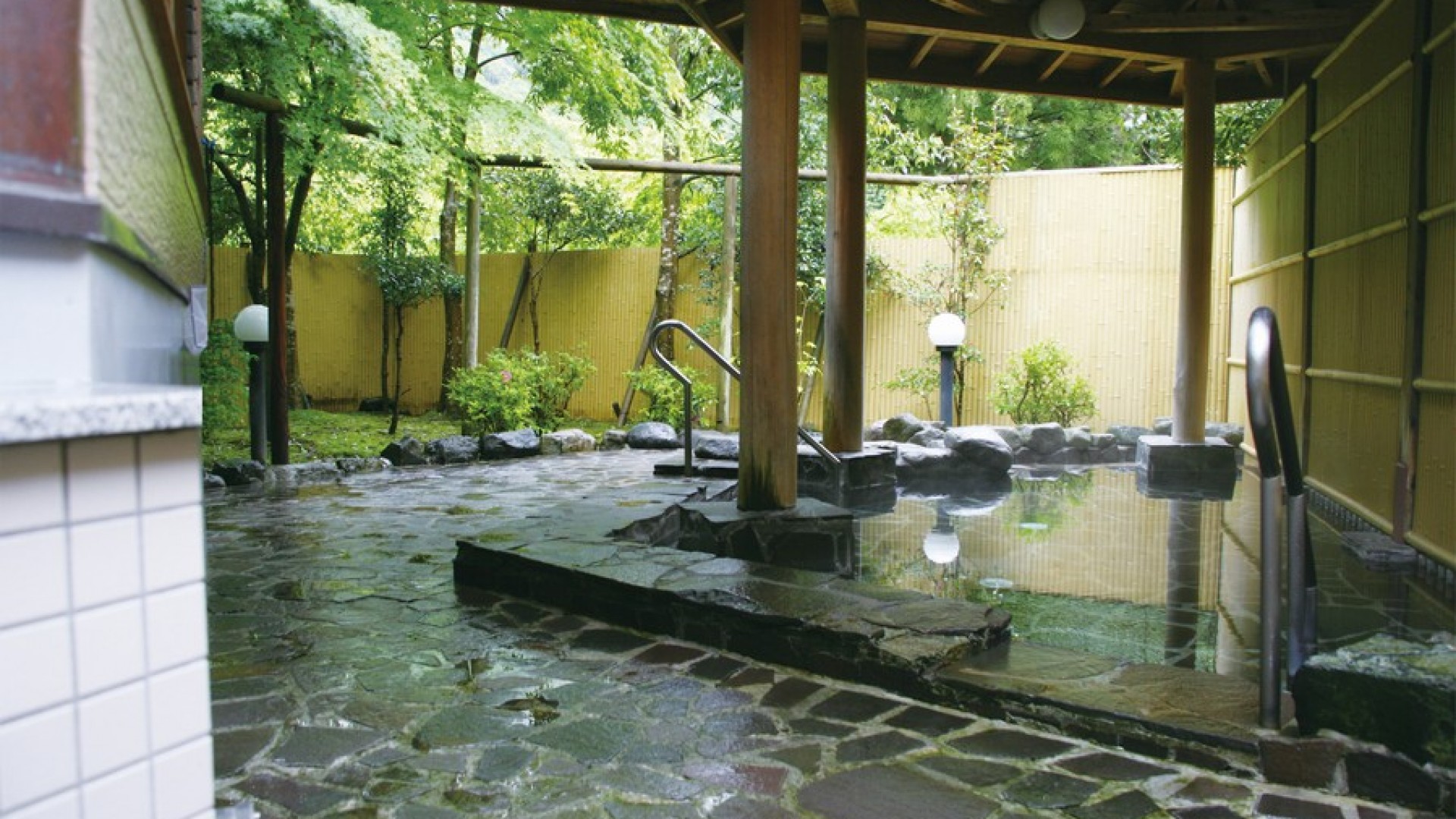
Nakagawa Onsen is a mountain hot spring resort that is close to Lake Tanzawa, it has a long history. There is a legend that about 400 years ago, Takeda Shingen helped a soldier recover who was injured in a battle with Hojo Ujiyasu by bathing in this hot spring, therefore it is also called "Shingen's secret bath". It is a simple hot spring with the water quality high in PH, it is said to be effective for gastrointestinal diseases, neuralgia, rheumatism, hypertension, recovery of wounds, etc. It is also said to be good for your skin, it is widely known as a "beauty bath" that makes your skin smooth.
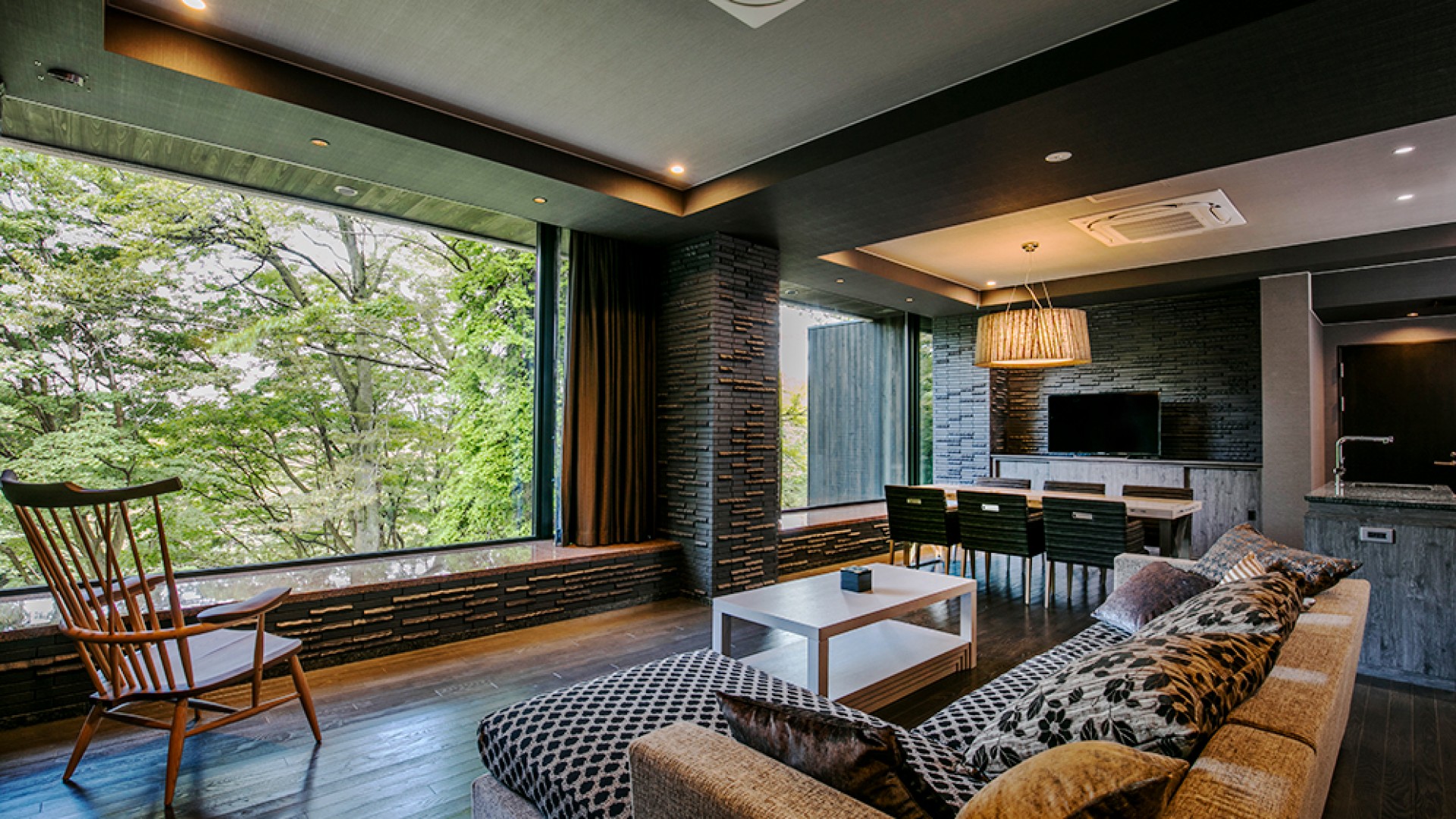
Kanaya Resort Hakone was opened in 2017 and is modeled after the forest villa cherished by Senji "John" Kanaya, founder of Hotel Kanaya Kinugawa. Enjoy the blissful relaxation offered by its Hakone-quality hot spring, which draws its waters from Owakudani Valley, from the comfort of your hotel room.
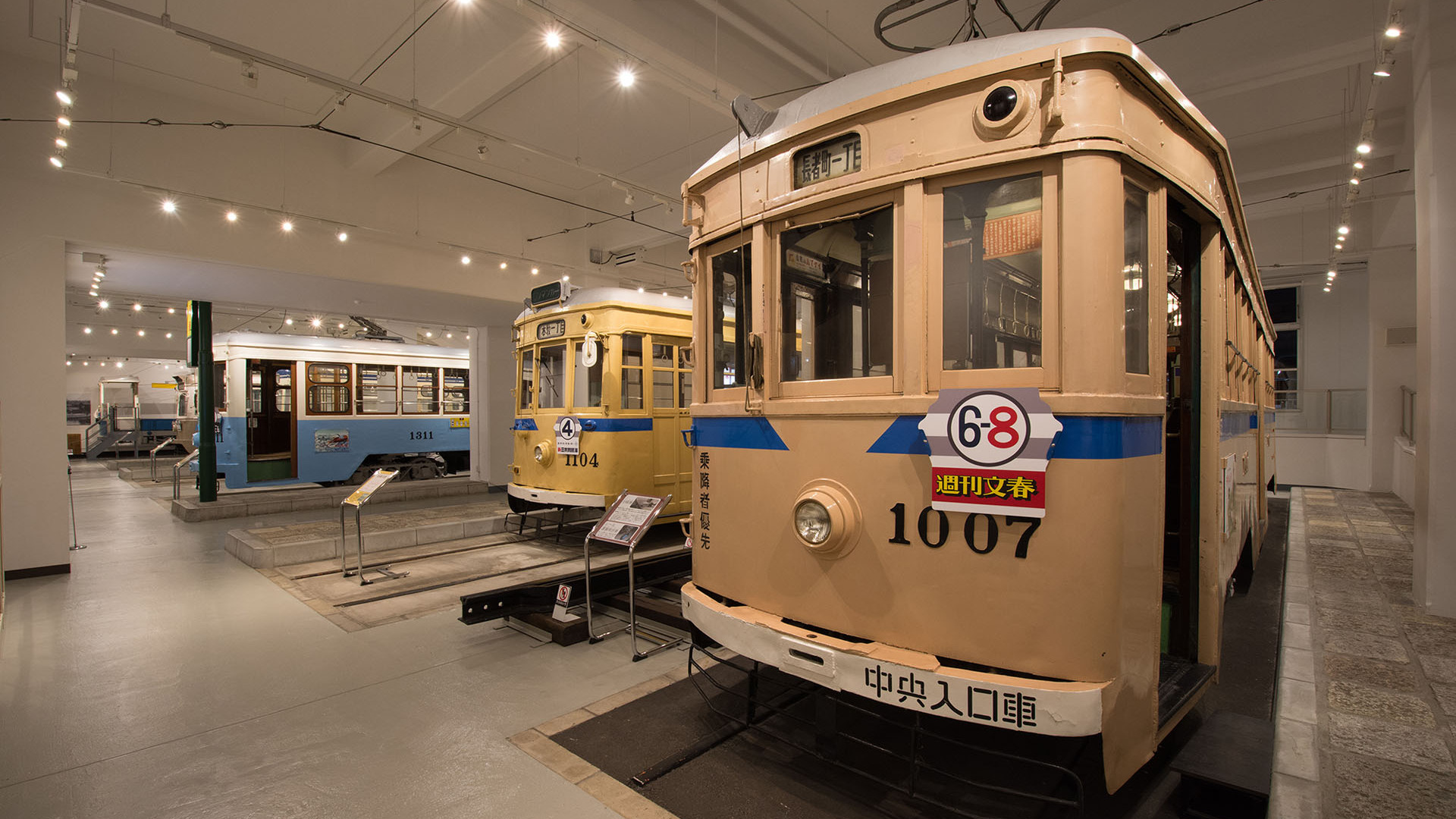
The Yokohama Tram Museum opened on the site of the Takigashira rolling stock factory in 1973, one year after the tram was abolished. In 1983, it was then rebuilt on the first floor of the current municipal housing building. In the hall, stop signs, paving stones and seven tram cars are all preserved as they were at that time, and reproduce the atmosphere of the time when the tram was running.Yokohama was not only the site of the very first rail station in Japan, but also home to a great trolley system. Walk through the many restored cars where you can sit and imagine being transported around the city.
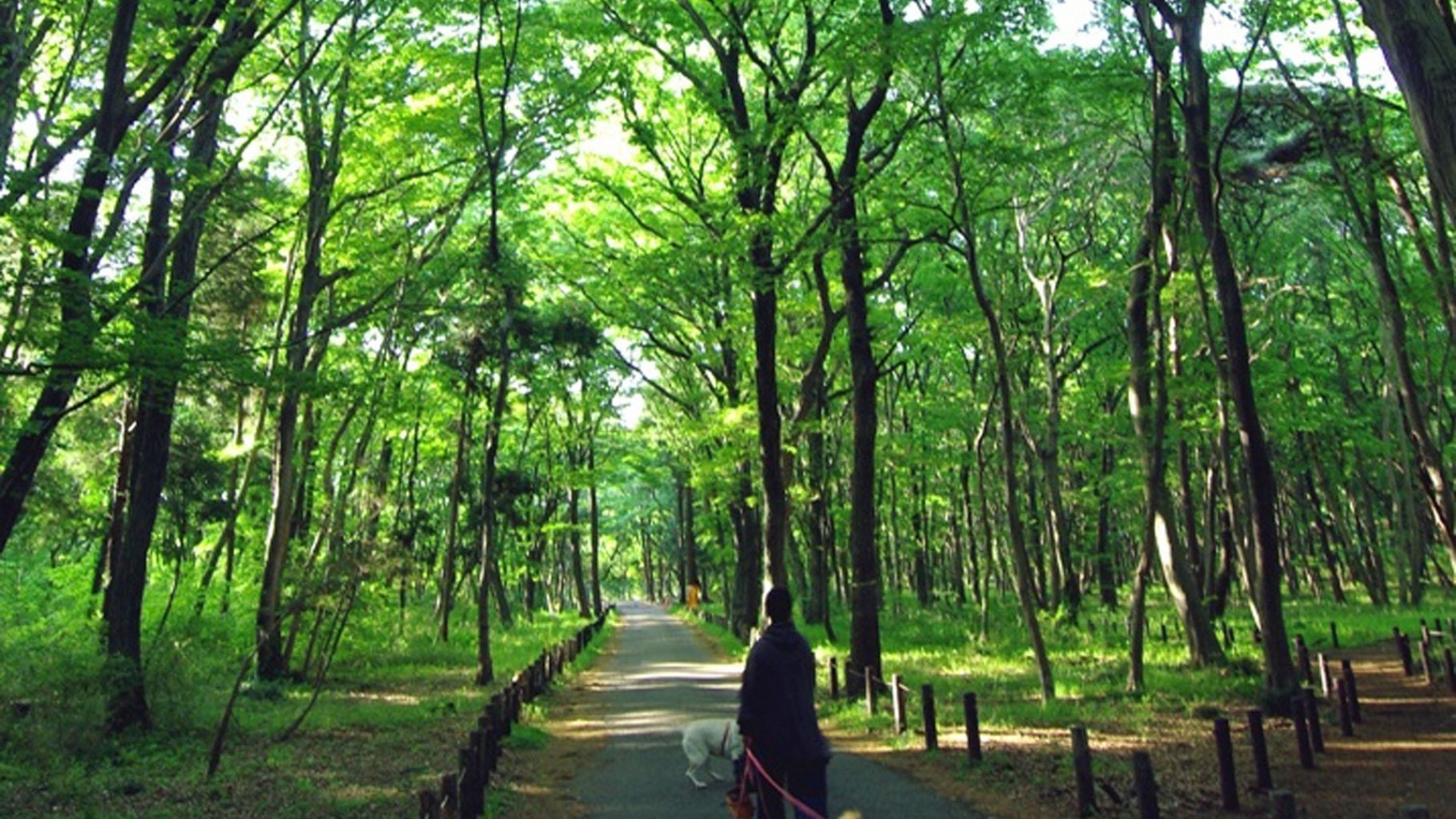
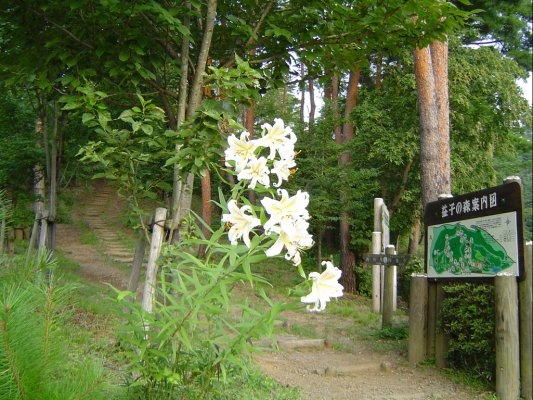
Visitors can enjoy the changes in nature from season to season. There are well-maintained walking paths and grassy plazas, so both children and the elderly can enjoy forest walks to the fullest. Furthermore, the KIMOREBI NO FOREST has been selected as one of the 50 most beautiful forests in Kanagawa. Photo courtesy of Sagamihara Tourist Association
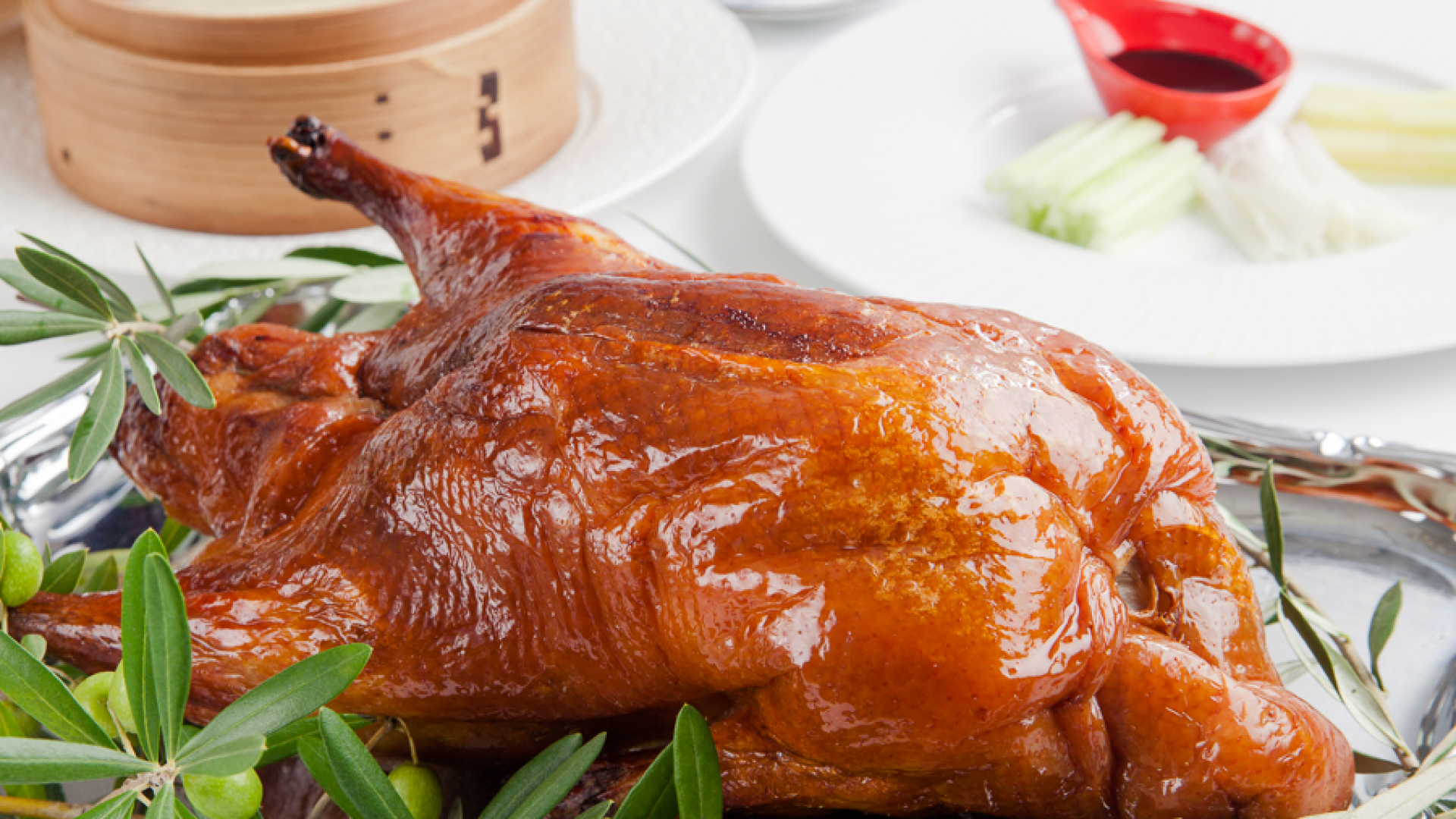
Eria YOH is a healing space surrounded by olive trees in the Yamate area of Yokohama. The Chinese cooking world champion displays the traditional skills of Chinese cooking to deliver numerous wondrous and delicious foods comprising new sensations. Please enjoy a gorgeous time that features cuisine accompanied by Japanese seasonal vegetables together with Eria YOH’s hospitality in a superlative space with sunshine filtering through the foliage of a garden with around 50 fully grown olive trees.
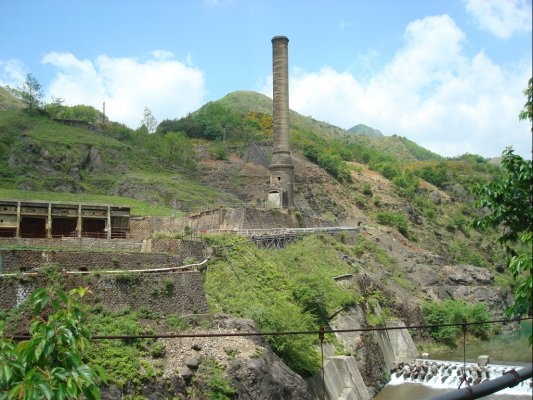
Overview of the Furukawa Ashio History Museum Ashio Copper Mine is one of the most important copper-producing sites in Japanese history. Discovered during the Sengoku period (1550), it was later mined under the direct control of the Edo shogunate. It once served as an essential source of material for Kan’ei Tsūhō, the currency of the time. As output later declined, the mine was taken over by the Furukawa family during the Meiji period. Due to advances in technology, new ore veins were found, and under the then national policy of enriching the country and strengthening the military, the mine prospered, making the Furukawa family magnates of the mining industry. The Furukawa Ashio History Museum tells the stirring story of that industrial dawn. In addition to models of the Ashio Mining Office and stories of successive managers, it also exhibits the various tools used by miners in those days, recounting the history of the Ashio area.
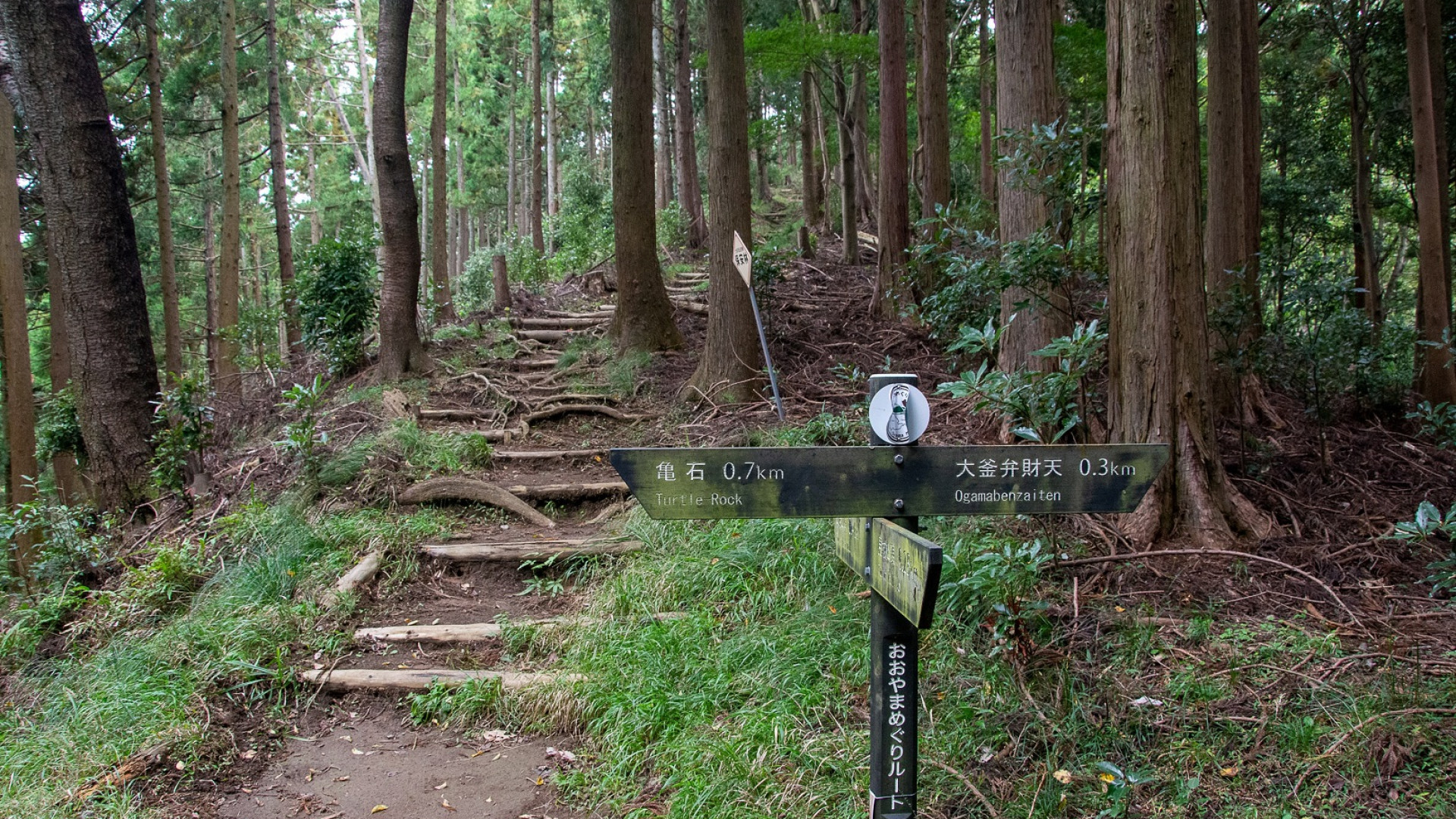
This is the mountain path on the way to Hinatayakushi Hiking route.
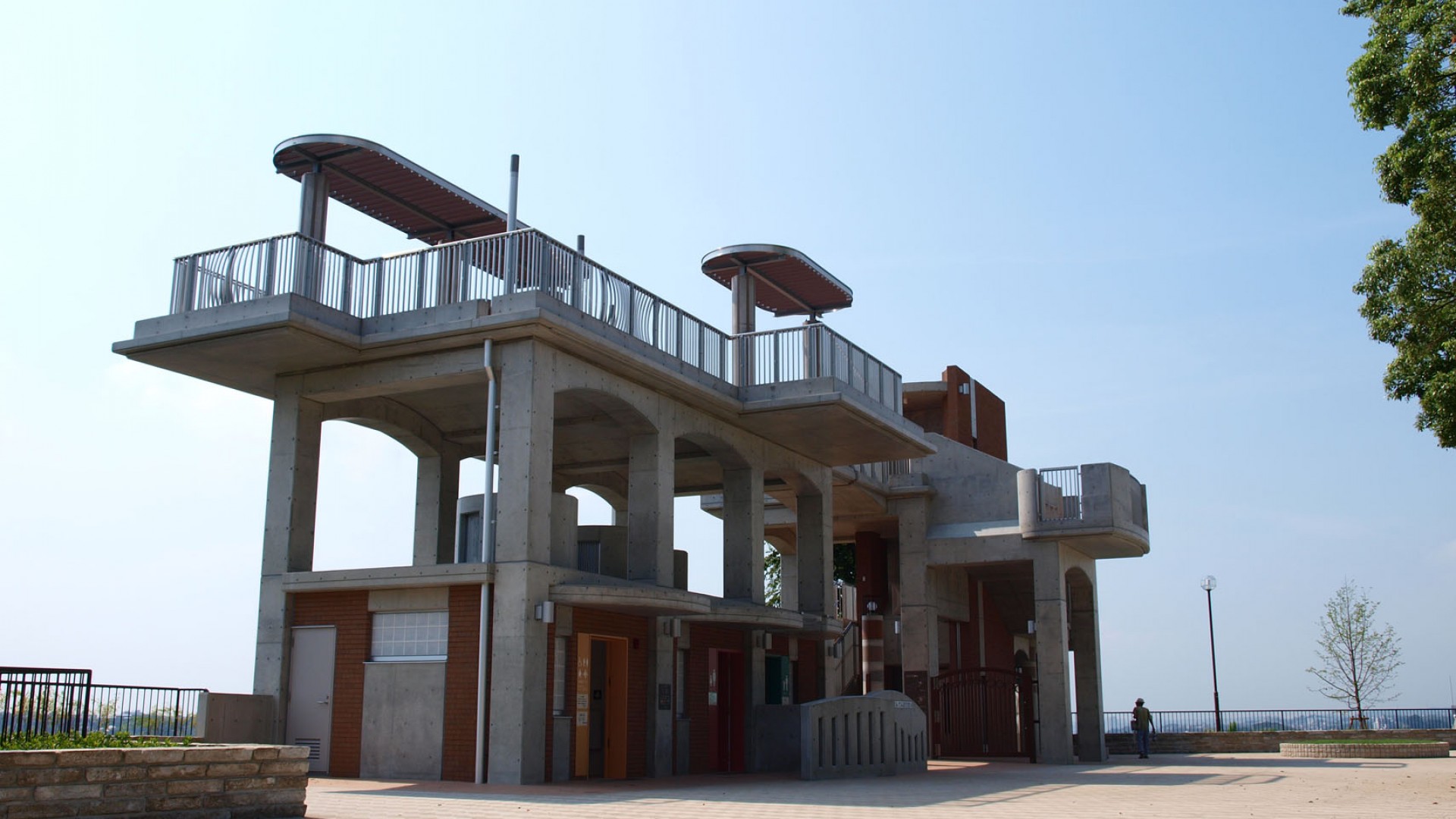
This observatory was renovated in 2011. Here, you can enjoy a panoramic view of Yokohama's scenery, including Bay Bridge and Landmark Tower.
Izumi-no-mori spreads around the Yamato Suigenchi, the source of the Hikichi River. The park is positioned as the natural core of Yamato City. The wooded area and waterside space form a distinctive ecosystem, making it an ideal place for observing nature.