
Greater Tokyo

See & Do

reset
Tsumada Yakushi

Tsumada Yakushi

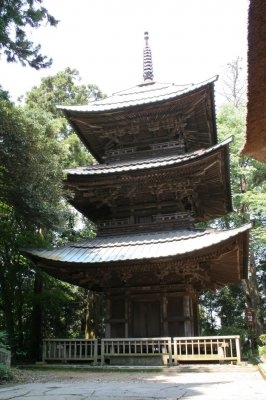
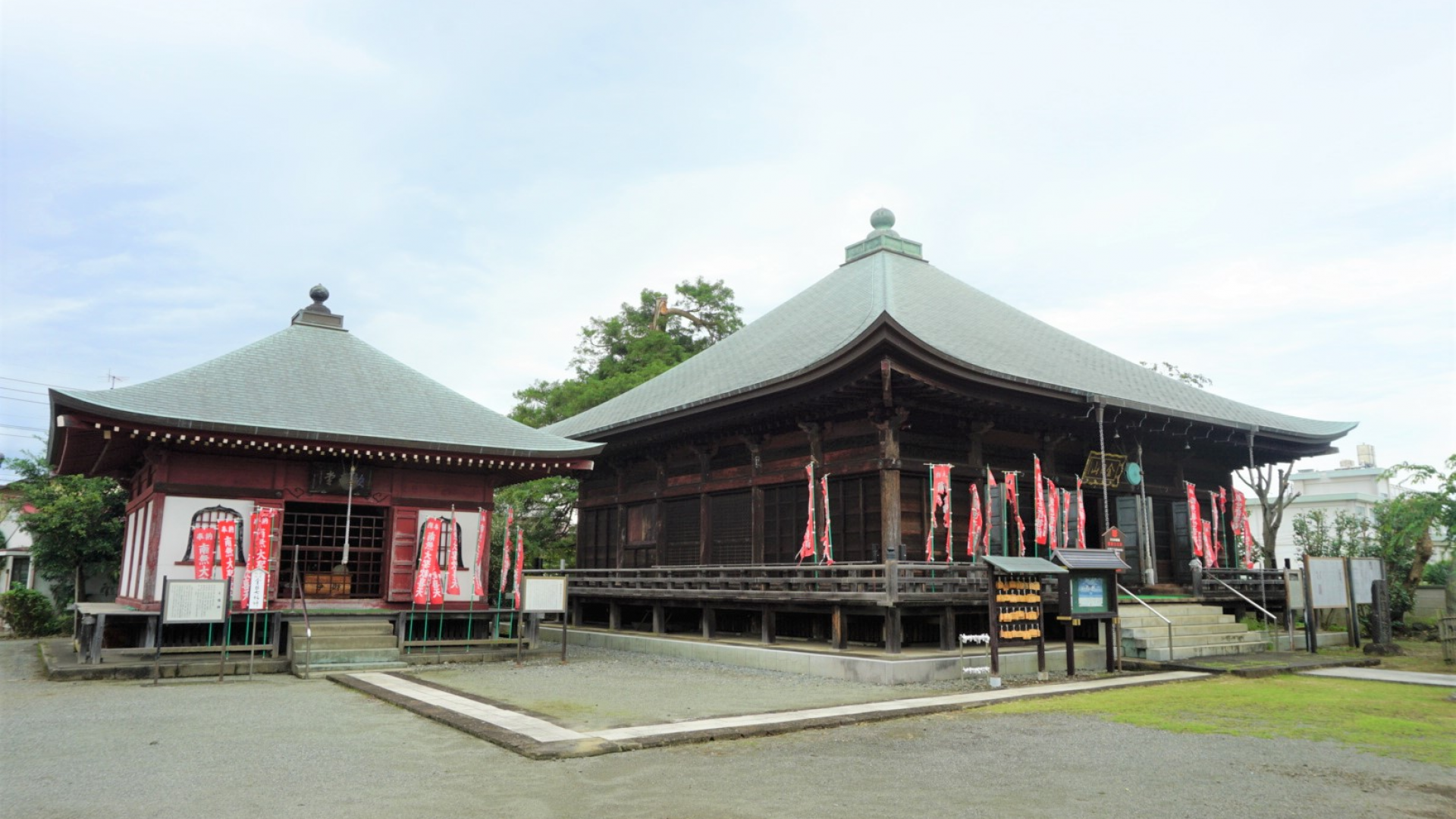
The temple enshrines Yakushi Nyorai, known as the Buddha who saves people from illness, injury, and other suffering. In particular, the dumplings served on the temple fair, also known as "omedama-san," are said to be beneficial for eye diseases. There are many cultural assets on the temple grounds, including the Yakushido Hall, camphor tree, and bronze bell. The current Yakushido was reconstructed in 1758, but the raigo-hashira (pillars that surround the kitchen) are the same as those used when the temple was rebuilt in 1584. It is written in the Shinpen Sagami-no-Kuni Fudoki Manuscript that the earlier building was destroyed by fire during the attack on Odawara Castle by the Takeda clan in 1569. The temple is open to the public once every 60 years on the Kanoetora anniversary of the opening of the main sanctuary. The next one will be in 2070.

Temples & Shrines Tokaido Koshu kaido KANAGAWA
Eria YOH

Eria YOH

Eria YOH is a healing space surrounded by olive trees in the Yamate area of Yokohama. The Chinese cooking world champion displays the traditional skills of Chinese cooking to deliver numerous wondrous and delicious foods comprising new sensations. Please enjoy a gorgeous time that features cuisine accompanied by Japanese seasonal vegetables together with Eria YOH’s hospitality in a superlative space with sunshine filtering through the foliage of a garden with around 50 fully grown olive trees.

Eat & Drink Tokaido Koshu kaido KANAGAWA
Daigomado, Hall for the Goma Fire Ritual (Nikko-zan Rinno-ji Temple)

Daigomado, Hall for the Goma Fire Ritual (Nikko-zan Rinno-ji Temple)

This dedicated hall for prayer was constructed in 1998 to fulfill the wishes of many worshippers, making it the foremost Goma prayer hall in Nikko. In this esoteric Buddhist ritual, your prayers are conveyed to the Buddha through sacred fire. Goma prayers are performed daily and are open to all. They offer various benefits such as domestic tranquility, physical health, and prosperity in business. In the inner sanctuary of the Great Goma Hall, the principal image is the "Five Great Kings", surrounded by 30 statues of Buddhas and ancestral masters, including the "Seven Lucky Gods" and the "Twelve Heavenly Generals." Additionally, on the ceiling, you can find a magnificent painting of a "Great Ascending Dragon" that took two and a half years to complete. Why not make a wish and participate in this sacred ritual as a memorable part of your journey?

Nikko kaido Oshu kaido TOCHIGI
Meiji-No-Yakata

Meiji-No-Yakata

Meiji-No-Yakata is a restaurant remodeled from a villa built by an American merchant during the Meiji period (1868-1912). Japan at that time was just beginning to be introduced to Western culture. At the restaurant, you will see the fusion of Japanese and Western culture. The stone wall technique, used in construction of Japanese castles, was used to build the villa, and its interior was adorned with Western decor. Today, these features make the restaurant building very tasteful. Signature dishes are hamburger steak, omelet and rice (“omurice”), and hashed beef and rice (“hayashi rice”), which are all popular home-cooked dishes in Japan. The chef turns these dishes into masterpieces that you can experience only at Meiji-No-Yakata. Other strongly recommended dishes are multi-course meals featuring choice “Tochigi” steak using locally produced Tochigi Wagyu. Enjoy a relaxing dining experience in a classic atmosphere at Meiji-No-Yakata, a building selected as a cultural property, that transcends time and space.

Nikko kaido Oshu kaido TOCHIGI
Utsunomiya Light Rail

Utsunomiya Light Rail

The Utsunomiya Light Rail (LRT) officially opened on August 26, 2023. From JR Utsunomiya Station to Haga-Takanezawa Industrial Areas, this railway connecting important spots in the eastern of the city. The tram has became an indispensable transportation for Utsunomiya’s sightseeing.   LRT’s born The Utsunomiya LRT is the first time in Japan constructed as a new railway line without expanding or improving the existing railway line since 1948.   The LRT is currently running the HU300 model, which is a next-generation tram made by Japan’s advanced technology. There are now 19 stations on the line.   Rides and Tickets LRT accepts IC cards and cash. You can use such as Suica, PASMO and ICOCA cards here. To ride with IC card, just touch your card at the green sensor near the door when you get on the tram, and touch the yellow sensor when you get off.   If you ride with cash, you need to take a ticket at the platform before you boarding the tram, and you only can get off through the front door. Put the ticket and cash into cash box before getting off. The cash box can exchange for coins, but only accept 1,000 yen bill.   Depending on the distance, tickets for adults range from 150 to 400 yen, and 80 to 200 yen for child.

Nikko kaido Oshu kaido TOCHIGI
Katayama Shuzo “Sake Brewery Tour”

Katayama Shuzo “Sake Brewery Tour”

Katayama shuzo is a family run company from 1880 in Nikko. What particularly interesting is they use a traditional machine to make sake as shown here. The machine is called a "Fune" they use this machine to press the sake bags squeezing out sake. This technique takes a lot of time & labor. Exactly, they can make a distinctive flavor of sake. The owner and staffs are very friendly. Please make a reservation in advance, and come & visit. *English guided tour / max 30 person *Reservation required (by phone, e-mail)

Nikko kaido Oshu kaido TOCHIGI
Nasu Heisei-no-Mori Forest

Nasu Heisei-no-Mori Forest

Nasu Heisei no Mori is a forest park that was originally part of nearby Nasu Imperial Villa. The forest opened to the public in 2011 as part of Nikko National Park. Nasu Heisei-no-Mori Forest consists of two areas: the Forest Recreation Zone and the Forest Learning Zone. You can stroll freely through the forest. There are three loop trails in the Recreation Zone. The longest, about 3 kilometers, leads to the Komadome Waterfall Observation Deck. At Nasu’s Komadome Waterfall, the scene created by the dynamic, seasonal landscape of the mountains and the contrast of the waterfall’s stunningly clear, blue water is simply breathtaking. In contrary, entering the "Forest Learning Zone" is limited to people with guide reservations in advance, but is definitely a valuable experience, since a guide will walk you through the forest while providing you interesting knowledge about the surrounding nature. During the winter months when the Forest Learning Zone is closed to the public, the Field Center offers guided snowshoe walks through the Recreation Zone.

Nikko kaido Oshu kaido TOCHIGI
Mitsuzawa Park

Mitsuzawa Park

Opened to the public in 1949, this sports park has been the site for national sporting events and the Tokyo Olympics. Along with Nippatsu Mitsuzawa Stadium, where J.League and Rugby Top League matches are held, and the JAAF (Japan Association of Athletics Federations) certified class 2 track stadium, this park has a wide variety of sports facilities including tennis court, horse riding area, Hiranuma Memorial Gymnasium, Kanagawa prefecture sports center.

Experience & Activities Tokaido Koshu kaido KANAGAWA

Strawberry House Ebina

Strawberry House Ebina

Savor the taste of up to 10 strawberry varieties (depending on growth conditions)! Advance reservations are required and can be made via the website. The elevated cultivation system allows for standing strawberry picking, with wide aisles accessible for guests with strollers or wheelchairs. A kids' play area is also available so families with young children can relax. Come taste the sweet deliciousness of perfectly ripened strawberries grown right here in Ebina!

Experience & Activities Tokaido Koshu kaido KANAGAWA