

Greater Tokyo

See & Do

reset
Nantaisan Tohai Kosha Taisai (Mt. Nantai Climbing Festival)

Nantaisan Tohai Kosha Taisai (Mt. Nantai Climbing Festival)

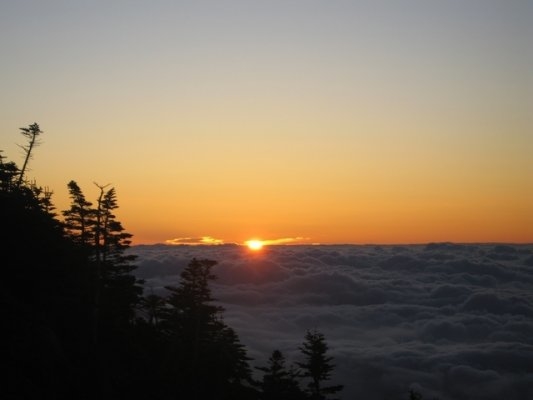
Climbing Mt. Nantai, a Sacred Site in Nikko The Tohai Kosha Taisai is the largest festival of Futarasan Jinja Shrine Chugushi, and has been held continuously for over 1,200 years since the late Nara period. Deeply rooted in the worship of Mt. Nantai, the festival takes place annually from July 31 to August 7. During this period, many visitors climb Mt. Nantai to pay their respects. In addition, pilgrims can climb Mt. Nantai at night during the festival. This allows climbers to reach the summit and witness the sunrise. At the shrine office, participants can receive items such as amulets, climbing certificates, sacred water, and coffee. Every year, around 2,000 climbers gather at night for this event. Before dawn, they set out, reaching the summit at around 4:40 a.m. to witness the rising sun. The sight of the glowing sun emerging from behind the sea of clouds is a truly awe-inspiring spectacle. The festival continues with rituals and ceremonies at the mountaintop.
Nikko kaido Oshu kaido TOCHIGI
Roadside Station Mashiko

Roadside Station Mashiko

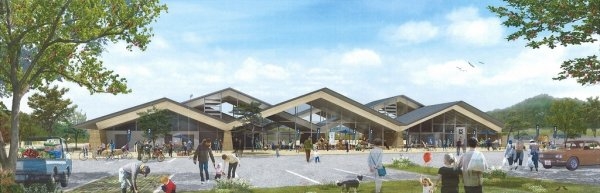
Roadside Station Mashiko(Michi-no-Eki Mashiko)  is a roadside station offering fresh local produce and local products and crafts at the “Mashiko-no-Marche” as well as reasonably-priced lunches with freshly picked vegetables at the “Mashiko-no-Gohan” restaurant. The information centre “Concierge” provides information on tourism, special exhibitions and workshops, along with advice on moving to the town and booking rental space. Please find more information on their website.

Nikko kaido Oshu kaido TOCHIGI
Isoyama Benzaiten Shrine, Izuruhara Benten Pond (Isoyama Park)

Isoyama Benzaiten Shrine, Izuruhara Benten Pond (Isoyama Park)

Izuruhara Benten Pond, the source of the Izuru River, is designated a Prefectural Natural Treasure and was selected as one of the nation’s clearest water sources by the Ministry of Environment. Take a look down into the transparent water and you will find Koi fish with sparkling scales swimming gracefully over swaying water plants. Samples of the pristine water are available to take home from the neighbouring Ichinokan hotel. Be sure to take a close look at the main building of Isoyama Benzaiten Shrine. Reconstructed in the Kamakura period (1185-1333), this cultural property is constructed without nails and displays the beauty of traditional Japanese architectural methods. Isoyama Benzaiten (nicknamed Fuzai) is a goddess of music, arts and knowledge and is one of seven lucky Sano gods built here in 948. The Benzaiten Shrine was moved here at the request of “Suisha-ko”, a group of devout local worshippers.

Nikko kaido Oshu kaido TOCHIGI
Furukawa Ashio History Museum

Furukawa Ashio History Museum

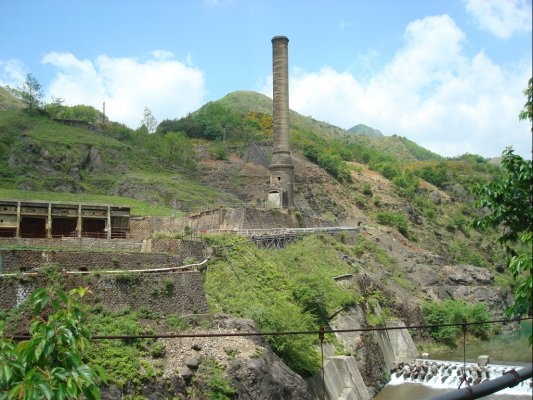
Overview of the Furukawa Ashio History Museum Ashio Copper Mine is one of the most important copper-producing sites in Japanese history. Discovered during the Sengoku period (1550), it was later mined under the direct control of the Edo shogunate. It once served as an essential source of material for Kan’ei Tsūhō, the currency of the time. As output later declined, the mine was taken over by the Furukawa family during the Meiji period. Due to advances in technology, new ore veins were found, and under the then national policy of enriching the country and strengthening the military, the mine prospered, making the Furukawa family magnates of the mining industry.   The Furukawa Ashio History Museum tells the stirring story of that industrial dawn. In addition to models of the Ashio Mining Office and stories of successive managers, it also exhibits the various tools used by miners in those days, recounting the history of the Ashio area.

Nikko kaido Oshu kaido TOCHIGI
Okukinu Onsen

Okukinu Onsen

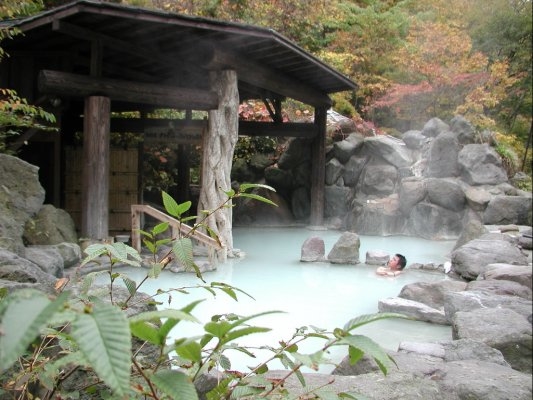
Hidden away in primeval forest, this Onsen is known as the last secret hot spring in the Kanto region. Four hot-spring facilities (Kaniyu, Teshirosawa, Nikkosawa and Haccho-No-Yu,) can be found here. Car traffic is restricted to the Onsen-kyo amidst the ancient beech woodland. Visitors can take pickup services arranged by inns or walk about 90 minutes to get there. At the moment two inns offer pickup services, and three inns (not Teshirosawa Onsen) are open to day visitors. Take your time to relax and unwind in these hidden hot spring villages.

Nikko kaido Oshu kaido TOCHIGI
Riviera Zushi Marina

Riviera Zushi Marina

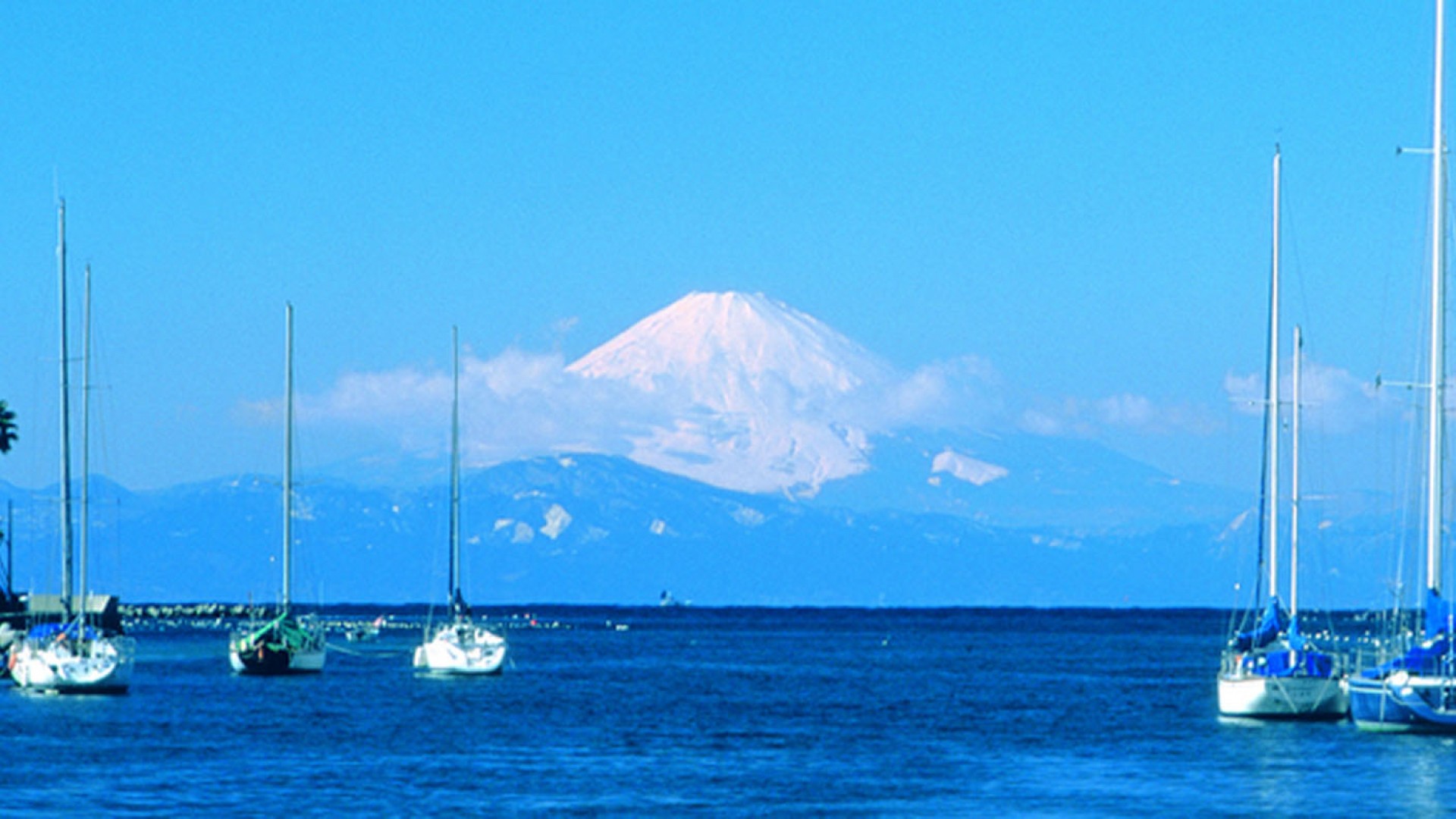
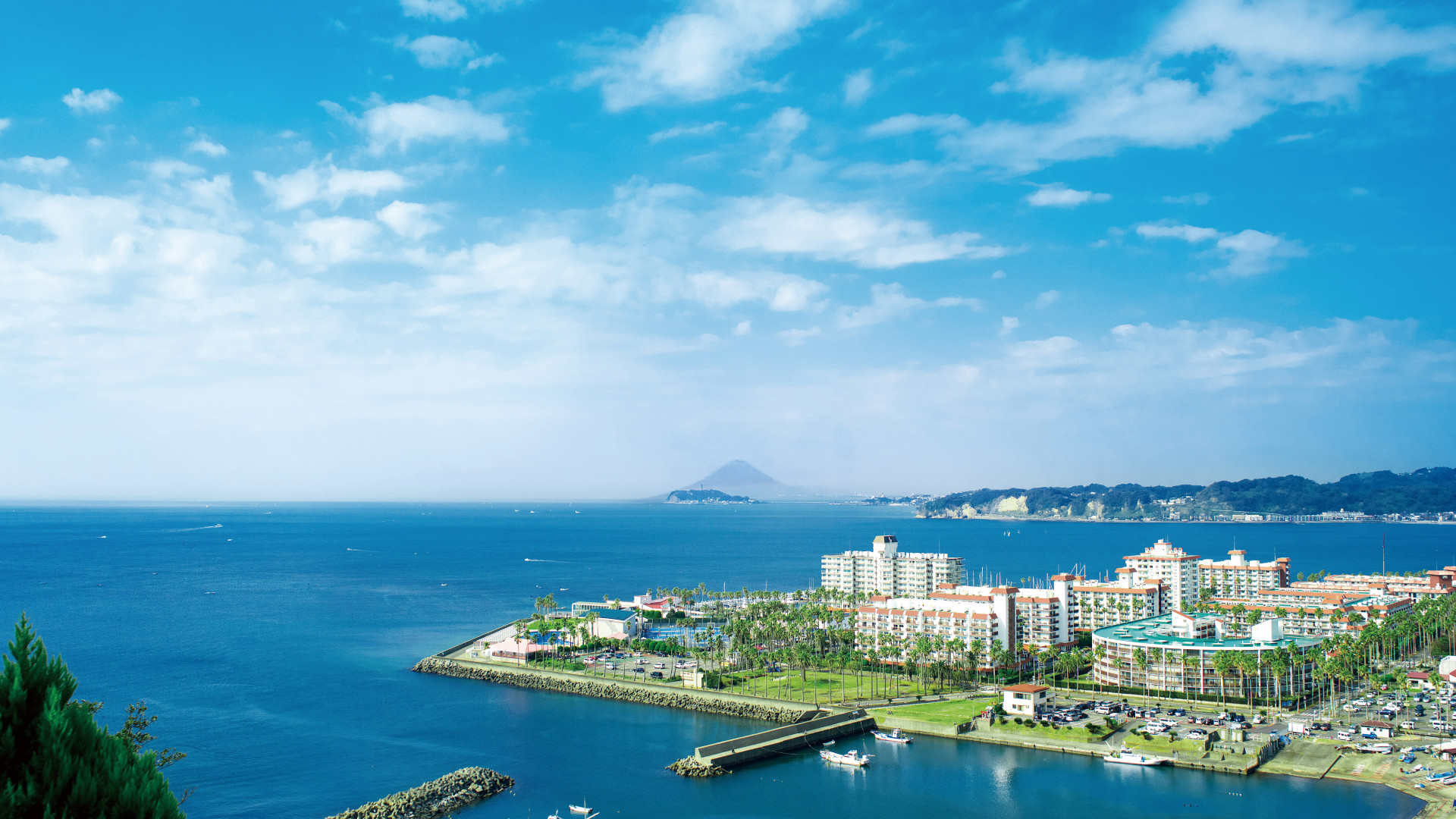
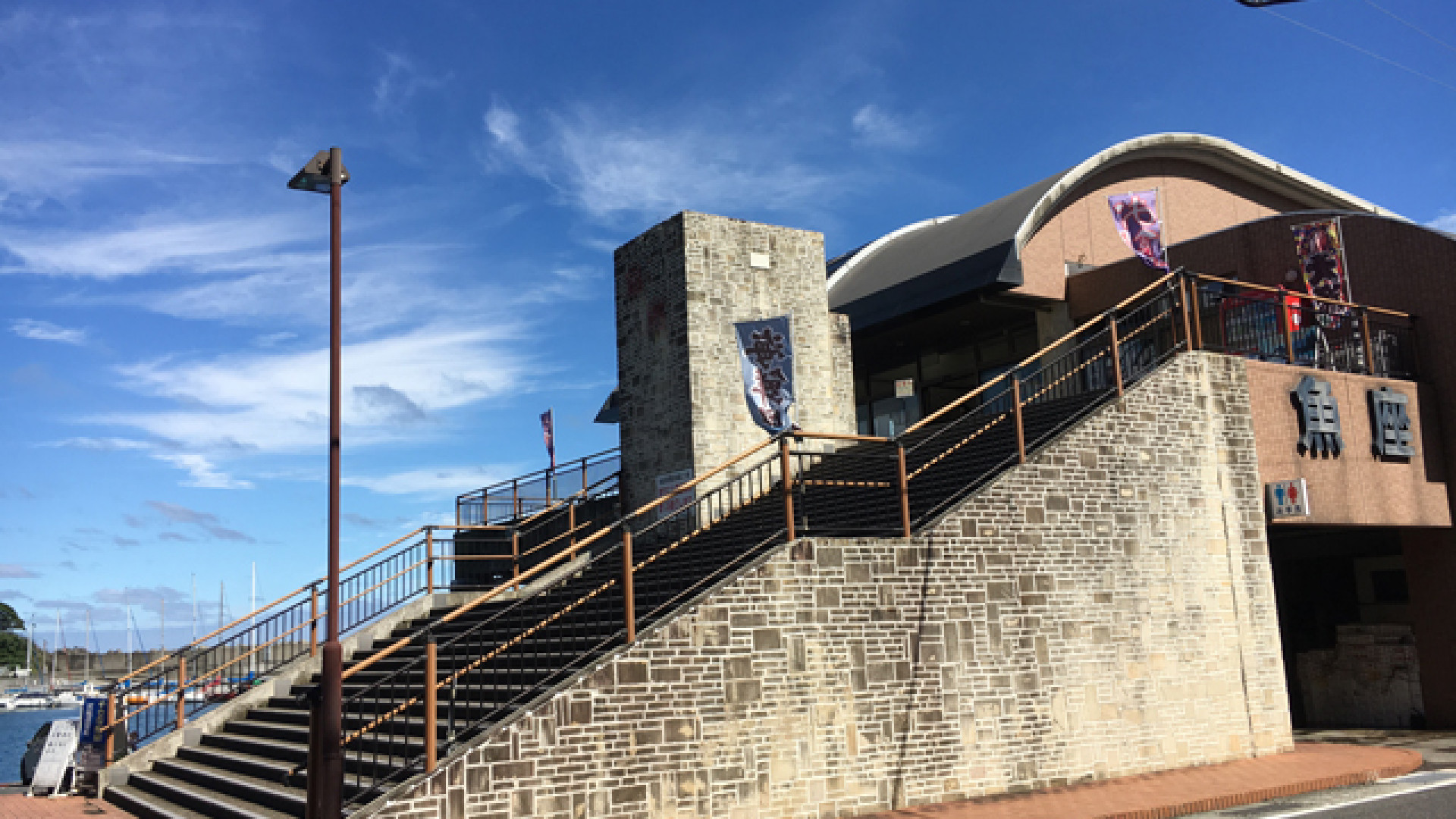
The Riviera Zushi Marina, established in 1971 as one of Japan's leading marinas, is located approximately 60 minutes from central Tokyo and is an "Luxury Resort in Shonan" with a yacht harbor, hotels, restaurants, event venues, banquet facilities, resort apartments, tennis courts, stores, and other facilities on 41 acres of land. The marina, with 900 palm trees and luxury cruisers and yachts docked, offers an extraordinary view of Mt. Fuji and Enoshima, making it a popular filming location for movies and other productions. The area is also eco-friendly, with numerous environmental initiatives undertaken since 2006.Luxurious resort stay in Shonan, overlooking the sea and Mt.FujiThe Malibu Hotel, located at the Riviera Zushi Marina, is a small luxury hotel. All rooms offer magnificent views of Mt. Fuji and Enoshima and guests can enjoy activities such as private charter cruises on the Shonan Sea and relaxing spa treatments, allowing you a luxurious escape where you can relax free from time constraints. Our menu offers a complete dining experience, incorporating locally produced and consumed ingredients such as fresh seafood straight from Sagami Bay and local vegetables from Shonan. Enjoy a special moment where your mind and body will be healed by the beautiful scenery of Shonan and this sophisticated space.Early Morning Sightseeing

Experience & Activities Tokaido Koshu kaido KANAGAWA
Taya Cave, Josenji Temple

Taya Cave, Josenji Temple

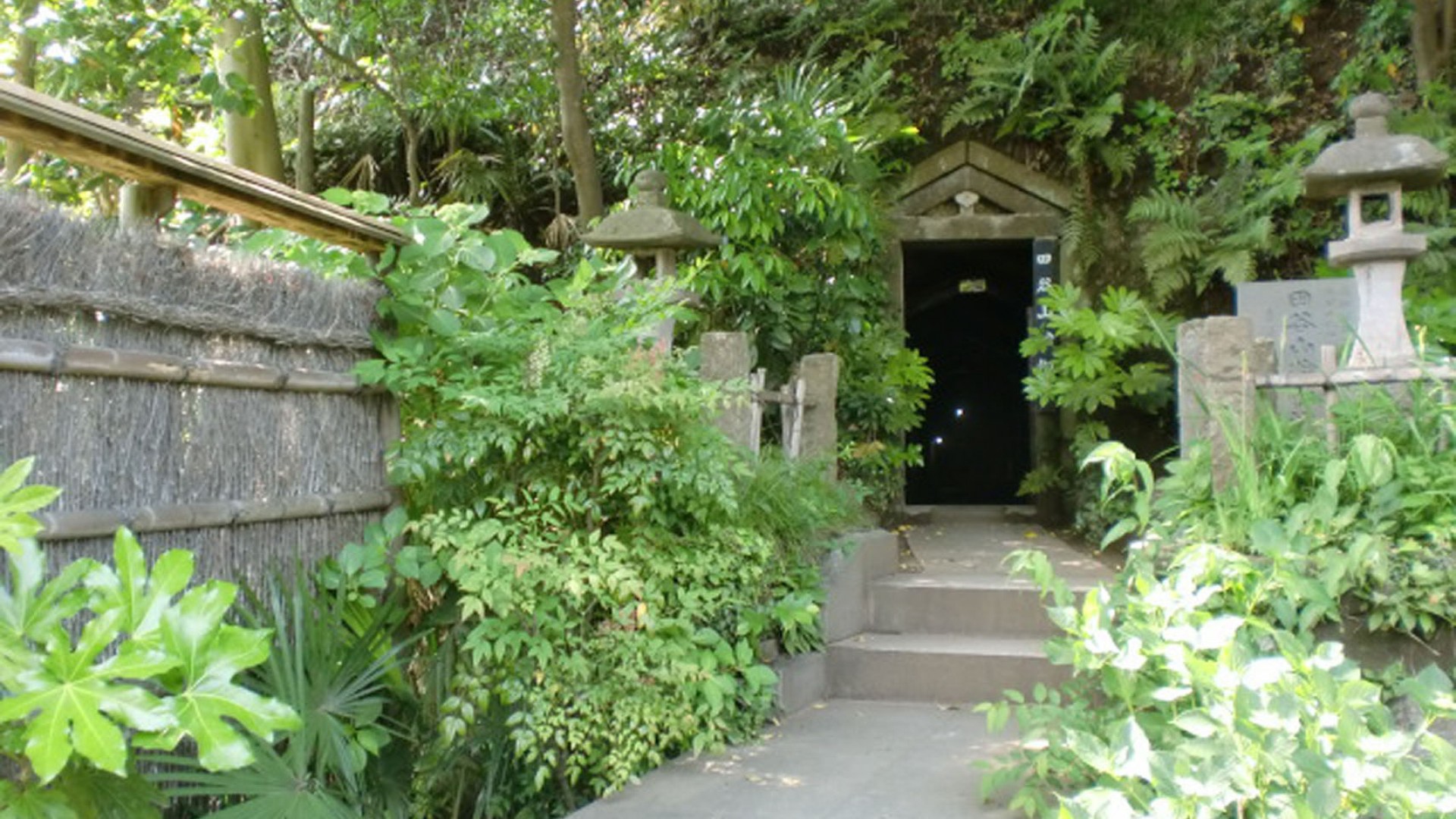
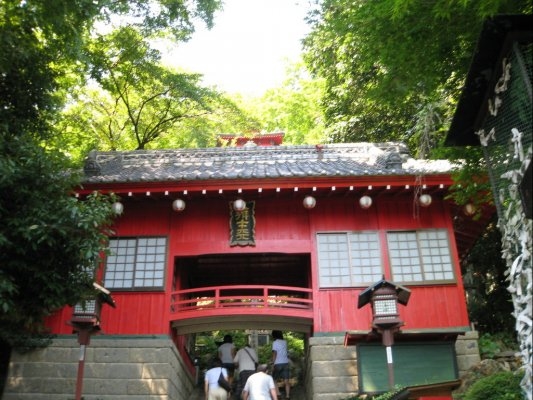
Taya-no-dokutsu (Taya Caves), located within the precincts of Josen-ji Temple on Mount Taya in the Daikaku-ji School of Shingon Buddhism, is officially called Yugado, a man-made cave dug by Buddhist ascetic monks for pilgrimages to sacred sites in Shikoku, Saigoku, Bando, and Chichibu. Josenji Temple was built in the first year of the natural calendar (1532) by high monk Takatsugu, a pupil of the highest ranking priest, Kaigen, a monk of Soshoin, a 25-bo temple in Tsurugaoka. But the cave in Taya is said to have been opened even earlier, in the Kamakura period, as a place for practicing esoteric Shingon Buddhism. Since then, from time to time the cave has been expanded and now measures 570m in actual size. The cave has three levels, upper, middle, and lower, with 17 large and small spaces connected by passageways, with walls and ceilings carved with mandalas, eighteen arhats, and Buddhist stories by Doshin Karukaya.Experience a historic Buddhist meditation cave with many beautiful wall carvings and murals. Explore the cave with a candle in hand, while entering different chambers including the meditation hall for a true spiritual experience.

Temples & Shrines Koshu kaido Tokaido KANAGAWA