
Miura Guest Houses
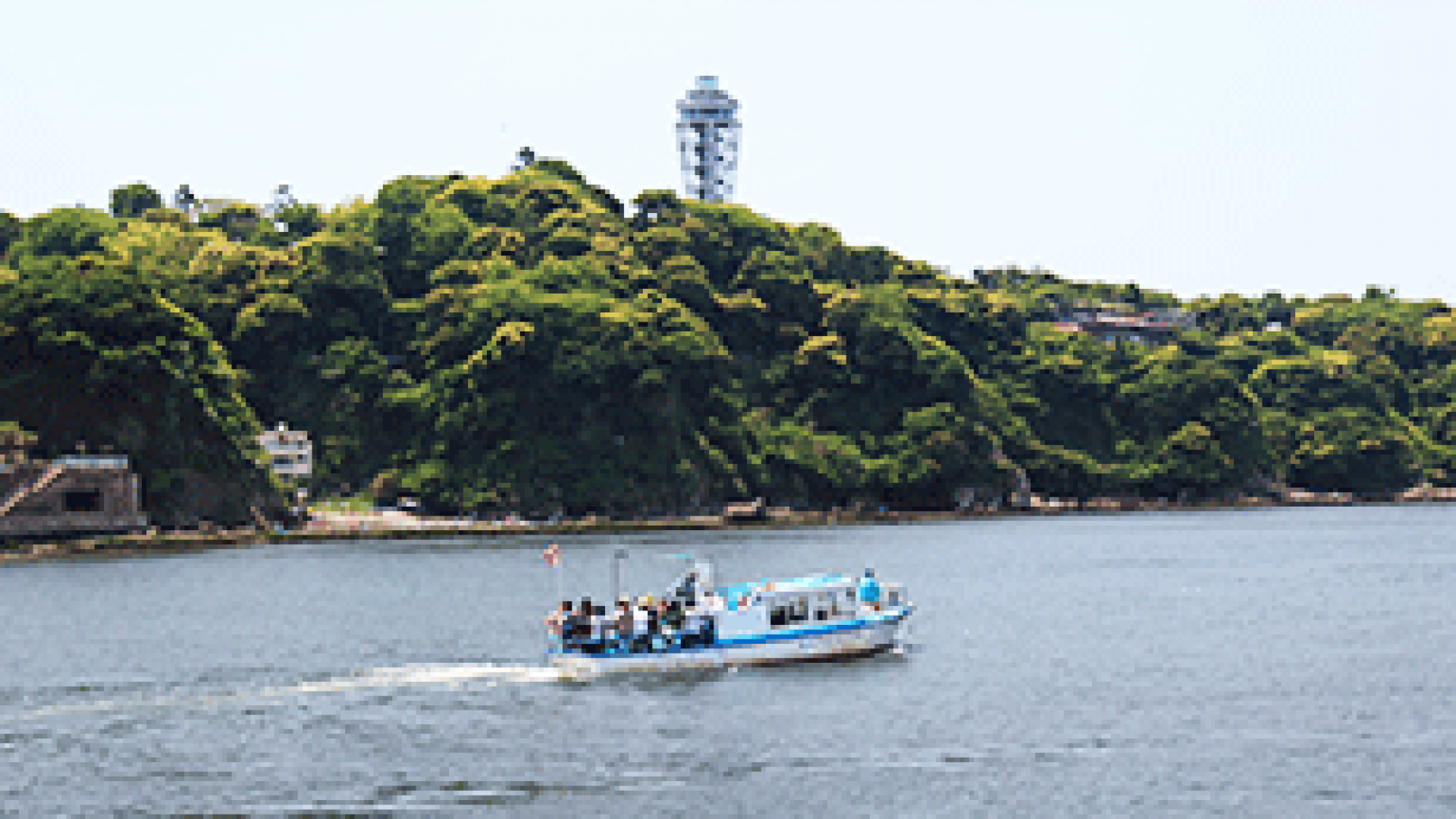
You can find a lot of guest houses in Miura City. Dishes made with fresh seafood, especially tuna, are very popular here.
Total: 1715 items
You can find a lot of guest houses in Miura City. Dishes made with fresh seafood, especially tuna, are very popular here.
Yokohama is full of stylish photospots for hakama outfits. In just 1-10 minutes, you can walk from our shop to Yokohama tourist attractions like the Yokohama Red Brick Warehouse, Yamashita Park, Yokohama Chinatown, and Osanbashi International Passenger Terminal. We offer approximately 80 hakama-specific kimonos in various colors and patterns for you to choose from. Hakama come in five classic colors (crimson, purple, green, navy, black), plus embroidered, pastel, and gradient designs. Lace-up boots, bags, and frilled parasols are also available for free rental.
Sojiji is the headquarters of the Soto sect. The steel-reinforced concrete gates at the entrance is Japan’s largest. The Nio (two Deva kings) that is modeled on Kitano Umi (Sumo wrestler) is standing inside.
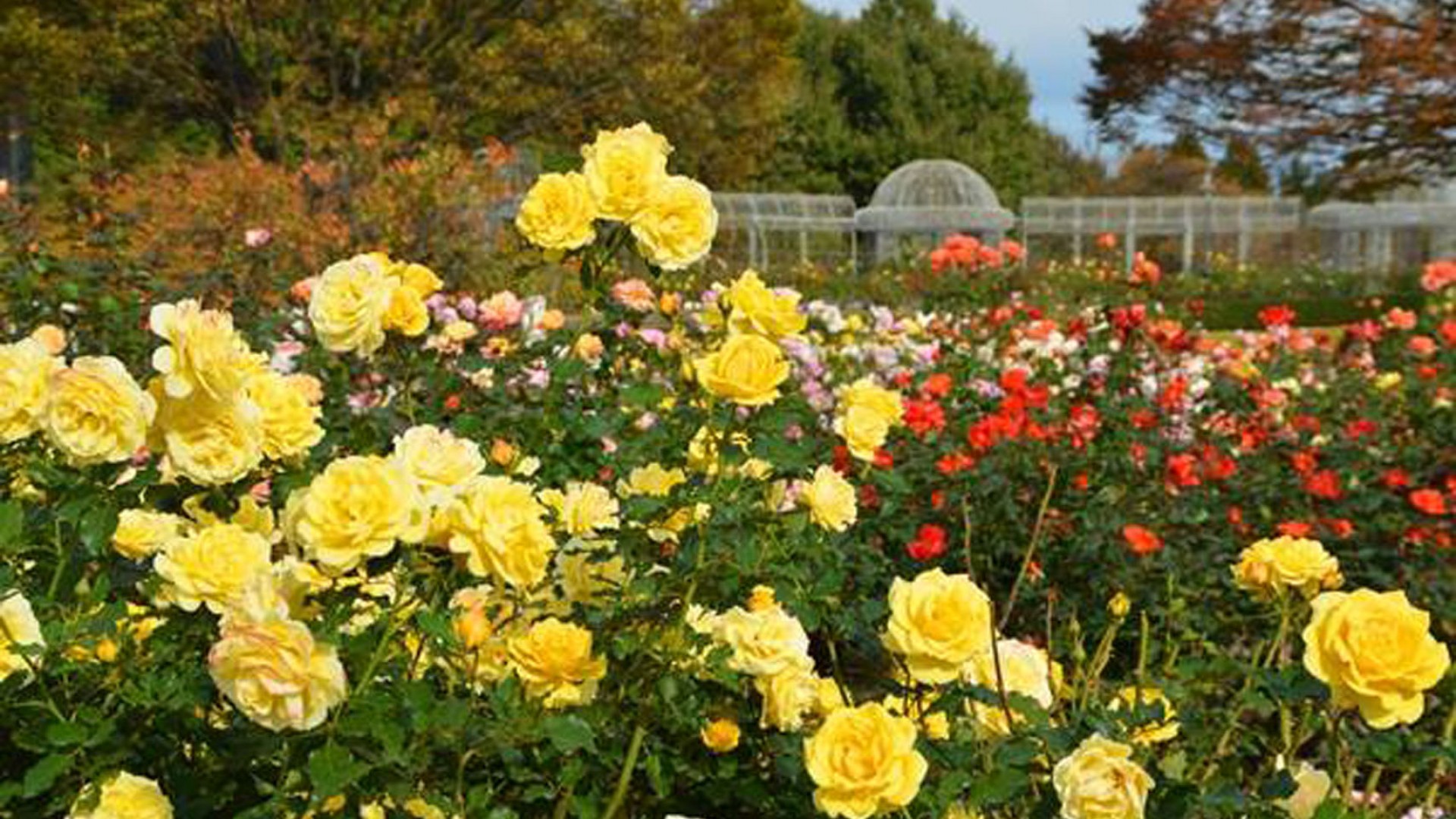
The Yokohama English Garden is an English-style garden decorated with a variety of flowers, trees, and plants, with roses, the flower of Yokohama City, as a main motif. From late April to May, 2,800 roses of around 2,200 varieties bloom, with the 50m-long rose tunnel being a sight to behold. Come enjoy near 300 varieties of hydrangeas bloom in June, more than 30 varieties of cherry blossoms in spring, and the garden's signature roses in autumn.
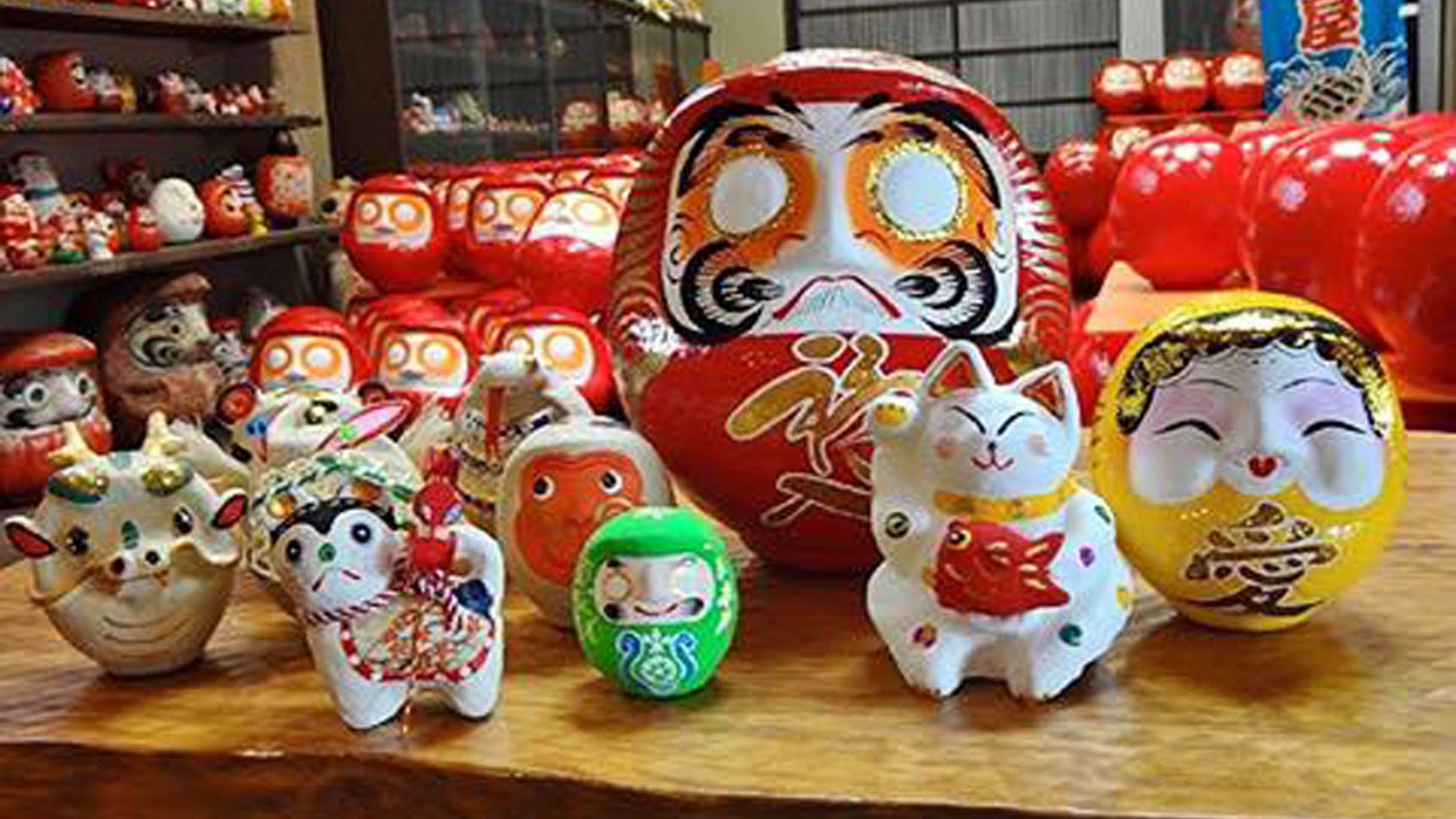
Hiratsuka city is known for its specialty craft, "Soshu Daruma". Arai Daruma Store has continued to handcraft these daruma one by one, preserving traditional techniques of production. You can also experience Daruma painting and coloring here.
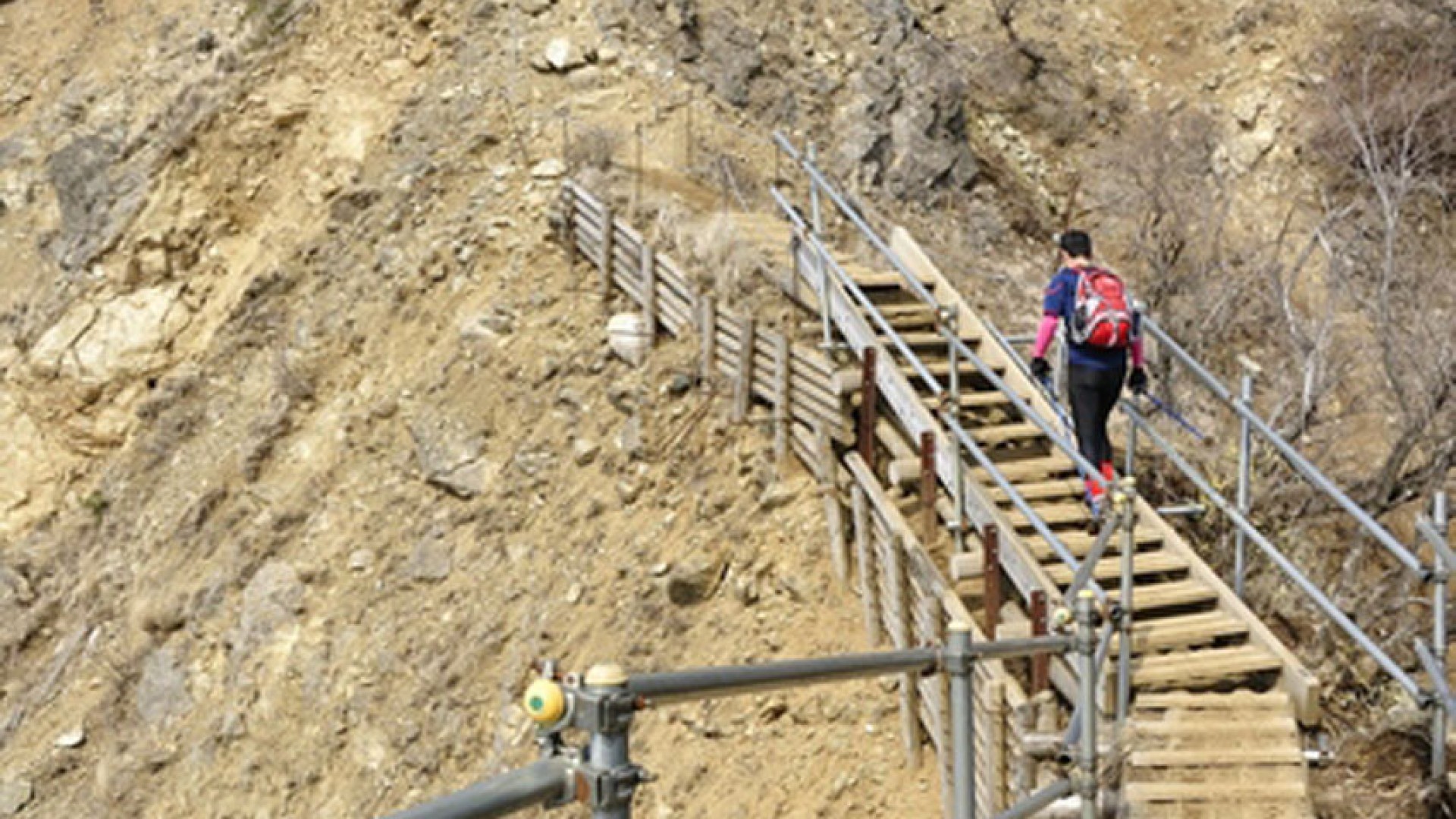
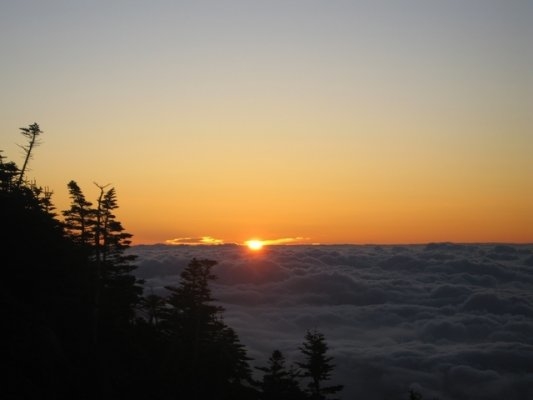
A 1,122 meter high mountain nestled within the Tanzawa Omote Ridge. One possible explanation for its name is a legend handed down through Karako Shrine, found at the foot of the mountain in the village of Yokono. It claims that long ago, a god flew from the Tang Dynasty of ancient China to hand over a statue of the god, as well as light three divine lanterns on a ridge that climbs from Yokono Village, with the first located at Karako Shrine and the second on a peak. It is said that the peak above it became the third light, and that "light" was transformed into a "pagoda".Please use the "Tanzawa Omote Ridge Traverse Course" as a reference and plan your hike accordingly.Early morning trekking allows you to enjoy a special experience with fewer people and clear air.
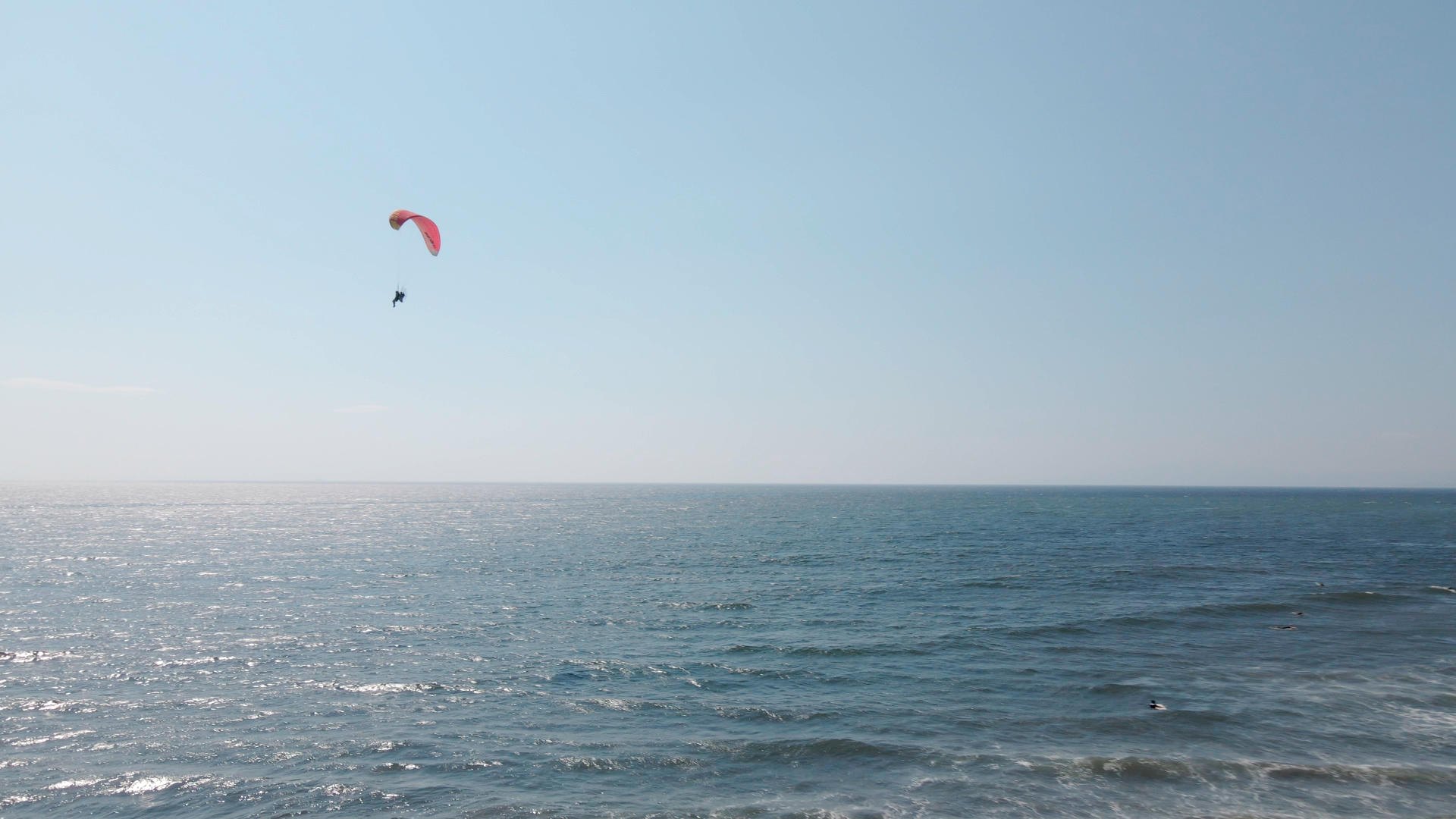
Soar over Sagami Bay and admire the seaside city of Hiratsuka with a thrilling paragliding experience hosted by Blue Air Park! This paragliding school uses motorized paragliders and pairs visitors with an experienced instructor for safe and visually mesmerizing adventures. The school offers 10- and 20-minute sessions that are suitable for people of all ages.During the experience, you will reach heights of 100 to 200 meters! The crisp winds, coupled with the expansive panoramas of the sea, the beach, and Hiratsuka’s cityscape, create an unforgettable experience. Your instructor will even snap a photo of you to immortalize the heart-pounding, yet peaceful journey.For those who desire to take to the skies, Blue Air Park in Hiratsuka is an excellent way to satisfy your inner adventurer.
The restaurant space houses five permanent restaurants and a total of 34 temporary restaurants working in rotation, with 8-10 open on any given day. In addition to an exclusive special dumpling menu, the souvenir corner offers frozen gyoza dumplings from all 35 outlets as well as gyoza-inspired sweets and goodies.
Sano yakuyoke-daishi is the popular name of this Tendai Buddhist temple in Sano City, Tochigi Prefecture. The name was made famous via TV commercials. A protective statue of the priest Ryogen is installed, so the temple has become associated with warding off misfortune. It’s one of the three main Tendai temples of the Kanto region for improving your luck, so every New Year’s Day people pour in for Hatsumode, the first prayers of the New Year."
The Tochigi Prefectural Nikko Natural History Museum, adjacent to the Oku-Nikko Information Center, provides up-to-date nature information, tourist information for Oku-Nikko, and various other guidance. The museum offers multilingual support in English, Chinese, Korean, and Thai. A highlight is the "Nature Exhibition Room," where visitors can feel immersed themselves in the breathtaking natural beauty of Oku-Nikko through state-of-the-art digital displays. Enjoy the breathtaking view of Oku Nikko's natural landscape on our large screens, featuring flowing waters and wetlands, and the creatures that inhabit them. In the forest diorama, you can experience a virtual nature observation using AR content on tablets, exploring various animal field signs and their ecology. Our humanities exhibit introduces the spiritual significance of Oku-Nikko and its history as a popular international summer resort since the early Showa period. Additionally, we offer a range of nature experience activities such as bicycle rentals and guided nature tours.
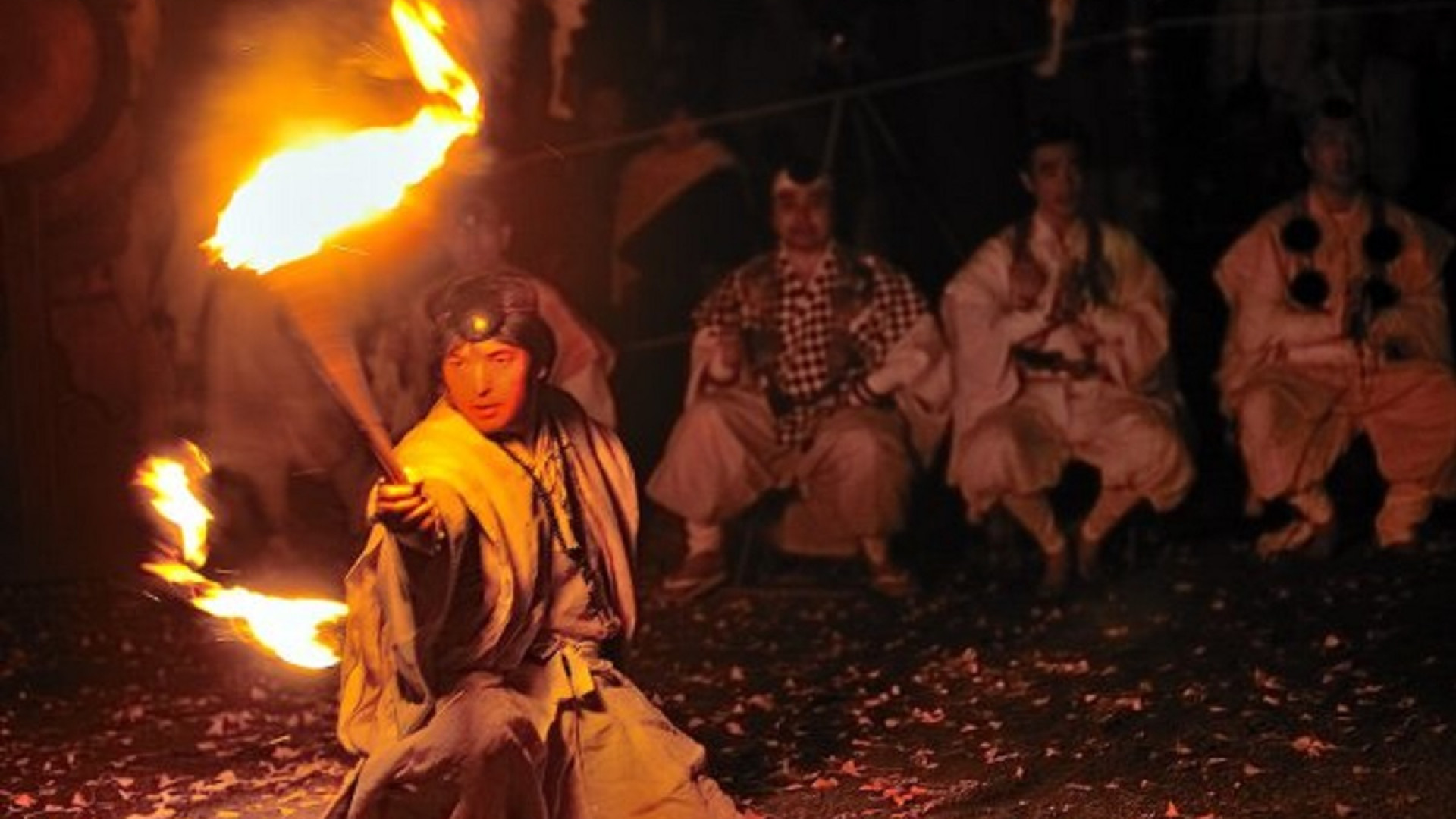
Nasu is known as the largest volcanic zone in Japan. Several large eruptions in the past have claimed many victims here. The villagers in the neighboring area started to cleanse themselves to appease the anger of the mountain, visit Nasu Yuzen Shrine, light the fire of the Avici hell and worship this as gojinka (sacred fire). This then became established as an event to pray for a bumper harvest and sound health before long. The Gojinka Festival features a parade from Nasu Yuzen Shrine to Sesshoseki by participants attired in white clothing with torches. A large torch (gojinka) is then lit to create a fantastic atmosphere. While the gojinka burns, the folk entertainment of hakumen konmo kyubikitusne drums is presented at Sesshoseki - the site of the legend of kyubinokitusne (nine-tailed fox). The general public can also participate in the torch parade which involves a walk through the dark.
This vast nature is a home of approximately 600 animals.The kingdom consists of two areas, an indoor facility called “Town” and a vast green landscape called “Farm”. Visitors love to touch everyone's favourite capybaras and alpacas. Various performances by birds and small animals are enjoyable. There are many dog-friendly areas and dog parks, so this is also a happy kingdom for dog lovers. Relax in the Onsen inside after playing a lot!
Edo is the former name of Tokyo used until the late 19th century. This theme park authentically recreates town life in the Edo period. The huge village consists of rows of merchant houses, a samurai mansion, a Ninja village and much more. The culture of the Edo period comes alive through the townspeople and events, you can even put on a costume and join in yourself! The cultural park offers a real experience of the life and culture of the Edo period via their seven theatres, museums on history and culture and even Edo-style restaurants.
It is a bridge over Sagami River which connects Ebina City and Atsugi City. Initially, it was designed to be underwater during a flood so that it could easily be rebuilt even when it was washed away. In 1996, however, it was constructed as a permanent bridge.
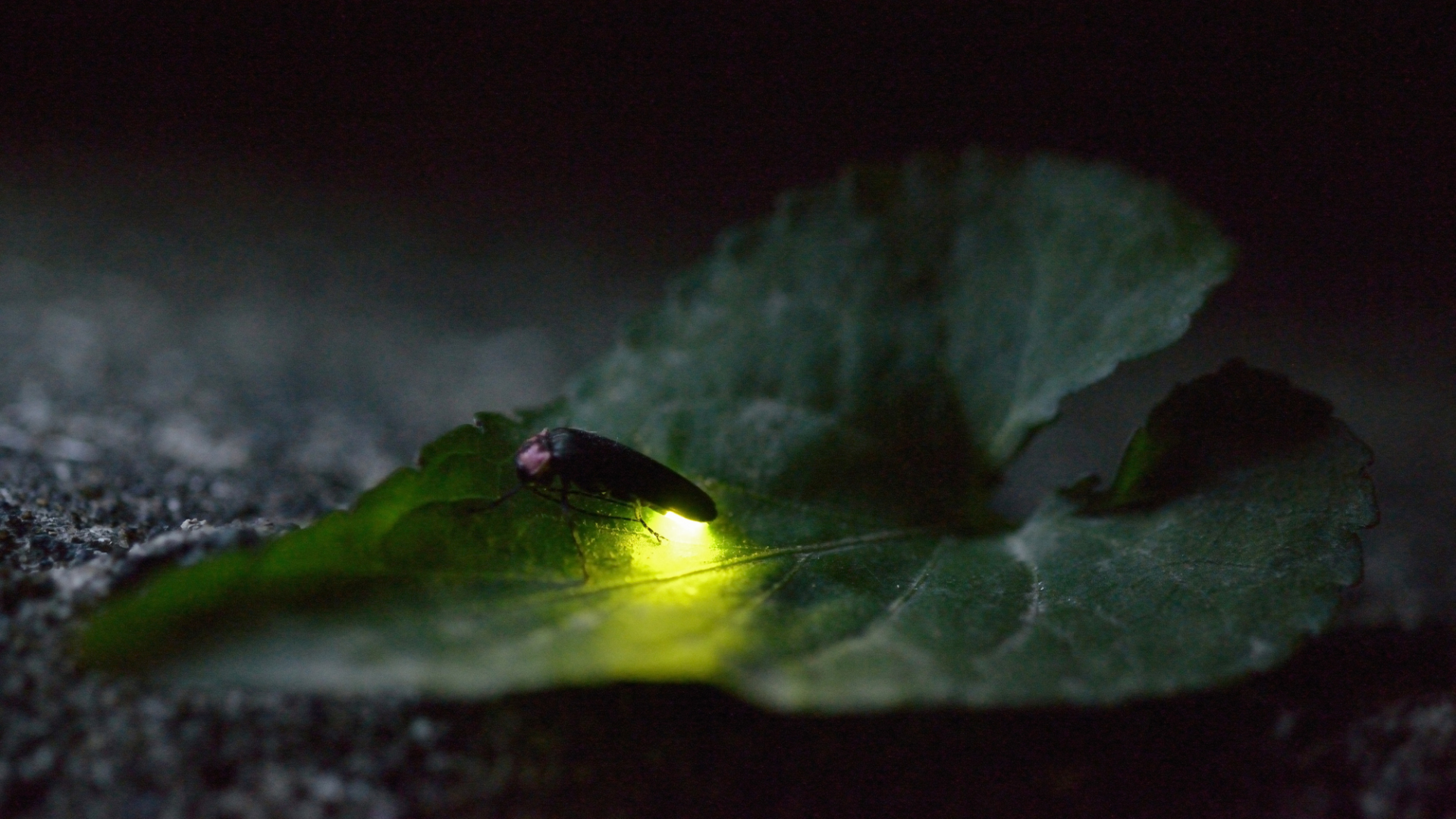
The area around the Hatsuyama district of Ikuta Ryokuchi, Tonmori Tanito, where you can enjoy the scenery of the satoyama, which includes the Tonmori river and its fireflies, rice and other farming fields.
Viewing Period: late September to early October (best time for viewing: when the equinox flowers blossom). In the Endo area of northern Fujisawa, equinox flowers grow in groups along a small river for around 3km in length. Enjoy the view of flowers surrounding you everywhere as you take a walk. On sunny days it is also an excellent spot for viewing Mount Fuji in the distance. ※Uchimodori Festival site (1,100m downstream from the Daikoku Bridge)
This classic hotel resort hotel was established in 1878 and represents Japan. Please relax and enjoy our fusion of Japanese and Western cultures.
This shop is the pride of Kanagawa prefecture, gathering specially selected products from all over Kanagawa.