

Oisojoyama Park
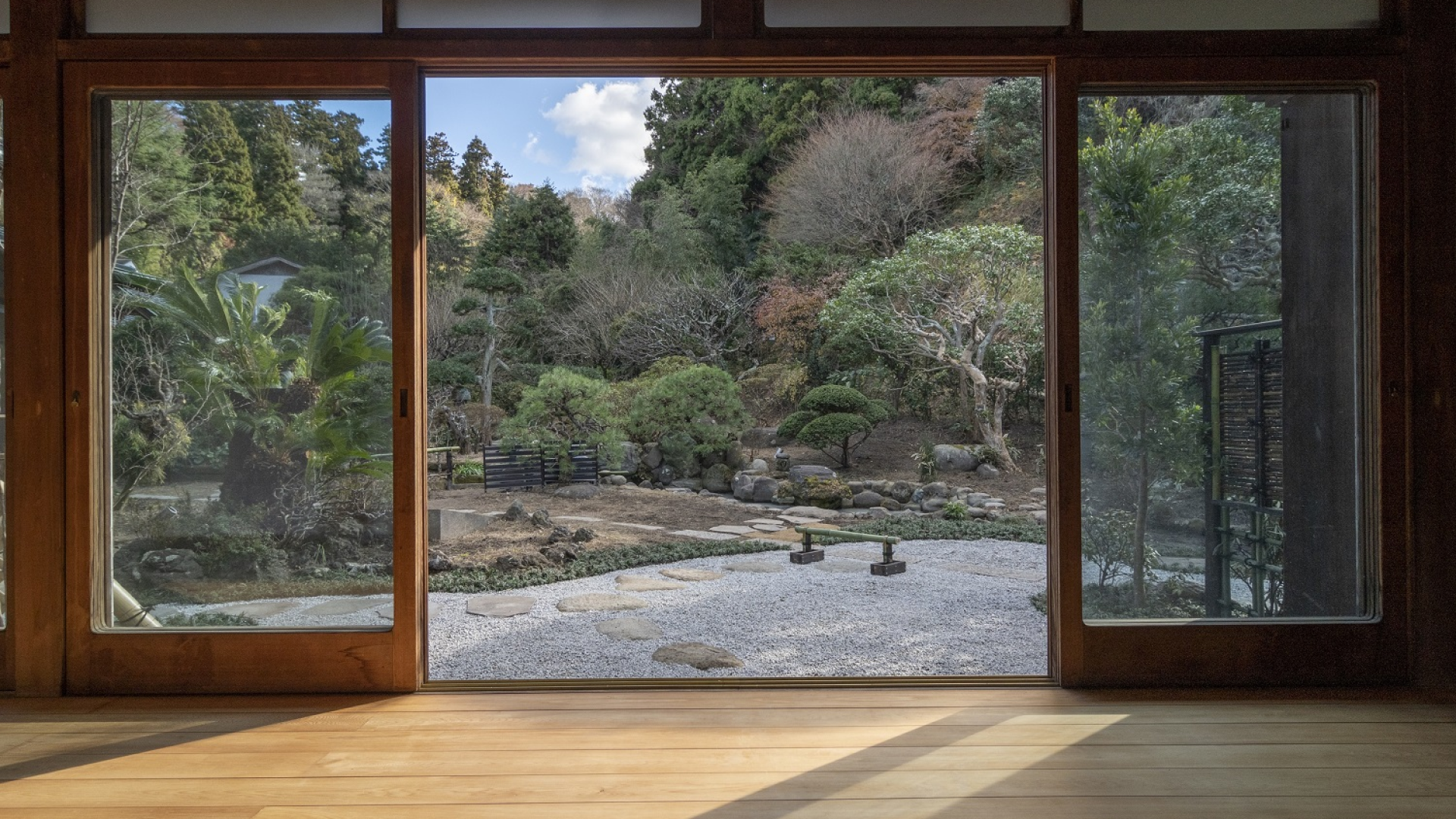
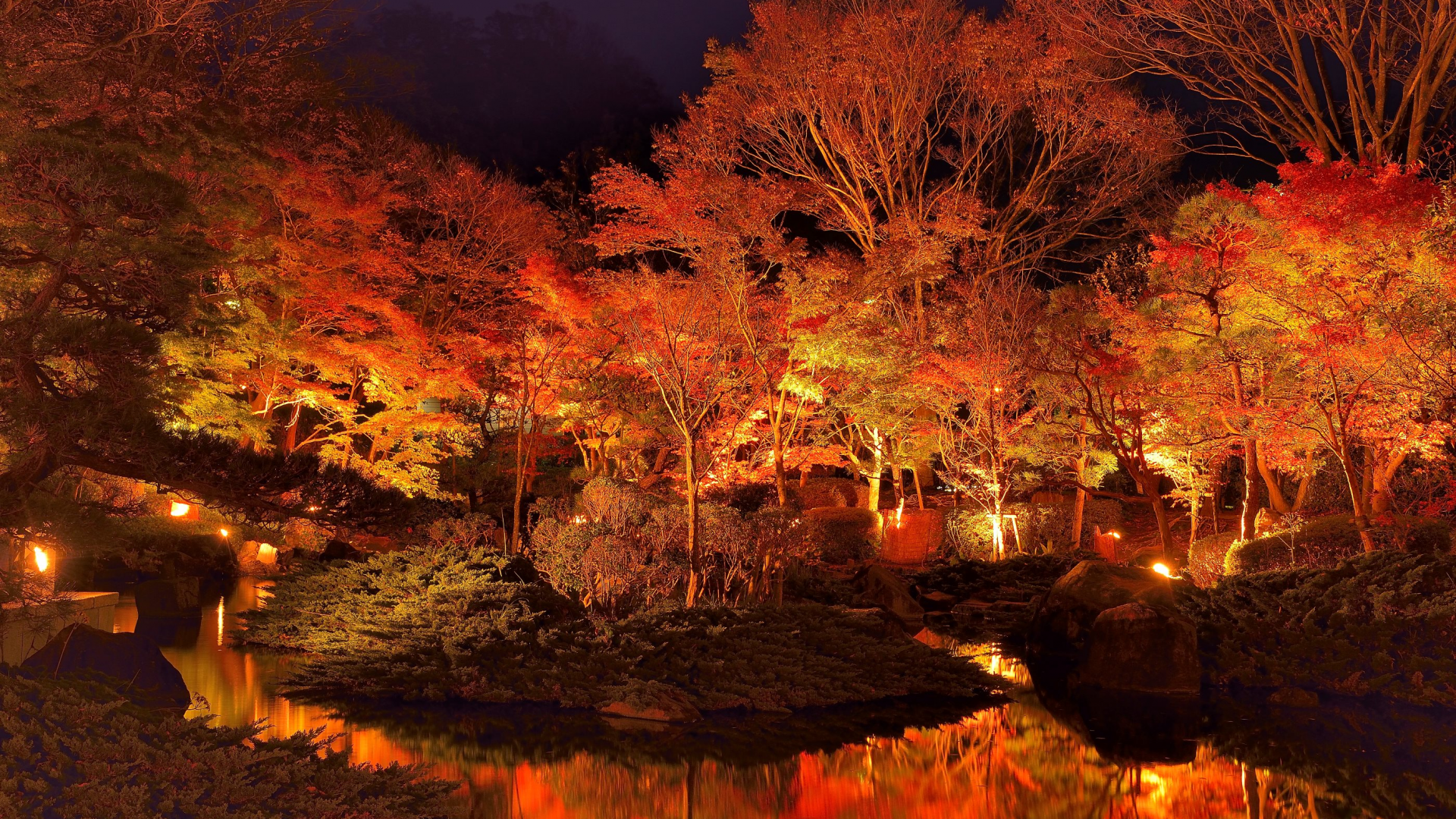
Oisojoyama Park is a park where the former Mitsui Zaibatsu owner had his villa as well as where former Prime Minister Shigeru Yoshida spent his last years.
Total: 1715 items
Oisojoyama Park is a park where the former Mitsui Zaibatsu owner had his villa as well as where former Prime Minister Shigeru Yoshida spent his last years.
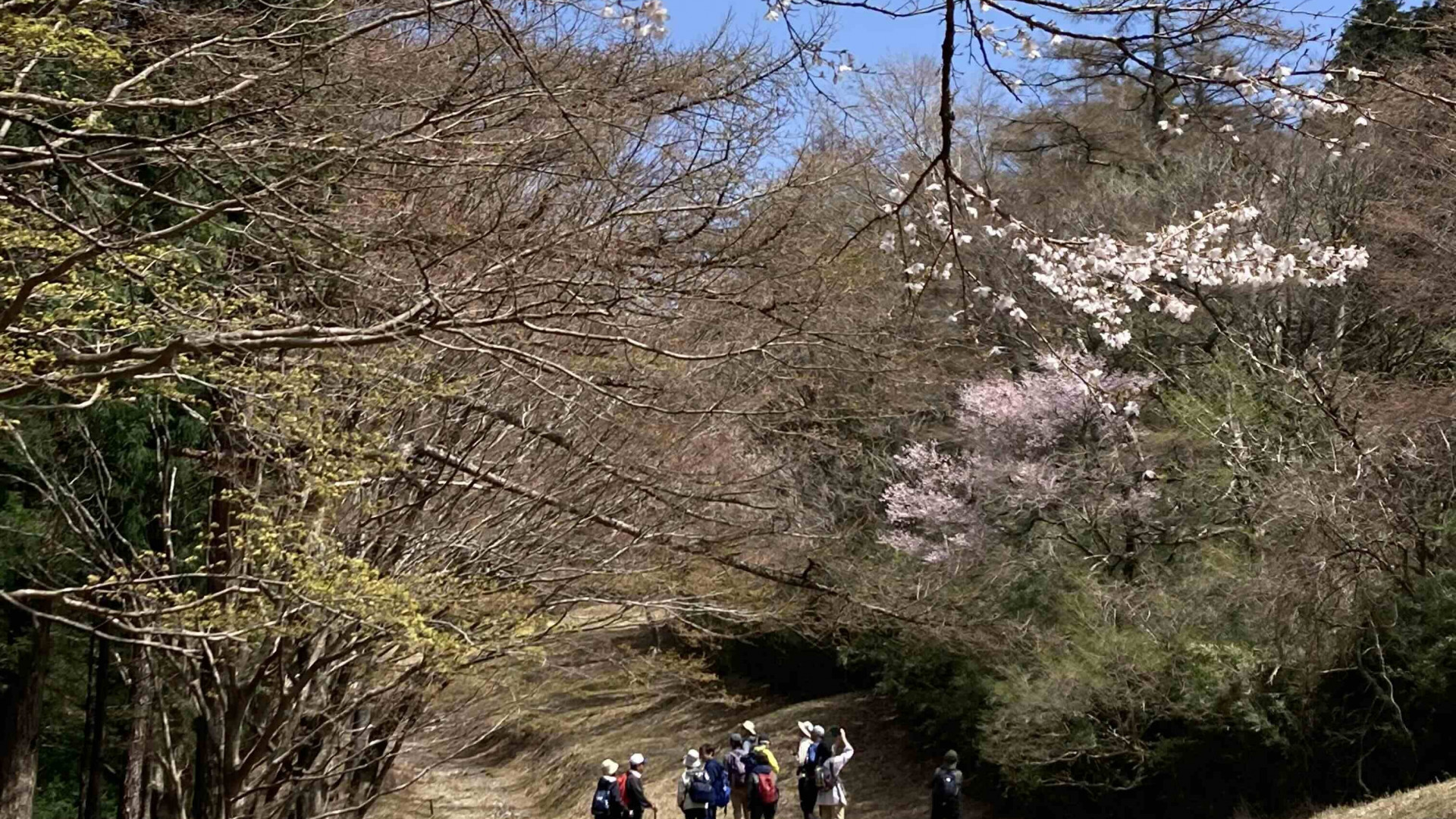
For those seeking solace in Hakone's nature, those fascinated by its terrain and history, and those eager to enjoy hiking—check out this course tailored to your personal preferences and fitness level, and adjust the course itself day-of according to weather and your physical condition.Come and experience Hakone's charm at a relaxed, leisurely pace, without overexertion. The following hiking course examples can be walked in either direction, or you can choose to walk all or just part of them.Easy:① Lake Ashi Lakeside Stroll (Hakone Checkpoint - Onshi Hakone Park - Hakone Shrine - Hakone-en Park - Kuzuryu no Mori Park - Kojiri)② Sengokuhara Grasslands Stroll (Hakone Visitor Center - Kojiri Water Gate - Former Farming and Grazing Site - Hakone Botanical Garden of Wetlands)③ Old Kamakura Road Stone Buddha Tour (Ashinoyu - Shojingaike Pond - Rokudo Jizo Statues)Moderate:④ Stone-paved Old Tokaido Road Stroll (Motohakone - Amazake Chaya - Hatajuku)⑤ Two Waterfall Tour (Hatajuku - Hiryu Falls - Yusaka Trail - Chisuji Falls - Kowakudani)Hard:⑥ Mt. Kintoki Climb (Popular among hikers)⑦ Mt. Kamiyama (Hakone's highest peak) and Mt. Komagatake Climb (Ropeway available)⑧ Mt. Myojingatake and Mt. Myojogatake Climb (The mountains for Gora's Daimonji-yaki - lighting torches to in the shape of the character Dai)
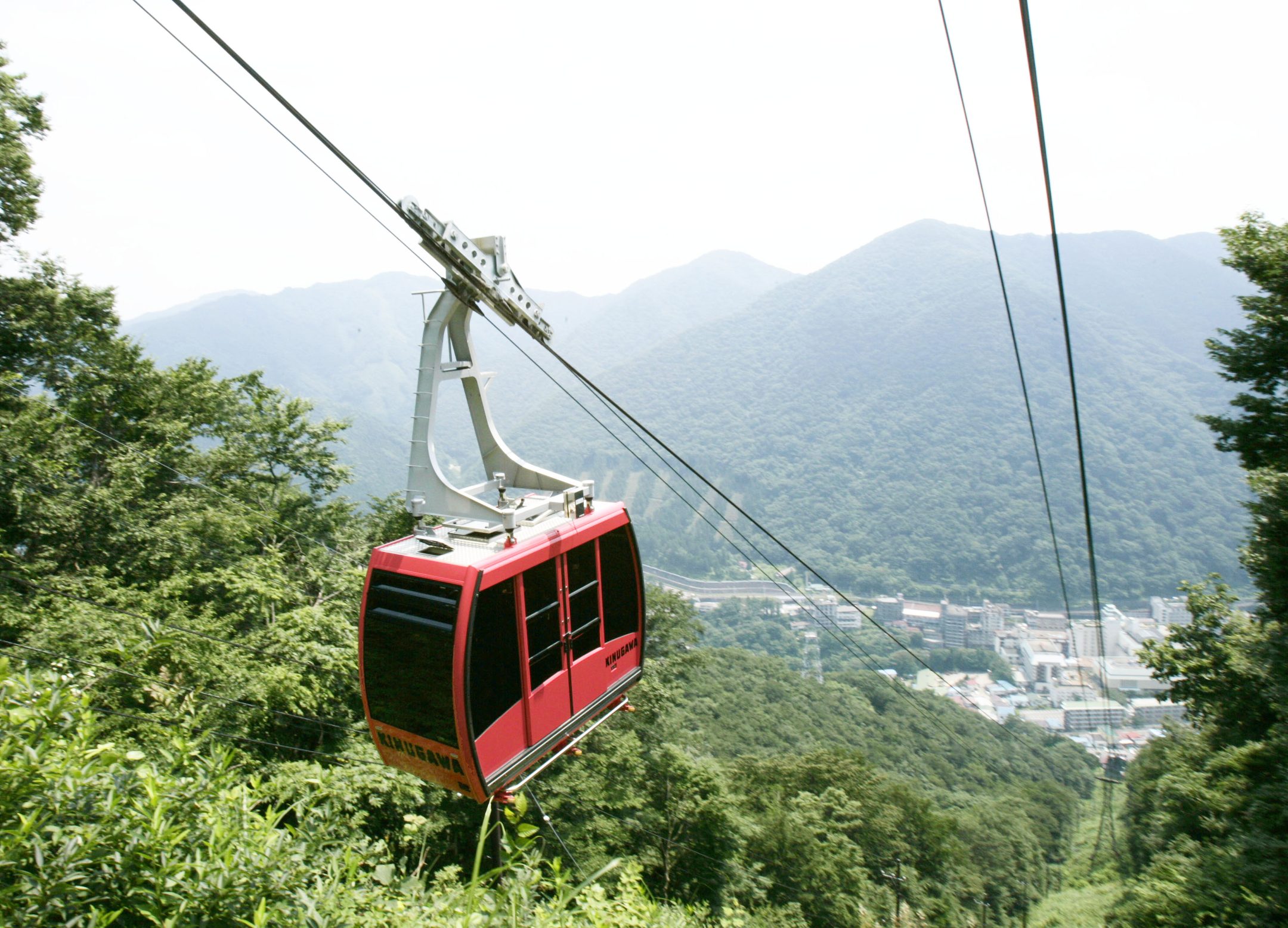
From Kinugawa Onsen Sanroku Station to Maruyama Summit Station, the ropeway ascends about 300 meters, offering a four-minute aerial ride with sweeping views of Kinugawa Onsen town and the surrounding valley. At the mountaintop observatory, visitors can see Keichozan Mountain, and on clear days, even Tokyo Skytree in the distance. The summit is also home to a troop of monkeys, where you can observe them up close or feed them. Near the ropeway station stands the Hotokegaura Shrine, dedicated to the guardian deity of Kinugawa Onsen. Its cherry blossoms have made it a hidden gem spot for spring hanami.
Tochigi JIMINIE Club Mikamo Nature House is a nature experience-based educational center that opened in April 2024 within the prefectural Mikamoyama Park, which straddles Tochigi City and Sano City. You can learn about and enjoy the local area through a wide range of activities, including accommodation, experiential activities, camping, sports, and events.
Meiji-No-Yakata is a restaurant remodeled from a villa built by an American merchant during the Meiji period (1868-1912). Japan at that time was just beginning to be introduced to Western culture. At the restaurant, you will see the fusion of Japanese and Western culture. The stone wall technique, used in construction of Japanese castles, was used to build the villa, and its interior was adorned with Western decor. Today, these features make the restaurant building very tasteful. Signature dishes are hamburger steak, omelet and rice (“omurice”), and hashed beef and rice (“hayashi rice”), which are all popular home-cooked dishes in Japan. The chef turns these dishes into masterpieces that you can experience only at Meiji-No-Yakata. Other strongly recommended dishes are multi-course meals featuring choice “Tochigi” steak using locally produced Tochigi Wagyu. Enjoy a relaxing dining experience in a classic atmosphere at Meiji-No-Yakata, a building selected as a cultural property, that transcends time and space.
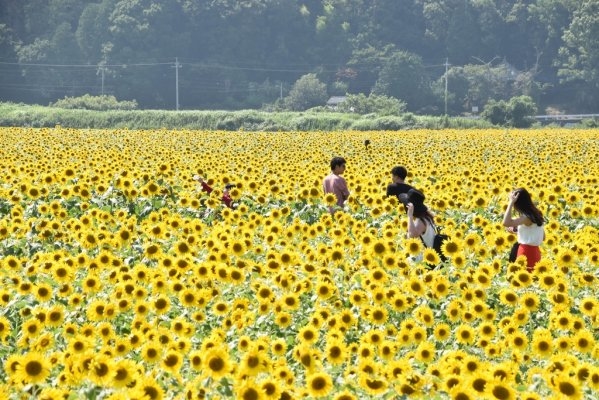
The annual Sunflower Festival is held at the outskirts of Mashiko Town every second week of August . The fields are about 10 hectares in size for the sunflowers. Entrance and parking is free.
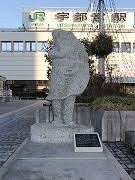
The Venus of Gyoza is located on the pedway of Utsunomiya Station.Made from the locally produced green tuff known as Oya stone."
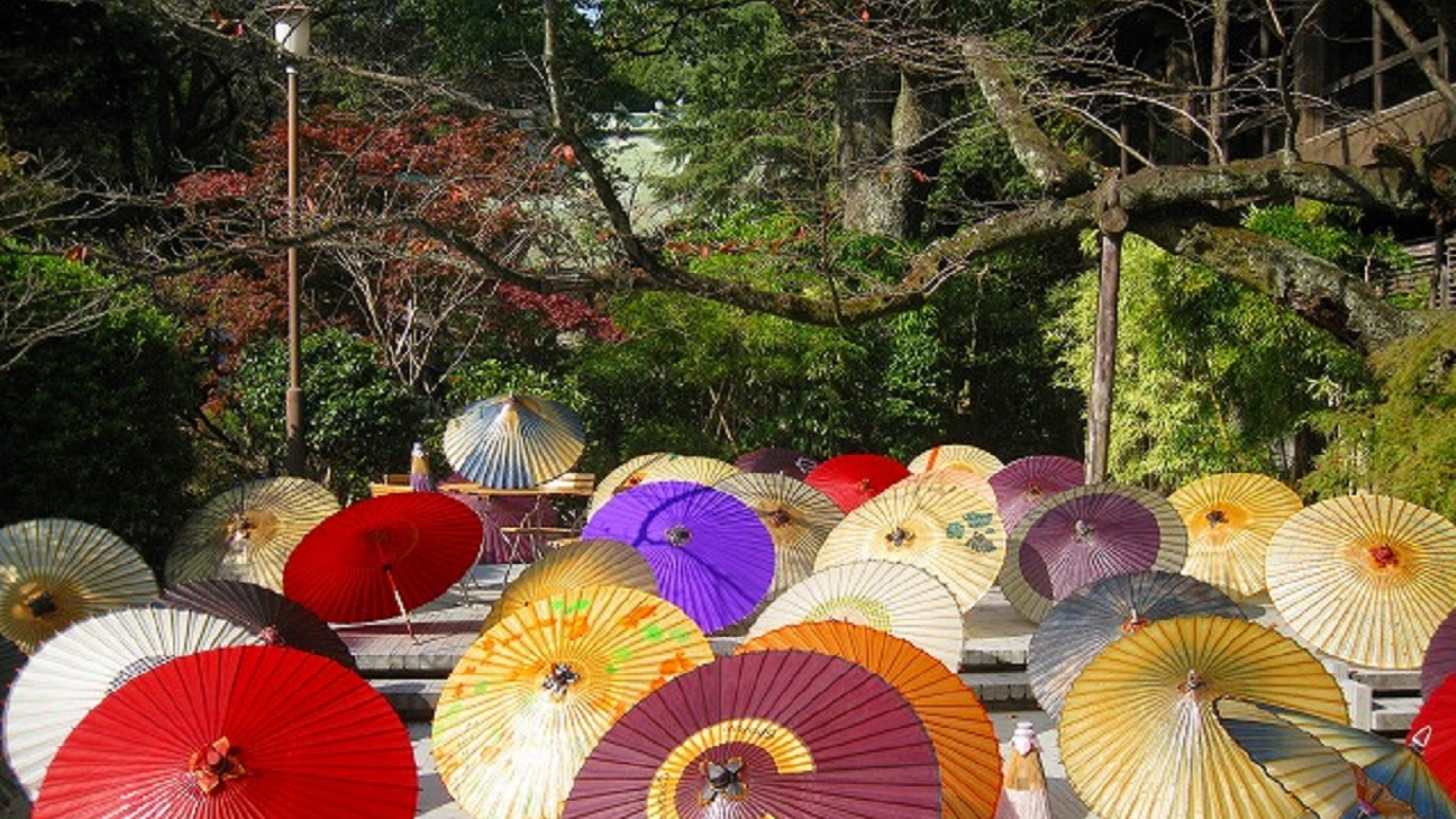
Shonan Wakasa Ei Yuu is the only studio in Kanagawa still making their wagasa (traditional Japanese umbrellas) entirely by hand. Wagasa were widely used during the Edo period (1603-1868), but quickly fell out of use during the Meiji period (1868-1912) with the popularization of Western umbrellas.The charms of wagasa are now being rediscovered, along with the traditional rituals and performances that they have long been used in. While the number of wagasa craftsmen is declining nationwide, a fascination with wagasa is growing both in Japan and overseas.
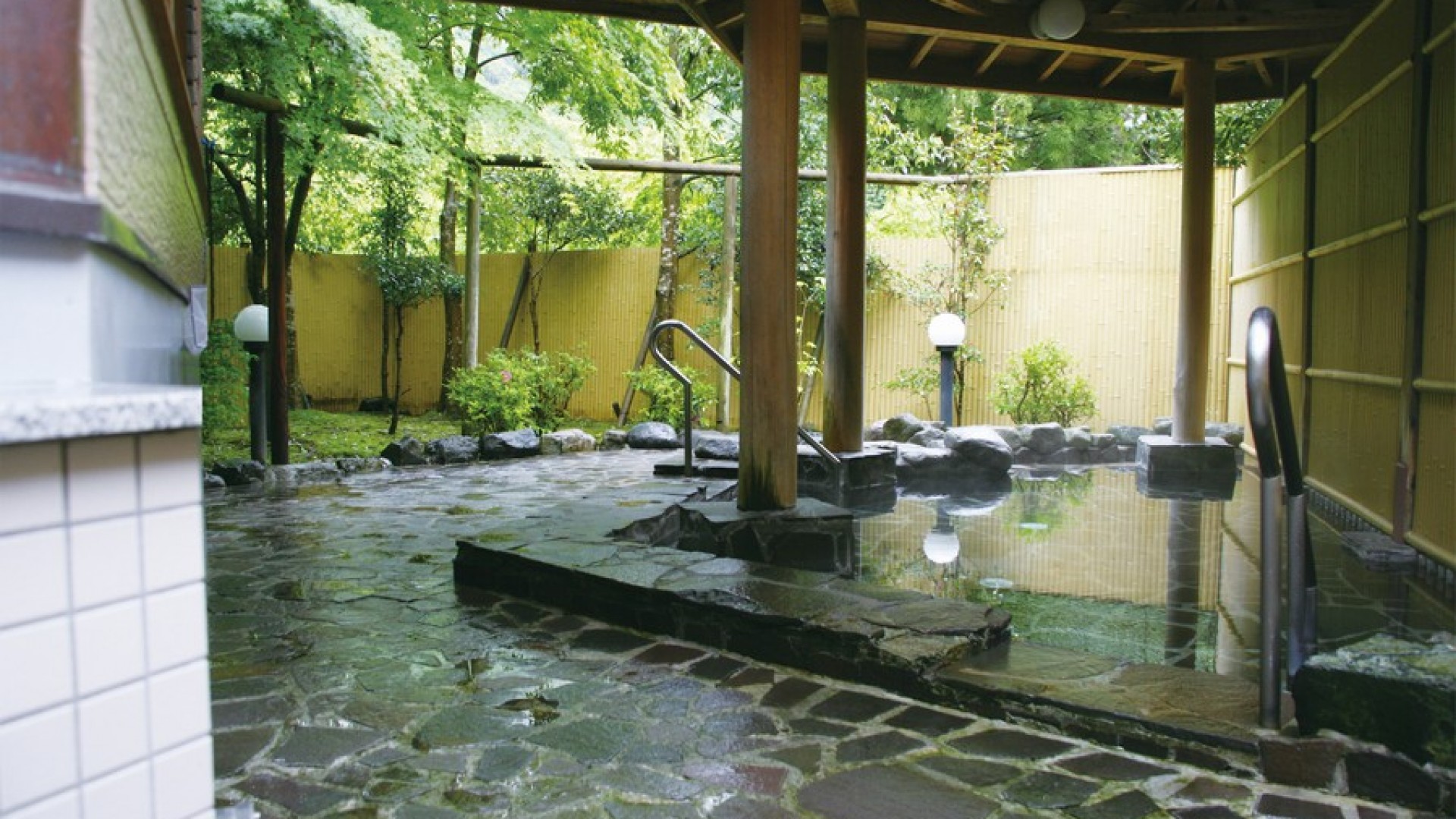
Nakagawa Onsen is a mountain hot spring resort that is close to Lake Tanzawa, it has a long history. There is a legend that about 400 years ago, Takeda Shingen helped a soldier recover who was injured in a battle with Hojo Ujiyasu by bathing in this hot spring, therefore it is also called "Shingen's secret bath". It is a simple hot spring with the water quality high in PH, it is said to be effective for gastrointestinal diseases, neuralgia, rheumatism, hypertension, recovery of wounds, etc. It is also said to be good for your skin, it is widely known as a "beauty bath" that makes your skin smooth.
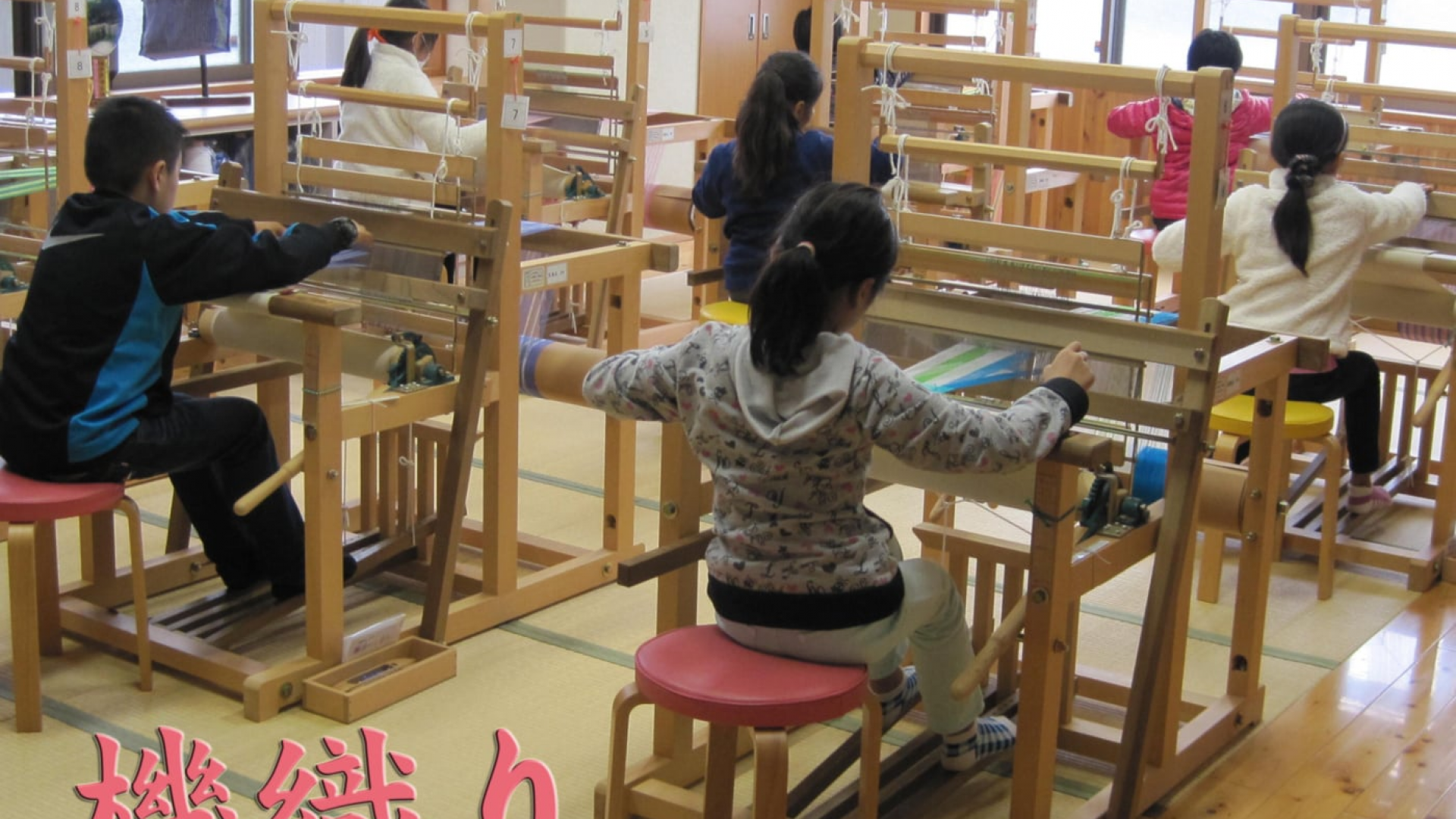
The Crafts Studio Village is a facility in which you can experience the traditional crafts of garment weaving, indigo dyeing, paper making, pottery making, and wood bamboo crafting in Aikawa Town’s prefectural Aikawa Park. You can try out activities that you would usually not get the opportunity to try, such as garment weaving and using a potter's wheel in order to create your own original items. It is a fun way to learn about the history of traditional crafts.
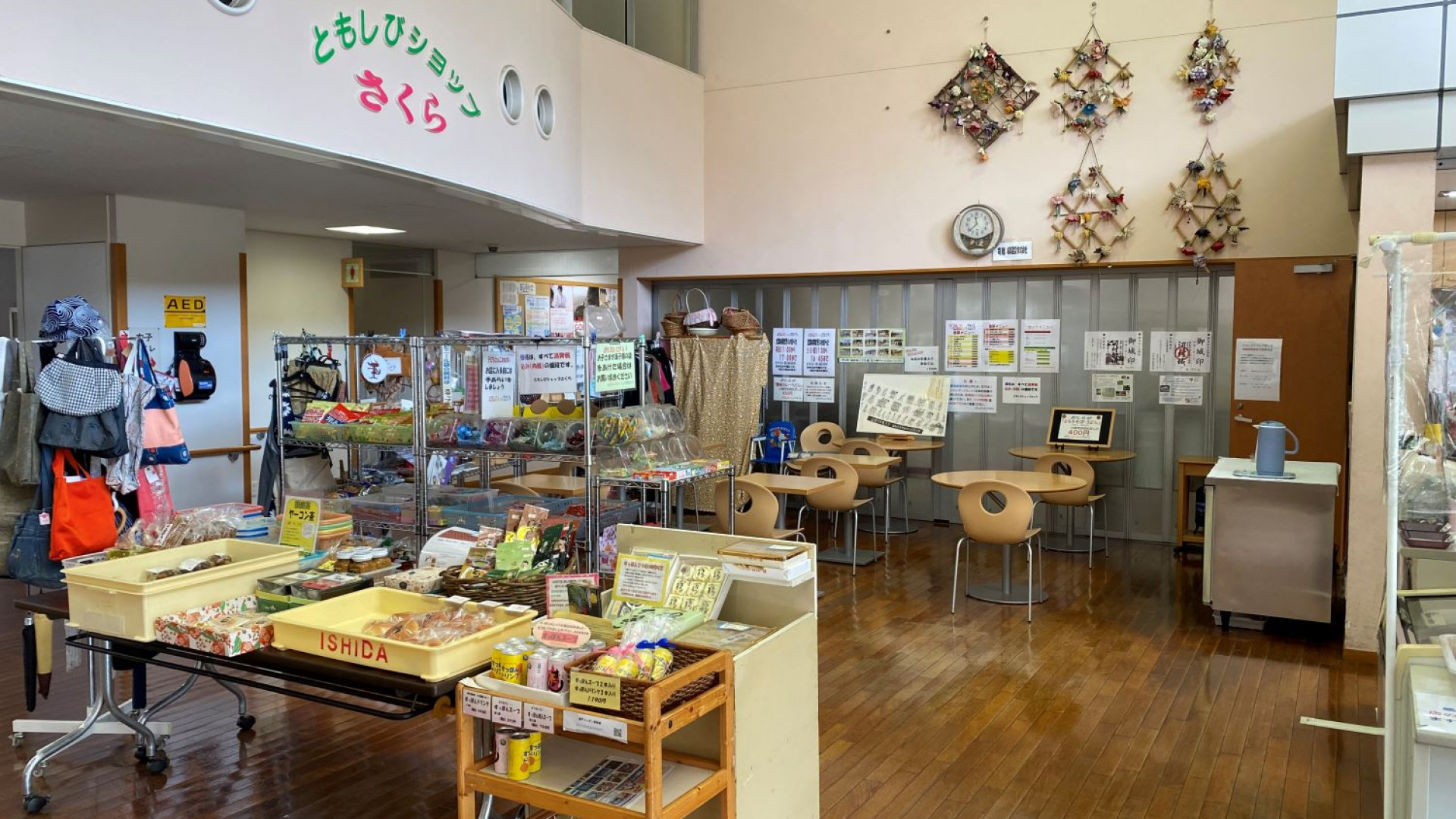
Tomoshibi Shop Sakura is a shop where people with disabilities and local people work together. In addition to providing meals, light meals, and tea/coffee, the shop also sells handmade works by KOMNY, a non-profit consisting of five towns in the Ashigarakami district, products from local collaborators, local specialties, and old-fashioned sweets.
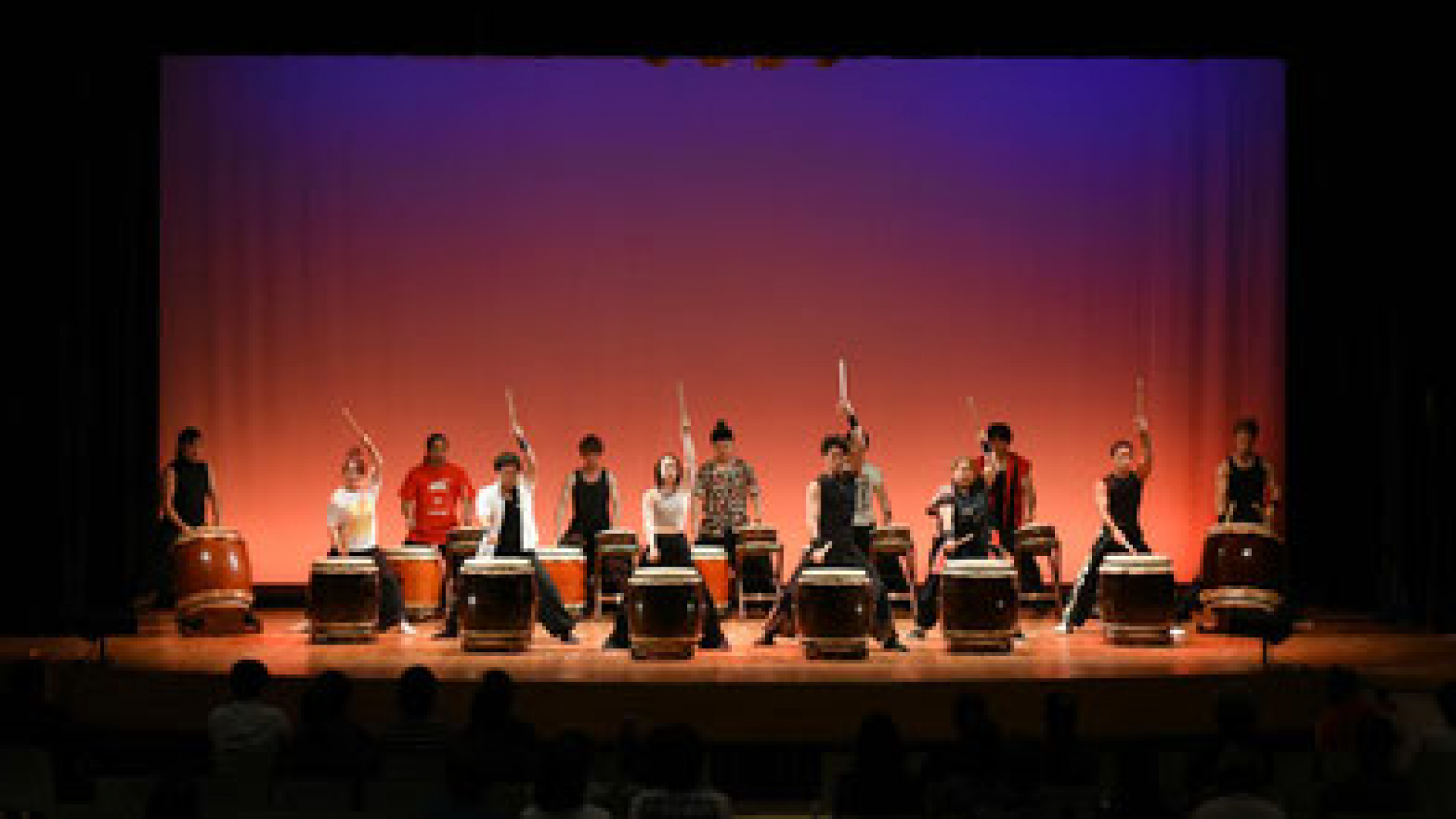
The world biggest Japanese drum "Takio" school. You can learn playing the taiko from the very basics. They colaborated aerobic movement with the great sound and air waves of Wadaiko, Japanese taiko. This is a new fitness style created by TAIKO-LAB. Punching the Wadaiko with the drumsticks and you step to the music. You can have an easy and effective aerobic exercise.
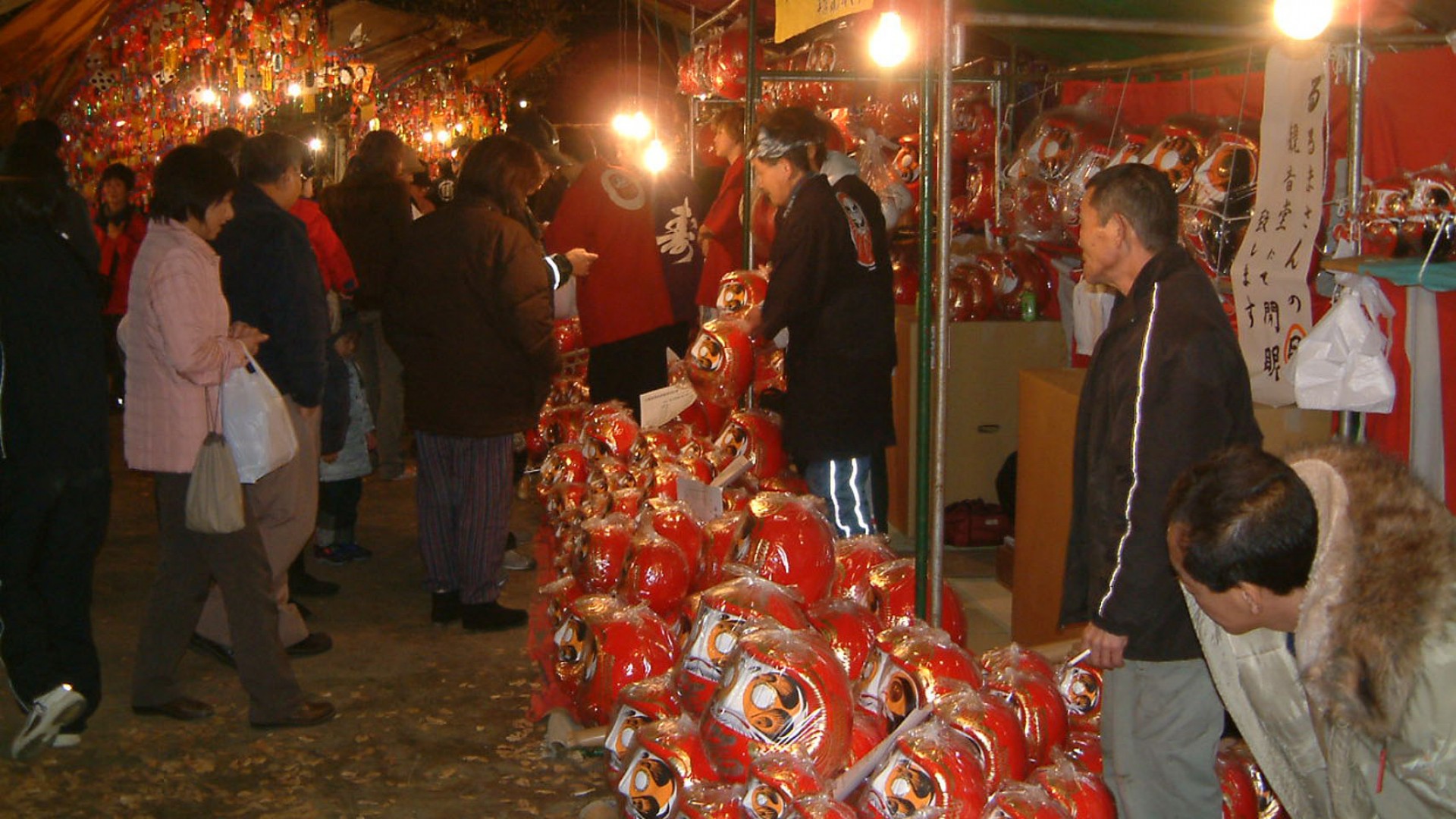
On December 17th and 18th, the first daruma fair of the season in the Kanto Region is held at Iizumizan Shōfuku-ji Temple, the 5th amulet issuing temple of the Bando Sanjusankasho. The daruma-selling stores line the temple grounds and bustle with families. Those who attend pray for business prosperity and the wellbeing of their families.
With Mt. Oyama as a backdrop, the characteristic terraced fields and farmhouses with traditional residential forests are in perfect harmony, creating a view of livelihood and business that makes the most of the hilly terrain.
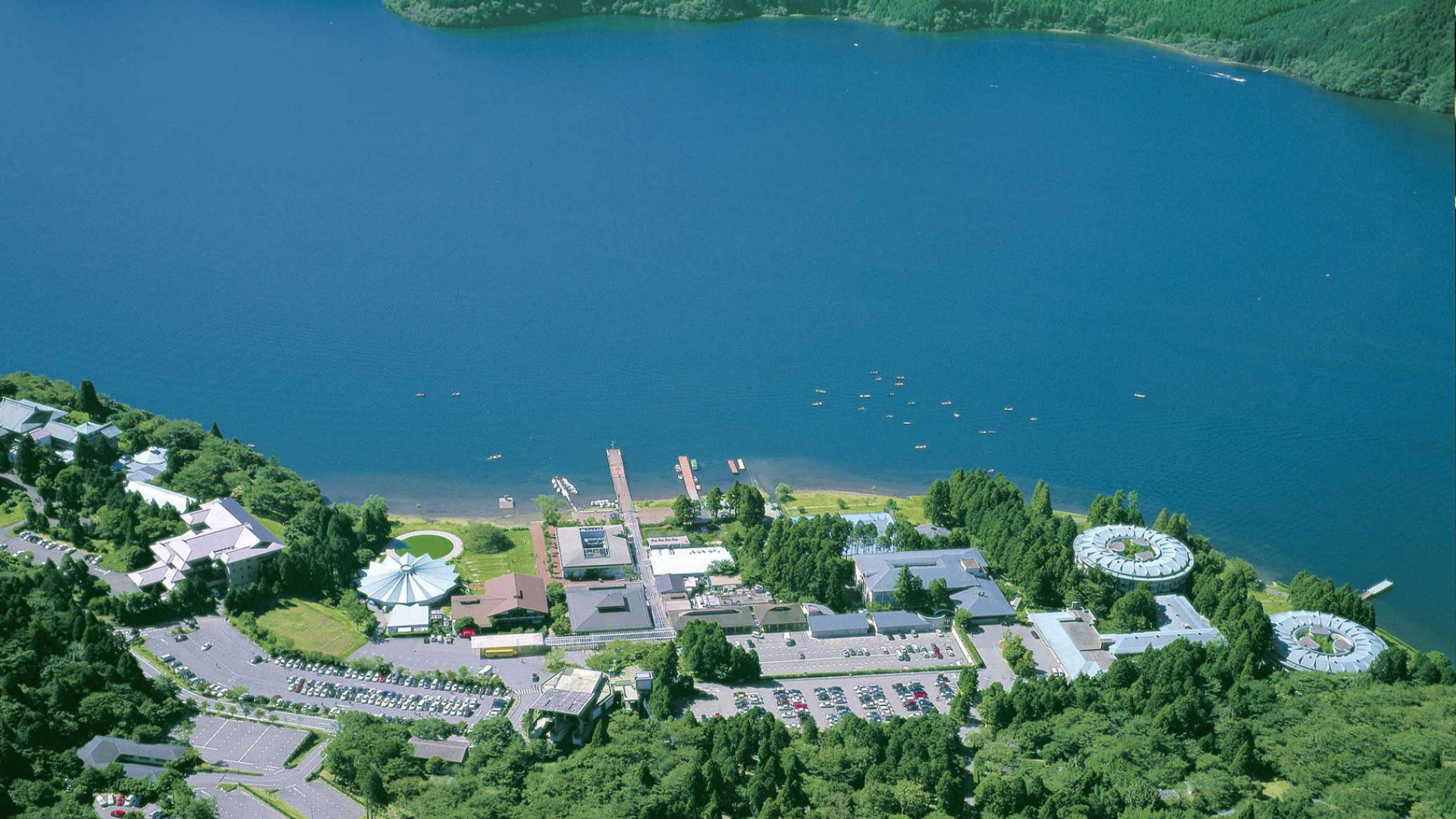
Hakone-en is a comprehensive recreational facility with many attractions, restaurant, and souvenir shops. It serves as a convenient base for sightseeing in Hakone as both the Ashinoko Lake Leisure Cruise and Komagatake Ropeway have stations here.
Lived in for more than 160 years since the Edo Period, this fully renovated old-style house is situated in the dignified Nikaido area, which has numerous historic spots in verdant surroundings. You can entertain guests in the luxurious sweet room and restaurant.
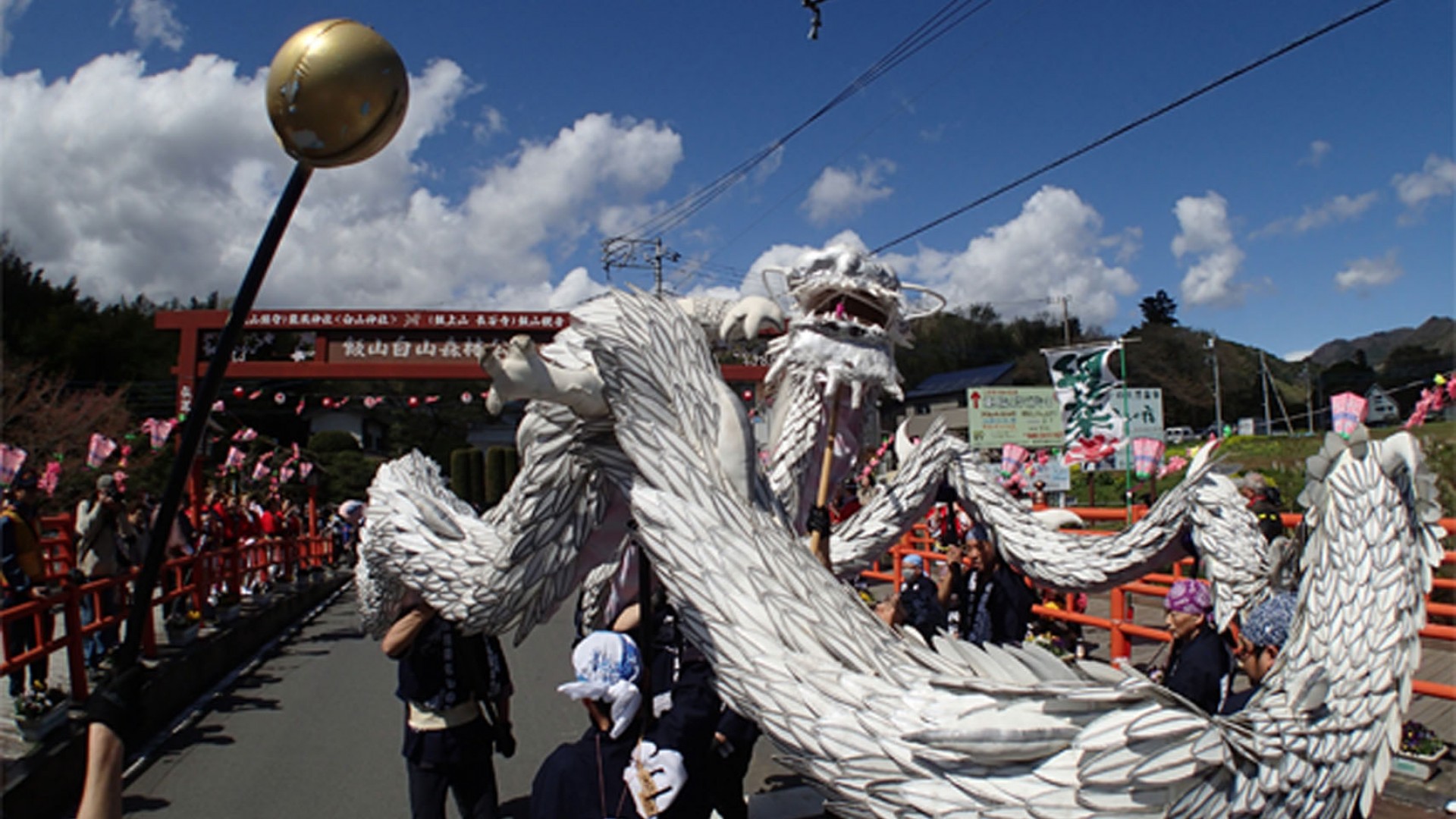
The Iiyama White Dragon Taiko and White Dragon Dance originated from ancient rainmaking rituals where people play their taiko and dance with white dragons to pray for rain to fall upon the plain of Sagami. Now it is also an event for the Iiyama Sakura Festival.
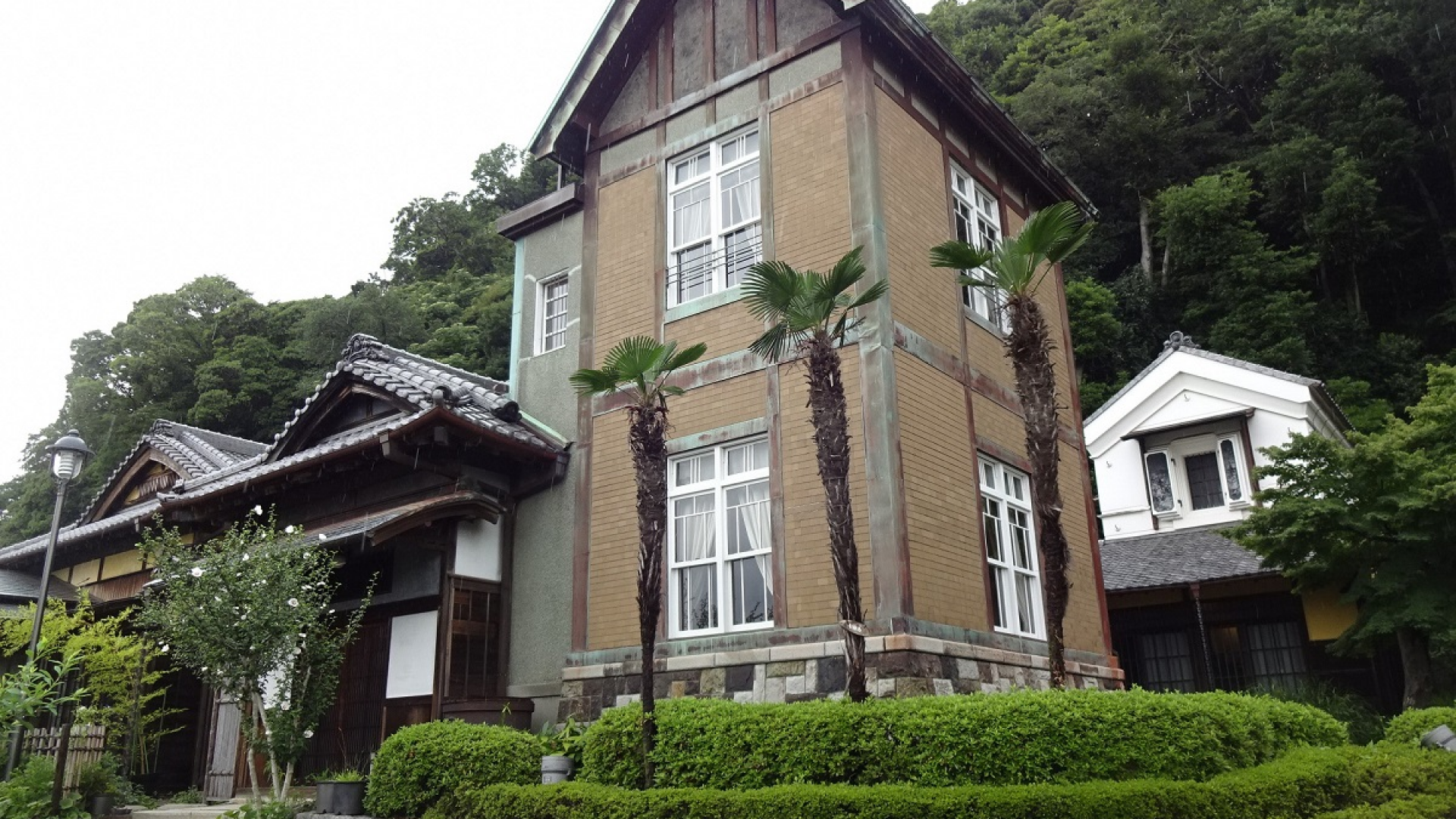
This is a modern Japanese-style residence that combines a Western-style building and a Japanese-style building. Yokohama City has restored the house as much as possible to its original appearance and opened it to the public as "Negishi Natsukashi Park: Former Yanagishita Residence.” In November 2002, it was designated as a Tangible Cultural Property by Yokohama City.