The Venus of Gyoza
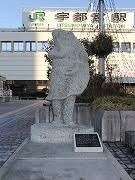
The Venus of Gyoza is located on the pedway of Utsunomiya Station.Made from the locally produced green tuff known as Oya stone."
Total: 1727 items
The Venus of Gyoza is located on the pedway of Utsunomiya Station.Made from the locally produced green tuff known as Oya stone."
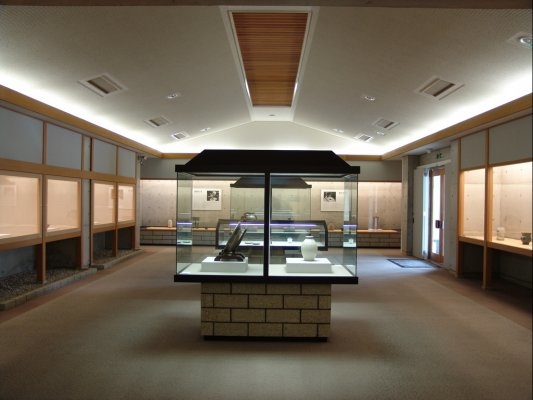
The Mashiko Museum of Ceramic Art features works by the late Mr. Shoji Hamada, who was a designated Living National Treasure, as well as works by other ceramists associated with the town of Mashiko. On the same site, there are also the Sasajima Kihei Hall, which has permanent exhibitions of works by the printmaker Kihei Sasajima, who studied under Shiko Munakata, and the Mashiko Arts & Crafts Residence, which hosts artists-in-residence from all over the world as part of an international exchange program. Shoji Hamada's House, which has been designated as a Cultural Property by the town of Mashiko, includes a reconstruction of the climbing kiln that Mr. Hamada used. You can also pick a cup you like and enjoy tea or coffee at salon located on the premises of the museum. There is also a museum shop in the salon where you can buy Mashiko pottery and more."
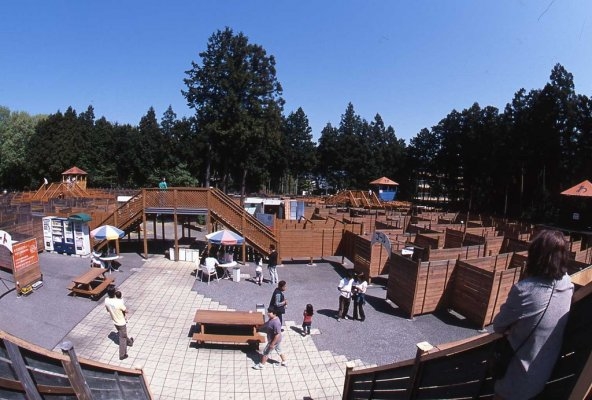
Encompassing 3,500 square meters, Grand Maze Palladium allows both children and adults to challenge themselves as they navigate this enormous maze."
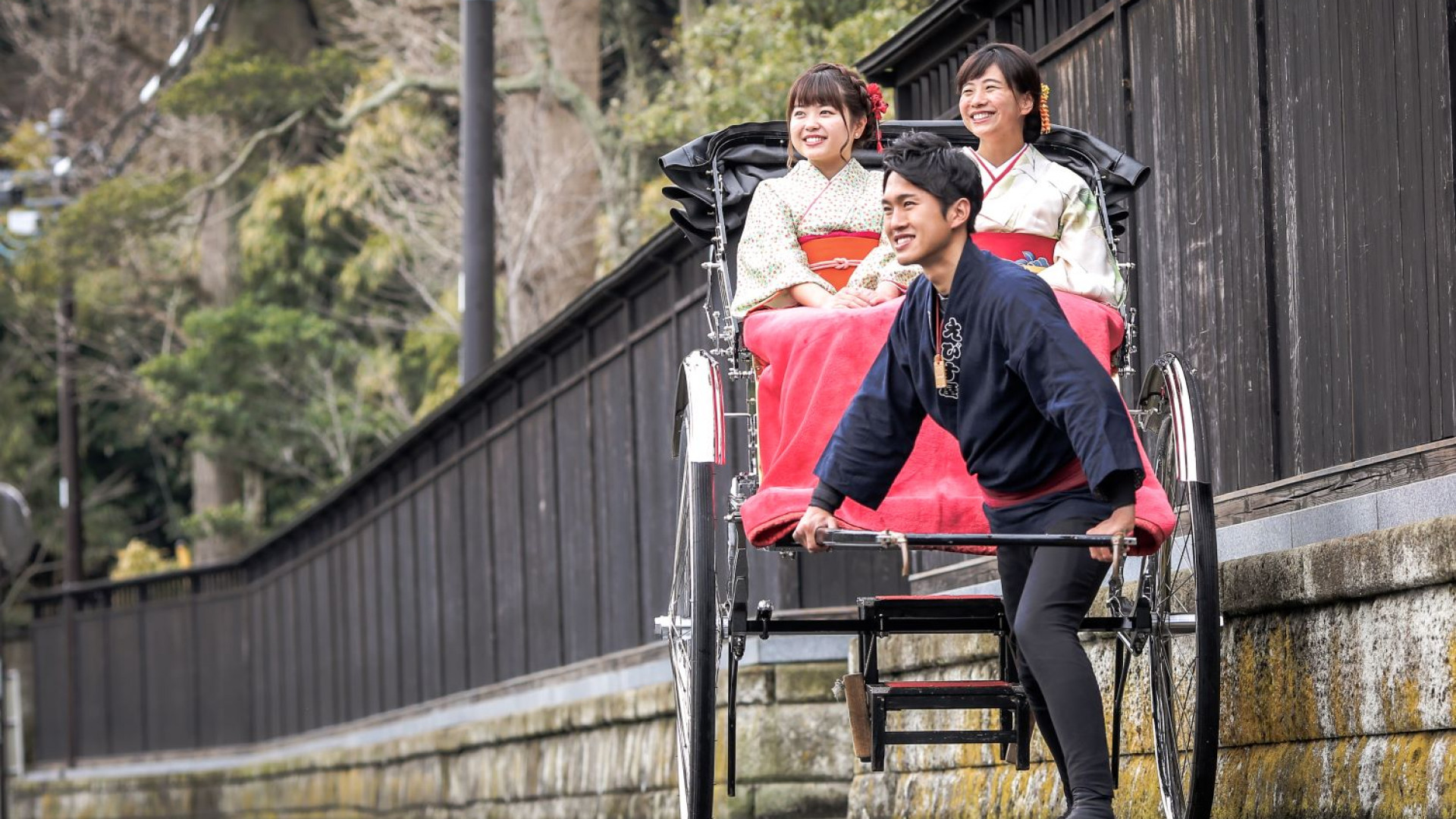
In Kamakura, the birthplace of the samurai government, you can experience the city's ancient history along with its changing colours from season to season. The city's historical setting and beautiful seasons are best experienced by riding the local rickshaws.
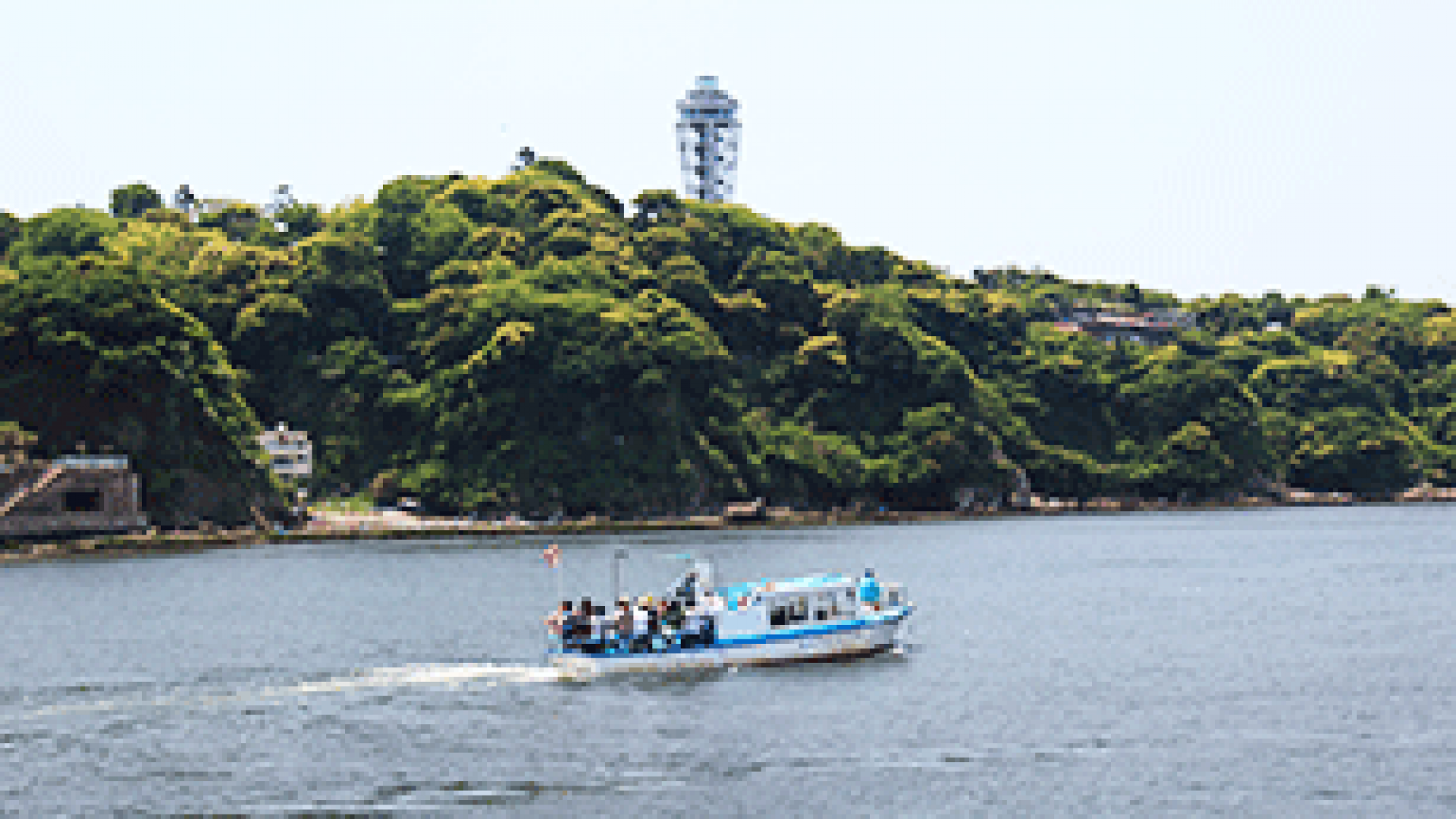
A ship that connects Eshima Ohashi Bridge and Chigogafuchi Abyss, turning a usually 40 minute walk into a 10 minute journey. The cliffs of Enoshima and the dark green landscape of the trees are charming, and in good weather, you can see Mount Fuji.
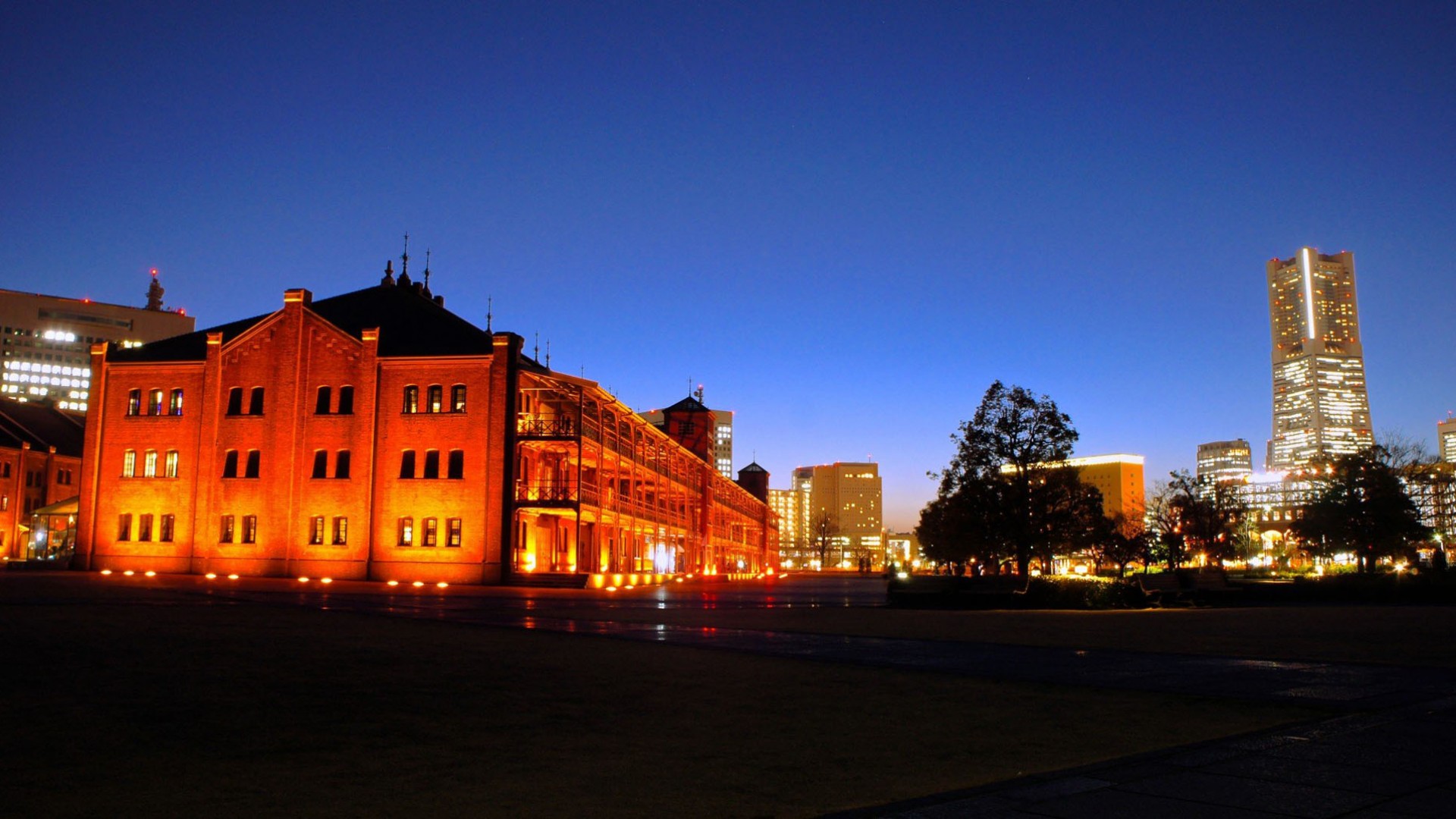
Centered around the Red Brick Warehouse, this green space both preserves and utilizes historical features such as the Remains of Yokohama Custom House and the Former Yokohama Minato Station Platform, creating a site that highlights both history and scenery.
Mountain villa and campground located near the upper stream of Nakatsugawa River. In addition to accomodation facilities, there are also fireplaces, pizza ovens, and goemonburo (goemon baths). We also lend camping equipment.
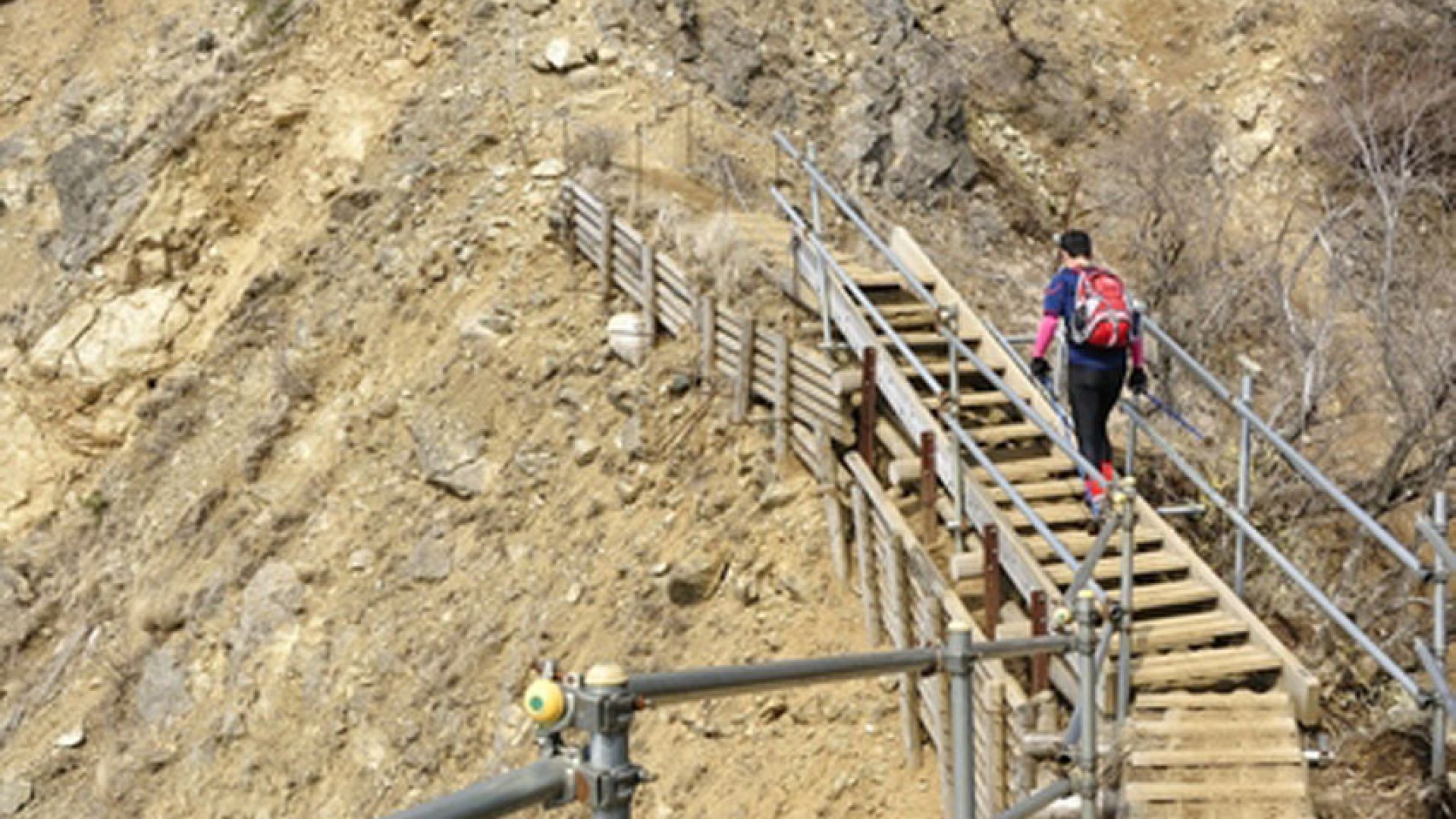
The ascent to the summit of Gyojadake is a series of small ascents and descents. The summit of Mt. Gyoja is narrow and not suitable for groups resting. A stone statue of En no Gyoja (En no Gyoja) used to be placed on the summit, but it has been damaged by the wind and rain. There are several places where you have to climb up from Gyoja-dake to Shindaihi, so please be careful.Please use the "Tanzawa Omote Ridge Traverse Course" as a reference and plan your hike accordingly.Early morning trekking allows you to enjoy a special experience with fewer people and clear air.
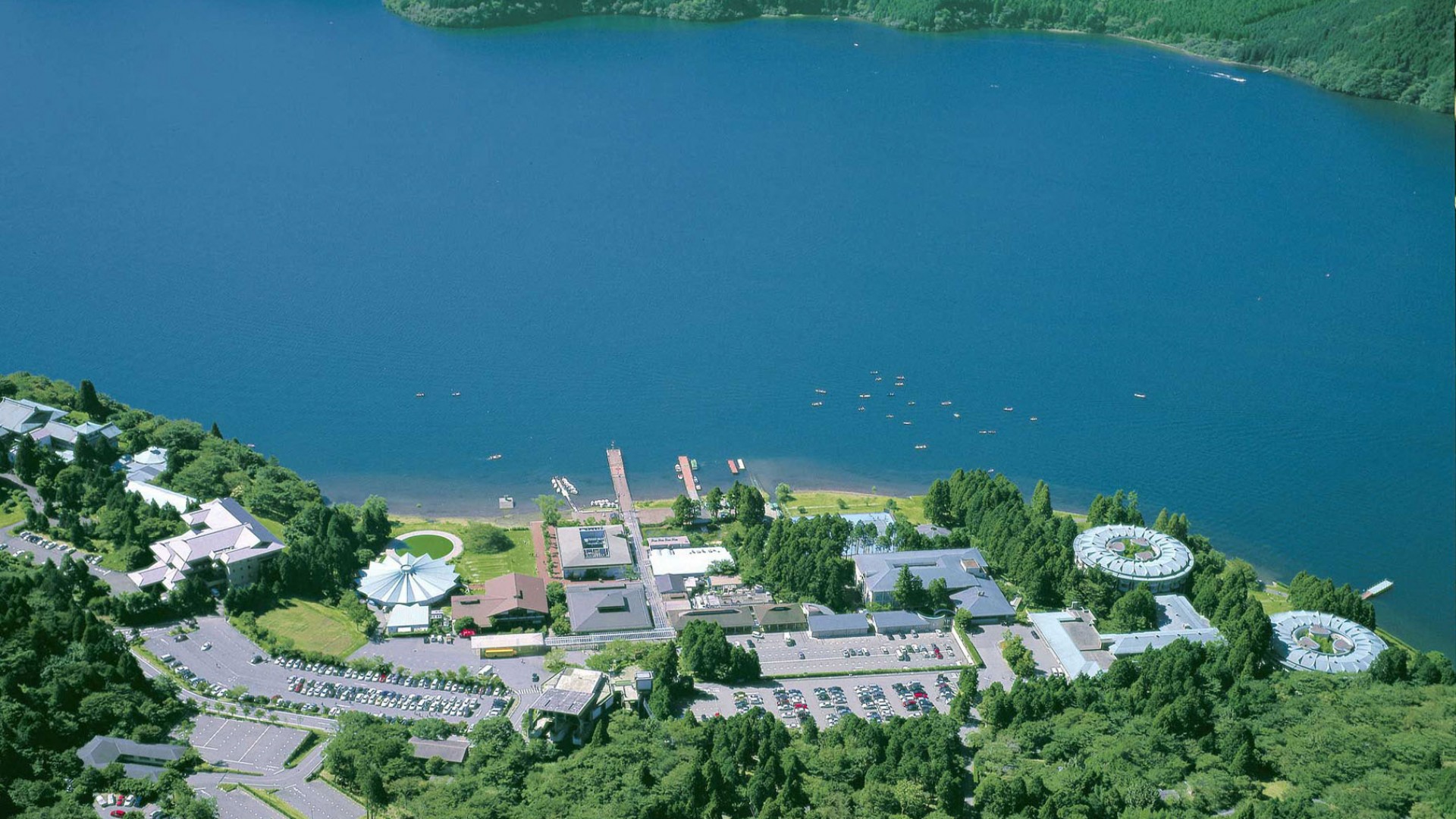
Hakone-en is a comprehensive recreational facility with many attractions, restaurant, and souvenir shops. It serves as a convenient base for sightseeing in Hakone as both the Ashinoko Lake Leisure Cruise and Komagatake Ropeway have stations here.
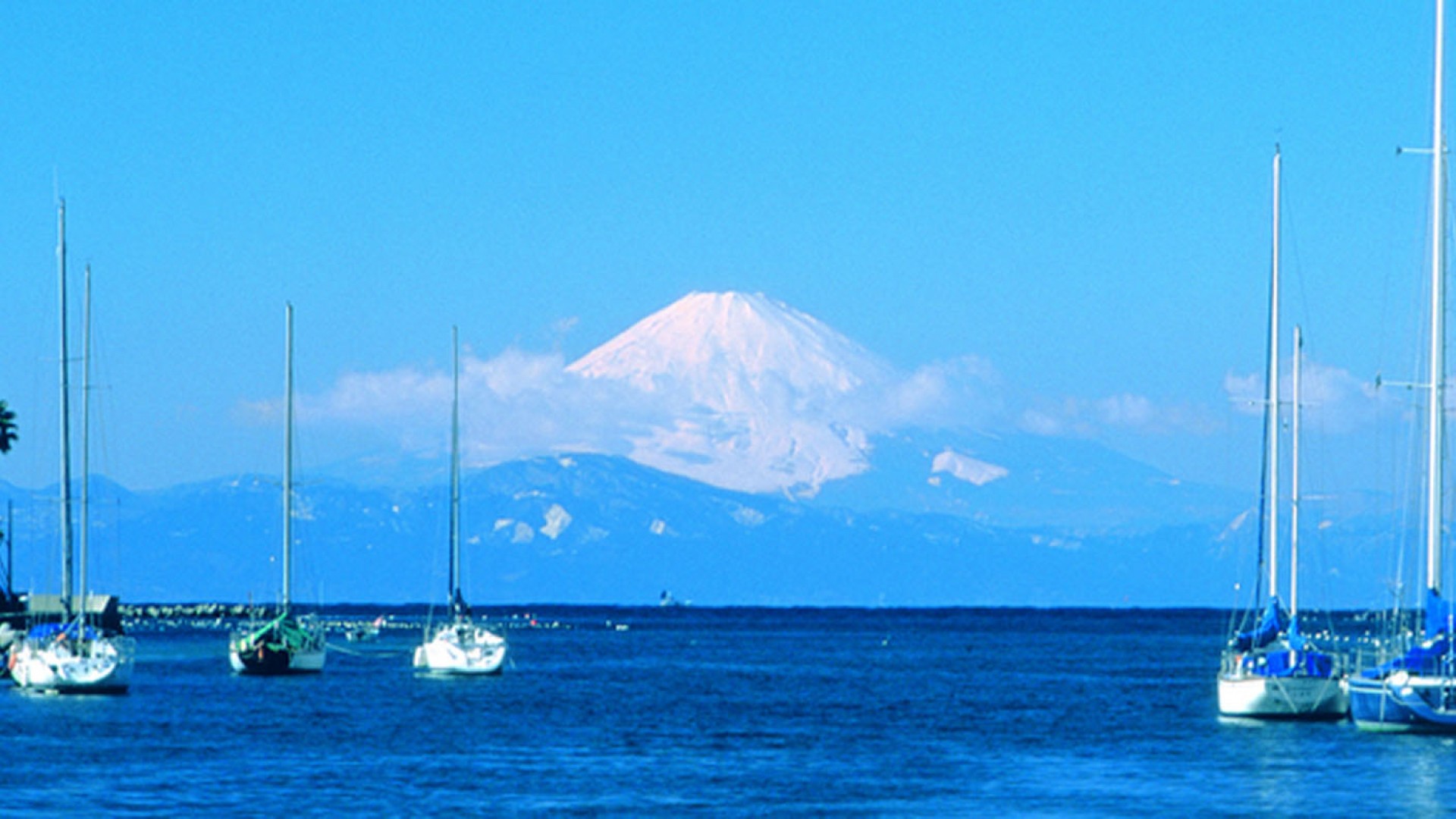
Located in an area where you can overlook the Miura Peninsula and Mount Fuji, it is the most historic marina in Japan.
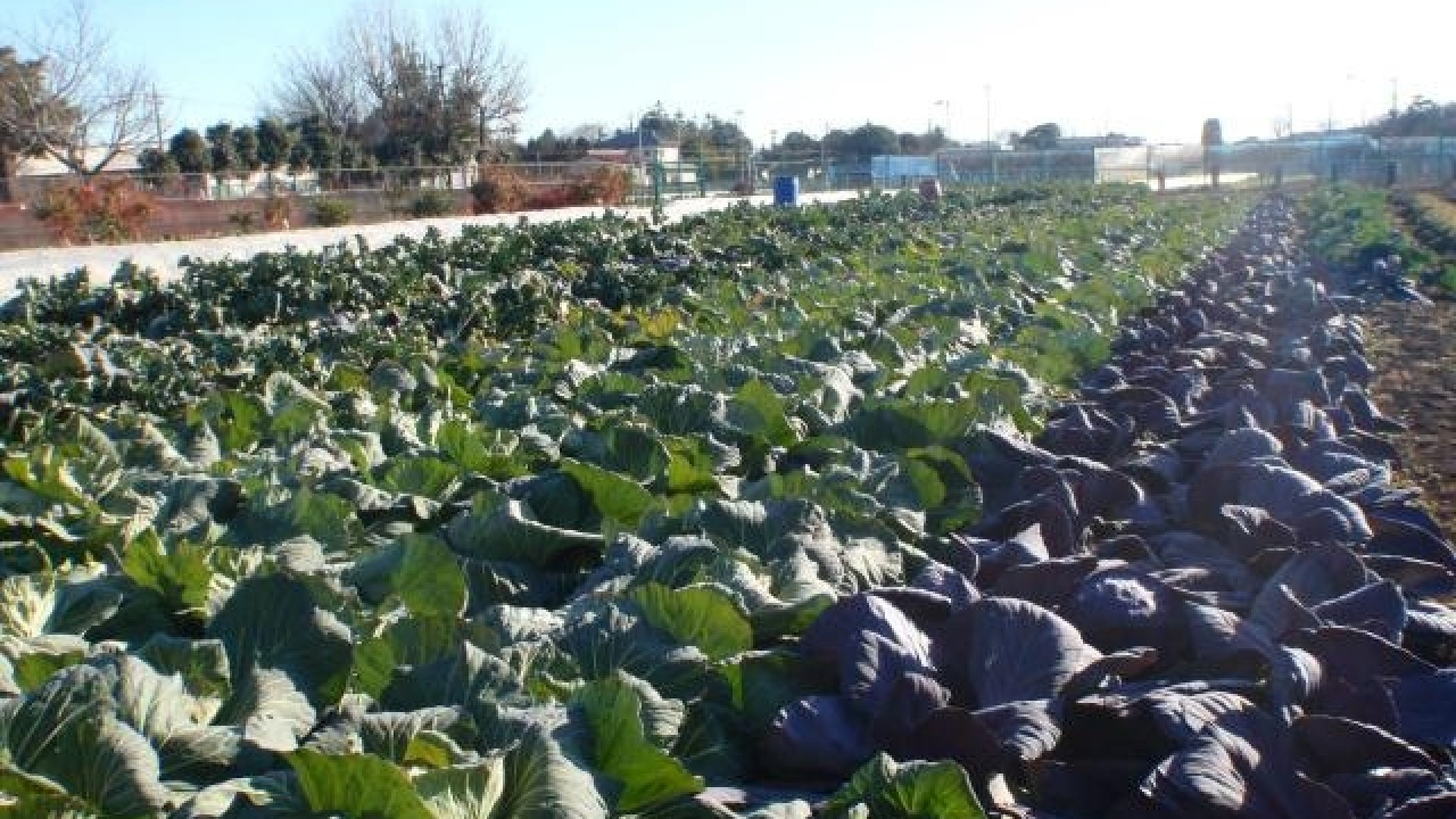
This plantation, where you can harvest produce by hand, was opened to the public out of a desire to let others experience both joy of farming firsthand and the deliciousness of fresh vegetables. Fruits and vegetables grown with utmost care fill the plantation from end to end. By harvesting them yourself, you will experience a truly meaningful flavor when you eat them. The plantation also has a store where they sell produce.
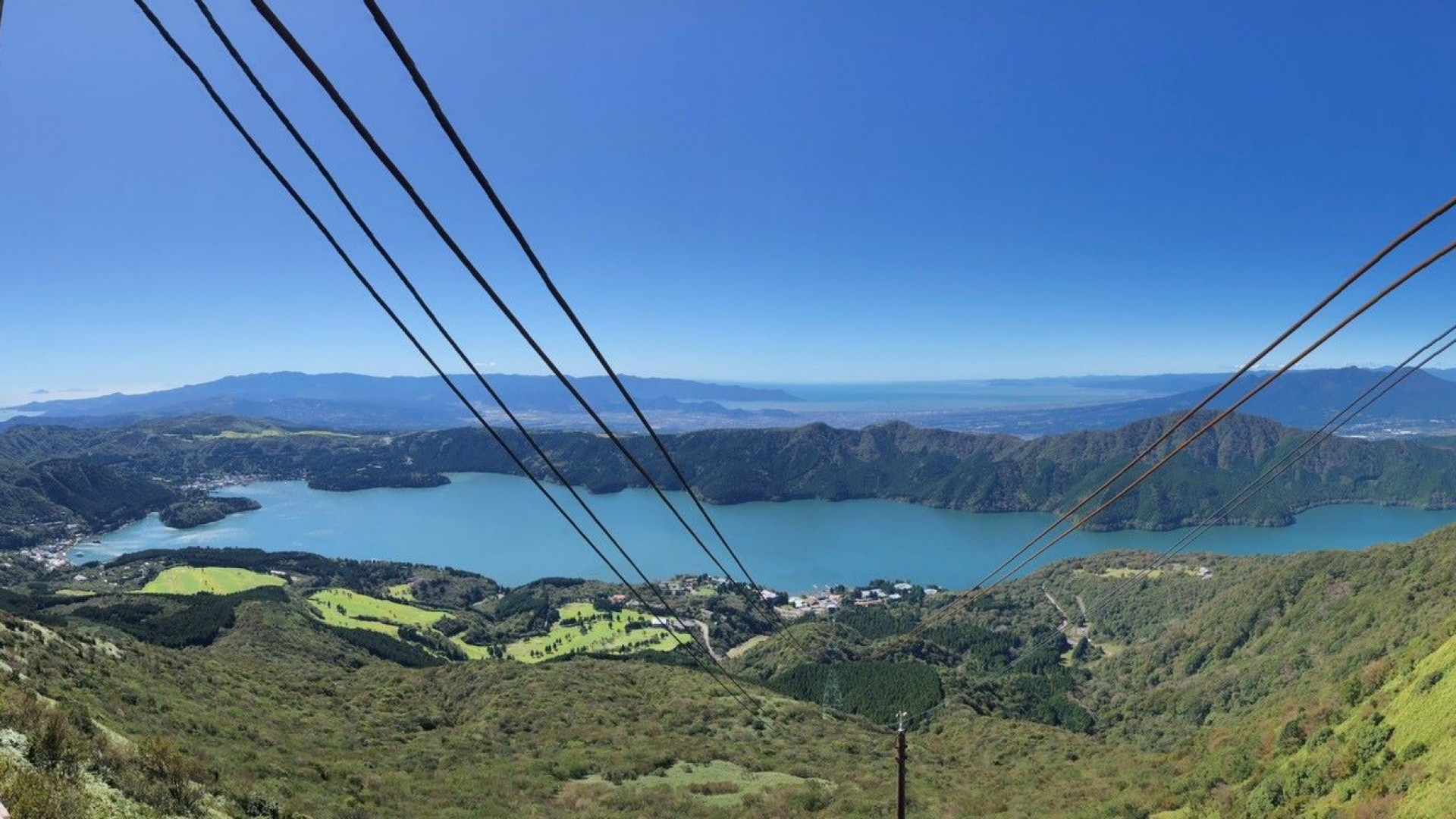
Within the national park, there is a cable car that connects the shore of Lake Ashi to the summit of Mt. Komagatake over a total distance of 1,783 m. The cable car takes about seven minutes each way. From the summit of Mt. Komagatake, you can enjoy uninterrupted views of Hakone that centers on Lake Ashi and can see the magnificent Mt. Fuji and the Southern Alps beyond it. Also, the 360-degree panorama that boasts a unique view of Hakone, overlooks Suruga Bay to Izu Islands, Sagami Bay to Shonan Beach, along with Tokyo Sky Tree and the Boso Peninsula. It is a place where you can experience seasonal flowers and plants, wild birds and insects, and the breath of nature.At the top, prepare yourself for one of the most stunning views of Mt. Fuji you will ever see. Also great 360 degree views of Sagami Bay and the entire Hakone region. Winter can be cold, but the skies are crystal clear.From the top of Mt. Komagatake, the panoramic view of Hakone centers on Lake Ashinoko. And to the northwest is magnificent Mt. Fuji. In the distance, you can see from Suruga Bay to the Izu Islands, the Shonan Coast, and the Boso Peninsula.

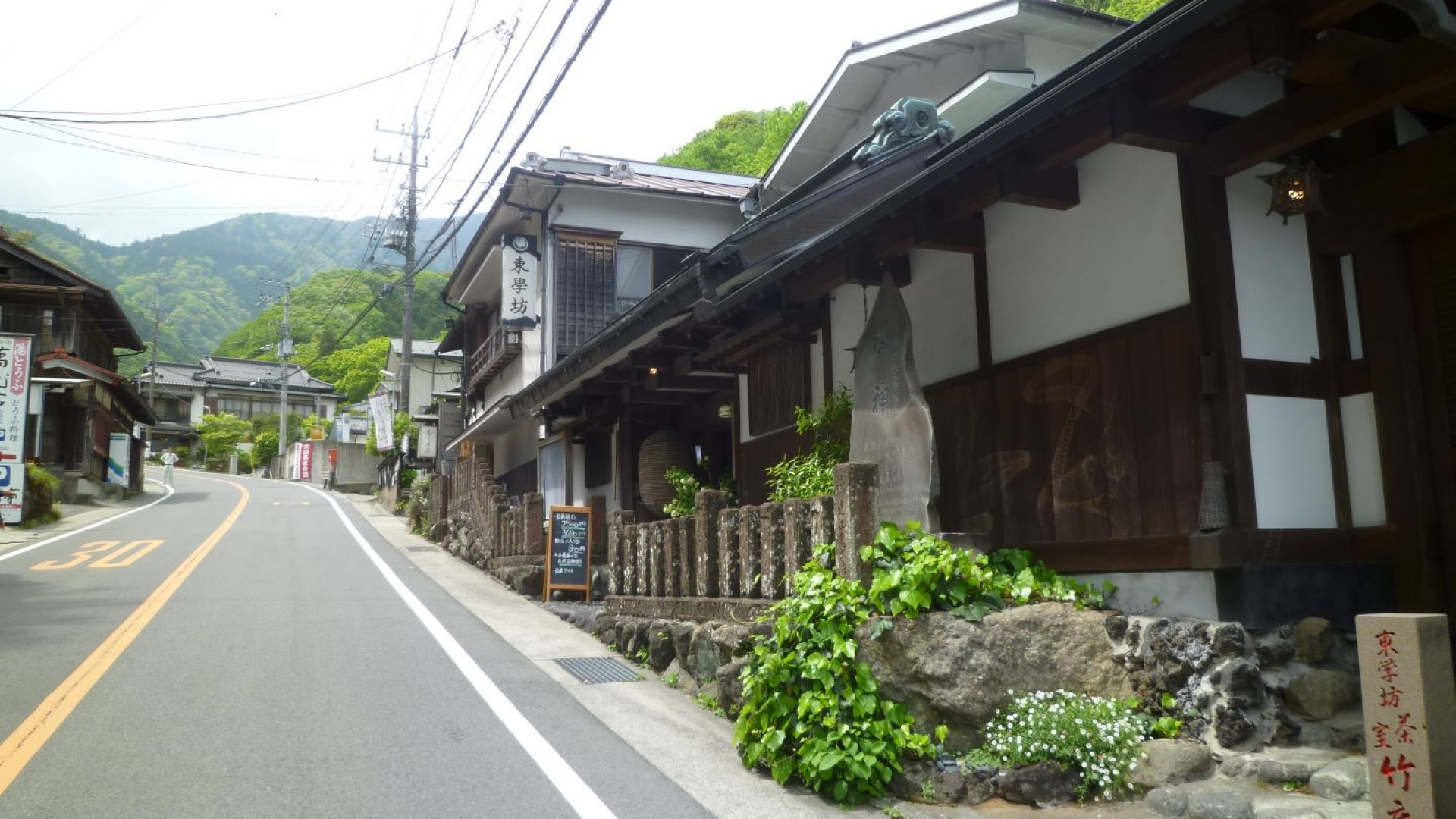
Mt. Oyama has been a theme for rakugo "Oyama Mairi" and a subject matter of Ukiyoe. Afuri Jinja (Shinto shrine) and Aburisan Oyamadera (Buddhist temple) were deeply believed in by the common people in Edo and this religious development had led to prosperity of shukubo (pilgrims' lodging) and souvenir shops at Mt. Oyama.About 50 shukubos are still in business and their specialty are tofu dishes. Clear spring water is used in making tofu. Each shukubo provides a variety of tofu dishes. Tamagaki (a fence around a shrine), Temizuya (place to wash hands and mouth), and Kabukimon (gate) create an atmosphere and liveliness of Edo period. The view from Oyama Afuri Jinjya was published on Michelin Green Guide Japon in June 2015 (Heisei 27) as a two-star scenic spot. Furthermore, "Oyama Mairi" was registered as Japan Heritage in April 2016 (Heisei 28). Mt. Oyama will draw many visitors/tourists' attention.
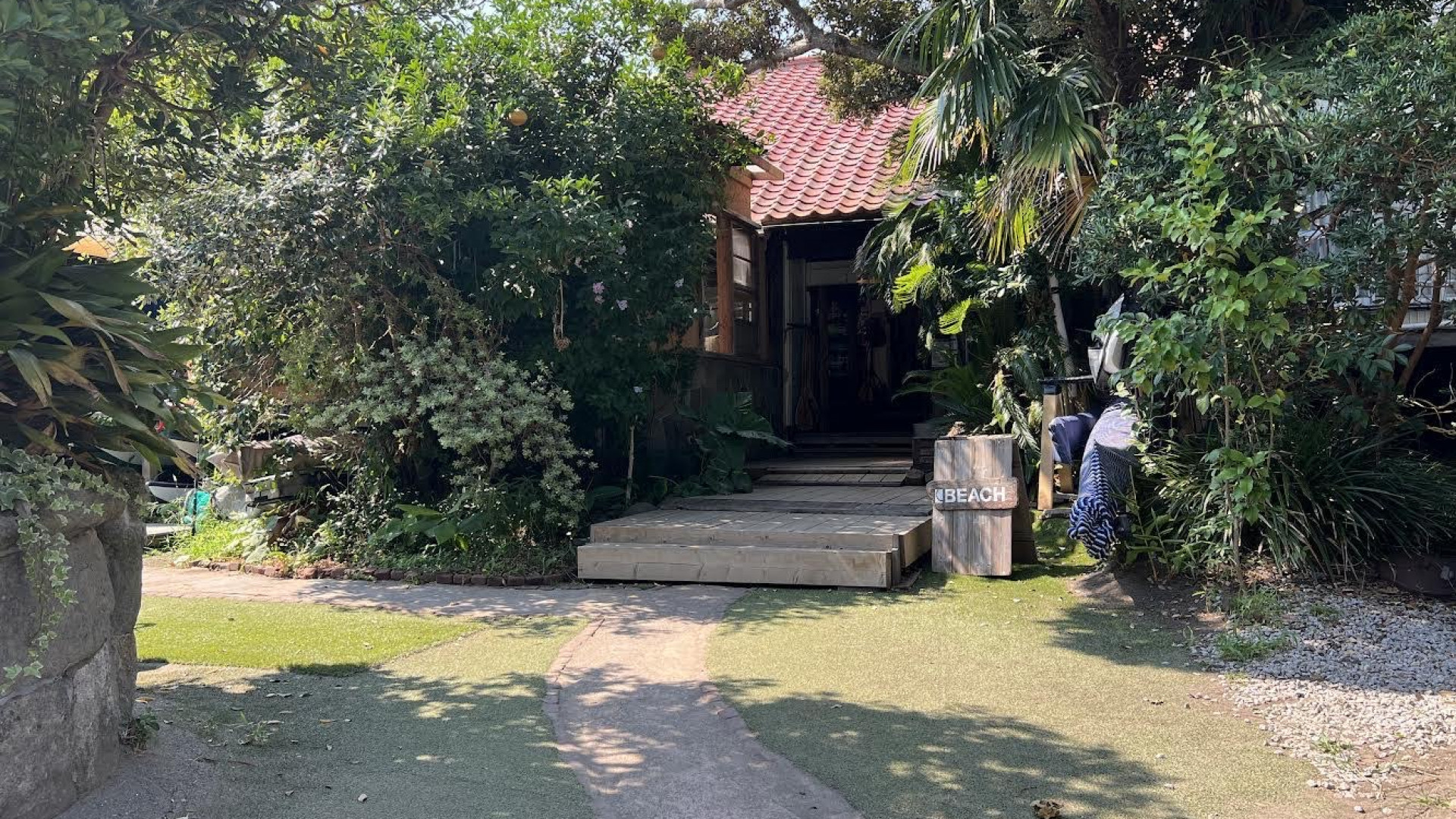
It is an attractive program-packed outdoor fitness club that makes full use of the seas and mountains of Hayama, surfing, SUP, beach yoga, outrigger canoeing, trail running, Nordic walking etc, which are not otherwise experienced elsewhere. (From Zushi · Hayama WEB)
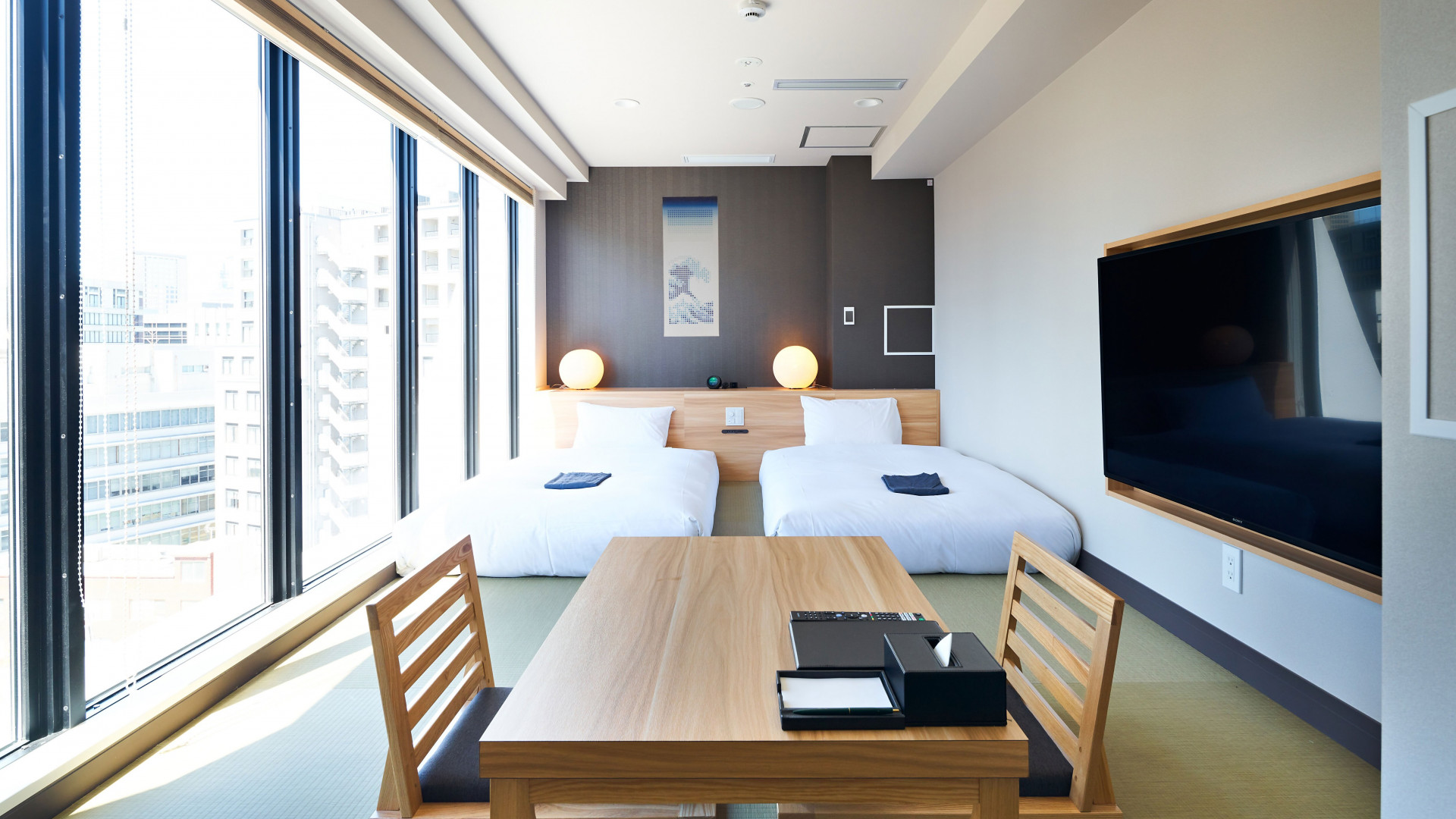
A path to life that connects local life with travelers.Hotel Enmichi is located on the site of what was once the approach to Inage Shrine, the main shrine, from Kawasaki-juku, the second post town on the Tokaido Road's 53 Stations, during the Edo period. It is believed to have been a place where travelers and pilgrims came and went, fostering various "connections." Here, we cherish the history of Kawasaki-juku, and believe in modern times, too, that the daily life of the local area is a tourism resource to be proud of. To this end, we aim to be an inn where various new "connections" are born of intersections between our community and the daily lives of travelers.Endo Restaurant Business Hours: Breakfast: Tuesday-Sunday, 7am–9am (closes once sold out) Lunch: Weekdays, 11:30am–2:30pm (Last order at 1:30pm); Weekends and holidays, 11:30am–3pm (Last order at 2pm) Dinner: Tuesday-Saturday, 5pm–9:30pm (Last order at 9pm) *Closed for dinner on Sundays and Mondays *Subject to change without notice on the day of operation.
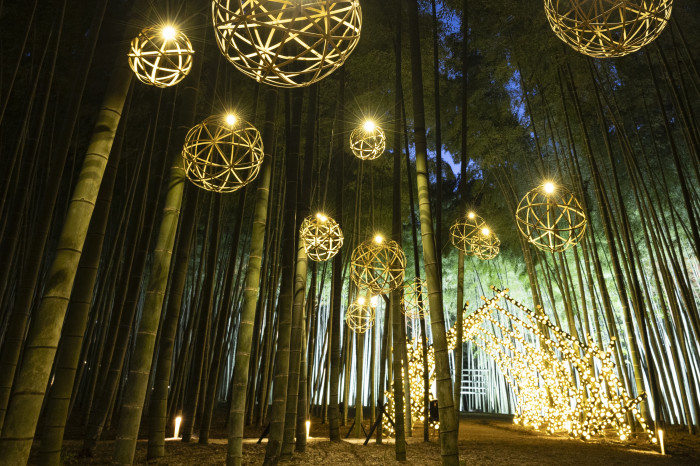
Step into a world of light and shadowsEvery winter evening, Wakayama Farm in Utsunomiya transforms into a fantastical landscape adorned with glowing illuminations for the seasonal event Bamboo Winter Lights. This farm, which offers experiences in every season, becomes even more enchanting in winter evenings, when the entire bamboo grove is bathed in dreamlike lights, guiding visitors into a world like something out of a fairytale. As night falls, the lush green bamboo grove glows warmly, with bamboo lanterns and lights illuminating the paths. The scene, accompanied by music, blends nature and art to create a mystical atmosphere that is both inspiring and deeply moving. The event is perfect not only for couples but also for families, and it’s a popular spot for photography enthusiasts. The fusion of new illuminations and the timeless bamboo forest creates a captivating spectacle, making this one of the best seasonal nighttime attractions. On crisp winter nights, a stroll through Wakayama Farm’s bamboo grove offers a romantic and unforgettable experience, where the quiet beauty of bamboo meets the brilliance of light.
Chuzenji Temple was established by Shodo Shonin in Nikko-zan in 784. Enshrining Nikko’s oldest Buddha statue, which is six-meters tall and was carved in a standing Japanese judas tree, the temple is a prayer temple (where visitors pray to the Buddha). Juzu, or prayer beads on a string, is one of the ritual items that people use to count how many times they have read a sutra or recited Buddha’s name. According to Siddhartha Gautama, praying to the Buddha repeatedly will remove earthly desires from people and make them happy. Those who visit to pay respect to the temple can join the prayer beads craft workshop. They can choose beads of their taste, made of natural stone and/or natural wood, with a wish in their minds to create a bracelet-shaped juzu. Their juzu becomes nenju when monks offer a prayer at the gomadan (fire ritual platform), and they can take it home as a wearable lucky charm.
Kinugawa Country Club, designed by the master golfer Torakichi Nakamura, opened in August 1959 in the scenic site along the clear waters of the Kinu River overlooking the Nikko Mountain Range. This course with a long history has been designed to allow all golfers, from beginners to advanced players, to have fun but at the same time play a round aggressively and strategically. At the clubhouse, you can enjoy the natural hot spring and tasty meals prepared with locally produced ingredients. Why don’t you spend a relaxing time while golfing with your family or friends at this golf course with tradition and a hot spring?