

Greater Tokyo

See & Do

reset
Yudate Lion Dance (Sengokuhara)

Yudate Lion Dance (Sengokuhara)

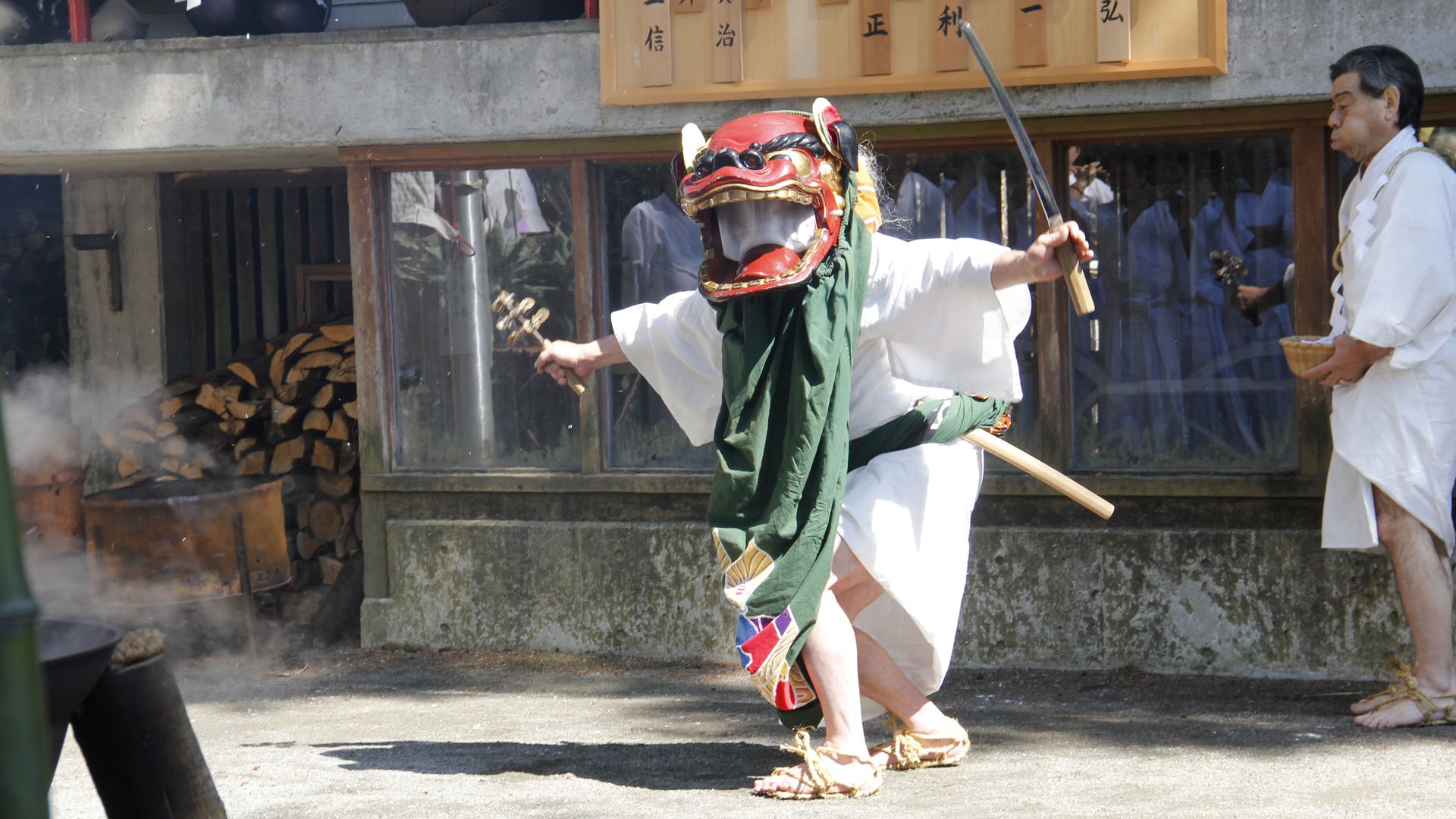
Yudate Kagura is a traditional event was handed down in 1776. While the Shinto ritual of yudate exists throughout Japan, it is not so common for it be carried out by a lion. Praying for sound health, peace and prosperity in the household, and bumper crops, the lion stirs boiling water with bamboo grass, and purifies the worshippers by sprinkling them with the water, warding off pestilence. While being selected as a national Intangible Folk Cultural Property, it is also designated as Yudate Shishimai, an Important Intangible Cultural Property of Kanagawa Prefecture.

Culture & Arts Tokaido Koshu kaido KANAGAWA
Dohogawa Park

Dohogawa Park

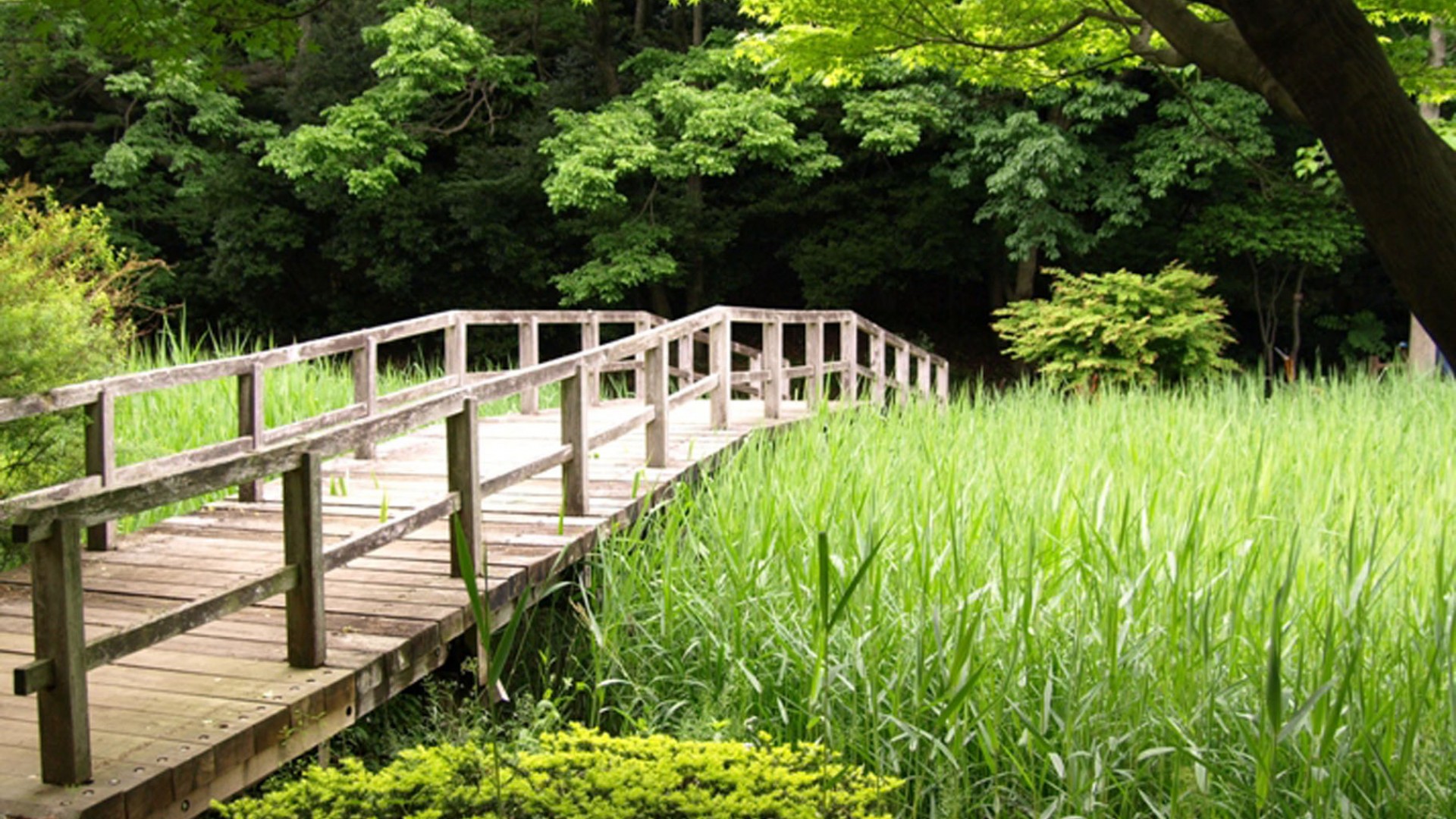
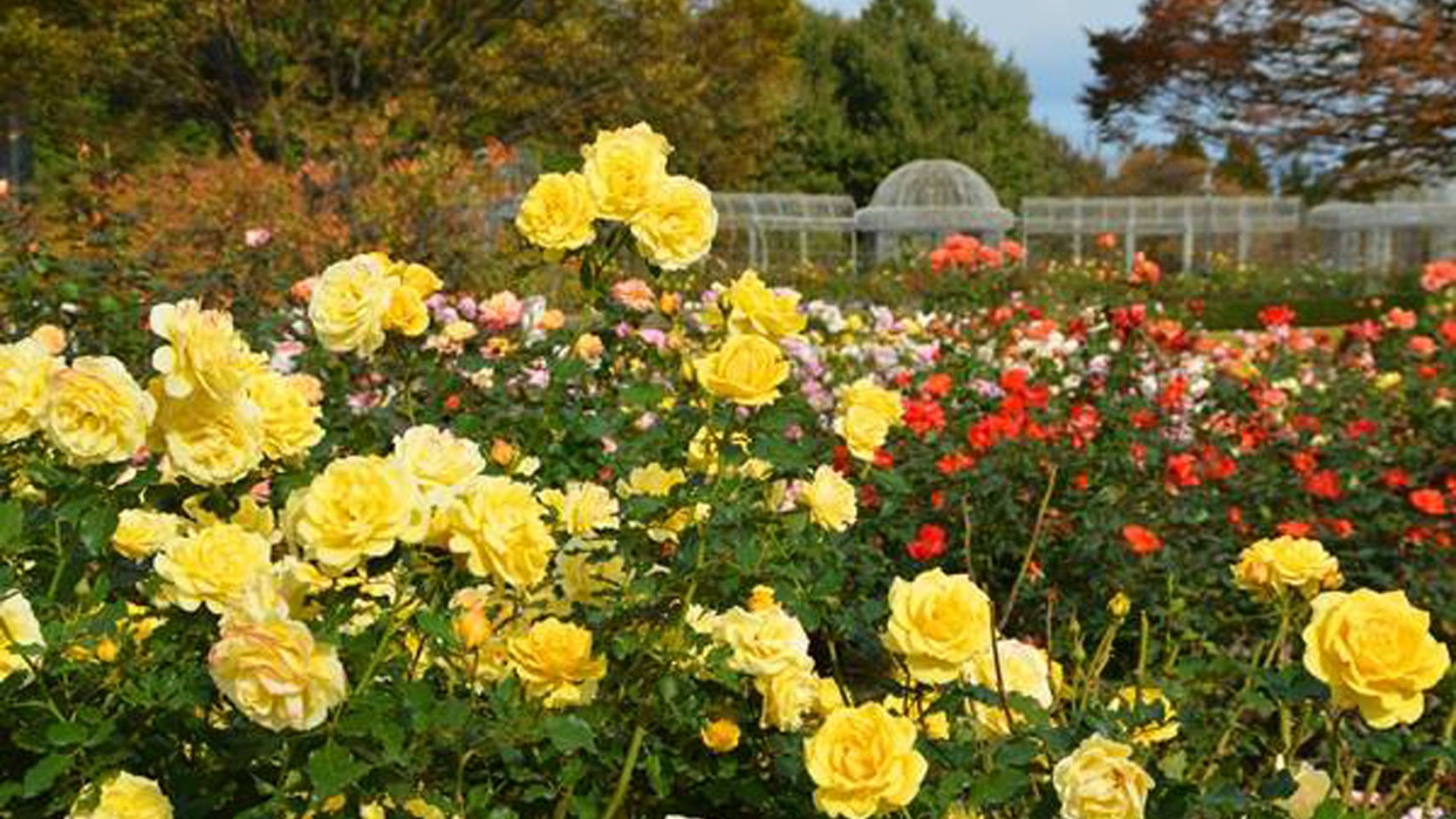
Nestled within the Sagami Yokoyama/Sagami River Suburban Greenbelt Special Preservation Area and the Greater Tokyo Suburban Greenbelt Preservation area, this scenic park boasts spectaclar natural scenery. It serves as a green space for conservation and a place of relaxation for local citizens. In an effort to preserve the natural environment of the Yokohama Hills and the source of the Michihoshi River as an urban green space, it serves as a place for interaction with nature where water and greenery meet. Visitors can observe wild birds and plants up close, deepening their understanding of nature. The park is also utilized as a venue for environmental education and outdoor learning.

Nature & Views Tokaido Koshu kaido KANAGAWA
Ichinoyu

Ichinoyu

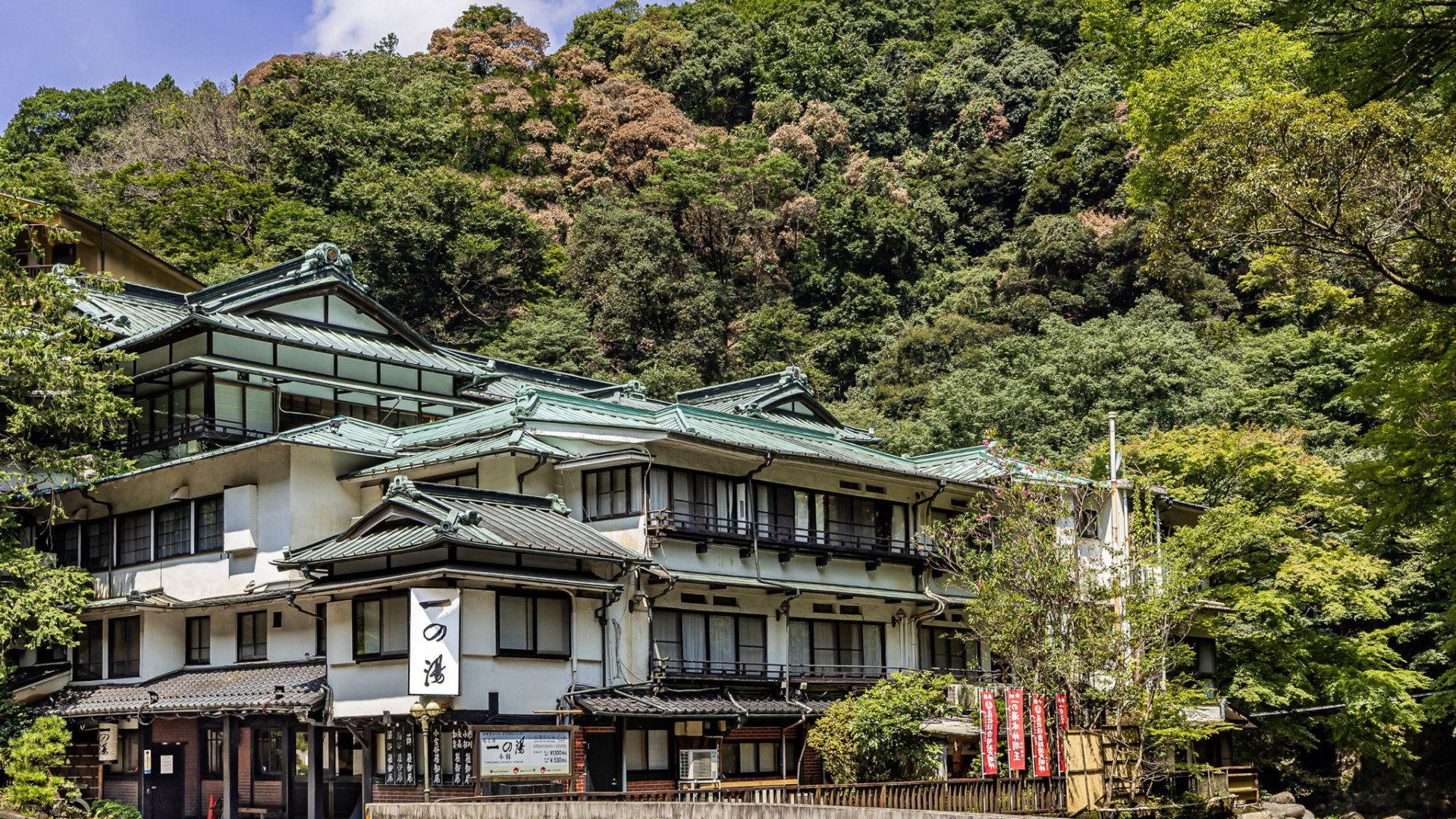
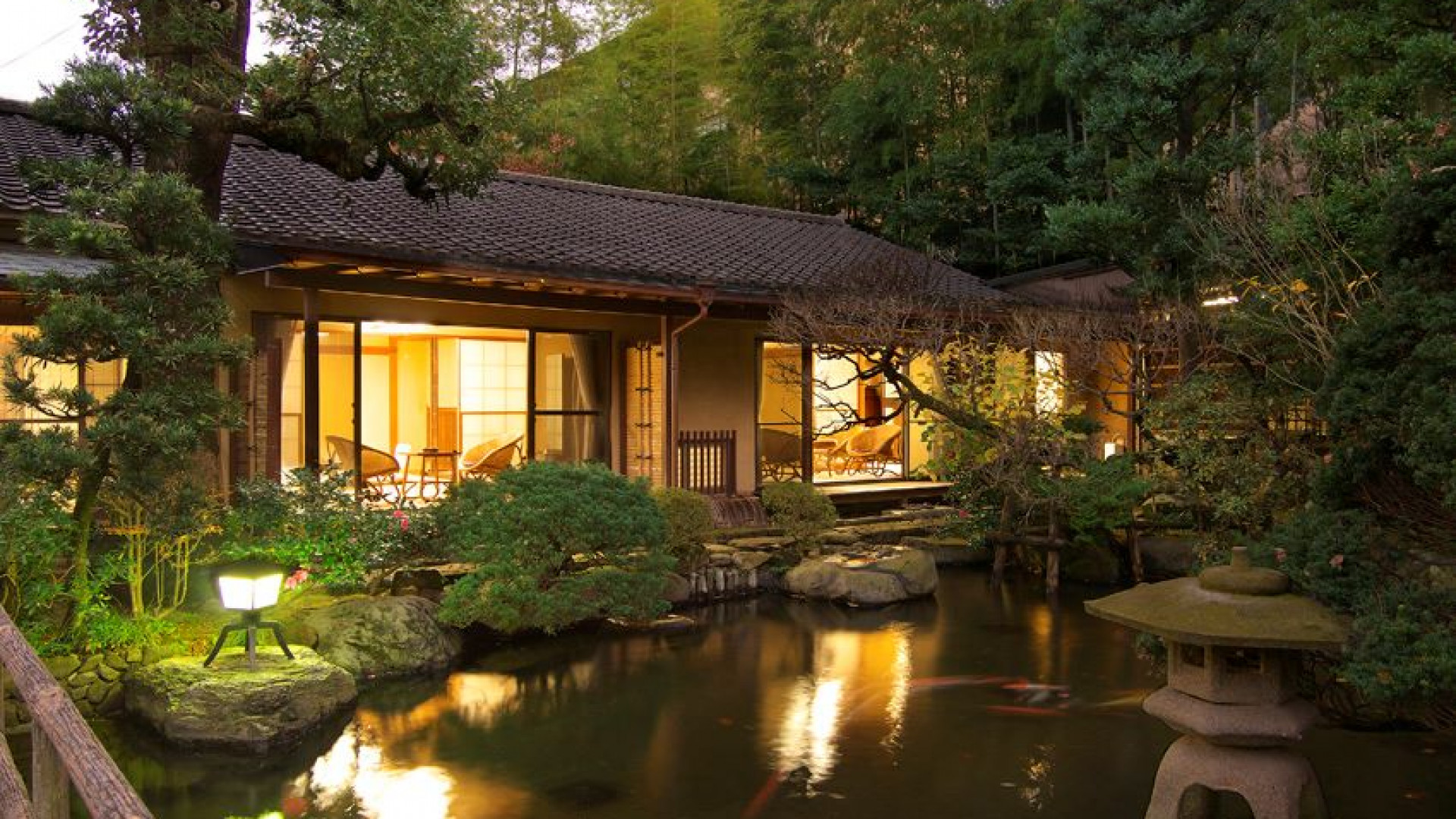
A long-standing inn housed in a four-story sukiya-style wood building in Hakone Onsen. This inn, overflowing with the romance of travel, also offers guest rooms with their own private open air roten (with a view) baths through which hot spring water flows. All of the rooms face Hayakawa Valley, allowing you to enjoy the unique nature of Hakone in all four seasons. This location was designated a National Designated Tangible Cultural Property in 2009, and it is certified as a building that contributes to the historical landscape.

Onsen & Stay Tokaido Koshu kaido KANAGAWA
Tsurugaoka Hachimangu

Tsurugaoka Hachimangu

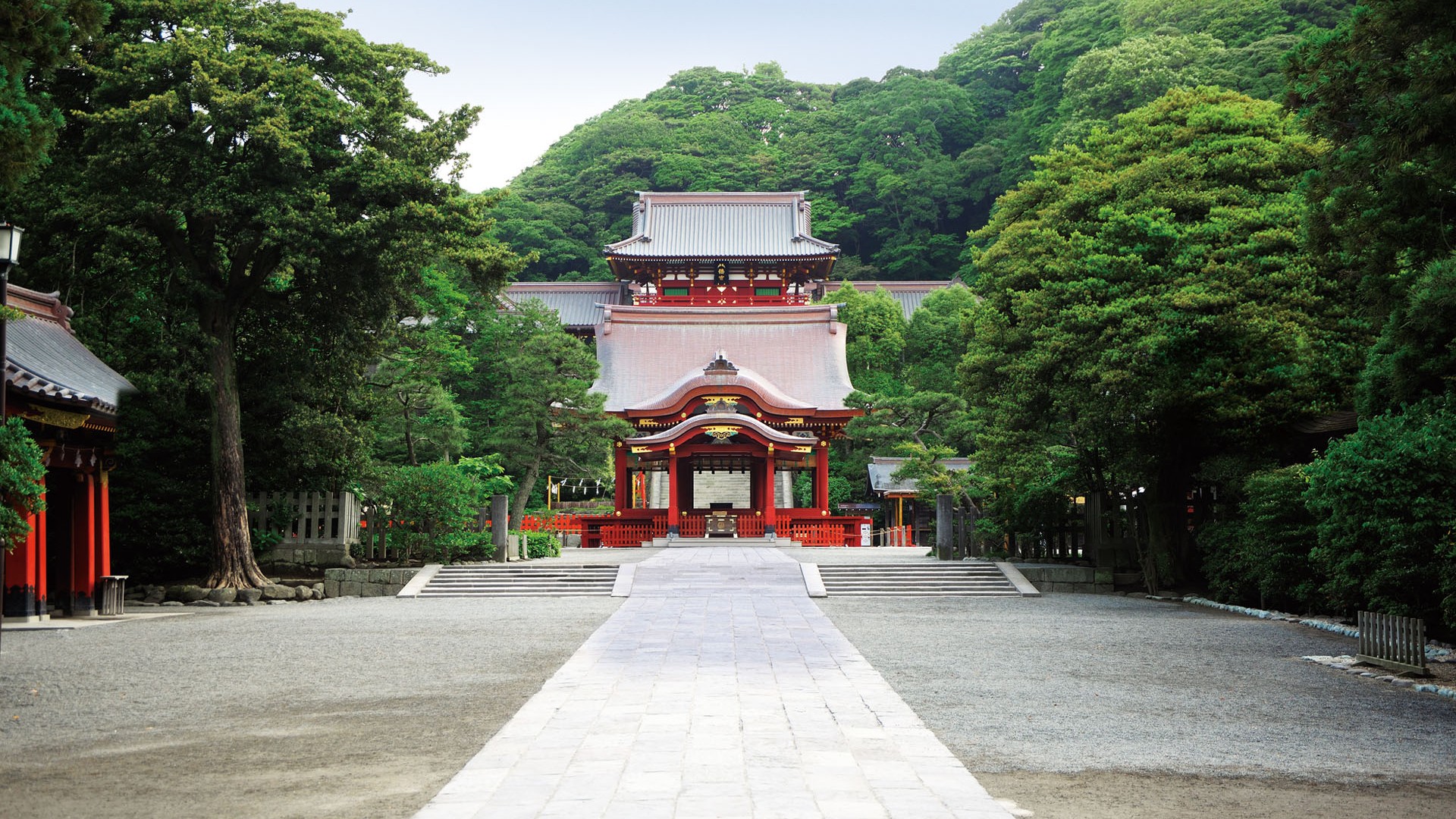
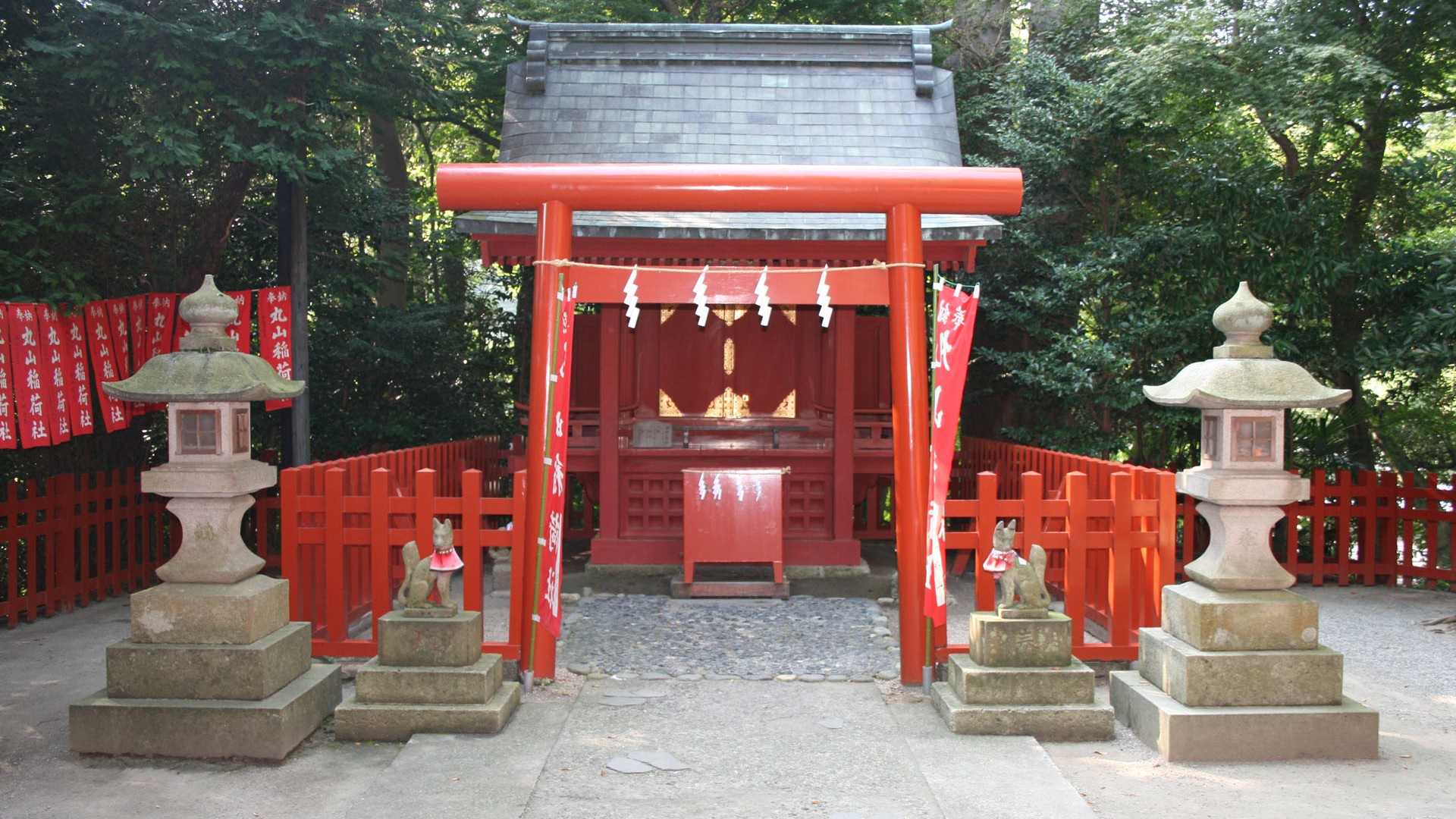
Alongside Usa and Ishimizu, Tsuruoka Hachimangu Shrine is one of the major Hachimangu shrines in Japan. In the 6th year of the Kouhei Era (1063), Minamoto no Yoriyoshi returned after subduing the Oshu region and entered Kamakura, where he secretly transferred Ishimizu Hachimangu Shrine to another shrine in Yui Township Tsuruoka near the coast and called it Tsuruoka Wakamiya Shrine. Later in the 4th year of the Jisho Era (1180), Minamoto no Yoritomo entered Kamakura and relocated the shrine to Kitayama in Kobayashi Township (the current site). In the 2nd year of the Kenkyuu Era (1191), the shrine pavilion was built on the hillside of the Mount Daijinyama, and the current spectacular upper and lower palaces were built. Since then, the shrine has been the head of the Kamakura Shogunate's religious order and has been revered as the deity of the Minamoto clan and the guardian deity of the warrior class. The present main shrine was rebuilt in 1828 by Ienari Tokugawa, the 11th shogun of the Edo Shogunate, and is designated as a National Important Cultural Property along with the regent shrine Wakamiya. Deities: Emperor Ojin, Himejin, and Empress Jingu. Regularly held festival day: September 15. The shrine has a Wakamiya regent shrine, Takeuchi Shrine, Maruyama Inari Shrine, Shirahata Shrine, Soreisha Shrine, Hatagami Benzaiten Shrine, and an Imamiya Shrine and Yui Wakamiya Shrine outside of the shrine grounds.An imposing shinto shrine founded in 1063, Tsurugaoka Hachimangu is the spiritual center of Japan's ancient capital Kamakura, so important that the city was built around it. In spring, the 1.8 km approach from the station is lined with vibrant pink cherry blossoms.The best time to visit a shrine is in the morning, so start your day with a visit and breathe in the crisp morning air.

Temples & Shrines Tokaido Koshu kaido KANAGAWA
Odawara Castle Tenshukaku

Odawara Castle Tenshukaku

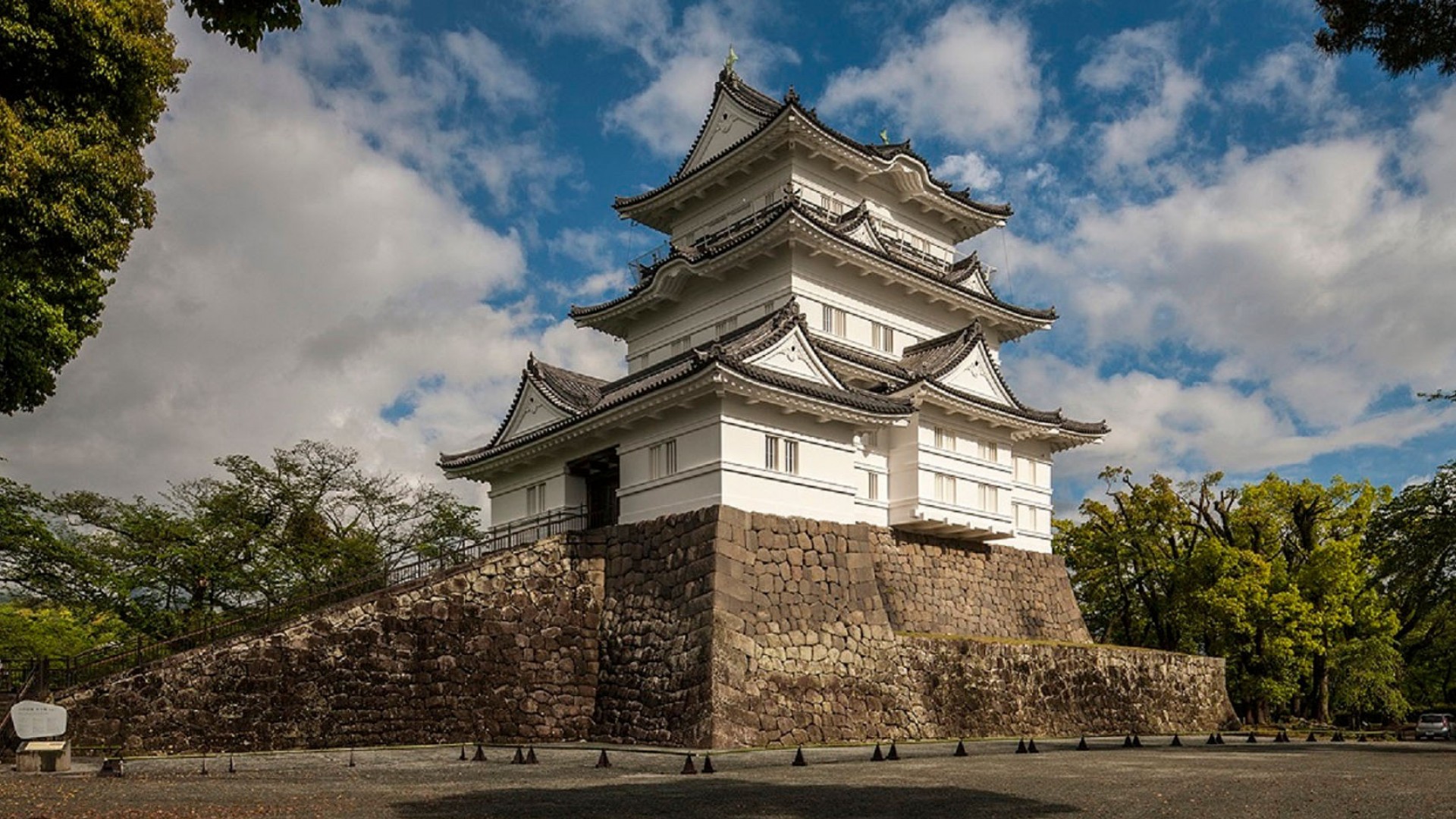
Odawara Castle is an impregnable castle that was designated as a national historic site and preserved through reconstruction and restoration. The first to fifth floors of the castle tower introduce the history of the castle from the Edo period to the present day. From the observation deck on the top floor, which is approximately 60 meters above sea level, visitors can enjoy a panoramic view of Sagami Bay. In Odawara Castle Ruins Park, visitors can enjoy a variety of flowers and plants throughout the year, including cherry blossoms, wisteria, irises, and ume (Japanese plum).Exhibits specializing in weapons such as armor and swords are held to introduce the spirituality of the samurai and the art of the weapons.This castle provides a fun time reliving the medieval era. Inside the castle is an excellent museum and outside, near the back, you can try on the armor of a ninja warrior for a memorable picture of your visit.The lovely contrast between Odawara Castle’s white castle tower and the pale pink of the cherry blossoms can be seen every year from late March to early April. When night falls at Odawara Castle’s Honmaru Square, they hold the “Odawara Castle Cherry Blossom Light-up: Night Cherry Blossoms Dyed in Light” event, creating an even more magical atmosphere.Odawara Castle Hydrangea and Iris Festival: Odawara Castle is designated as one of Japan's Top 100 Castles. In the iris garden located in the east moat of the Odawara Castle Keep, visitors can enjoy about 10,000 iris flowers in full bloom from early to mid June. The garden will be lit up at night which creates a mysterious vista.

Culture & Arts Koshu kaido Tokaido KANAGAWA
Komachi Street

Komachi Street

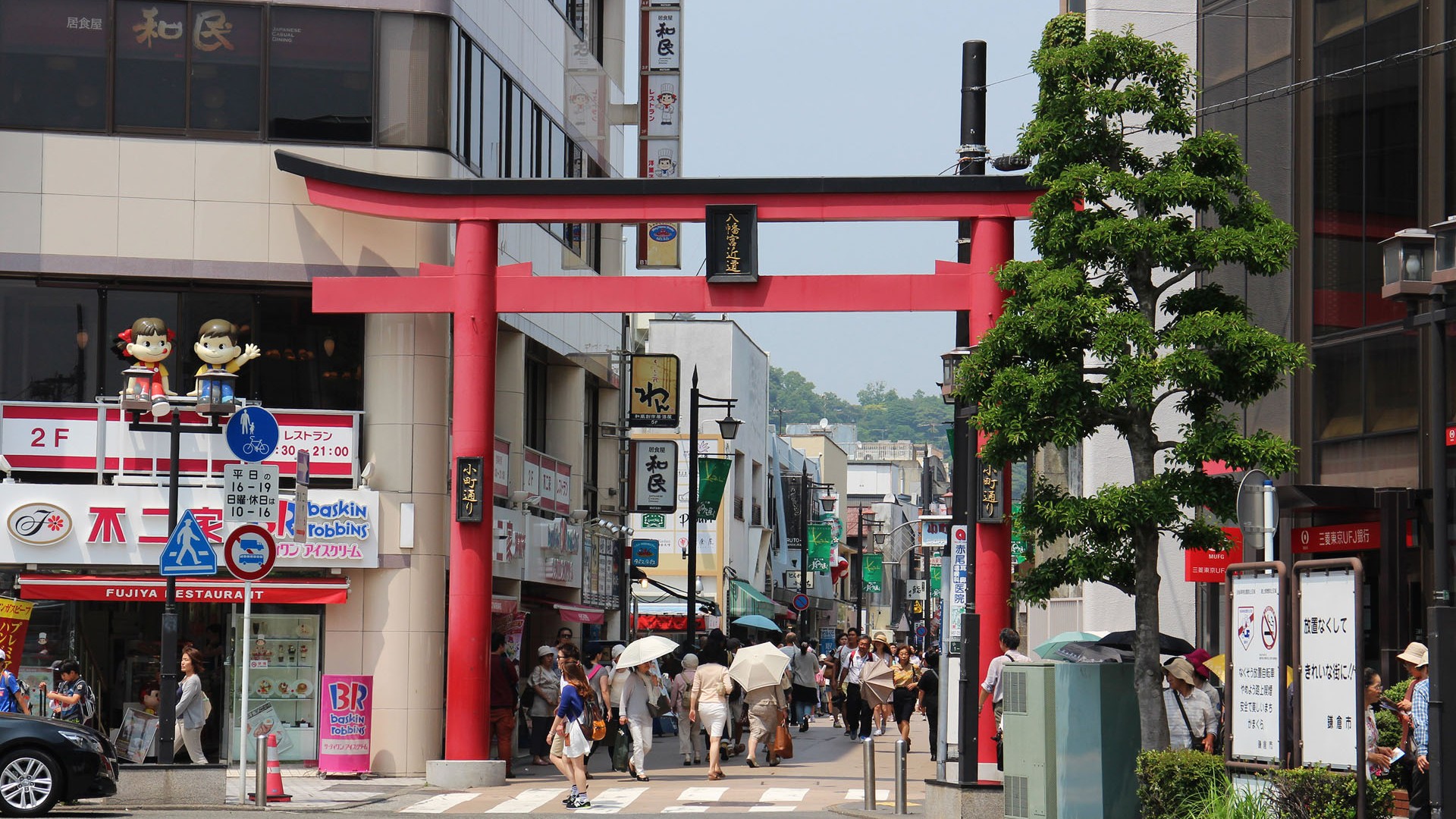
This street is one of the most famous shopping street in Kamakura, Japan. It has been featured in some TV programs and magazines. There are about 250 shops. Come and see various shops while you stroll the town.Starting next to Kamakura station, Komachi-dori is a long shopping street that's fun to explore. Shop for souvenirs such as kimonos, traditional knives, or ceramics and chopsticks; then grab a snack to eat on the street or sit down for a bowl of the local specialty: shirasudon, whitebait on rice.

Shopping Tokaido Koshu kaido KANAGAWA
Nature Observation Facility Kuzuha House

Nature Observation Facility Kuzuha House

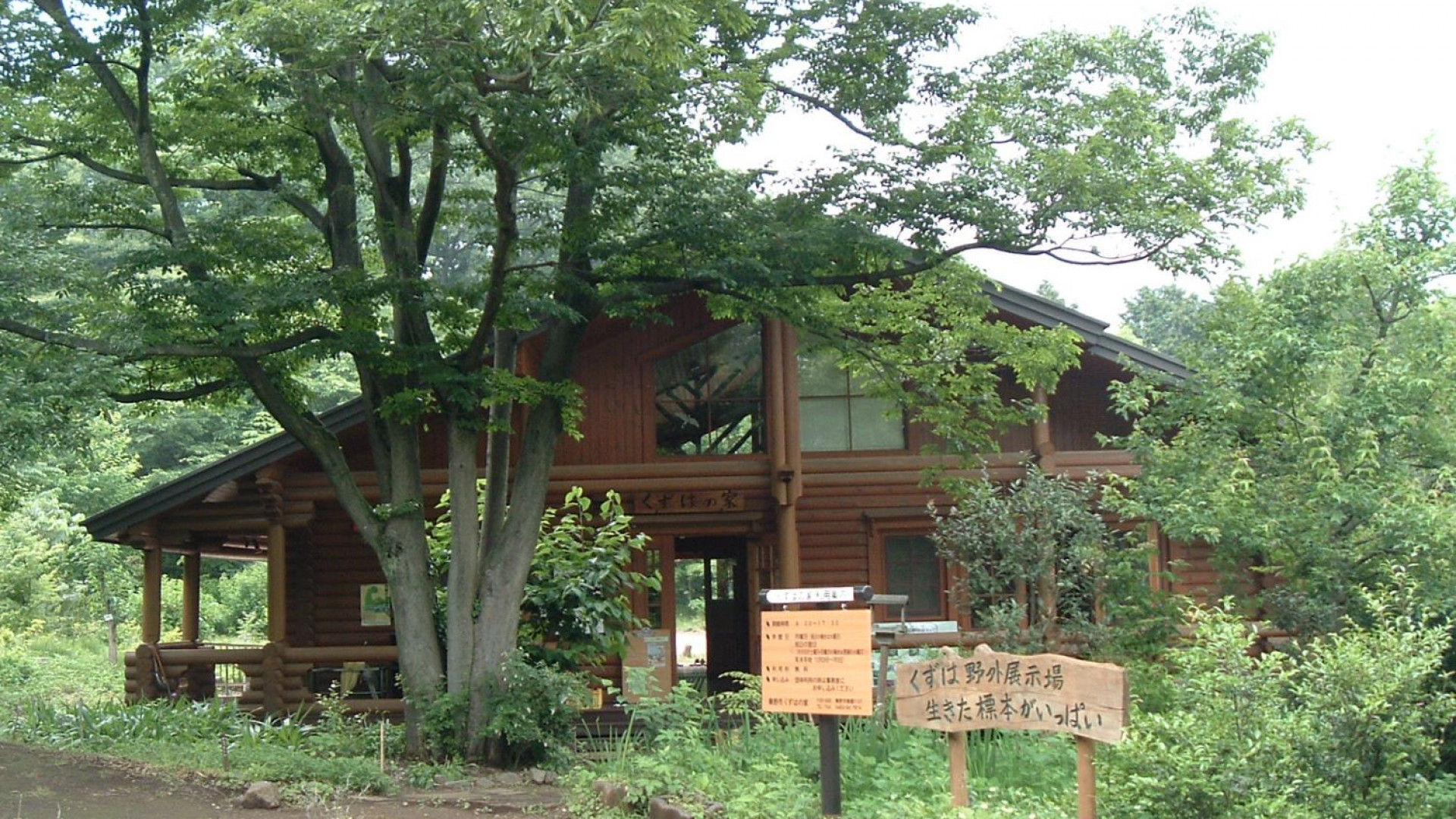
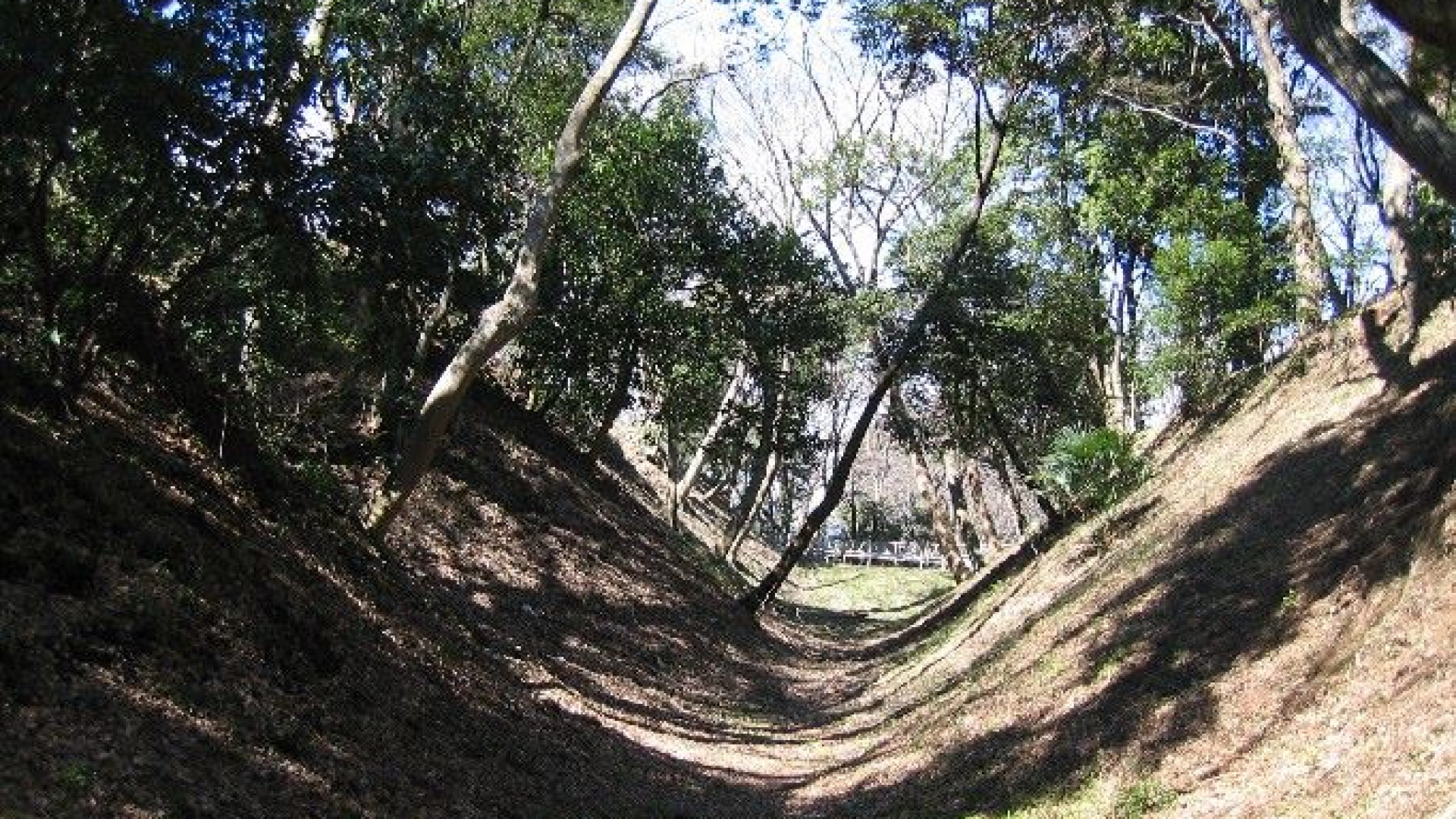
The Kuzuha Green Space, which consists of the Kuzuha River, which runs almost in the centre of the Hadano Basin, and a canyon surrounded by abundant greenery, was designated as" Kanagawa's National Trust No. 1 Green Space" in 1987. "Kuzuha no Ie", which is a base for nature observation, was opened in 1998, and visitors can get close to nature and also holds nature observation meetings, seasonal gatherings and nature observation instructor training courses, and various other activities to encourage nature protection. In addition, we are engaged in work to pass on the conservation of the space to future generations through appropriate management such as nature surveys, tree pruning, and mowing.

Nature & Views Tokaido Koshu kaido KANAGAWA
Hiratsuka Offshore Experiment Tower (University of Tokyo Ocean Alliance)

Hiratsuka Offshore Experiment Tower (University of Tokyo Ocean Alliance)

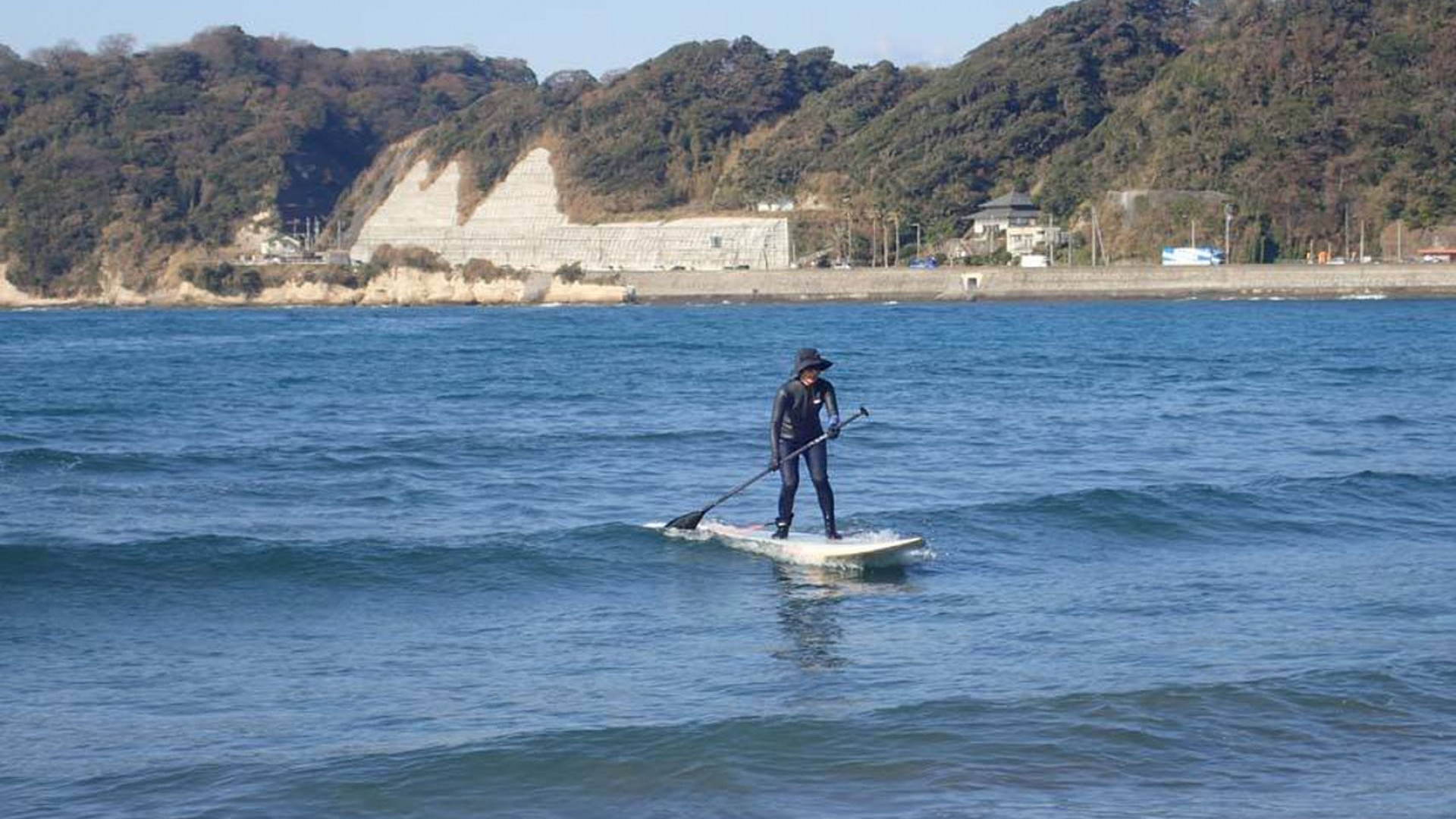
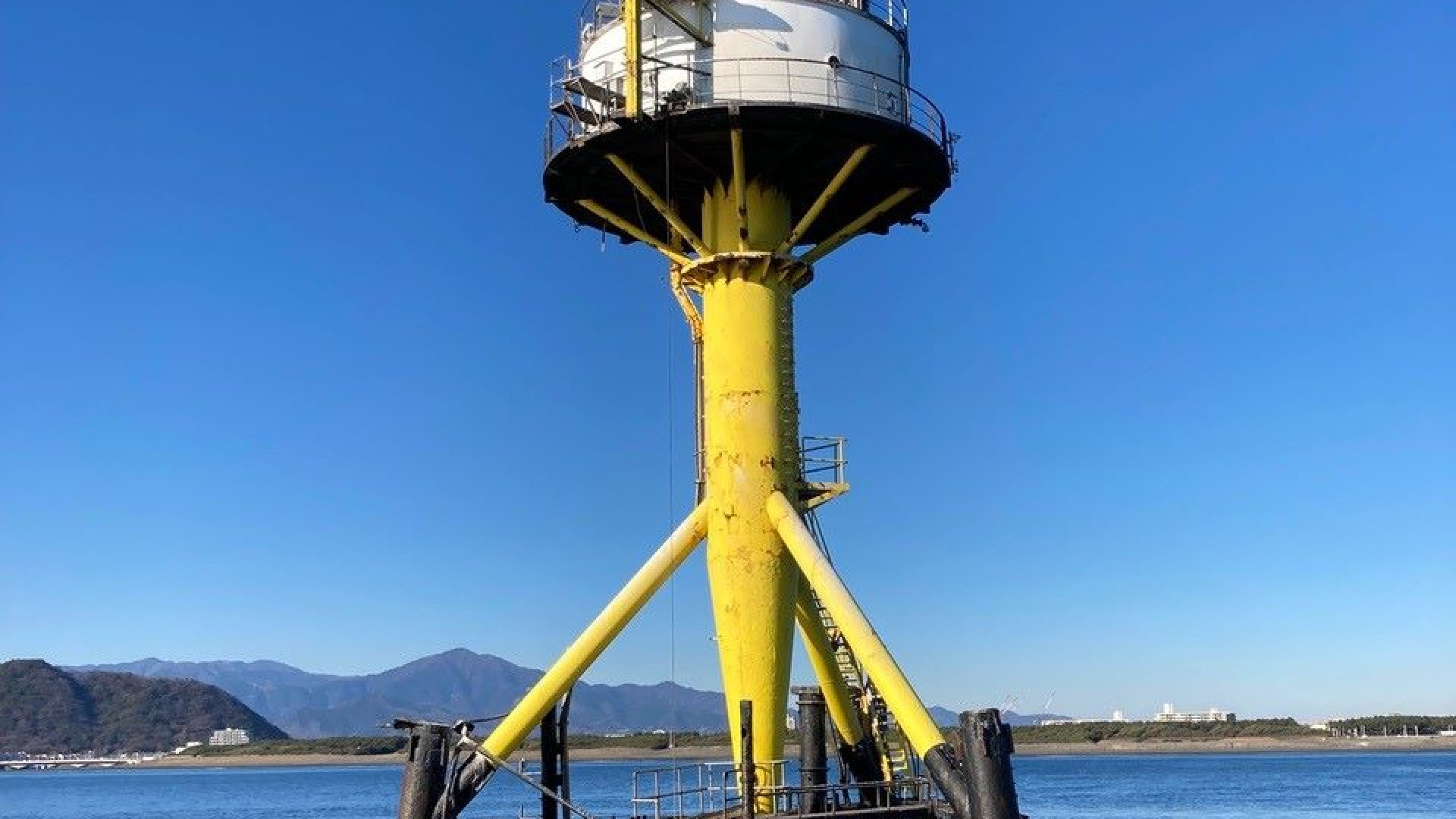
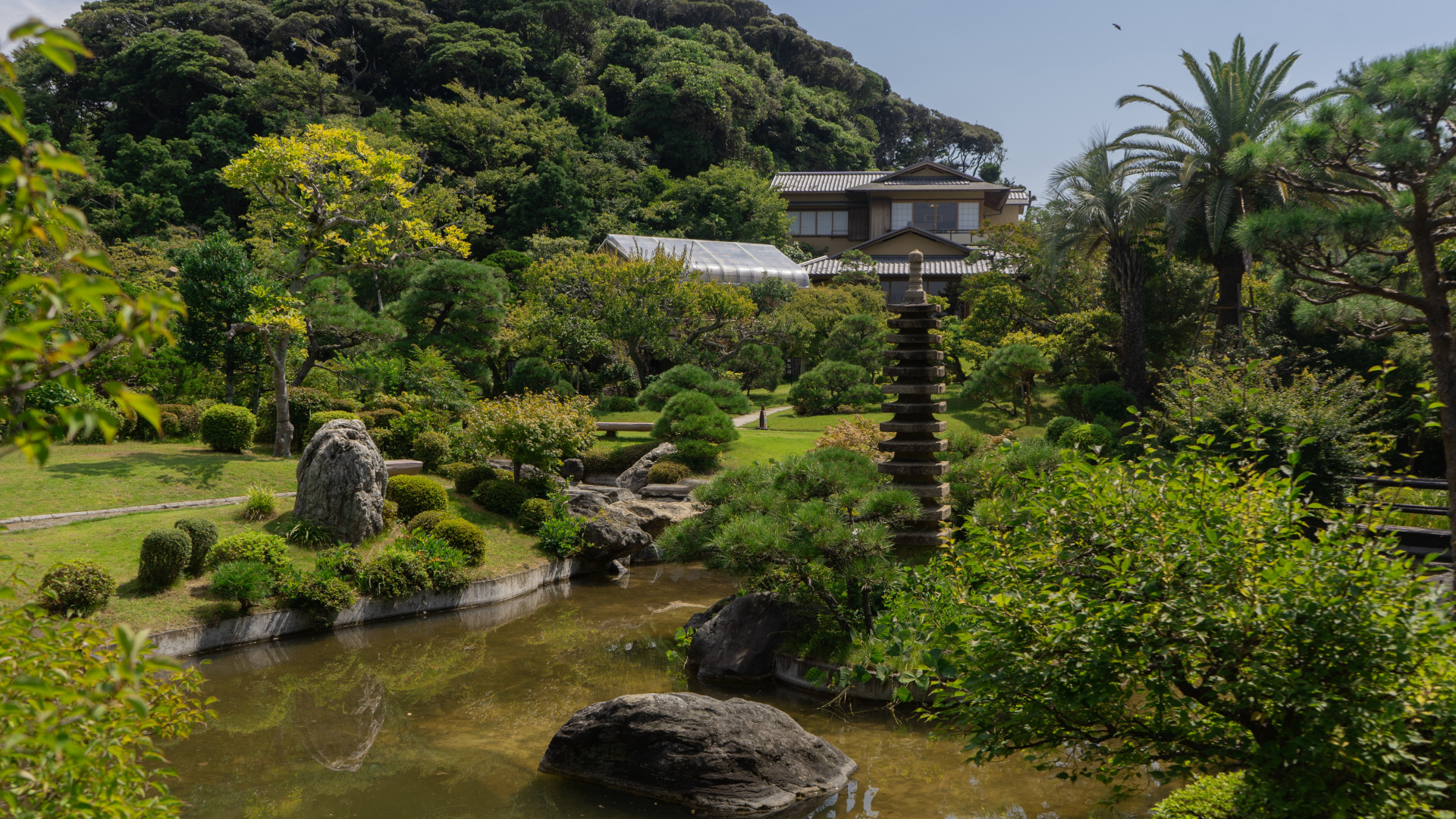
Hiratsuka Offshore Comprehensive Experiment Tower is a marine and meteorological observation and oceanographic experiment platform installed in waters 1km off the coast of Hiratsuka, at a depth of 20m. Managed and operated by the University of Tokyo, the tower is used by various domestic and international research institutions as well as private equities for marine experiments. Easily identifed as the massive yellow structure visible from Hiratsuka Beach and in Ryujogaoka along National Route 134, it is nicknamed the "Hiratsuka Tower". Some visitors even paddle out to sea on standing paddleboards to get a close-up view!

Experience & Activities Koshu kaido Tokaido KANAGAWA
Kamakura Museum of Literature

Kamakura Museum of Literature

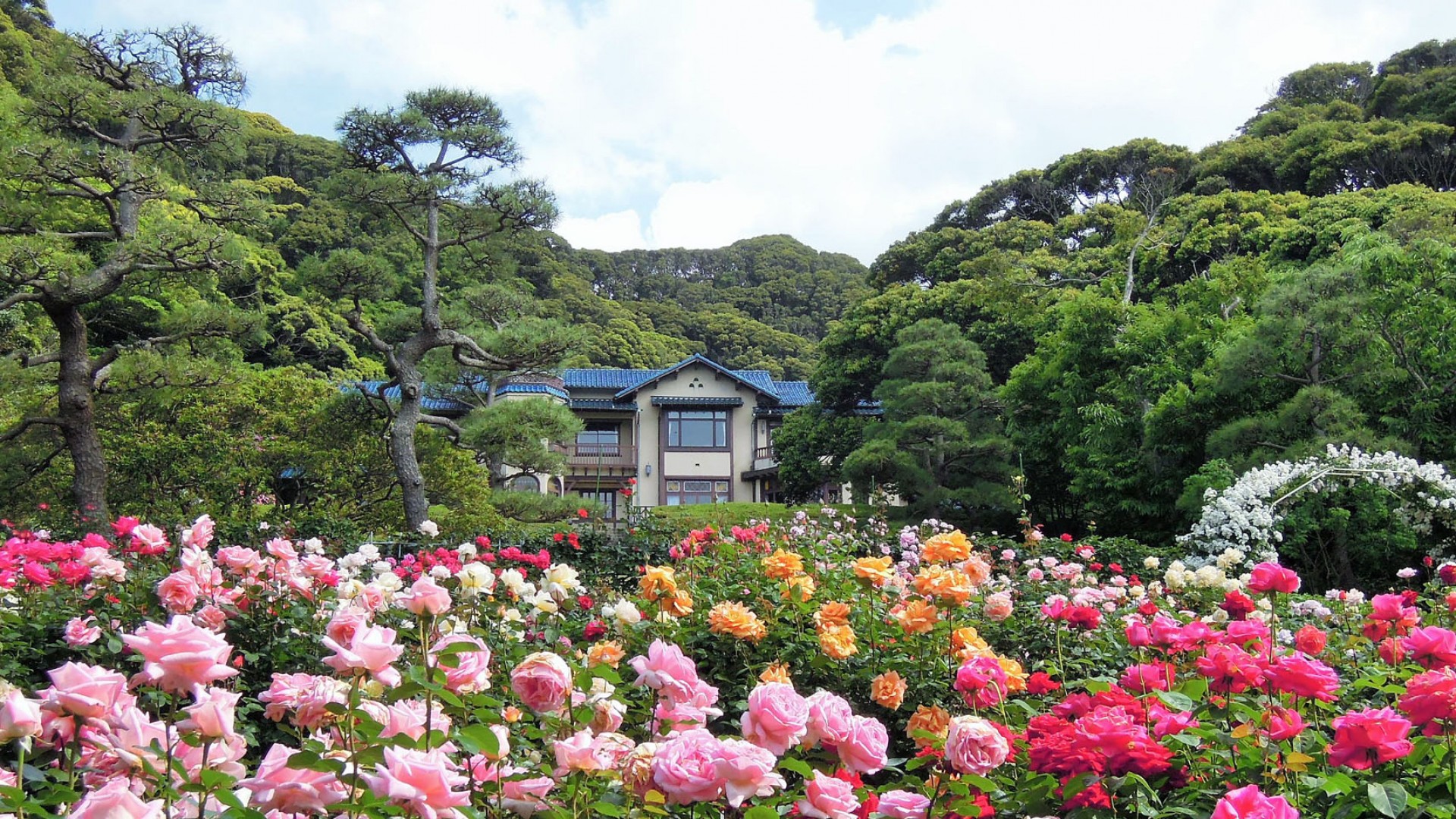
This place is temporarily closed. Please check the official website on reopening, operational information and more.The Kamakura Museum of Literature was built in 1936 (Showa 11) as the former Kamakura villa of Maeda Marquis family. You can view the rooms reminiscent of the past, with marble fireplaces and stained glass, as well as the important resources inside from related authors such as Yasunari Kawabata. In the garden filled with greenery, some 250 shrubs of roses bloom in Spring and Autumn. This building is the model for the villa in Yukio Mishima’s novel, “Spring Snow”.The grounds and rose garden are quite beautiful, but there is not a lot of English support available inside the museum.

Culture & Arts Tokaido Koshu kaido KANAGAWA