
Kawasaki Racecourse Barbecue Area
Kawasaki Racecourse's new Barbeque Plaza features a large screen on which you can watch horseracing, and a variety of playsets for children to enjoy.
Total: 1715 items
Kawasaki Racecourse's new Barbeque Plaza features a large screen on which you can watch horseracing, and a variety of playsets for children to enjoy.
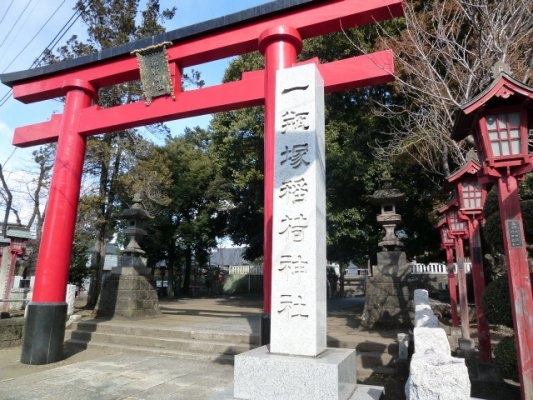
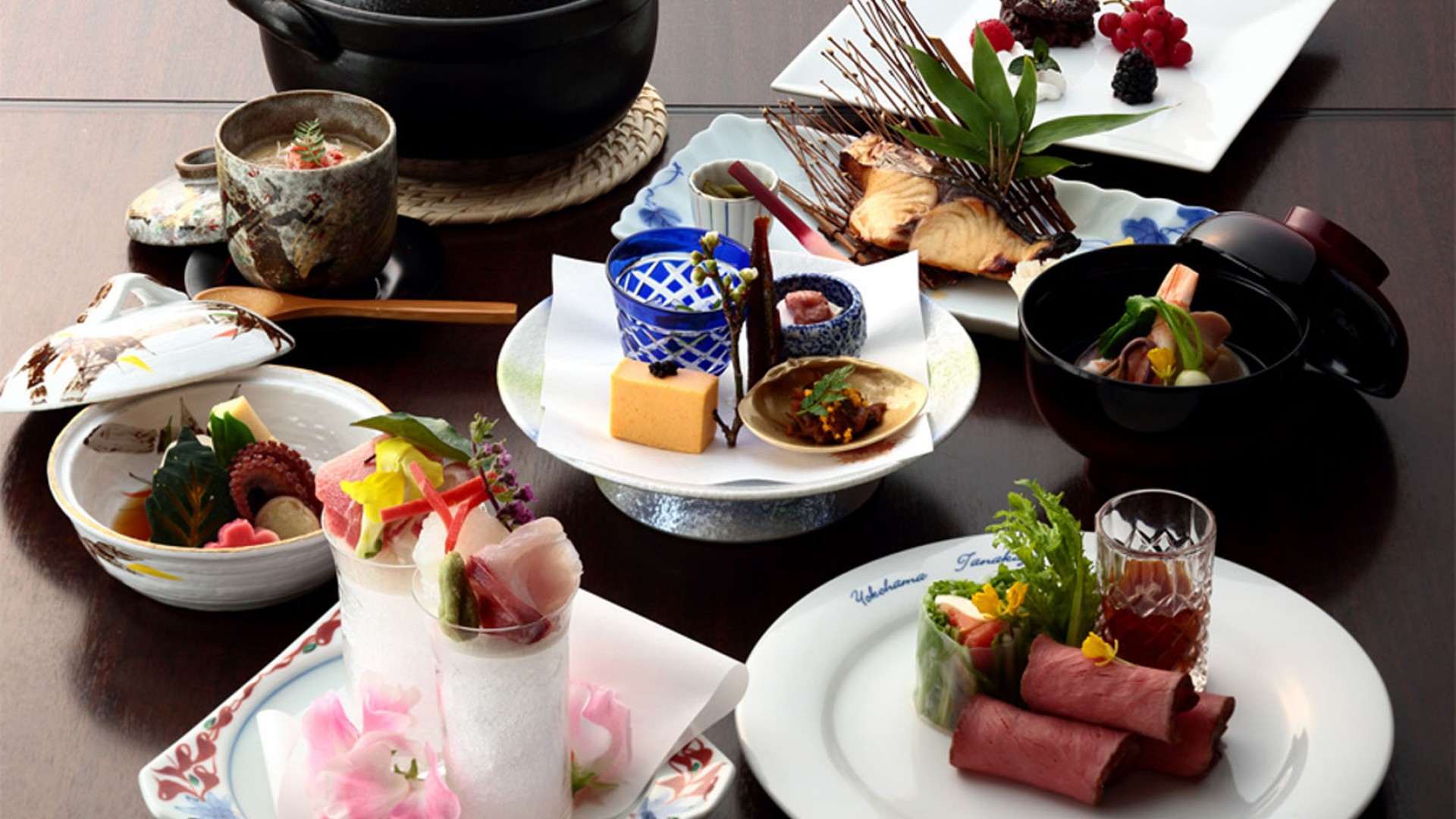
A path to life that connects local life with travelers.Hotel Enmichi is located on the site of what was once the approach to Inage Shrine, the main shrine, from Kawasaki-juku, the second post town on the Tokaido Road's 53 Stations, during the Edo period. It is believed to have been a place where travelers and pilgrims came and went, fostering various "connections." Here, we cherish the history of Kawasaki-juku, and believe in modern times, too, that the daily life of the local area is a tourism resource to be proud of. To this end, we aim to be an inn where various new "connections" are born of intersections between our community and the daily lives of travelers.Endo Restaurant Business Hours: Breakfast: Tuesday-Sunday, 7am–9am (closes once sold out) Lunch: Weekdays, 11:30am–2:30pm (Last order at 1:30pm); Weekends and holidays, 11:30am–3pm (Last order at 2pm) Dinner: Tuesday-Saturday, 5pm–9:30pm (Last order at 9pm) *Closed for dinner on Sundays and Mondays *Subject to change without notice on the day of operation.
This shopping area, developed into a Tokaido route, is also known as the Ameyoko of Yokohama, and is nearly as lively as the Hodogaya-shuku. How about taking a stroll in this warmhearted downtown shopping area?
This plantation offers you the opportunity to taste strawberries grown in organic soil. The soil is rich in nutrients, giving the strawberries a rich sweetness with a refreshing acidity. “Tochiotome” and “Benihoppe (Red Cheek)” strawberries are available to pick between early January and early June. The homemade Strawberry Daifuku (2 for 600 yen, 3 for 900 yen) are made from their strawberries and are extremely popular, so pre-orders are a must. They also sell jam (800 yen). *Make sure to also give the adjacent Kayama Farm Cafe a try!
This course starts at JR Yokosuka Station and passes through Verny Park, Mikasa Park, Umikaze Park, and the Yokosuka Museum of Art on the way to Keikyu Uraga Station. The salty air feels great, and even beginning cyclists can enjoy this course with peace of mind due to plenty of rest and bathroom facilities. Art lovers will also enjoy the art galleries and museums along this approximately 15km course.
In Tsurumi, a lot of people hailing from Okinawa moved into the area around the Nakadori Shopping Street. It’s called “Little Okinawa” as a result. Shops serving Okinawa Soba, Okinawan Cuisine, and Okinawan products line the street.
Sagami River Fureai Science Museum Aquarium Sagamihara is an aquarium that mainly exhibits creatures that inhabit the Sagami River. Children and adults alike can enjoy the "flow aquarium," which recreates the Sagami River from upstream to the mouth, the "walking water tank," where you can observe the fish swimming at your feet, and the "fish with food," where you can feed the fish. Guided tours and workshops are also available!
This was the private residence of silk trader Mr. Ellisman and was built in 1926 at 127 Yamate-cho and designed by A. Raymond, the "Father of Modern Japanese Architecture" who profoundly influenced Japan's architectural world. While possessing elements of a foreign-style mansion, it also shows the influence of Raymond's mentor, F. L. Wright, such as an emphasis on the horizontal lines of the eaves. It was relocated and restored to its current location in Motomachi Park in 1990. The first floor features a reception room with a fireplace, a combined living and dining room, and a sunroom overlooking the garden furnished with pieces designed by Raymond, while the second floor houses an exhibition on Western-style houses in Yamate. The basement is available for rental as a free-use space and includes a tea room utilizing the former kitchen area.One of eight restored Western Houses in the Yokohama, Yamate area, this is most beautiful in autumn and during the Christmas season. Take a break in its lovely little cafe.
A Shinto lodging for pilgrims to Mt. Oyama. You can try sutra copying and copying purification text, or relax in the bath after climbing the mountain. Meals are tofu-based kaiseki courses using locally-grown seasonal ingredients and homemade Oyama tofu. Sutra copying for day visitors is also available.
Back in the day, the biggest difficulty for those travelling on the Tokaido road was Hakone. The place of healing for them was Hakone Ashinoyu hotspring. More than 300 years ago, in 1715, "Kinokuniya" was born in Ashinoyu. Here you can enjoy the high quality hotsprings.
This shrine is located in Ninomiya's Azumayama Park. Oto Tachibana Hime no Mikoto, wife of the Japanese hero Yamato Takeru no Mikoto, cast herself into the ocean to quell its raging waters and pray for her husband's safety and success. Her comb drifted ashore and was buried in the place now known as Azuma Shrine.
Atop Mt. Karasuo, one can enjoy a fully panoramic view of Hadano city over the San-no-tou Ridge and the mountains of the Omote Ridge, such as San-no-tou and Tonotake. The origin of the name "Mt. Karasuo" is said to have come from an ascetic practitioner on this mountain, who prayed to a crow that flew over during his asceticism for blessings and the fulfillment of his ascetic practices.Please use the "Tanzawa Omote Ridge Traverse Course" as a reference and plan your hike accordingly.Early morning trekking allows you to enjoy a special experience with fewer people and clear air.
Only a 7-minute walk from Kawasaki Station on the Keihin Electric Express Railway line, this beer brewery and beer bar stands majestically on the former site of the Kawasaki-juku on the Tokaido road. This hideaway-like space for adults was selected for the Japan Space Design Award, and from the counter seats equipped with beautiful Edo Kiriko lighting you can enjoy 14 types of beer, from standard to seasonal, while overlooking fermentation tanks that resemble the night view of Kawasaki's factories.Located near Kawasaki Station, this brewery and beer bar is quietly nestled within the former site of Kawasaki-juku on the Tokaido road. Enjoy freshly brewed craft beer from the counter seats, beautifully lit with Edo Kiriko glass that was selected for the Japan Space Design Award, while gazing at beer fermentation tanks that resemble the night view of Kawasaki factories.
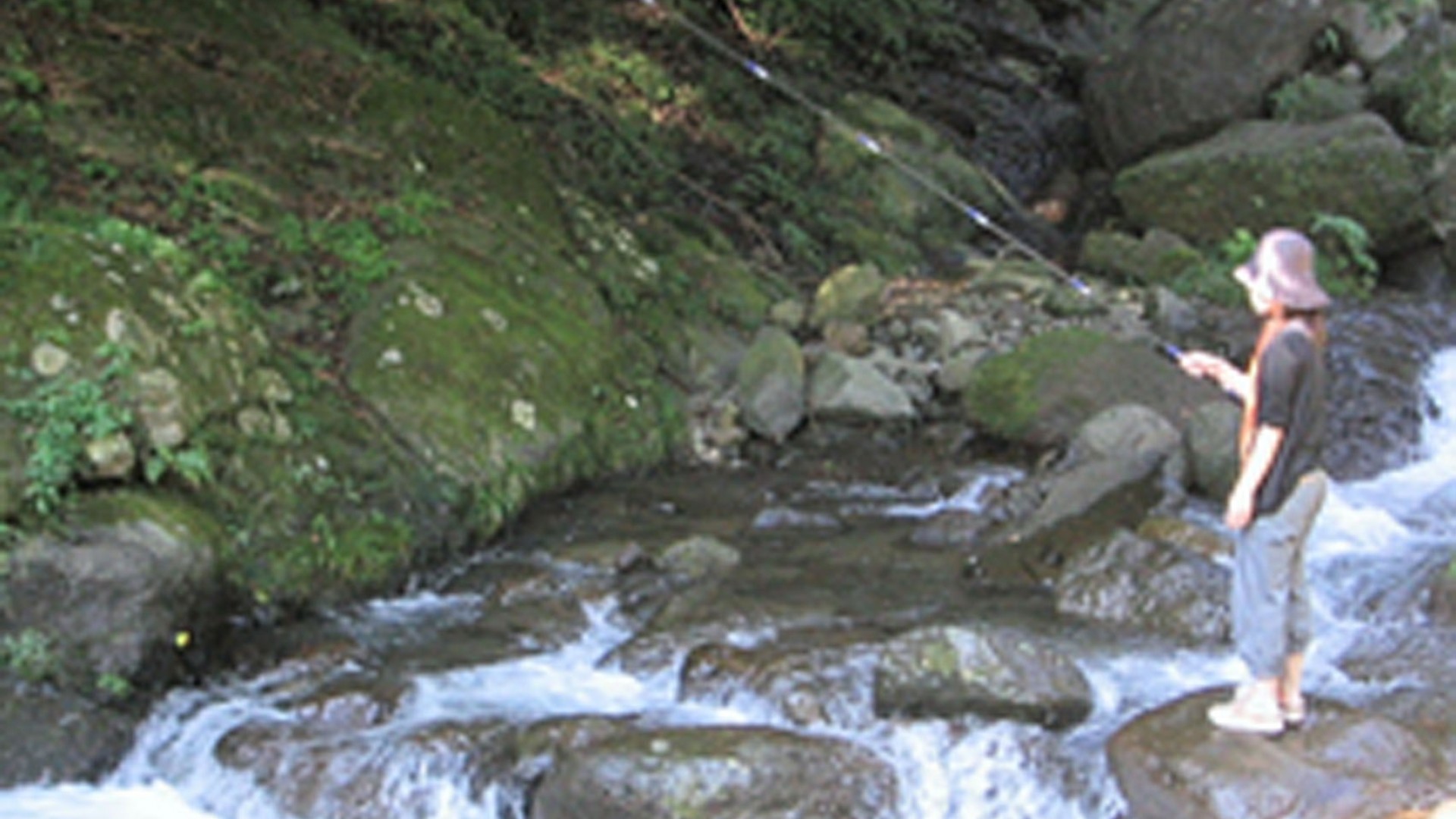
Midorinokyukamura Aone Camping Ground is located in northwestern Kanagawa, surrounded by lush nature and the clear waters of the Doshi River. With mountains on all sides that display beautiful seasonal beauty, Aone Camping Ground provides a quiet and fun environment for families, groups, and clubs to camp, hike, BBQ, swim, boat, and fish.
Opened to the public in 1949, this sports park has been the site for national sporting events and the Tokyo Olympics. Along with Nippatsu Mitsuzawa Stadium, where J.League and Rugby Top League matches are held, and the JAAF (Japan Association of Athletics Federations) certified class 2 track stadium, this park has a wide variety of sports facilities including tennis court, horse riding area, Hiranuma Memorial Gymnasium, Kanagawa prefecture sports center.
Besides temple patrons and locals, many foreigners come to experience meditation here on the first Saturday of every month.*We are currently holding a Saturday night zazen meditation session via Zoom. For more information, please contact us by phone or Facebook (Soin Satoshi Fujio).
The world biggest Japanese drum "Takio" school. You can learn playing the taiko from the very basics. They colaborated aerobic movement with the great sound and air waves of Wadaiko, Japanese taiko. This is a new fitness style created by TAIKO-LAB. Punching the Wadaiko with the drumsticks and you step to the music. You can have an easy and effective aerobic exercise.
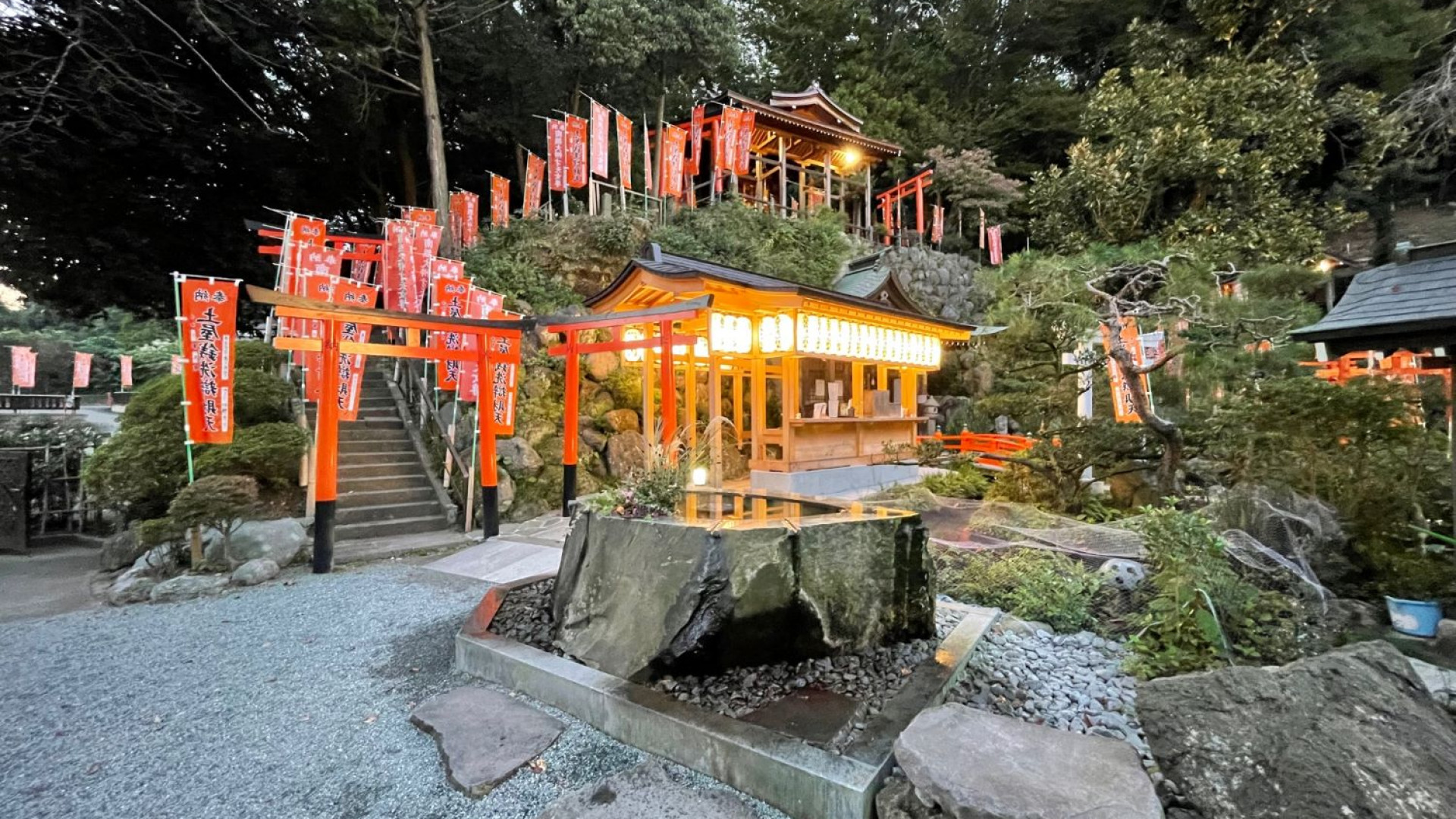
Hakusekiinari Shrine, lined with red and white torii gates, constructs a beautiful harmony with the temple grounds filled with flowers and a tunnel of torii gates and the surrounding mountains. In 1966, the temple enshrined the spirit of the Fushimi Inari Shrine in Kyoto. Rows of more than 50 torii gates are rare on the Miura Peninsula.