

Greater Tokyo

See & Do

reset
Egara Tenjin Shrine

Egara Tenjin Shrine

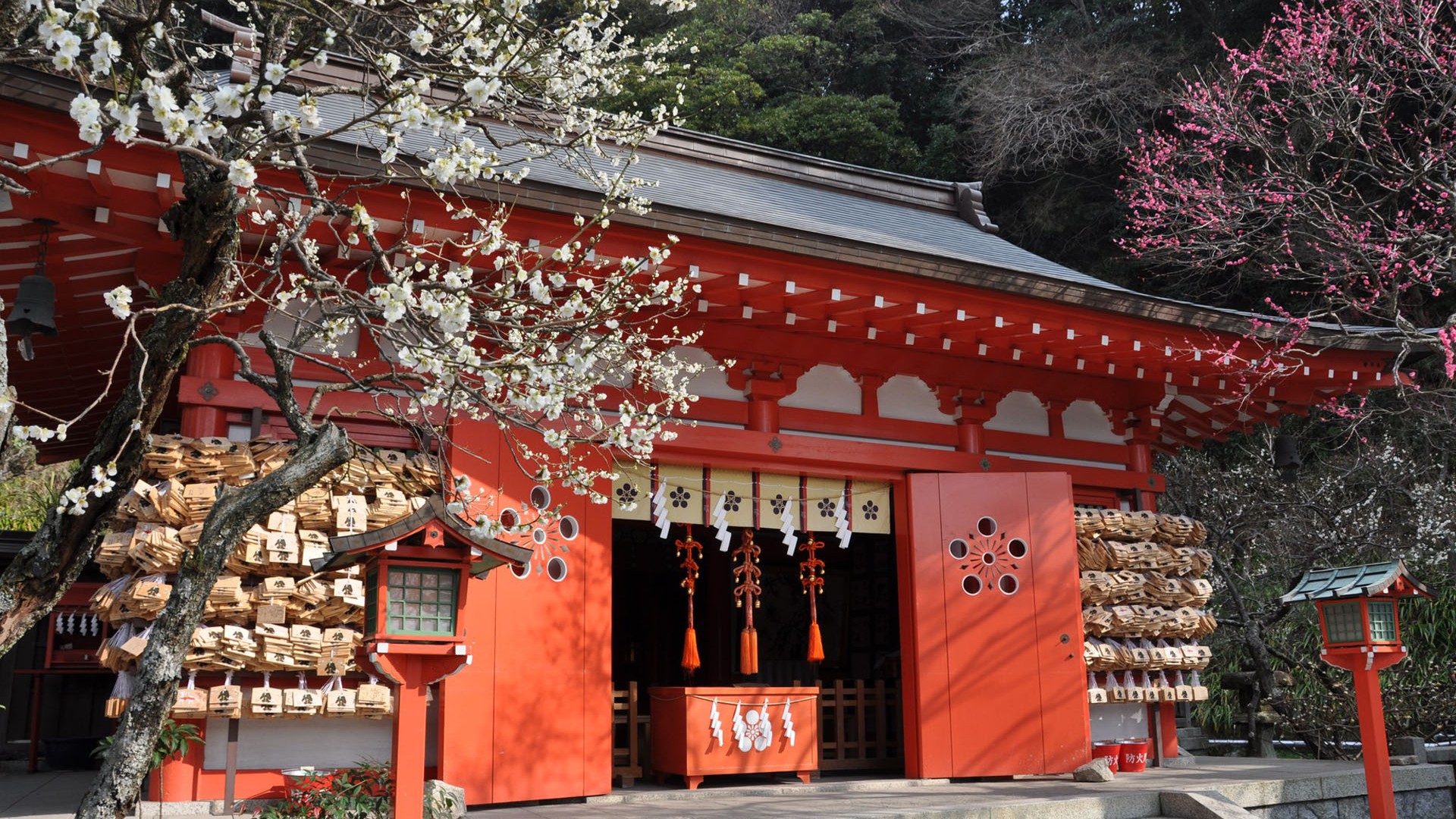
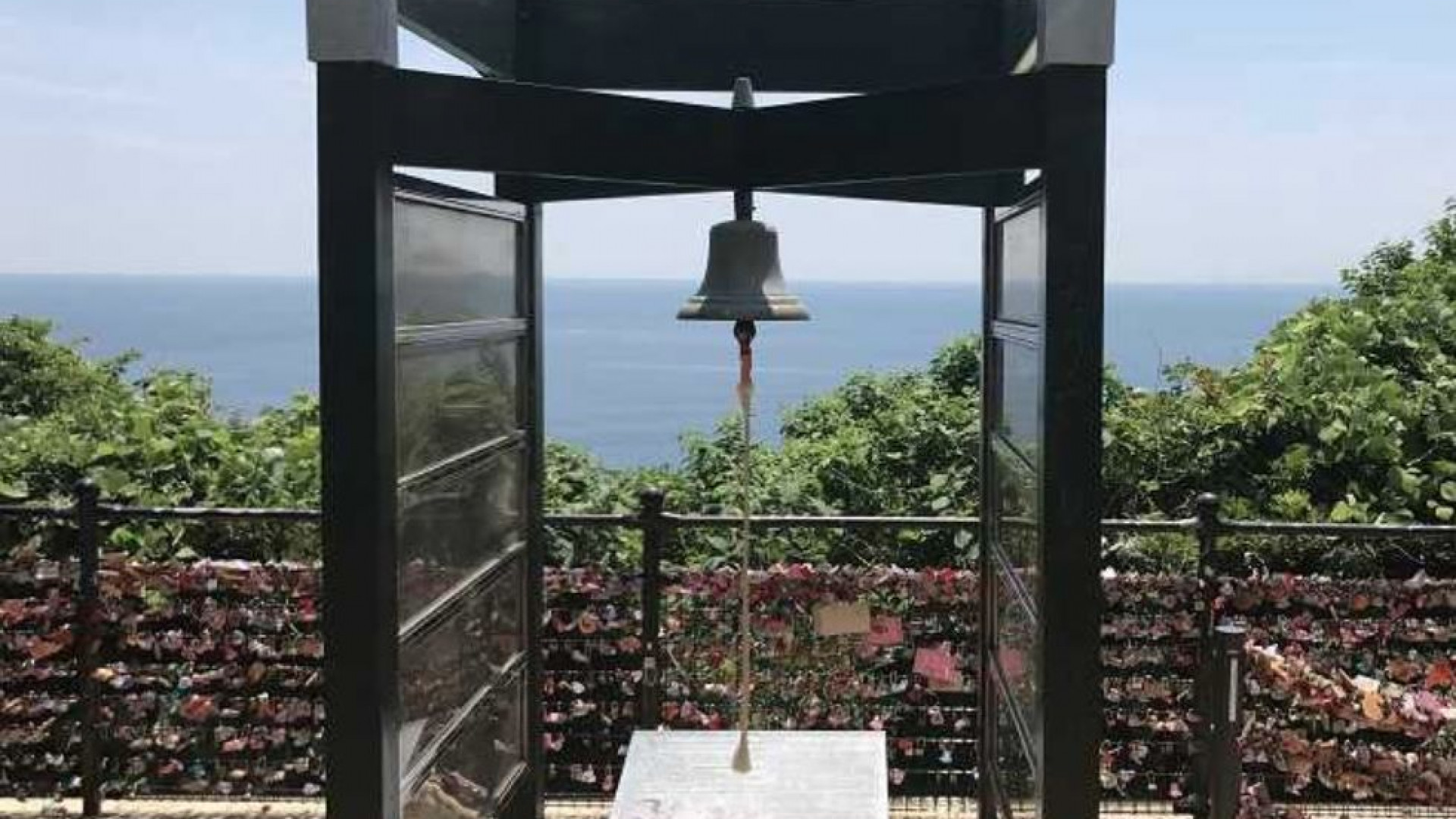
The Egara Tenjin Shrine was built in the Heian period. Together with the Kitano Tenmangu Shrine and Dazaifu Tenmangu Shrine, it is known as one of the three oldest Shinto shrines in Japan. Since Sugawara no Michizane, the deity of the shrine, excelled in academics, it is popular as a place to pray for success in academics and entrance examinations. The shrine is also famous for its two brush mounds associated with Showa and Heisei-era cartoonists.

Temples & Shrines Tokaido Koshu kaido KANAGAWA
Kanagawa Yamato Old Folk Tools and Antiques Market

Kanagawa Yamato Old Folk Tools and Antiques Market

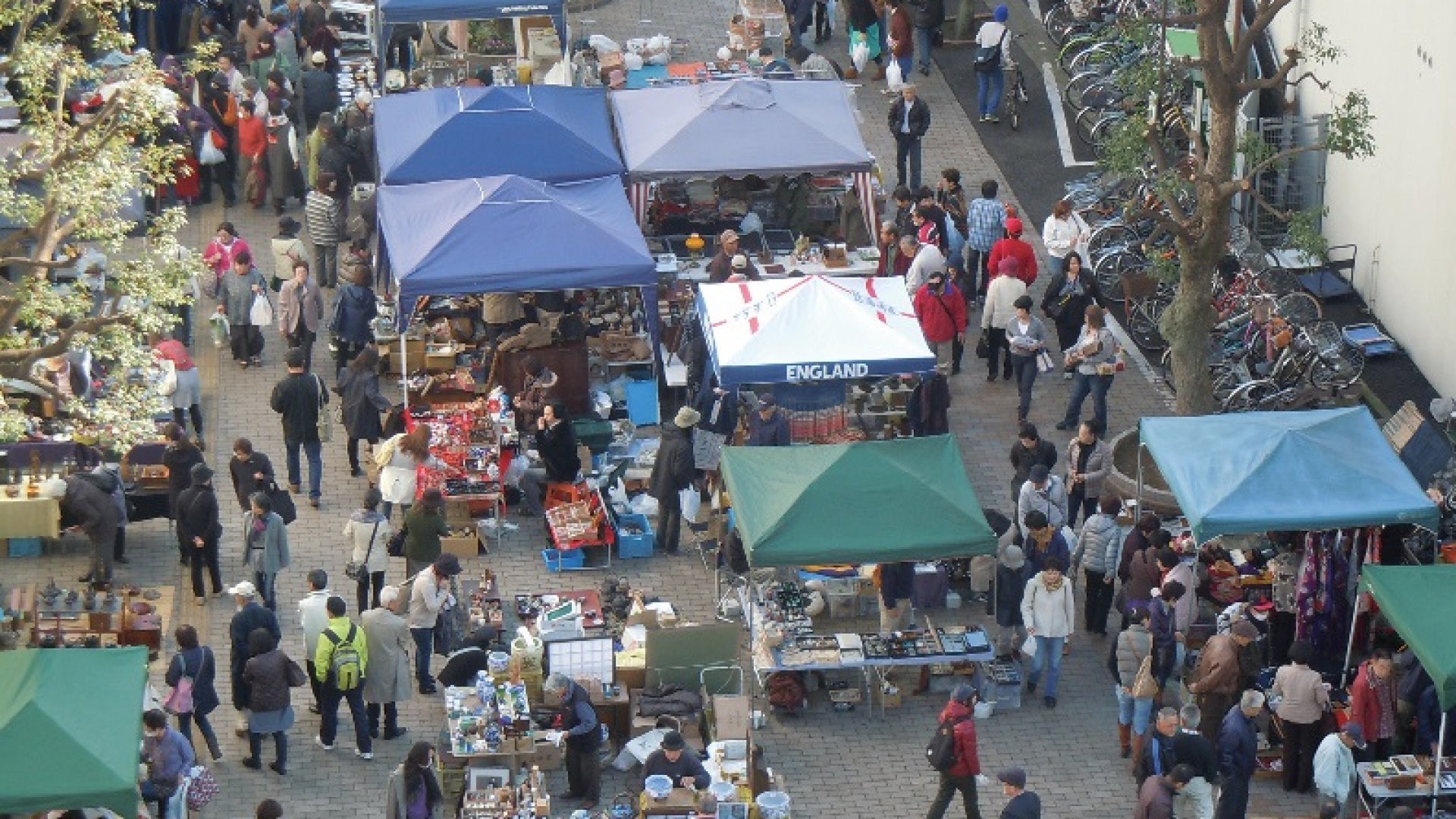
Once you exit the ticket gate, you're already at the antique market. Approximately 300 treasure-shops await you! Shops from all over the country offer antique folk implements from the Meiji, Taisho, and Showa periods, as well as calligraphy, paintings, hanging scrolls, porcelain replicas, crafts, vintage fabrics, and Western antiques. The Kanagawa Yamato Antique Market is sure to satisfy everyone from beginners to collectors. Many foreign visitors also visit. The market is open from 7am to 4pm, rain or shine.

Shopping Koshu kaido Tokaido KANAGAWA
Yugyo-no-Bon

Yugyo-no-Bon

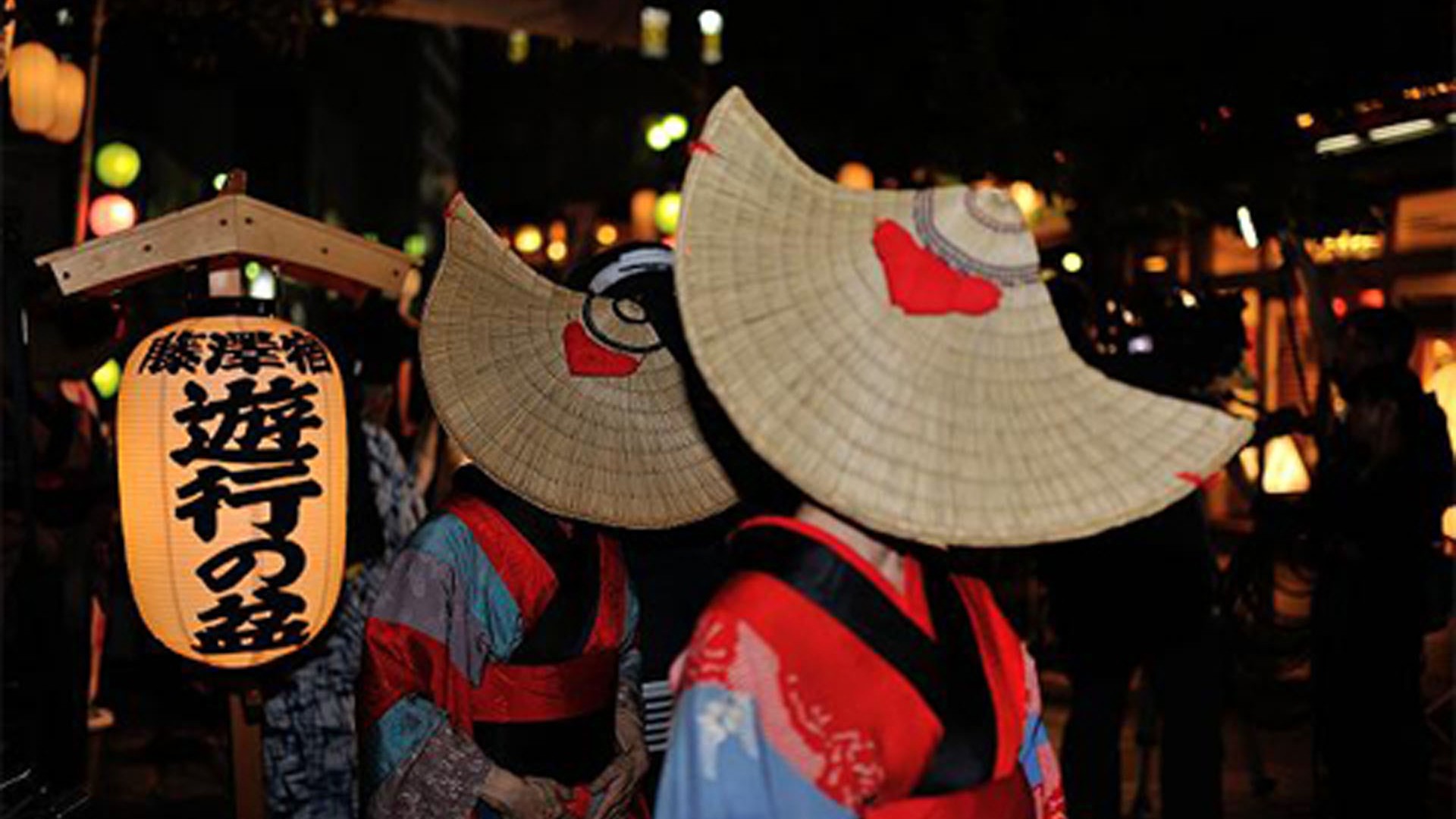
What is the dancing nembutsu at the Yugyo-ji Temple? It is said that during the Kamakura era, when Ippen Shonin of the Jishu Buddhism branch was performing nembutsu across the country, at one point, one of his disciples suddenly started dancing during the chanting. People who saw this followed him and started this dancing tradition, which has now evolved into all sorts of Bon festivals and folk arts incorporating cultures and characteristics from all kinds of places. People of Fujisawa embrace the culture that is passed down to them and use the dancing nembutsu as a theme to hold the brand-new Bon of Yugyo event, containing the Yugyo Dance.

Culture & Arts Tokaido Koshu kaido KANAGAWA
Nissan Heritage Collection

Nissan Heritage Collection

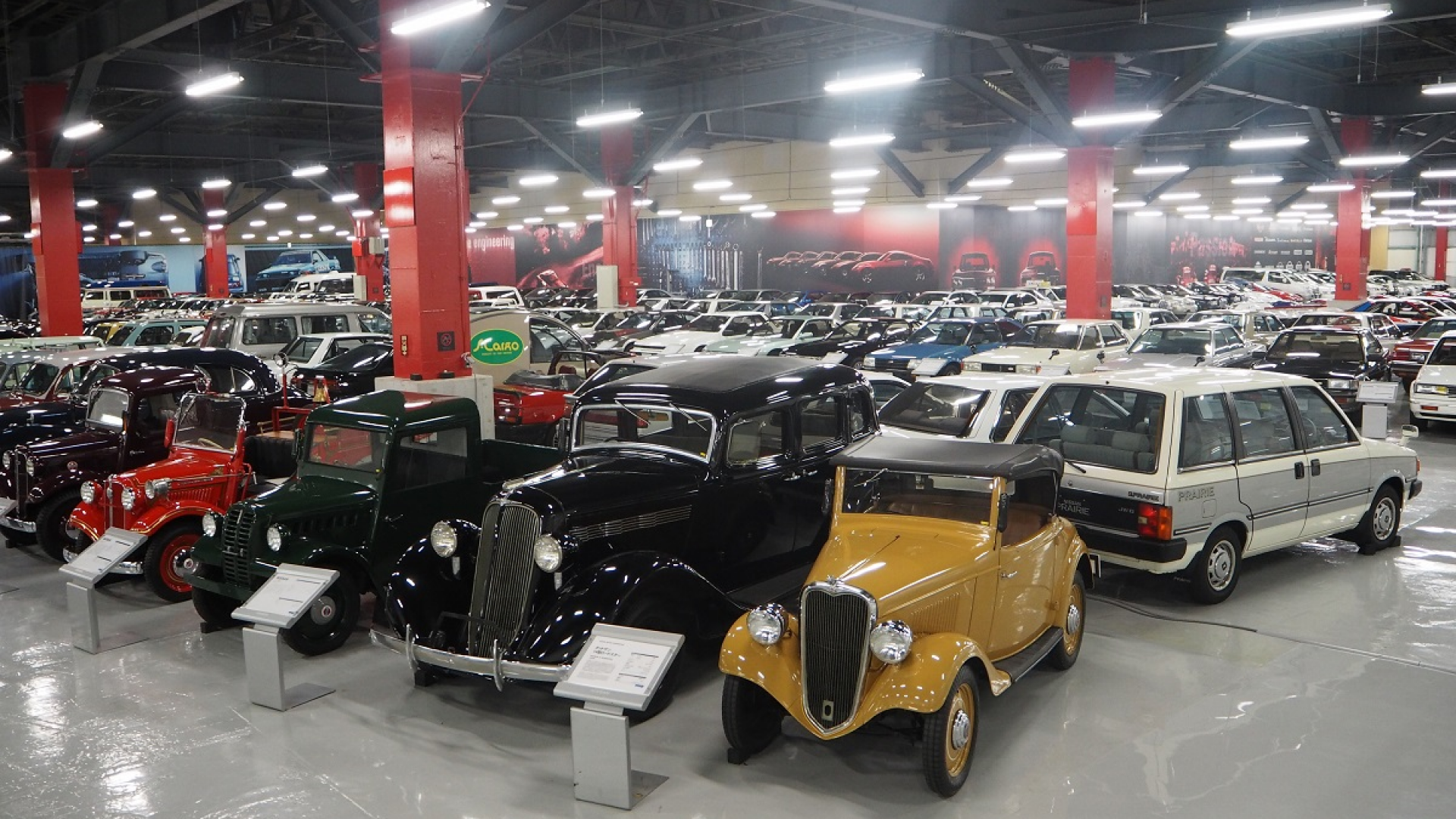
The tour includes the viewing of historic and valuable Nissan cars. There are old cars from the 1930s, like production cars, historic race cars, Nissan street motorcycles, off-road vehicles, and other vintage vehicles. The museum owns around 400 memorial vehicles, with 300 of them on display. ・No smoking in the building ・Do not take photos of the building outside ・Try not to touch the cars. (If you want to touch, please notify a staff) ・Japanese only

Culture & Arts Tokaido Koshu kaido KANAGAWA
Ichijo Ekan Sanso

Ichijo Ekan Sanso

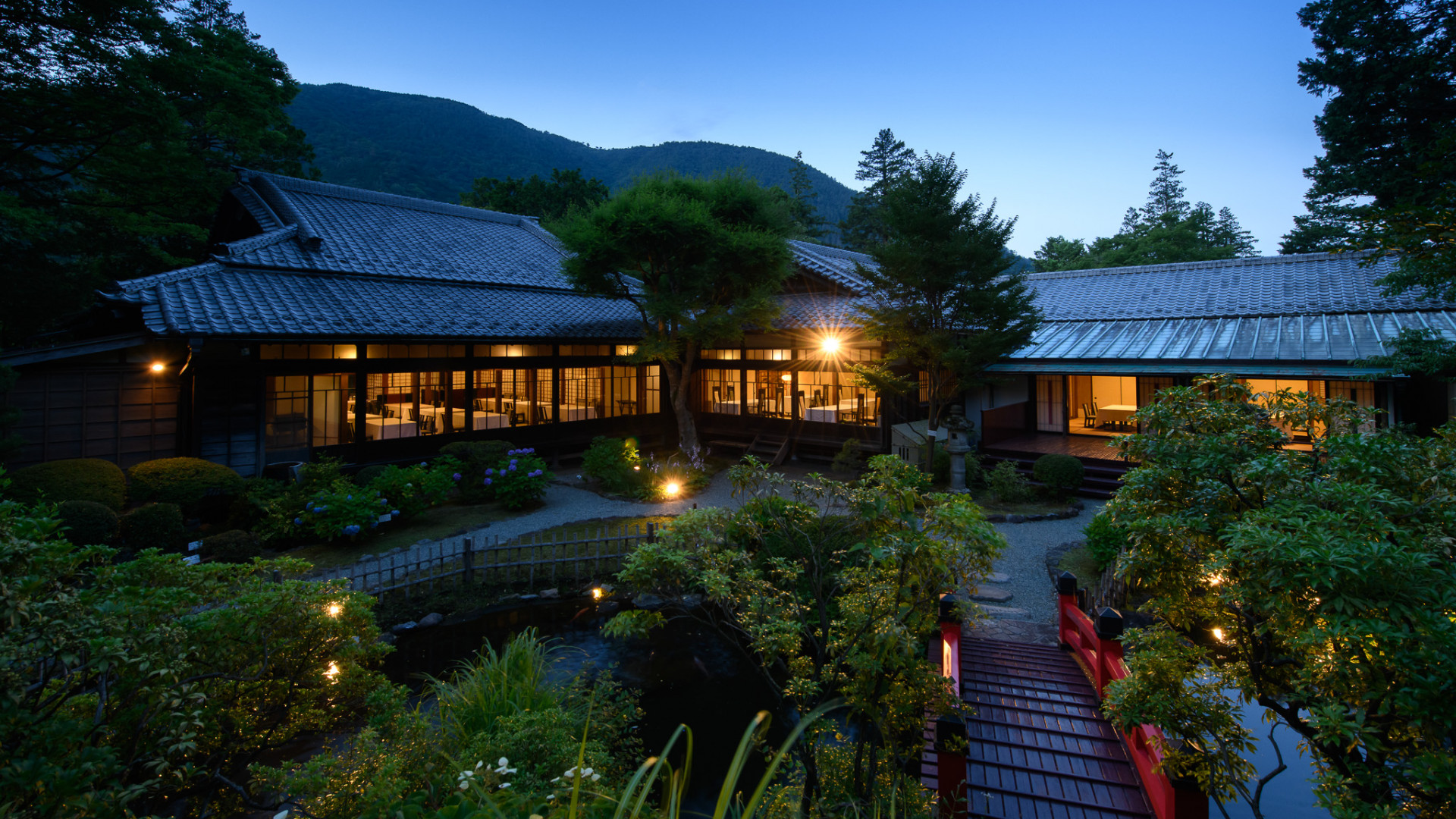
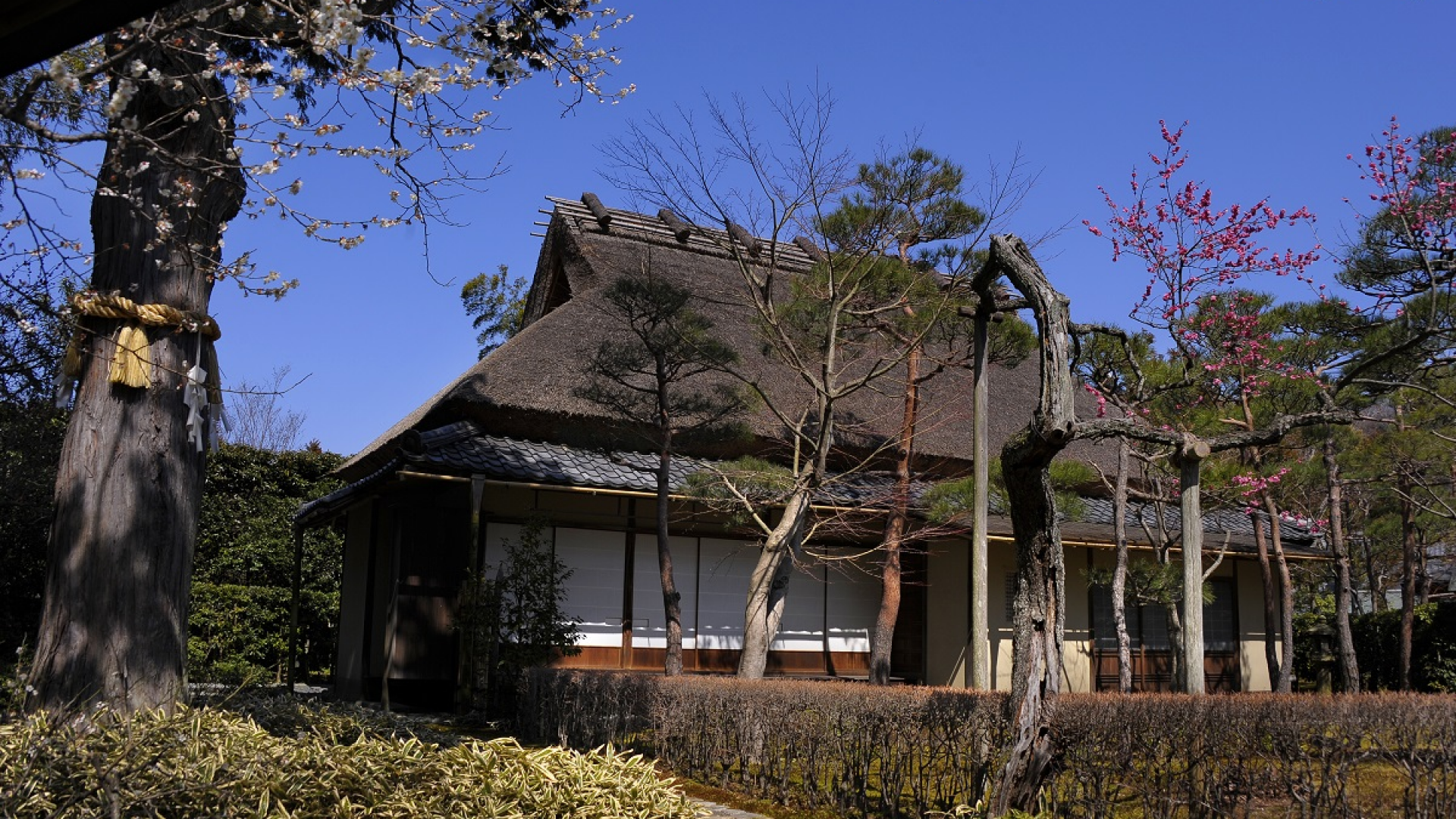
Ichijo Ekan Sanso Villa, a nationall designated Important Cultural Property villa with sukiya-style architecture, is surrounded by its beautiful garden, a space where hydrangeas, autumn foliage, red pines, and moss thrive. With the murmuring of the Nameri River flowing nearby and the chirping of wild birds, it is a lush Japanese garden where you can enjoy Japan's four seasons with all five senses. There is also a cafe within the garden where you can enjoy seasonal Japanese sweets. Tours of the villa are held regularly (advance reservations required so please check the website).

Culture & Arts Tokaido Koshu kaido KANAGAWA
Nissan Motor Yokohama Plant Guest Hall / Nissan Engine Museum

Nissan Motor Yokohama Plant Guest Hall / Nissan Engine Museum

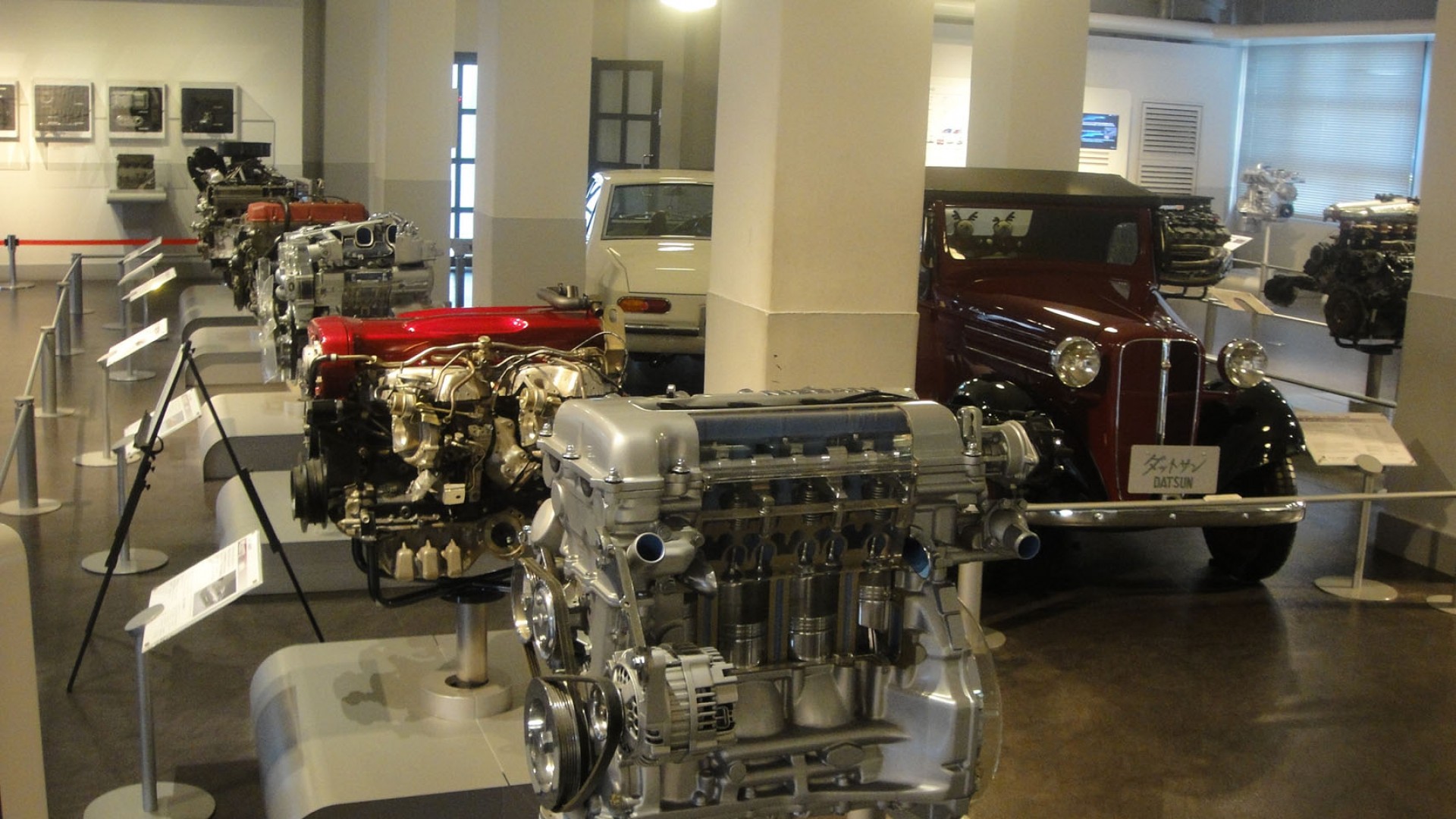
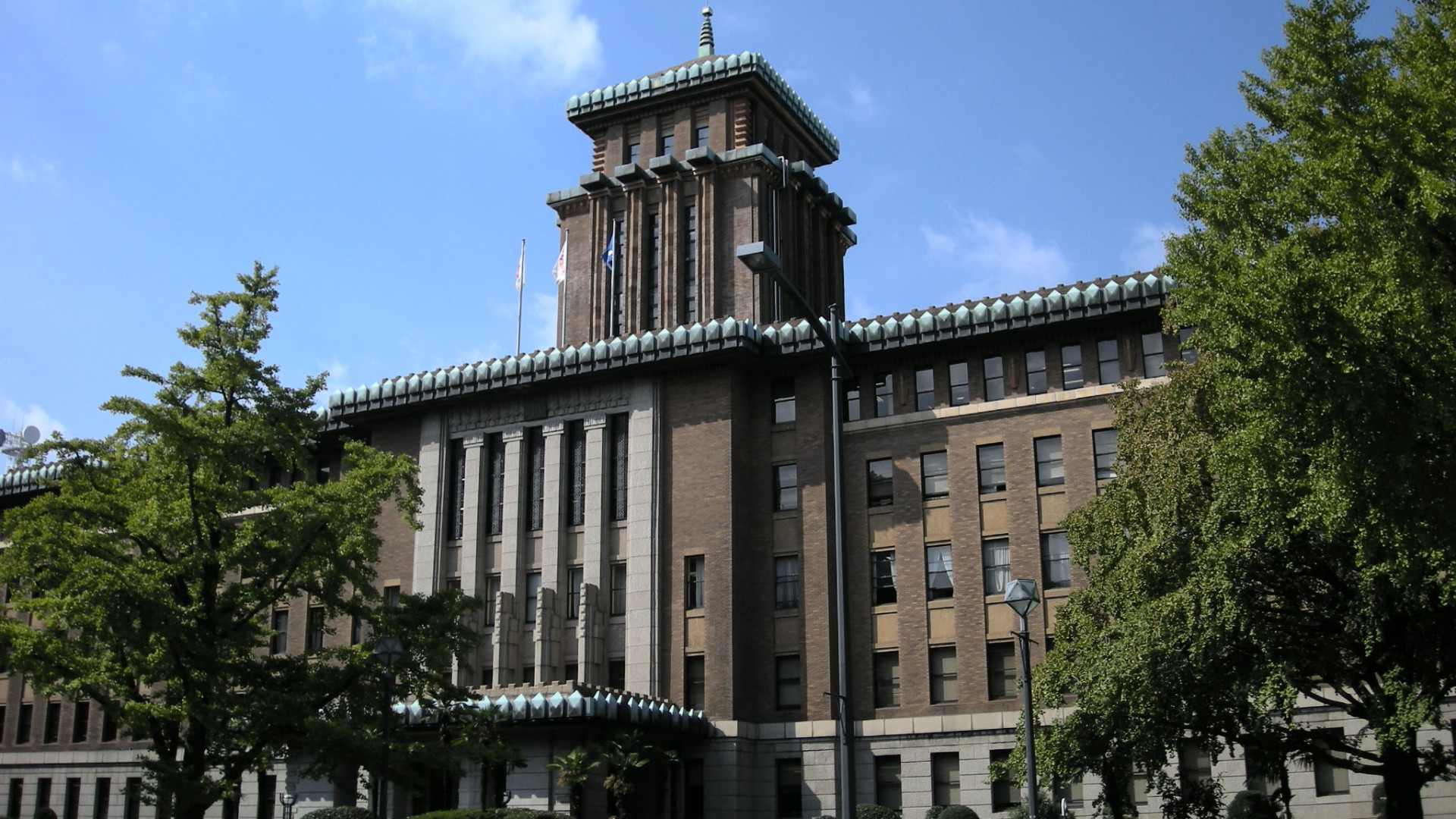
From their collection of roughly 200 engines, the Nissan Engine Museum permanently displays 28 engines representing Nissan Motor Company, allowing visitors to view engines from throughout Nissan's history and the very engines that made strides in racing. The museum building itself originated as Building No. 1 of the Yokohama Plant in 1934, which served as the company headquarters until its relocation to Ginza, Tokyo, in 1968. The building was designated as a Historic Building by Yokohama City in 2002 and was recognized as a Modern Industrial Heritage Site by the Ministry of Economy, Trade and Industry in 2007.

Culture & Arts Tokaido Koshu kaido KANAGAWA