
Ena Bay
A small natural tidal flat in the inner part of Ena Bay on the southern tip of the Miura Peninsula. It has an abundance of reeds and eelgrass, as well as waterfowl and other diverse creatures.
Total: 1715 items
A small natural tidal flat in the inner part of Ena Bay on the southern tip of the Miura Peninsula. It has an abundance of reeds and eelgrass, as well as waterfowl and other diverse creatures.
Every year, about 5,000 people come to the Bon Odori in early August to remember and give thanks to their ancestors. In addition to a Bon Odori dance on the temple grounds, there is a Bon Odori parade by dance teachers from Honmonji-dori shopping street to the main temple gate in the evening.
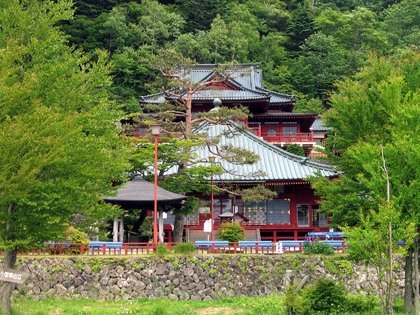
Kodosan Hon-Butsuden is a Buddhist temple built on Mt. Kodo with a commanding view of the urbanized international port city Yokohama and its Minato Mirai district. The temple has a two-story pagoda, Shariden hall, main hall and other halls within its grounds atop the mountain, and 250 cherry trees fill with blossoms in spring.
The park has about 800 cherry trees, mainly Someiyoshino, and has been selected as one of the "100 best places for flowers in Kanagawa". International events are held in the spring, and the park is very lively.
Only 60 minutes by car from the metropolis, Shonan Village Center faces Mount Fuji across Sagami Bay from the top of a verdant hill in Hayamacho, Kanagawa. This international conference center is fit for diverse meetings & seminars, designed to welcome 230 participants with excellent free Wi-Fi, various seminar rooms and 100 rooms to lodge up to 202 guests.
Shirasagi-Tei is a restaurant operated by Cheese Garden, a Western confectionery brand that sells products using cheese. In the open and spacious glass-walled restaurant, you can feel the nature of Nasu as you look through the windows at the garden featuring local flowers and seasonal plants. There, you can also enjoy the changing of the season. Shirasagi-Tei’s recommended dish is Light and Crispy Loin Cutlet. With domestically produced pork, the dish is high in volume but light. Our signature Shirasagi-Tei Special Black Curry over Rice is also a wonderful dish prepared with a lot of time and effort. You will taste the flavor of beef, simmered and soft, concentrated in the curry roux with a hint of spiciness. Next to the restaurant is the main shop of Cheese Garden where you can purchase specialty confectionery.
It is also called "Hagi-dera". This temple is related to the Hojo Family and is well-known for its beautiful white bush clover. It was established by the Emperor Godaigo. A wooden Jizo Bosatsu (bodhisattva) is enshrined here.
Cheese Garden Nasu Honten offers a wide variety of sweets, cheese, tea and local groceries, along with their famous “Goyotei Cheesecake”. The café serves drinks, cakes and sandwiches. If you have more time, the restaurant “Shirasagi-tei” is a relaxing space to enjoy fine dining along with music and a garden with a small stream running through. Dogs are welcome on the terrace.
The most renowned shrine of “the Shrines and Temples of Nikko”-a UNESCO world heritage site where Ieyasu Tokugawa, the great Shogun who started the Edo Period, is enshrined. Most of the shrine complex you see today was rebuilt in 17th century. The shrine contains 55 buildings including 8 national treasures and 34 listed buildings. The highlights are many colorful buildings which are richly decorated with gorgeous carvings. Do not miss the symbol of peace “Sleeping Cat”, and the “Three Monkeys” with the “see no evil, hear no evil and speak no evil” poses!
Nikko, the land where the gods lives. Nikko has been an important area for “Mountain Beliefs” since the Japanese monk Shodo Shonin became the founder of Nikko in 766. Many temples and shrines have been established in the Nikko area, making Nikko an extremely important center of faith and a place where spiritual energy meets. After Tokugawa Ieyasu, who founded the Edo Shogunate, was named “Tosho Daigongen” and buried in Nikkō Tōshō-gū Shinto Shrine, Nikko was honored and cared for by the Shogunate, and became a well-known religious shrine. With the support of the Shogunate, many of Nikko's temples were properly maintained, and even the carvings on the buildings are lavish and beautiful, crystallizing the traditional craftsmanship of the whole of Japan. World Heritage Site "Shrines and Temples of Nikko" The “Shrines and Temples of Nikko”, which was officially recognized as a World Heritage Site in 1999, consists of three temples and shrines, Nikko Toshogu Shrine, Nikko Rinnoji Temple, and Nikko Futarasan Shrine, and has a total of 103 buildings (9 National Treasures and 94 Important Cultural Properties). Nikkō Tōshō-gū is famous for honoring Tokugawa Ieyasu, the first shogun of the Edo Shogunate, and there are many splendid and delicate carvings inside the shrine, which are said to be the masterpieces of the best craftsmen from all over Japan. Today, this traditional art has been passed down from the descendants of these craftsmen to the local Nikko traditional art of Nikko Bori (Nikko carving). Nikkosan Rinnoji Temple, originally founded by Shodo Shonin, has a long history in Nikko. In addition to the main hall of the temple, which is known for being the largest wooden complex in the entire Eastern Japan region, the “Taiyuin Temple,” dedicated to Tokugawa Iemitsu, the third shogun of the Edo Shogunate, also attracts travelers with its intricate and beautiful carvings. Nikko Futarasan Shrine was also built by Shodo Shonin and has been called “Shimono Province's first Shrine (present-day Tochigi Prefecture)” since ancient times. In addition to managing Mt. Nantai, which is a symbol of mountain beliefs, Nikko Futarasan Shrine also holds the “Yayoi Festival” every year, which symbolizes the visit of spring to the Nikko area and is a must-see festival for tourists.
The Moka Lantern Festival is held every year on August 15 at Gyokuya River Waterfront Park. The trees in the park are lit up, creating a fantastic atmosphere. On the stage, a concert will be held to bring back memories of the past. 3,500 lanterns floating on the surface of the river like scattered jewels will give you a sense of peace. We suggest that buy your lantern before the event begins. (Â¥600/a lantern) In addition, local restaurants will set up booths at the plaza, where you are welcome to enjoy food and drink as well as lantern viewing. Traffic Control 17:30~21:30 Parking Area Moka City Hall, Ashikaga Bank, Joyo Bank and Four Season Seifu, please check more informations on website.
Sitting at an elevation of 1560 meters, Sakurazutsumi Park features Someiyoshino no Seiki cherry trees which blossom in spring. It’s a scenic viewpoint that even overlooks distant Nikko and the Nasu volcanic belt.
Near by the Nasukarasuyama City, Ryumon Falls is a large-scale waterfall that it is about 20-meter-high and 65-meter-wide. Halfway down the fall are two vertical holes called Ogama ("Male Cauldron") and Megama ("Female Cauldron"). Ogama has a diameter of 4 meters and Megama 2 meters. Due to the angle of the photo, you can see JR Karasuyama Line’s train through pass the Ryumon Falls. The cherry blossoms in the spring, the maple leaves in the fall, and the snow in the winter, along with the passing trams, make for a miraculously beautiful photo! Right next to the Ryumon Furusato Mingeikan is a path where you can walk to get a close-up view of the Ryumon falls.
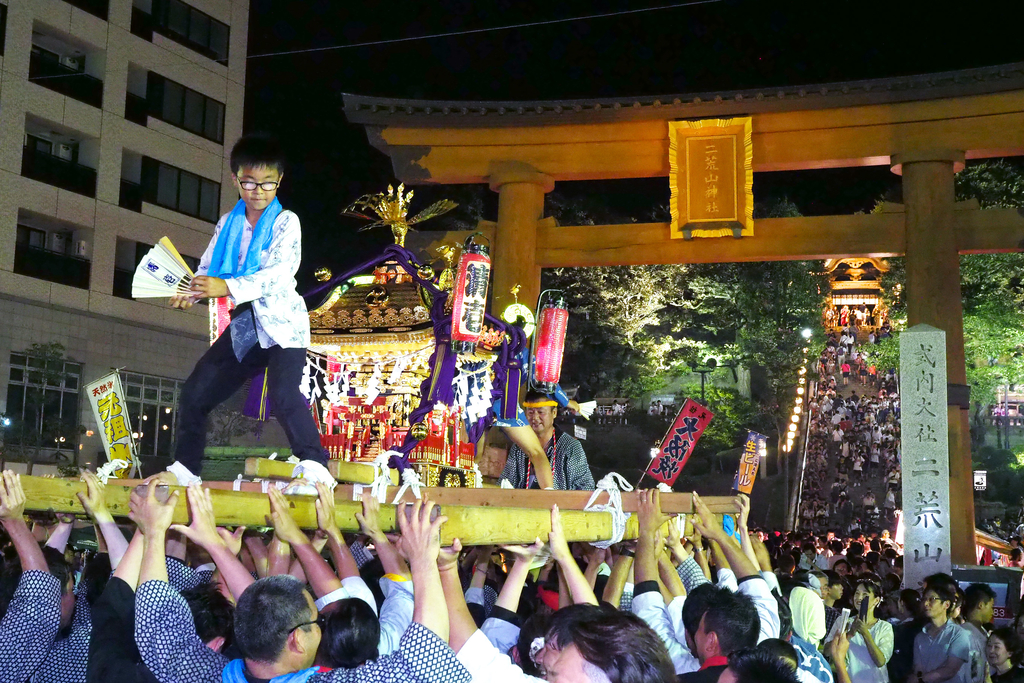
The Yayoi Festival is a traditional event in Nikko that marks the arrival of spring. Held annually from April 13 to April 17, this historic festival has been a part of Nikko’s cultural heritage for centuries. The festival is believed to have originated during the Jingokeiun era (767–770) as a grand ritual to celebrate the changing seasons. It was originally held in the third month of the lunar calendar, which is called "Yayoi" in Japan, meaning a time when nature flourishes. After the adoption of the Gregorian calendar in 1873, the festival continued in its current form, maintaining its deep-rooted traditions. Festival Highlights The festival officially begins on April 13 with a procession of beautifully decorated mikoshi (portable shrines) from the Honsha, Takiou, and Hongu Shrines. However, the most spectacular part of the event takes place on the final day, April 17. During the five-day celebration, various rituals are performed to honor the deities, but the most anticipated events are the Grand Festival (April 16) and the Procession of Floats (April 17). On these two days, eleven different neighborhoods from eastern and western Nikko bring out their elaborately adorned azalea floats and lively traditional musical bands, parading through the streets of the city. The highlight occurs when all the floats gather within the shrine grounds. Following an ancient custom, representatives from each town exchange greetings and name cards before the floats, accompanied by traditional hayashi (festival music), circle the shrine. On April 17, the festival reaches its climax when representatives from Ishiya-machi, the town responsible for that year’s festival, lead the crowd with spirited chants as they push the massive floats up the stone steps of the shrine’s sando (approach path) in a dramatic display of strength and unity. A Festival Steeped in Tradition The Yayoi Festival strictly follows ancient traditions, with every step of the ritual conducted as it has been for generations. Locals believe that any deviation from the traditional methods could bring misfortune, adding to the festival’s reputation as a “troublesome” or “chaotic” festival. Because of this, some people even refer to it as the “GOTA Festival”, where "GOTA" symbolizes trouble or disputes. This nickname has also led to the festival being called the “Quarrel Festival”, highlighting the passionate dedication and fiery energy of its participants. Steeped in history and rich cultural significance, the Yayoi Festival is a must-see event for anyone visiting Nikko in spring. It offers a rare opportunity to witness Japan’s traditional rituals, dynamic parades, and the deep community spirit that has kept this festival alive for over a millennium.
History of Futarasan Shrine About 1,200 years ago, a famous monk Shodo Shonin found Shihonryu-ji Temple (belong to Rinno-ji Temple) and Futarasan Shrine (today’s “Hongu Shrine” belong to Futarasan Shrine). It symbolized the begin of the mountain beliefs of Mount Nantai. Since then, Futarasan Shrine was called “Ichinomiya (first shrine) of Shimotsuke Province” and became the center of faith in Nikko. What makes Futarasan Shrine different? The main deity of Futarasan Shrine is Okuniushi, who is known for good luck and success in love. Many people come here to pray for the success of their interpersonal relationships. The wooden vermillion bridge “Shinkyo” located at the entrance of Mount Nikko is belonging to the shrine, welcomes visitors to the world heritage site “Shrines and Temples of Nikko”. You can also visit the Oku-no-miya located at the summit of Mount Nantai and the Middle Shrine located on the shore of Lake Chuzenji, both are famous power spots in Nikko. The shrine holds famous festival “Yayoi Festival” every April, you can see many beautiful mikoshi and enjoy traditional music during the event. ※World Heritage Site “Shrines and Temples of Nikko” includes Nikko Toshogu Shrine, Nikko Rinno-ji Temple and Nikko Futarasan Shrine.
Founded in 845, Kashima Jinja Shrine in Mashiko Town has long been a spiritual center of worship. The enshrined deity is Takemikazuchi-no-kami, the god of war in Japanese mythology, symbolizing victory and courage. Students, athletes, and business leaders from across Japan visit the shrine to pray for success, with the phrase "victory is certain" closely tied to its faith. The current main hall was rebuilt in 1927, and the grounds are surrounded by ancient trees that create a solemn atmosphere. Every summer, the shrine hosts a grand annual festival, which includes one of the Three Great Rare Festivals of Eastern Japan, the Mikeshaku Choudai-shiki. In this ritual, young men from the district of Mashiko Town whose turn it is for that year must join together to drink 6.5 liters of heated sake, praying for peace, health, and good fortune.
Sano, within a day’s reach from TokyoSano City is located in southwestern Tochigi Prefecture, about 70 kilometers from Tokyo. With its abundant produce and clean environment, it makes a lasting first impression on visitors. The city is also home to many historical sites, telling the long history of Sano’s development. When speaking of Sano’s cuisine, many immediately think of the rich soy-sauce-based Sano ramen. Made with clear water and carefully crafted wheat, this local specialty has become synonymous with the city’s gourmet culture. After enjoying Sano’s culinary delights, be sure to stop by the Sano City Tourist Product Center to take home a taste of Sano! Tourist product center – A comprehensive sightseeing hubInside the Sano City Tourist Product Center, you’ll find more than 800 varieties of souvenirs and specialty products, along with fresh vegetables sold directly from local farms. There is also a wealth of sightseeing information available, making it a convenient starting point for your Sano exploration.
Okashitsukasa Beniya Miyake, a traditional Japanese confectionery store, is popular for its cute and beautiful sweets. Their jouyo nerikiri (a type of Japanese confectionery), made with carefully selected ingredients and crafted by skilled artisans, is incredibly popular for its elegant flavor and charming appearance.As it often sells out quickly, we recommend visiting the store early. Please try these confections that the artisans have put their heart and soul into creating.