
Mashiko Café Stroll
Mashiko is dotted with a number of relaxing cafés serving treats and drinks in Mashiko-ware. Many of these cafés are off the beaten path, so they often go unnoticed by those who haven’t done their research.
Total: 1715 items
Mashiko is dotted with a number of relaxing cafés serving treats and drinks in Mashiko-ware. Many of these cafés are off the beaten path, so they often go unnoticed by those who haven’t done their research.
Ashikaga Flower Park is the only place in Japan chosen as one of ten “Dream Destinations” for global travel by the American news site, CNN. The park holds an illumination event in wintertime. Amazingly, for seven years in a row the park has garnered first place in the illumination category for Japan's "Illumination Award” selected by certified professionals knowledgeable about night tourism throughout Japan. This illumination event was also recognized as a Night View Heritage of Japan in 2011 and one of the three major illumination events in Kanto in 2012. This illumination event is very popular every year.
The annual Sunflower Festival is held at the outskirts of Mashiko Town every second week of August . The fields are about 10 hectares in size for the sunflowers. Entrance and parking is free.
This Shingon Buddhist Sect Buzan School Temple in Mashiko City, Tochigi Prefecture is dedicated to the 11-headed Kanzeon Bodhisattva. Saimyoji temple is the twentieth temple in the Bando (33 Kannon temples of kanto region) pilgrimage circuit. The gabled thatched two-story gate and three-story pagoda constructed in 1492 and the miniature shine in the main temple hall that is said to be created during the Muromachi period have all been designated Important Cultural Properties of Japan. A statue of a laughing Yama (king of Hell) next to the Bodhisattva Jizo who protects those who have fallen to hell is also found here at the temple. The laughing Yama (king of Hell) is said to be the incarnation of the jizo."
Nasu Kogen Minamigaoka Farm is situated in the highlands 700 metres above sea level at the foot of Mount Nasu. The farm has maintained its natural landscape since its foundation. There are a wide range of activities on offer such as horse riding, butter making, archery and miniature golf. Visitors can enjoy fresh milk, dairy products and processed foods with a magnificent view of the Nasunogahara fields.
Climbing Mt. Nantai, a Sacred Site in Nikko The Tohai Kosha Taisai is the largest festival of Futarasan Jinja Shrine Chugushi, and has been held continuously for over 1,200 years since the late Nara period. Deeply rooted in the worship of Mt. Nantai, the festival takes place annually from July 31 to August 7. During this period, many visitors climb Mt. Nantai to pay their respects. In addition, pilgrims can climb Mt. Nantai at night during the festival. This allows climbers to reach the summit and witness the sunrise. At the shrine office, participants can receive items such as amulets, climbing certificates, sacred water, and coffee. Every year, around 2,000 climbers gather at night for this event. Before dawn, they set out, reaching the summit at around 4:40 a.m. to witness the rising sun. The sight of the glowing sun emerging from behind the sea of clouds is a truly awe-inspiring spectacle. The festival continues with rituals and ceremonies at the mountaintop.
Commonly, shakyo and shabutsu involve copying of the whole sutra or the whole image of the Buddha, but at Chuzenji Temple, we have prepared sheets of a sutra and an image that you can finish tracing within 15 to 20 minutes. In 16-character shakyo, you will trace a part of the Kannon Gyo sutra, written in light gray, with a brush pen. In shabutsu, you will trace the central area of the image of the Buddha, drawn in light gray, with a brush pen. In both practices, you will receive blessings by having your mind connected with the Buddha, feel relaxed both mentally and physically, and have the time to familiarize yourself with the Buddha and reflect on yourself. Time thus spent will be a priceless experience for you. After shakyo and shabutsu, you will be given a special red stamp as proof of paying respect to the temple and submitting the sutra/image. ※You can borrow a brush pen from the temple.
Gioia Mia is an Italian restaurant based in Nasu that prepares all dishes with hand-picked ingredients. The menu features dishes including appetizers, pasta soup, crispy crust (Roman style) pizza baked in a wood-fired oven, bread, meat dishes, fish dishes, and desserts. All dishes are completely handmade so that guests can enjoy the flavor of the ingredients. Come and enjoy the taste of Gioia Mia in items like seasonal dishes and those using locally produced milk and cheese.
Otono-sama (Lords') cuisine and "Ohime-sama"(Princess') cuisine are based on the menus of the Edo era's Daimyo (feudal lords). Enjoy recreations of these foods that have been adapted over 200 years and made with a unique diversity of ingredients. This cuisine is highly regarded for its healthy ingredients and playful presentation. It’s currently offered at 12 restaurants in the town of Mibumachi renowned for developing a rich menu over three years.
The Pottery Fair have been held twice a year since 1966.Once in the spring during Japan’s Golden Week Holiday, and once in the fall around November 3rd. There are about 50 shops and as many as 550 tents set up selling pottery. There is a great variety of pottery sold from traditional Mashiko pottery, such as vases and pots to articles for daily use like cups and plates. The Pottery Fair provides a great chance to enjoy talking with young artists and local potters in the shops and tents. Besides pottery, freshly-harvested vegetables grown in Mashiko and some other speciality items from the region are big attractions of the fair. Every year about 600,000 people come to enjoy the fair.
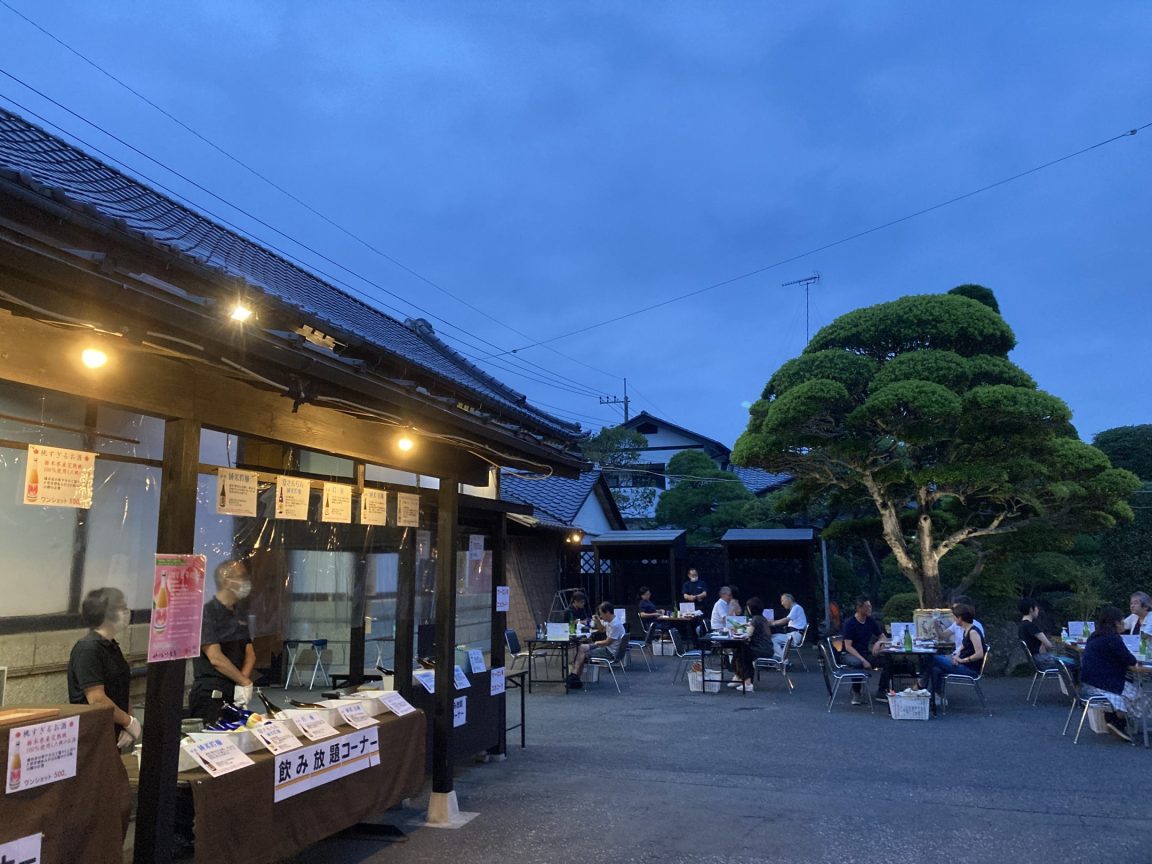
Watanabe Sahei Shoten is a family run brewery from 1842in Nikko. Their spirit that “Junmai Jyozosyu" is an authentic sake”. *”Junmai” is sake made only with rice, koji , and water *”Koji” is fungus which converts the starch from the rice into glucose Of course, we use Nikko’s natural grand water to make nice sake in Nikko’s very cold winter. Why don’t you try it? The owner can speak English. You can tour around with owner and hear his sprit of sake directly. *English guided tour / max 40 person *Reservation required (by Phone, E-mail, Online)
The Miya Cycle Station is a cycling terminal under the management of the city of Utsunomiya. The terminal offers rental cycles including hybrid bikes, road bikes and Mini Velo (small wheeled) bikes as well as information for tourists. The facilities include free toilets in the rest area and shower rooms and lockers (subject to reasonable charges). The terminal also holds a variety of events for cyclists such as seminars on sports cycling.
The Yayoi Festival is a traditional event in Nikko that marks the arrival of spring. Held annually from April 13 to April 17, this historic festival has been a part of Nikko’s cultural heritage for centuries. The festival is believed to have originated during the Jingokeiun era (767–770) as a grand ritual to celebrate the changing seasons. It was originally held in the third month of the lunar calendar, which is called "Yayoi" in Japan, meaning a time when nature flourishes. After the adoption of the Gregorian calendar in 1873, the festival continued in its current form, maintaining its deep-rooted traditions. Festival Highlights The festival officially begins on April 13 with a procession of beautifully decorated mikoshi (portable shrines) from the Honsha, Takiou, and Hongu Shrines. However, the most spectacular part of the event takes place on the final day, April 17. During the five-day celebration, various rituals are performed to honor the deities, but the most anticipated events are the Grand Festival (April 16) and the Procession of Floats (April 17). On these two days, eleven different neighborhoods from eastern and western Nikko bring out their elaborately adorned azalea floats and lively traditional musical bands, parading through the streets of the city. The highlight occurs when all the floats gather within the shrine grounds. Following an ancient custom, representatives from each town exchange greetings and name cards before the floats, accompanied by traditional hayashi (festival music), circle the shrine. On April 17, the festival reaches its climax when representatives from Ishiya-machi, the town responsible for that year’s festival, lead the crowd with spirited chants as they push the massive floats up the stone steps of the shrine’s sando (approach path) in a dramatic display of strength and unity. A Festival Steeped in Tradition The Yayoi Festival strictly follows ancient traditions, with every step of the ritual conducted as it has been for generations. Locals believe that any deviation from the traditional methods could bring misfortune, adding to the festival’s reputation as a “troublesome” or “chaotic” festival. Because of this, some people even refer to it as the “GOTA Festival”, where "GOTA" symbolizes trouble or disputes. This nickname has also led to the festival being called the “Quarrel Festival”, highlighting the passionate dedication and fiery energy of its participants. Steeped in history and rich cultural significance, the Yayoi Festival is a must-see event for anyone visiting Nikko in spring. It offers a rare opportunity to witness Japan’s traditional rituals, dynamic parades, and the deep community spirit that has kept this festival alive for over a millennium.
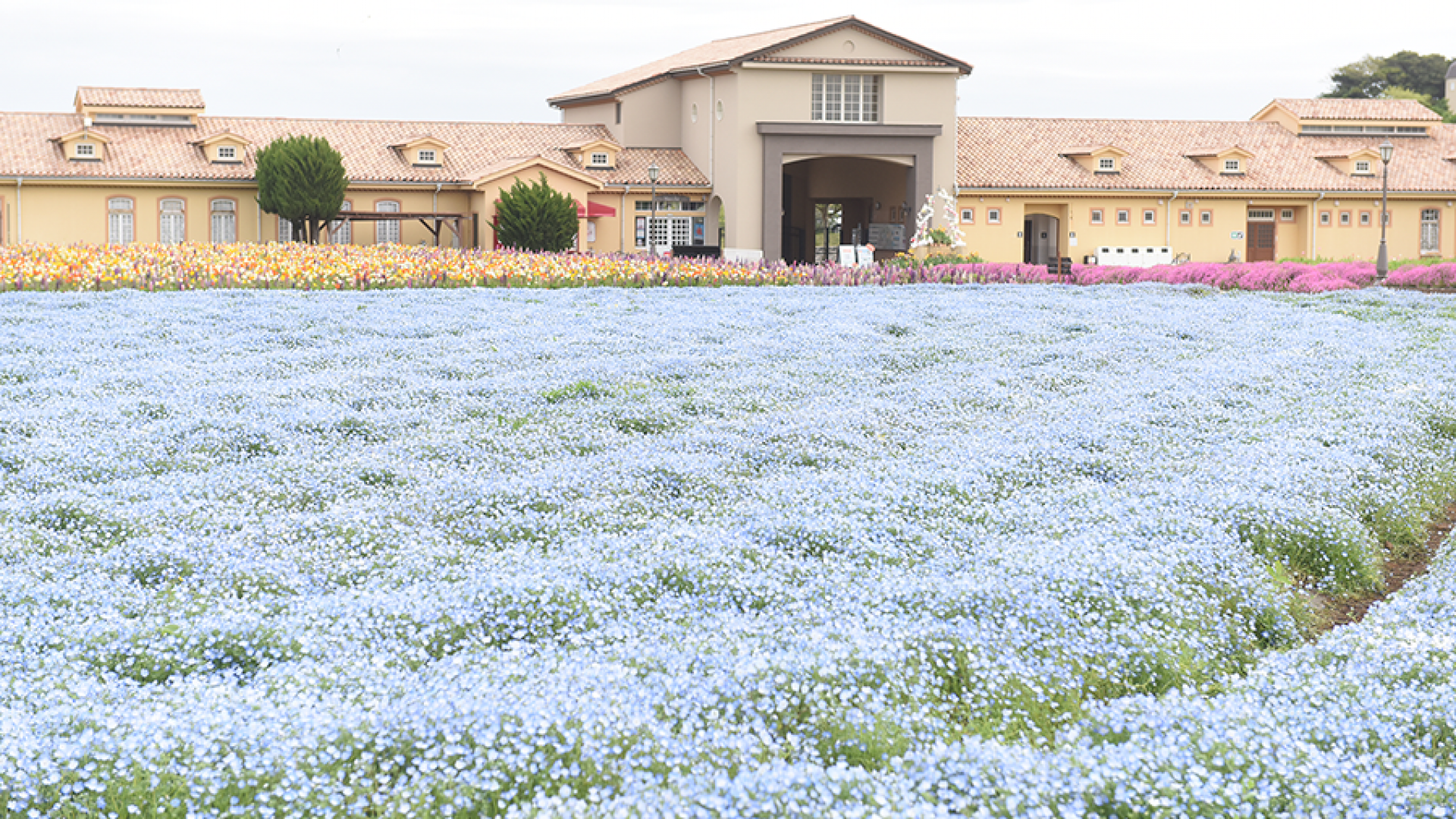
This flower garden creates a full sense of the season and magnificence of nature with a wide range of plants and trees. The highlight of the park is the massive Japanese wisteria trellises in bloom from late April to mid-May. You will be totally stunned by four large wisteria vines and 80-metre tunnel of white wisterias,designated as a prefectural natural treasure. In the evening the illuminated wisterias bring dream-like scenes. The park also draws large crowds during the fall and winter months, when the "Bejeweled Flower Garden" is held. It is one of the Kanto area’s top three annual illumination events. The garden welcomes over a million tourists throughout the year.
Home to one of Japan’s most famous local ramen noodles, Sano City is in the south of Tochigi. Sano Ramen is made with water of the finest quality listed in the 100 best spring waters in Japan, and wheat especially suited for noodle-making. Beaten by a green bamboo stems, these noodles are aerated for good thermal conductivity. As a result, they are cooked in a second and maintain a chewy but smooth texture. The clear broth, having a taste of soy sauce and a rich flavour, is distinctive and never boring for its simplicity. Sano Ramen has admirers of all ages.
It is also called "Hagi-dera". This temple is related to the Hojo Family and is well-known for its beautiful white bush clover. It was established by the Emperor Godaigo. A wooden Jizo Bosatsu (bodhisattva) is enshrined here.
Founded in 845, Kashima Jinja Shrine in Mashiko Town has long been a spiritual center of worship. The enshrined deity is Takemikazuchi-no-kami, the god of war in Japanese mythology, symbolizing victory and courage. Students, athletes, and business leaders from across Japan visit the shrine to pray for success, with the phrase "victory is certain" closely tied to its faith. The current main hall was rebuilt in 1927, and the grounds are surrounded by ancient trees that create a solemn atmosphere. Every summer, the shrine hosts a grand annual festival, which includes one of the Three Great Rare Festivals of Eastern Japan, the Mikeshaku Choudai-shiki. In this ritual, young men from the district of Mashiko Town whose turn it is for that year must join together to drink 6.5 liters of heated sake, praying for peace, health, and good fortune.
Sano, within a day’s reach from TokyoSano City is located in southwestern Tochigi Prefecture, about 70 kilometers from Tokyo. With its abundant produce and clean environment, it makes a lasting first impression on visitors. The city is also home to many historical sites, telling the long history of Sano’s development. When speaking of Sano’s cuisine, many immediately think of the rich soy-sauce-based Sano ramen. Made with clear water and carefully crafted wheat, this local specialty has become synonymous with the city’s gourmet culture. After enjoying Sano’s culinary delights, be sure to stop by the Sano City Tourist Product Center to take home a taste of Sano! Tourist product center – A comprehensive sightseeing hubInside the Sano City Tourist Product Center, you’ll find more than 800 varieties of souvenirs and specialty products, along with fresh vegetables sold directly from local farms. There is also a wealth of sightseeing information available, making it a convenient starting point for your Sano exploration.