
Greater Tokyo

See & Do

reset
Spring Mashiko  Pottery Fair

Spring Mashiko Pottery Fair

The Pottery Fair have been held twice a year since 1966.Once in the spring during Japan’s Golden Week Holiday, and once in the fall around November 3rd. There are about 50 shops and as many as 550 tents set up selling pottery. There is a great variety of pottery sold from traditional Mashiko pottery, such as vases and pots to articles for daily use like cups and plates. The Pottery Fair provides a great chance to enjoy talking with young artists and local potters in the shops and tents. Besides pottery, freshly-harvested vegetables grown in Mashiko and some other speciality items from the region are big attractions of the fair. Every year about 600,000 people come to enjoy the fair.

Nikko kaido Oshu kaido TOCHIGI
Nantaisan Tohai Kosha Taisai (Mt. Nantai Climbing Festival)

Nantaisan Tohai Kosha Taisai (Mt. Nantai Climbing Festival)

Climbing Mt. Nantai, a Sacred Site in Nikko The Tohai Kosha Taisai is the largest festival of Futarasan Jinja Shrine Chugushi, and has been held continuously for over 1,200 years since the late Nara period. Deeply rooted in the worship of Mt. Nantai, the festival takes place annually from July 31 to August 7. During this period, many visitors climb Mt. Nantai to pay their respects. In addition, pilgrims can climb Mt. Nantai at night during the festival. This allows climbers to reach the summit and witness the sunrise. At the shrine office, participants can receive items such as amulets, climbing certificates, sacred water, and coffee. Every year, around 2,000 climbers gather at night for this event. Before dawn, they set out, reaching the summit at around 4:40 a.m. to witness the rising sun. The sight of the glowing sun emerging from behind the sea of clouds is a truly awe-inspiring spectacle. The festival continues with rituals and ceremonies at the mountaintop.

Nikko kaido Oshu kaido TOCHIGI
Tochibiyori Store

Tochibiyori Store

From Confections to Crafts, the Best Selection of Tochigi’s Local Goods All in One PlaceThe Tochibiyori Store is a local specialty shop directly managed by the Tochigi Prefecture Tourism and Local Products Association. It is located on the 2nd floor of the JR Utsunomiya Station building, PASEO, within Tochigi Grand Marché. Conveniently situated right by the station, it is the perfect place to pick up souvenirs and gifts before heading off. The store offers a wide range of Tochigi’s signature products, such as confectioneries made with fresh local fruits, including Tochigi strawberries, as well as yokan (sweet bean jelly), Nikko yuba (tofu skin), local sake, pickled vegetables, and more. Visitors can also find Mashiko ware pottery and other traditional crafts. Limited edition goods and popular local snacks are also available, making it easy to take home the “taste of Tochigi.”

Nikko kaido Oshu kaido TOCHIGI
Omaru Onsen (Omaru Onsen Ryokan)

Omaru Onsen (Omaru Onsen Ryokan)

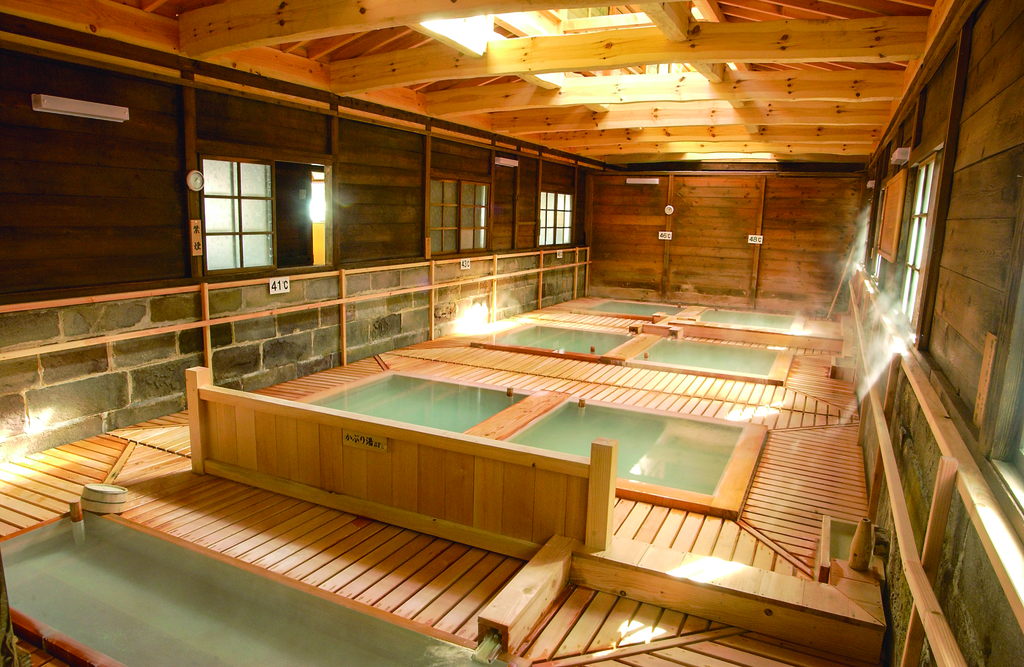
Located at the foot of Mt. Chausu at an altitude of 1,300 meters, Omaru Onsen Ryokan has been preserved by generations of innkeepers for over 200 years. Rich in metasilicic acid, the spring water is known for its moisturizing properties and is often called “Bijin-yu” (Beauty Hot Spring). The historic Kawa-no-Yu bath draws its water directly from the river source, where hot spring water gushes from the mountainside to form an open-air bath along the river. Here, guests can soak while listening to the gentle murmur of the stream, enjoying the secluded charm of this hidden onsen. Omaru Onsen’s water, abundant in metasilicic acid, has long been treasured for its skin-beautifying effects. The ryokan features mixed open-air baths such as Shirakaba-no-Yu, Ajisai-no-Yu, and Azami-no-Yu, making it a great choice for families. The on-site restaurant serves local Nasu vegetables, Tochigi Wagyu beef shabu-shabu, and “Nasuhikari” rice produced in Tochigi. Sake enthusiasts can also try shochu diluted with hot spring water. During the Meiji period, General Nogi Maresuke visited Omaru Onsen every year for convalescence. The ryokan’s lobby still displays valuable artifacts, including his clothing, diaries, and letters.

Oshu kaido Nikko kaido TOCHIGI
NIKKO KANAYA HOTEL

NIKKO KANAYA HOTEL

Opened in 1873, this is Japan's oldest resort hotel and has been visited by many famous people, including Albert Einstein, Charles Lindbergh, and Helen Keller. While the exterior is Western-style, the interior incorporates Japanese furnishings and architectural styles throughout, creating a mysteriously nostalgic and gentle atmosphere. The unique guest rooms, which have been used by many famous people, create an extraordinary moment as if you have traveled back in time. The restaurant also serves lunch and dinner, and serves dishes that combine tradition and innovation. The hotel is just a 5-minute walk from the World Heritage Site, “Shrines and Temples of Nikko”, including Nikko Toshogu Shrine, making it an ideal hotel for early morning sightseeing to avoid the crowds.

Nikko kaido Oshu kaido TOCHIGI
Sano Agritourism Farm ‘Agritown’

Sano Agritourism Farm ‘Agritown’

Sano Agritourism Farm ‘Agritown’ is a complex that houses a farm offering a harvest experience, farmer’s market, flower shop, and gelateria. You can enjoy a farm experience throughout the year including strawberry, blueberry, and peach picking, as well as harvesting of potatoes, peanuts, and edamame. For strawberry picking, you will choose one favorite breed to pick from three: the new breed Tochi-Aika, always popular Tochiotome, and the three-star breed Skyberry. Since the farm grows strawberries on raised beds, there is no need to crouch to pick them, making the farm popular among people in a wheelchair or pushing a stroller. The farmer’s market also has a section devoted to strawberry products including a wide variety of jams and confectionery.

Nikko kaido Oshu kaido TOCHIGI
กริลล์แอนด์สเต็ก เมียวเง็ตสึโบ (Grill&Steak Myogetsubo)

กริลล์แอนด์สเต็ก เมียวเง็ตสึโบ (Grill&Steak Myogetsubo)

เมียวเก็ตสึโบ (Myogetsubo) เป็นร้านอาหารที่เชี่ยวชาญด้านสเต็กและปิ้งย่าง ตั้งอยู่ในอาคารที่ได้รับการปรับปรุงใหม่จากที่พักเดิมของวัดนิกโกซังรินโนจิ ซึ่งมีประวัติศาสตร์ยาวนานกว่า 1,250 ปี สิ่งที่ไม่ควรพลาดของที่นี่คือสเต็ก “โทชิงิวากิว” เนื้อวากิวคุณภาพสูงจากญี่ปุ่น โทชิงิวากิวเป็นเนื้อวัวขนดำที่มีเกรด A4 ขึ้นไป โดยวัวจะถูกเลี้ยงในสภาพแวดล้อมธรรมชาติที่สมบูรณ์แบบของจังหวัดโทชิงิ ทำให้เนื้อวัวสายพันธุ์นี้ได้รับรางวัลคุณภาพยอดเยี่ยมระดับประเทศ 2 ปีซ้อน ลองลิ้มรสเนื้อโทชิงิวากิวในบรรยากาศที่ล้อมรอบไปด้วยมรดกโลก พร้อมสัมผัสความสง่างามของอดีตในช่วงเวลาที่หรูหราและเงียบสงบ

Nikko kaido Oshu kaido TOCHIGI
Utsunomiya Light Rail

Utsunomiya Light Rail

The Utsunomiya Light Rail (LRT) officially opened on August 26, 2023. From JR Utsunomiya Station to Haga-Takanezawa Industrial Areas, this railway connecting important spots in the eastern of the city. The tram has became an indispensable transportation for Utsunomiya’s sightseeing.   LRT’s born The Utsunomiya LRT is the first time in Japan constructed as a new railway line without expanding or improving the existing railway line since 1948.   The LRT is currently running the HU300 model, which is a next-generation tram made by Japan’s advanced technology. There are now 19 stations on the line.   Rides and Tickets LRT accepts IC cards and cash. You can use such as Suica, PASMO and ICOCA cards here. To ride with IC card, just touch your card at the green sensor near the door when you get on the tram, and touch the yellow sensor when you get off.   If you ride with cash, you need to take a ticket at the platform before you boarding the tram, and you only can get off through the front door. Put the ticket and cash into cash box before getting off. The cash box can exchange for coins, but only accept 1,000 yen bill.   Depending on the distance, tickets for adults range from 150 to 400 yen, and 80 to 200 yen for child.

Nikko kaido Oshu kaido TOCHIGI
The Tale of Wisteria Blossoms -The Great Wisteria Festival 2025

The Tale of Wisteria Blossoms -The Great Wisteria Festival 2025

Selected as the only one for Japan in "CNN’ Top 10 Dream destinations for 2014" the Ashikaga Flower Park will be holding its "The Tale of the Wisteria~ Large Wisteria Festival".   The size of the park is a substantial 94,000㎡, and boasts over 350 wisteria trees, allowing visitors to enjoy the sheer abundance of the beautiful flowers in bloom. Various colors of wisteria bloom in order, from pale pink, purple, white, to yellow,which allows you to enjoy all of the wisterias for about one full month.   A wisteria shelf spanning 1,000㎡ is for the 150 year old large wisteria tree with a 80m long tunnel of white wisterias. An extremely rare double-petal wisteria shelf, and the white wisteria tunnel.   It has also a beautiful light-up wisteria at night.  

Nikko kaido Oshu kaido TOCHIGI
Shibazakura Festival

Shibazakura Festival

The Shibazakura Festival is held every year at Ichikai Town Shibazakura Park in April and May.   About 280,000 plants in magenta, pink, purple and white are planted over 18,000 square meters in Shibazakura park. The flower carpet is patterned after the Kokaigawa river, which starts near the town.   During the festival, a soba restaurant(Hana) in the park, you can enjoy authentic hand-made soba. Additionally, also sells agricultural products and shibazakura seedlings.

Nikko kaido Oshu kaido TOCHIGI
Tezutsu Hanabi(Hand-held fireworks)

Tezutsu Hanabi(Hand-held fireworks)

The "Mashiko Gion Festival" held at Kashima-jinja Shrine every July 23, 24, and 25. Kicking off the first night of the festival, an impressive rain of sparks falls from tezutsu fireworks shot up to 8 meters into the night sky from a combination of large and small cylindrical tubes. The handheld fireworks(Tezutsu Hanabi) are said to have originated in Toyohashi city. Tokugawa Ieyasu, who became the first Shogun of the Edo Period, brought that technology to his home in Mikawa province (current Aichi Prefecture). At the time gunpowder was strictly forbidden throughout Japan, but the villagers of this region were allowed to use Tezutsu Hanabi as a part of Shinto rituals offering to the gods in exchange for rich harvests, good health, family fortune and prosperity, and good luck in battle.

Nikko kaido Oshu kaido TOCHIGI
Ashikaga Flower Park Illumination

Ashikaga Flower Park Illumination

Ashikaga Flower Park is the only place in Japan chosen as one of ten “Dream Destinations” for global travel by the American news site, CNN. The park holds an illumination event in wintertime. Amazingly, for seven years in a row the park has garnered first place in the illumination category for Japan's "Illumination Award” selected by certified professionals knowledgeable about night tourism throughout Japan. This illumination event was also recognized as a Night View Heritage of Japan in 2011 and one of the three major illumination events in Kanto in 2012. This illumination event is very popular every year.

Nikko kaido Oshu kaido TOCHIGI
Higeta Indigo Dyeing Workshop

Higeta Indigo Dyeing Workshop

Higeta Indigo Dyeing Workshop, established during the Kansei era (1789–1801), is a fabric-dyeing and weaving workshop. It is a rare workshop in Tochigi that inherited traditional indigo dyeing. It still uses the dyeing area created at the time of its establishment to dye the fabric in the traditional manner. Inside the 200-year-old building with a thatched roof, 72 earthenware indigo vats are neatly arranged. The building and the vat area are Tochigi Prefecture’s tangible cultural assets, and visitors can freely visit and see them. Indigo is a plant dye that has long colored ethnic costumes. Long ago in Japan, 80% of commoners’ cloths were dyed with indigo. The indigo color produced by the traditional Japanese indigo dyeing and plant dyeing methods is called Japan Blue and, together with the dyeing methods, is highly recognized around the world. The workshop engages not only in dyeing but also cotton cultivation, yarn-making, yarn dyeing, and handweaving in order to preserve the cotton tradition essential to the indigo dyeing culture. The workshop sells indigo-dyed cotton fabric, coasters, and tablecloths. Please come and see the traditional techniques and the beauty of indigo.

Nikko kaido Oshu kaido TOCHIGI
Haga Onsen Roman no Yu

Haga Onsen Roman no Yu

Haga Hot Spring and Roman Baths is a place where groups and individual visitors can casually enjoy a day at a hot spring.The color of the water that gushes forth from 1,500 meters below ground is a surprisingly gold hue.Another attractive feature is that there are two different hot springs to be enjoyed in one location. The first is good at keeping skin beautiful, making it soft and smooth. It is also known as a bijin no yu (Japanese for "beautiful person's hot spring"). The other spring has heat-retaining properties that help remove the cold within your body. It is also called an atatamari no yu ("warming hot spring"). The spa features open air baths, large public baths, massaging aerated baths, flowing water baths, and saunas. Other facilities include a lounge area, small Japanese-style rooms that can be used to host banquets, and more. The spa also holds beer gardens in the summer."

Nikko kaido Oshu kaido TOCHIGI
Sano yakuyoke-daishi (Kasuga Okayama Soshuji Temple)

Sano yakuyoke-daishi (Kasuga Okayama Soshuji Temple)

Sano yakuyoke-daishi is the popular name of this Tendai Buddhist temple in Sano City, Tochigi Prefecture. The name was made famous via TV commercials. A protective statue of the priest Ryogen is installed, so the temple has become associated with warding off misfortune. It’s one of the three main Tendai temples of the Kanto region for improving your luck, so every New Year’s Day people pour in for Hatsumode, the first prayers of the New Year."

Oshu kaido Nikko kaido TOCHIGI