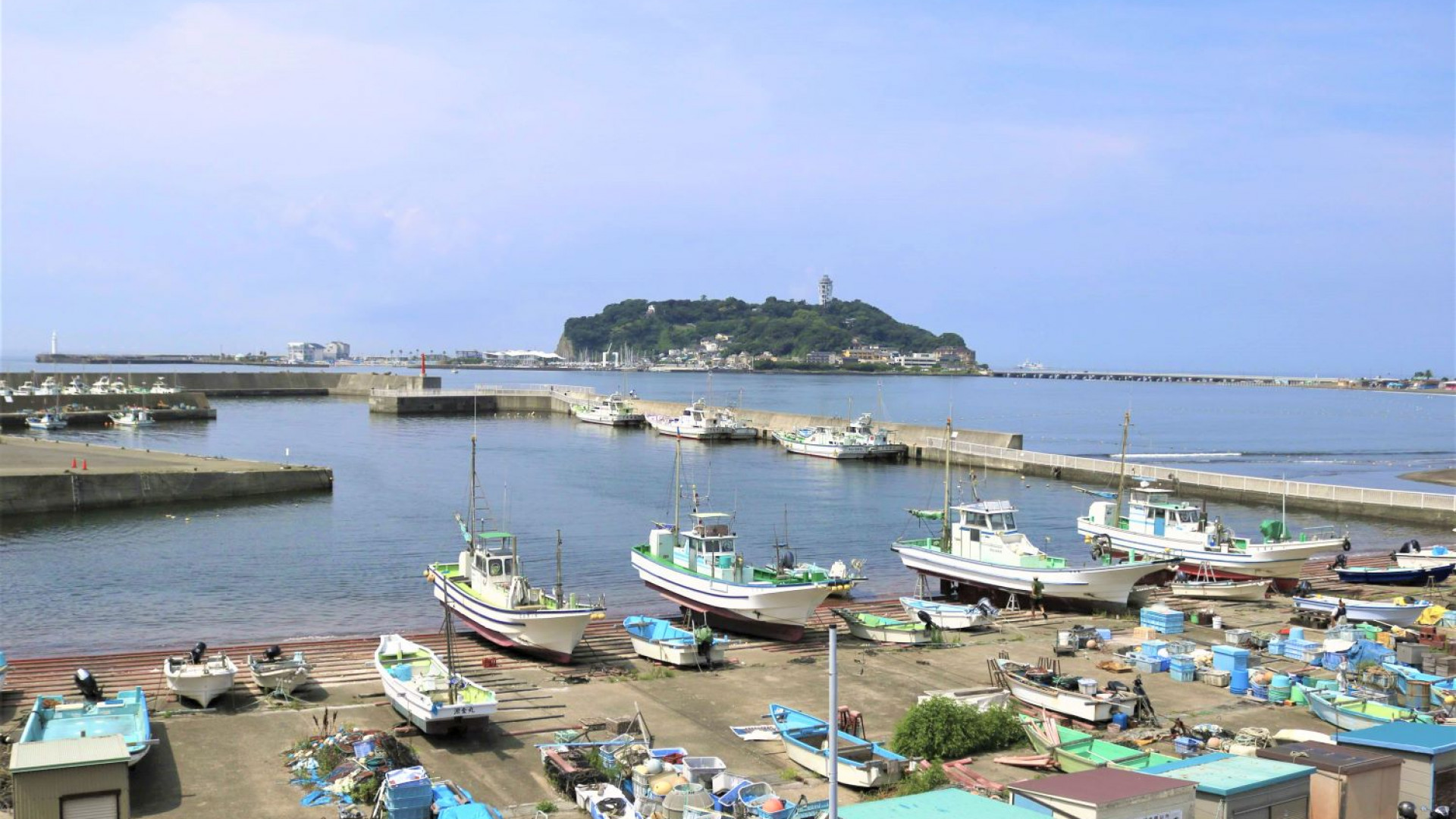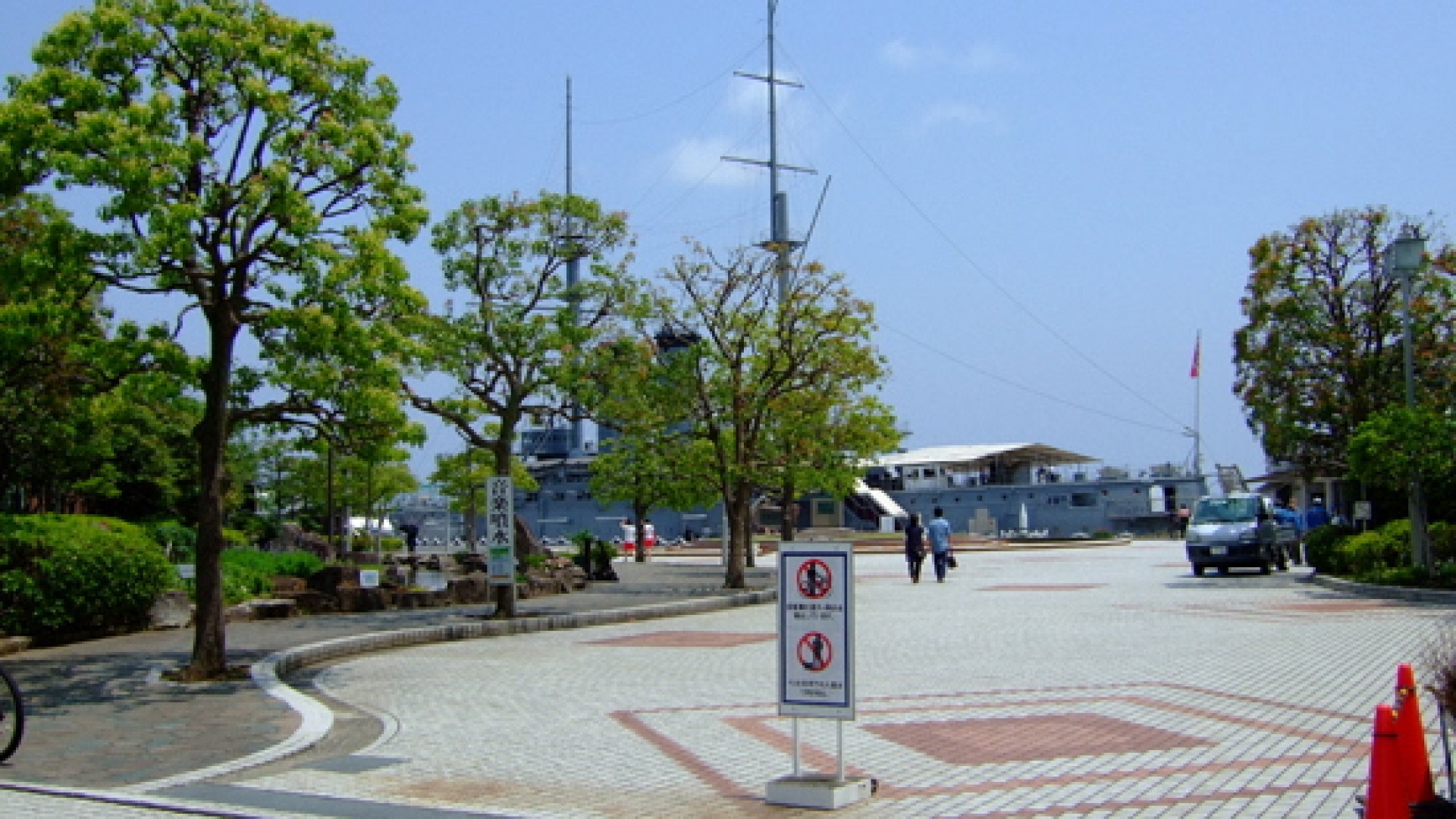


Enoshima North Green Park
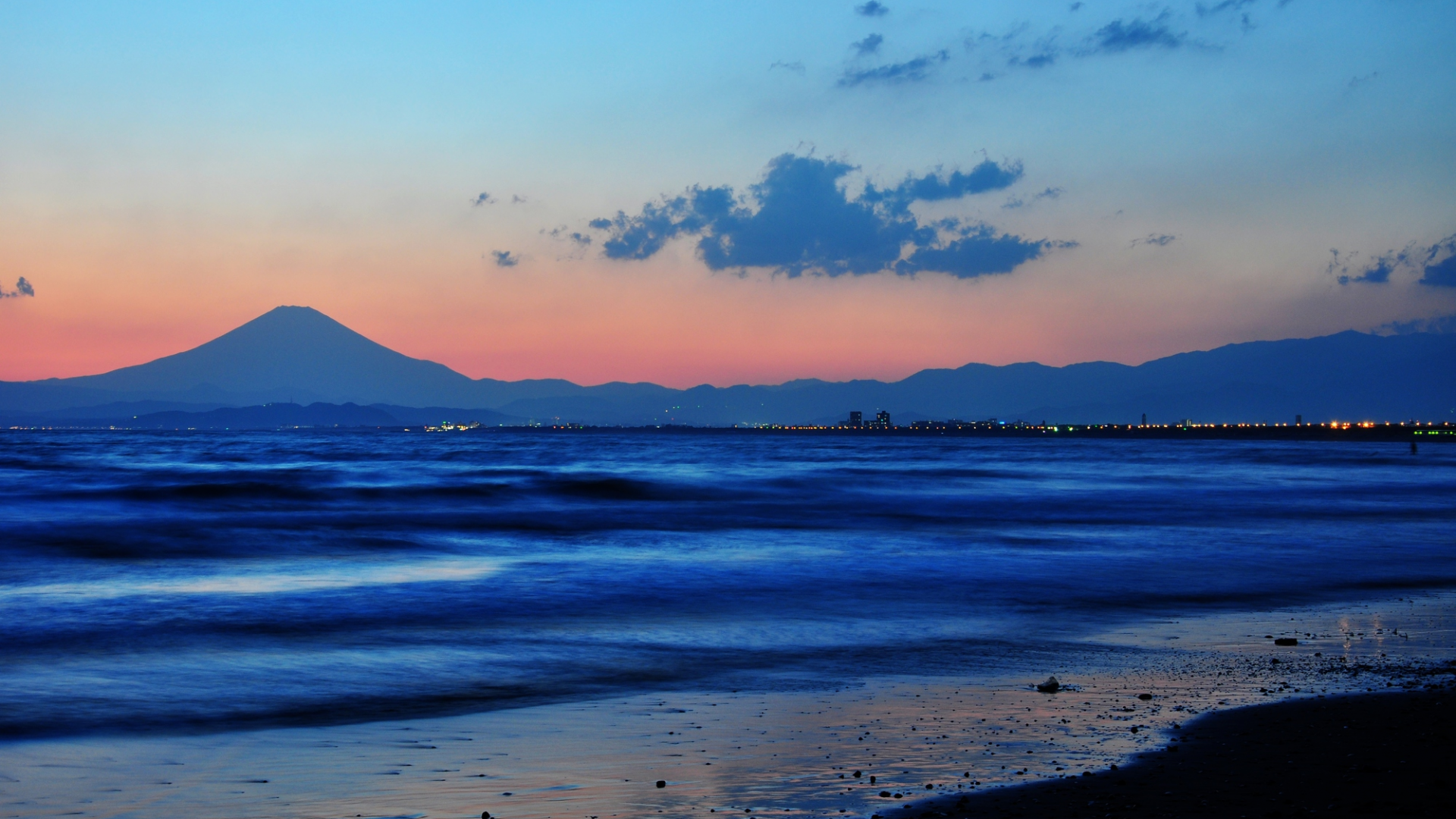
Olympic fountain pond and Morse monument are in this park. At Tennou Festival, portable shrines called Mikoshi will walk into the sea from this shore.
Total: 1715 items
Olympic fountain pond and Morse monument are in this park. At Tennou Festival, portable shrines called Mikoshi will walk into the sea from this shore.
This museum is located in Hiratsuka. Exhibits focus on the nature and culture of the Sagami River basin. A planetarium is attached to the museum and is popular among children for its interesting constellation stories, the latest space information, and various other contents (note the projection dates and times).
The Tsunashima Cherry Blossom Festival is held at Tsunashima Park, a 7-minute walk from Tsunashima Station, which can be accessed within 30 minutes from both Shibuya and Yokohama. Local neighborhood associations set up booths at the festival site, and the local shopping district provides a great deal of festival collaboration and fun. A flea market is also held, making the event atmosphere very lively. Performances such as traditional Japanese dances, koto playing, modern dance, awadori, and others can be enjoyed on the central stage. Please enjoy a gorgeous day here under the cherry blossoms in full bloom!
Viewing Period: late September to early October (best time for viewing: when the equinox flowers blossom). In the Endo area of northern Fujisawa, equinox flowers grow in groups along a small river for around 3km in length. Enjoy the view of flowers surrounding you everywhere as you take a walk. On sunny days it is also an excellent spot for viewing Mount Fuji in the distance. ※Uchimodori Festival site (1,100m downstream from the Daikoku Bridge)
A French-born nature-harmonious outdoor park! Featuring a canopy course for families and an adventure course for adults. Not to mention the 7-meter-high Cliff Challenger, and a nearby putt-putt golf course! Operate your own safety equiptment while navigating through the trees, ensuring your safe passage. Being your own hero is the appeal! At Forest Adventure, everyone can have "serious" fun where adults become children and children become adults! Here, you'll find experiences you can only have at our park. For course details, see the official website.
A nature park with an athletic field along the river and a plum grove of 4,000 trees on the mountain slope. During the plum blossom season in early spring, visitors can enjoy the dynamic scenery of the plum grove. Take the bus from Yugawara Station to Makuyama Park. This is a hike from Makuyama Park to the peak of Makuyama. From the summit, enjoy a beautiful view of Sagami-nada, the Manazuru Peninsula, and Hatsushima.
There are 4 large wild cherry blossom trees called 'Oyama Sakura' on the hill from Oyama elementary school to Oyama Afuri Shrine.
Augusta Milk Farm is a ranch in Yokohama. Here, you can enjoy milk freshly produced that morning from the cows raised on the ranch, or enjoy a delicious soft-serve ice cream or gelato made from that milk. You can choose from over 50 flavors of our signature gelato or make your own delicious gelato. Enjoy encountering cows on a ranch in a big city like Yokohama!
Kodosan Hon-Butsuden is a Buddhist temple built on Mt. Kodo with a commanding view of the urbanized international port city Yokohama and its Minato Mirai district. The temple has a two-story pagoda, Shariden hall, main hall and other halls within its grounds atop the mountain, and 250 cherry trees fill with blossoms in spring.
Constructed around 1927 (Showa 2) using a design by Kichizo Asaka, this communal residence was built for foreign residents. Originally, there were four identical apartments in the building, with the apartments on either side of the central entrance porch mirroring each other. Currently, the second floor is used for gallery exhibitions, meetings, etc.
Daisei Gama, established in 1861, is a leading pottery studio in the pottery town of Mashiko. Its shop, a renovated traditional Japanese house, showcases a wide variety of pottery ranging from standard products to basic products with a few additional touches to the design, clay, and taste. Daisei Gama has been using a climbing kiln for generations since its establishment. Among climbing kilns operated by many pottery studios in Mashiko, it is the largest one. Daisei Gama uses Japanese red pine as fuel and traditional glaze that has long been used in Mashiko such as persimmon glaze as well as rice-bran white glaze, black glaze, amber glaze, and celadon glaze. Currently at Daisei Gama, the sixth-generation family head Kuninori Otsuka and the seventh-generation family head Seiichi Otsuka, together with craftworkers, are creating traditional, simple Mashiko pottery with a glimpse of strength and warmth inside. Visitors can view the climbing kiln. There is also a gallery in a separate building.
Sanraku, standing in serenity on the famous summer retreat, Nasu Highlands, is a long-established ryokan inn with a history of over 100 years. Its open-air baths feature the natural hot spring water flowing directly from the inn’s on-premise spring that produces as much as 800 liters per minute. This pure onsen water reaches the tubs without treatments such as heating, circulation, or filtering. Sanraku also has guest rooms with an open-air bath for you to enjoy a soak in privacy. For dinner, you will be treated to a multi-course kaiseki meal prepared with hand-picked seasonal ingredients. It features dishes that reproduce the four seasons of Japan and the earth's blessing. Guest rooms are furnished in Japanese style with a fusion of elegance and sophistication, and precious wood fills the room with a noble smell. You can also enjoy high-quality amenities with Japanese charm throughout the facility. 【About the hot spring】 Water color: clear Spring water type: simple spring water Efficacy: alleviates joint pain, sore muscles, sensitivity to cold, fatigue, sleeplessness, etc.
This branch temple of Nikkosan Rinnoji Temple was founded in 784 by Shodo, the first head priest of Nikko. The wooden statue for which it’s named—which represents Kannon, the thousand-armed goddess of mercy—is said to have been carved by Shodo himself. The temple is also home to several historically significant Buddha statues. It is also the 18th stop on the 33 Kannon Temple Bando Pilgrimage route, so many pilgrims visit to see it."
Experience the traditional wood-making craft of Kumiko in Kanuma. Kanuma Kumiko, designs made with strips of wood, is found in a traditional Japanese room. Because no nails are used in assembling the 1-5mm strips of wood which make up various designs, it requires traditional and very delicate skills. Visitors can try their hand at making coasters while learning about the techniques and designs of Kanuma Kumiko used mainly for Shoji (traditional Japanese screens and sliding doors) and interior furnitures.
Michi-no-Eki(Roadside Rest Stops) Nasu Kogen Yuai no Mori is located at the foot of Nasu Onsen-kyo. It features a wide variety of facilities including a tourist information centre called “Kanko Koryu Centre”,“Nasutoran”a restaurant,retail shop, and handicrafts gallery among other facilities. . Visitors can purchase fresh local vegetables at the shop called “Freainosato Chokubaijo” and local products at the Furusato Bussan Centre. The roadside station also offers hands-on classes,demonstrations and sales of local arts and crafts. The information centre is located at the foot of Mount Nasu and there are many attractions in the neighbourhood including leisure facilities and museums.
One of the largest in mainland Japan, the park is known for its 280,000 beautiful Shibazakura in bloom from mid-April to May, covering an area of 1.8 hectares. A must-see is the panoramic view of the floral carpet from the observatory, where various shades of red, white, mauve and pink lawn cherry blossoms form beautiful patterns. You can taste handmade soba noodles at the restaurant in the park. Local vegetables and Shibazakura plants are available at the farmer's market.
This classic hotel resort hotel was established in 1878 and represents Japan. Please relax and enjoy our fusion of Japanese and Western cultures.
Kawamura castle was in the limelight starting from the Chusei period through the Sengoku period as the residence of the Kawamura family. Starting in 1989, Kawamura castle ruins were subjected to research and development as a historical park for 6 years, and in May 1994 the "Kawamura Castle Ruins Historical Park" was born. In 1996 it became a the first mountain-castle in the prefecture to be designated as a historic site by the prefecture.