

Greater Tokyo

See & Do

reset
Kanuma Satsuki Azalea Festival

Kanuma Satsuki Azalea Festival

One of the biggest Satsuki Bonsai Festivals in Japan is held from the end of May to the beginning of June. Kanuma is Japan's ultimate source of Kanuma soil, and Bonsai made with Kanuma soil are famous. Among many kinds of Bonsai, be sure to see the Satsuki Azaleas. They are a single tree whose blossoms are mysterious and beautiful and whose flowers have various colors and shapes. During the festival is being held, there are numerous events, such as Satsuki workshop and present of Satsuki saplings, a music concert, and a folk entertainment.

Nikko kaido Oshu kaido TOCHIGI
Yugyo-no-Bon

Yugyo-no-Bon

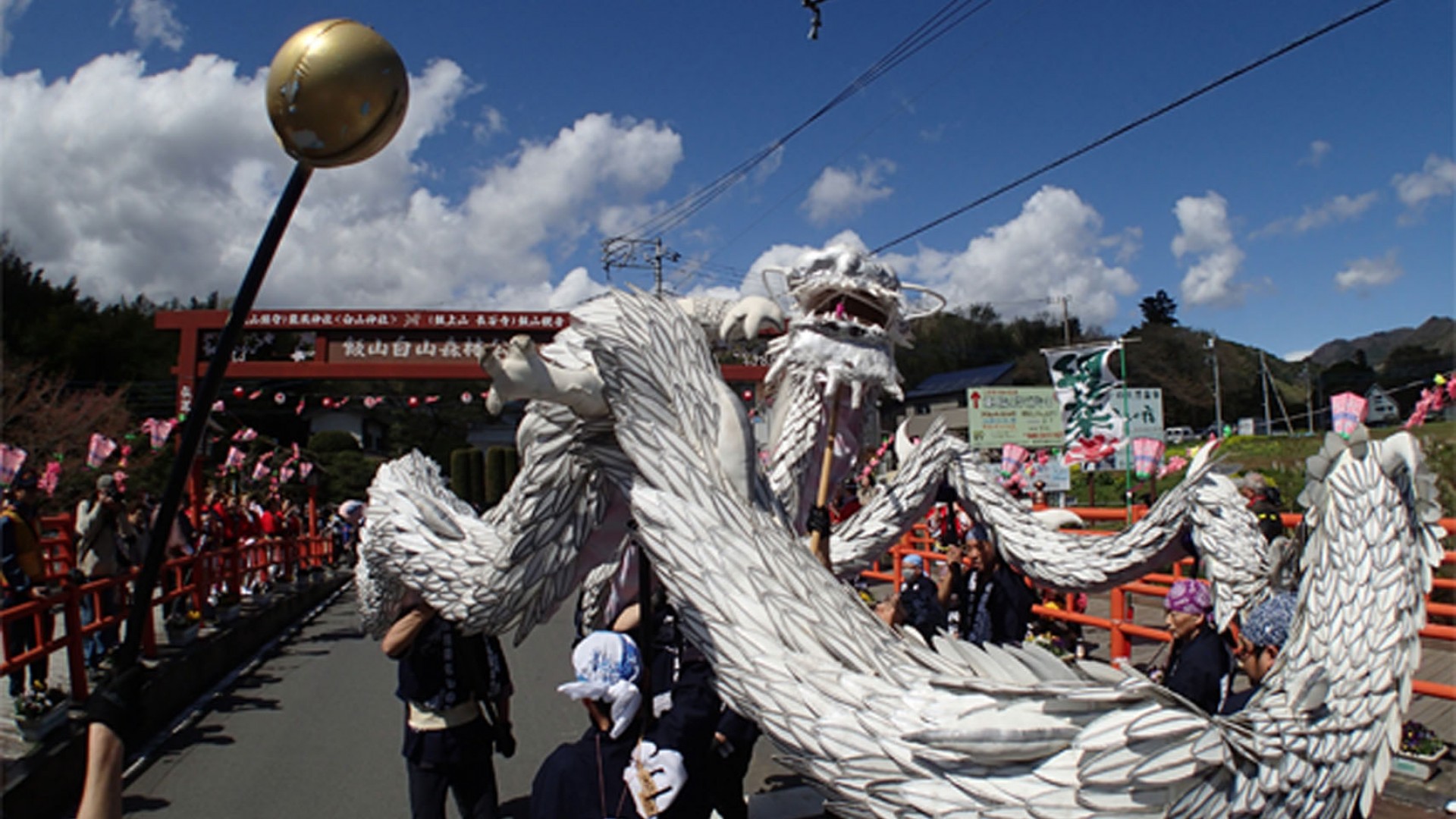
What is the dancing nembutsu at the Yugyo-ji Temple? It is said that during the Kamakura era, when Ippen Shonin of the Jishu Buddhism branch was performing nembutsu across the country, at one point, one of his disciples suddenly started dancing during the chanting. People who saw this followed him and started this dancing tradition, which has now evolved into all sorts of Bon festivals and folk arts incorporating cultures and characteristics from all kinds of places. People of Fujisawa embrace the culture that is passed down to them and use the dancing nembutsu as a theme to hold the brand-new Bon of Yugyo event, containing the Yugyo Dance.

Culture & Arts Tokaido Koshu kaido KANAGAWA
Gandenji Temple

Gandenji Temple

Legend has it that this old temple was founded by two Buddhist priests, Tokudo and Gyoki. It's also the 2nd temple of "The Bando 33 Kannon Pilgrimage". When you pass the temple gate, there is a stone tablet inscribed with the writings of Izumi Kyoka; on the left side of the main hall, the principal image of the eleven-faced Kannon is enshrined. If you climb the 130 stone steps from there, you'll find the old Kannon hall on a hill, from which you can enjoy a magnificent view of the entire area.

Temples & Shrines Tokaido Koshu kaido KANAGAWA
Old Hakone Highway Cedar-lined Road

Old Hakone Highway Cedar-lined Road

The Hakone Old Highway was once part of the Tokaido Highway, established by the Edo Shogunate at the beginning of the Edo period (1603-1867), and was known as the most difficult part of the Tokaido Highway to cross, stretching roughly 32km from Odawara-juku to Mishima-juku via Hakone-juku by Lake Ashi. Even today, some of the roadways from those days remain on the east (Hakone Town and Odawara City) and west (Mishima City and Kannami Town) sides of Mt. Hakone, where stone-paved paths, rows of pine and cedar trees, distance milestones, and even a reconstructed Hakone Sekisho (barrier) can still be seen. The cedar trees, which are found only along Lake Ashi, are believed to have been planted because they were suited to the climate of Mt. Hakone, whereas most of the trees along the highway are pine trees. Walking among the rows of cedar trees, some of which are more than 350 years old and some of which have grown up to 30 to 40 meters high, you are sure to experience the ancient highway as if an Edo-era traveler.This hiking path, as well as Hakone Shrine, are the two best places to see magnificent cedar trees. Descending is easier than the climb, but is tough on the knees.

Nature & Views Tokaido Koshu kaido KANAGAWA
Ninotou

Ninotou

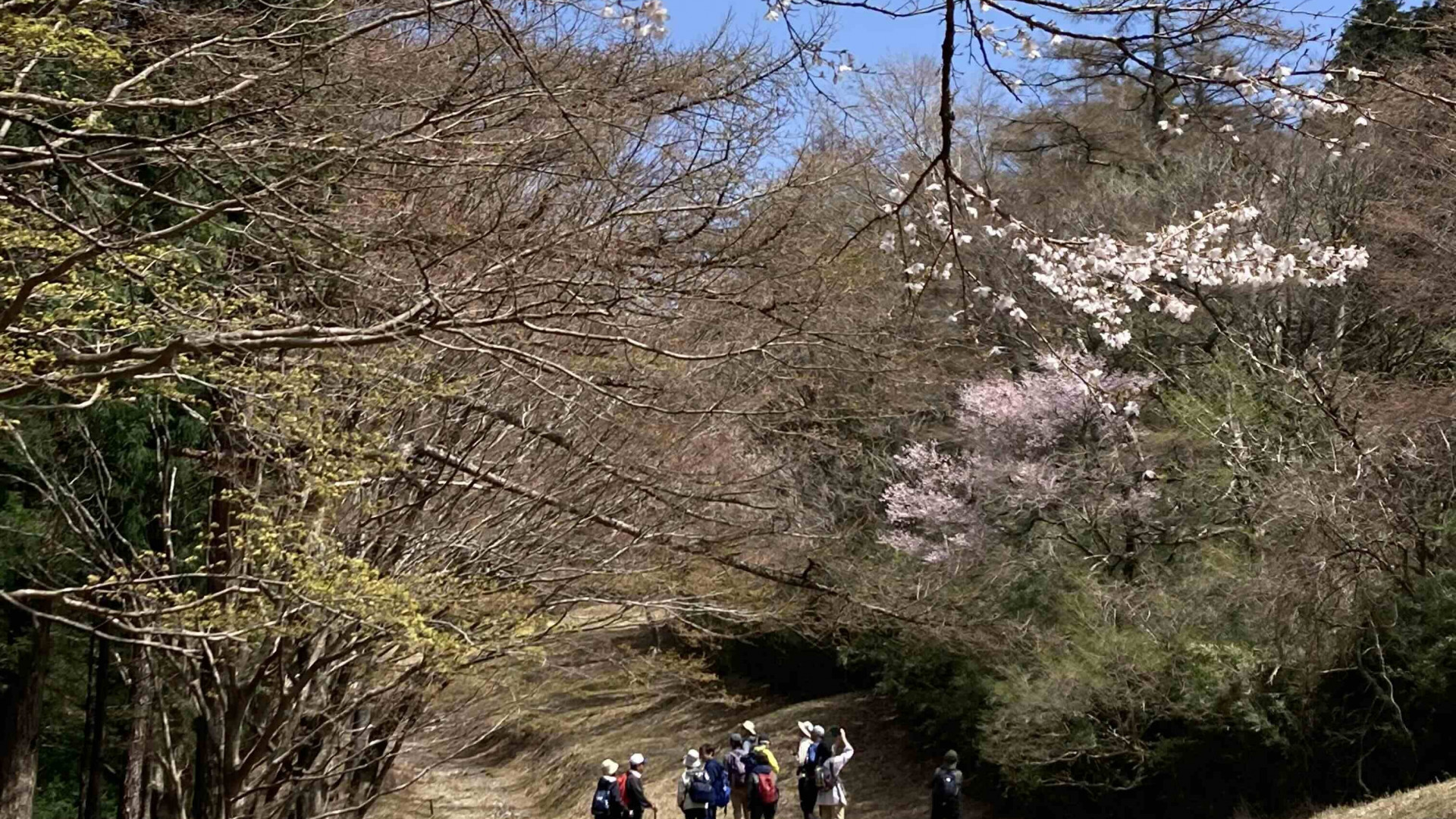
A 1,122 meter high mountain nestled within the Tanzawa Omote Ridge. One possible explanation for its name is a legend handed down through Karako Shrine, found at the foot of the mountain in the village of Yokono. It claims that long ago, a god flew from the Tang Dynasty of ancient China to hand over a statue of the god, as well as light three divine lanterns on a ridge that climbs from Yokono Village, with the first located at Karako Shrine and the second on a peak. It is said that the peak above it became the third light, and that "light" was transformed into a "pagoda".Please use the "Tanzawa Omote Ridge Traverse Course" as a reference and plan your hike accordingly.Early morning trekking allows you to enjoy a special experience with fewer people and clear air.

Nature & Views Tokaido Koshu kaido KANAGAWA
Izuru Soba

Izuru Soba

Hand-ground stone-milled soba noodles – savor the history and flavors of Manganji Temple Izuru Soba originates from Tochigi City’s historic “Izuru Manganji Temple.” In the past, soba was made by temple parishioners and locals as an offering, and it gradually became a well-known local delicacy. Along the Izuru Kaido Road, many soba shops and guesthouses line the route, allowing visitors to enjoy natural scenery while savoring freshly ground stone-milled soba noodles. The Izuru area also promotes “Tochigi Edo Cuisine,” offering not only traditional zaru soba but also unique creations such as white soba, soba flour sweets, and the specialty “Koedo Soba Kaiseki.” This is not only a culinary experience but also a cultural journey that blends history, faith, and gastronomy.

Nikko kaido Oshu kaido TOCHIGI