

Greater Tokyo

See & Do

reset
Shibazakura Festival

Shibazakura Festival

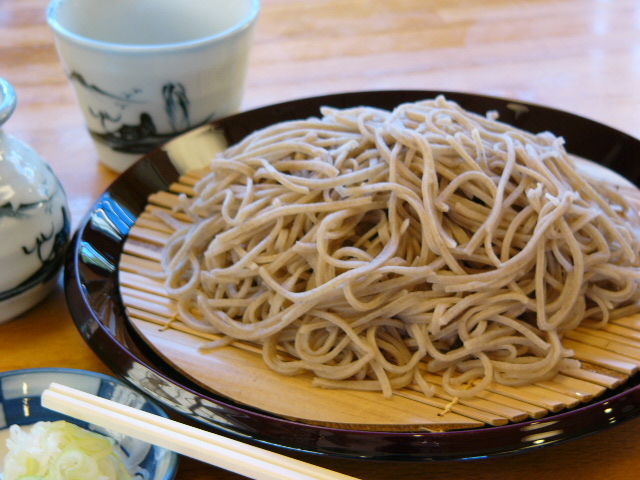
The Shibazakura Festival is held every year at Ichikai Town Shibazakura Park in April and May.   About 280,000 plants in magenta, pink, purple and white are planted over 18,000 square meters in Shibazakura park. The flower carpet is patterned after the Kokaigawa river, which starts near the town.   During the festival, a soba restaurant(Hana) in the park, you can enjoy authentic hand-made soba. Additionally, also sells agricultural products and shibazakura seedlings.

Nikko kaido Oshu kaido TOCHIGI
Shika no Yu

Shika no Yu

This hot spring facility is located in Yumoto, Nasu Town. It is said to have opened approximately 1,300 years ago. The origin of the discovery of this hot spring is said to be that a county official was hunting in the mountains and chased a deer that he missed shooting, and the deer healed its wounded body with the hot spring. It is considered the oldest hot spring in Tochigi Prefecture, and many of the surrounding hot-spring hotels use it as their spring water source. The baths are divided into six temperature levels ranging from 41–48 degrees Celsius (there is no 48-degree women’s bath). It is said that by following the bathing protocol, such as pouring water over yourself before entering the bath, you can increase the hot spring’s effects.

Nikko kaido Oshu kaido TOCHIGI
Auto Camp Nakagawa Station

Auto Camp Nakagawa Station

Auto-Camp Nakagawa Station is a drive-up camp ground where you can see the blue waters of the Naka River, the Kanto region's greatest, flowing right before your eyes. It's a great location to watch the river's flow reverse and is also an optimal base camp for mountain biking, hiking and river recreation such as canoeing and kayaking.There canoe and kayak rides and rentals, as well as a school where you can challenge yourself at a pace that suits you. In addition to camping in tents, campers can also stay in air-conditioned bungalows and lodges with AC power (outlets are for charging cell phones only) or in teepee tents (Native American tents) equipped with sunken fireplaces."

Nikko kaido Oshu kaido TOCHIGI
Shonan Wagasa Ei Yuu

Shonan Wagasa Ei Yuu

Shonan Wakasa Ei Yuu is the only studio in Kanagawa still making their wagasa (traditional Japanese umbrellas) entirely by hand. Wagasa were widely used during the Edo period (1603-1868), but quickly fell out of use during the Meiji period (1868-1912) with the popularization of Western umbrellas.The charms of wagasa are now being rediscovered, along with the traditional rituals and performances that they have long been used in. While the number of wagasa craftsmen is declining nationwide, a fascination with wagasa is growing both in Japan and overseas.

Experience & Activities Tokaido Koshu kaido KANAGAWA
Nakagawa Hot Spring

Nakagawa Hot Spring

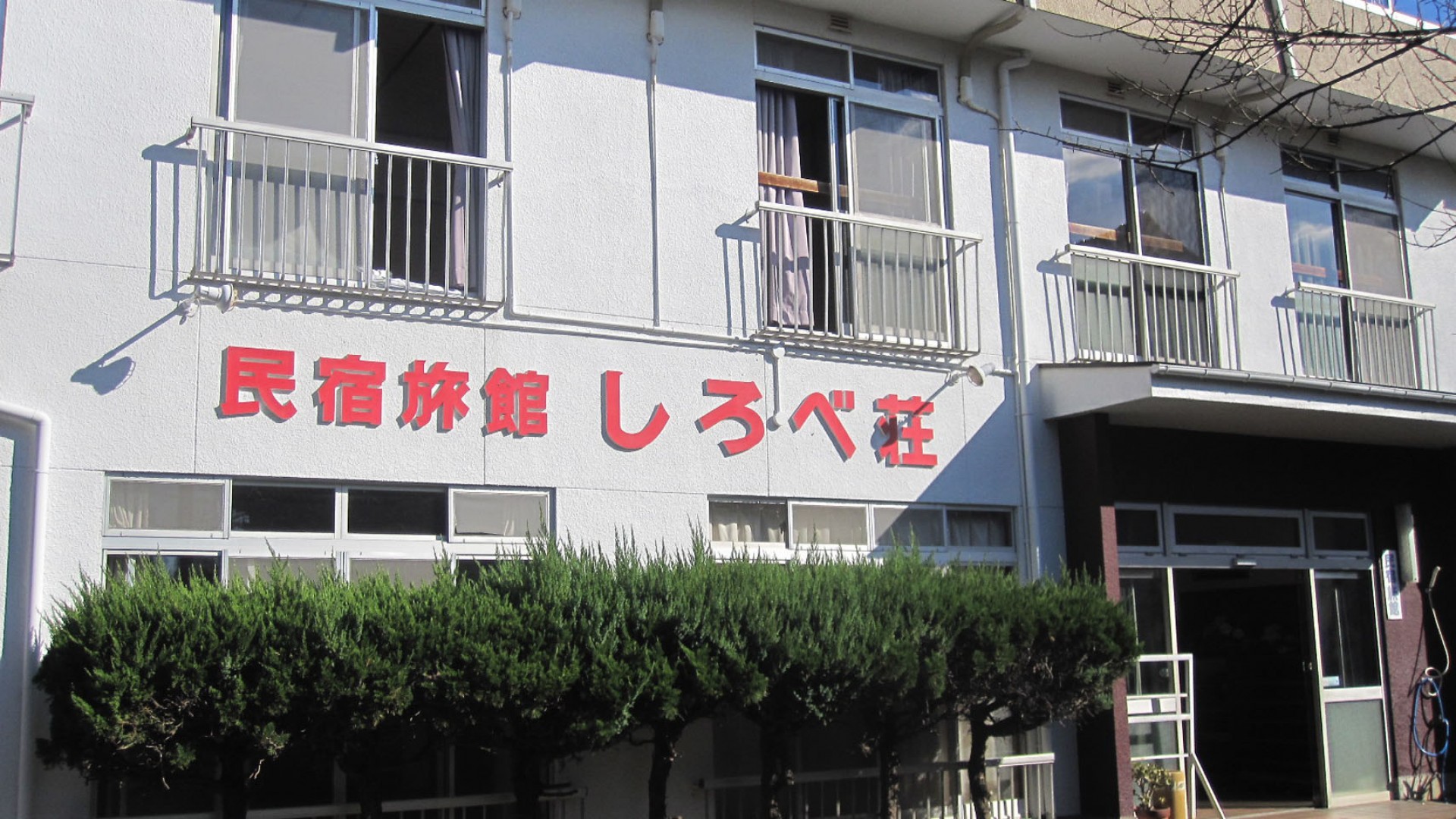
Nakagawa Onsen is a mountain hot spring resort that is close to Lake Tanzawa, it has a long history. There is a legend that about 400 years ago, Takeda Shingen helped a soldier recover who was injured in a battle with Hojo Ujiyasu by bathing in this hot spring, therefore it is also called "Shingen's secret bath". It is a simple hot spring with the water quality high in PH, it is said to be effective for gastrointestinal diseases, neuralgia, rheumatism, hypertension, recovery of wounds, etc. It is also said to be good for your skin, it is widely known as a "beauty bath" that makes your skin smooth.

Onsen & Stay Tokaido Koshu kaido KANAGAWA
Hana to Utsuwa no Harmony

Hana to Utsuwa no Harmony

“Hana to Utsuwa no Harmony” is an early summer event that started in 2001. The event takes place at 7 Yamate Seiyoukans in Yokohama. The theme of 2017 was “Motenashino Hana Monogatari (hospitalities and stories of flowers) -- 7 Chapters --”. Seven coordinators arranged the flowers and tablewares of each Seiyoukans differently. (Theme is different each year)This event is not only about the decorations but paid workshops, such as flower arrangements. This 9-day event usually starts on the first Saturday of June and ends on the second Sunday of June.

Culture & Arts Tokaido Koshu kaido KANAGAWA
Japan Heritage Certification (Oyama Shrine Visit)

Japan Heritage Certification (Oyama Shrine Visit)

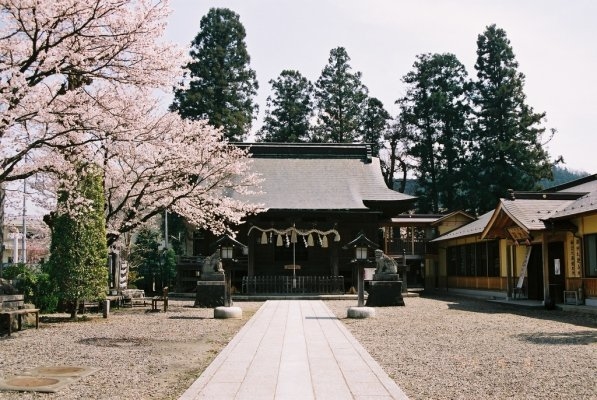
Mount Oyama has long been firmly believed to be a mountain of spirits. During the most prosperous period of Edo, 200,000 people were recorded to visit this mountain every year. Back then, shrine visiting, beginning with the pilgrimages to Ise Shrine, was extremely popular among the people. Among the many travel destinations, Oyama was loved by many for being only two or three days away from the cities of Edo. A popular route was to have fun at Enoshima after visiting Oyama. This sight was portrayed in the classic rakugo, Oyama Mairi. In April 2016, Oyama Mairi qualified as a Japanese heritage.

Temples & Shrines Tokaido Koshu kaido KANAGAWA
Yokohama’s lights that appear at night〈Yorunoyo 2024〉

Yokohama’s lights that appear at night〈Yorunoyo 2024〉

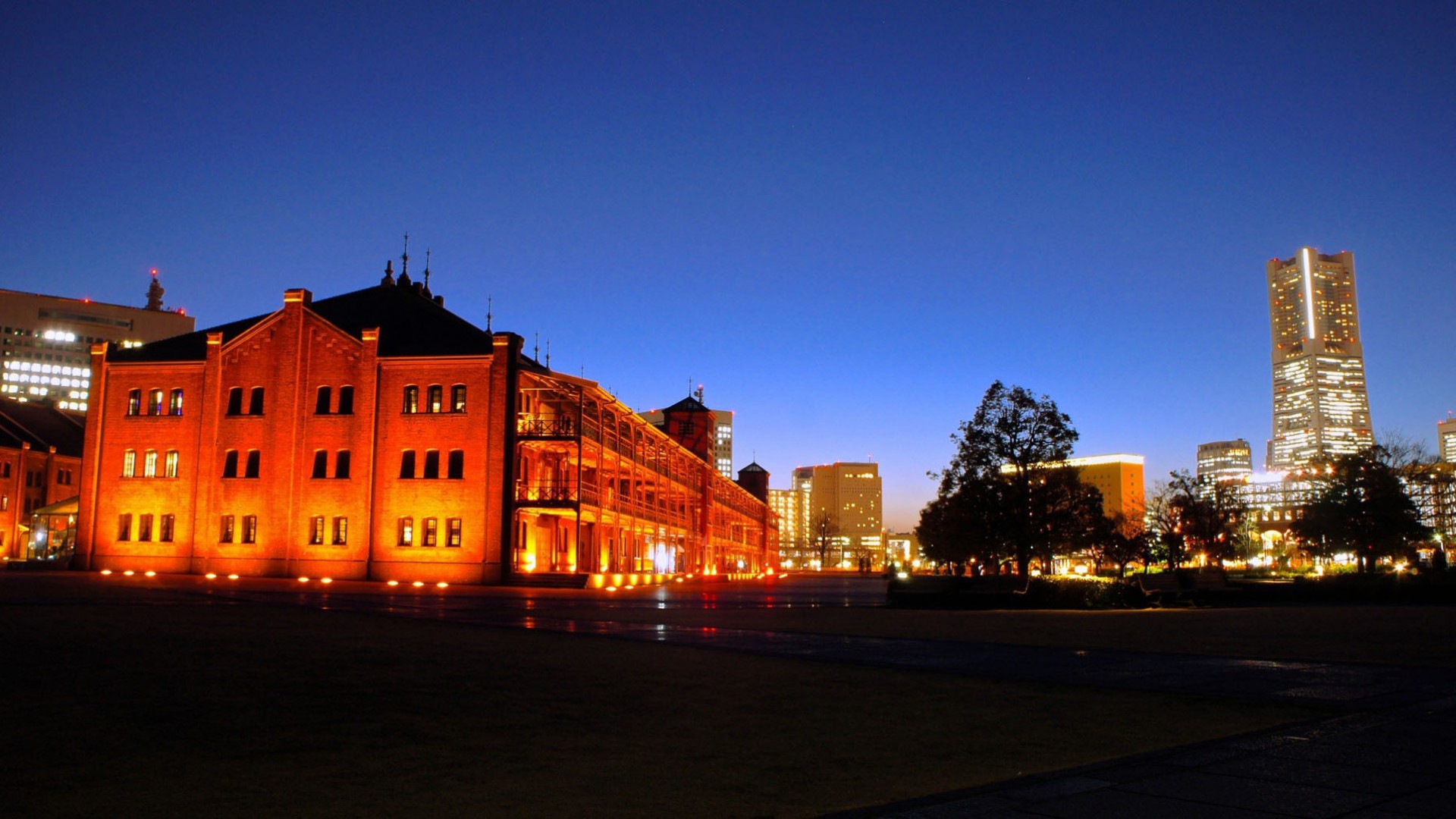
One of Japan's largest citywide illumination events. A spectacular show of the harbor's waterfront, historical buildings, and modern buildings will be synchronized with light and music, and a large-scale projection mapping at the Port of Yokohama's Osanbashi International Passenger Boat Terminal and an interactive light show in Yamashita Park will create a beautifully lit Yokohama on a winter night. Please enjoy the most brilliant harbor lights of the year.

Culture & Arts Tokaido Koshu kaido KANAGAWA
ichigos YOKOHAMA

ichigos YOKOHAMA

A barrier-free urban strawberry orchard run by a nursing couple.You don't have to travel far to visit and anyone is welcome.Their Spanish suspended cultivation system with wide aisles allows wheelchairs and strollers to pass through. The view of the strawberries overhead is spectacular.Even children can harvest at just the right height. Please use scissors and a basket to harvest the strawberries and enjoy them at a table.Please enjoy seeing and tasting the strawberries ripened to perfection in the sunlight.

Experience & Activities Tokaido Koshu kaido KANAGAWA
UWASAWA’S BREAKFAST

UWASAWA’S BREAKFAST

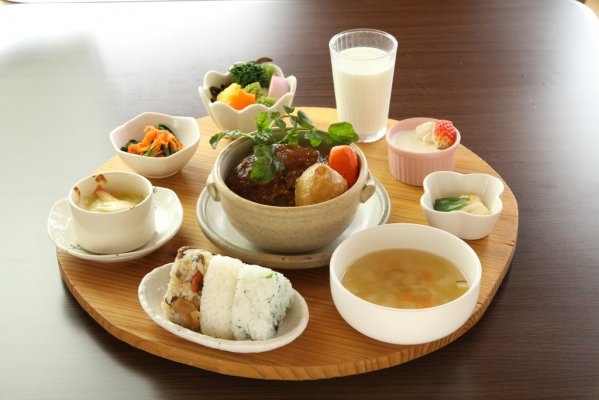
Simple yet exquisite deliciousness. At this veteran Nikko store specializing in miso and tamarizuke pickles (vegetables soaked in a miso by-product), you can discover the flavor of a traditional Japanese breakfast. Inkyo Uwasawa is a restaurant serving traditional Japanese breakfast made with tamarizuke pickles provided by the proprietress of Uwasawa Metaro Store. In a traditional house built over 150 years ago, diners are served a simple breakfast of rice with a plate of tamarizuke pickles and a bowl of miso soup, simple accompaniments which really bring out the delicious flavor of the rice. Enjoy a moment of relaxation as you savor the food, which is rich without being lavish. Uwasawa Umetaro Store was established roughly 400 years ago as a warehouse management firm for nengu (literally "annual tribute," a tax on the annual harvest originally paid in rice) for the Nikko Shinryo region. It later became a miso store, and then a pickles store. Savor the flavor passed on through the generations. *For cancelations, except in circumstances deemed unavoidable by our company, such as closure due to typhoon, heavy rain, heavy snow, or earthquake, or when public transportation to the store is unavailable due to suspension of services, a cancelation fee of 100% shall apply from one week before the date. We appreciate your understanding.

Nikko kaido Oshu kaido TOCHIGI
Kayama Plantation, Strawberry Picking

Kayama Plantation, Strawberry Picking

This plantation offers you the opportunity to taste strawberries grown in organic soil. The soil is rich in nutrients, giving the strawberries a rich sweetness with a refreshing acidity. “Tochiotome” and “Benihoppe (Red Cheek)” strawberries are available to pick between early January and early June. The homemade Strawberry Daifuku (2 for 600 yen, 3 for 900 yen) are made from their strawberries and are extremely popular, so pre-orders are a must. They also sell jam (800 yen). *Make sure to also give the adjacent Kayama Farm Cafe a try!

Experience & Activities Tokaido Koshu kaido KANAGAWA
Koidegawa Red Spider Lily Festival

Koidegawa Red Spider Lily Festival

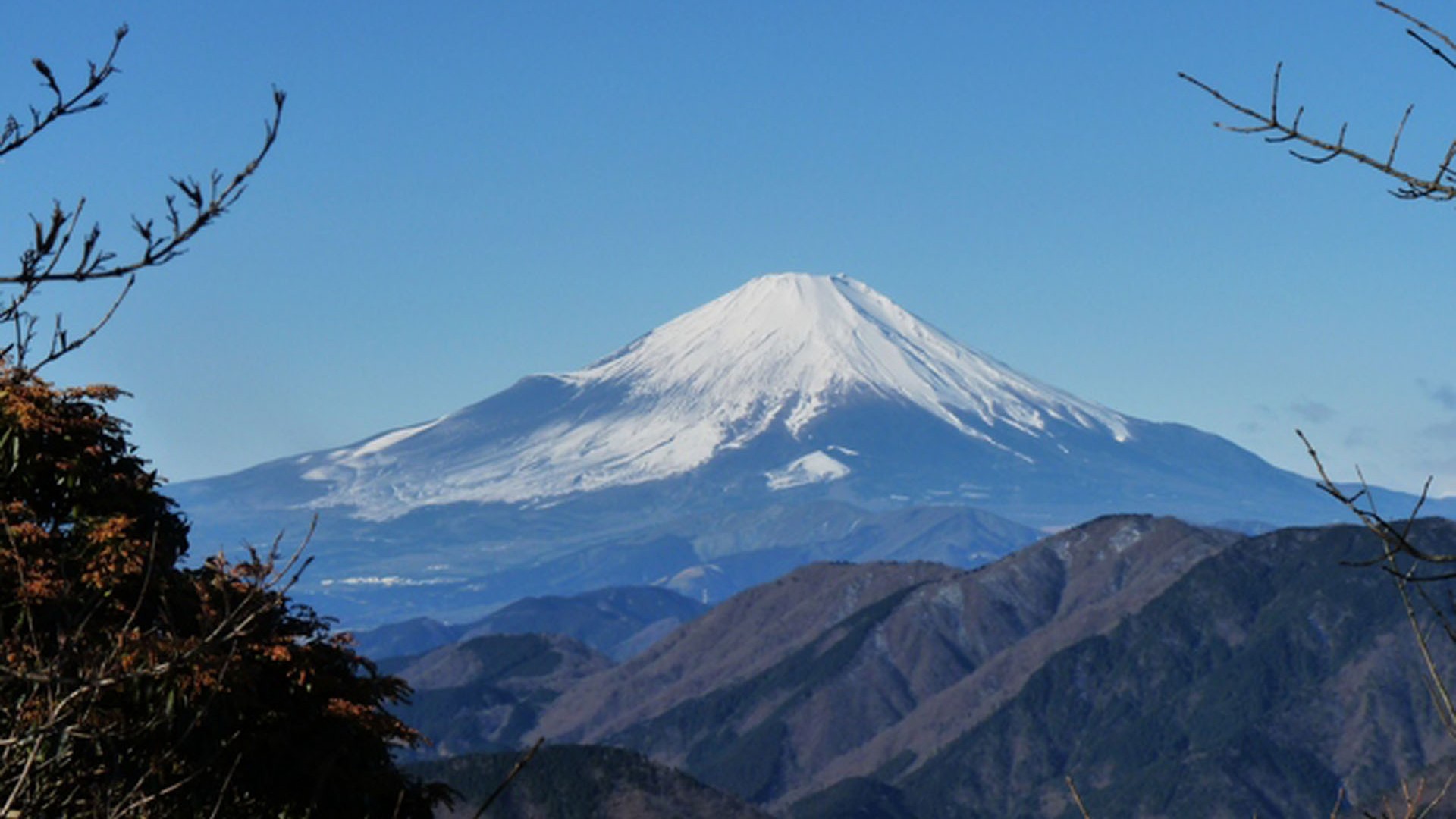
Viewing Period: late September to early October (best time for viewing: when the equinox flowers blossom). In the Endo area of northern Fujisawa, equinox flowers grow in groups along a small river for around 3km in length. Enjoy the view of flowers surrounding you everywhere as you take a walk. On sunny days it is also an excellent spot for viewing Mount Fuji in the distance. ※Uchimodori Festival site (1,100m downstream from the Daikoku Bridge)

Culture & Arts Tokaido Koshu kaido KANAGAWA
Ryokusuian

Ryokusuian

It was built in the early Showa era and relocated and restored in 1991 to the Minoge district of Hadano City. In April 2020, it was registered as a national tangible cultural property as a relic related to leaf tobacco cultivation. It is an important building for learning about farmhouse architecture in the early Showa era. The structure is in an architectural style typical of tobacco farmers at the time, with four rooms in the shape of a square. Agricultural tools and daily necessities are also displayed on the dirt floor, making it a valuable learning facility. We also offer villager experiences, rice harvesting, moon-viewing parties, etc. There are also regular hikes around the area.

Culture & Arts Koshu kaido Tokaido KANAGAWA