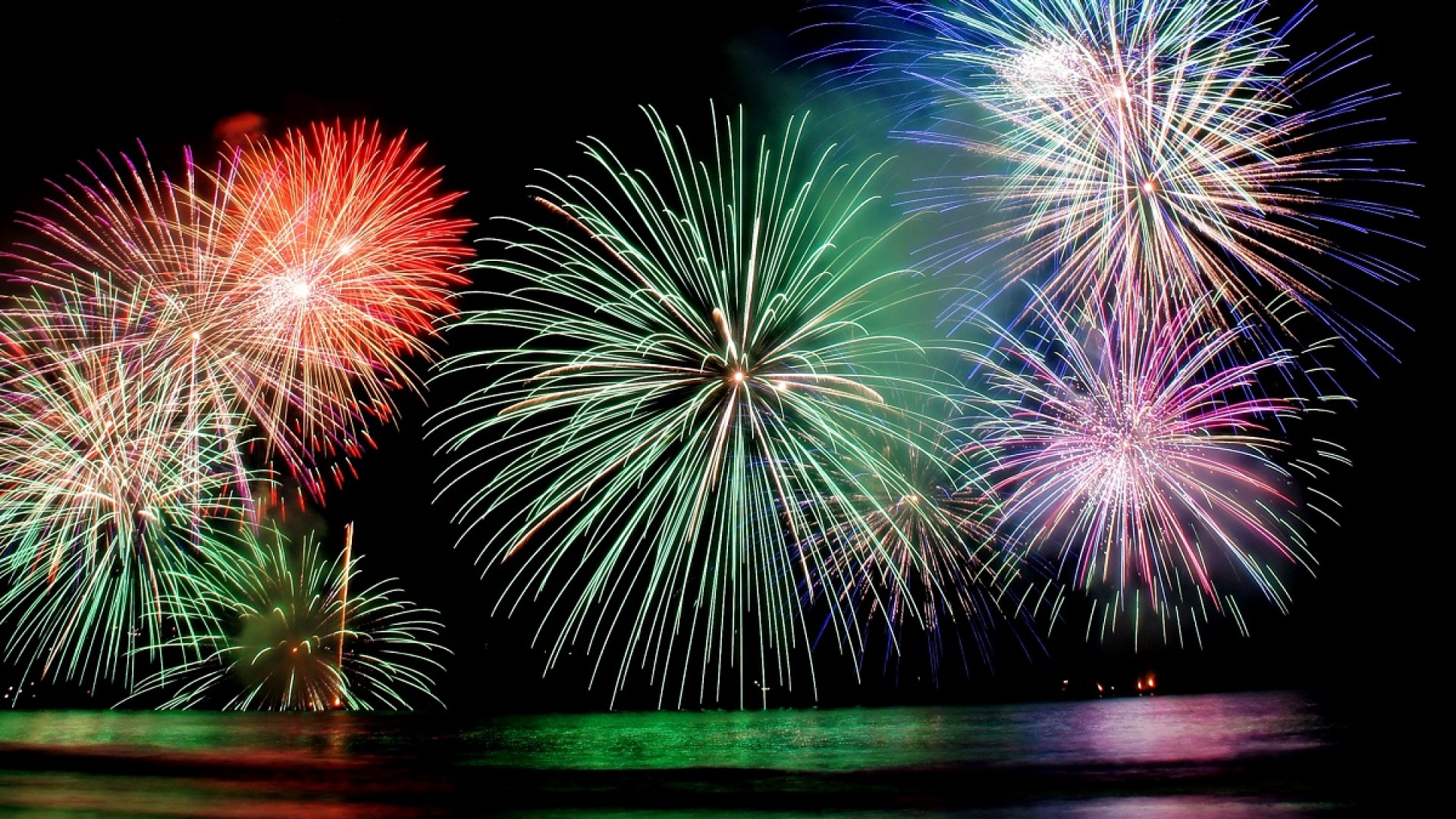
Yugawara Yassa Festival
With the call of "Yassah, Mossah", children, adults and geisha parade through the town in their stylish costumes. Flower carts, portable shrines, and music add to the festive atmosphere.
Total: 1727 items
With the call of "Yassah, Mossah", children, adults and geisha parade through the town in their stylish costumes. Flower carts, portable shrines, and music add to the festive atmosphere.
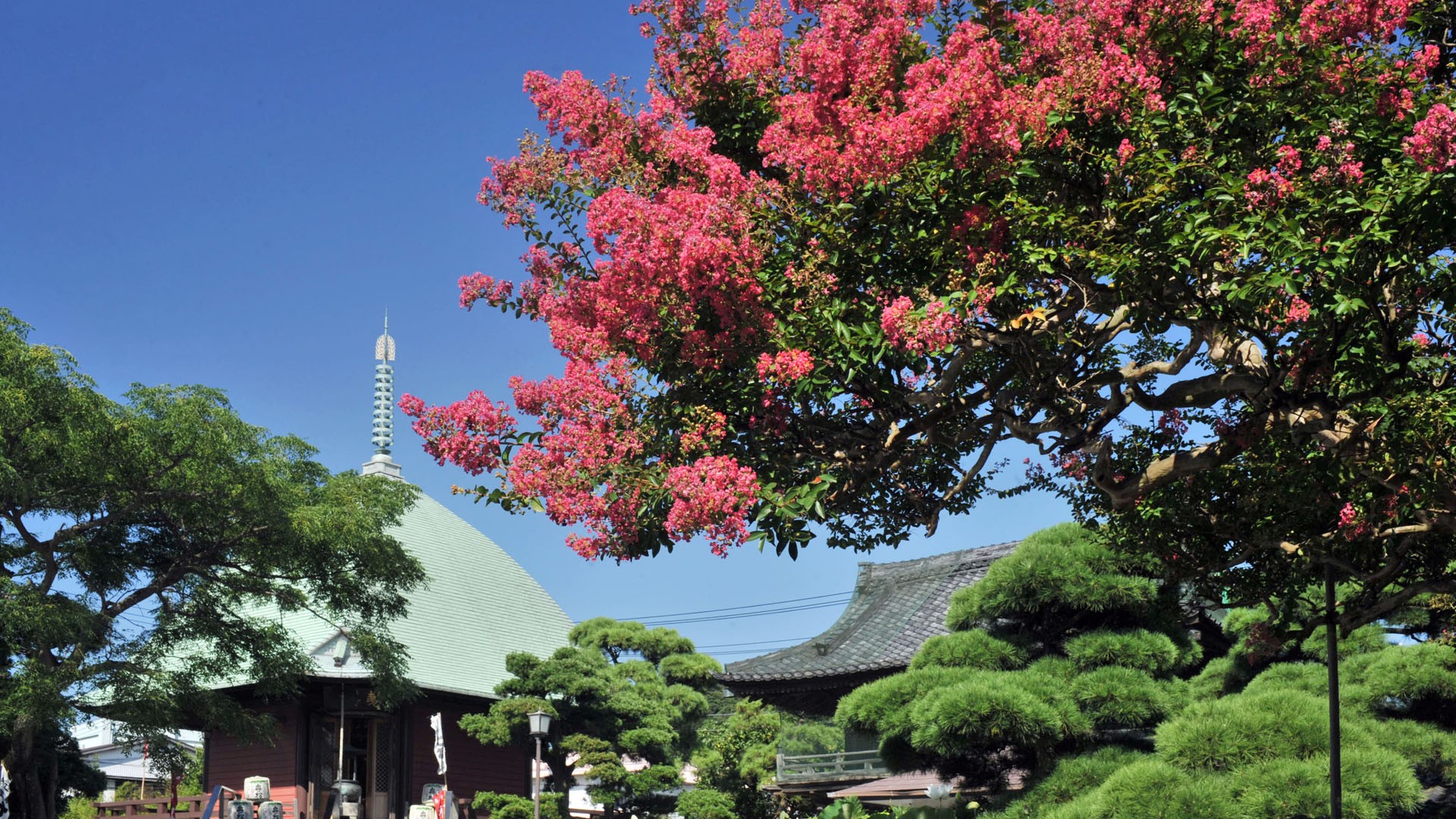
It is also called "Hagi-dera". This temple is related to the Hojo Family and is well-known for its beautiful white bush clover. It was established by the Emperor Godaigo. A wooden Jizo Bosatsu (bodhisattva) is enshrined here.
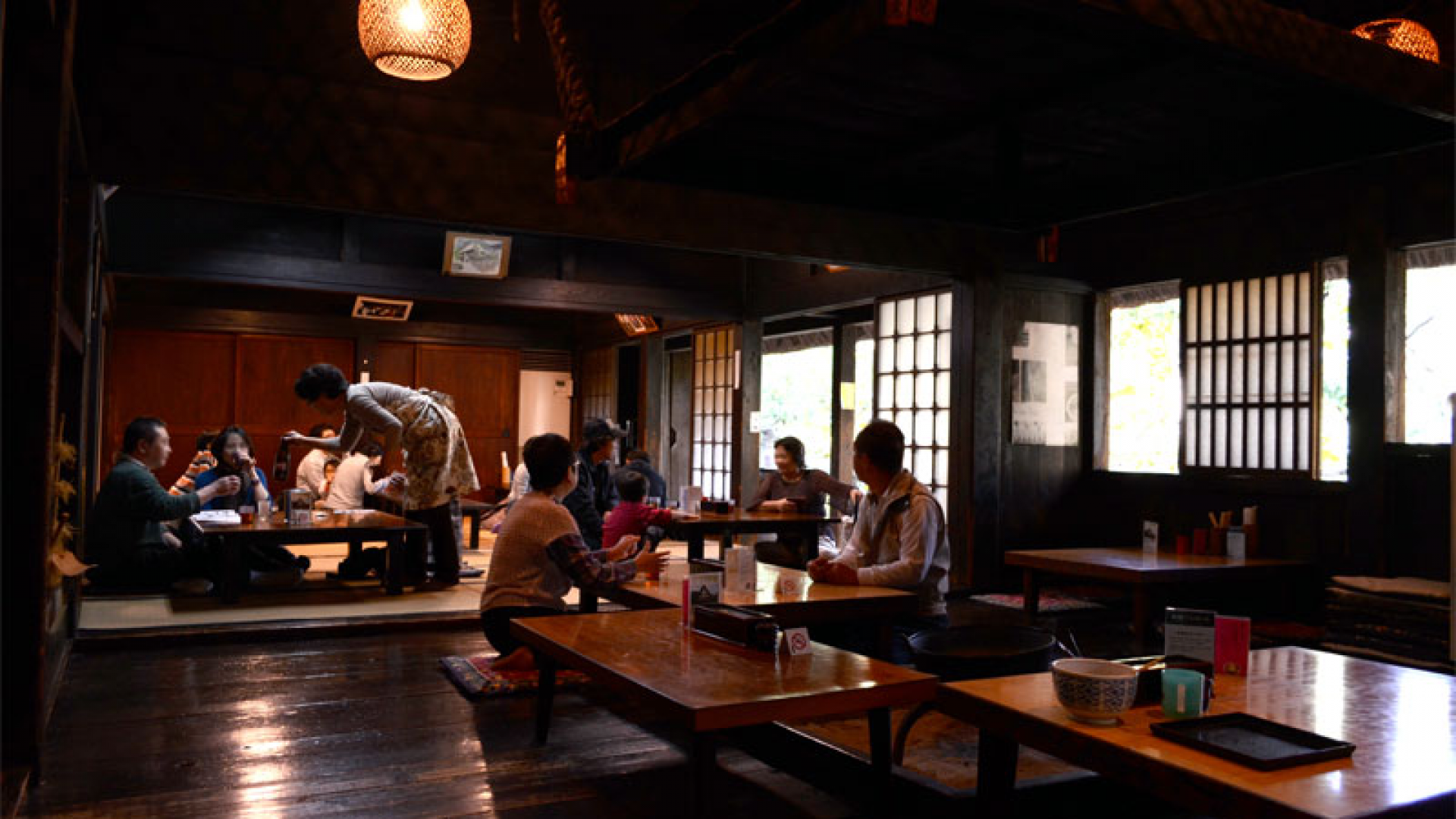
Soba Noodle Restaurant "Shirakawa-go" is on the 1st floor of the Yamashita House located in the center of Nihon Minka-en. This house is an old folk house with a large gassho-zukuri-style thatched roof, which is designated an important cultural property of Kanagawa prefecture. The soba noodle served here is made of spring water obtained from Oshino village in Yamanashi prefecture.
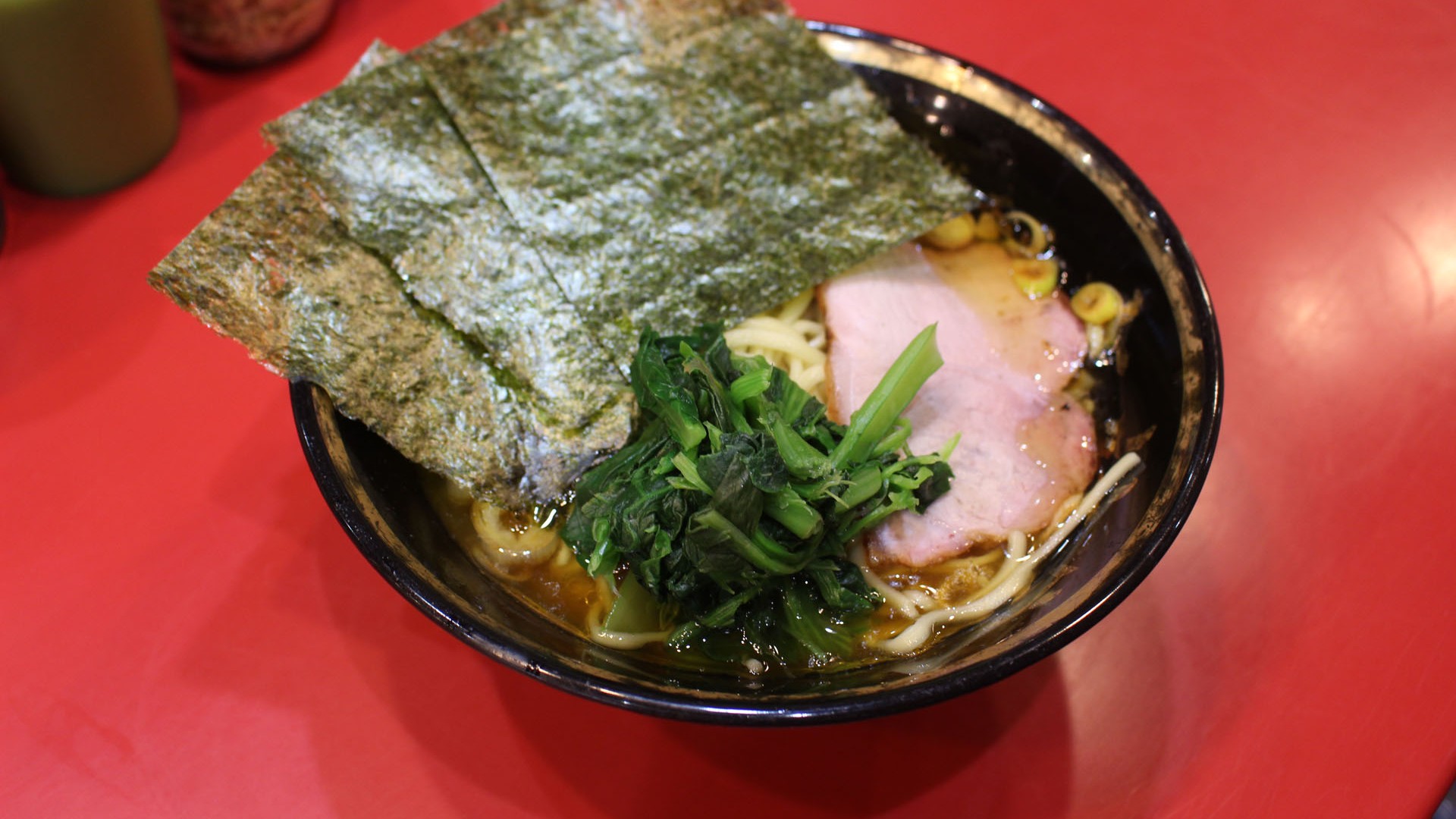
Located around Yokohama Station, ramen is very popular.
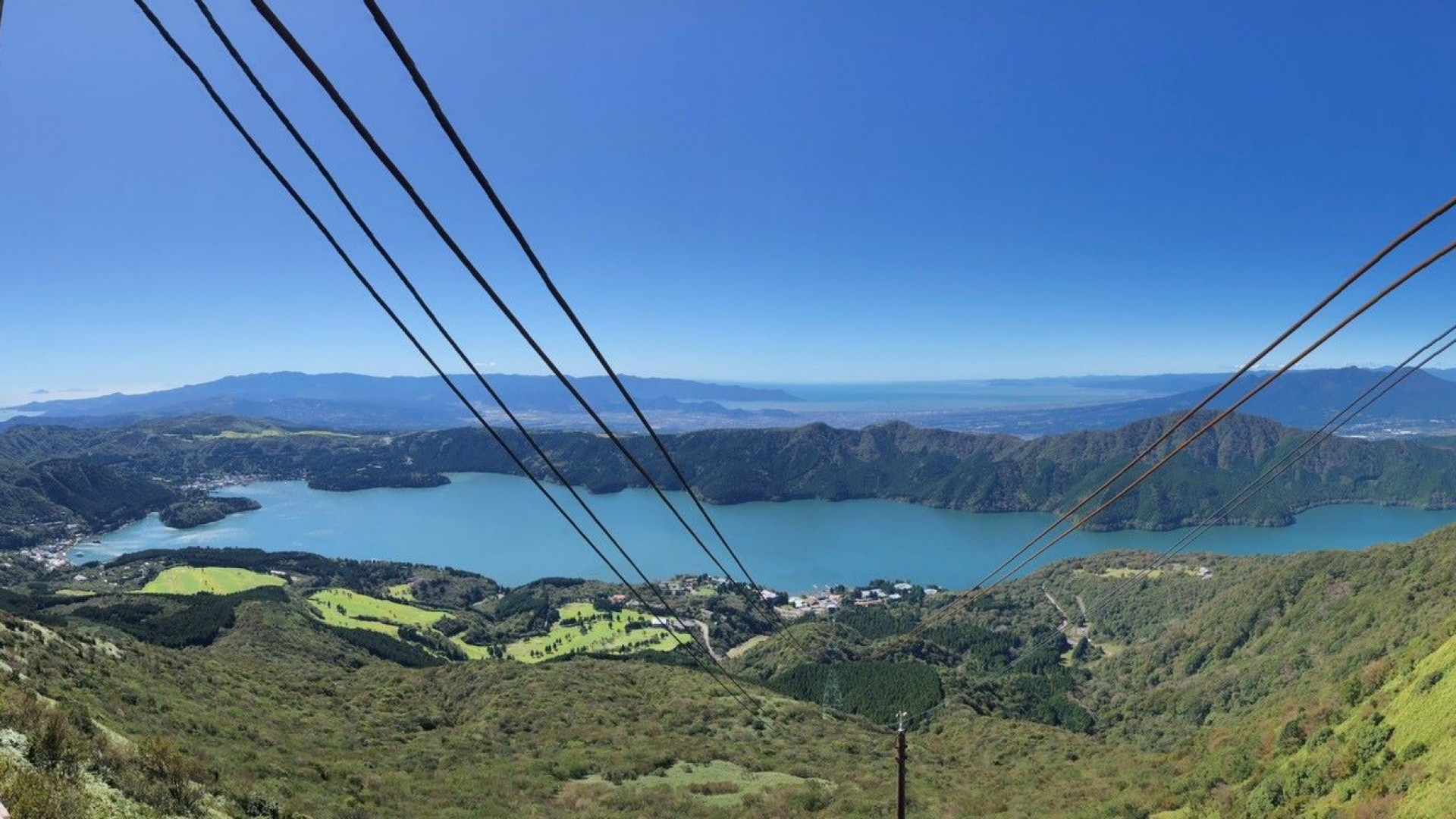
Within the national park, there is a cable car that connects the shore of Lake Ashi to the summit of Mt. Komagatake over a total distance of 1,783 m. The cable car takes about seven minutes each way. From the summit of Mt. Komagatake, you can enjoy uninterrupted views of Hakone that centers on Lake Ashi and can see the magnificent Mt. Fuji and the Southern Alps beyond it. Also, the 360-degree panorama that boasts a unique view of Hakone, overlooks Suruga Bay to Izu Islands, Sagami Bay to Shonan Beach, along with Tokyo Sky Tree and the Boso Peninsula. It is a place where you can experience seasonal flowers and plants, wild birds and insects, and the breath of nature.At the top, prepare yourself for one of the most stunning views of Mt. Fuji you will ever see. Also great 360 degree views of Sagami Bay and the entire Hakone region. Winter can be cold, but the skies are crystal clear.From the top of Mt. Komagatake, the panoramic view of Hakone centers on Lake Ashinoko. And to the northwest is magnificent Mt. Fuji. In the distance, you can see from Suruga Bay to the Izu Islands, the Shonan Coast, and the Boso Peninsula.
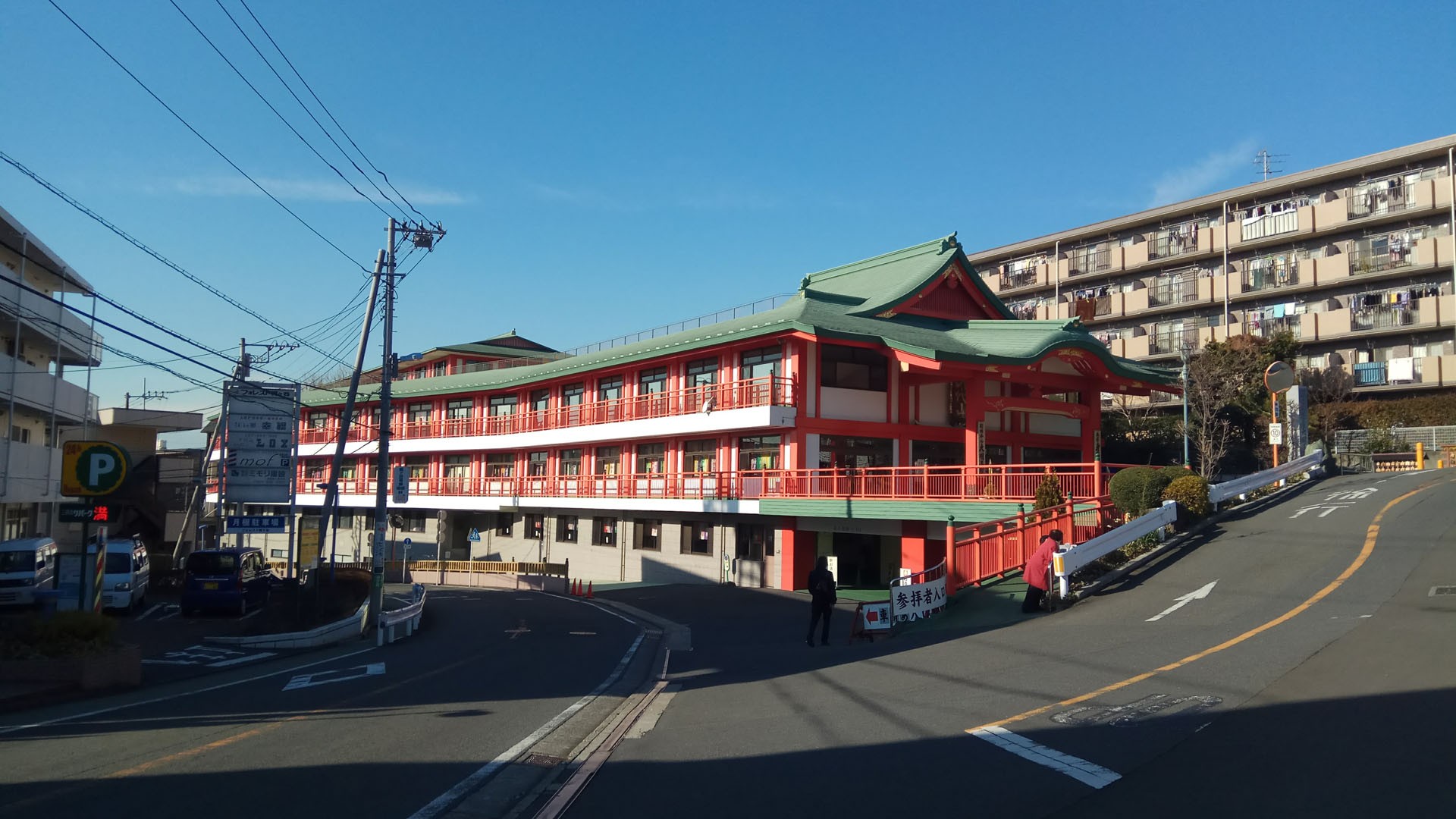
During the outbreak of an epidemic in Ebara-gun, Musashi Province, in the Genroku era (1688-1704), Yuten Shonin (a holy priest), who was on pilgrimage, taught the local people to revere Acala, a fierce Buddhist deity. Once they began to worship Acala the plague disappeared. Migawari Fudoson Temple began when one of its halls was built to enshrine Acala in order to give thanks for such a miracle. Nowadays, worshippers visit all year round in order to pray for traffic safety and to ward off evil. Visitors can also pray at the temple for family safety, business prosperity, academic success, and general good luck. The main temple is in Kawasaki City in Kanagawa Prefecture, with branches in Atami City, Shizuoka Prefecture, Yokohama City, Kanagawa Prefecture, and Suginami City, Tokyo.
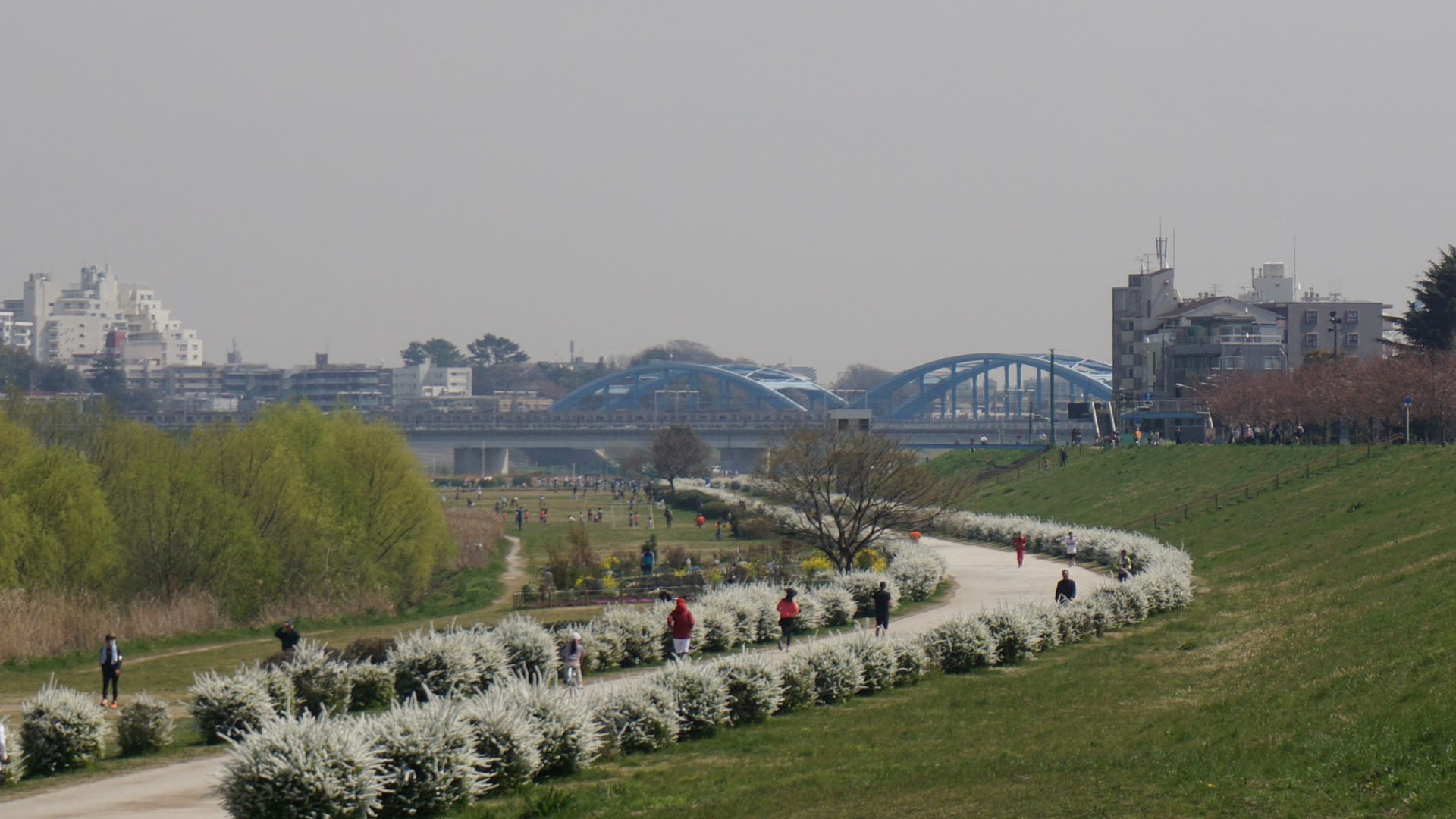
The river tearrace that surrounds the Tama river in Kawasaki City has a baseball field, soccer pitch, multipurpose area, and half marathon course. It is a place for sports and recreation for the local community.
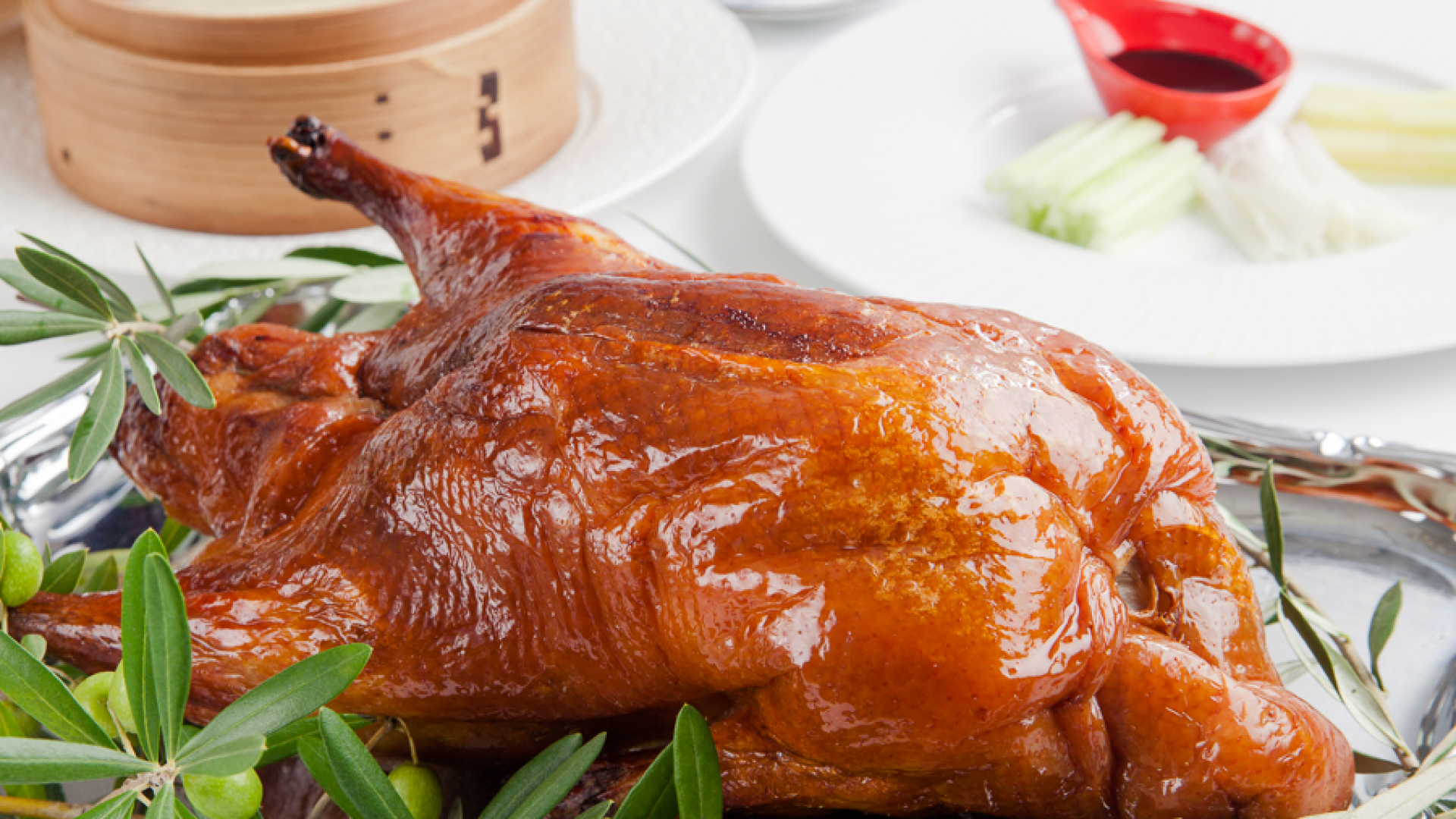
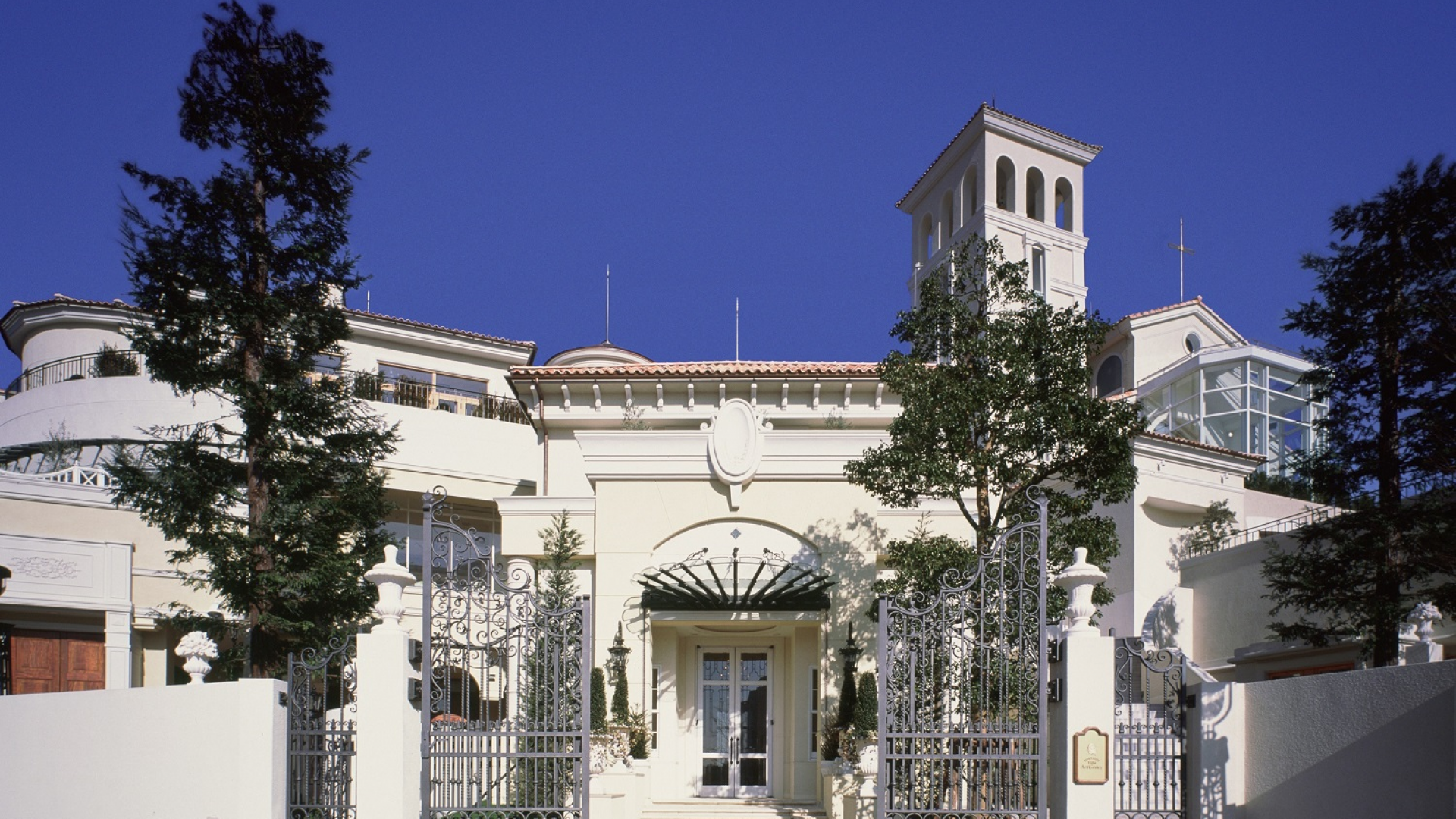
Eria YOH is a healing space surrounded by olive trees in the Yamate area of Yokohama. The Chinese cooking world champion displays the traditional skills of Chinese cooking to deliver numerous wondrous and delicious foods comprising new sensations. Please enjoy a gorgeous time that features cuisine accompanied by Japanese seasonal vegetables together with Eria YOH’s hospitality in a superlative space with sunshine filtering through the foliage of a garden with around 50 fully grown olive trees.
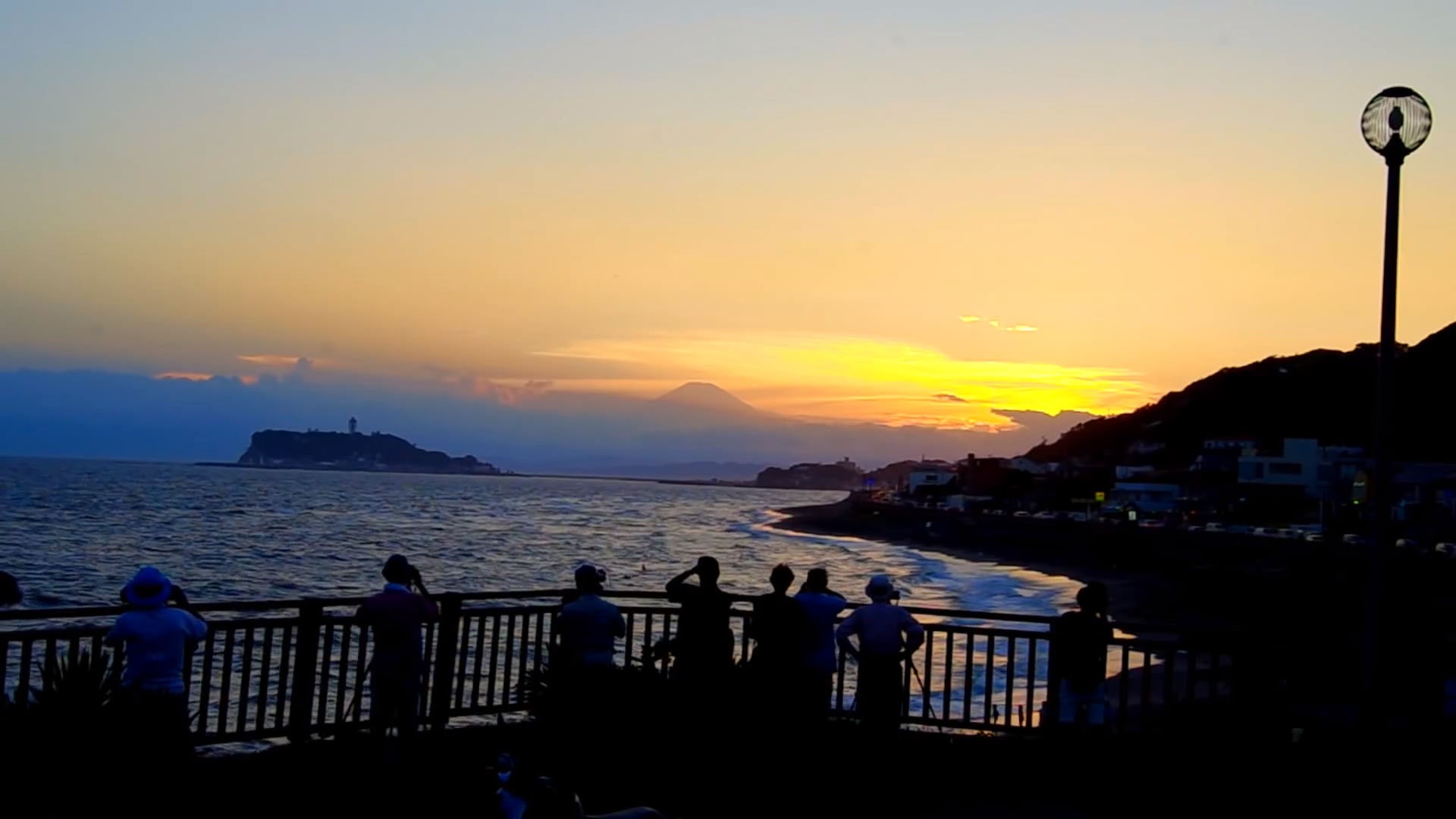
Inamuragasaki is a cape located between Yuigahama and Shichirigahama and is a famous scenic spot.Selected as one of the 50 scenic spots in Kanagawa and a beautiful spot for sunsets. Sunrise is also recommended. The scenery perfectly shows Shonan, with Enoshima, and depending on the weather, Mount Fuji is also visible.
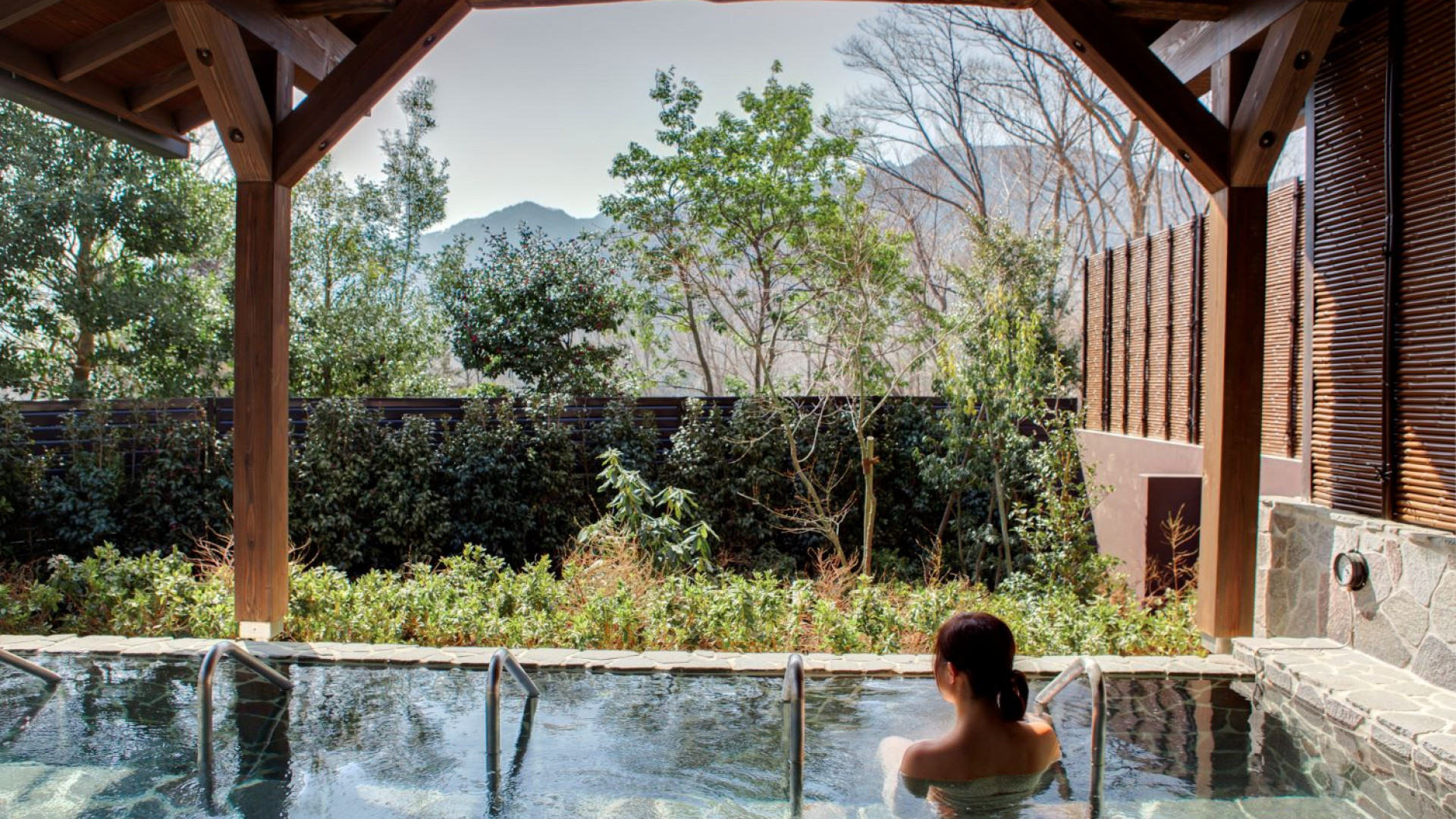
Lake Sagami Onsen (Hot Spring) Ururi is a bathing facility for day trips, built on a hill surrounded by Sagamiko Forest.
Ichijo Nisshutsu founded the Hongakuji in 1436 (Eikyo 8). Ashikaga Mochiuji built the temple where there was Ebisudo and donated to Nisshutsu. The second chief priest was Niccho Shonin, so the temple is known familiarly as “Niccho-sama”. The temple is also called as “Higashi Minobu”, because Minobusan shared out part of remains of Nichiren to the temple.
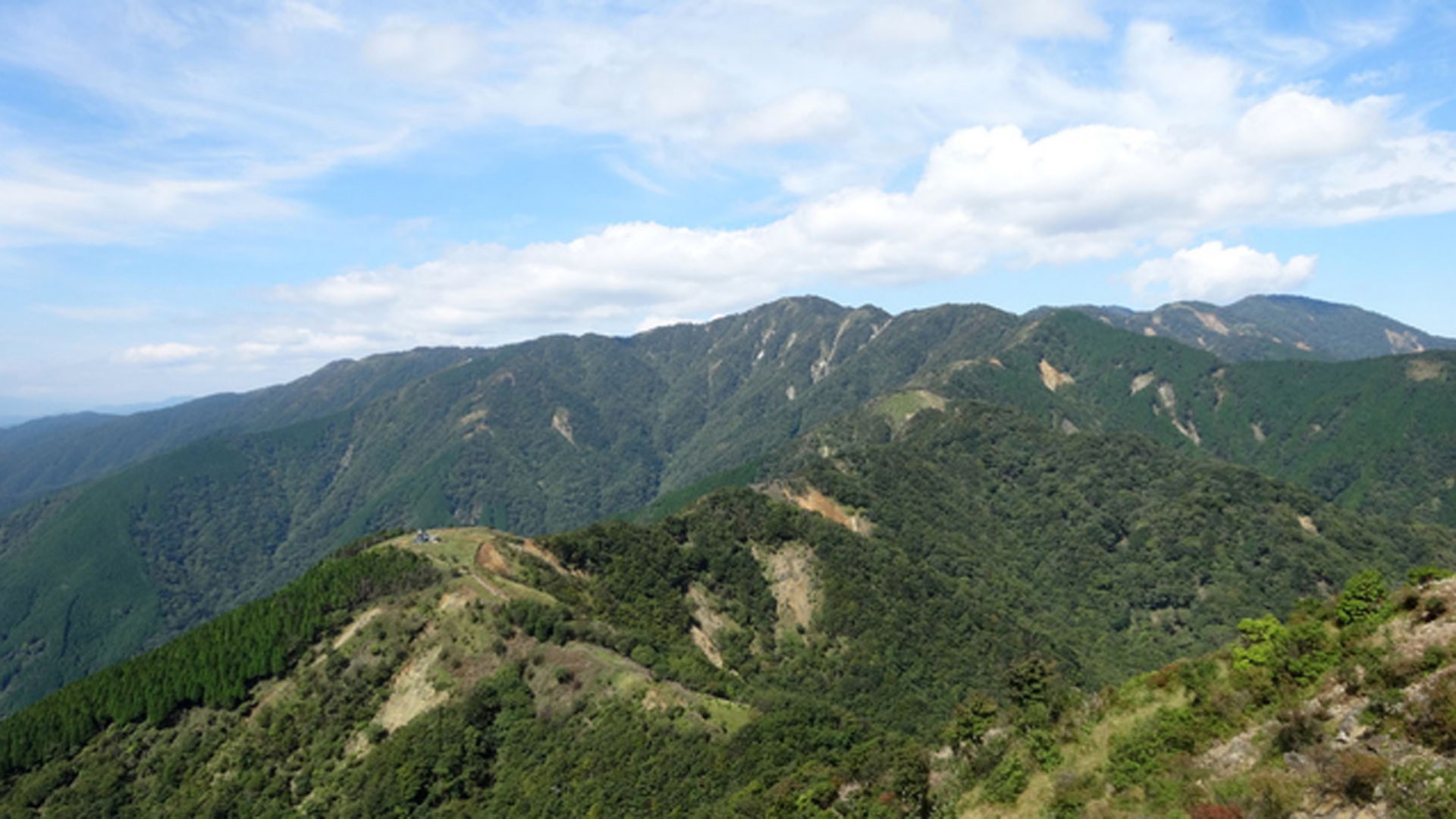
Atop Mt. Karasuo, one can enjoy a fully panoramic view of Hadano city over the San-no-tou Ridge and the mountains of the Omote Ridge, such as San-no-tou and Tonotake. The origin of the name "Mt. Karasuo" is said to have come from an ascetic practitioner on this mountain, who prayed to a crow that flew over during his asceticism for blessings and the fulfillment of his ascetic practices.Please use the "Tanzawa Omote Ridge Traverse Course" as a reference and plan your hike accordingly.Early morning trekking allows you to enjoy a special experience with fewer people and clear air.
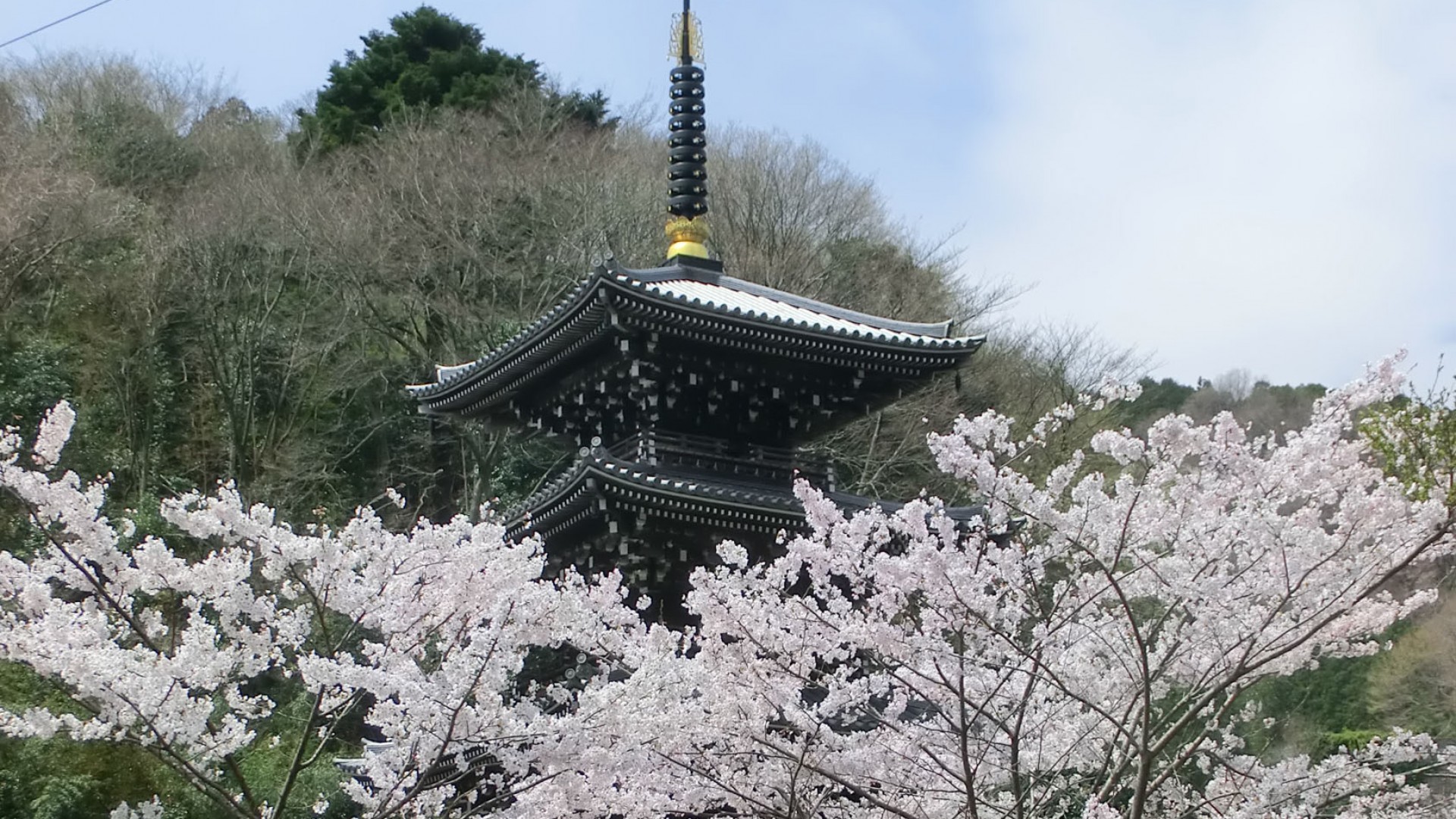
Johotsugan-ji temple, established by the ascetic Mokujiki monk Tanzei Shonin, is the main temple of the Tanzei sect of Tendai Buddhism.
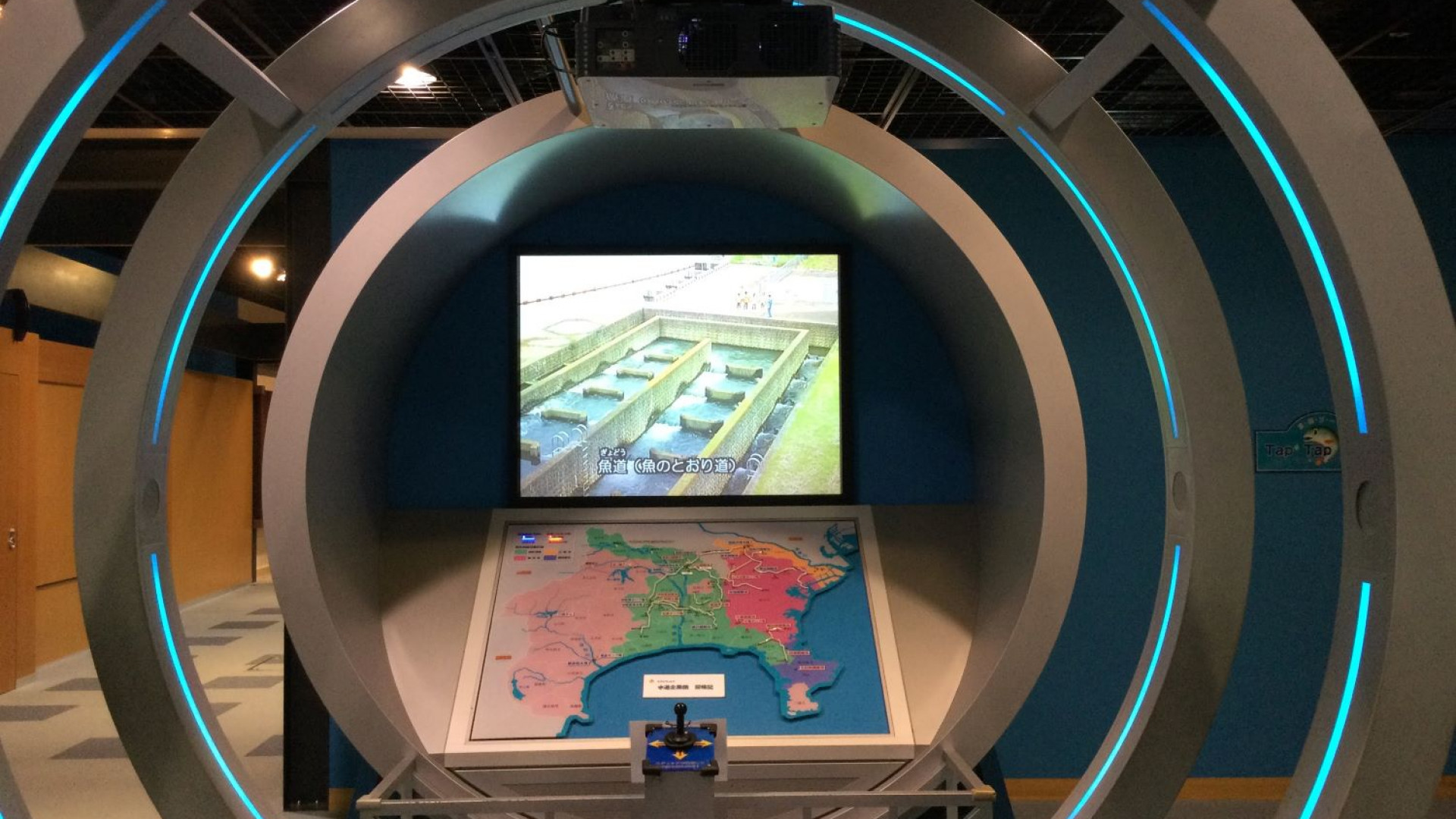
This is an experiential facility that provides information on dams and water resources that you can learn through some fun activities. Based on the concept of "learning while having fun", this facility is filled with unique activities.
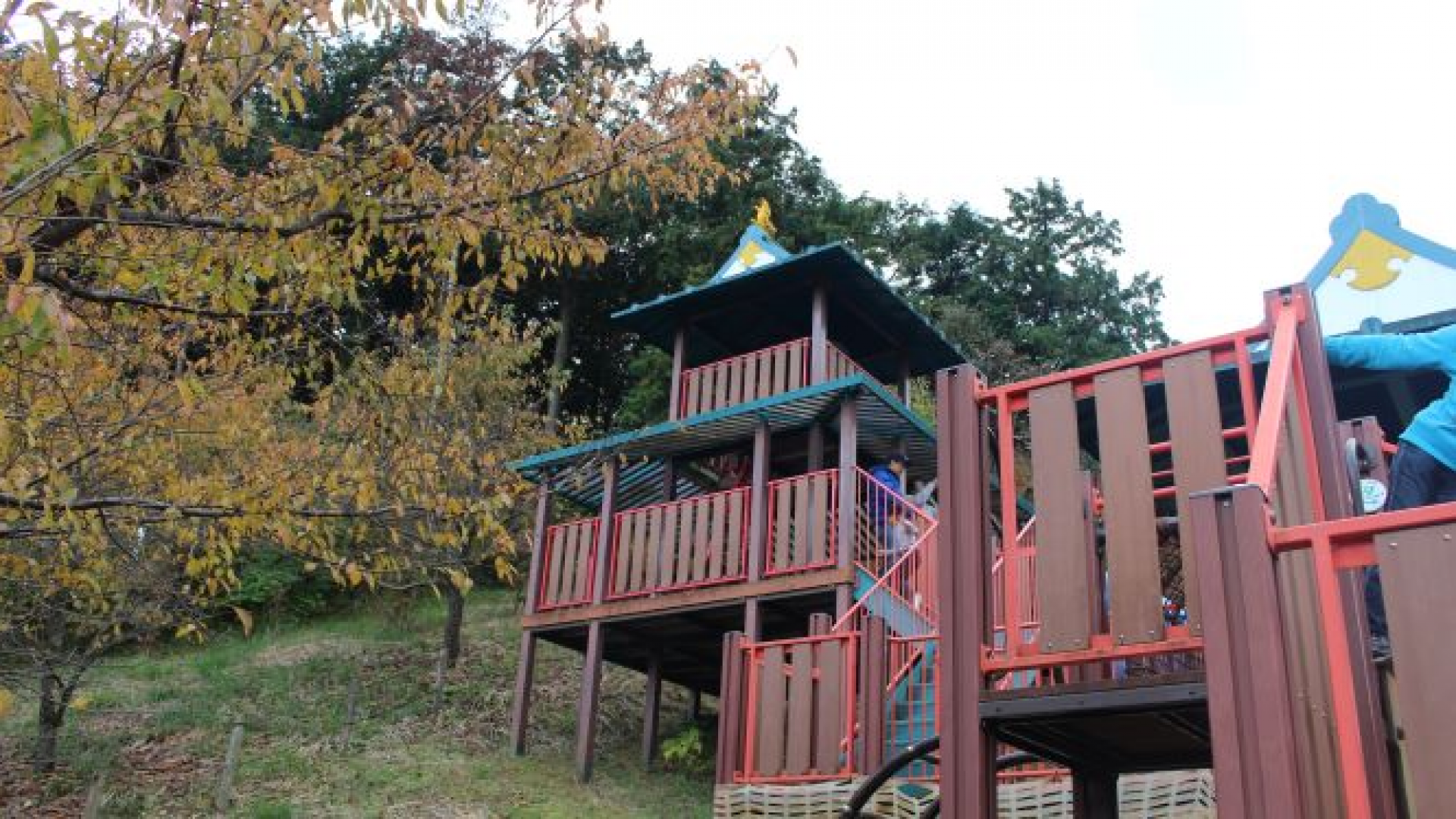
Wanpaku Land, with an area three times that of Tokyo Dome, has many enjoyments that incorporate physical activity, such as roller slides and complex playground equipment. In particular, the centerpiece is “Odawara Castle Adventure,” which has Odawara Castle as its motif. It is not just playground equipment but is also a rare piece of equipment with a local sightseeing spot as its concept.
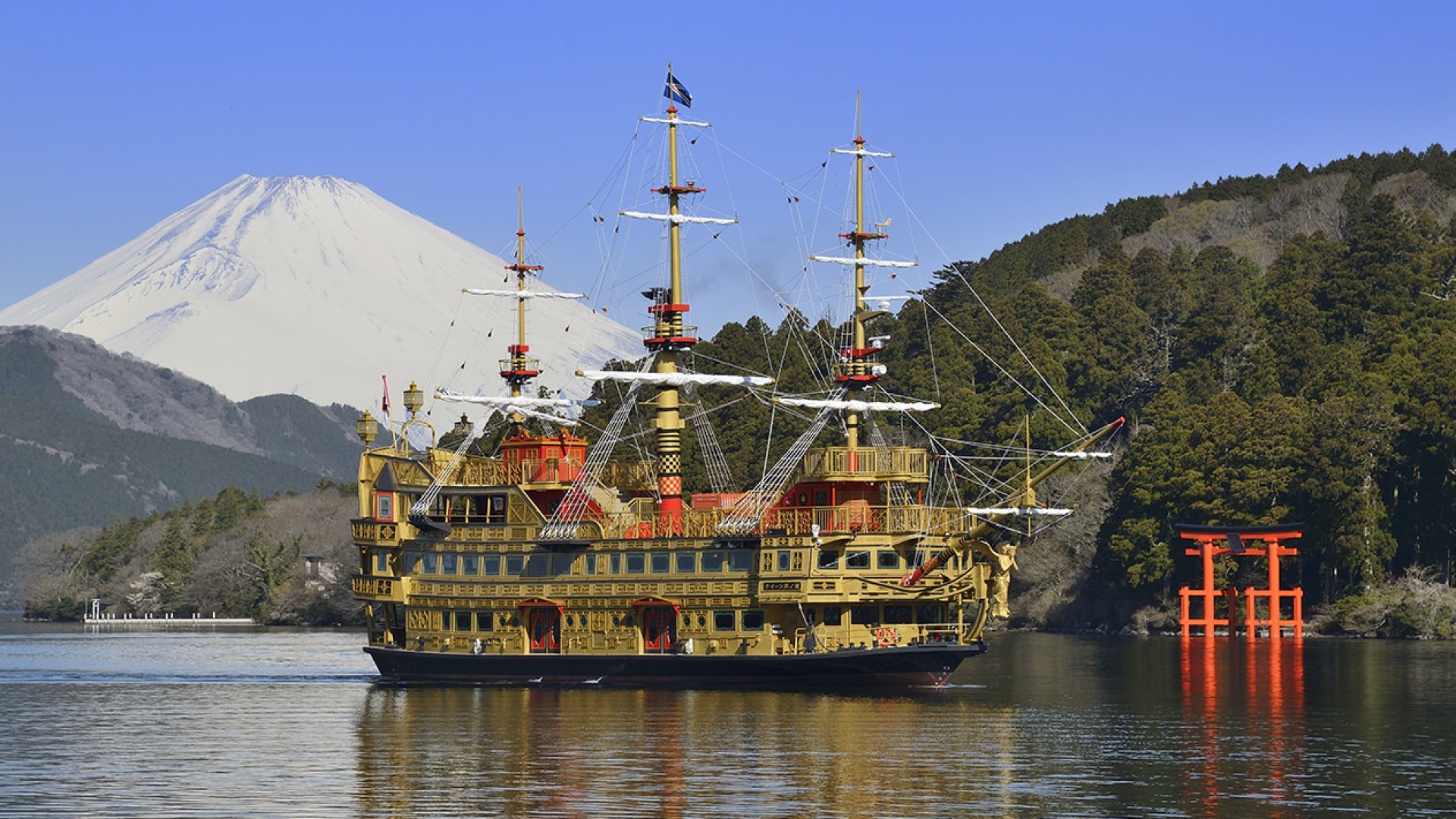
The Hakone Sightseeing Cruise offers sightseeing boats that sail around Lake Ashinoko, a popular spot in Hakone. There are three boats: Royal II, Victory, and Queen Ashinoko, and passengers can board the cruise at any of the three ports along the edge of the lake. Those ports are Hakonemachi-ko, Motohakone-ko, or Togendai-ko. We recommend the cruise that leaves from Motohakone-ko, as you can view Mt. Fuji, a large torii gate, and Lake Ashinoko all at once. Passengers can enjoy majestic views on sunny days, when the contrast between the blue sky and the sparkling surface of the lake is very beautiful.Purchase a Hakone Free Pass to cover the public transportation costs to Lake Ashi and purchase discounted tickets for the boat tour.Fireworks cruises operate on the eve of the Setsubun Festival on February 2 and during the Lake Ashinoko Summer Festival Week from July 31 to August 5 every year. Enjoy the fireworks as they spread across the night sky while you feel the sound of the fireworks echoing off the mountains.
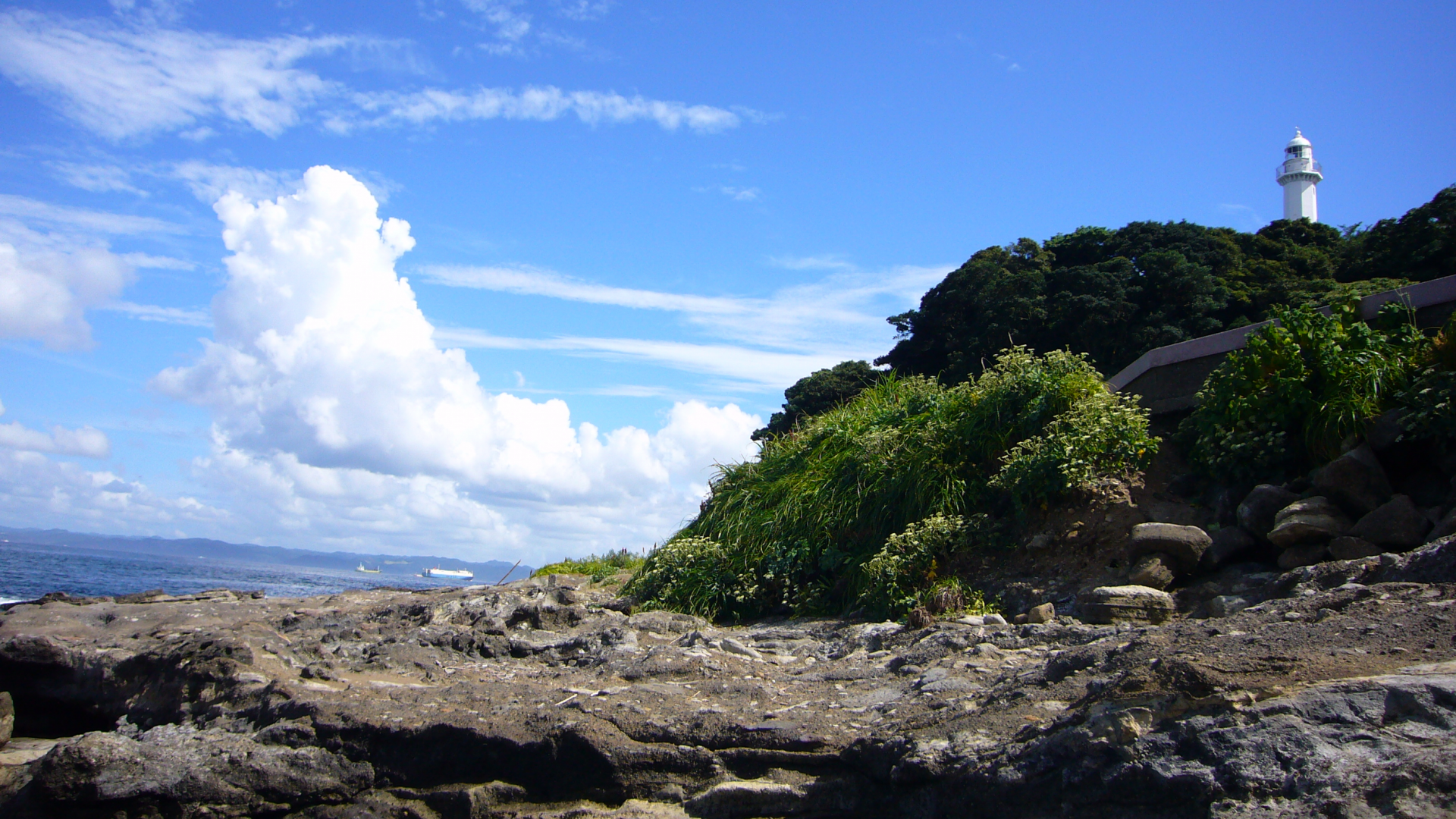
The prefectural Kannonzaki Park extends to almost all of Kannonzaki, sticking out Tokyo Bay. You can enjoy various kinds of activities such as watching coming and going ships, or walking in the forest. There are many tourist attractions around this park. For example, Kannonzaki Lighthouse which is the first western style lighthouse in Japan, Kannonzaki Nature Museum which displays the forest, river, sea, or other nature in Tokyo Bay, and finally the Yokosuka Museum of Art that displays arts of Yokosuka's ocean and Miura Pensinsula.
Directly connected to Yokohama Station, this expansive party stage boasts overwhelming scale in three sumptuous rental spaces. It can cater to every kind of party and banquet including social gatherings, farewell and welcome parties, exhibitions, seminars, presentations and so on in a manner that only a production venue can.