Greater Tokyo

See & Do

reset
Coffee House “yukon”(CHUZENJI KANAYA HOTEL)

Coffee House “yukon”(CHUZENJI KANAYA HOTEL)

Coffee House yukon is located about 4 minutes walk from Chuzenji Kanaya Hotel. It is a store directly managed by Chuzenji Kanaya Hotel, and it is attractive for its location overlooking Lake Chuzenji. You can enjoy dishes such as the Kanaya Hotel Hundred Year Rice Curry, recreated from the hotel's Taisho era recipe. It's recommended for lunch and tea time. Takeout menu is also available, perfect for accompanying your exploration of Oku-Nikko.

Nikko kaido Oshu kaido TOCHIGI
Kaneda Orchard

Kaneda Orchard

Kaneda Orchard uses electrolyzed water, organic fertilizers, and reduced agrochemicals to grow pears. It offers fully ripe pears grown through a carefully designed cultivation method. Besides opening the orchard for pear picking and selling pears, it also sells a wide variety of processed pear products including pear jelly, pear juice Haga Isshou, Shiawase wo Yobu Kosui Nashi no Cider, and Nikkori Nashi no Cider. The recommended juice preparation is equal parts pear juice and carbonated water. It tastes good with ice, too. It is also delicious when frozen and eaten as sorbet. Come and enjoy yourself at Kaneda Orchard.

Nikko kaido Oshu kaido TOCHIGI
Hotel Mashikokan

Hotel Mashikokan

Mashikokan Satoyama Resort Hotel is a homey onsen hotel in a forest. If you open the window of the guest room, a fresh breeze and the sound of the forest gently enter the room. If you turn off the light at night and look up at the sky, the large moon and the starry sky softly light up the room. Meals are prepared with ingredients carefully grown by producers and thoroughly crafted to bring out their natural flavors. They will be cooked and served with love so that you can feel the four seasons of satoyama. Baths are filled with the skin-beautifying hot spring water from the satoyama. In both the spacious indoor bath and open-air bath, featuring a waterfall that the hotel proudly presents, you can enjoy the finest healing time while feeling the nature of satoyama. These baths are also available to non-staying guests. Please visit the hotel as the base of your fun activities in satoyama and enjoy a slow, relaxing time.

Nikko kaido Oshu kaido TOCHIGI
Daigomado, Hall for the Goma Fire Ritual (Nikko-zan Rinno-ji Temple)

Daigomado, Hall for the Goma Fire Ritual (Nikko-zan Rinno-ji Temple)

This dedicated hall for prayer was constructed in 1998 to fulfill the wishes of many worshippers, making it the foremost Goma prayer hall in Nikko. In this esoteric Buddhist ritual, your prayers are conveyed to the Buddha through sacred fire. Goma prayers are performed daily and are open to all. They offer various benefits such as domestic tranquility, physical health, and prosperity in business. In the inner sanctuary of the Great Goma Hall, the principal image is the "Five Great Kings", surrounded by 30 statues of Buddhas and ancestral masters, including the "Seven Lucky Gods" and the "Twelve Heavenly Generals." Additionally, on the ceiling, you can find a magnificent painting of a "Great Ascending Dragon" that took two and a half years to complete. Why not make a wish and participate in this sacred ritual as a memorable part of your journey?

Nikko kaido Oshu kaido TOCHIGI
ZEN RESORT NIKKO

ZEN RESORT NIKKO

Located in the Okunikko area, Zen Resort Nikko is an outdoor activity-oriented commercial complex where you can enjoy dining at a restaurant and glamping. The restaurant serves beef hamburger steaks with a wonderful umami taste and texture achieved only because they are made of 100% Wagyu beef. You can also savor a dish featuring Itadakimasu, a brand of freshwater rainbow trout developed in Nikko. The dinner (reservation required) is prix fixe, so you can choose dishes of your preference for each course. Enjoy alcohol beverages and food in the slow flow of time. In addition to accommodation facilities for glamping and camping, Zen Resort Nikko offers a rich lineup of seasonal activities such as SUP for summer and snow activities in winter.

Nikko kaido Oshu kaido TOCHIGI
Nikko Senhime Monogatari

Nikko Senhime Monogatari

At Nikko Senhime Monogatari, you can enjoy the view of Nikko’s nature from the guest rooms. The view is spectacular: mountains turn light green in spring, cool breezes sweep across the river in summer, an explosion of yellow and red creates a beautiful mountain view in fall, and the view of the mountains and river as if covered by a snow-white wedding dress brings you peace of mind in winter. Guest rooms are designed with a taste of traditional Japanese beauty. There are Japanese-style twin rooms with a bath that is half open-air and half indoor, from which you can enjoy a view that changes with the season. (Baths in guest rooms are not hot spring baths). The communal baths use Nikko hot spring water from this area. Nikko hot spring water is clear, alkaline, and gentle on the skin, alleviates stiff shoulders and nerve pain, and beautifies skin. It is the perfect hot spring to heal the body after a day of enjoying walking around Nikko. 【About the hot spring】 Water color: clear Spring water type: simple alkaline spring water Efficacy: alleviates stiff shoulders, nerve pain, sprains, sore muscles, sleeplessness, etc.

Nikko kaido Oshu kaido TOCHIGI
Chuzenji Temple “Meditation bead making experience”

Chuzenji Temple “Meditation bead making experience”

Chuzenji Temple was established by Shodo Shonin in Nikko-zan in 784. Enshrining Nikko’s oldest Buddha statue, which is six-meters tall and was carved in a standing Japanese judas tree, the temple is a prayer temple (where visitors pray to the Buddha). Juzu, or prayer beads on a string, is one of the ritual items that people use to count how many times they have read a sutra or recited Buddha’s name. According to Siddhartha Gautama, praying to the Buddha repeatedly will remove earthly desires from people and make them happy. Those who visit to pay respect to the temple can join the prayer beads craft workshop. They can choose beads of their taste, made of natural stone and/or natural wood, with a wish in their minds to create a bracelet-shaped juzu. Their juzu becomes nenju when monks offer a prayer at the gomadan (fire ritual platform), and they can take it home as a wearable lucky charm.

Nikko kaido Oshu kaido TOCHIGI
Tobu Chuzenjiko Cruise(内容が被っているため非公開)

Tobu Chuzenjiko Cruise(内容が被っているため非公開)

Lake Chuzenji is located in the area leading into Okunikko. It has a circumference of 25 km and the water reaches a depth of 163 m. It is said that lava from the eruption of Mount Nantai 20,000 years ago blocked the valley to create the initial form of the lake. Because of the spectacular view in each season, the lakeside area used to be a popular summer retreat for foreigners. That areas still features the Italian Embassy Villa Memorial Park and British Embassy Villa Memorial Park. The pleasure boat of the Tobu Chuzenjiko Cruise sails through the beautiful scenery and near these tourist destinations. In fall, you can see mountains covered in explosions of red, orange, and yellow from the lake. It is truly a picturesque view. The tour takes about 55 minutes in total, but there are tickets available for visitors to get on/off along the course.

Nikko kaido Oshu kaido TOCHIGI
STEAK HOUSE JYURAKU

STEAK HOUSE JYURAKU

Steak House Jyuraku serves Tochigi Wagyu. Tochigi Wagyu is a Japanese Black breed carefully raised in the grand nature of Tochigi. It is brand beef that has received the Award of Excellence many times at the national Wagyu fair in Japan. The steak house purchases Tochigi Wagyu directly from its producers and thus has full confidence in the meat quality. You will never forget the fine and delicate meat texture and its aromatic fat once you try it. Jyuraku’s recommendation is A5 Tochigi Wagyu steak. The Sirloin has beautiful marbling, a rich taste, and a texture that melts in your month. The Fillet is red meat that is very tender and moist. Please come and try the Wagyu steak that Jyuraku proudly presents.

Nikko kaido Oshu kaido TOCHIGI
กริลล์แอนด์สเต็ก เมียวเง็ตสึโบ (Grill&Steak Myogetsubo)

กริลล์แอนด์สเต็ก เมียวเง็ตสึโบ (Grill&Steak Myogetsubo)

เมียวเก็ตสึโบ (Myogetsubo) เป็นร้านอาหารที่เชี่ยวชาญด้านสเต็กและปิ้งย่าง ตั้งอยู่ในอาคารที่ได้รับการปรับปรุงใหม่จากที่พักเดิมของวัดนิกโกซังรินโนจิ ซึ่งมีประวัติศาสตร์ยาวนานกว่า 1,250 ปี สิ่งที่ไม่ควรพลาดของที่นี่คือสเต็ก “โทชิงิวากิว” เนื้อวากิวคุณภาพสูงจากญี่ปุ่น โทชิงิวากิวเป็นเนื้อวัวขนดำที่มีเกรด A4 ขึ้นไป โดยวัวจะถูกเลี้ยงในสภาพแวดล้อมธรรมชาติที่สมบูรณ์แบบของจังหวัดโทชิงิ ทำให้เนื้อวัวสายพันธุ์นี้ได้รับรางวัลคุณภาพยอดเยี่ยมระดับประเทศ 2 ปีซ้อน ลองลิ้มรสเนื้อโทชิงิวากิวในบรรยากาศที่ล้อมรอบไปด้วยมรดกโลก พร้อมสัมผัสความสง่างามของอดีตในช่วงเวลาที่หรูหราและเงียบสงบ

Nikko kaido Oshu kaido TOCHIGI
Dining Room “Mizunara” (Chuzenji Kanaya Hotel)

Dining Room “Mizunara” (Chuzenji Kanaya Hotel)

The dining room Mizunara at Chuzenji Kanaya Hotel features large windows overlooking the lake. Wooden pillars and the floor give the dining room a warm tone. Beyond the mizunara oak trees outside, there is Lake Chuzenji. In all seasons, guests can enjoy food cooked with fresh ingredients produced in Tochigi with a view of the nature and wild birds of Okunikko. The restaurant offers a range of dishes that enable local production and local consumption, including Hyakunen Curry Rice prepared based on the 100-year-old recipe of the signature dish of our sister hotel Nikko Kanaya Hotel, Special Tochigi Lunch using locally produced Premium Yashio Trout and locally produced wagyu beef, and Nasunogahara Wagyu Beef Steak Lunch. Have a wonderful time at this open restaurant that feels like a resort.

Oshu kaido Nikko kaido TOCHIGI
Nakamura Hachimangu Shrine Grand Festival

Nakamura Hachimangu Shrine Grand Festival

Hachimangu Shrine and the Samurai's Origin Nakamura Hachimangu Shrine is one of the eight shrines enshrining the god Hachiman in the Northern Kanto region. It is said that the Hachiman is is the guardian deity of the Minamoto clan warriors, so a legendary samurai called Minamoto no Yoshiie, the common ancestor of the shoguns of Minamoto no Yoritomo and Ashikaga Takauji, came here to pray for his victory.   After the establishment of the Kamakura Shogunate by Yoritomo, he attacked the Fujiwara clan of Oshu, which was then in northeastern Japan. Nakamura Munemura, the lord of the Nakamura County, fallowed Yoritomo's army, was rewarded to be the lord of the Date County of Oshu. Munemura has been seen as the ancestor of Date Masamune. The birth of Yabusame ceremony In 1736, Date Yoshimura, the 5th Daimyo of  Sendai Domain, just ended his "Sankin-kotai (alternate attendance)" and prepared to go back to his domin. Before he arrived in Sendai, Yoshimura came here and donated his horse to the god. In order to commemorate this event, the Yabusame Ceremony is held every year at the Annual Grand Festival.   Archers dress in samurai's hunting attire and ride on horseback, then shot at the target on the left on their horses. The whole ceremony is accompained by the thumping sound of taiko, which makes the ceremony very energetic.

Nikko kaido Oshu kaido TOCHIGI
Musha Festival

Musha Festival

On January 4 each year, the Musha Festival, an annual Shinto ritual in which arrows are shot toward Mount Akagi, is held at Futarasan Shrine's Chugu Shrine on the shore of Lake Chuzenji. It is based on a legend of Gods warfare, and is a tradition that has continued since the Muromachi period.   In the legend of the Gods battle, the deity of Mount Nantai in Nikko changed himself into a "giant snake," and the deity of Mount Akagi in Gunma changed into a "giant centipede" and fought over at Senjogahara. It is said that the deity of Mount Nantai won the warfare.   In accordance with the legend, the Guji (head of priests) stands on the Kamishimbashi and releases the first arrow, with a shout of "Ya" as a cold wind blows, followed by the priests and archers dressed in kariginu, who shoot arrows one after another in the direction of Mount Akagi in this heroic ritual.

Nikko kaido Oshu kaido TOCHIGI
Nasu Yuzen Shrine

Nasu Yuzen Shrine

History of Nasu Yuzen Shrine It is said that a hunter named Kano found onsen here when he was trying to hunt a white deer. He built this shrine for thanksgiving. According to an article written in Nara period (A.D 710~794), we can confirm that the shrine already existed during that time.   During the Genpei War in 12th century, an archer called Nasu Yoichi came here to pray for victory over Taira family’s army. He shot down a fan by one arrow that enemy put on the front of their boat when he stood on the ground. It made him became legend and the shrine became very famous for blessing Yoichi. Yoichi donated his bow and arrow to the shrine, which became shrine’s tressure later.   Shrine’s famous festival The most important event of the shrine is the “Dai Festival”, which is held on October 8 and 9 every year. They dedicate onsen to the God, and perform a traditional dance called “Urayasu Dance”.   Then on October 9, people perform another traditional dance called “Ozawa’s Lion Dance,” which is designated as the “Intangible Cultural Property of Nasu Machi” to pray for prosperity.   There is also a famous festival be held on the last weekend of May, the “Nasu Seshosseki Gojinka Festival”. The highlight of the festival is a parade from Yuzen Shrine to Sesshoseki by participants attired in white clothing with torches.

Nikko kaido Oshu kaido TOCHIGI
Yasaka Festival (Tenno Festival)

Yasaka Festival (Tenno Festival)

The Yasaka Festival, or more commonly as the Tenno Festival, is a festival held at Okoto Shrine where people go to pray for good health and to prevent the spread of illnesses during the summer.   Participants in the festival carry and parade a portable shrine called the “Great Tenno-sama,” which weighs approximately 1 ton.   Highlights of the festival include over ten stunning floats and mikoshi parading through the town, streets lined with stalls selling delicious food and unique crafts, and a grand gathering on the second night of the festival after 8PM. Here, all the mikoshi and floats come together for a spectacular display of traditional music and energetic performances.

Nikko kaido Oshu kaido TOCHIGI
Setsubun Armor Year-cross in Ashikaga

Setsubun Armor Year-cross in Ashikaga

What is Setsubun Armor Year-cross? Every year’s February 3 is “Setsubun” festival in Japan, symbolling the end of the winter. On this day, Ashikaga City holds “Armor Year-cross” event, over 200 people would dress as samurai to join the event. The parade walk to Bannaji Temple from Orihime Community Center. People celebrate their victory when they arrived at Bannaji Temple, and pray for city’s prosperity. History of Setsubun Armor Year-cross Back to the Kamakura period about 750 years ago, a powerful samurai called Ashikaga Yasuuji led 500 samurai to assemble at Bannaji Temple, the residence of Ashikaga Family, in order to honor their family. 120 years later, his descendant, Ashikaga Takauji, became the Shougun of Japan and created the Muromachi period. This event was closed in the late Edo and Meiji eras, but in 1915 (Taisho 4) it was restarted by a group of fiber workers. Ashikaga City has samurai armor and kimonos for visitors to try on.

Nikko kaido Oshu kaido TOCHIGI
The Great Wisteria Festival of Ashikaga Flower Park

The Great Wisteria Festival of Ashikaga Flower Park

Ashikaga Flower Park was the only spot in Japan that had been selected as “top 10 world Dream destinations” by CNN. The garden holds “The Great Wisteria Festival” from late April to mid-May every year. You can see the Great wisteria over 160 years old which spreads over a 600-tatami trellis area, as well as the 80m-long white wisteria tunnel, the Laburnum tunnel and more than 350 other wisteria trees in full bloom. Various colors of wisteria bloom in order, from pale pink, purple, white, to yellow, which allows you to enjoy all of the wisteria for about one full month. You also can enjoy wisteria in night because the garden would be lighted up during the festival. In 2018, the JR Railway opened JR Ashikaga Flower Park Station, which make visitors to come here easily.

Nikko kaido Oshu kaido TOCHIGI
Shimotsuke To-ou-e Illumination

Shimotsuke To-ou-e Illumination

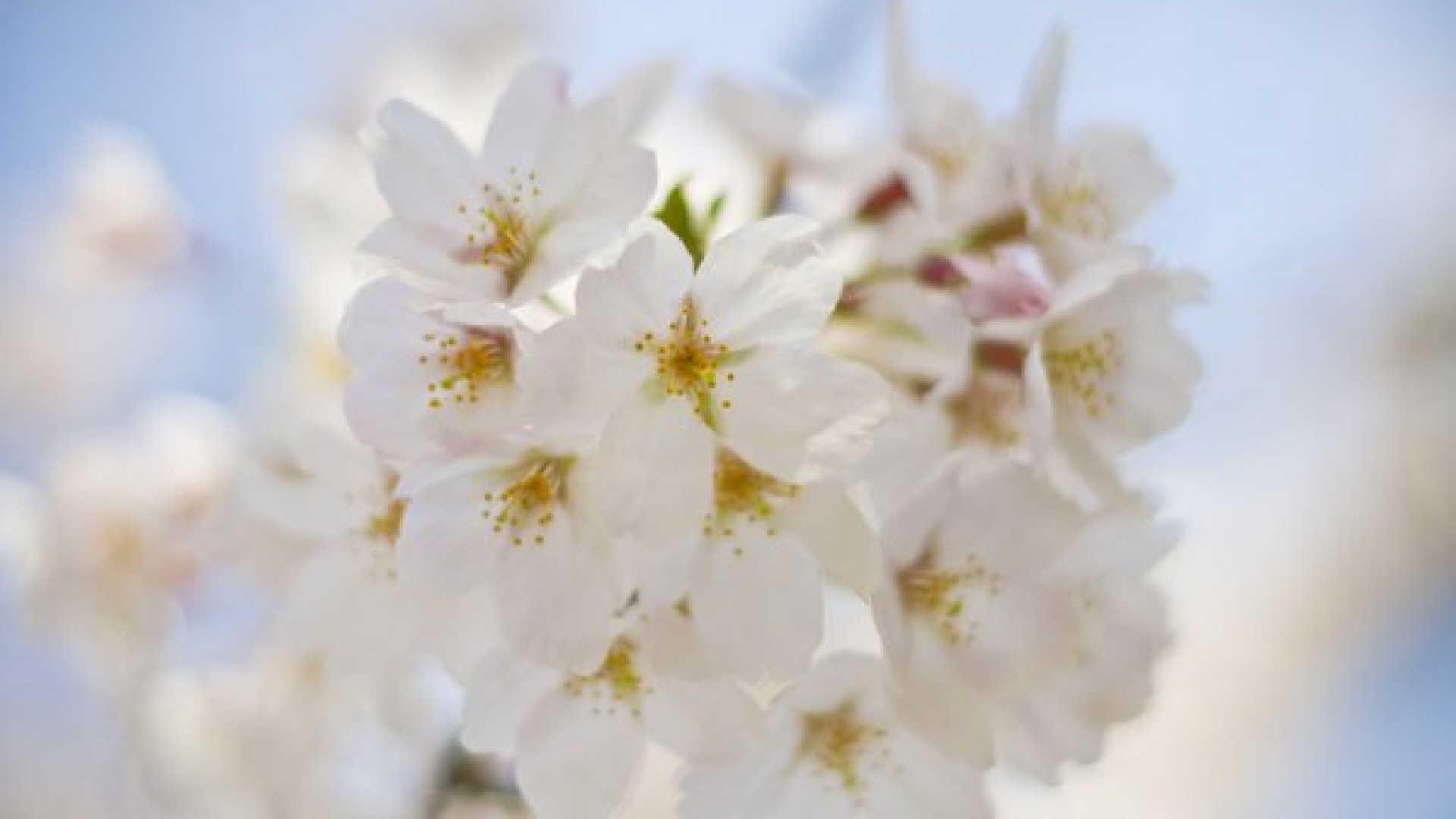
The Tenpyo-no-Oka Park located in Shimotsuke City, is the one of the most popular cherry blossoms viewing spot in Tochigi. In fact, here was an important site for the “Shimotsuke Kokubunji Temple” since more than 1,300 years ago. Inspired by Shimotsuke Kokubunji’s “Kekae” festival for the peace of the nation, the “Shimotsuke To-ou-e” illumination held every summer, which over 6,000 cup lanterns are placed on the lawn of the park. *Please check the homepage of the Shimotsuke City's website before your trip!   ■Schedule July 20(Sat):17:00~17:30 Shimotsuke Tououe Illumination Open Ceremony   July 21(Sun):17:00~17:30 Fasion Runway Event  

Oshu kaido Nikko kaido TOCHIGI