
Greater Tokyo

See & Do

reset
Fairfield by Marriott Tochigi Nikko

Fairfield by Marriott Tochigi Nikko

This hotel is just a five-minute drive from the World Heritage Site "Shrines and Temples of Nikko," including Nikko Toshogu Shrine. Surrounded by abundant nature, you can enjoy beautiful scenery that changes with the seasons from the guest room windows. The 25-square-meter rooms exude the warmth of wood, and although compact, they are spacious and functional, and the bathrooms are rain shower-type, so you can enjoy the comfort of being enveloped in soft rain. With a comfortable stay and easy access to tourist spots, this hotel is the perfect base for sightseeing in Nikko.

Nikko kaido Oshu kaido TOCHIGI
Hotel Mashikokan

Hotel Mashikokan

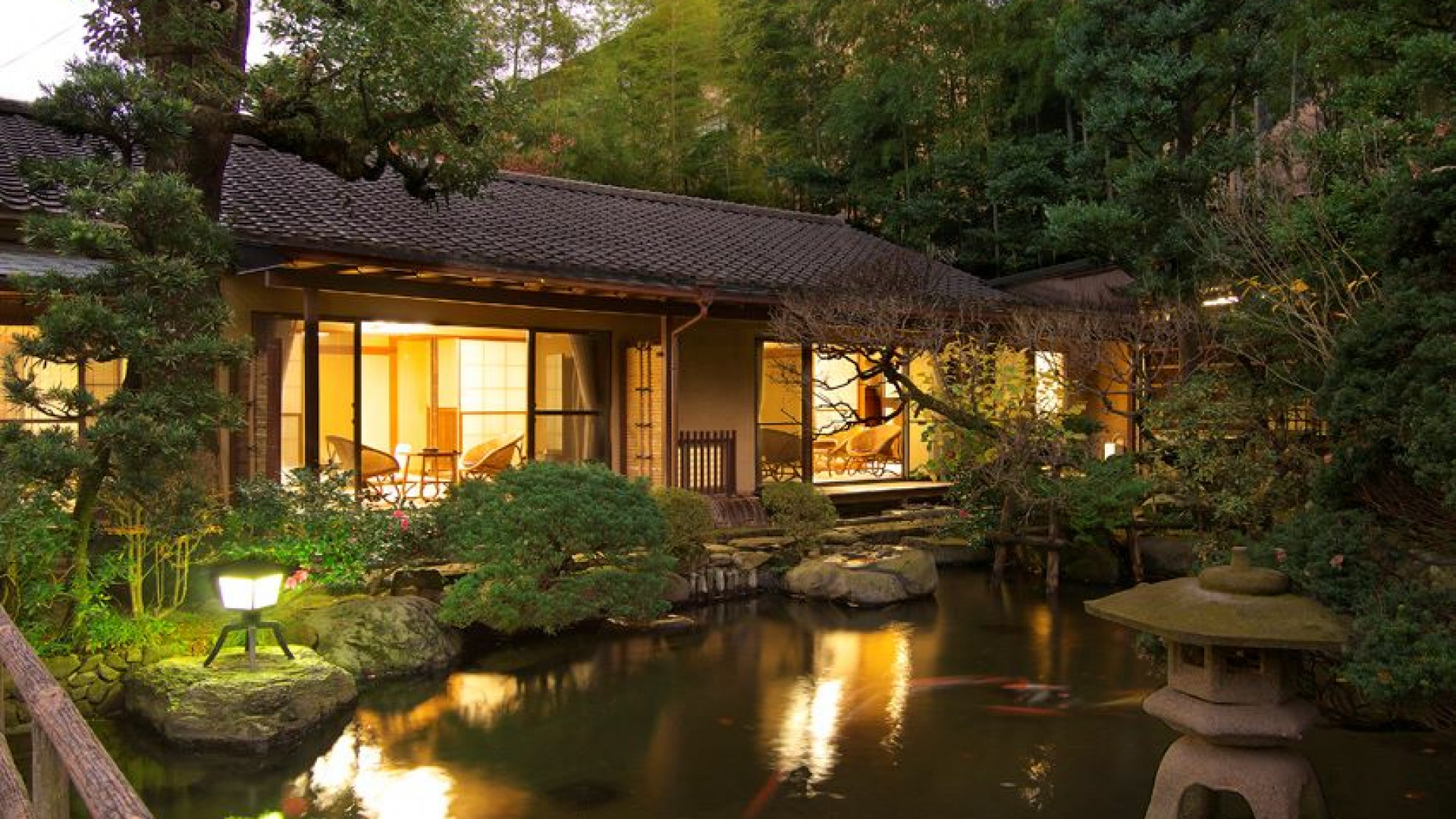
Mashikokan Satoyama Resort Hotel is a homey onsen hotel in a forest. If you open the window of the guest room, a fresh breeze and the sound of the forest gently enter the room. If you turn off the light at night and look up at the sky, the large moon and the starry sky softly light up the room. Meals are prepared with ingredients carefully grown by producers and thoroughly crafted to bring out their natural flavors. They will be cooked and served with love so that you can feel the four seasons of satoyama. Baths are filled with the skin-beautifying hot spring water from the satoyama. In both the spacious indoor bath and open-air bath, featuring a waterfall that the hotel proudly presents, you can enjoy the finest healing time while feeling the nature of satoyama. These baths are also available to non-staying guests. Please visit the hotel as the base of your fun activities in satoyama and enjoy a slow, relaxing time.

Nikko kaido Oshu kaido TOCHIGI
Cave Brewery (Shimazaki Brewery)

Cave Brewery (Shimazaki Brewery)

History of "Shimazaki Brewery" The Shimazaki Brewery's history began in Kaei 2 (1849), and have continued to brew sake for more than 170 years. Using of the highest-grade raw rice, natural spring water from the Nasu Mountains, which have made Shimazaki Sake one of Tochigi Prefecture's best-known sake brewing brands.   History of Cave Brewery The Cave Brewery was originally a cave dug for the establishment of an underground chariot factory at the end of World War II, but the war ended before production could begin. After decades of inactivity, the cave became a natural cellar for Shimazaki Brewery to mature sake.   Features of Cave Brewery As the cave is completely protected from the sun, the temperature inside is maintained at around 50°F all year round, so it is advisable to bring a thin jacket to keep warm even in summer.   Inside the cave, you can see a whole row of matured sake that extends deep into the cave. Those are purchased by the consumer, stored by the brewery, and then handed back to the consumer after 5~20 years to commemorate important moments such as the coming-of-age ceremony, the birthday of family, or housewarming, and it is very popular. Sake that has been matured for half a year is also sold as a New Year's gift.     ◇Opening Days: Weekend, Holiday, Japanese Golden Week, the Bon Festival  

Nikko kaido Oshu kaido TOCHIGI
Nikko Takaiya

Nikko Takaiya

Nikko Takaiya, the Japanese restaurant, opened in 1805. At the request of shrines and temples in Nikko (Nikko Toshogu, Nikko Futarasan-jinja, and Nikkozan Rinno-ji), we have been preparing dishes for their festivals for over 200 years. Today, the Nikko specialty ‘yuba’ dishes are quite popular among tourists. Our guests include the Imperial Family, cultural figures, and generations of local customers. Lately, international guests also enjoy the traditional Japanese cuisine and atmosphere at our restaurant, and we are very thankful for their patronage.

Nikko kaido Oshu kaido TOCHIGI
Oyama 2,000 Cherry Blossoms Festival

Oyama 2,000 Cherry Blossoms Festival

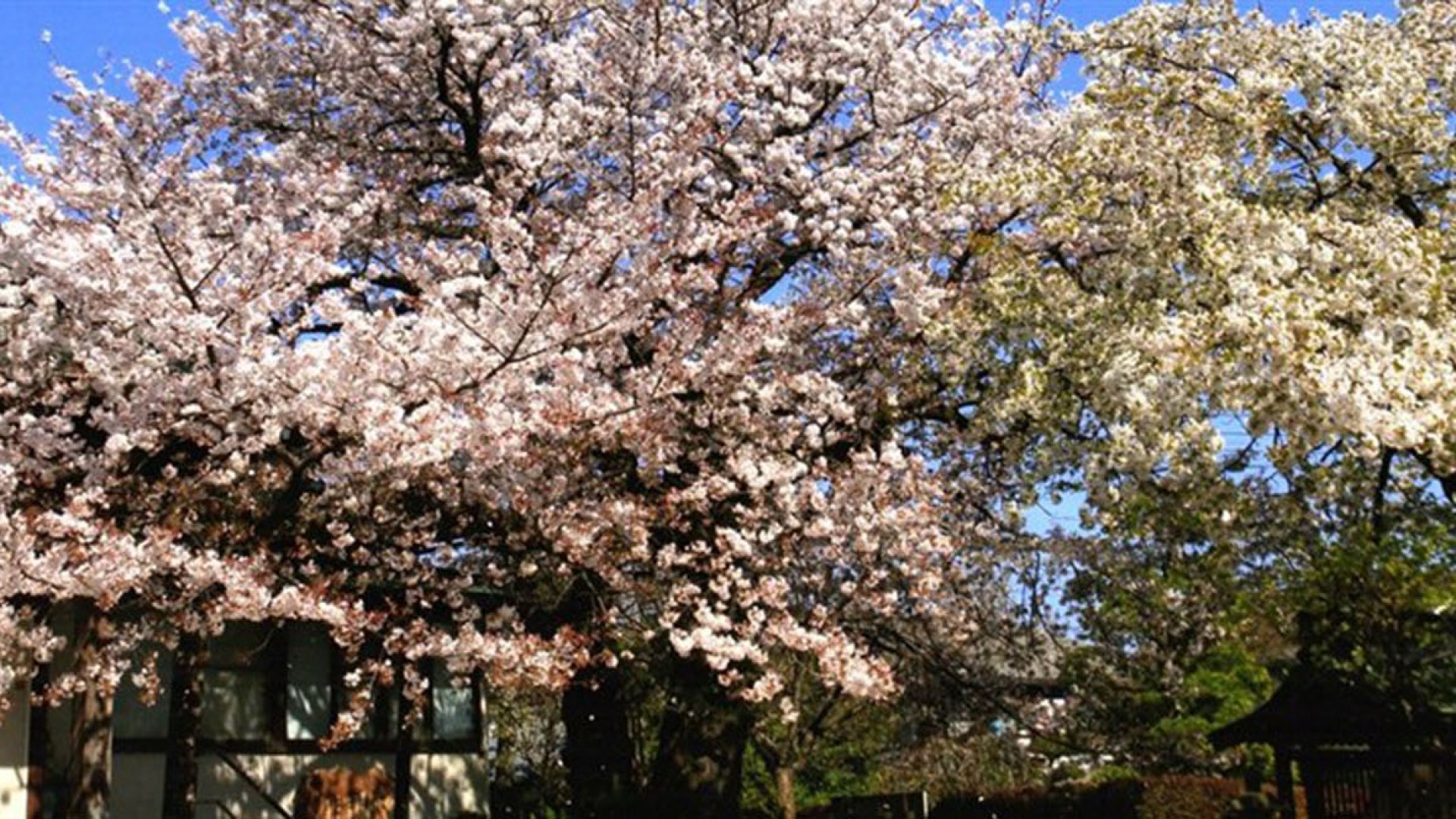
In late March, Japan's most famous variety of cherry blossom, Someiyoshino, will begin to bloom, coloring the city with its delicate pink flowers. But in Oyama City, the special local variety, Omoigawa-zakura, makes Oyama different. Omigawa-zakura were found in a garden at a local monastery about 70 years ago. Beacause the Omigawa bloom about a week after the Somei Yoshino, meaning visitors can enjoy cherry blossoms for almost a month. Get ready to experience the beauty of Oyama City this spring. Many events and light up held on every cherry bloom spots in Oyama during the cherry blooming. ◆Night cherry blooming spots ①Shiroyama Park(1-1 Shiroyama-cho, Oyama City) ②Mamada Hachiman Park(2330 Mamada, Oyama City) ③Sakura Avenue nearby Toyohogawa River(nearby Kami-ishitsuka, Oyama City) ④Omoigawa Onsen(1475 Kizawa, Oyama City)

Nikko kaido Oshu kaido TOCHIGI
Hatsuyama Festival (Petanko Festival)

Hatsuyama Festival (Petanko Festival)

This Shinto Ritual is held in June 1st every year in Sengen Mountain (“Otoko Sengen” and ”Onna Sengen”). It is said that if you bring a baby born during last 1 year and pay visit to the shrine on this mountain and red stamp is put on the baby’s forehead, the baby will grow up in good health without illness. This Shinto ritual has begun more than 400 years ago and has been designated as an important cultual prpperty of Ashikaga City. Boy visit Otoko Sengen (Higher Mountain) and Girl visit Onna Sengen (Lower Mountain) If you can not pay visit to the shrine due to illness, etc., red seal will be stamp on the baby’s underwear.

Nikko kaido Oshu kaido TOCHIGI
Stone Museum in Ashino, Nasu

Stone Museum in Ashino, Nasu

This modern art museum was created by transforming an old rice stone warehouse, redesigned by internationally acclaimed architect Kengo Kuma. The building itself is a beautiful space composed of stone, water, and light, making it not only a cultural site but also a popular photo spot. In winter, as the daylight fades, the lights from each building—divided by a flowing waterway—create a magical and dreamy atmosphere, offering a breathtaking seasonal view. Kengo Kuma (born 1954) is one of Japan’s most celebrated architects, known for projects such as the Nezu Museum in Aoyama, Tokyo, and GINZA KABUKIZA. More recently, he gained worldwide recognition for designing the new National Stadium in Tokyo. His architectural style, which features natural materials and lattice designs, is highly praised both in Japan and abroad. After a renewal in November 2024, the museum reopened with several new features. A café now adjoins the entrance, offering drinks brewed by a professional barista using an espresso machine. The revamped “Stone Lounge” invites visitors to relax while enjoying furniture designed by Kengo Kuma. The roof of the main gallery—the largest of the museum’s three historical stone warehouses—has also been renovated using Ashino stone, the same material as the building’s exterior. The entrance area is freely accessible without an admission ticket, allowing guests to enjoy shopping or a casual drink even without entering the exhibition area.

Nikko kaido Oshu kaido TOCHIGI
Suga Shrine

Suga Shrine

Birth of Suga Shrine Suga Shrine was built by a legendary samurai Fujiwara no Hidesato, who prayed to Susanoo-no-Mikoto for victory over his enemies. To thank God for their bless, he brought the God from Gion Shrine (Yasaka Shrine) to Oyama and built the shrine.   The site of the legendary “Oyama Council”, witnessed the birth of the Tokugawa hegemony. It is said that before the Battle of Sekigahara in A.D 1600, Tokugawa Ieyasu held the famous “Oyama Council” at Suga Shrine and prayed for the victory of the battle.   After Ieyasu’s victory and the establishment of the Edo Shogunate, Suga Shrine was greatly honored by the Shogunate. In 1658, staff members who had participated in the construction of Nikko Toshogu Shrine, created a miniature version of the Akamikoshi in Toshogu Shrine, which became the pressure of Suga Shrine.   Today Suga Shrine’s Akamikoshi has been designated as a “Cultural Property by Tochigi Prefecture”.   Enjoy the Gion Festival in Tochigi! As a famous Gion Shrine, Suga Shrine is also called “Gozu Tenno Shrine”. Suga Shrine holds “Gion Festival” on July 14 to 21 every year, 25 mikoshi including one massive one that weighs in at 2 tons are carried through the city in “Mikoshi Wataru” on July 20.   According to “Shimotsuke Province Choreography(下野国誌)” written in Edo period, Suga Shrine’s “Gion Festival” is the “best Gion Festival in Shimotsuke Province.”

Nikko kaido Oshu kaido TOCHIGI
Takinoo-jinja Shrine

Takinoo-jinja Shrine

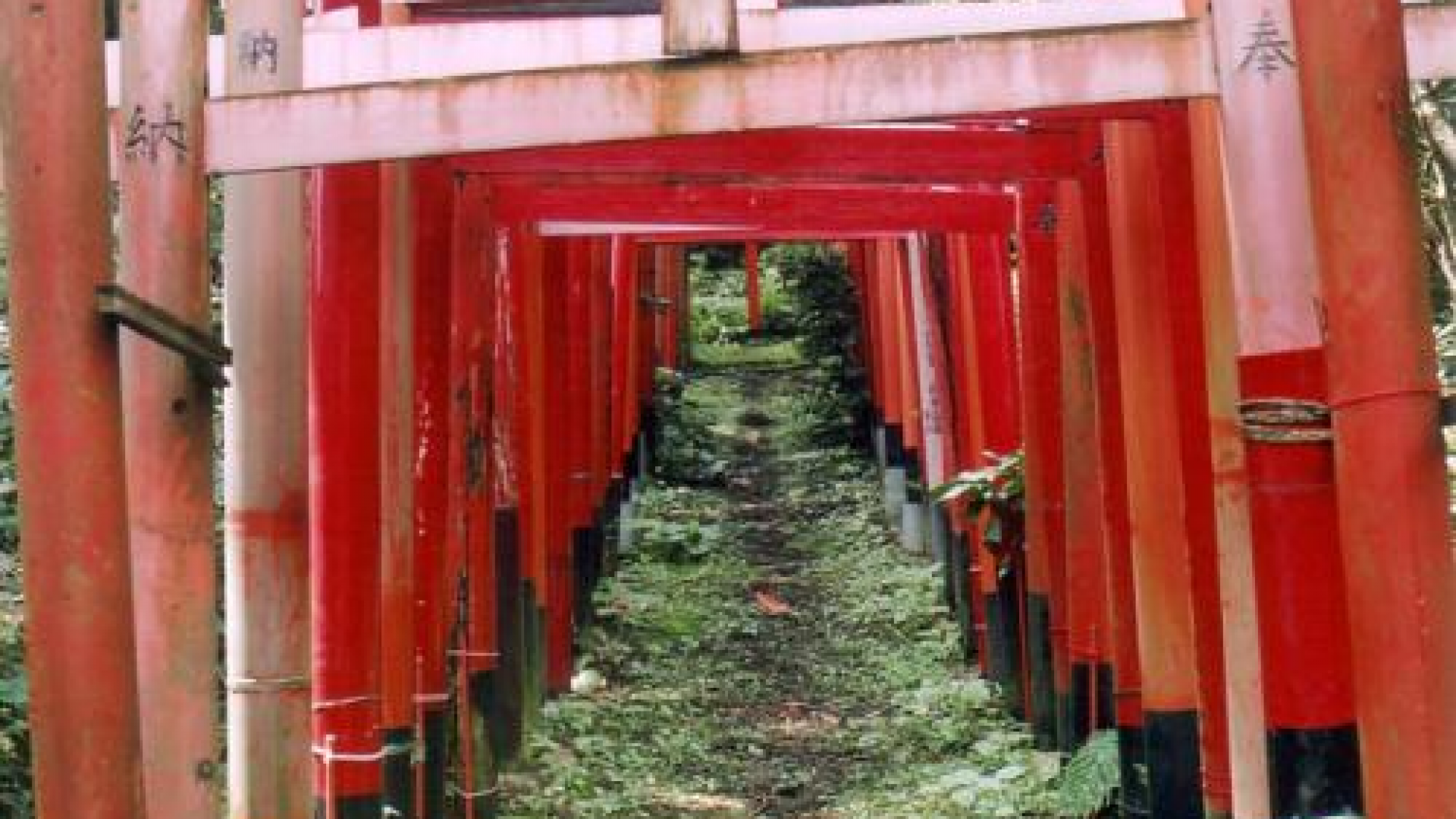
About a kilometer from Futarasan-jinja Shrine stands Takinoo-jinja Shrine, standing quietly amid the cedar trees. The atmospheric Takinoo-jinja is a popular place to pray for a successful marriage, pregnancy or birth, but people also come in search of more general luck. According to the legend, if you throw a coin through the small hole atop the torii gate at the entrance, you’ll be blessed with good fortune—but you only get three tries, so aim carefully."

Nikko kaido Oshu kaido TOCHIGI
Senjogahara Marshland/Odashirogahara Marshland

Senjogahara Marshland/Odashirogahara Marshland

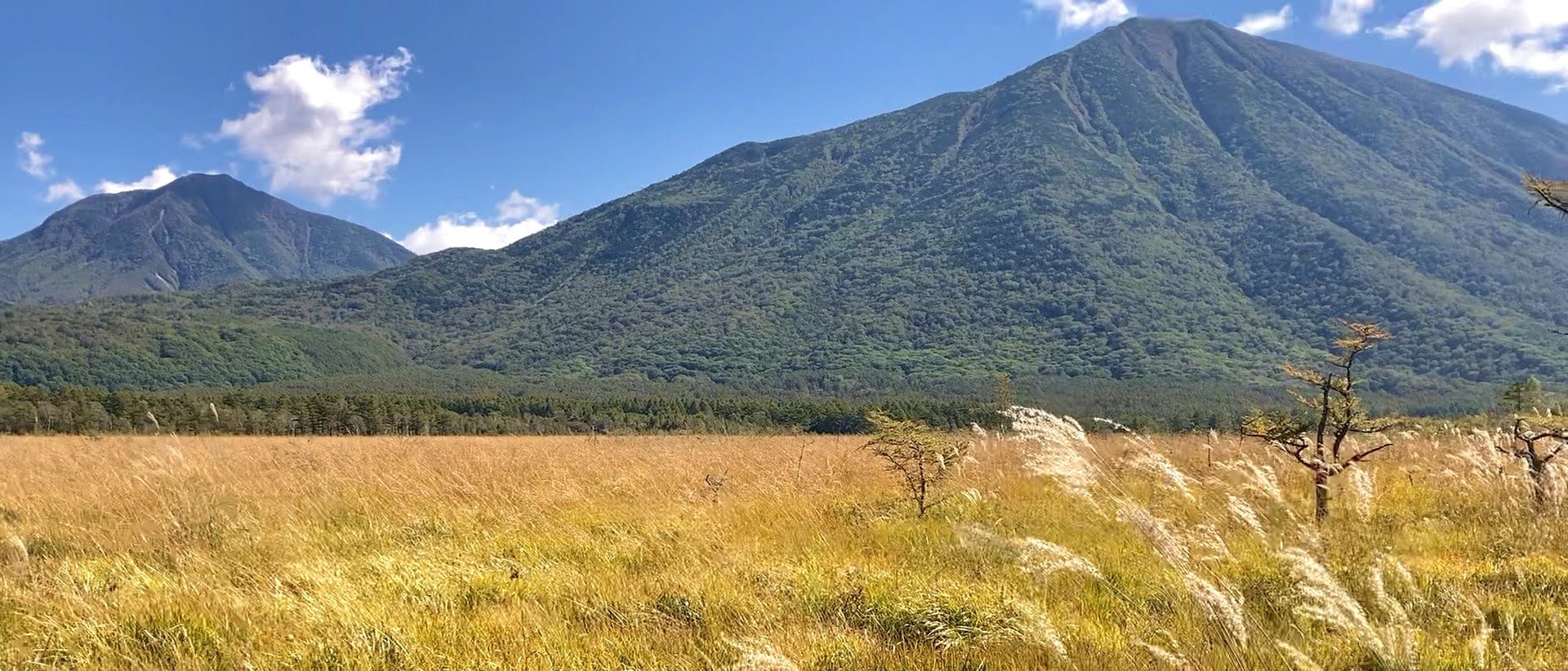
Senjogahara in the Nikko National Park is one of the nation’s most renowned marshland areas. You can enjoy a variety of nature trails, 350 kinds of wild plants, and many species of wild birds. The trails offer magnificent views of the marshland with Mt. Nantai in the background, and an array of natural panoramas. The neighbouring Odashirogahara consists of unique grass and marshlands. The famous Japanese white birch tree known as “the lady of Odashirogahara” can be found here.

Nikko kaido Oshu kaido TOCHIGI
Tosho Onsen (Day-Use Hot Spring)

Tosho Onsen (Day-Use Hot Spring)

Tosho Onsen, located in Imaichi in Nikko City, is a popular day-use hot spring facility loved by both locals and visitors. The facility features an outdoor rotenburo designed like a Japanese garden, where you can enjoy a distant view of Mt. Nikko’s mountains. Indoor baths are equipped with handrails, ensuring a safe and relaxing soak for visitors of all ages. During the winter solstice, guests can experience a seasonal yuzu bath, said to promote circulation and keep the body warm. The spacious rest areas and on-site restaurant offer hearty local dishes such as charcoal-grilled chicken, making it an ideal spot to unwind both body and mind.

Nikko kaido Oshu kaido TOCHIGI
OOSEYANA

OOSEYANA

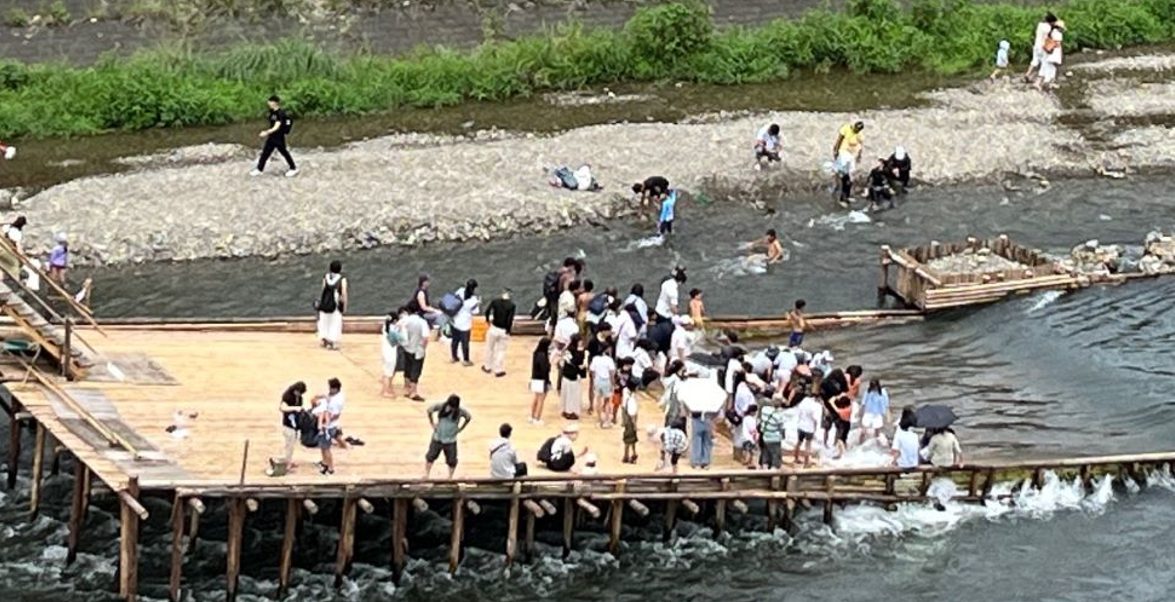
Yana is a trap to catch sweetfish that swim down the river to lay their eggs. The trap is a screen made with finely divided and stripped bamboo placed on a bamboo scaffolding where the water flow is blocked in a V-shaped depression. Ooseyana in Motegi Town in Tochigi boasts the largest yana trap among many traps placed on the Naka River. What’s most entertaining about yana fishing is that you can catch sweetfish while feeling the powerful flow of the Naka River over your feet. The catch is largest between the second half of September and the end of October. At the restaurant, you can savor freshwater fish dishes such as grilled sweetfish with a sprinkle of salt and deep-fried sweetfish while enjoying the river view.

Oshu kaido Nikko kaido TOCHIGI
Kanahan Ryokan and Tochigi-Edo Cuisine

Kanahan Ryokan and Tochigi-Edo Cuisine

Kanahan Ryokan, located in the heart of Tochigi City, opened during the An'ei era (1772–1781). Currently, the oldest building in this inn is the one built in 1918 to accommodate officers when they came to Tochigi for large-scale army training at Tochigi Junior High School (currently Tochigi Senior High School). Kan'in-no-miya family (a branch of the Imperial Family) later stayed in this building, too. There are traditional Japanese storehouses and architecture here and there throughout the inn, allowing visitors to have a relaxing stay in the nostalgic atmosphere. The inn has guestrooms for small groups like couples, as well as rooms in an annex perfect for accommodating large groups for a long stay. Experience the atmosphere of the Edo period through the old townscape and Tochi-Edo cuisine. Tochi-Edo cuisine consists of original dishes inspired by local meals and dishes from the Edo period reproduced using copies of recipes. Culinary creativity brings out the flavor of each ingredient to give a delightful surprise to those who are accustomed to the modern taste.

Nikko kaido Oshu kaido TOCHIGI
Nikko Hanaichimonme

Nikko Hanaichimonme

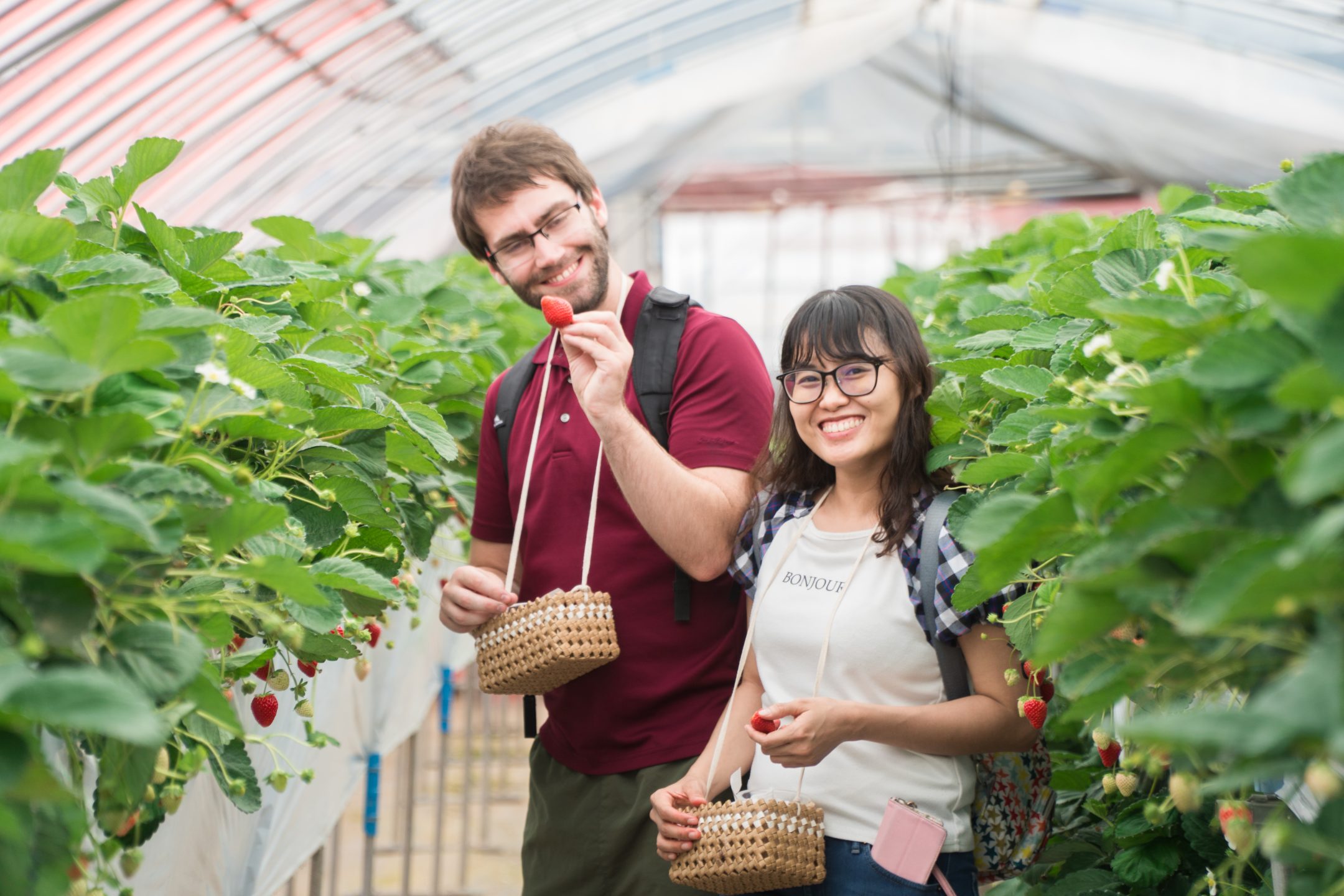
This botanical garden is one of the largest north of the Kanto area. Its more than 13,000 square meter grounds blossom all year long with flowers representing around 600 varieties in some 8,000 planters. The garden also has a restaurant offering items such as its original begonia soft-serve ice cream. The flower-covered walls and ceilings of the restaurant create a space that has captured the imaginations of many of the park's visitors. ■Strawberry picking     Adult(Elementary School Students~) 4-6 years of age  mid-Dec. 〜Mar. 2,200yen 1,700 yen Apr.〜early May 2,000 yen 1,500 yen early May〜early Jun. 1,800 yen 1,300 yen "

Oshu kaido Nikko kaido TOCHIGI
Kanaya Hotel History House

Kanaya Hotel History House

In 1870, Dr. James C. Hepburn, an American medical missionary, visited Nikko and stayed at the house of Zenichiro Kanaya, who was a member of Gagaku (an ancient imperial court music) orchestra of the Toshogu Shrine. Foreseeing an increase in the number of foreign tourists to Nikko, Dr. Hepburn suggested that Kanaya open a hotel for foreigners. Following Hepburn’s advice, Zenichiro remodeled his house and opened “Kanaya Cottage Inn” in 1873.   Kanaya’s house was originally a residence of samurai warriors during the Edo period. For its unique architectural characteristics, Kanaya Cottage Inn was called “Samurai House” by its foreign guests.   In 1893, Zenichiro relocated his business and opened “Kanaya Hotel” on the top of the hill that overlooks the River Daiya. It was Japan’s first full-fledged western-style resort hotel and has been in operation at the same place to date.   The Kanaya Samurai House and warehouse were registered as a National Tangible Cultural Property in 2014 and opened to the public as the Kanaya Hotel History House in 2015.

Nikko kaido Oshu kaido TOCHIGI
Ryumon Falls

Ryumon Falls

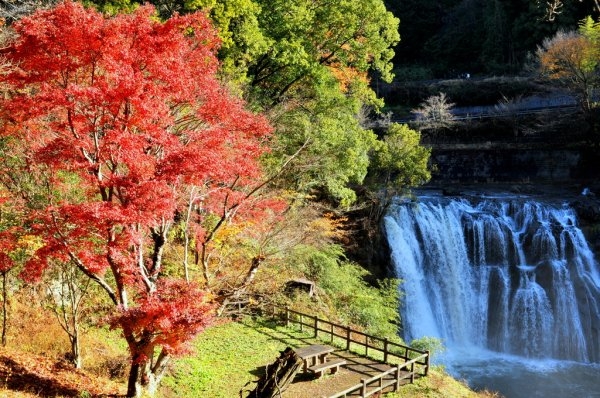
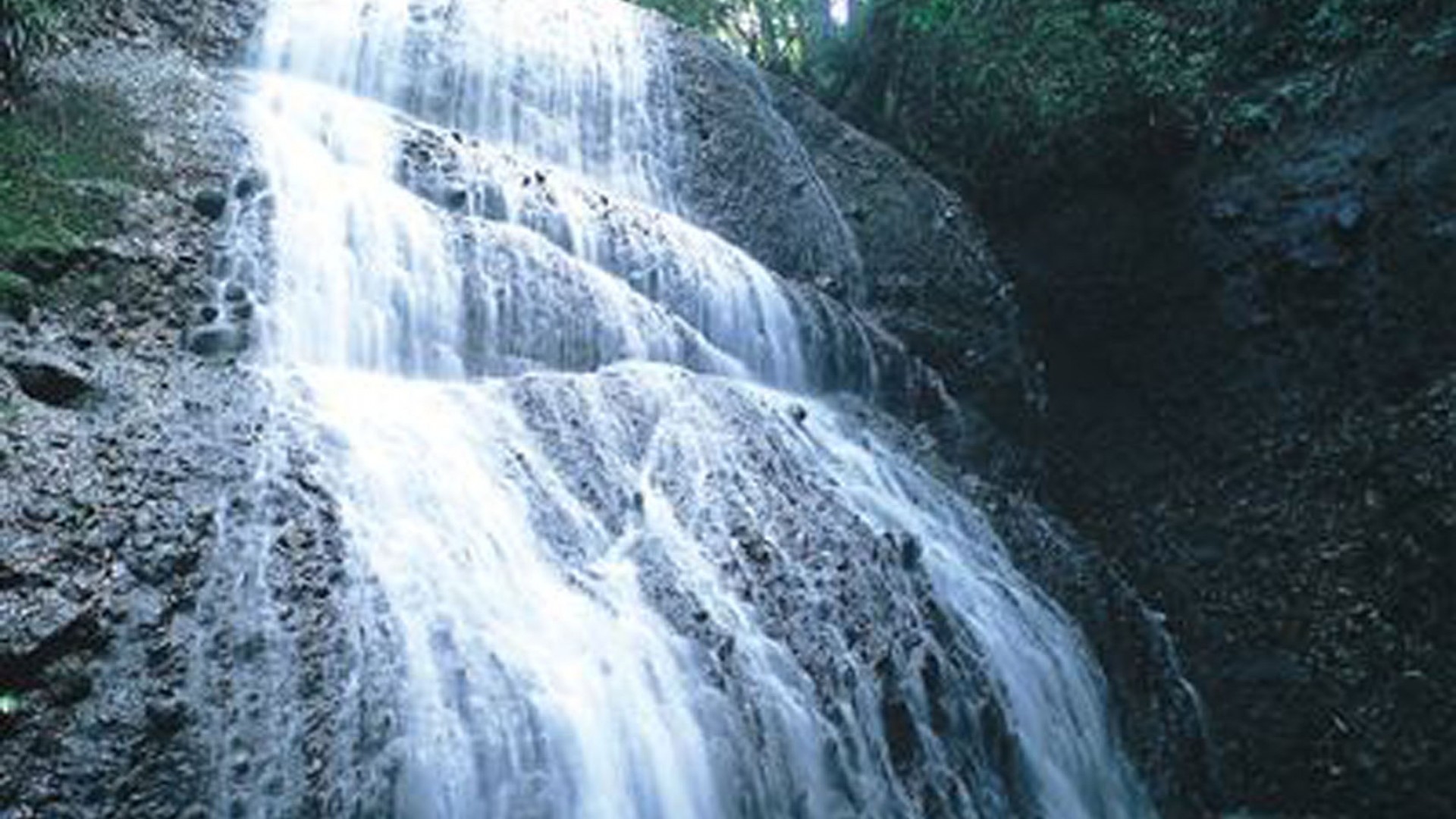
Near by the Nasukarasuyama City, Ryumon Falls is a large-scale waterfall that it is about 20-meter-high and 65-meter-wide. Halfway down the fall are two vertical holes called Ogama ("Male Cauldron") and Megama ("Female Cauldron"). Ogama has a diameter of 4 meters and Megama 2 meters. Due to the angle of the photo, you can see JR Karasuyama Line’s train through pass the Ryumon Falls. The cherry blossoms in the spring, the maple leaves in the fall, and the snow in the winter, along with the passing trams, make for a miraculously beautiful photo! Right next to the Ryumon Furusato Mingeikan is a path where you can walk to get a close-up view of the Ryumon falls.

Nikko kaido Oshu kaido TOCHIGI
Ashikaga Machinaka Yuugakukan

Ashikaga Machinaka Yuugakukan

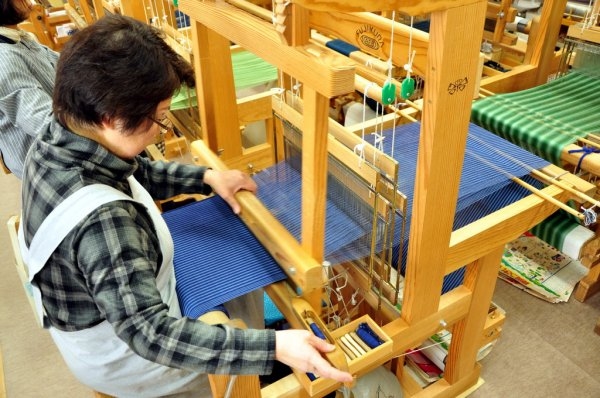
Ashikaga Machinaka Yuugakukan was opened in March 2003 as a facility to familiarize, enjoy, and learn about the history, culture, and nature of Ashikaga. Remodeled in 2016, the facility has a rest area and conference rooms, and provides tourist information. There are take-out shops for drinks, soups and lunch that can be enjoyed inside the building.On the second floor, visitors can try on traditional clothing made of Ashikaga Meisen silk."

Nikko kaido Oshu kaido TOCHIGI