
Greater Tokyo

See & Do

reset
Ashikaga Orihime Shrine

Ashikaga Orihime Shrine

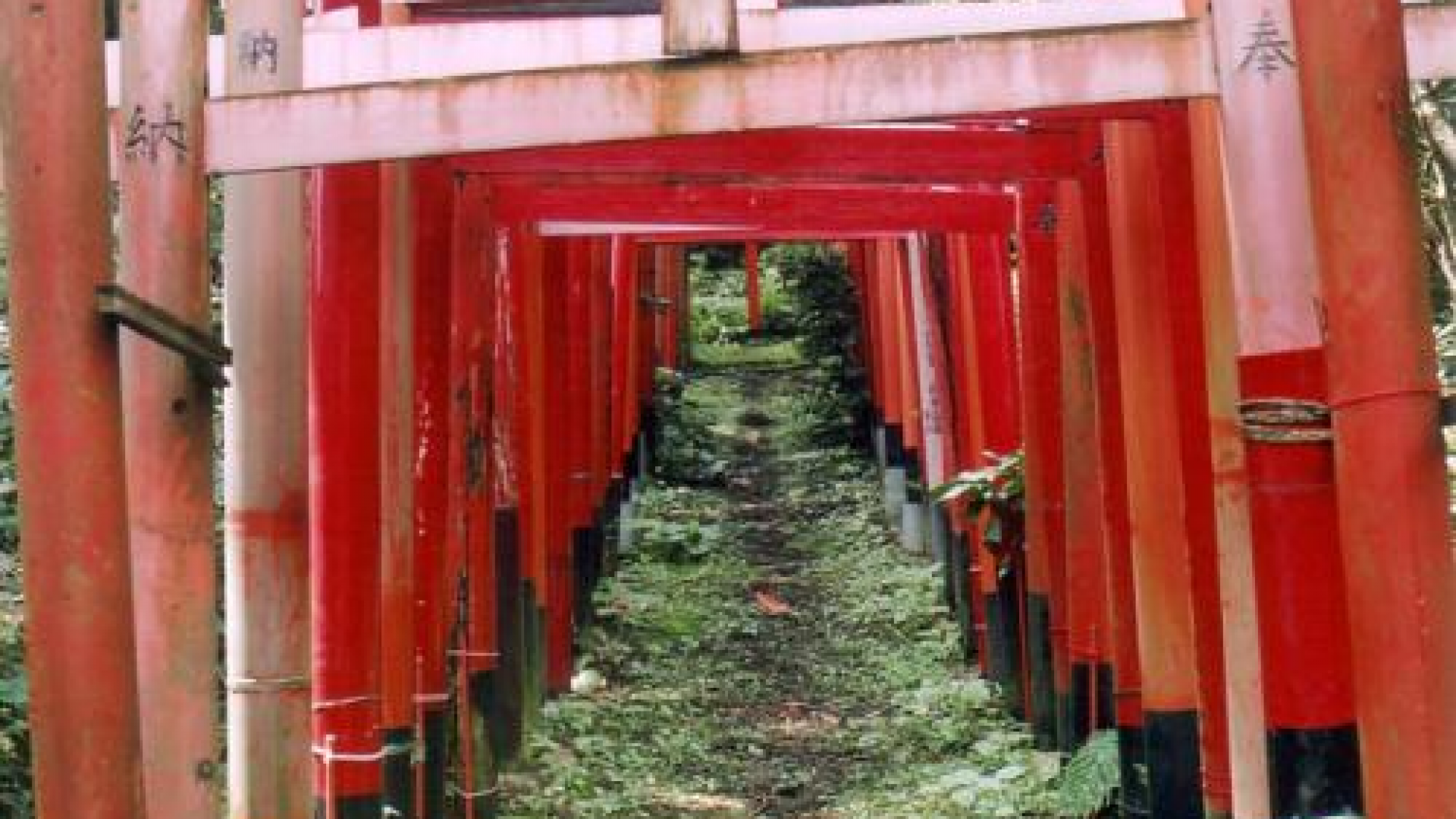
Registered as a Tangible Cultural Property in June 2004, Ashikaga Orihime Shrine has long been worshipped as home to guardian deities of local industry and matchmaking.   The vermillion-lacquered shrine stands in beautiful contrast to the surrounding green forests. Located on the hillside, the shrine commands magnificent views of the city of Ashikaga and the Watarase River. On fine days,the view extends as far as the Kanto Plains and the Tokyo Skytree. The shrine is a starting point for a walking trail through the Prefectural Natural Park. The trail is popular for enjoying seasonal views and is suitable for children.   A large number of visitors come and enjoy music performances and local delicacies at the shrine during the grand spring festival in May and autumn festival in November. It has become a popular dating spot since being named a sacred place for lovers and one of the best night view locations in 2014.

Nikko kaido Oshu kaido TOCHIGI
Itamuro Onsen

Itamuro Onsen

A peaceful Onsen resort in the mountain ravines located in the western Nasu mountains. The clear alkaline hot spring water is known for its health benefits and the Onsen was designated as a “National Health Spa” by the Ministry of the Environment in 1971. Nestling into a natural landscape and surrounded by a richly preserved environment, most visitors come here for in search of the renowned health effects. Long known as a rustic therapeutic spa, the Onsen maintains its distinctive atmosphere. The temperature of the source of spring water is from 38℃ to 45℃, and its lukewarm water is gentle to the body.

Nikko kaido Oshu kaido TOCHIGI
Yamaage Festival(Yamaage Matsuri)

Yamaage Festival(Yamaage Matsuri)

The Yamaage Festival is one of Japan's most unique festivals,a dazzling outdoor kabuki dance performance that has been carried on is the Karasuyama area since olden times.The festival was first held about 460 years ago by the ruler of Karasuyama Castle,Lord Suketane Nasu,to pray for peace over the land and dispel the plague that had been threatening his domain. The yama or "mountain" in the festival's name refers to the backdrops used in the performances.Handmade washi paper,a apecialty of the region,is pasted onto a bamboo frame and painted to look like mountains and waterfalls.Some of these "mountains" even reach 10 meters in height.Not only the dynamic kabuki and dances performed in front of these backdrops,but also the coordination and teamwork of the young male performers that form the heart of the festival are a sight to behold.In addition,it was enrolled in the UNESCO Intangible Cultural Heritage in December,2016.

Nikko kaido Oshu kaido TOCHIGI
Edo Wonderland Nikko Edomura

Edo Wonderland Nikko Edomura

Edo is the former name of Tokyo used until the late 19th century. This theme park authentically recreates town life in the Edo period. The huge village consists of rows of merchant houses, a samurai mansion, a Ninja village and much more. The culture of the Edo period comes alive through the townspeople and events, you can even put on a costume and join in yourself! The cultural park offers a real experience of the life and culture of the Edo period via their seven theatres, museums on history and culture and even Edo-style restaurants.

Oshu kaido Nikko kaido TOCHIGI
Kegon Falls

Kegon Falls

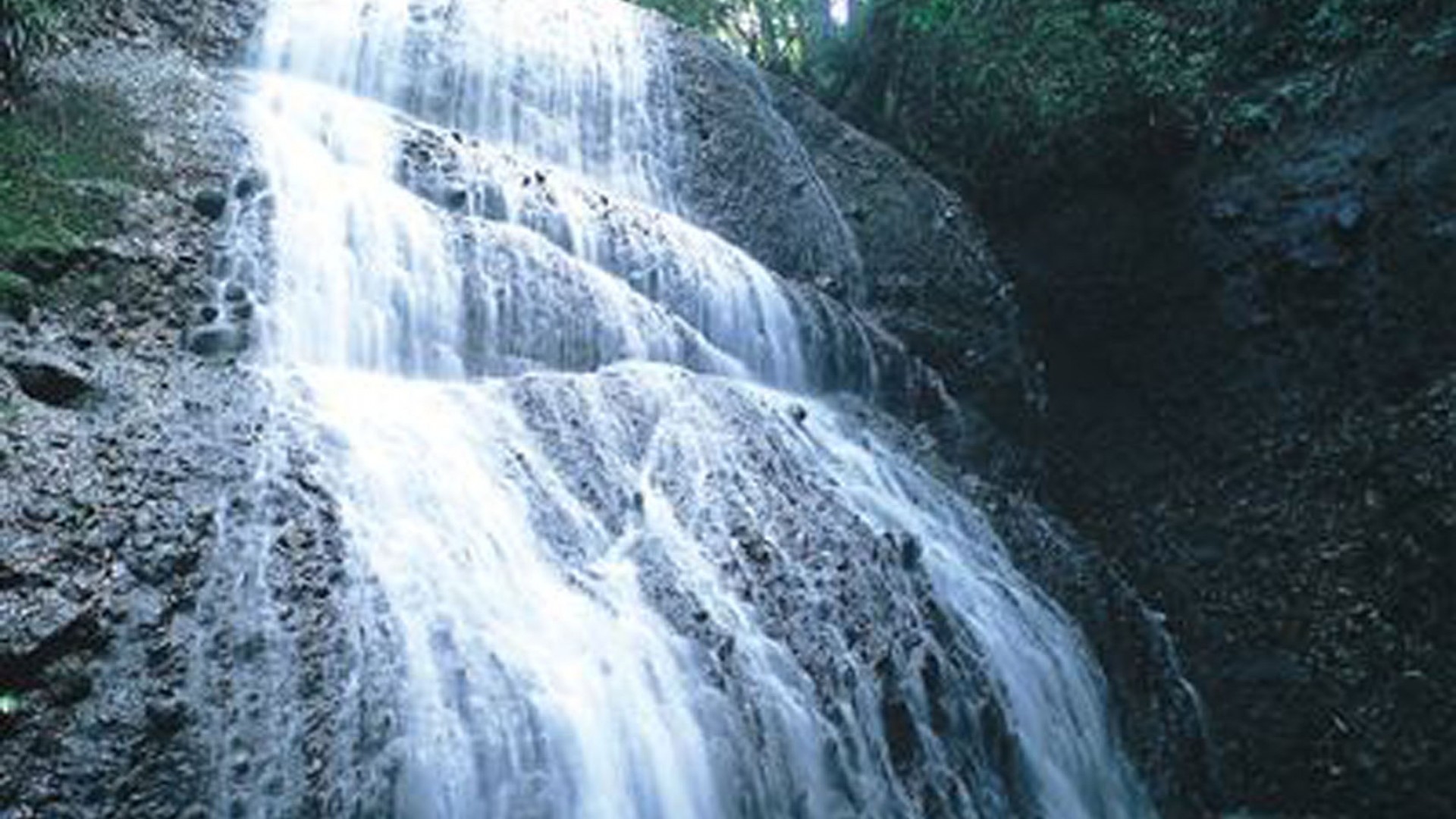
Kegon Falls is the most famous of Nikko’s 48 waterfalls. Water from Lake Chuzenji falls 97 metres straight down to the rocks below creating a dynamic and artistic work of nature. A special lift takes visitors to the basin where the force and roar of the water can be witnessed close up! Kegon Falls offers stunning views every season. Deep green in early summer, red and yellow leaves in autumn. in winter, the water freezes as it drops creating beautiful ice shapes almost like beautiful pieces of art.

Nikko kaido Oshu kaido TOCHIGI
Kinugawa Okashino Shiro (Dessert Castle)

Kinugawa Okashino Shiro (Dessert Castle)

From popular sweets to outdoor activities — a delicious and relaxing stop on your hot spring tripKinugawa Okashino Shiro is a multi-purpose tourist facility that combines Japanese and Western sweets, cafés, and hands-on experiences. Inside, more than 30 varieties of handmade sweets are available, including seasonal fried bread, natural shaved ice, and other popular items, making it the perfect spot to buy souvenirs or enjoy sweet treats. The facility also includes “KINU COFFEE” café and “FUN GARDEN” outdoor space, where you can enjoy freshly grilled skewers, cakes, barbecues, and seasonal activities. Visitors can even take part in a dorayaki (red bean pancake) making workshop, adding an enjoyable hands-on element to the trip.

Nikko kaido Oshu kaido TOCHIGI
Kinugawa Onsen Ropeway

Kinugawa Onsen Ropeway

From Kinugawa Onsen Sanroku Station to Maruyama Summit Station, the ropeway ascends about 300 meters, offering a four-minute aerial ride with sweeping views of Kinugawa Onsen town and the surrounding valley. At the mountaintop observatory, visitors can see Keichozan Mountain, and on clear days, even Tokyo Skytree in the distance. The summit is also home to a troop of monkeys, where you can observe them up close or feed them. Near the ropeway station stands the Hotokegaura Shrine, dedicated to the guardian deity of Kinugawa Onsen. Its cherry blossoms have made it a hidden gem spot for spring hanami.

Nikko kaido Oshu kaido TOCHIGI
Jorakuji Temple (Rokujison)

Jorakuji Temple (Rokujison)

Jorakuji Temple was founded in the first year of Kenkyū (1190) as the family temple of the famed physician Nakano Tomoyuki. When Nakano Tomoyuki investigated the illness of his daughter, it marked the first time acupuncture therapy was introduced to Japan. Later, he was summoned to the imperial court to treat Emperor Go-Toba’s illness and was given the title “Rokujihōgen.” As his medical skills became widely known throughout the country, it is said that even the Thunder God himself once visited the temple for acupuncture treatment, making Jorakuji especially famous as a temple connected to the deity. Because of this tradition, the temple grounds are affectionately called “Rokujison-sama.” It is also known for the beautiful red spider lilies that bloom in abundance around the precincts. Every year on February 11, a grand festival is held, attracting many worshippers and visitors, creating a lively atmosphere.

Oshu kaido Nikko kaido TOCHIGI
Oyama Honba Yuki Tsumugi Craft Museum

Oyama Honba Yuki Tsumugi Craft Museum

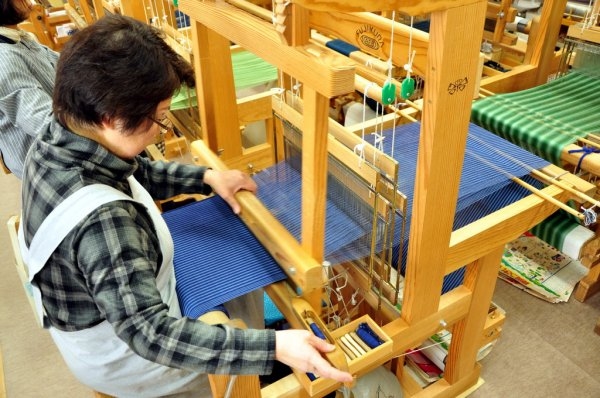
What is Yuki Tsumugi?Yuki Tsumugi is a traditional silk fabric originating from Oyama City in Tochigi Prefecture and Yuki City in Ibaraki Prefecture, with a history dating back to the Nara period. Once valued for its durability, it is now prized as a top-class handwoven silk for its light yet strong texture. Oyama Honba Yuki Tsumugi Craft MuseumHonba Yuki Tsumugi is entirely handcrafted and was inscribed on UNESCO’s Representative List of the Intangible Cultural Heritage of Humanity in 2010. The Oyama Honba Yuki Tsumugi Craft Museum is dedicated to promoting this traditional art and offers the following experiences: Craftsman Demonstrations: Watch up close as artisans spin silk threads and weave on looms. Hands-on Weaving Experience: Try your hand at weaving under staff guidance (advance reservation recommended). Kimono Experience: Select your favorite Yuki Tsumugi kimono pattern and stroll through the streets of Oyama (some accessories require an additional fee). Closed on Mondays and during the New Year holidays. Some activities require ID and advance booking.

Nikko kaido Oshu kaido TOCHIGI
Hotel Mashikokan

Hotel Mashikokan

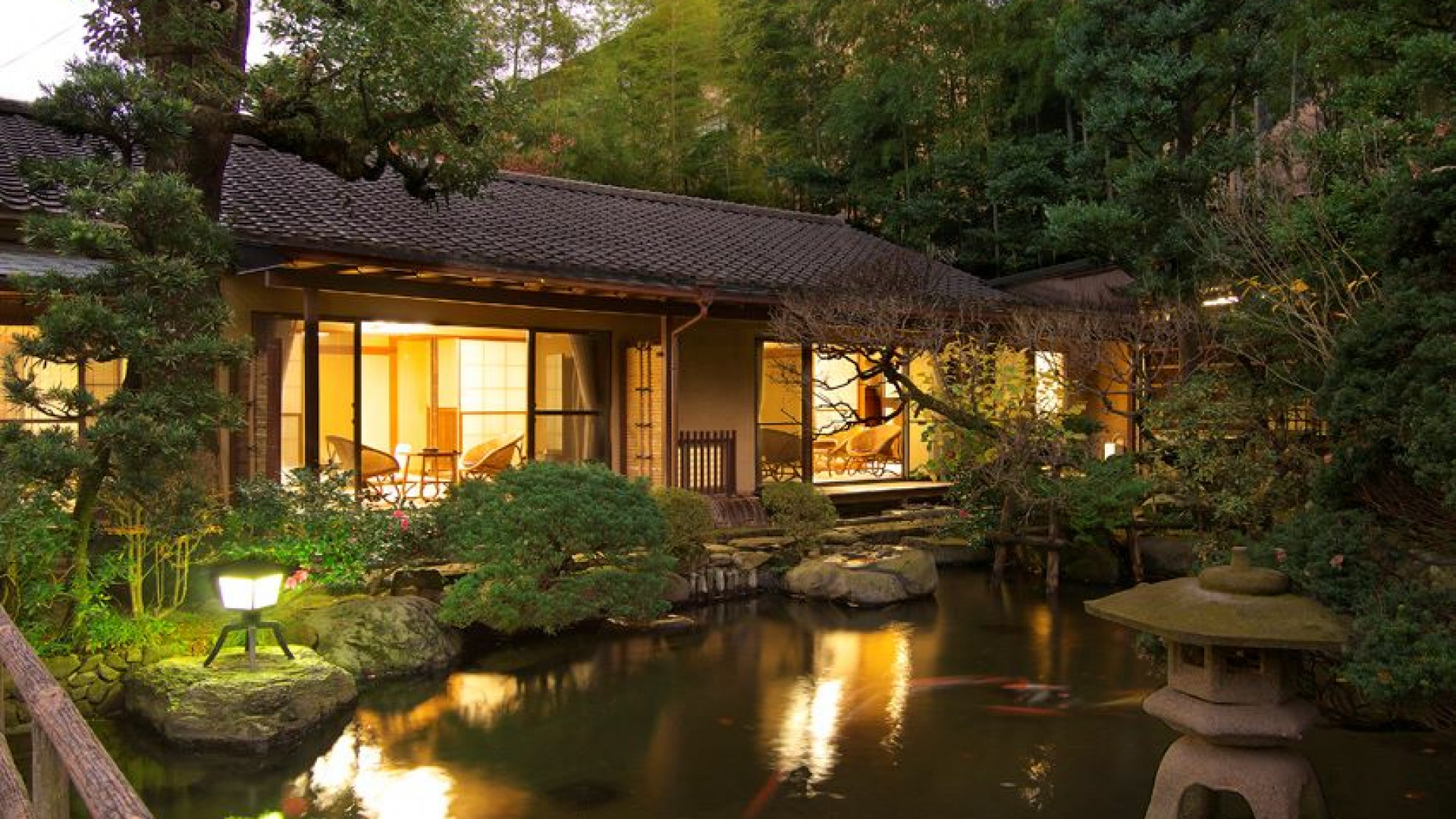
Mashikokan Satoyama Resort Hotel is a homey onsen hotel in a forest. If you open the window of the guest room, a fresh breeze and the sound of the forest gently enter the room. If you turn off the light at night and look up at the sky, the large moon and the starry sky softly light up the room. Meals are prepared with ingredients carefully grown by producers and thoroughly crafted to bring out their natural flavors. They will be cooked and served with love so that you can feel the four seasons of satoyama. Baths are filled with the skin-beautifying hot spring water from the satoyama. In both the spacious indoor bath and open-air bath, featuring a waterfall that the hotel proudly presents, you can enjoy the finest healing time while feeling the nature of satoyama. These baths are also available to non-staying guests. Please visit the hotel as the base of your fun activities in satoyama and enjoy a slow, relaxing time.

Nikko kaido Oshu kaido TOCHIGI
Kurobane Furusato Bussan Center Restaurant

Kurobane Furusato Bussan Center Restaurant

A traditional Japanese house built over 170 years ago has been relocated to the Kurobane Furusato Bussan Center. This building with a thatched roof houses Kurashi no Yakata and a restaurant. At the restaurant, ‘Oroshi Soba ― Yamizo Asagiri hand-picked soba ―’ is one of the popular menu items made with locally produced buckwheat flour. Adjacent to the restaurant is the Bussan Center. There, you can buy delicious vegetables produced by local farmers and steamed buns made with love. They also sell additive-free homemade miso called Ginjo Ichinen Miso. It is popular because miso soup made with this miso in the morning stays tasty until night.

Nikko kaido Oshu kaido TOCHIGI
Cottage Inn Restaurant & Bakery

Cottage Inn Restaurant & Bakery

Cottage Inn Restaurant & Bakery is a restaurant run by Kanaya Hotel Bakery, which is adjacent to the Kanaya Hotel History House. At the restaurant, you can enjoy a wide variety of combinations of bread from Kanaya Hotel Bakery and dishes prepared with fresh and high-quality ingredients hand-picked by the chef. The popular Lunch Plate offers choices of Hamburger Stew Stuffed Bread, a hearty dish of oven-baked campagne bread stuffed with a hamburger steak cooked in a demiglace sauce topped with cheese, Sautéed Yume Pork with Ginger Sauce using the Yume Pork brand produced in Tochigi Prefecture, and Beef Stew, a year-round popular dish made with the chef’s original recipe. The restaurant also has the Kanaya Hotel Bakery Shop with a rich lineup of bread and sweets such as cookies.

Nikko kaido Oshu kaido TOCHIGI
Midori Nouen

Midori Nouen

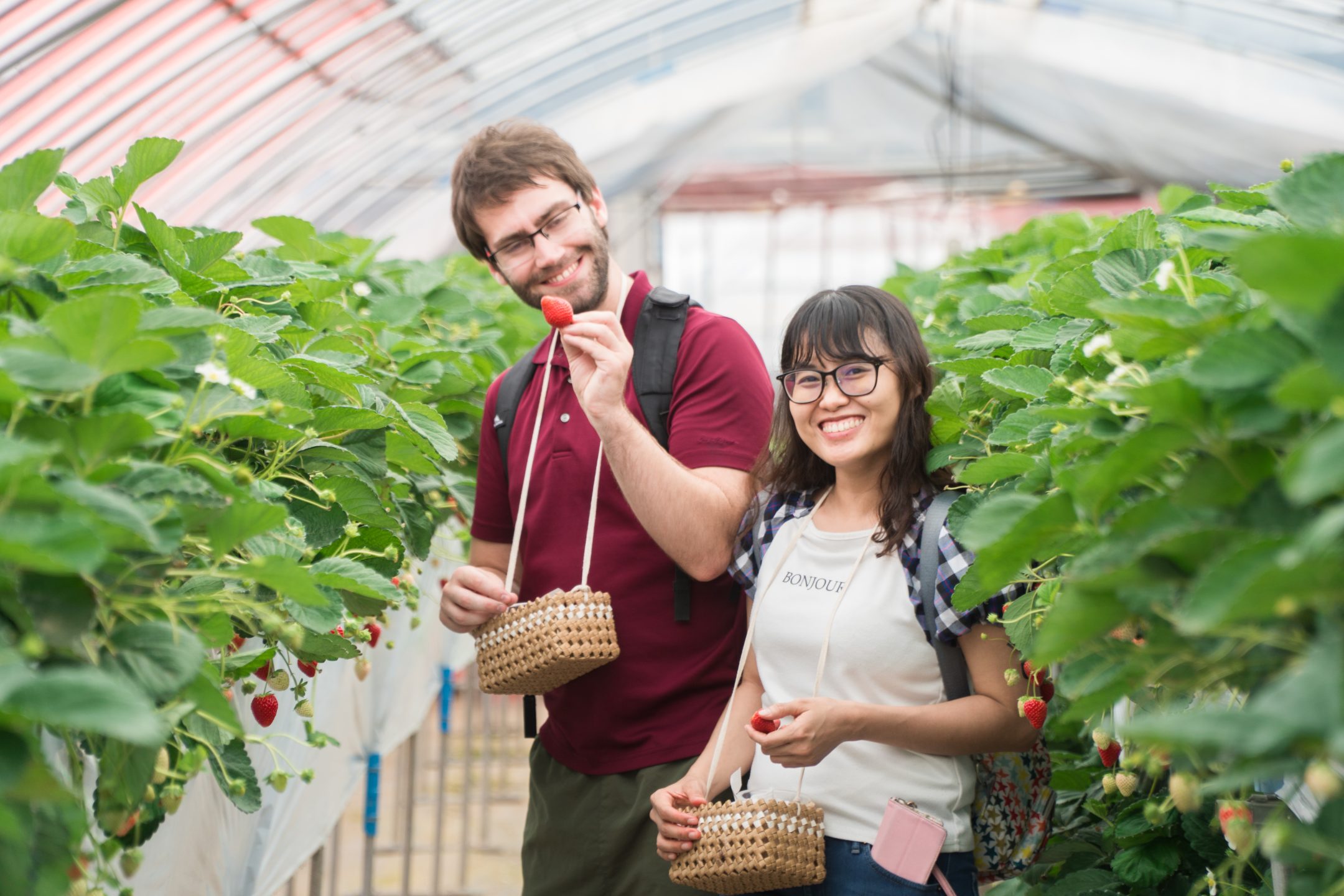
All staff at Midori Nouen love farming, want to make farming more fun, and believe in the power of farming. They grow strawberries of the Tochiotome and Tochi-Aika breeds, as well as asparagus and buckwheat. They prepare the soil using fully matured compost called Midori Compost and locally produced powder bamboo compost. The temperature around the farm fluctuates a lot and sometimes goes down to -8ºC. This makes vegetables grow while increasing their sweetness and tastiness in order to withstand the cold. Midori Nouen’s Tochi-Aika received the gold prize at the First National Strawberry Awards hosted by the Japan Vegetable Sommelier Association. At the shop on the farm, you can purchase not only strawberries but also processed products including strawberry jam, strawberry puree, and popcorn.

Nikko kaido Oshu kaido TOCHIGI
KAMAYA ~Café du Reverbere~

KAMAYA ~Café du Reverbere~

KAMAYA ~Café du Reverbere~ is a café restaurant. Dishes made with Mae Nikko Wagyu and Nikko Pork, and homemade sweets using strawberries produced in Nikko are popular here. There are also halal and vegan dishes. Renovated from a bank, the restaurant is designed as a retro-style café terrace with street lamps. It is only a one minute-walk away from the Tobu-nikko station, which is the gateway to the Nikko area. The restaurant mainly uses hand-picked local ingredients, including yuba, a specialty in Nikko. Most dishes served here are gluten-free. The restaurant’s recommendations are “NIKKO Donburi,” a rice bowl topped with a generous amount of local Mae Nikko Wagyu roast beef, and “THE NIKKO Hamburger Steak Set Using Mae Nikko Wagyu and Nikko Pork.” Both are popular dishes served daily while quantities last.

Nikko kaido Oshu kaido TOCHIGI
Footgolf Experience (Seven Hundred Club)

Footgolf Experience (Seven Hundred Club)

Combined golf and association football, the footgolf was established in 2009 by the Netherlands, and in 2012 the International Footgolf Federation was established and the first World Cup Footgolf Championship was held in Hungary.   Since then, many people have started to play footgolf, and the sport is now played in more than 40 countries centered in the United States and Europe. There are nearly 600 courses in the United States where footgolf can be played, and over 200 courses in the United Kingdom, making it very popular in western world.   The Japan Footgolf Association was established in 2014, and the Footgolf Club Championship was held on June 2nd and 9th at Seven Hundred Club in 2024.   You can experience not only footgolf at Seven Hundred Club, but also can enjoy the fields that was designed by Takahashi Yoichi, the cartoonist who created the manga "Captain Tsubasa".   Please check Seven Hundred Club's homepage here!

Oshu kaido Nikko kaido TOCHIGI
NASU FARM VILLAGE

NASU FARM VILLAGE

At Nasu Farm Village, you can spend some relaxing time with horses. It offers programs such as the Horse Trekking Program that even beginners can enjoy and the Horse Therapy Program to befriend a horse. Children and people who are still not quite ready to ride a horse can join this program with peace of mind. The restaurant offers the chef’s special lunch boxes featuring seasonal vegetables harvested on the farm. *Guidance for horseback riding is provided in Japanese. For safety reasons, you may only ride a horse if you understand Japanese or if you have an interpreter to explain the instructions for you.

Nikko kaido Oshu kaido TOCHIGI