Greater Tokyo

See & Do

reset
Umi no koen (Marine Park)

Umi no koen (Marine Park)

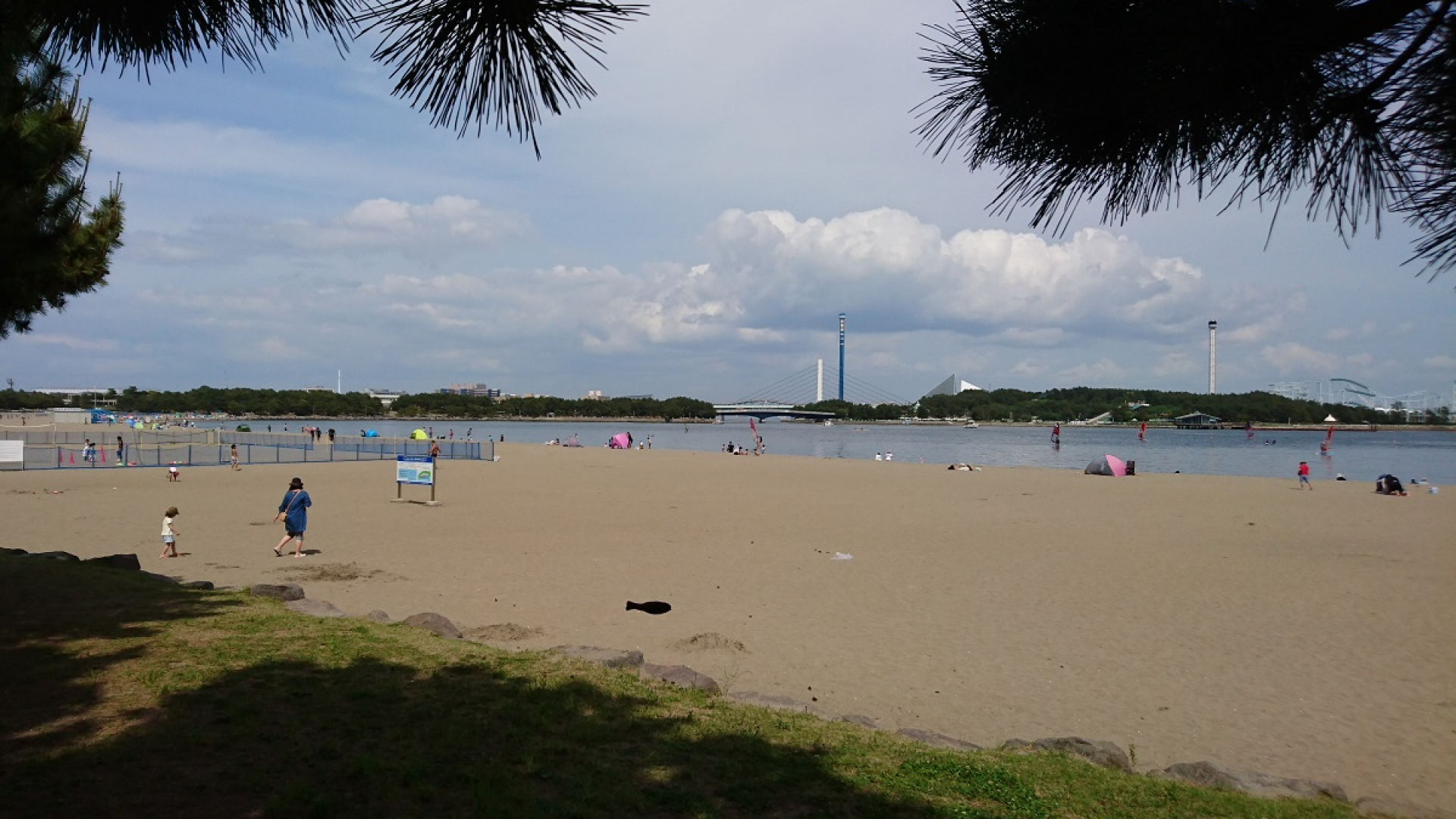
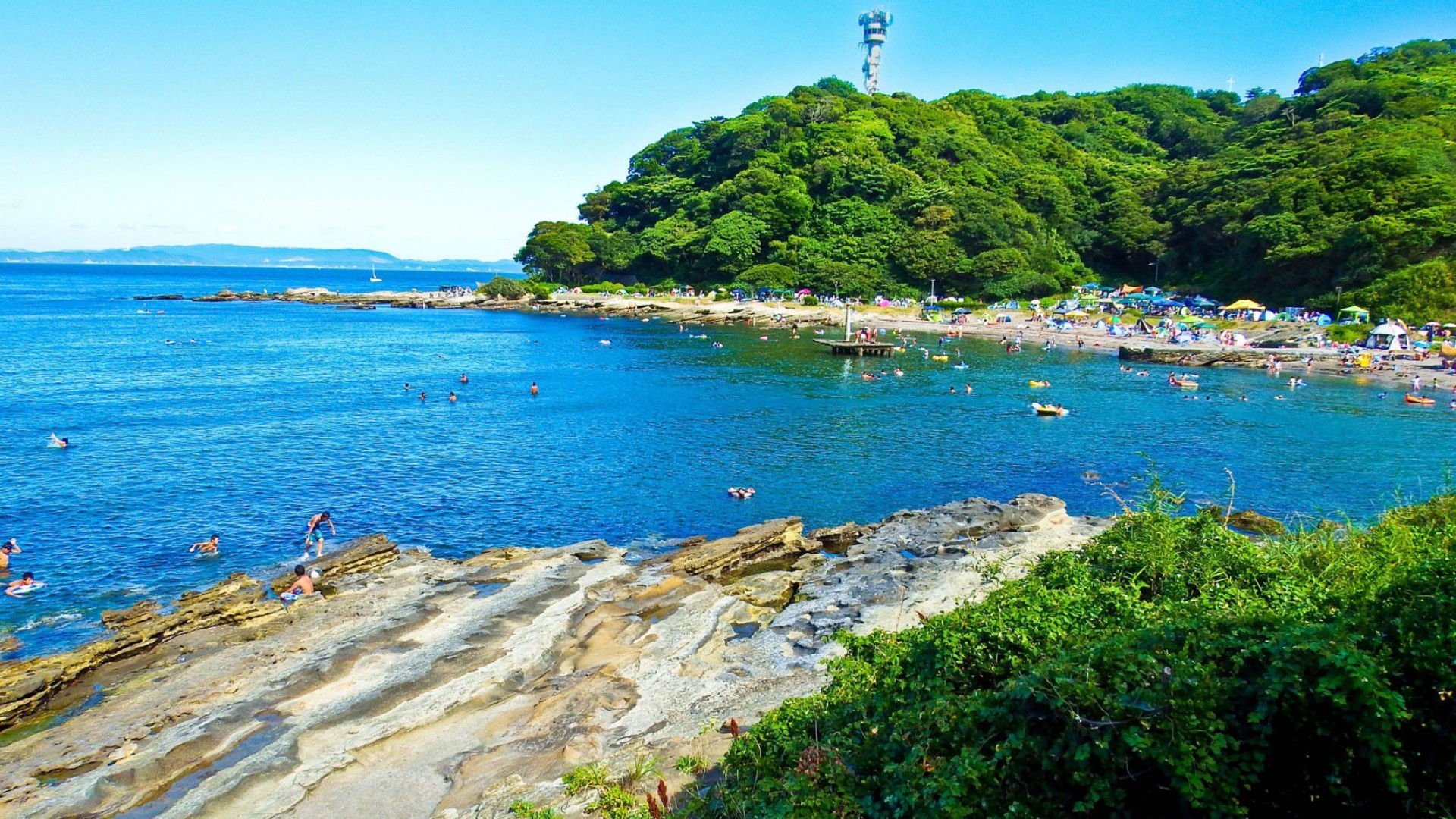
This is Yokohama's only park featuring a seaside swimming beach! Along the coastline, a sandy beach lush with greenery stretches approximately 1 kilometer, making the perfect space for visitors to interact with the ocean. Despite its natural appearance, this sandy beach was artificially created using sand transported from Chiba Prefecture. Today, it is home to numerous creatures such as crabs and clams. In early spring, visitors can enjoy clam digging, and in summer, the beach comes alive with the start of swimming season. The calm waves and gently sloping shoreline make it the ideal beach for sand play and windsurfing. The park also features marine sport facilities like beach volleyball courts and a windsurfing storage shed. In addition, the Nagisa Plaza hosts a grass field suitable for soccer and other fun, as well as a barbecue area, allowing visitors to enjoy a variety of seaside leisure activities.

Nature & Views Tokaido Koshu kaido KANAGAWA
Enoshima Escalator

Enoshima Escalator

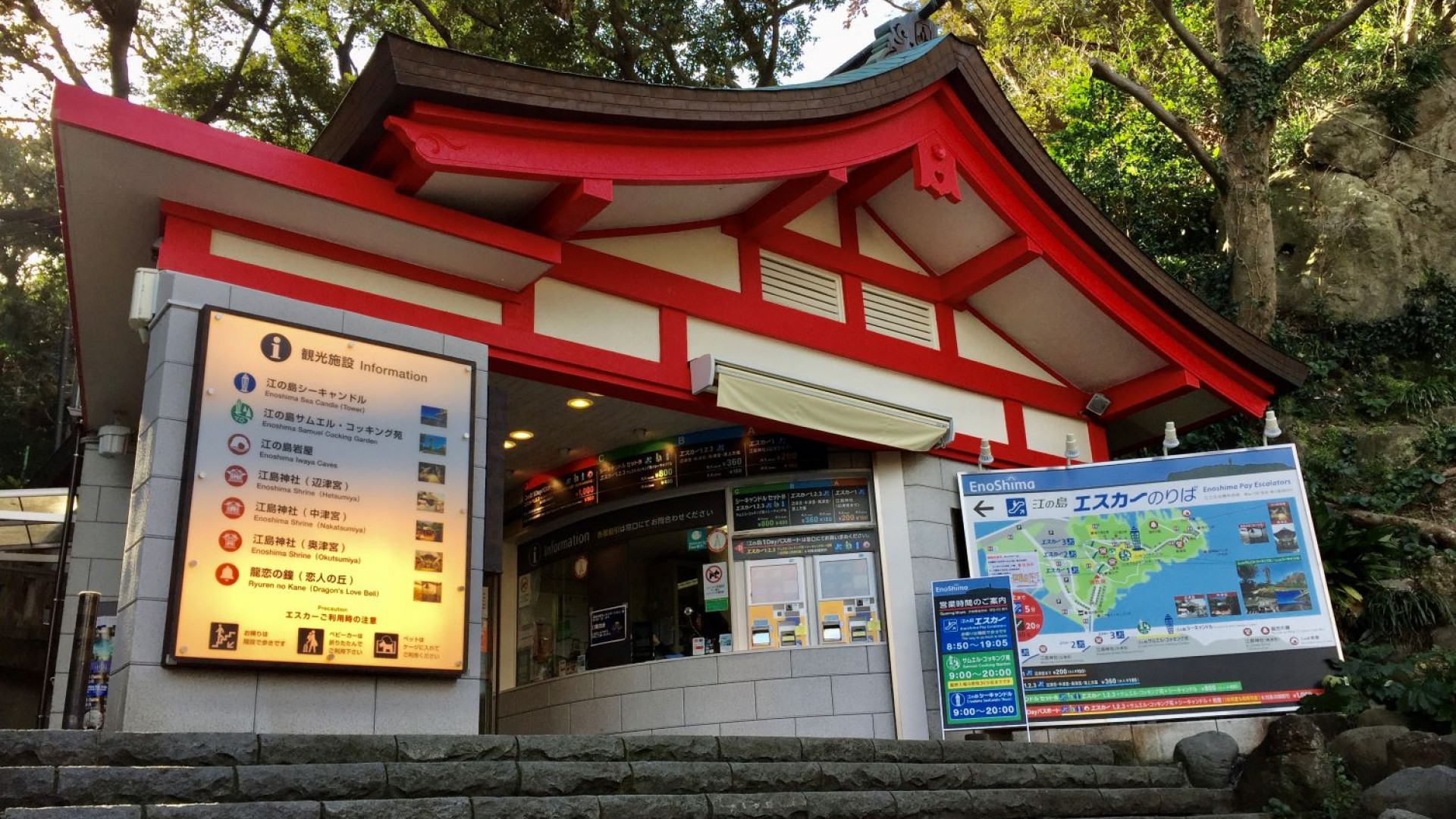
Enoshima Escar are a set of three outdoor escalators, the first in Japan! While climbing Escar 1, you can experience the ocean-themed "Enoshima LUMINOUS WAY" projection videos (Escar escalators are only available for ascending. Please use the stairs when descending). The Escar escalators provide convenient access to the summit without having to make the trek up the long stairs, making it extremely convenient for sightseeing on Enoshima.

Experience & Activities Koshu kaido Tokaido KANAGAWA
Ninotou

Ninotou

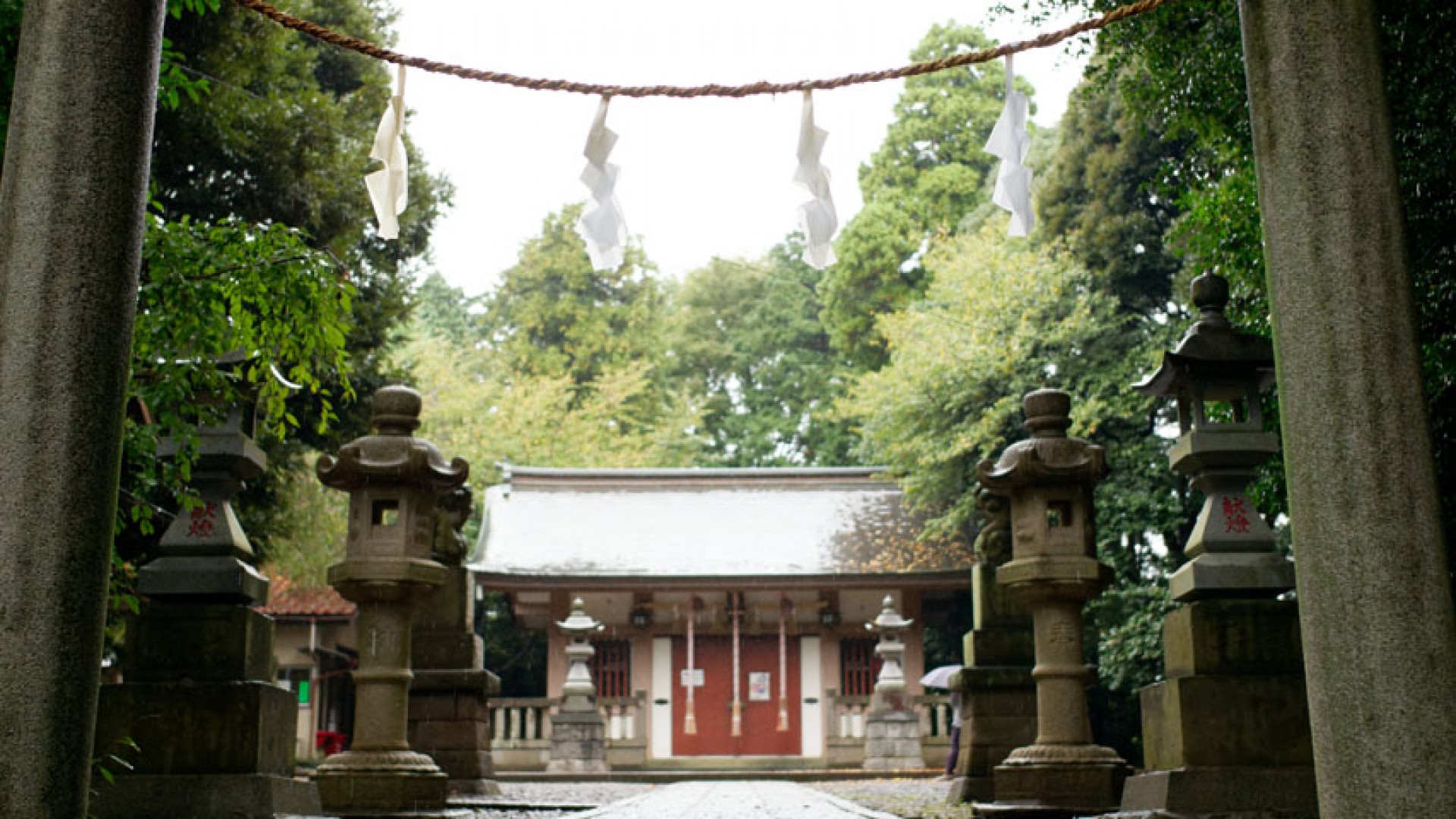
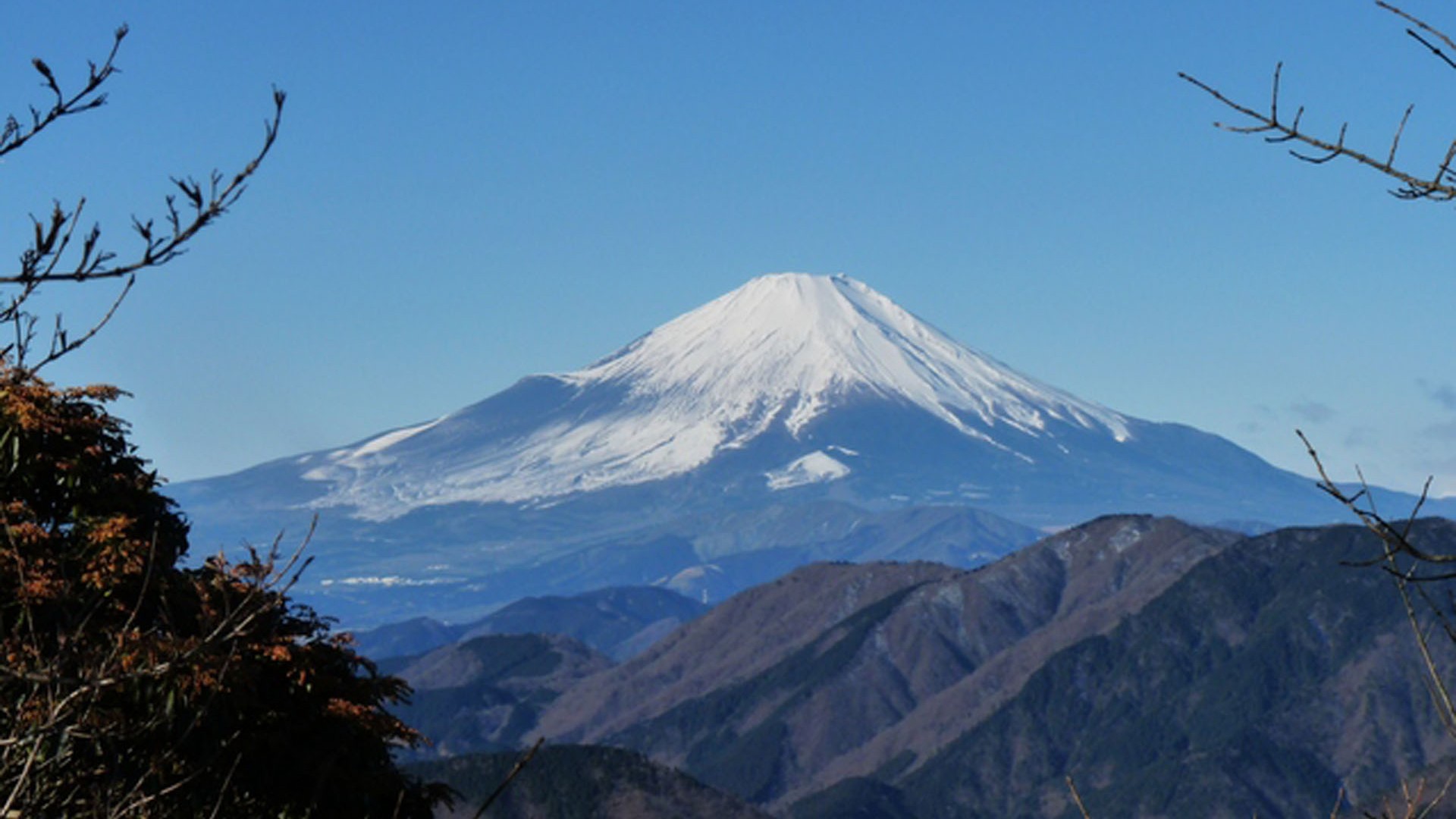
A 1,122 meter high mountain nestled within the Tanzawa Omote Ridge. One possible explanation for its name is a legend handed down through Karako Shrine, found at the foot of the mountain in the village of Yokono. It claims that long ago, a god flew from the Tang Dynasty of ancient China to hand over a statue of the god, as well as light three divine lanterns on a ridge that climbs from Yokono Village, with the first located at Karako Shrine and the second on a peak. It is said that the peak above it became the third light, and that "light" was transformed into a "pagoda".Please use the "Tanzawa Omote Ridge Traverse Course" as a reference and plan your hike accordingly.Early morning trekking allows you to enjoy a special experience with fewer people and clear air.

Nature & Views Tokaido Koshu kaido KANAGAWA
Sankeien Garden

Sankeien Garden

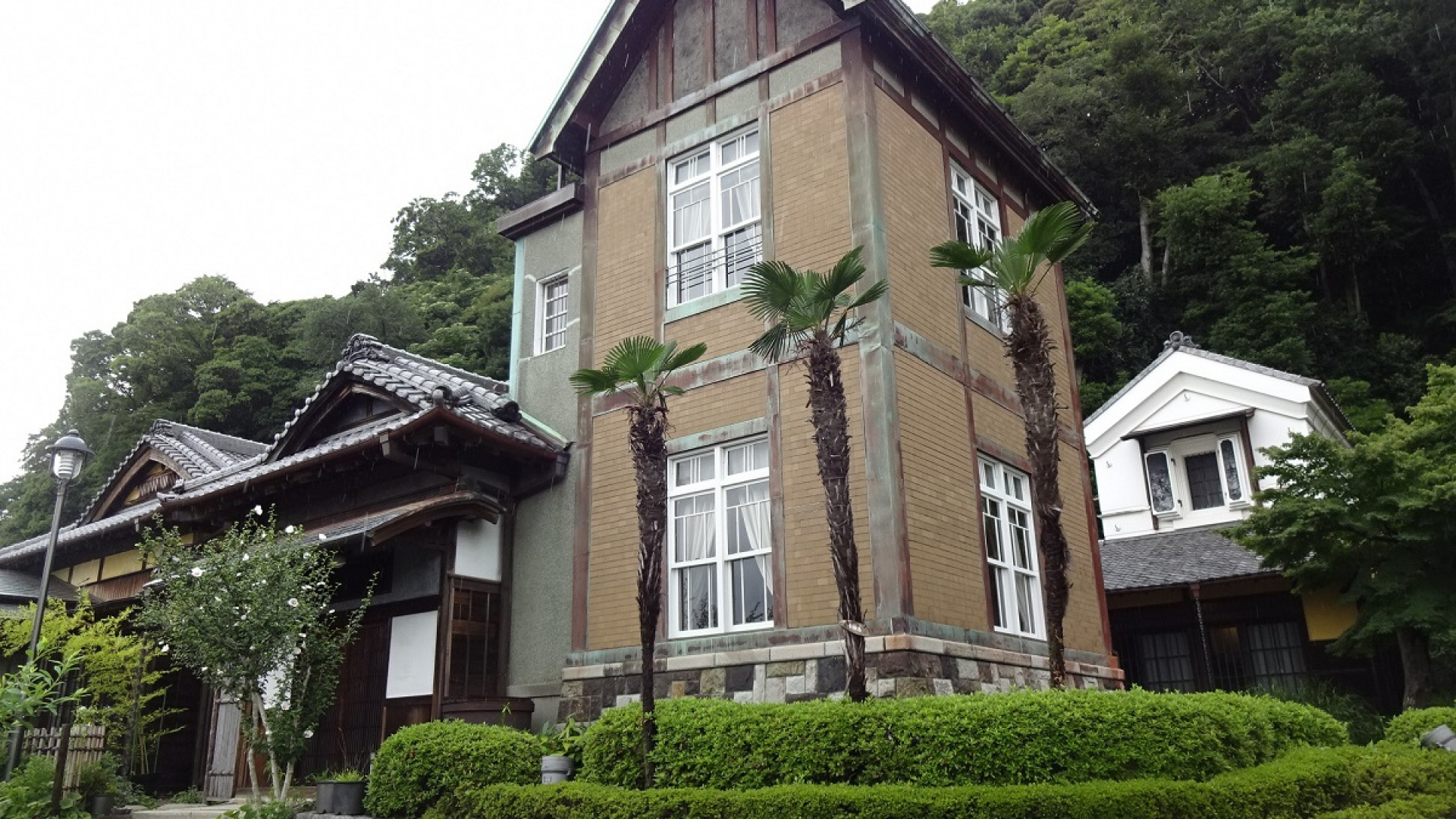
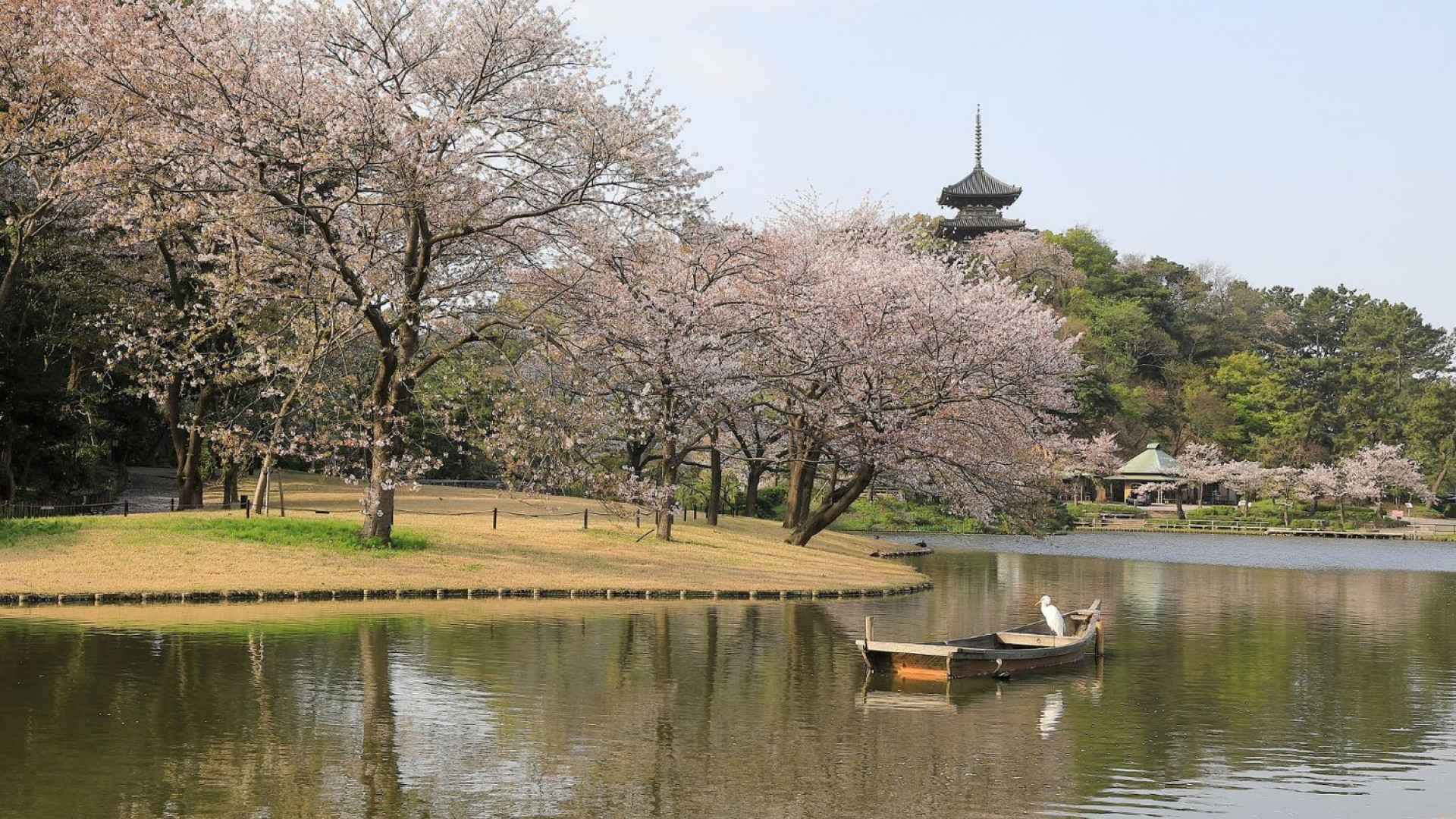
The vast classical Japan garden covering over 175,000 square meters was opened by Hara Sankei, a businessman who made a fortune with the Japanese silk trade. Rinshunkaku, the Three-Storied Pagoda of Old Toumyouji are amongst the properties designated as Important Cultural Properties by the Japanese government. The garden is also a famous viewing spot for plum and cherry blossoms, azaleas, and autumn leaves. Business hours are extended during special events.Experience a traditional Japanese Garden while learning a little history about Mr. Hara Sankeien, the designer. Grab a brochure at the entrance to find out which of the historic buildings are currently open for your exploration.Sankeien Garden holds a "Cherry Blossom Evening" from late March to early April every year. During the night event the beautiful lit-up cherry blossoms with a backdrop of historical buildings will take your breath away.

Nature & Views Tokaido Koshu kaido KANAGAWA
Kamakurabori Assembly Hall

Kamakurabori Assembly Hall

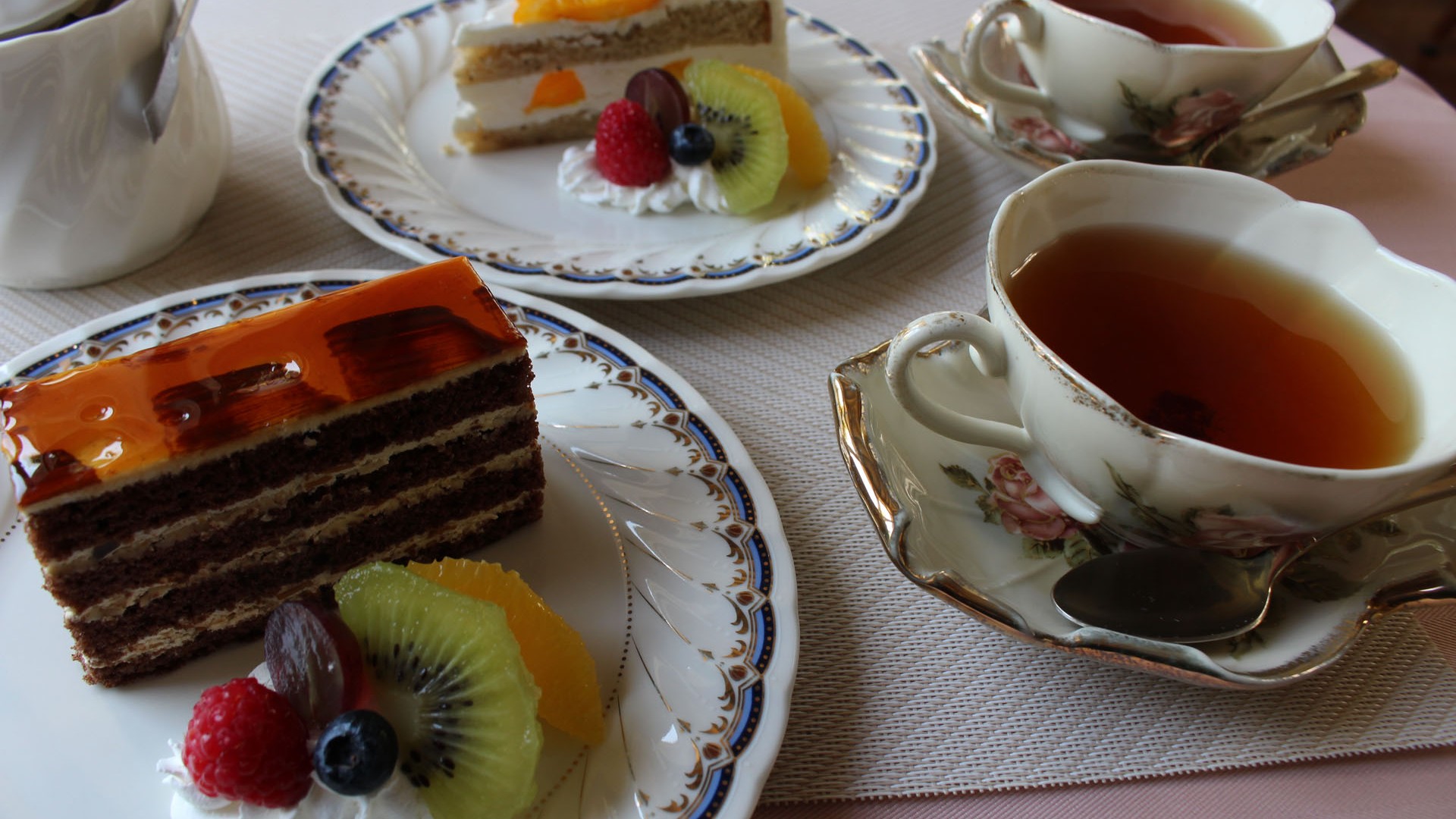
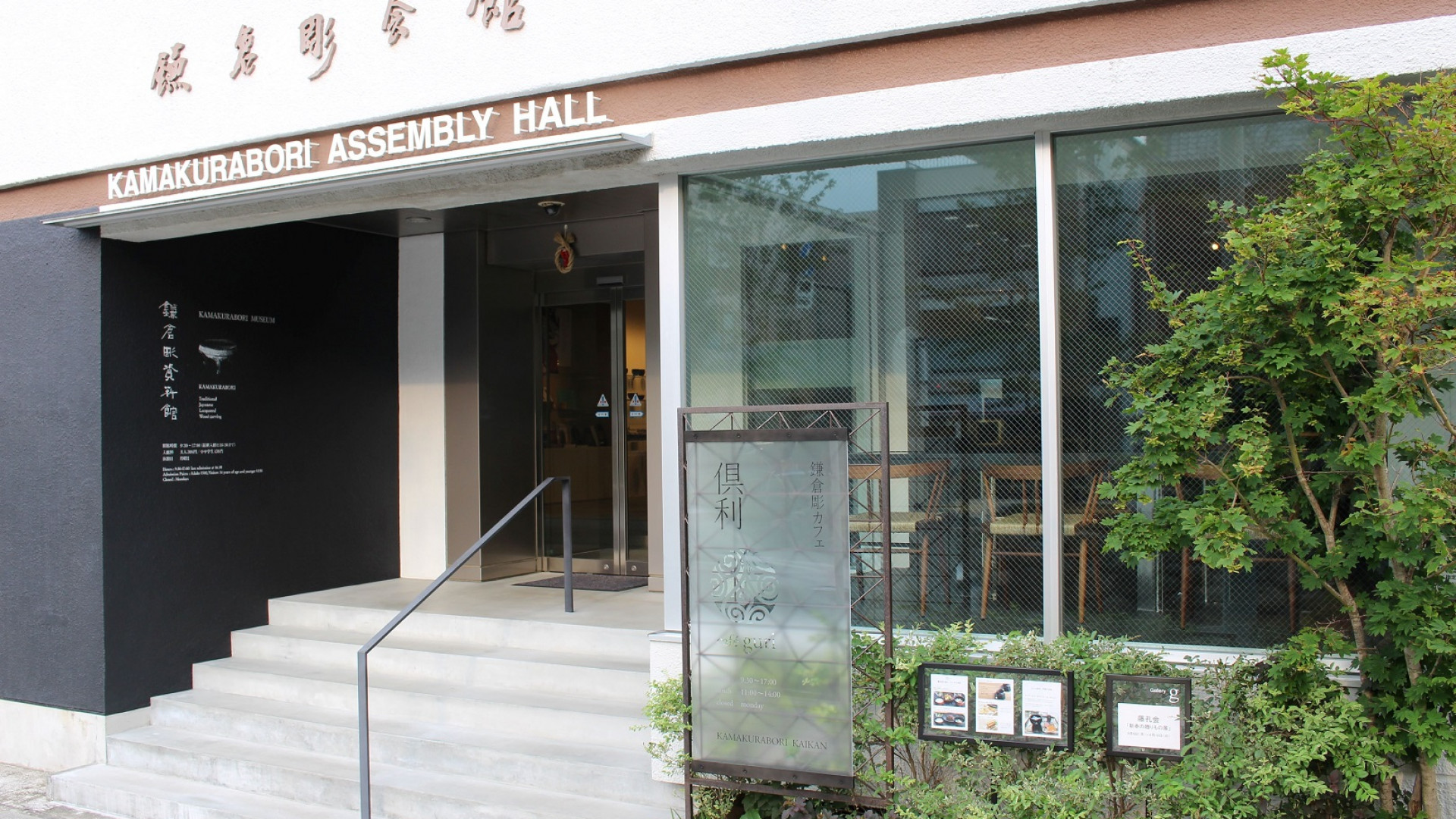
A cultural complex offering a place to experience history, culture, and exchange, with a café and store on the first floor and a gallery in the back, as well as a museum of Kamakura carvings on the third floor, and "Kamakura Sculpture Hall Cultural Workshops" on the second and fourth floors. In the Premium Workshop, visitors can experience making trays, plates, and other items under the direct guidance of Kamakura carving craftsmen to create one-of-a-kind works of art.

Culture & Arts Tokaido Koshu kaido KANAGAWA
Hakone-jinja Shrine

Hakone-jinja Shrine

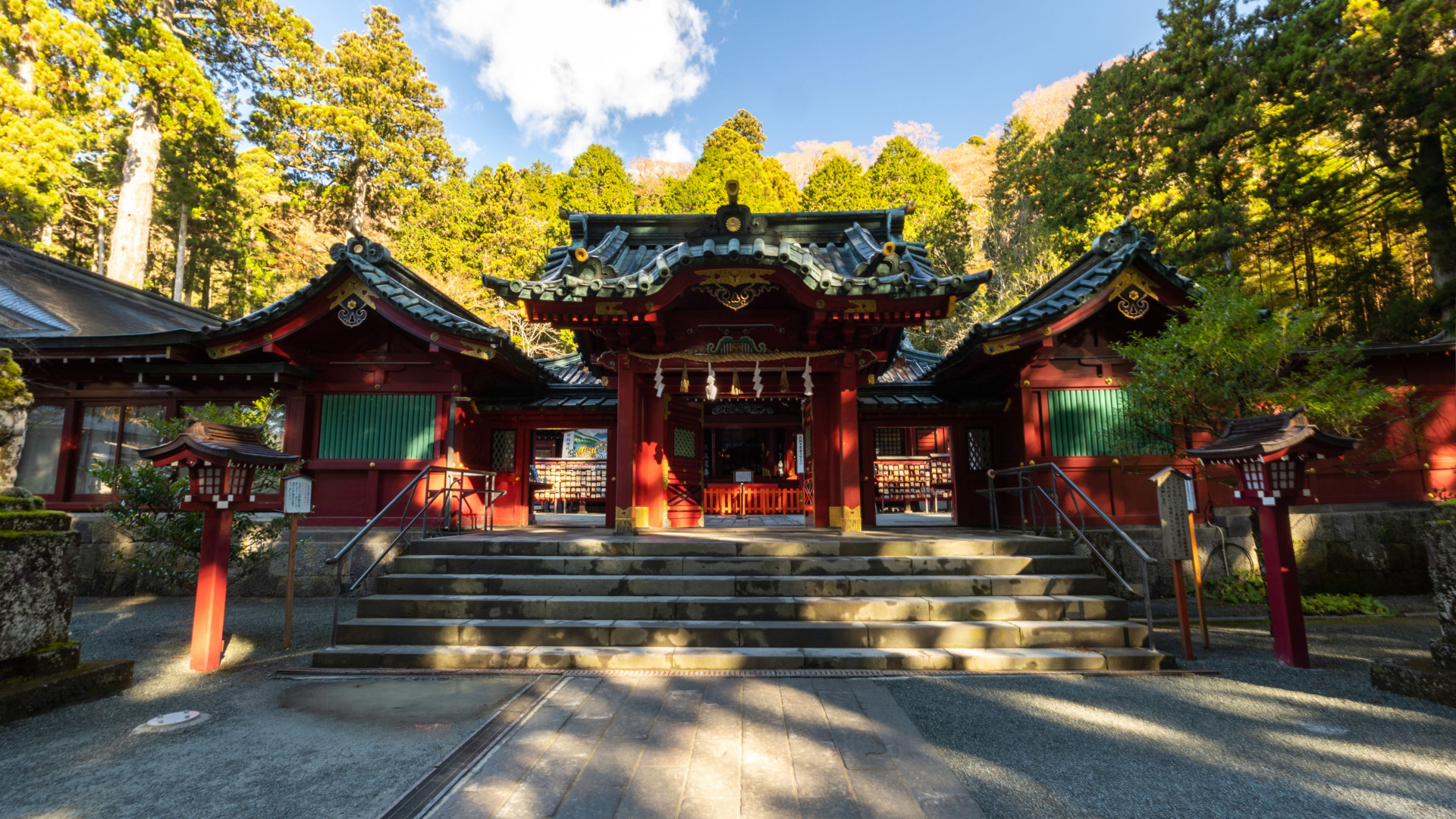
Hakone Shrine is an ancient shrine celebrating its 1266th anniversary. Founded in 757, the first year of the Tenpyo-Hoji Era, at the beginning of the Nara Period (710-794), when Mamaki Shonin, who was in ascetic training on Mount Hakone, was entrusted by the Great God of Hakone to the shrine at its current location by Lake Ashi. During the Kamakura period, Minamoto no Yoritomo deeply worshipped Hakone Shrine, giving birth to the custom of nishomode (pilgrimage to two shrines). Since then, the shrine has flourished as a place of reverence for warriors such as the regent Hojo and the warlord Tokugawa Ieyasu, as well as a sacred place for Shugen (Japanese mountain asceticism). In modern times, with the construction of the Hakone Road, Hakone became a sacred place of worship for the common people, and belief in Mount Hakone as a deity highly virtuous for protecting against bad luck, fulfilling one's desire, and ensuring traffic safety became even more popular. The approach from the Heiwa-no-torii (peaceful gateway) by Lake Ashinoko to the main shrine is flanked by rows of cedar trees more than 600 years old, giving the shrine a majestic appearance, behind the vermilion-lacquered Gongen-zukuri main shrine building is a pure forest of himeshara, a natural treasure of Kanagawa Prefecture, and the Gongen Mitarashi pond and Lake Ashi below reflect the vermilion Peace Gate and the sacred Mount Fuji, surrounding the shrine with beautiful nature. Many visitors from around the world come to pay their respects at the Kuzuryu Shrine (Shingu and Hongu), which is a shrine revered not only for its good fortune and prosperity, but also for its protection of money, prosperity in business, and match-making, particularly during the Tsukinamisai held at the main shrine on the 13th of each month. [Divine virtues] Good luck repelling of bad luck, fulfillment of one’s desires (protection against bad luck), traffic safety, match-making, family safety, and business prosperity On July 31st, the shrine organizes the Ashinoko Kosui Matsuri Festival to celebrate a legendary dragon. Monks sail the lake on pirate ships offering red rice to the depths below. Floating lanterns illuminate the lake waters while fireworks light the skies above.Lake Ashinoko Summer Festival Week: Hakone Summer Festival offers a variety of events such as the biggest annual festival of Hakone Shrine with Shinto celebrations and rituals, fireworks, and more. Many fireworks will be launched at a total of six fireworks festivals, adding color to the summer Hakone sky.


Temples & Shrines Koshu kaido Tokaido KANAGAWA
The Sumida Hokusai Museum

The Sumida Hokusai Museum

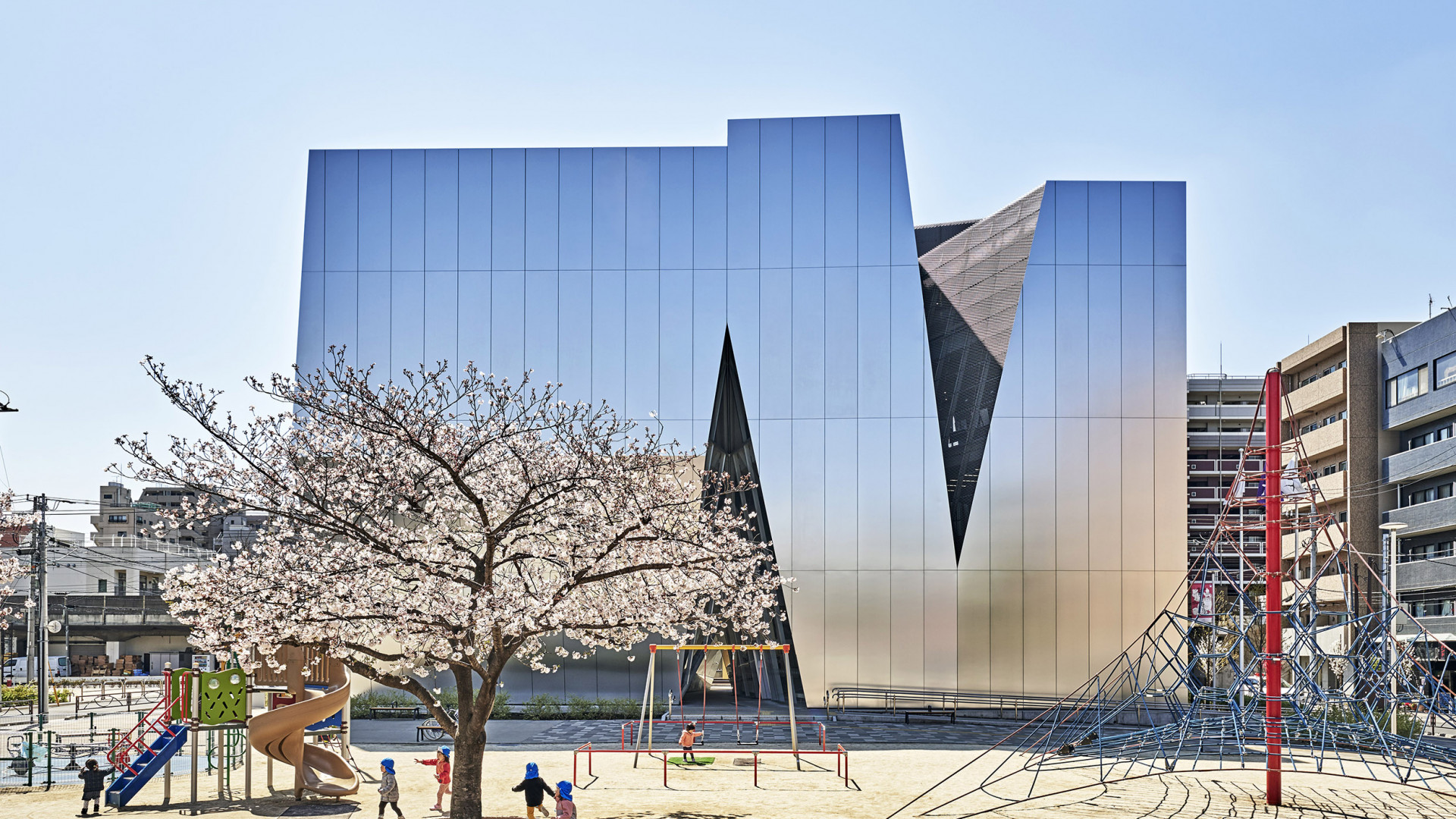
Katsushika Hokusai, a world-renowned ukiyo-e artist, was born in Honjo-Wari-Gesui (presently the Kamezawa area in Sumida Ward, Tokyo) in 1760 and spent almost his entire 90 years of life in Sumida Ward where he created a large number of masterpieces. In honor of this outstanding artist whom many local citizens are truly proud of, the Sumida Ward opened the Sumida Hokusai Museum as a base to invigorate the local community and contribute to the region’s industry and tourism. The collection features an exhibit of Hokusai and his disciples. Exhibitions of research and many other activities of relationships between Hokusai and Sumida are held. 

Culture & Arts Tokaido Koshu kaido KANAGAWA