
Greater Tokyo

See & Do

reset
Kanuma soba Nira soba

Kanuma soba Nira soba

Kanuma's native species of brown buckwheat has characteristically small seeds with a relatively thick, aroma-rich hull. Grown to full ripeness in Kanuma’s large, rainy forests, it has a profound flavor. Kanuma soba is prepared using locally-sourced water and buckwheat flour, giving it a unique sweetness and aroma that are popular among its fans. Soba is a staple food in Kanuma, and nira soba was born out of the local tradition of using nira (garlic chives) to both add volume to and spice up their soba.

Nikko kaido Oshu kaido TOCHIGI
Takinoo Shrine

Takinoo Shrine

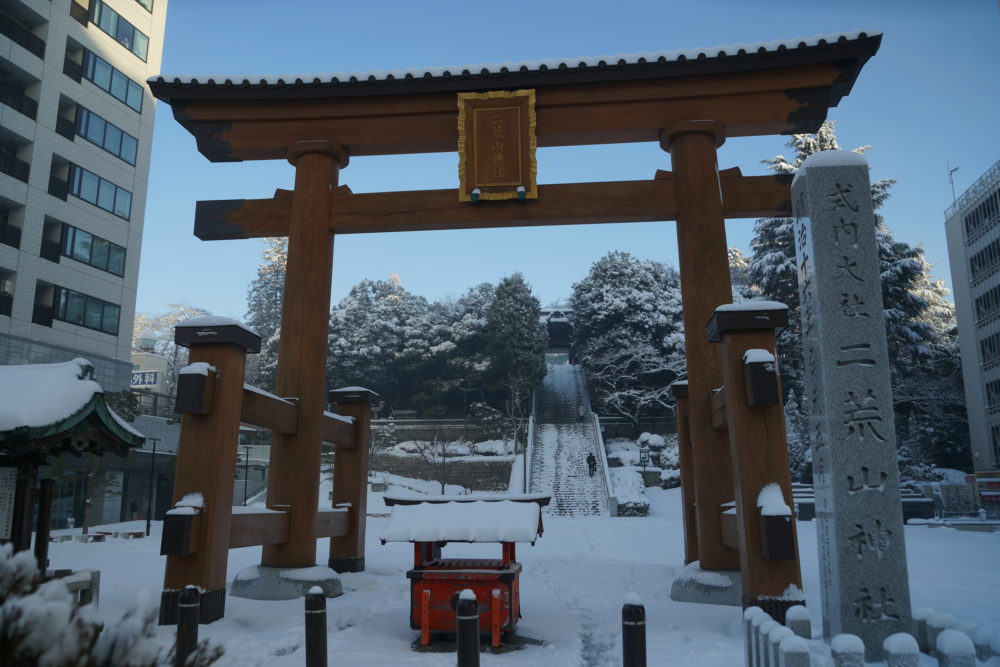
About a kilometer from Futarasan-jinja Shrine stands Takinoo-jinja Shrine, standing quietly amid the cedar trees. The atmospheric Takinoo-jinja is a popular place to pray for a successful marriage, pregnancy or birth, but people also come in search of more general luck. According to the legend, if you throw a coin through the small hole atop the torii gate at the entrance, you’ll be blessed with good fortune—but you only get three tries, so aim carefully."

Nikko kaido Oshu kaido TOCHIGI
Shirasagi Shrine

Shirasagi Shrine

The Shirasagi Shrine enshrines Yamato Takeru, the son of the Emperor Keiko the 12th emperor of Japan who was enshrined in 783.During those ancient days, Yamato Takeru carried the sword Kusanagi and travelled throughout Japan, leading the country to peace. Legend says that as a result, his soul turned into a swan and he continues to protect peace still.The shrine is also home to Japan's largest votive picture at a width of 8m and a height of 4m, which is known a votive picture which grants wishes and bestows happiness."

Nikko kaido Oshu kaido TOCHIGI
Deai no Mori Strawberry Farm

Deai no Mori Strawberry Farm

This strawberry farm is operated by a company created through a collaboration between Kanuma City and JA. At the farm, you can enjoy picking Tochigi's representative strawberry varieties, Tochiotome and Tochi-Aika. Reservations are required for strawberry picking, and you can eat as much as you want for 45 minutes. The greenhouses are barrier-free and equipped with toilets, so anyone can pick strawberries in safety. The shop also sells Tochihime, a strawberry that has been dubbed a phantom variety because of its soft flesh and rare availability, as well as the luxury variety Skyberry.

Nikko kaido Oshu kaido TOCHIGI
Shimotsuke Fudoki-no-Oka Museum

Shimotsuke Fudoki-no-Oka Museum

This museum displays artefacts excavated from the adjoining sites such as the National Historic Site-designated Shimotsuke Kokubun-ji Temple Remains and Amadera Ruins, and the Tochigi Prefecture Historic Site-designated Maruzuka Kofun and Atagozuka Kofun. The artefacts on display range from the Kofun period to the Nara period. Many ancient burial mounds, temple and provincial office ruins, and other sites connected to the prefecture's history and culture can be found in the area around the museum. The museum presents the history of Shimotsuke City from a variety of viewpoints, including government administration and the lives of everyday people in the distant past, the relationship between the region and more central areas of Japan, and the development of civil engineering and construction technologies."

Nikko kaido Oshu kaido TOCHIGI
Suga Shrine

Suga Shrine

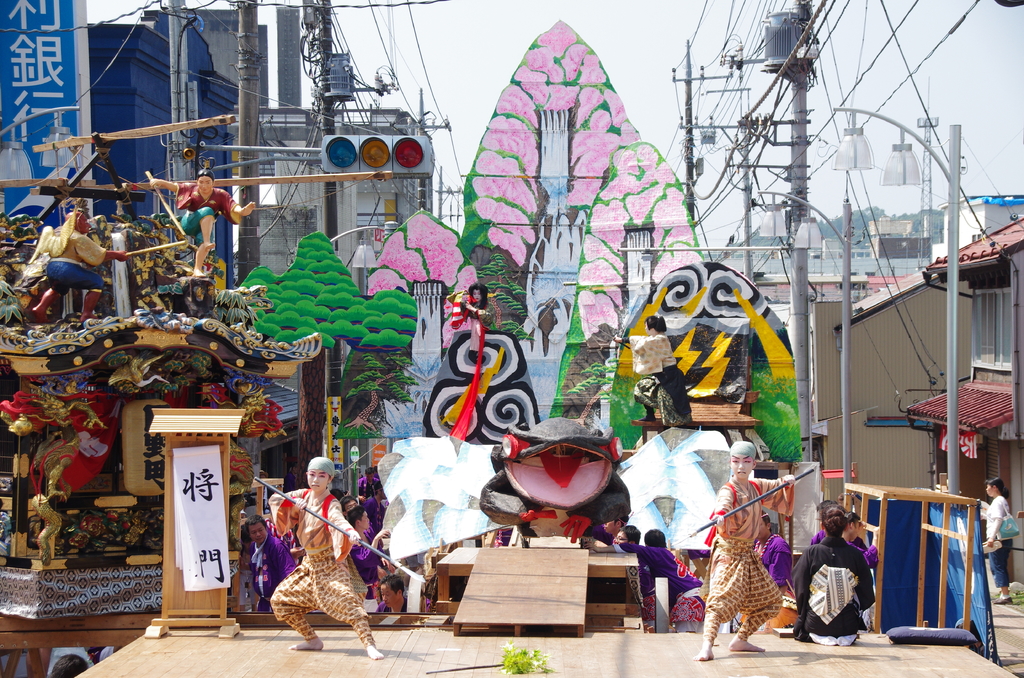
Birth of Suga Shrine Suga Shrine was built by a legendary samurai Fujiwara no Hidesato, who prayed to Susanoo-no-Mikoto for victory over his enemies. To thank God for their bless, he brought the God from Gion Shrine (Yasaka Shrine) to Oyama and built the shrine.   The site of the legendary “Oyama Council”, witnessed the birth of the Tokugawa hegemony. It is said that before the Battle of Sekigahara in A.D 1600, Tokugawa Ieyasu held the famous “Oyama Council” at Suga Shrine and prayed for the victory of the battle.   After Ieyasu’s victory and the establishment of the Edo Shogunate, Suga Shrine was greatly honored by the Shogunate. In 1658, staff members who had participated in the construction of Nikko Toshogu Shrine, created a miniature version of the Akamikoshi in Toshogu Shrine, which became the pressure of Suga Shrine.   Today Suga Shrine’s Akamikoshi has been designated as a “Cultural Property by Tochigi Prefecture”.   Enjoy the Gion Festival in Tochigi! As a famous Gion Shrine, Suga Shrine is also called “Gozu Tenno Shrine”. Suga Shrine holds “Gion Festival” on July 14 to 21 every year, 25 mikoshi including one massive one that weighs in at 2 tons are carried through the city in “Mikoshi Wataru” on July 20.   According to “Shimotsuke Province Choreography(下野国誌)” written in Edo period, Suga Shrine’s “Gion Festival” is the “best Gion Festival in Shimotsuke Province.”

Nikko kaido Oshu kaido TOCHIGI
Nasu Alpaca Farm

Nasu Alpaca Farm

The first and largest alpaca farm in Japan.This alpaca farm is located along Prefectural Route 305 in Oshima, Nasu Town. About 400 alpacas are being raised on the expansive grounds of the ranch. Throughout the four seasons, you can enjoy watching the alpacas amidst the natural scenery of Mt. Nasudake. Fluffy four-legged friends are waiting for your visit, you can feed them, take a stroll with them, and take many unique photographs together with them. Enjoy watching and petting lovely wonder alpacas!"

Nikko kaido Oshu kaido TOCHIGI