
Greater Tokyo

See & Do

reset
Bannaji Temple

Bannaji Temple

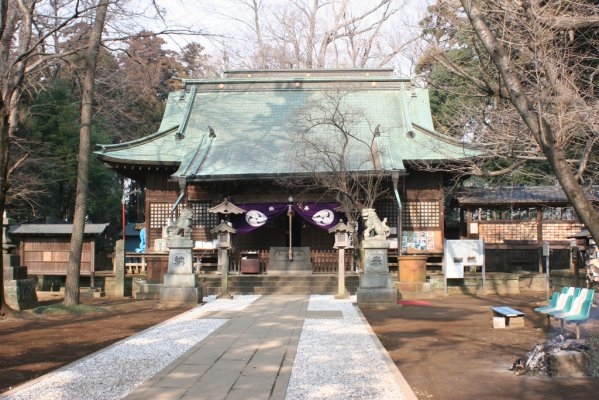
History of Bannaji Temple On the site of the present-day Bannaji Temple, a powerful samurai called Minamoto no Yoshiyasu, who was as famous as Taira no Kiyomori and Minamoto no Yoshitomo (the father of Minamoto no Yoritomo and Minamoto no Yoshitsune) built his castle at the end of Heian period. He is the first generation of Ashikaga family.   In 1196, Ashikaga Yoshikane, the son of Yoshiyasu, built a hall dedicated to Dainichi Nyorai, and the 3rd head of Ashikaga family, Ashikaga Yoshiuji, built a hall tower and other buildings. Since that, the Bannaji Temple bacame the clan temple of Ashikaga family. 150 years later, the 7th head of the family, Ashikaga Takauji, founded the Muromachi Shogunate, which gave the Ashikaga family the reign of Japan. Even in the Edo period, as the temple of the Ashikaga family, the direct descendant of the Minamoto clan, was revered and protected by the Tokugawa Shogun, who claimed to be a member of the Minamoto clan.   Became the National Treasure of Japan In 1923, Bannaji Temple was designated as a National Historic Site as the "Ashikaga Family Residence". The main hall, the bell tower, and the sutra hall were designated as National Important Cultural Properties. It was selected as the one of the 100 most famous castles in Japan. The 40,000-square-meter territory is laid out in a square shape, surrounded by a circular fortress and a moat, and retains the characteristics of the Kamakura period's Buke Yashiki (samurai's house).   Annual Events On February 3, the temple hosts the Ashikaga Setsubun Armor Parade, in which more than 150 participants dressed as samurai and wearing armor parade to Bannaji Temple and then perform the bean-scattering ceremony. In spring, you can enjoy cherry blossoms, and in fall, you can see the leaves of the city's natural monument, the Ginkgo tree (about 600 years old), turn yellow, and the beauty of the tree is breathtaking.      

Nikko kaido Oshu kaido TOCHIGI
White Water Rafting

White Water Rafting

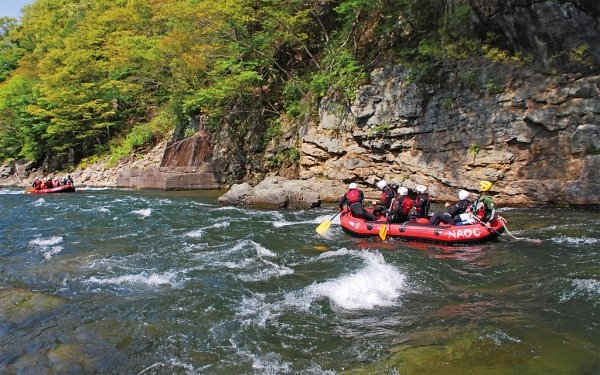
Jump in a rubber boat and work together with your fellow rafters to navigate the white water. Experience the natural surroundings in a way unknown to drivers or walkers. Follow the flow of the river, listen to streams and birds singing, dive into the water from the surrounding rocks, and fly down the rapids as if on a roller coaster, a variety of thrills are waiting for you! 0288-70-1181 (NAOC) 0288-77-2030 (Nikko Nasu Outdoor Service) 0288-77-4802 (eRafting)

Oshu kaido Nikko kaido TOCHIGI
Nasu Kogen Rindo Lake Family Ranch

Nasu Kogen Rindo Lake Family Ranch

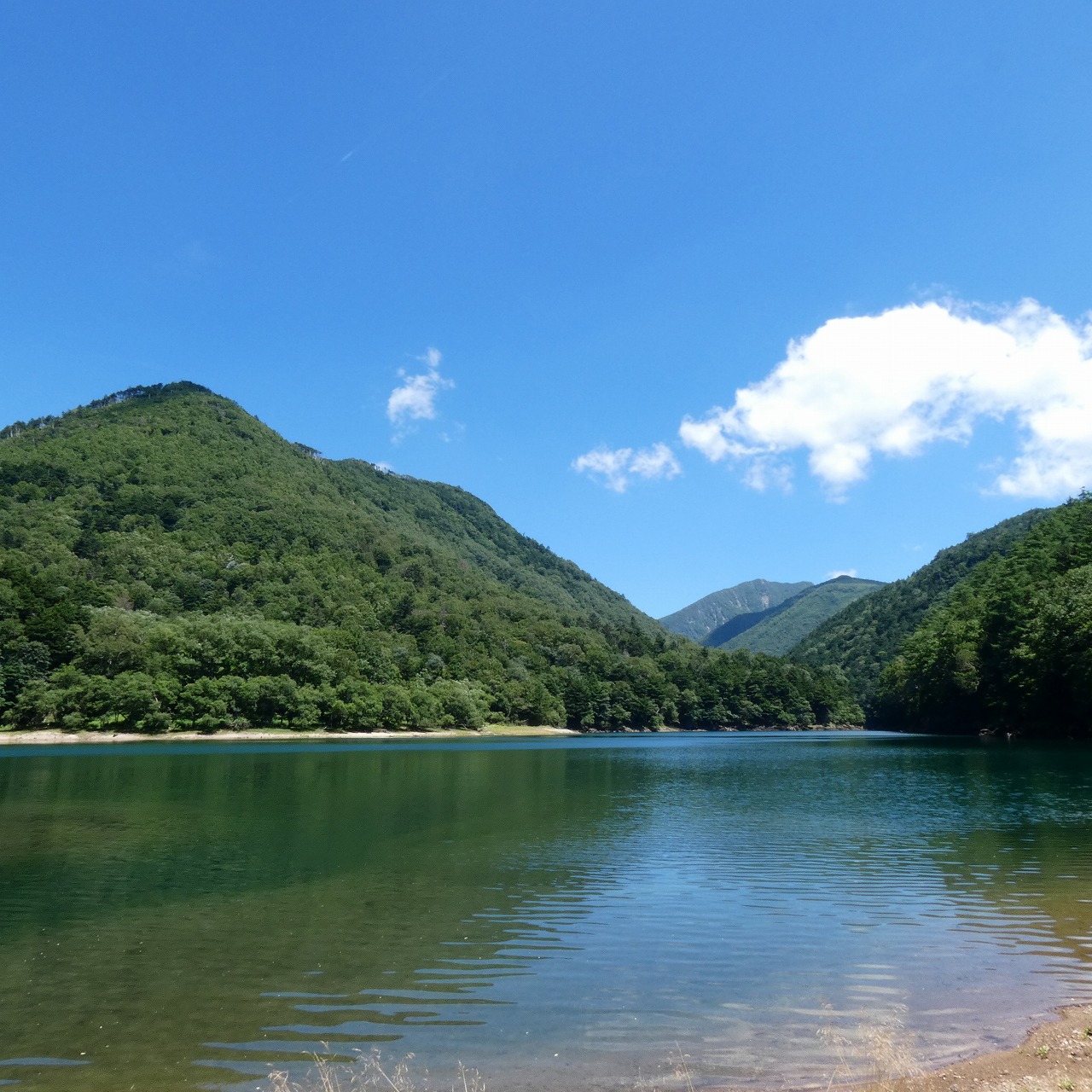
A leisure facility covers 300,000 square metres surrounded by abundant nature around a lake. The interactive farm especially delight children through the experiences such as feeding lovely animals, riding horses and milking cows by hands. Other popular attractions are pleasure boats viewing Nasu mountain ranges and park itself from the lake, the Swiss railway running alongside the lake and the nation’s longest “Zip Line” where you zip along a wire over the lake. Refresh yourself with ice creams and daily products made with Jersey milk for a break!

Nikko kaido Oshu kaido TOCHIGI
Coffee House “yukon”(CHUZENJI KANAYA HOTEL)

Coffee House “yukon”(CHUZENJI KANAYA HOTEL)

Coffee House yukon is located about 4 minutes walk from Chuzenji Kanaya Hotel. It is a store directly managed by Chuzenji Kanaya Hotel, and it is attractive for its location overlooking Lake Chuzenji. You can enjoy dishes such as the Kanaya Hotel Hundred Year Rice Curry, recreated from the hotel's Taisho era recipe. It's recommended for lunch and tea time. Takeout menu is also available, perfect for accompanying your exploration of Oku-Nikko.

Nikko kaido Oshu kaido TOCHIGI
Moka Lantern Festival

Moka Lantern Festival

The Moka Lantern Festival is held every year on August 15 at Gyokuya River Waterfront Park. The trees in the park are lit up, creating a fantastic atmosphere. On the stage, a concert will be held to bring back memories of the past. 3,500 lanterns floating on the surface of the river like scattered jewels will give you a sense of peace. We suggest that buy your lantern before the event begins. (Â¥600/a lantern) In addition, local restaurants will set up booths at the plaza, where you are welcome to enjoy food and drink as well as lantern viewing. Traffic Control 17:30~21:30 Parking Area Moka City Hall, Ashikaga Bank, Joyo Bank and Four Season Seifu, please check more informations on website.

Nikko kaido Oshu kaido TOCHIGI
Setsubun Armor Year-cross in Ashikaga

Setsubun Armor Year-cross in Ashikaga

What is Setsubun Armor Year-cross? Every year’s February 3 is “Setsubun” festival in Japan, symbolling the end of the winter. On this day, Ashikaga City holds “Armor Year-cross” event, over 200 people would dress as samurai to join the event. The parade walk to Bannaji Temple from Orihime Community Center. People celebrate their victory when they arrived at Bannaji Temple, and pray for city’s prosperity. History of Setsubun Armor Year-cross Back to the Kamakura period about 750 years ago, a powerful samurai called Ashikaga Yasuuji led 500 samurai to assemble at Bannaji Temple, the residence of Ashikaga Family, in order to honor their family. 120 years later, his descendant, Ashikaga Takauji, became the Shougun of Japan and created the Muromachi period. This event was closed in the late Edo and Meiji eras, but in 1915 (Taisho 4) it was restarted by a group of fiber workers. Ashikaga City has samurai armor and kimonos for visitors to try on.

Nikko kaido Oshu kaido TOCHIGI
Utsunomiya Gyoza Festival

Utsunomiya Gyoza Festival

  Utsunomiya is famous throughout Japan for its gyoza, and so it’s only fitting that an annual festival to the fried dumplings would be held in the city. The Utsunomiya Gyoza Festival has been held at the beginning of November since 1999, with members of the Utsunomiya Gyoza Committee setting up stalls to sell their famous dumplings.   Visitors will be able to enjoy the subtle differences of dozens of dumplings as well as fill empty stomachs at a low cost: A three to five piece portion of gyōza, whether fried, boiled or steamed, will cost just 200 yen.   During the two days of festivities, visitors can also watch music bands and comedians at Miyajazz Inn, or see other live concerts at nearby venues.

Oshu kaido Nikko kaido TOCHIGI
Ooyaji Temple(Ooya Kannon)

Ooyaji Temple(Ooya Kannon)

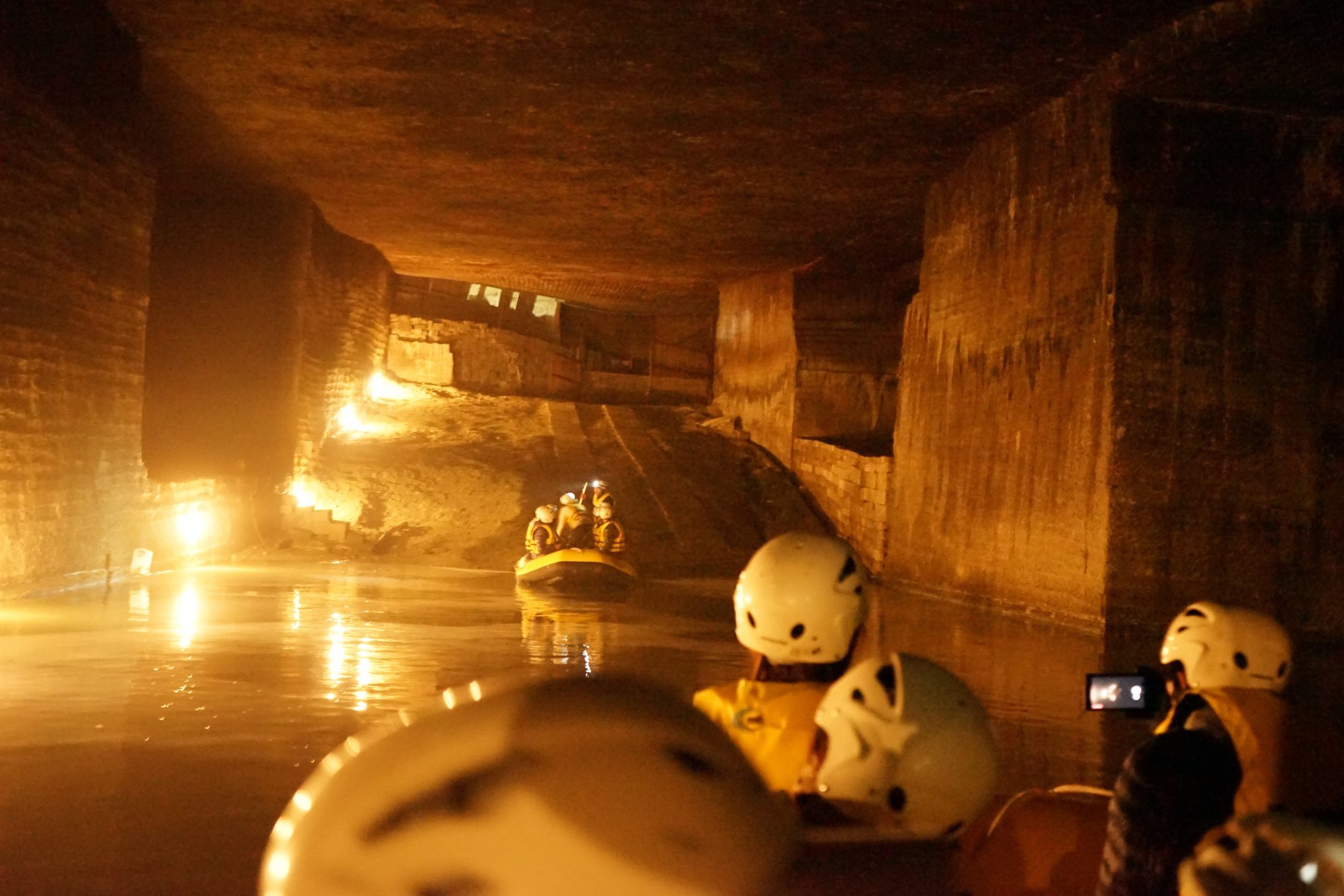
The beginning of Ooyaji Temple Nearby the Utsunomiya City, the Ooyaji Temple has been built surrounded by a cavern. Within the temple are 10 stone carvings of buddha carved directly into the cavern wall including Japan’s oldest statue of the goddess Kannon (the Oya thousand-armed Kannon).   It is said that long time ago, a venomous snake was living in the Oya area and every creatures were killed by its poison. In A.D. 810, a famous monk Kukai Daishi heard this story and stayed at this area for a few days. When he left, he told people that the snake would never come back again. People found that there was a Senju Kannon (also known as Ooya Kannon) carved into the cavern, and built this temple for thanking Kukai Daishi.   Symbol of Japan's Silk Road, the Ooya Kannon In recent study, scholars had found some similarities between Ooya Kannon and the Buddhas of Bamiyan. It is believed to be Japan’s Silk Road heritage carved by Afghan monks.   When you visit, please join your hands in prayer for world peace and happiness for people while reflecting on Kannon’s great heart.

Nikko kaido Oshu kaido TOCHIGI
Mock Sumo Festival of Ikiko Shrine

Mock Sumo Festival of Ikiko Shrine

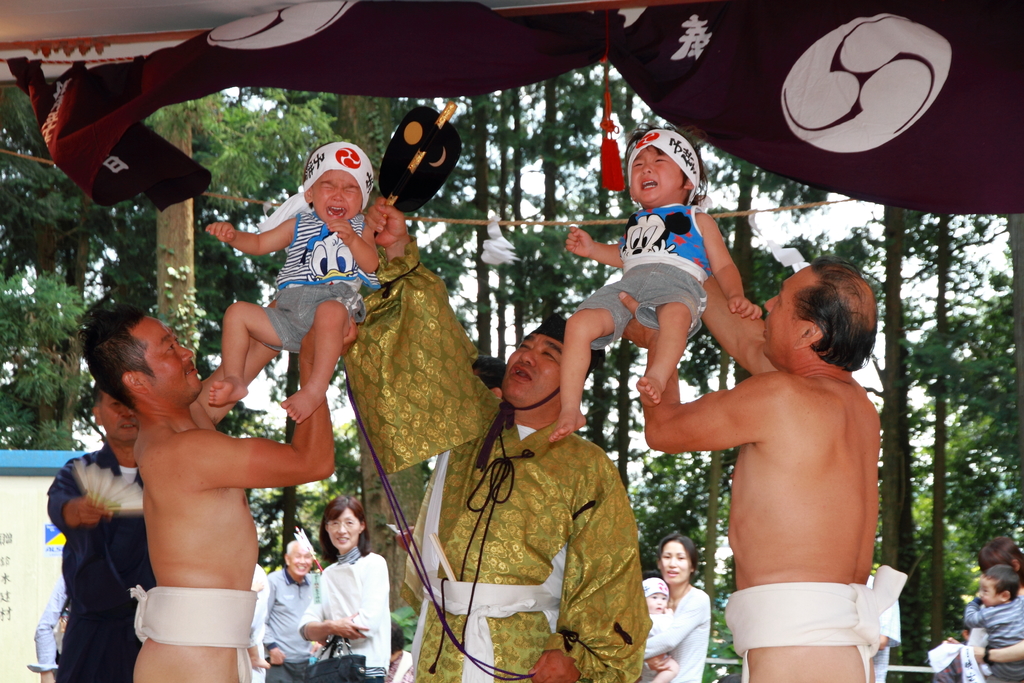
Enjoy a mock Sumo festival of Ikiko Shrine. Nakizumo, crying baby Sumo, is Japan's traditional event to pray for health and growth of the baby. In this style of Sumo wrestling, two children from one to two years of age are carried respectively by two local parishioners dressed as Sumo wrestlers to battle each other with shouts of "Yoisho, Yoisho," with the winner being the who cries first. It is held at Ikiko Shrine every September.

Nikko kaido Oshu kaido TOCHIGI
Ichigo-no-Sato Farm

Ichigo-no-Sato Farm

At Ichigo-no-Sato Farm, you can enjoy picking ripe strawberries such as Tochi-Aika and Skyberry from December to May. Besides strawberries, the farm offers a variety of other fruits such as cherries, grapes and blueberries depending on the season. There are cafes, an Italian buffet restaurant and shops providing a wide range of products made with freshly picked fruits. Seasonal events are held at the studio such as cake baking classes and jam making workshops. Ichigo-no-Sato Farm also grows a rare variety of strawberries called "Tochihime," which has soft flesh and is difficult to transport, so can only be eaten at tourist strawberry farms. There are strawberry-picking plans available that allow you to eat Tochihime, so be sure to try the difference in taste.

Nikko kaido Oshu kaido TOCHIGI
Kurobane Furusato Bussan Center Restaurant

Kurobane Furusato Bussan Center Restaurant

A traditional Japanese house built over 170 years ago has been relocated to the Kurobane Furusato Bussan Center. This building with a thatched roof houses Kurashi no Yakata and a restaurant. At the restaurant, ‘Oroshi Soba ― Yamizo Asagiri hand-picked soba ―’ is one of the popular menu items made with locally produced buckwheat flour. Adjacent to the restaurant is the Bussan Center. There, you can buy delicious vegetables produced by local farmers and steamed buns made with love. They also sell additive-free homemade miso called Ginjo Ichinen Miso. It is popular because miso soup made with this miso in the morning stays tasty until night.

Nikko kaido Oshu kaido TOCHIGI
Shionoyu-onsen Rengetsu

Shionoyu-onsen Rengetsu

Rengetsu stands at the base of the untouched Shiobara Valley with its 30-meter drop. The sound of the stream, comfortable breeze, and panoramic views of the beautiful valley that changes with the season surround Rengetsu to create the finest, out-of-the-ordinary experience. All guest rooms come with a tub filled with natural hot spring water and a view of the beautiful valley. Take your time to fully relax and enjoy our famous “skin beautifying hot spring,” which has a wide variety of health benefits. Rengetsu also features an open-air hot spring bath surrounded by nature, a spacious large indoor bath, and three elaborate private open-air hot spring baths. For dinner, you will be served a kaiseki multi-course meal featuring various local foods and tastes. All these dishes are carefully prepared for your fullest satisfaction using seasonal ingredients that entertain both your eyes and taste buds. Rengetsu also offers the Golf Plan where you can enjoy your stay and golfing at a nearby golf course. 【About the hot spring】 Water color: clear Spring water type: chloride spring water Efficacy: alleviates nerve pains, rheumatism, sensitivity to cold, and fatigue Note: there are private open-air hot spring baths (first-come-first-served basis and no reservation needed)

Oshu kaido Nikko kaido TOCHIGI
Okashitsukasa Beniya Miyake

Okashitsukasa Beniya Miyake

Okashitsukasa Beniya Miyake, a traditional Japanese confectionery store, is popular for its cute and beautiful sweets. Their jouyo nerikiri (a type of Japanese confectionery), made with carefully selected ingredients and crafted by skilled artisans, is incredibly popular for its elegant flavor and charming appearance.As it often sells out quickly, we recommend visiting the store early. Please try these confections that the artisans have put their heart and soul into creating.

Nikko kaido Oshu kaido TOCHIGI
Okabe Memorial Hall Kinrinso

Okabe Memorial Hall Kinrinso

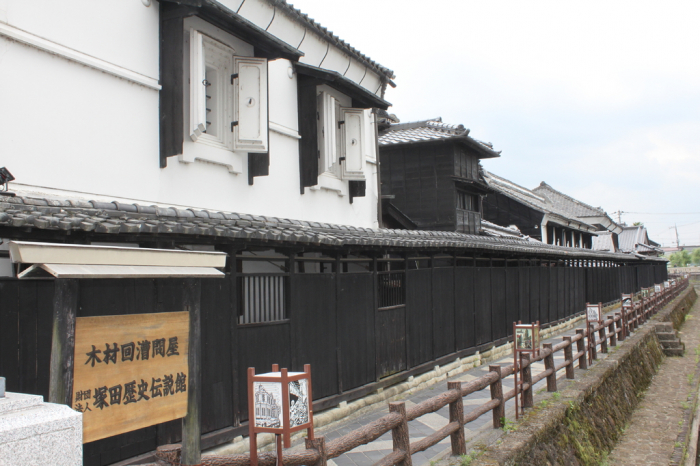
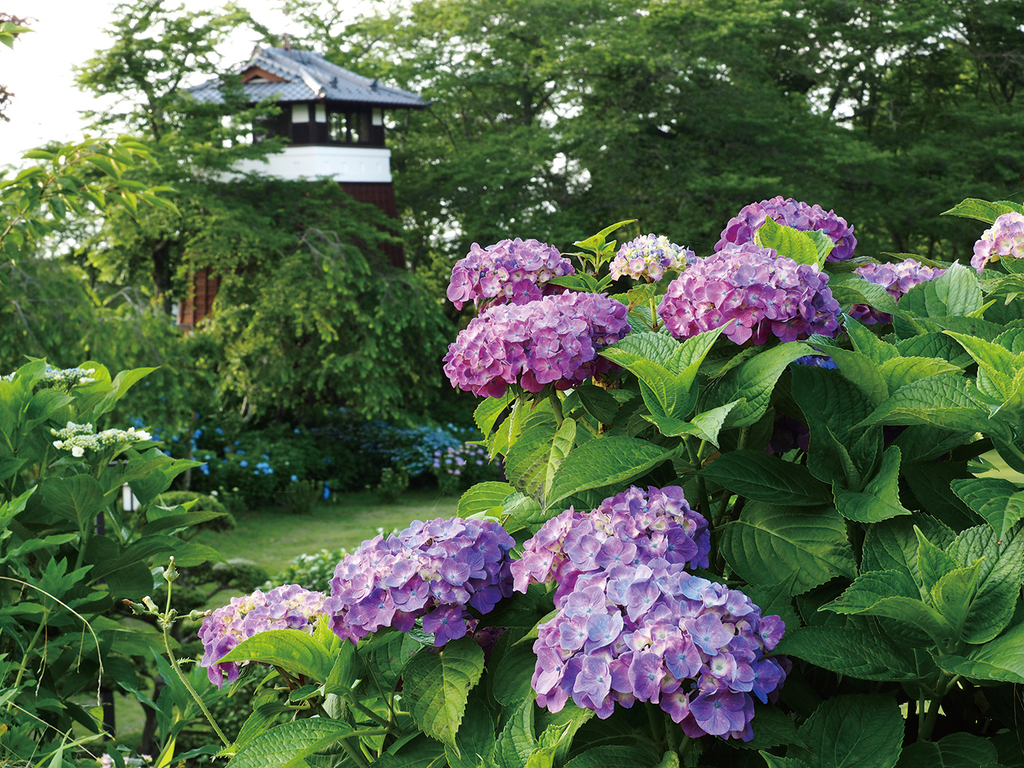
Okabe Memorial Museum "Kinrinso" has a circular Japanese garden and is surrounded by a stone wall made of local Isoyama stone (no longer produced).   The building was constructed in the middle of the Meiji period by Kyushiro Okabe, who collected building materials over a period of many years and trained carpenters and joiners in Tokyo for three years. The two-story wooden structure is a fireproof storehouse.   The interior is characterized by the use of ebony, ebony, and ironwood for all the alcove sections. Many of the paintings, calligraphies, and antiques in the interior are by authors closely associated with the region.   It was used as a villa of the Okabe family until 1952, as a venue for entertaining related parties and for displaying draperies. After that, it was used as a kappo restaurant "Kinrinso" until June 1988. In August of the same year, the city rented the building and decided to preserve it as the Okabe Memorial Museum "Kinrinso" in order to pass it on to future generations as a historical and cultural heritage of 100 years of Moka City's modern era.   It was designated as Tochigi Prefecture Tangible Cultural Property (building) on January 14, 2000, and together with the buildings of the Bussan Kaikan and Cotton Studio (now Cotton Hall), was donated to Moka City by the Okabe family in January 2001.  

Nikko kaido Oshu kaido TOCHIGI
Bijin Benten (Akashi Benten, Itsukushima Shrine)

Bijin Benten (Akashi Benten, Itsukushima Shrine)

It was erected in Kansei 5 (1793), and before the Meiji Restoration (Meiji Ishin), it was known as the Akashi Benten Hokora. In the past, there was a pond where Kiyomizu (Pure water) springs in this village, and it is said that she worshiped as a god closely related to the water. "Bijin (Beautiful Woman) Benten" is an alter ego of Ichikishimahime, a Enshrined deities of Itsukushima Shrine. 【Issuing a "Bijin (Beautiful Woman) Certificate"! * Fee Charging】 "Bijin (Beautiful Woman) Certificate" is a charm that issued by Honjyo Itsukushima Shrine (Bijin Benten) that certifies "Beauty". "Beauty" for "Bijin Benten" protects and proves the "kindness of women's hearts" that all women have, not the beauty of appearance."

Nikko kaido Oshu kaido TOCHIGI