
Greater Tokyo

See & Do

reset
Musasabi Bridge

Musasabi Bridge

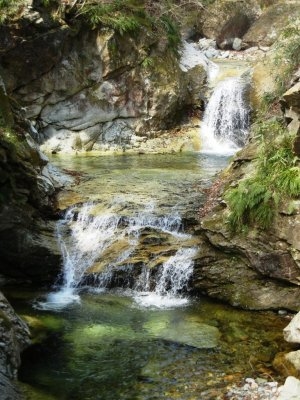
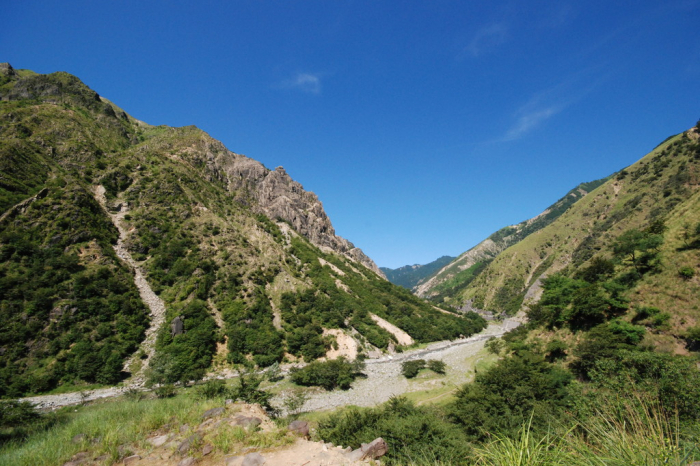
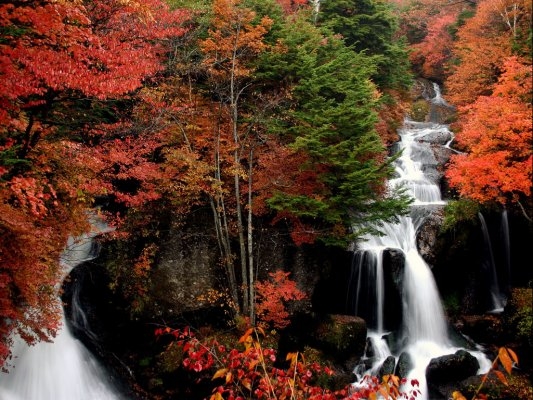
One of the most popular photo spots along the Ryuo Gorge hiking trail Musasabi Bridge is located along the mid-section of the Ryuo Gorge hiking trail in Nikko National Park, and is one of the suspension bridges connecting both sides of the gorge. The geology here belongs to “Hakuryu Gorge,” with the valley below the bridge formed of rhyolite. On both sides lies a well-preserved wetland ecosystem, where skunk cabbage blooms in spring, and in summer visitors can observe the rare forest green tree frog. Compared with Nijimi Bridge at the starting point, the area around Musasabi Bridge feels quieter and closer to nature. Standing on the bridge, away from the crowds, you can listen to the murmuring flow of the Kinugawa River and the rustling of leaves in the breeze—a perfect spot to calm your mind during the hike. Continuing upward from here, you can reach the Seiryu Gorge section, known for its unique rock formations, and enjoy many famous geological sights. It is a hiking journey that combines nature, geology, and tranquil moments.

Nikko kaido Oshu kaido TOCHIGI
Kaneda Orchard

Kaneda Orchard

Kaneda Orchard uses electrolyzed water, organic fertilizers, and reduced agrochemicals to grow pears. It offers fully ripe pears grown through a carefully designed cultivation method. Besides opening the orchard for pear picking and selling pears, it also sells a wide variety of processed pear products including pear jelly, pear juice Haga Isshou, Shiawase wo Yobu Kosui Nashi no Cider, and Nikkori Nashi no Cider. The recommended juice preparation is equal parts pear juice and carbonated water. It tastes good with ice, too. It is also delicious when frozen and eaten as sorbet. Come and enjoy yourself at Kaneda Orchard.

Nikko kaido Oshu kaido TOCHIGI
Ashikaga Lamp Story

Ashikaga Lamp Story

Ashikaga City, the "Small Kyoto" of Tochigi Pref., tinted with fantasy colors   Most famous spots like Bannaji Temple, Ashikaga School and Ashikaga Orihime Shrine would set up lamps, making visitors feel like they are in a dreamy and mysterious world.   The site of Ashikaga School, the oldest school of Japan, would display Flower Hand Water and Wagasa (Traditional umbrella) Light Show produced by Ashikaga Flower Park, and dreamy bamboo lanterns will be displayed in the bamboo forest on the campus.   In the National Treasure “Bannaji Temple”, the lanterns are placed on the bell tower, the main hall, and the 550-year-old ginkgo tree, so that you can enjoy the lanterns while experiencing the historical atmosphere of the temple.   Ashikaga Orihime Shrine, known as a “Sacred Place for Lovers”, would display 90 Ashikaga Meisen lamps on their staircase. The gorgeous Meissen motifs are illuminated by the colorful lights.

Nikko kaido Oshu kaido TOCHIGI
Omaruyama Hotel

Omaruyama Hotel

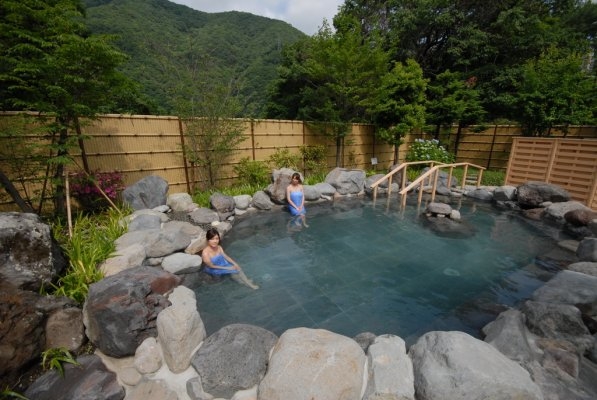
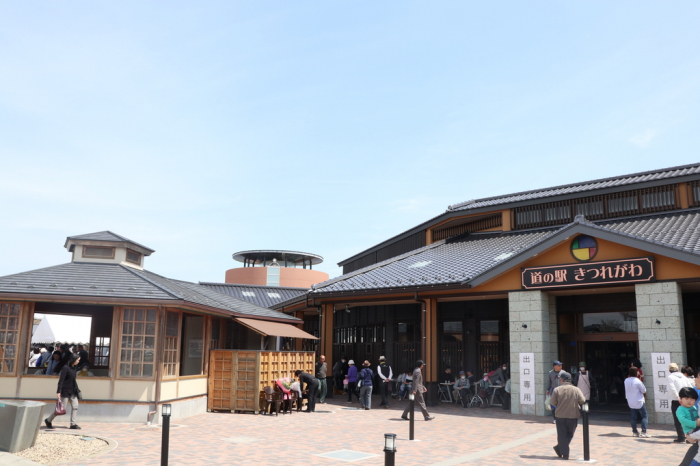
his hotel was built with the hope of allowing visitors to experience the nature and history of this land, which local people have cherished for many years, while enjoying a comfortable stay.   The hot springs here are sourced 100% from "Kitsuregawa Onsen", one of Japan's top three beautifying hot springs. Renowned as one of the finest quality hot springs in the country, it gently removes dead skin cells, has high heat retention and moisturizing properties, and helps prevent dryness. Our guest rooms, surrounded by lush forests, offer a peaceful and relaxing environment.   One of the highlights of your stay is our cuisine, which features creative dishes that showcase the freshest local ingredients and are designed to be "enjoyed with all five senses".   Why not visit our hotel and experience our warm hospitality filled with the charm of the local area?   【About the Hot Spring】 Water color: Brownish Spring quality: Chloride spring Therapeutic effects: Rheumatism, diabetes, chilblains, acne, etc.

Nikko kaido Oshu kaido TOCHIGI
KANAYA KASHI HONPO

KANAYA KASHI HONPO

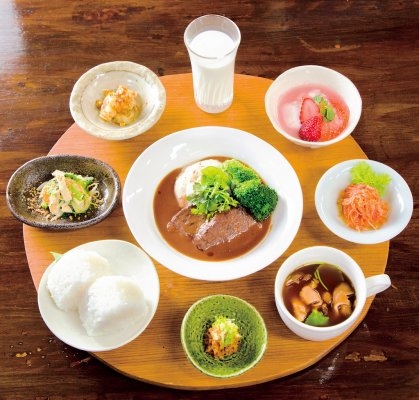
Kanaya Kashi Honpo is a gift shop and café operated by a long-established Japanese hotel. The product lineup includes cookies, based on an original recipe that combines Japanese and Western flavors, and baked confectionery such as pies. The signature Biscuit Series (Cookies) has three variations: Cheese Biscuits (Pastel), Sansho Pepper Biscuits (Loire), and Maple Caramel Biscuits. All of them are carefully made at a factory directly managed by the Kanaya Resorts group. The shop has a modern Japanese style café with the interior design emphasizing wood grains. During the lunch hours, you can casually enjoy the taste of hotel restaurants. Japanese-Style Beef Stew over Rice is a carefully crafted dish using miso and soy sauce produced in Tochigi and is the traditional menu item of the long-established Japanese-style hotel, Kinugawa Kanaya Hotel. Roast Beef Plate is a dish that generously uses sirloin beef, the signature ingredient used at Kinugawa Onsen Hotel. Kanaya Kashi Honpo is the perfect place for taking a break or buying souvenirs during a trip.

Nikko kaido Oshu kaido TOCHIGI
Nasu no Uchibento (Nasuben)

Nasu no Uchibento (Nasuben)

Nasuben is a locally produced and locally consumed lunch set that condenses the good tastes of Nasu Kogen. In reference to the legend of the nine-tailed fox, a well-known story in Nasu, the lunch comprises nine ingredients served in nine separate dishes on a tray specially made from Nasu cedar. Featuring different cuisine at every store. In 2014 “Nasuben” won the grand prize for local production and consumption of Tochigi Prefecture. You can try the famous lunch plate for 1500 Yen at Nasu."

Nikko kaido Oshu kaido TOCHIGI
Kawaji Dam

Kawaji Dam

This dam is located along Prefectural Route 23 in Kawaji, Kawajionsen, Nikko City. Completed in 1983, the dam was built along the Kinu River for purposes such as flood control and irrigation. It is the fourth tallest concrete arch dam in Japan. It is considerable force at the time of drainage. At the Kawaji dam museum close to the damsite, it displays the topography model around the dam, a dam model, a construction tool. It has a dining room, the tea room."

Oshu kaido Nikko kaido TOCHIGI
Deai no Mori Strawberry Farm

Deai no Mori Strawberry Farm

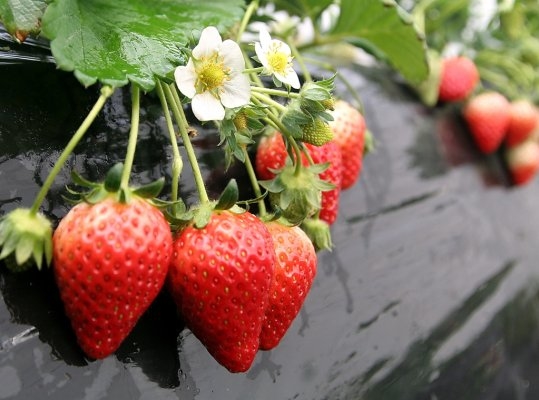
This strawberry farm is operated by a company created through a collaboration between Kanuma City and JA. At the farm, you can enjoy picking Tochigi's representative strawberry varieties, Tochiotome and Tochi-Aika. Reservations are required for strawberry picking, and you can eat as much as you want for 45 minutes. The greenhouses are barrier-free and equipped with toilets, so anyone can pick strawberries in safety. The shop also sells Tochihime, a strawberry that has been dubbed a phantom variety because of its soft flesh and rare availability, as well as the luxury variety Skyberry.

Nikko kaido Oshu kaido TOCHIGI
Igashira Kanko Strawberry Farm (Agurikko)

Igashira Kanko Strawberry Farm (Agurikko)

Moka City boasts the largest strawberry production in Japan. At Igashira Kanko Strawberry Farm, you can eat as many ripe, sweet strawberries as you like for 60 minutes. There are two varieties of strawberries: "Tochiotome," which has a good balance of sweetness and sourness, and "Tochi-Aika," which has little sourness and stands out for its sweetness. Enjoy your fill of fresh, delicious strawberries that are unique to this producing area. *You cannot choose the variety. *Reservations required for groups *Entry may be restricted depending on circumstances   In addition, the neighboring "Agurikko" sells fresh, freshly picked agricultural products all year round. Recommended products are fully ripe strawberries (January to May) and melons (May to June) from winter to spring, corn in summer, and pears and rice in autumn.

Nikko kaido Oshu kaido TOCHIGI
Moka Momen Kaikan

Moka Momen Kaikan

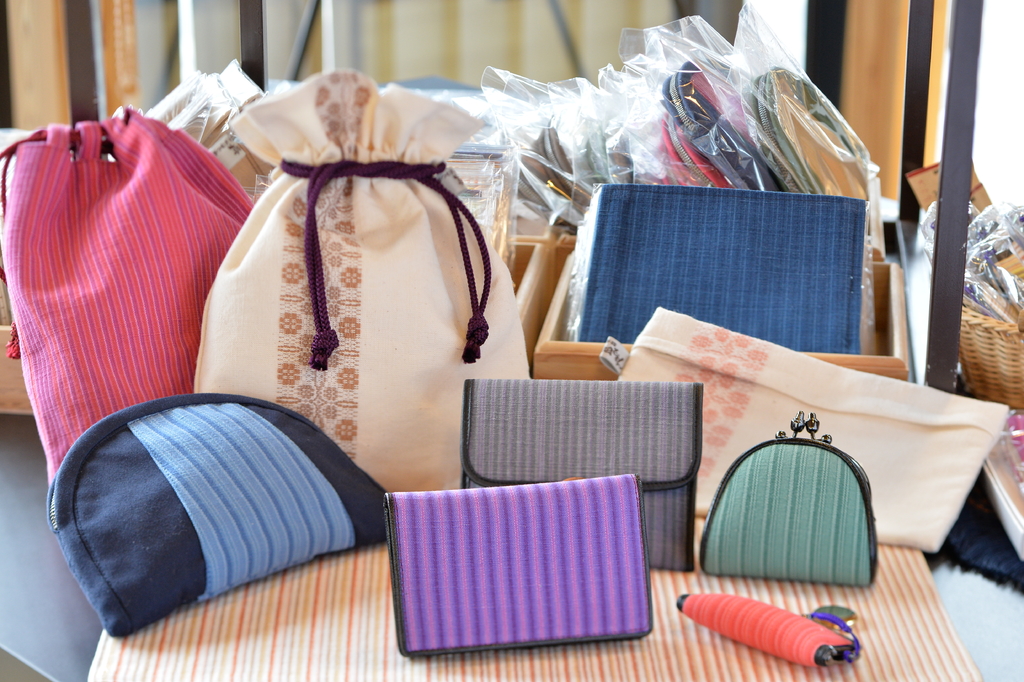
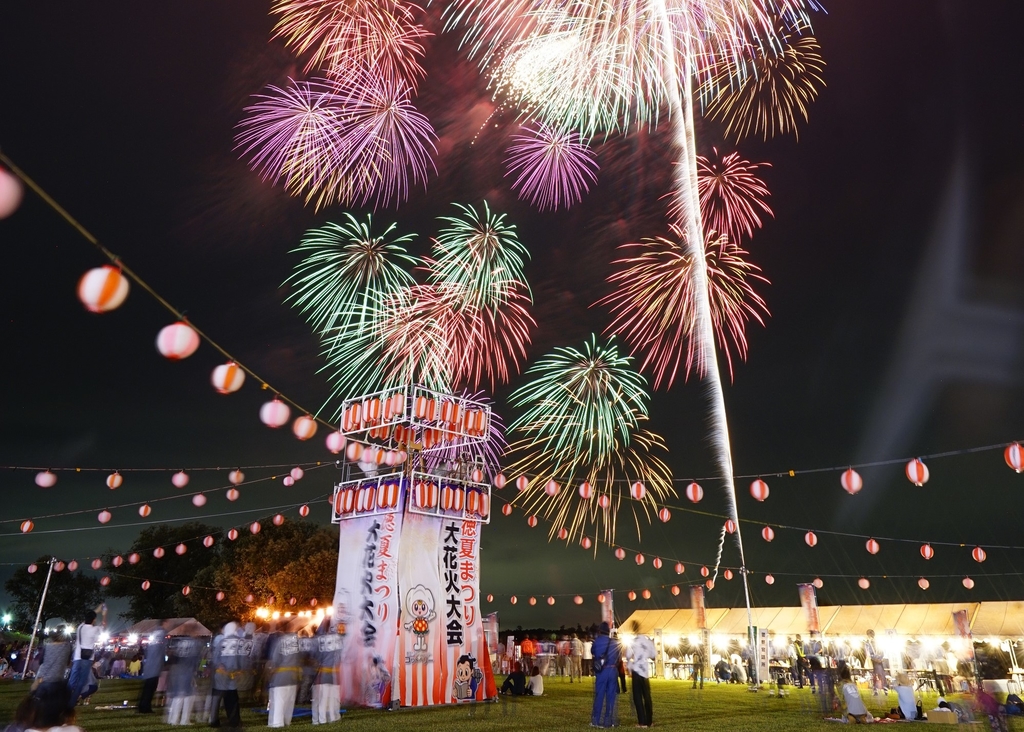
Moka Momen is a traditional fabric made in Moka City, which is so smooth to the skin that it resembles silk. It reached the height of its popularity during the late Edo period, but the work to create it, from cultivating cotton to spinning, dyeing, and weaving fabric, has been inherited by the Moka Momen Kaikan where even today it is all performed by hand just as it was long ago. In addition to fabric for kimonos, items perfect for everyday use are also produced.

Nikko kaido Oshu kaido TOCHIGI
Kubo Memorial Tourism and Cultural Exchange Center

Kubo Memorial Tourism and Cultural Exchange Center

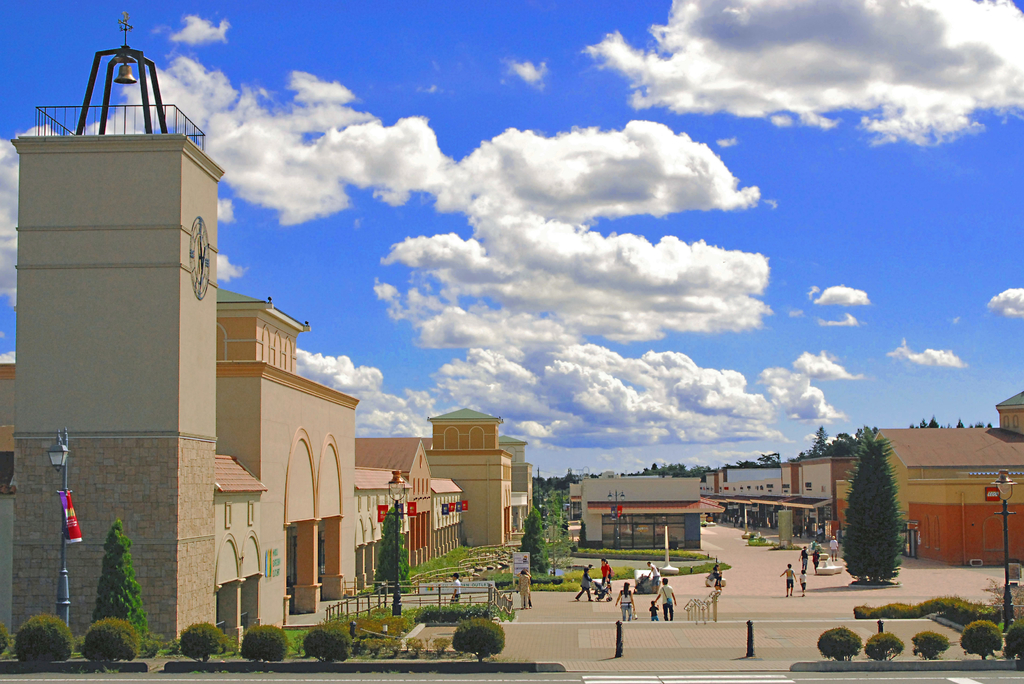
The residence of Sadajiro Kubo, an art critic connected with Moka City, has been given new form as a tourism center. There are a total of five buildings here, which include a Tourism Product Promotion Center and an Italian restaurant, in addition to historical buildings consisting of an Art Exhibition Hall built in 1923, a Tourism Town Development Center built in 1879, and the Kubo Memorial Hall built in 1907.

Nikko kaido Oshu kaido TOCHIGI
Kinugawa Onsen “Oni” Festival

Kinugawa Onsen “Oni” Festival

Setsubun Season – Celebrating with “Oni” from Around the World to Pray for Good Fortune and Drive Away Evil The Kinugawa Onsen “Oni” Festival (Shōfuku Oni Matsuri) is a winter celebration that combines the “Oni” in Kinugawa’s name with Japan’s Setsubun traditions. Held annually from late January to late February, the entire Kinugawa Onsen area becomes a festive stage where people and “oni” dance together to bring good luck and ward off evil. With the theme “Demons of the World Gather in Kinugawa – Humans and Oni Join in Festive Exorcism,” the event is both a blessing ceremony and a lively, family-friendly celebration. One of the highlights is the “SL Shōfuku Oni Train,” where participants dressed as oni ride a steam locomotive and interact with adorable local mascot characters like “Kinuta,” “Kinu-chan,” and “Kawa-chan.” Visitors can also enjoy taiko drum performances, monkey shows, chainsaw wood carving, demon-themed food, cultural experiences, and stamp rally games. It’s one of Kinugawa’s most vibrant seasonal events during the Setsubun period.

Nikko kaido Oshu kaido TOCHIGI
Nikkozan Yumoto Onsenji Temple “16-Character SHAKYO or SHABUTSU (Copying Buddha’s picture) Experience”

Nikkozan Yumoto Onsenji Temple “16-Character SHAKYO or SHABUTSU (Copying Buddha’s picture) Experience”

"Nikkozan Yumoto Onsenji Temple" is a branch temple of the world heritage site "Nikkozan Rinnoji Temple". Its history dates back to 788 when Shodo Shonin, the founder of mountain worship in Nikko, discovered a hot spring and enshrined Yakushirurikou-nyorai (the Buddha of healing) to alleviate suffering. Since the Meiji era, it has been known as a hot spring resort for common people seeking recovery and longevity.   While traditional sutra copying or Buddha tracing involves transcribing the entire sutra or drawing the entire image, Onsenji Temple offers original templates designed to be completed in approximately 15-20 minutes. For the Onsenji 16-character sutra copying, you will trace a section of the Yakushi Sutra written in light ink using a brush pen. For Buddhist image copying, you will trace the outline of a Buddha drawn in light ink using a brush pen.   Both practices allow individuals to connect with the Buddha, receiving their blessings and promoting mental and physical relaxation. The time spent engaging in sutra copying and Buddha tracing, fostering a deeper connection with the Buddha and oneself, is truly invaluable. As a token of your experience, participants who complete sutra copying or Buddha tracing and offer their work will receive a special temple stamp. Note: Brush pens are available for rental.   【About the Hot Spring】 Color of the hot spring water: Milky white Note: The source water is colorless, it turns milky white due to oxidation. * Be cautious as the colorless spring water is very hot. Quality of spring water: Sulfate and hydrogen carbonate hot spring. Therapeutic effects: Cuts, cold extremities, fatigue recovery, and more. Caution: Shampoo and body soap are not provided. Please bring your own if necessary.

Nikko kaido Oshu kaido TOCHIGI