Greater Tokyo

See & Do

reset
Otono-sama Cuisine”Ohime-sama” Cuisine

Otono-sama Cuisine”Ohime-sama” Cuisine

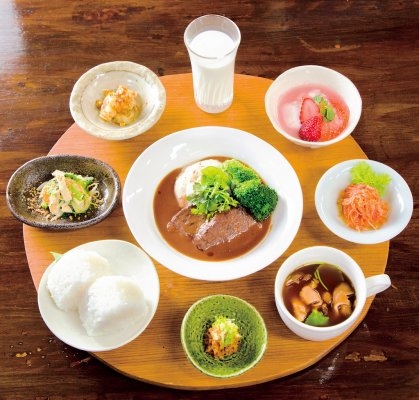
Otono-sama (Lords') cuisine and "Ohime-sama"(Princess') cuisine are based on the menus of the Edo era's Daimyo (feudal lords). Enjoy recreations of these foods that have been adapted over 200 years and made with a unique diversity of ingredients. This cuisine is highly regarded for its healthy ingredients and playful presentation. It’s currently offered at 12 restaurants in the town of Mibumachi renowned for developing a rich menu over three years.

Oshu kaido Nikko kaido TOCHIGI
Iizukatei

Iizukatei

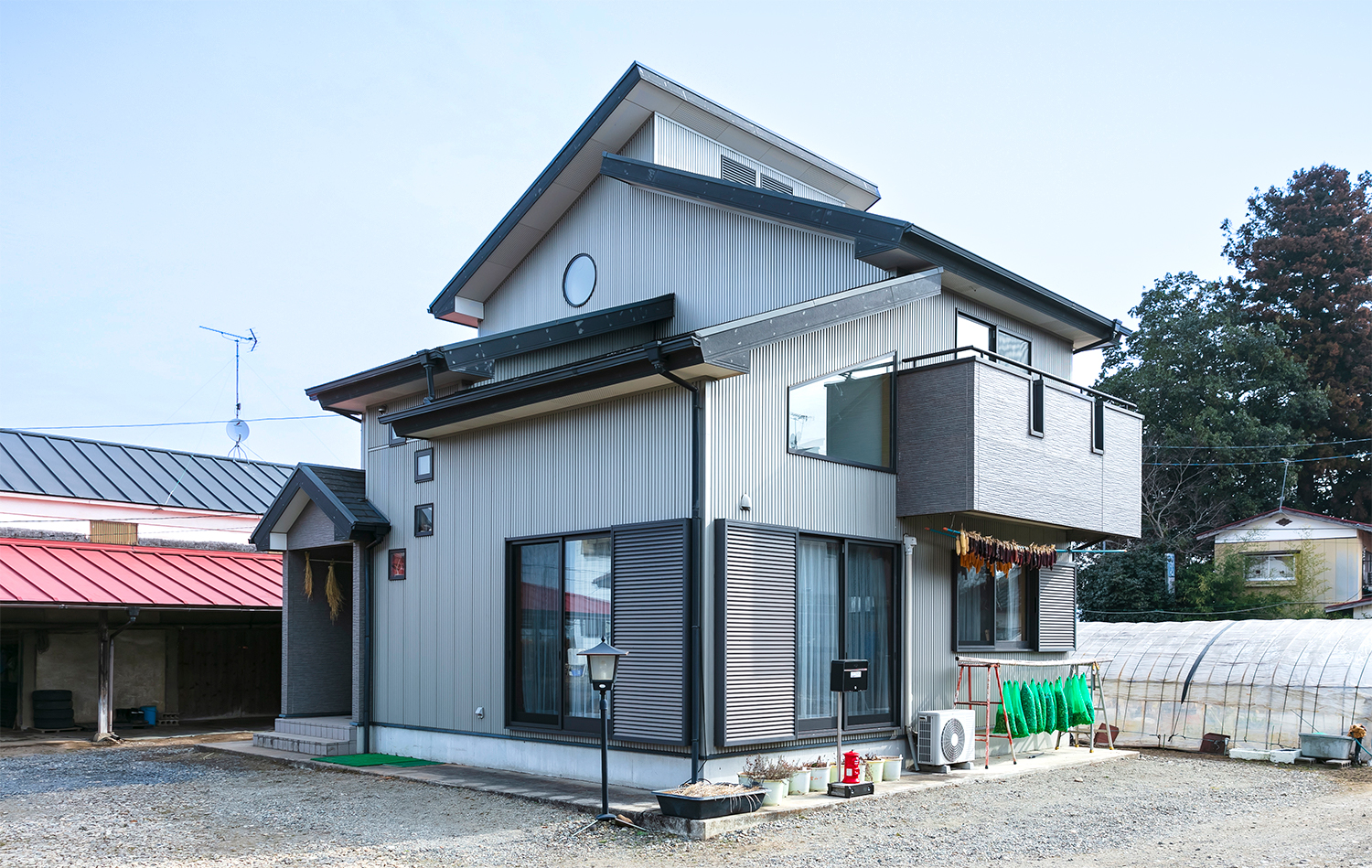
Iizukatei, the hotel renovated from a Registered Tangible Cultural Property of Japan, operates based on the notion that Iizukatei, a building having over 100 years of history renovated into a high quality accommodation using the latest technology and stylish equipment, together with restaurants and shops in town, make up the whole hotel stay experience. Guests are invited to try a new type of hotel stay in which they are immersed in the genuine Japanese lifestyle through interactions with town residents. Iizukatei has Hontaku (main building) and Shintaku (new buildings) and two Kura storehouses. Most of these buildings maintain what they were like at the time they were built. While equipped with items guaranteeing a pleasurable stay such as comfortable beds and a sofa as well as a modern kitchen, the accommodation still features both the new and old, allowing guests to experience the lifestyle of older times. During the stay, guests can customize their stay style by for example having meals delivered from a restaurant in town or visiting a farmer’s house to savor local food. The hotel also offers many activities including sweetfish fishing, pottery workshops, and biking.

Nikko kaido Oshu kaido TOCHIGI
Yoshi-yaki (Reed Burning) in Watarase Yusuichi

Yoshi-yaki (Reed Burning) in Watarase Yusuichi

Watarase Yusuichi (Watarase Wetlands) is one of the biggest wetland in Japan and has protected the lives and properties of urban areas from floods. It is also the treasure house for many species of animals and plants including endangered flora and fauna species and was registered to the Ramsar Convention Wetlands. Yoshi-yaki is done every year to get rid of the worms in Yoshi and to prevent the bush fires from spreading to nearby houses as well as to protect the invaluable wetland environment. The smoke, dust and ashes from Yoshi-yaki may be wide-spread due to the wind or up-current of the air and may blow onto surrounding properties. Please watch out for laundry hung outdoors and be aware when opening or closing windows."

Nikko kaido Oshu kaido TOCHIGI
Bijin Benten (Akashi Benten, Itsukushima Shrine)

Bijin Benten (Akashi Benten, Itsukushima Shrine)

It was erected in Kansei 5 (1793), and before the Meiji Restoration (Meiji Ishin), it was known as the Akashi Benten Hokora. In the past, there was a pond where Kiyomizu (Pure water) springs in this village, and it is said that she worshiped as a god closely related to the water. "Bijin (Beautiful Woman) Benten" is an alter ego of Ichikishimahime, a Enshrined deities of Itsukushima Shrine. 【Issuing a "Bijin (Beautiful Woman) Certificate"! * Fee Charging】 "Bijin (Beautiful Woman) Certificate" is a charm that issued by Honjyo Itsukushima Shrine (Bijin Benten) that certifies "Beauty". "Beauty" for "Bijin Benten" protects and proves the "kindness of women's hearts" that all women have, not the beauty of appearance."

Nikko kaido Oshu kaido TOCHIGI
Kanehon Quarry

Kanehon Quarry

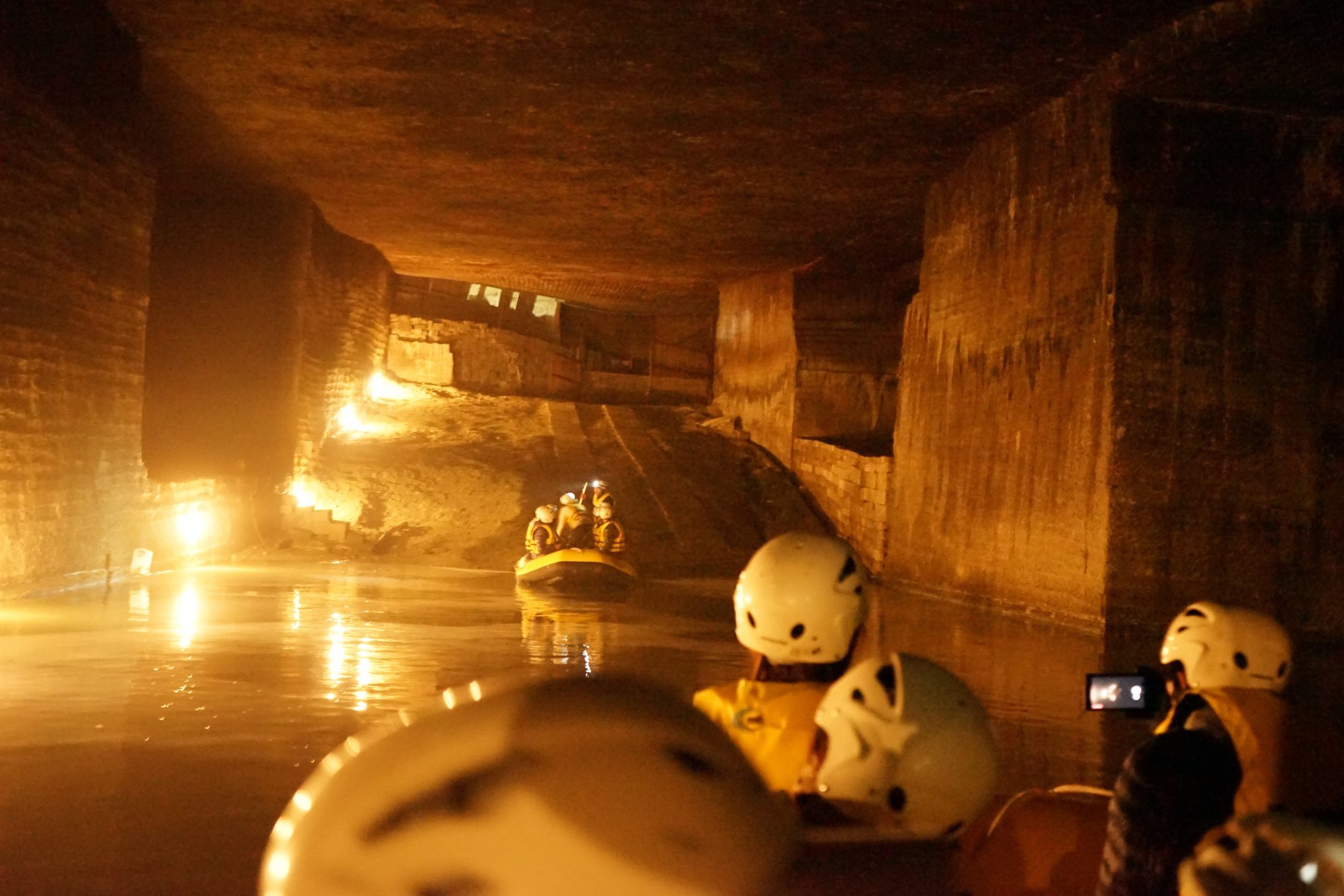
It is an operating open surface quarry of Oya stone. Next to the quarry are a stone processing plant, a stone waste dump and the mountain owner’s residence and office. You can see a flow of stone-quarrying here and make homemade pizzas in Oya stone, wood-fired pizza ovens. You can also take home a bag of Oya stone in an original KANEHON bag. Plus, there is an exclusive offer of Oya stone outlet items and Isseki series by Oya stone craftsman “Takumi” for tour guests only."

Nikko kaido Oshu kaido TOCHIGI
Utsunomiya Gyoza Festival

Utsunomiya Gyoza Festival

  Utsunomiya is famous throughout Japan for its gyoza, and so it’s only fitting that an annual festival to the fried dumplings would be held in the city. The Utsunomiya Gyoza Festival has been held at the beginning of November since 1999, with members of the Utsunomiya Gyoza Committee setting up stalls to sell their famous dumplings.   Visitors will be able to enjoy the subtle differences of dozens of dumplings as well as fill empty stomachs at a low cost: A three to five piece portion of gyōza, whether fried, boiled or steamed, will cost just 200 yen.   During the two days of festivities, visitors can also watch music bands and comedians at Miyajazz Inn, or see other live concerts at nearby venues.

Nikko kaido Oshu kaido TOCHIGI
Ohira Town grape complex(Grapes picking)

Ohira Town grape complex(Grapes picking)

The foot of Mt. Ohira is famous as a grape-growing mountain region, and is home to one of the largest grape-growing complexes in the Kanto region. The well-drained terrain and warm climate in spring and summer help to grow delicious grapes. There are about 50 grape farms in this area, and you can enjoy grape picking from August to September. A variety of grapes are grown here, including Kyoho grapes, also known as the king of grapes, the popular high-end variety Shine Muscat, Delaware, and Pione.

Nikko kaido Oshu kaido TOCHIGI
Yakushiji Hachimangu Shrine

Yakushiji Hachimangu Shrine

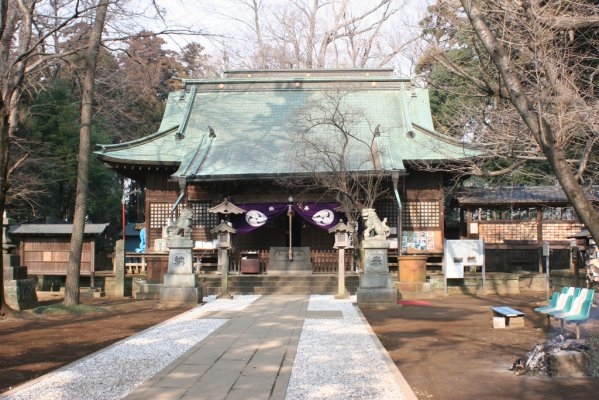
Yakushiji Hachimangu Shrine is also referred to as "Hachiman for warding off misfortune and disaster" and attracts a large number of worshippers.It was also known as the patron saint of the Genji and is known as a shrine where prayers are answered as Minamoto no Yoriyoshi and Minamoto no Yoshiie pracyed for victory in battle there. The shrine has long served as a patron saint for successive feudal lords and a center of faith for the people."

Nikko kaido Oshu kaido TOCHIGI
Koundo Main Store

Koundo Main Store

Although officially founded in 1868, the name of this venerable confectionary shop can be found in documents from the late Edo period. Its most famous offering is its Koin Monaka. These monaka (bean jam-filled wafer cakes) feature a motif inspired by the ancient official seals (Koin) of the Ashikaga Clan. Other popular items include its Koin Senbei (rice crackers), Takauji Senbei and Takauji (Dorayaki, bean jam filled pancake) , the latter of which was inspired by the character of the Ashikaga Takauji, the first Ashikaga shogun. Another popular item is their Monaka Gokko, which allows you to enjoy the classic flavor of monaka in a casual "make it yourself" style."

Nikko kaido Oshu kaido TOCHIGI