Greater Tokyo

See & Do

reset
Sanbonmatsu Chaya

Sanbonmatsu Chaya

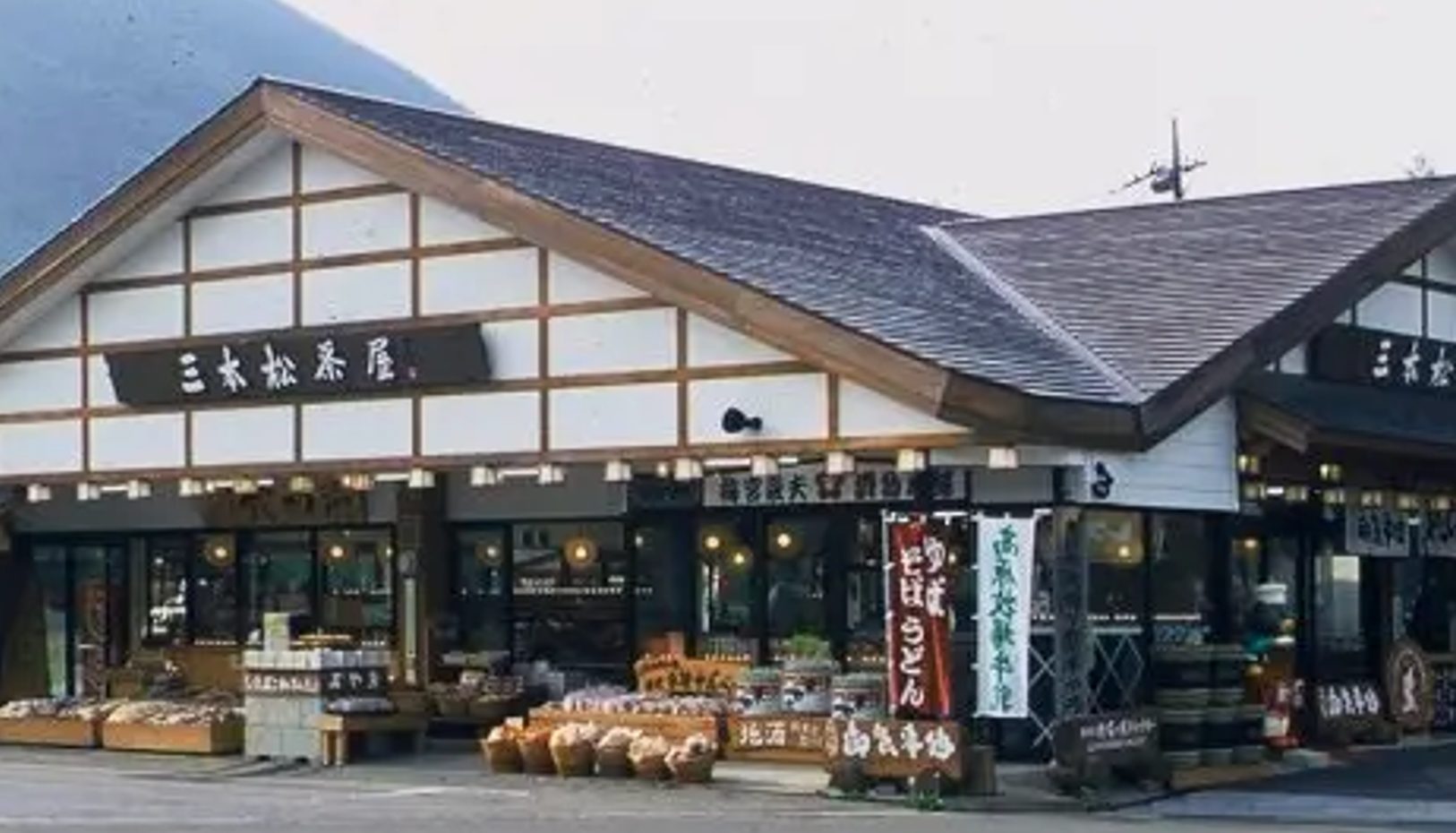
For over 100 years since its foundation, Sanbonmatsu Chaya has been a rest area for people who travel to, from, and through Oku-nikko. Please drop by for a rest during your trip. The restaurant serves homemade dishes using a lot of local ingredients, and the souvenir shop has a line up of items that you can buy only at Sanbonmatsu Chaya! They also offer a dessert making workshop (from around August through October): You will first harvest strawberries at Mt. Berry Okunikko in Senjogahara and then make sweets at Sanbonmatsu Chaya. You can make a reservation a week before, but they recommend you do so as early as possible. If there is a vacancy, you can even reserve your spot on the same day. Please enjoy making a dessert you like!

Nikko kaido Oshu kaido TOCHIGI
Nikko Botanical Garden

Nikko Botanical Garden

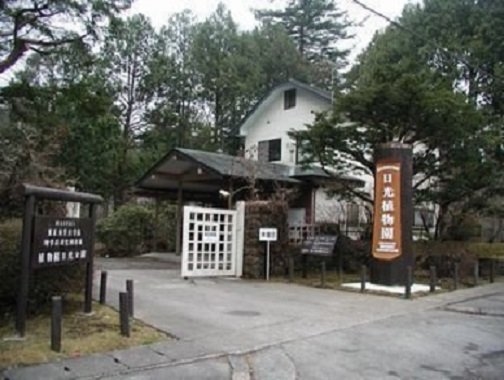
Nikko Botanical Garden is an institute for research and education of Graduate School of Science, University of Tokyo. The main activities of the Botanical Garden have centered on enriching the collections of temperate and alpine plants of Japan and adjacent regions for the purpose of botanical research and education. A total of 2,200 species (130 species of pteridophytes, 70 species of gymnosperms, and 2,000 species of angiosperms) are planted in the garden. Visitors can enjoy the garden's cherry blossoms in spring and the fall foliage in the fall."

Nikko kaido Oshu kaido TOCHIGI
Nasu Orgel Museum

Nasu Orgel Museum

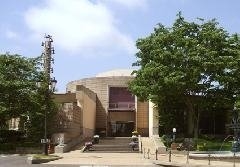
This music box museum is located in Nasu County, Tochigi Prefecture. Its permanent exhibit features 100 items including antique music boxes, mechanical musical instruments, and other items, most of which are from the collection of music box collector Kiyoshi Sato. The museum mainly exhibits antique music boxes made in the 19th and 20th centuries in Europe and the Americas. Visitors can enjoy explanations and music box performances by the staff for 20 minutes every hour. Visitors to the museum, which is visited by many tourists, can also enjoy activities such as making their own music box."

Nikko kaido Oshu kaido TOCHIGI
Jazz Town Utsunomiya

Jazz Town Utsunomiya

Utsunomiya City in Tochigi Prefecture is the hometown of world famous jazz musicians such as Sadao Watanabe and Haruhiko Takauchi. To make Utsunomiya a Jazz Town, various musical events are taking place throughout the year. New jazz-related groups are being created owing to the efforts of jazz lovers as well as owners of clubs and music houses that have a connection to jazz music. One such group is the Utsunomiya Jazz Association, and its member clubs are hosting live jazz performances where you can feel the vibes of Jazz Town Utsunomiya. If you are a first-timer, no problem! You will be warmly welcomed by regulars and staff members in a bright atmosphere. Enjoy a wonderful night in Jazz Town Utsunomiya.

Nikko kaido Oshu kaido TOCHIGI
mekke Nikko Kyodo Center

mekke Nikko Kyodo Center

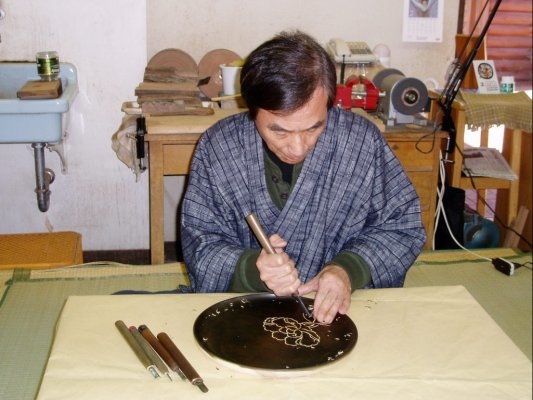
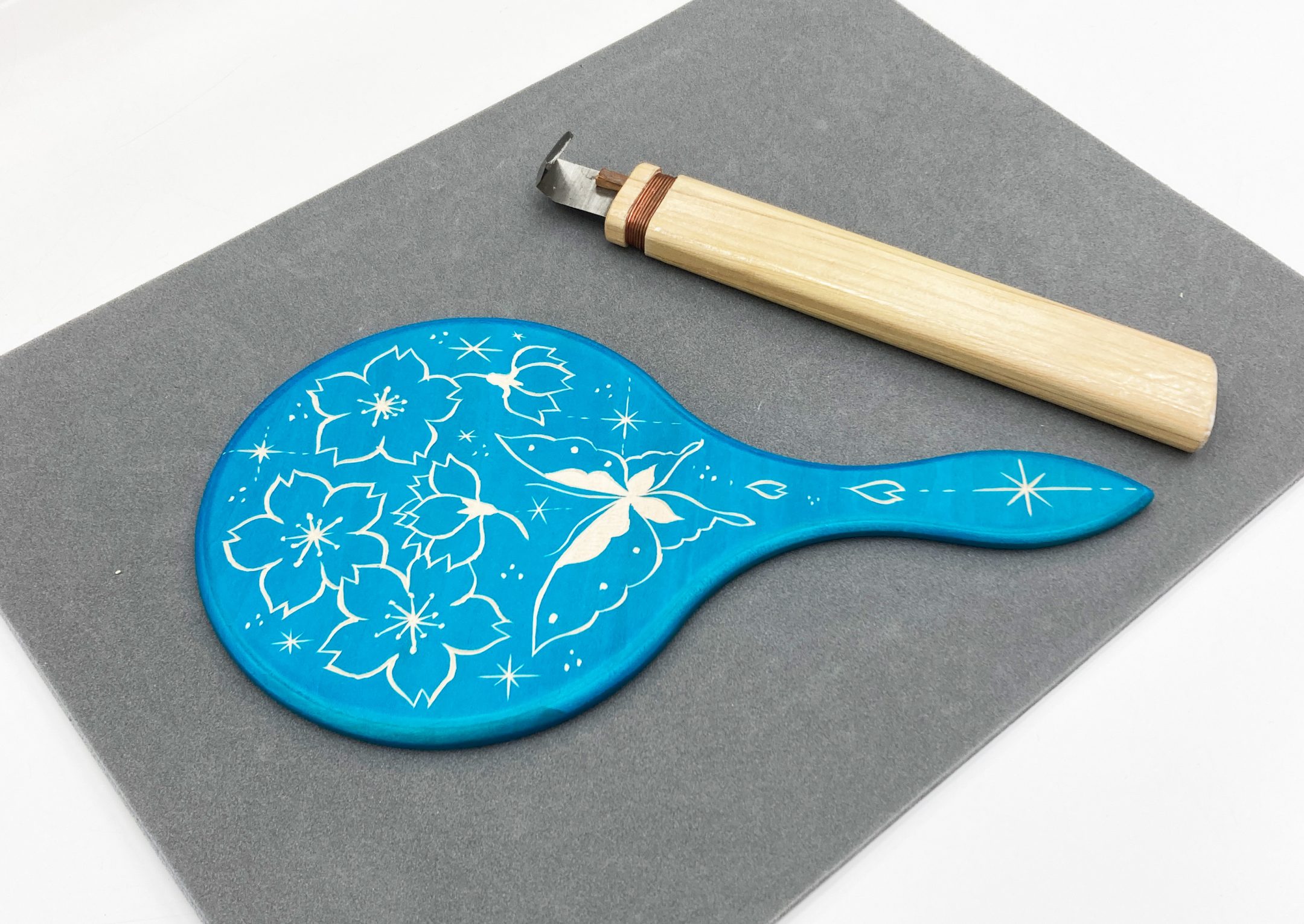
mekke is a base for “discovering” the charms of Nikko based on the theme of "feeling, connecting, and touring". Workshops that can only be experienced here, such as Nikko carving and deerskin leather crafting, are held from time to time. It also has a coworking space and community space, and is used as a place where tourists and local residents can easily connect with each other. Electric bicycles can be rented and baggage storage services are available, allowing visitors to tour Nikko in comfort. On the first floor, there is an exhibition space for Nikko's history and traditional performing arts, as well as a tourist information center, where you can freely pick up pamphlets to help you gather information for your trip. This is a new starting point for Nikko, where sightseeing, experience, and exchange are all connected in one place.

Nikko kaido Oshu kaido TOCHIGI
Rock Bath of Kinugawa Park

Rock Bath of Kinugawa Park

This is a day trip onsen facility in Kinugawa Park that holding by Nikko City.It is said that the water from here is good for skin and has a beautifying effect.   Both men's and women's baths have open-air baths and indoor baths. The open-air baths are made of rocks, and the source water is abundant, so you can enjoy the seasonal flowers and plants, as well as the chirping of insects and birds, while enjoying the baths.   The view around the onsen is very beautiful, which makes visitors feel relax here. In April, the park's weeping cherry trees are in full bloom, that you should't miss.

Nikko kaido Oshu kaido TOCHIGI
Setsubun Armor Year-cross in Ashikaga

Setsubun Armor Year-cross in Ashikaga

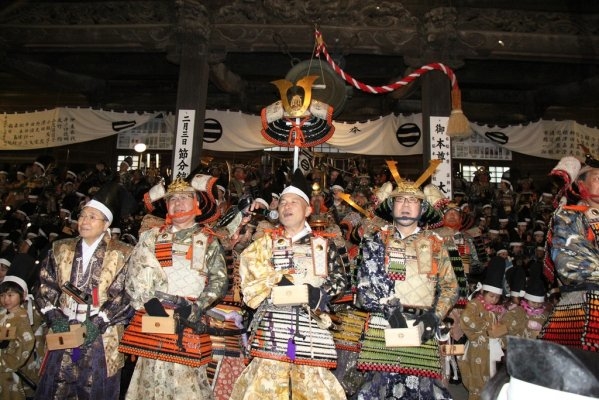
What is Setsubun Armor Year-cross? Every year’s February 3 is “Setsubun” festival in Japan, symbolling the end of the winter. On this day, Ashikaga City holds “Armor Year-cross” event, over 200 people would dress as samurai to join the event. The parade walk to Bannaji Temple from Orihime Community Center. People celebrate their victory when they arrived at Bannaji Temple, and pray for city’s prosperity. History of Setsubun Armor Year-cross Back to the Kamakura period about 750 years ago, a powerful samurai called Ashikaga Yasuuji led 500 samurai to assemble at Bannaji Temple, the residence of Ashikaga Family, in order to honor their family. 120 years later, his descendant, Ashikaga Takauji, became the Shougun of Japan and created the Muromachi period. This event was closed in the late Edo and Meiji eras, but in 1915 (Taisho 4) it was restarted by a group of fiber workers. Ashikaga City has samurai armor and kimonos for visitors to try on.

Nikko kaido Oshu kaido TOCHIGI
Yamaage Center

Yamaage Center

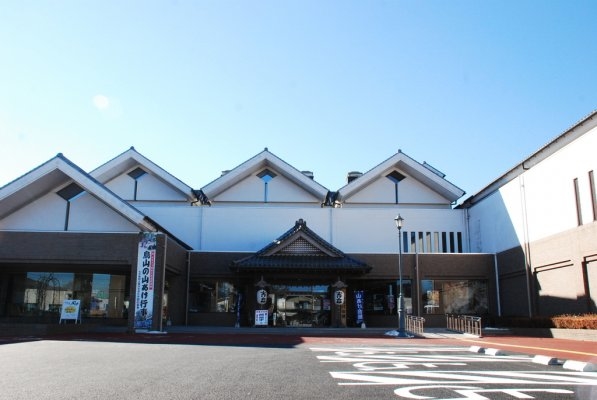
This museum features permanent exhibits about the Yamaage Matsuri of Karasuyama, UNESCO Intangible Cultural Heritage and a National Important Intangible Cultural Heritage. At this facility, a human-like robot named Kansuke Jiisan (Grandpa Kansuke) provides a detailed explanation of the Yamaage Festival. Visitors can get a close look at the large stalls actually used for the festival as well as a one-fifth-scale replica of the actual stage. Local specialty products are sold at the convenient tourist product corner offering the perfect souvenirs."

Nikko kaido Oshu kaido TOCHIGI
Gohanshiki

Gohanshiki

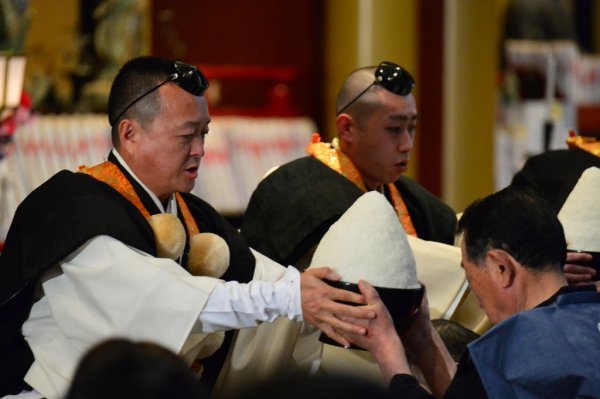
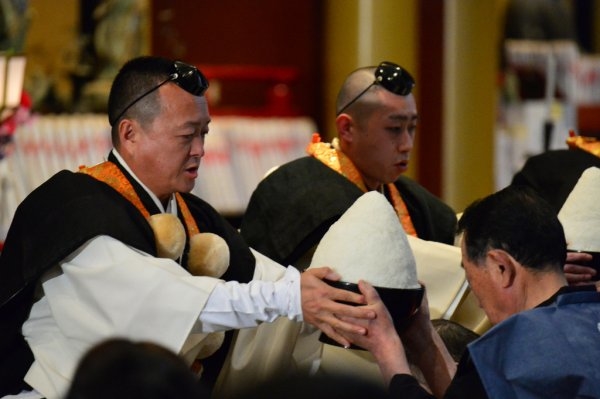
*Gohanshiki has been cancelled in 2020. This traditional ceremony is still observed only at Nikkosan Rinnoji Temple. In this ceremony, people are forced to eat a large amount of rice. Cooked rice are offered on a large plate and every grain are urged to eat. The big bowl contains 5.4 litres of rice. No one actually eats the rice, but it is said that those who participate in the ceremony will have a family fortune and a healthy life. This sacred rice dedication ceremony is part of Nikko's ancient mountain Buddhism. By doing that, it is believed that the blessing of Buddha will immediately eradicate the Seven Major Misfortunes such as fire, floods, devils, etc., and the people will receive the Seven Major Fortunes. It is said that even feudal lords such as the Tokugawa Shogun Families and other famous feudal lords across Japan joined this ceremony in the Edo period."

Nikko kaido Oshu kaido TOCHIGI
Kitsuregawa Onsen

Kitsuregawa Onsen

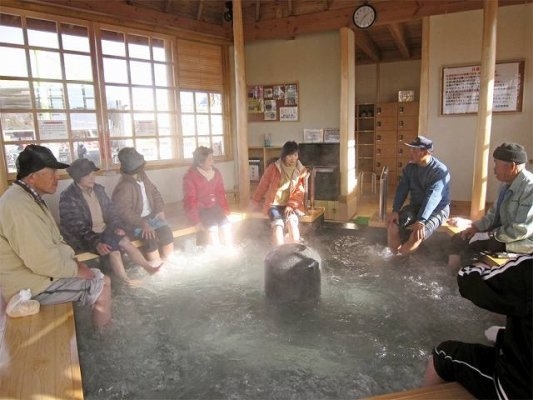
Kitsuregawa is a historic castle town and prospered as a post station on the Edo road. The Onsen is located along the rivers running through the town. The light-brown, salty, slightly alkaline water is one of the best in quality containing the three key elements of hot spring water: sulphur, salt and iron. Accessible in about 30 minutes from Utsunomiya, the prefectural capital, this is a popular Onsen for a day visit. You can also stop by the nation’s first roadside station with Onsen facilities inside.

Nikko kaido Oshu kaido TOCHIGI
Nijimi Falls

Nijimi Falls

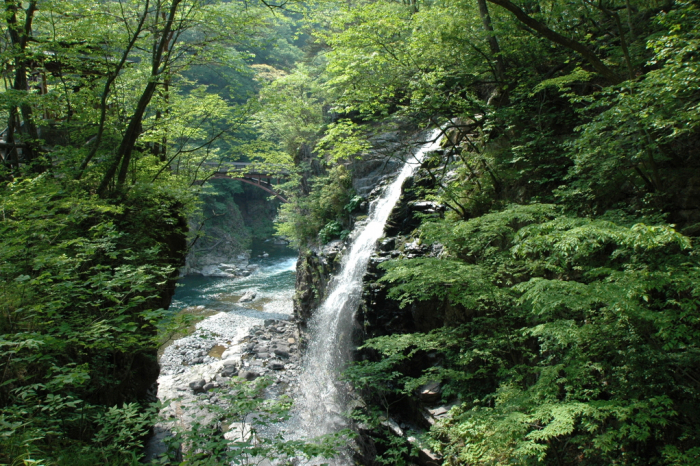
When sunlight hits the spray of the waterfall, a dreamy rainbow appears, making this a breathtaking highlight of your hike. Nijimi Falls is a symbolic scenic spot near Ryuokyo Gorge in Nikko. It is named after the rainbow often created by sunlight shining through the mist. The waterfall is about 20 meters high, and its powerful flow creates a misty spectacle. Visitors can enjoy close-up views of the waterfall from different angles along the well-maintained trail. This spot is an important stop along the Ryuokyo Gorge walking route. The trail is surrounded by lush nature, offering cool shade in summer, vibrant autumn leaves, and refreshing air all year round. It is recommended to wear sturdy walking shoes and take your time exploring. Particularly on sunny mornings, this is the best time to capture photos of the rainbow created in the mist.

Nikko kaido Oshu kaido TOCHIGI
MURASAKIZUKA GOLF CLUB

MURASAKIZUKA GOLF CLUB

Murasakizuka Golf Club, designed by John Benzel and Bob Wolf (USA), features technically challenging authentic courses on a vast hilly area of 1.16 million square meters. The contrast in landscape produced by ponds and waterfalls allocated in various parts on the courses is quite popular. The golf club has three courses – Ujiie, Katsuragi, and Saotome – totaling 27 holes (par 108) and 10,396 yards in yardage. The courses are on gentle slopes with an elevation of 10 meters. There are also accommodation sites on the premises, and you can choose your favorite stay style from a hotel, villa, and glamping. The villa comes with a private hot spring bath for you to spend a relaxed time alone with your family and friends.

Oshu kaido Nikko kaido TOCHIGI
Rinnoji Temple’s Gohan-shiki (rice-forcing) Festival

Rinnoji Temple’s Gohan-shiki (rice-forcing) Festival

A Dramatic Ceremony Draws Laughter and Gasps The Gohan-shiki is a unique ceremony that has been handed down only in Nikko area. Nikko was opened as a sacred mountain for the syncretization of Shintoism and Buddhism, and mountain asceticism by mountain ascetics flourished, with the ascetics bringing back offerings made to the main deity in the mountain and sharing them with people in the village.   The entire ceremony consists of approximately three parts: the "Santen Gogyo Ku" and "Saito Daima Gomaku," the "Gohan Gonyo Ceremony," and the "Garamaki".   After the "Santen Gogyo Ku" and "Saito Daima Gomaku,"the hall becomes bright, the recipients line up on the platform, and the "ceremony of receiving rice with strength" begins. The ceremony proceeds in the following order: "Gojinshu (sacred wine)," "Prayer," "Gohan (rice)," "Naseen (rice dishes)," "Kinko (food)," and "Koyo (offering). One of the most spectacular parts of the ceremony is when a monk dressed in a mountain priest costume presents three heaping piles of rice to a kamishimo-dressed recipient, who is told to "eat 75 bowls of rice without leaving any leftovers". The comical sight of the recipient being forced to eat the rice and having it placed on his head is sure to draw laughter from the audience.   After successfully completing this ceremony, the recipients will conclude the ceremony by sowing the blessings they have received in the ceremony to the general public, in accordance with the Buddhist teaching of "not keeping the blessings for oneself but sharing them with others.   In the Edo period, only feudal lords of 100,000 koku or more could serve as a recipient, and the Tokugawa shoguns and other famous feudal lords from all over the country were named as recipient as an "honor for my clan".


Nikko kaido Oshu kaido TOCHIGI
Utsunomiya Gyoza Festival

Utsunomiya Gyoza Festival

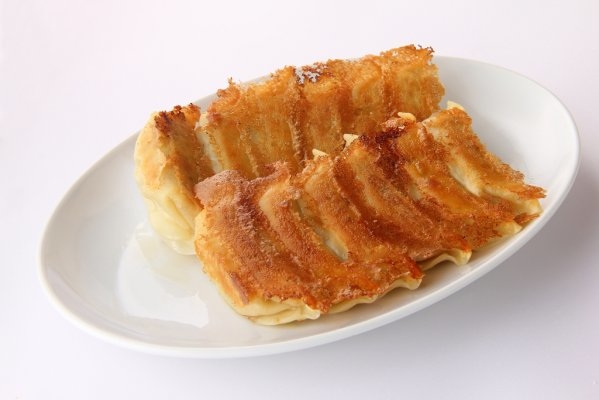
  Utsunomiya is famous throughout Japan for its gyoza, and so it’s only fitting that an annual festival to the fried dumplings would be held in the city. The Utsunomiya Gyoza Festival has been held at the beginning of November since 1999, with members of the Utsunomiya Gyoza Committee setting up stalls to sell their famous dumplings.   Visitors will be able to enjoy the subtle differences of dozens of dumplings as well as fill empty stomachs at a low cost: A three to five piece portion of gyōza, whether fried, boiled or steamed, will cost just 200 yen.   During the two days of festivities, visitors can also watch music bands and comedians at Miyajazz Inn, or see other live concerts at nearby venues.

Nikko kaido Oshu kaido TOCHIGI